Forever Young: Our thoughts on youth and growing up

It seems that universally, youth is held as this fragile thing; we fear its loss and feel pressured to make it count. But, why is it that within the human experience, our “prime” has been reduced to a predetermined period in our lives? In reality “youth,” in the way we’ve conceptualized it, only makes up such a small, borderline insignificant part of the lived experience. Think about it: your late teens to late 20s (18-29) only comprise about 10 percent of your lifetime (if you’re lucky enough to live till you’re 100). Reconciling with the fact that our time is quickly running out, three of us MODA Digital writers have decided to come together and reflect on the concept of youth, vulnerability, and our own experiences growing up.

Oh… and we have these super cool photos from this past Halloween that we forgot to share… oops (our bad). So, since this is low-key a ~spooky~ topic, we thought it would be fitting to include them here.

We hope you enjoy :) !

Sincerely,

Riya, Maryam, & Liz

Ruminations on Maturity

I have always been reluctant to call myself mature. That isn’t to say that I think I am immature; in my head, maturity was (is) something stagnant and distant— something achievable. Like a milestone, representing peak wisdom. I think that I always thought that one day I would wake up and just know that this was it. This is “maturity”. Whatever that means.

In a very meta way, this refrain from admitting my own level of “grown-up-ness” was something I used (use) to make myself feel mature. Somehow, to me admitting my immaturity was mature in and of itself; I was acknowledging that transition was inevitable and imminent, and that I would continue to gain knowledge about the world throughout the rest of my lifetime. That I had not yet peaked in my understanding and perspective of the world, and would continue to grow— and that I was absolutely not naive to that fact. I was self-aware. But in reality, it was (is) just a method of protection: from independence, from societal expectations, from change. From the responsibilities that accompany maturity.


(october 31, 2008)

Maturity is, according to Merriam-Webster, “as in adulthood”. Synonymous to: adulthood, adultness, prime. Adulthood is associated with big things– bills, a big-girl job, expectation, marriage, kids, property ownership, stocks, investments, maturity. This scares me. A lot. And, according to the societal timeline, the deadline to get my shit together, to reach adulthood, is coming up, and fast. Right now, there’s this immense pressure, both internally and externally, to not only set yourself up to be successful financially, emotionally, physcially, and socially, but to also “make the most” of this time while doing it. But at the very least, at this point there is an expectation of direction. But what does that even mean?

It’s so easy to fall into this cycle of attempting to temporally *catch up*. But what, or who, are we trying to catch up to? Everyone else? Who says we all have to move at the same pace? Is there really even a pace, or is there just an illusion of one created by a million people trying to move faster than each other all at the same time? I always used to think of college as this great period of experimentation, your “prime”, both academically and personally; this is the time to try new things, figure out what you’re passionate about. But once you’re here, it feels like tunnel vision is the only path to success, a singular, elusive blueprint that will lead you to maturity. You must be focused on your future from the beginning, don’t slow down because you’ll fall behind! Which, of course, isn’t true. But it feels like it. But it isn’t true. And because it isn’t true, that means that the pressure to abide by this path also isn’t true.

I guess my point is that it’s okay to slow down. There are no deadlines, there are no cut-offs for when you’re allowed to try something new, when you can part from the pre-charted path— it’s all made up anyways. And it’s also okay to acknowledge the change you’ve undergone, the growth you have experienced thus far. You (I) are a dynamic being, and you (I) should be present. Or, in other words, 

I am mature.

<3, Riya


Cold Coffee

I like to think I’ll be forever young.

I also like to think I’m invincible. 

Full of life. Full of energy. Full of ambition.


I don’t like to sleep.

I like to tell myself not to sleep because I’m running out of time.

Don’t go to sleep because you’re invincible.

I sleep for 4 hours.

Wake up.

Drink caffeine.

Day begins but

I’m tired.

I thought caffeine wasn’t temporary.

I thought it would last forever.

I thought I was invincible.

I thought I would be forever young.


I’m running out of time.


I take a nap.

Wake up.

Drink caffeine.

It’s 5pm and I’m still tired.


I thought caffeine wasn’t temporary.

I thought it would last forever.

I thought I was invincible.

I thought I would be forever young.


I’m running out of time.


I like to stay awake.

I like to tell myself not to sleep because I’m running out of time.

Stay awake because you’re invincible.

It’s 3am.

Typing.

Drink Caffeine.

The night is young but

I’m running out of time.

- Maryam

Some Luck for those 20-somethings

To a younger me, your twenties were freedom personified. Like a true idealist, adolescent Elizabeth believed that 20-something Elizabeth would be uninhibited by her parents, real-world systems, and silly social conventions (minus the ones she would benefit from of course). She would be likable— lovable even (she prayed and hoped as much). She would be the kind of girl you couldn’t help but stare at with twinkles in your eyes. She’d have the kind of career that allowed her to make a ridiculous, borderline impossible amount of money to fund her “soft life” while simultaneously being a crowned party princess. And for her, no effort would be required to romanticize life when it was all— everything she lived for— already romantic.

Well, that is all to say that Elizabeth is now freshly twenty. Six definably mediocre months in, to be exact! And though in some ways I guess she’s fulfilled a few of the things on that checklist, for the most part, in trying to make her twenties “worthwhile,” she’s faced more anxiety and disappointment than desired or initially anticipated.

i.e. we lost the original plot.

You see, what adolescent Elizabeth believed in was a fairytale version of her twenties. She was lulled into believing that her twenties were everything because, as a little girl who also thought little of herself, the autonomy that her twenties sold was the most precious thing she could ever fathom having.

But now, I am twenty and suddenly realizing that I am still not as unconquerable as I had hoped. My mental health is probably at its most fragile, and my body is soon to follow. Every day, I become more convinced that I’ll have Arthritis by age 30. Also, if I’m being honest, my childhood insecurities kind of just morphed into something far more insidious, wrapped #coquettecore style in pretty paper with a satin pink bow to tie.

Not to mention, my so-called “autonomy” is actively being stifled by the VERY REAL-world conventions and adult responsibilities that a younger me had so naively unconsidered. Realistically, it seems these next few years will be filled with a lot more confusion than romance and that the optimal yet tragically superficial lifestyle I had once visualized was simply a symptom of the ways we have all universally fetishized “youth” (and no, I’m not talking about the gross, creepy way).

Innocence and blameless irresponsibility are inherent to “youth” fetishization— and those perks are the most appealing for obvious reasons. Sure, we can talk about physical beauty and all that (which plays into it), but what I’m interested in and currently struggling with is the sudden loss of these two things. Twenty so far, though young, feels like an age that’s only hanging on to my “youth” by a thread, and my “innocence” is quickly expiring (if it has not already) as I slowly pile on responsibility.

I can no longer say, “I’m too young to know any better.” I was. I’m not now (I say this even though my prefrontal cortex hasn’t fully developed). I realize now that we’ve enveloped “youth” with a sort of haze, making clear as day all the “good” and exciting parts. Things like party culture, college, adventures, young love, physical attractiveness, and the list goes on. But, we’ve hidden all the chaotic and ugly parts, or maybe as we grow up, simply forget them. Yet, at twenty, I am being forced to face the world and all the havoc humanity has had on it, even while I may argue that I am not ready. What’s scarier is that I can only pick up the pieces and move forward when I, too, inevitably make mistakes along the way. Blamelessness out the window.

Of course, that may make me anxious sometimes and, in others, disappointed. But I keep trying to remind myself that what’s important is that the (my) world won’t end. It didn’t when I was 12 and much too naive, or 15 and ridden with raging hormones, or 17 and extremely indecisive and fucking clueless. Spoiler: I’m still like that. I’m just hoping it’ll work out somehow.


At twenty, full clarity, the biggest lesson I’m learning is to give my younger self a break because she really deserved one, and lord knows I still do now.

It would be disingenuous to say that I’m not petrified of growing up, so we can skip this round of the pretend game. Instead, I’ll end with this: these 20-somethings won’t at all be perfect, that’s true, but at least they will be mine to define, and that much I’m excited about (the rhyming was a little atrocious but you get the gist).

Wishing you & I the best of luck, always. <3

xoxo Liz

There you go, a few anecdotes to help get you through the next decade or so or at least to make you feel a little less alone.

Moral of the story: while you may feel a lot of pressure at this stage of life to “do it right” or minimize your future regret, remember that we’re all just trying to take it one day at a time. So, all you can do is try your best and have some fun while you’re at it!

If you made it this far, thank you so much for reading— we truly appreciate you!

Yours,

Riya, Maryam, & Liz

Images courtesy of MODA Digital Team & our lovely friends.

I bought a $45 Digital camera and it’s now my favorite thing to own.

One of my favorite pass times growing up was flipping through my parents’ old photo albums and seeing pictures of them during their “prime.” Tangible documentations of unforgettable moments filled with pure joy and so much life as they navigated their teenage and young adult years. And though I’d always wished that there were more captured for me to see, what made the experience better was the added bonus of hearing the anecdotes that accompanied those memories. So despite having sat with this thought for years, I found that even more recently, all I could think about was how exciting it would be for me to start documenting my life in the same way.

Though, I don’t particularly consider myself to be one of those people who believe they were born in the wrong generation, as I like to think that others were much worse (to each their own I guess). There is simply nothing better than that nostalgic grainy 90s/ early 2000s digital picture quality or that of even older vintage film from the 60s/70s. What can I say? Photos like that simply make me happy and seeing them resurface has been one of (if not my favorite) throwback comebacks.

And call me basic, but I can’t lie, after seeing girls on my Pinterest boards and Bella Hadid thrive with their digis, I too needed to have one of my own. So over the summer, right before my birthday (that was the trigger lmao), I decided to bite the bullet and surf eBay, Depop, Etsy, and Poshmark, (you name it I was probably on it) until I finally came across one I loved. Quite literally my holy grail, my cherry-red Fujifilm FinePix digital touchscreen camera sold to me by a wonderful seller on Mercari. And not to be dramatic but I’ve never made a better decision in my life!

My digital camera has allowed me to capture some of the most amazing moments with friends and family in a way that my phone simply does not compare. That alone is why I’m obsessed. I often like to joke about being in my “photographer era,” but to be honest, I don’t think I’ll ever leave it. The older I get the quicker life goes by, and the faster it goes, the more I find myself wanting to record all of the moments that count. 

Don’t get me wrong, I’m a strong believer of living in the moment. Yet, what I think is great about this idea of “ living in the moment” and having a digital camera (or film, or polaroid, or camera in general etc.)  is that picture-taking becomes a part of said moment. Everyone is excited when the camera comes out, it’s like a mini photoshoot. Think: you’re at a y2k themed basement party, your friends are stunning, you’re meeting strangers and they jump in too. It’s exciting and lively, the music is amazing, and you’re overall just having a good time. 

Like don’t these pictures just give you so much serotonin? Every single one gives main character energy!

That’s the magic. To put it simply, taking pictures on your digital camera doesn’t feel like a dent in the moment nor does it feel like this obligatory thing that you have to do in order to retain a memory in all of its glory. It feels natural and in the end, it is the fun!

So just in case, you were thinking about it already, I say make the one purchase that you definitely won’t regret (as long as it's from a trusted seller lmao, remember reviews are your best friend!). 

Until then, I hope you enjoyed these pictures of my hot friends and I. Shout out to Hour.nine :). 

Signing off with this sketchy alley photo — Liz


MODA Blog Winter Favorites

Welcome to MODA Blog Favorites! This is our series where MODA Bloggers, photographers and editors let you know what we’re loving! From binge-worthy series, to our favorite books to some Holy Grail skincare products, the team wishes you all a safe, and healthy spring quarter. Here’s what the team is loving, hopefully bringing you a dosage of inspiration!


Nadaya

Paco Rabanne, Phantom

So, this technically isn’t my cologne. I got it as a gift for my best friend, and since I’m with them nearly 24/7 (roommate privileges) I’m always getting the essence. Not cheap, but I saved up and I love my friends.

I ran out of my own personal favorite fragrance and I’ve been way too lazy to re-up, so I’m living vicariously through them. I’m super sensitive to colognes & perfumes, but this one is creamy, woody, and earthy in all the right ways. Cozying-up-by-the-fire type things, perfect for the colder months.

Aashana

The Ordinary

Simple, effective, and looks great on your dresser! This is the first time I’ve had an actual AM/PM skincare routine, and it’s been such a wonderful winding down act of self care. The Ordinary is incredible because you can mix and match your own routine, and there’s tons of websites and blogs to help you do it. Plus, super pocket friendly––and who doesn’t love cheap things?

Matthew Sumera

Telfar Duffle (small)

The perfect bag. The perfect size. My go to going out bag. It can hold everything I need— my vape, poppers, and crystals.

Vivian

Acne Studio Scarf

I am not good at dressing for Chicago winter, but having a big, warm, colorful scarf like this changed my fashion game because I am no longer shivering in the wind. Purple is my favorite color and this pattern goes with most of my wardrobe. Even my lazy day sweatsuits look cute after I put this on!

sample(d) I: Moon Men pt. 1

“The reader is the space on which all the quotations that make up a writing are inscribed without any of them being lost; a text's unity lies not in its origin but in its destination.” 

-Roland Barthes, The Death of the Author 


The beauty of music — to me — is within the lyrics. But would this mean that the magic of songs lie within the songwriter? I’d beg to differ. The true power of a song — of a chorus or a bridge or a hook— lies within the listener. More specifically, how listeners can actively take apart lyrics and interlace a chorus, a hook, or a bridge into a tapestry of their own creation. It is the way a listener weaves their own lived experiences, imagination, and imagery to songs that make it last; make it mean something. This poem-based series is my way of exemplifying how magical songs are to me. 

I’d like to invite you to bask in the magic too… 


Sample(d) I: Moon Men

“two drifters off to see the world”


In this first installment, I “sample” a myriad of artists but primarily the various artists that have covered the iconic song “moon river” (popularized by Audrey Hepburn’s version in “Breakfast at Tiffany’s).

moon river

from breakfast at tiffany’s and beyond

Moon river, wider than a mile

I'm crossing you in style someday

Oh, dream maker

You heartbreaker

Wherever you're going I'm going your way

Two drifters off to see the world

There's such a lot of world to see

We're after the same rainbow's end

Waiting round the bend

My huckleberry friend

Moon river and me” 

-Performed by Audrey Hepburn, and Frank Sinatra, and Frank Ocean… 

… my turn-ish


moon landing

A love on a lie

is a castle on a glass cloud 

but not this love 

for it is different 

As if here on worn-in sheets under dim motel lighting

On a cross-bred cocaine high  

Nothing else matters 


And as your body curves into mine 

you confess, “this love is made of something out of this world”                                                         

— something I already know

… 

Let the crashing comets collide against the earth

Let it catapult me into the clouds

   into space 

So far from earth

So far from matter

Where I can lay in moon dust

with you forever

Where I can lay here in moon dust 

with you forever

A future with you

is a future worth dreaming of

A love on a lie

is a love good enough

for me

… 

And as the stars in your eyes dim into a deep sleep 

I’m mesmerized that somehow I’ve landed you 

and

I solemnly swear 

a secret

“I promise you 

I’ll stay here forever

and whatever comes after 

doesn’t matter”


Check out part 2 to this series debut…

You won’t be enjoying it as much.

Ever noticed when you got very excited/happy/fascinated by something and then stopped feeling so elated too quickly? That something could be:

  • seeing the view from a skyscraper

  • falling in love with a piece of clothes/song

  • getting coffee in a fancy cafe

  • studying in a Harry Potter-style Harper (?)

    Ever wondered why? Well, apart from simply meaning “getting used to things”, the phenomenon has an actual name - hedonic adaptation. I am also personally assigning it similar concepts - the law of diminishing returns (hi Econs!) and the magic of the first sip. All saying the same - the pleasure decreases as the quantity increases.

    Hedonic adaptation and pleasure

    Hedonic adaptation explains that humans tend to return to a stable level of moral state after experiencing either a big positive “earthquake” or a negative one. This model of hedonic treadmill represents it visually:

So you can see how it accounts for both positive and negative events. Those can also represent things you really liked and disliked, so I want to ponder about how your perception of them changes over time!

Hedonic adaptation and beauty

I am sure you can come up with dozens of examples from every day. Well, me too ;). Then let’s reflect on our lives together. But this is MODA, so let’s focus on beauty, yep?

The first time I saw the night Chicago, I couldn’t worry about anything else — only that view occupied my mind, and my aesthetic hunger was satisfied more than ever. However, as the time passed, I wanted more for my dinner, or else, I would have to wait for a bit until I could indulge in that beauty after starving.

Now, let’s dig deeper. Or rather, broader.

I have friends who visited both Milan and Paris — the epicenters of fashion (maybe you heard about them;) ). From their words, people there tend to be naturally stylish and give the atmosphere of fashion. We also know that both countries are respected for their sophisticated mastery of art. So, is there a coincidence between the majesty of the the French and Italian architectural beauty and the human nature of its citizens? I believe so, and the actor behind the scenes is hedonic adaptation.

Because they are surrounded by the beautiful views all the time, they don’t perceive them as unusual or pleasing— which is obvious. But apart from accounting for happiness, I believe hedonic adaptation is also responsible to the high beauty standards of the French and Italians. That is why I think they differ from one country to another on a grand scale, as well as from one person to another — on a small one.

Fashion trends

Quickly changing? Different? Innovative? For the same reason. I believe that due to hedonic adaptation, our eye becomes a picky fashion critic demanding new, better, and more. So, I am sure that models are excited about the plethora of fancy clothes just at the beginning, after which a shiny Versace blouse doesn’t tempt them as much.

Sad? A bit. Only sad? Not at all.

Now, your turn to share your examples. But while you do, I wonder how you feel about it. Indifferent? Disappointed? Encouraged? I, personally, get sad after realizing that the fascination is usually quickly gone. I feel ungrateful after realizing that “the mind-blowing” becomes “the ordinary”. But I also see some consoling advantages in this phenomenon. We are still talking about beauty. Those could be:

  • well, you also quickly recover from the depressing Zoom sceneries (or a coffee-stained white shirt. or the image of your face with a 4h sleep).

  • it’s creatively simulating. your artistic perception improves, and so does your aesthetic criticism!

  • eventually, your demand for standard of living raises. and doesn’t your impeccable taste deserve to be satisfied?

So hi here, at the end, reader. What I want you to leave with is: realizing that, perhaps, workers of The Empire State Building get bored with the view over time, so you won’t lose by not achieving this common dream of most of us.

Hedonic adaptation is a very natural tendency, and I think it is important to be aware of what pushes you to say “it’s nothing special” versus “it’s unutterable!”

And to be left speechless more often, please refer to this guide of using hedonic adaptation to increase your level of happiness ;).

Is Sexual Wellness the New Wellness?

As technological advancements democratize industries such as beauty and wellness, we have witnessed an inundation of indie DTC brands brushing upon a variety of women’s needs, all with similar offerings. As a result, the femtech space has faced claims of being overly saturated. The sexual wellness category has received such criticisms. However, it’s hard to deny the potential for the future of this female-targeted industry that piqued during ‘quarantine’ and continues to revolutionize women’s health. 

The fact of the matter is, we know so little about women's bodies. Most of the educational resources focus on fertility science, and, as such, sexual wellness companies working on anything more than luxury sex toys and organic feminine products tend to target aspiring mothers. Companies like Oova and Kegg have developed highly advanced fertility tracking devices that rely on daily tests of urine samples and cervical fluids (respectively) taken at-home on the user’s devices. However, the current technology has ushered in a new form of birth control: the fertility-awareness-method (FAM), which consists of tracking one’s fertility levels to inform decisions about sexual activity. Natural Cycles, an FDA approved hormone-free birth control, uses daily tests of basal body temperature to track fertility, and it’s said to be 93% effective with typical use (99% with perfect use, but who are we kidding). While the majority of fertility tracking devices were developed as methods for family planning, the scientific discoveries behind fertility tracking, and women’s health in general, are highly exciting, and I refuse to believe that women looking to get pregnant are the only ones who would like to know what's going on in their bodies. 

Image via

As far as popular sexual wellness companies go, there are too many to count, and they all largely gravitate towards two product categories: vaginal health and sex essentials. Shoppers today have no problem finding the right vibrator, condoms, lubricants, and even more hygienic products such as wipes and women’s supplements. While I’m not here to recommend products, it is worth mentioning that the increasing competition amongst sexual wellness brands is fueling even more creativity within the industry. Take the indie brand We Are Nakey, whose single product, the Muff Masque, is a sheet mask for ‘down there.’ Described as a sheet mask for your vulva, this product is certainly a clever take on this popular self-care trend. This all goes to say that whatever sex product you want, it likely exists. 

Image via

Despite the rising popularity of sexual wellness, the industry struggles to overcome the taboo that is talking about sex. A large obstacle for sexual wellness brands has been ad restrictions. Brands selling products of a sexual nature face real barriers as they rely on guess-work to determine whether or not their ads will be approved. In response to these frustrating restrictions, sexual wellness brands Unbound and Dame Products recently launched an interactive website that presents users with examples of ads that were and were not approved, demonstrating the arbitrarity of the process. However, ad restrictions are not the only area in which sex stigma poses a threat to the industry. Most companies within this category allocate a lot of resources towards increasing awareness about sexual wellness and education. In a failed attempt to destigmatize the category, some companies have taken the luxury approach, setting higher price points and partnering with luxury retailers in order to brand their products as luxurious as opposed to taboo. However, indie brands have critiqued this approach, pointing out that it does not facilitate any larger efforts to destigmatize sexual wellness. At the end of the day, the fate of sexual wellness lies less in the hands of society’s comfortability with discussions of sex and more in the hands of innovation. While sex toys are well on their way to taking their place as an acceptable bedside staple, it’s up to research and technology to catapult this category into the mainstream.  

Image via

The convergence of sexual wellness into the larger wellness industry is revving up excitement for the future of women’s health. For example, I am specifically fascinated by the start-up skincare company, Veracity, which aims to tackle the largely ignored mystery driver of skin health: hormones. The company has developed a hormone testing kit that informs customers about their personal hormone levels, as well as other biofactors related to skin health like pH, cortisol, and DHEA, and recommends skin care products, dietary strategies, and lifestyle choices that fit your needs. It is becoming more and more clear that there is no one-size-fits-all model for women’s health. Research that gravitates towards customization and personal biological drivers continues to redefine the wellness industry. While Veracity doesn’t serve as a holistic bridge between sexual education and wellness, their incorporation of hormonal science into a field that largely ignored it is pretty disruptive. 

Image via

While sexual wellness has been trendy for quite a moment, the work of science, along with some incredible leading women, is aiming to make it routine. It’s no secret that we have a lot of ground to cover as we educate ourselves on the biology of womens’ bodies. Whether you interpret this message as a friendly reminder to book a check-up with an OBGYN or an introduction to a new form of sexual wellness, keep an eye out for this rapidly evolving industry; there’s always something to learn.


Featured image via


Coffee Crawl: Understanding Pour Over Coffee

It was not until I came to college that I realized how prevalent coffee has become in our day to day lives. We wake up, craving coffee. We spend time with friends, grabbing coffee. We survive the day after an all-nighter, drinking coffee. Simply, coffee has become more than an energy booster. It is a tradition with a culture of its own; expressing itself through fashion, music, lifestyle, gastronomy, art, design and more.

Exciting as it might sound, however, coffee culture can be intimidating, especially when faced with a selection where the only item you recognize is a cappuccino. I can’t even tell you how many times I ordered a hot chocolate instead of a coffee because I was too scared to keep a line of caffeine-deprived coffee heads waiting to ask about the difference between an aero press and a syphon. 

This is why I created “Coffee Crawl”—a guide that will take you through the intricate and interesting corners of coffee culture, so you don’t have to stick to hot chocolate (nothing against hot chocolate, I do love a good cup of cocoa). I hope this series will serve as a roadmap for all your caffeinated escapades, making your daily coffee more than just a cup that gets you through the day. 


The Pour Over

The first stop on our Coffee Crawl is the “Pour Over,” a coffee that my friend described as “insulting and confusing” because it’s twice as expensive as the “drip” coffee at Plein Air even though it looks the same. I completely understand the frustration, the look of the coffee doesn’t do it justice; however, when it comes to taste, that is a whole different story. Compared to the drip coffee that you can simply make at home by pressing a button on your coffee maker, a pour over is manually brewed, requiring significantly more time and skill for which you get a morning cup with a whole new depth of flavor that your Nespresso could never give in return. 

A Bit of History

Before explaining the magical process behind this brewing technique it might be interesting to know that the pour over is nothing new. In fact, it’s been around for more than a century thanks to a German lady named Melitta Bentz who got sick of drinking bitter and muddy unfiltered instant coffee. To get rid of the unpleasant sludgy and thick texture she hated so much, Melitta went against the coffee mainstream of her time and started drinking her coffee poured over a brass pot with holes and a paper on top. The paper would catch all the freely floating coffee powder, leaving her cup cleaner and less bitter. Sharing this technique with her friends and community, Melitta slowly started changing the global coffee scene to a point when even the so-called Viennese café intellectuals switched from their adored rough black sludge to the Bentz filter.

The original Bentz pour over “brass pot”, 1910

Pour Over Now

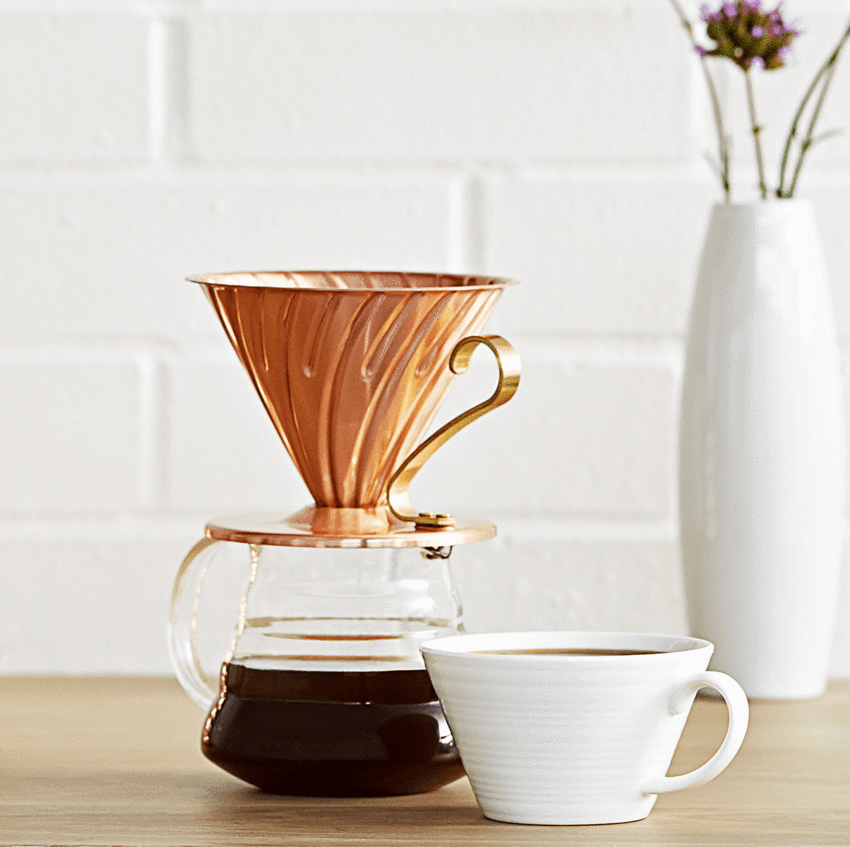
Funnily enough, not much changed since Melitta’s days. Her approach to coffee is, in fact, what grounds our ever-changing coffee drinking society into tradition. We still prepare coffee the same way she did— we take a filter paper, put it into our pot of choice, throw in coffee grounds and pour in hot water. The only difference is that now we use prettier and more refined brass pots to do so. The ones you will see around the most are Chemex, V60, and Hario Switch; the others, I would say, are designed for first league coffee enthusiasts, and you will probably never see them on a coffee shop menu. 

 For those interested, here is a quick run down of the three “main” brewers.

Chemex

A sleek hourglass design that self regulates the contact with water and the beans.

Produces the lightest tasting coffee.

V60

A spiraled brewer that makes every coffee ground count.

Produces the clearest coffee without filter paper flavor— very common with other brewing methods.

Hario Switch

Looks like a V60 but has silicone base for immersion brewing (water soaks and mixes with the beans instead of passing straight through).

Produces a rich dark flavor and a smooth thick texture.

And for those that are a little less enthusiastic but still want to know why it’s worth to pay $2 more for a cup of simple black pour over coffee, the main take away is that a pour over will give you a lighter and smoother coffee taste without the grittiness of unfiltered coffee—which I think worth every extra cent.


Thumbnail image via

Source: https://www.homegrounds.co/best-pour-over-...

Clever Subject Line: Did You Forget Something?

Your cart will expire in 10 days.

Ask any friend of yours who’s locked down, working/studying, and doing how we would now describe as “pretty good!”—they definitely have 6-8 tabs open on their laptop and cell phone. Some e-mails, scanned library books, maybe even their favorite study-tuber (okay, just me?), and about 3 different types of shopping tabs. There’s the product search results page, on which they are still browsing for the perfect combination of stars and reviews; there’s the full cart, sitting in anticipation of an uncertain click; and there’s the 10-minute-old shipment racking page, reserved for the more committed procrastinators (or maybe just the daftest).

I’d like to call myself a pretty tame shopper. After recovering from my weekend suburban-mall-trip addiction in middle school, I’ve grown increasingly less and less interested in the shopping experience. And while online window-shopping was the high school distraction I had to conquer next, I’ve never been the type of person with a full cart open in a faraway, pitifully hidden tab.

confessions.gif

That’s not to say I haven’t had my fair share of quarantine purchases. Most of mine, however, have been pre-meditated, habitual: the start of a new routine like matcha lattes in the morning or a new candle to burn each month. I’m a stranger to the kind of shopping I’ve been doing in the past few days. A new interest in skincare? Physical devices to extinguish my distress? Gen Z-targeted birth control and liquid blush? Who am I!?

Anyway, I wanted to take this opportunity to discuss the uniqueness of our quarantine purchases. It’s not just paints and puzzles anymore; we’ve collectively evolved past March 2020. Our feigning interest in quarantine trends allows us to now ask the question: what do our unique purchases say about us? Are we vapid? Hopeful? … Have we given up? I don’t have the answers, there’s not a lot of those lying around these days. But I can share my own, in an effort to partake in an exposé of ourselves and our habits.

I share this list without much comment because, well, it’s really open for interpretation. Your guess is as good as mine.

serenilite.jpg

Ummmm

You know, just exploring other avenues to express our feelings.

blankie.jpg

A weighted blanket

But then I was like, wait…my comforter is already pretty heavy and these are… pretty expensive!

clip on.jpg

A clip-on book light

Still considering. Need to read more physical books to justify. Reminiscent of the old GAMEBOY light attachment. Very chic.

mug warmer.jpg

A mug warmer

Honestly, why are there not already a common thing? (You: because we have microwaves...?) Okay, but have you seen the selection? Crazy ones that also charge your phone, smart mugs that keep your drink at a constant temperature, smart coasters, wireless warmers, the list goes on! These range from $12-200, so I’m holding off until I have a more permanent home.

TO.jpg

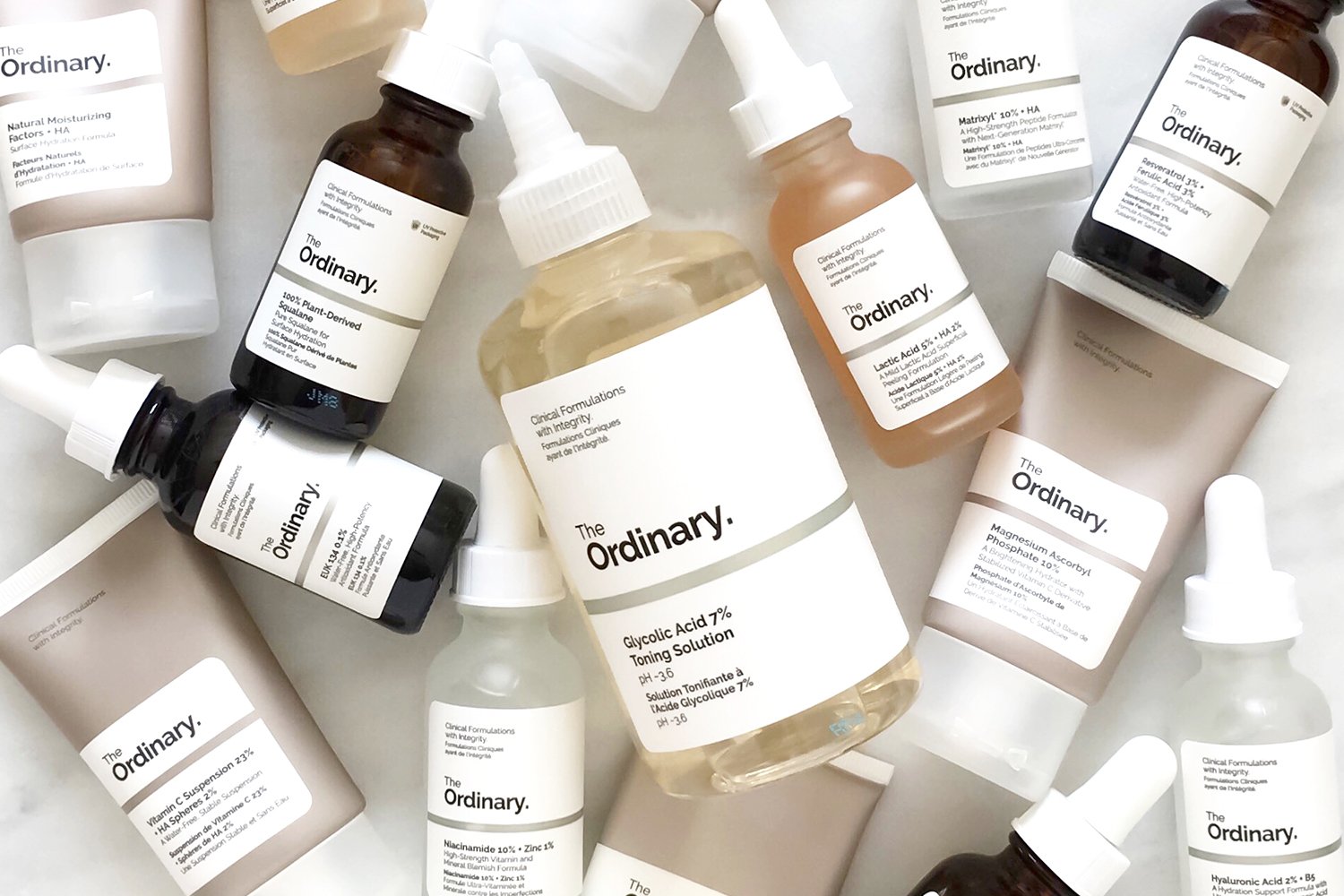
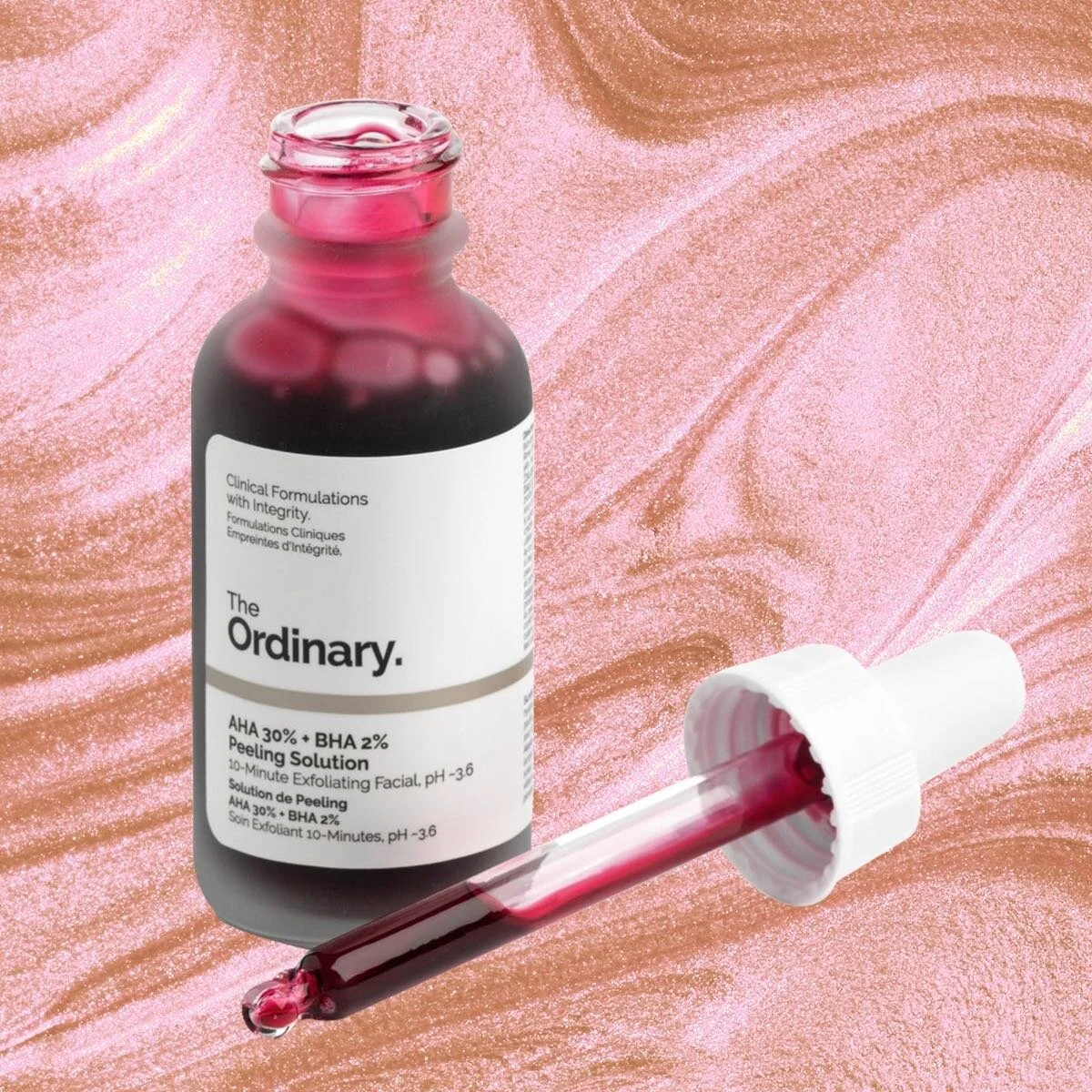
Various The Ordinary products

Youtube rabbit holes and a queue full of Skincare by Hyram. But I can tuck this one under self-care and pre-meditated purchases.

BC.jpg

And, finally, some BC refills

Unwilling to brave my OBGYN office, I opted for an online service, having only ever done so in foreign cities. Here, of course, all of the options I found were carefully marketed, cute, and with painfully terrible customer service. My order has been messed up twice already, but I just want that free chocolate.

I’m nothing if not practical, but that’s not always a positive thing. People keep saying we’ll know more about ourselves than ever when this is all done. I say we’ll just have had more occasions to be self-perplexed.

Thumbnail image via, content images via here, here, and here.

Recipes from Obaachan: Red Bean Buns

Growing up in a Japanese household in America, I always considered both America and Japan to be my home. Whether it be in code-switching or family gatherings, I was always “mixed” - and food was no exception. Our pantry was always stocked with soy sauce and hot sauce, and meals were always served with fluffy white rice and southern sweet tea. But as my mom was Japanese, my food preferences ultimately ended up Japanese, and Japanese food came to symbolize “home”.

Indeed, going back to Japan was always a much-anticipated culinary treat - my grandmother, the best cook I know, would make endless plates of home-cooked Japanese cuisine that would be perfectly complemented with locally-made mochi. When I took a bite out of saikyo-tsuke grilled fish or chirashizushi, I knew I was right where I belonged.

Now that I’m living away from home and have more time due to quarantine, I decided to embrace cooking as a way to stay connected to my roots and feel closer to home an ocean away. I named this series in honor of my grandmother, or obaachan, who always has a smile and a recipe to share.

This is the first of a series of recipes, so stay tuned!


Red bean buns are actually a Sino-Japanese dish. This style of buns are very common across Japan as street food, and it’s especially popular during the colder winter months. The filling is made from red beans, a classic Japanese dessert filling. In this recipe I opted to use home-made red bean paste, but you can just as easily use pre-made as well. I also used chunky paste, but creamy red bean paste works just as well - it’s all up to preference!

This is a super easy recipe, so I’d definitely recommend trying it out!


Red Bean Buns

Makes 8 medium-sized buns・ Time: 1 hr

Ingredients

For the bun

  • ⅓ cup (50 g) baking flour

  • 1 ⅓ cup (150 g) cake flour* (you can use normal all purpose flour as well, but for best results use cake flour)

  • ½ tbsp. (5g) Yeast

  • ½ tbsp. (5g) Baking powder

  • ¼ cup (30g) sugar

  • ½ tbsp. (6g) vegetable oil

  • A pinch of salt

  • A little over ½ cup (100 ml) water

For the filling

  • 1 1/3 cup (150g) red bean paste, either chunky or smooth


Steps

  1. Mix all of the bun ingredients together in a bowl. Knead the ingredients together until it makes a smooth ball. (Don’t knead it too much, because we want to keep it fluffy.) Cover with a paper towel and let rest for 20 minutes at room temperature.

  2. In the meantime, boil some water in a pot that has a lid. Once the water has boiled, line a steaming tray with parchment paper and place it into the pot. You want to make sure that the water is just barely touching the surface of the tray. Adjust the water accordingly.

  3. Take out the dough and cut it into 8 pieces. It should be nice and fluffy at this point. Gently roll the dough into a circle that’s around 1/8 inch, or about 0.5 cm, thick.

  4. Take a scoop of red bean paste and place it in the middle into a ball. The amount of red bean paste here is up to you - just be careful not to overstuff! Fold the edges into the middle and pinch the dough where they meet. The traditional shape is a swirl at the top, but I just make them into a volcano-like shape.

  5. Place the buns into the steamer basket, leaving about 2 inches (4 cm) between each - they will expand! Cover the pot and let steam for around 15-20 minutes.

  6. Take them out and enjoy!

IMG_6537 copy.jpg

The Tortoise was Right

Nathan Berry, founder of ConvertKit, authored three books in less than nine months. These three books transformed his entire business, earned him substantial amounts of money, and connected him to the leading players in the digital marketing world. But, how did he achieve such an extraordinary result? Did he lock himself in a cabin and write frantically for eight hours a day? In fact, quite the opposite. The way Nathan achieved such a remarkable result was by writing only 1000 words (about 2-3 pages) per day for 253 straight days. {1} Nathan’s success is radically different from the traditional conversations that surround high performance, success, and achievement. Nathan excluded burning the candle at both ends and making extraordinary sacrifices in his achievement. And, on no individual day did Nathan outwork anyone else. His daily output resulted in a high ‘average speed’. Nathan’s consistent productivity enabled him to distance himself from the rest and attain exceptional results. 

Authority figures convince us that accomplishing our goals and attaining high levels of performance require extraordinary discipline, motivation, and effort. Teachers, celebrities, and business leaders all relay the same message: you must work hard to excel. However, the elusive concept of ‘hard work’ is unclearly defined. By looking at those who really progress, ‘hard work’ only drives part of their success. Instead, ‘average speed’ offers a functional, simple, and tangible framework to achieve our goals. 

To perform any behavior requires a certain amount of effort. Turning on the T.V scores a 1 on the difficulty scale of 1-100 — effortless and easily repeatable. Surviving a rigorous, nausea inducing workout scores 100. This degree of effort can be performed once or twice, proving difficult to sustain. So, the sweet spot that we should aim for in our pursuit hovers somewhere in the middle, near 50. We strive to do things large enough to make a difference, yet small enough to repeat consistently. Actually performing repeatable behavior eventually increases our ‘average speed’. 

{2}

Anyone can garner the motivation to visit the gym for a day and exert a singular maximal effort. This burst of ‘maximum speed’ often defines ‘hard work’. What if we averaged your exercise over the past month? Or three months? The past year? Our average speed likely plummets much lower than we expect. Rather than focus on ‘maximum speed’, pivoting towards ‘average speed’ expedites our progress towards attaining our goals.

The concept of ‘habit graduation’ can empower us to increase our average speed with time. {3} By incrementally improving our current habits, we enhance our sense of wellness and productivity. ‘Habit graduation’ refers to reaching one level higher than your usual output. If you aspire to improve your fitness level and go to the gym once per week, can you graduate to twice per week? If you want to improve your sleep, can you wind-down your days sooner and get in bed 30 minutes earlier than usual? If your work schedule is busy and you speak with old friends once every several months, can you schedule calls once per month?

By establishing goals and envisioning steps we can repeat daily, we enhance our probability of crossing remarkable finish lines. If we start with unreproducible leaps, we will fall short of our goals. Rather, steady progress yields measurable success. The tortoise proves right after all. 

Featured Image via

Unmask the Self Within

A global pandemic that infected millions and drastically altered all of our lifestyles turned our definitions of normalcy upside down. Every day is now a blur of daily death tolls, digital platforms, and masked faces at abnormal distances. Yet our world is now linked by this crisis that unifies us all. In the stillness that comes with waiting for a pandemic to end, we might undergo a paradigm shift as COVID-19 affords us a greater appreciation for health and well-being. It lets us reject animalistic pursuits of money, power, status, and the notion of being superior to someone else. Now more than ever, it is time to look within.

But first, let’s examine what life in the U.S was like before it led the global tally of coronavirus cases by a factor of four times greater than second-placed Spain and had more cases than the next five countries behind it combined. Contrary to the notion that life in America has achieved unparalleled prosperity thanks to sky high corporate profits and GDP, the human data tells a very different story. Suicides, mental illness, and unemployment are also at all-time or multi-decade highs. And, despite advances in modern medicine and technology, life expectancy has decreased for three consecutive years, a nearly unprecedented phenomenon for a developed country. As off-target measurements lead us off a cliff, we have been distracted from the real consequences of plagued health and neglected wellness. Focus on purely economic gains robs us of fulfillment in perverse ways, as drug companies and private insurers profit off of lost human potential and suffering.

Students at the University of Chicago sit at the top of the educational pyramid, and at the very top of the global opportunity scale on a planet with 7.8 billion people. By that measure, we are already winning. Yet our lives are still riddled with stress, anxiety, conflict, and the pursuit of some ever-elusive finish line that we cannot see but race breathlessly towards as everyone else around us feverishly chases one, too. A fear of not winning a race we aren’t even sure why we’d want to win in the first place is what propels most of our lives. So, if this is the desperate cycle we confront even though we have the most opportunity, imagine what it must be like for those who have been kicked to the curb in our society. Now more than ever, it is time for introspection.

If you find journaling by hand dreamy and unrealistic, I offer that you consider a more effortless and contemporary way to look within: create an electronic journaling space that is easily accessible across your devices. By making your journal available across regularly accessed platforms, writing becomes quick, easy and repeatable. Apple’s Notes lets you pin a note so that it appears prominently at the top of your list on the iPhone, iPad, and Mac. Or, you can download Google Docs onto your smartphone and favorite your journal on your computer’s web browser. Since our phones travel with us, they create a seamless space to jot down feelings, inspiration, or observations at any given moment. No matter how informal, these reflections can help us connect with ourselves more clearly. The value of journaling comes from engaging with it when the spark strikes, and technology can provide a handy blank canvas. A living and breathing document to consider my personal life and career path has proven highly worthwhile. It can limit mindless wandering, demystify long-term goals, and deepen our appreciation for how we use our time every day. After all, our lives are not some ever-receding date in the future: our lives are right now. As Annie Dillard once said “how we spend our days is, of course, how we spend our lives.”

As we heal from this pandemic, we can cure ourselves of other plagues, too. After all, quarantine is a place of isolation not only from a potentially deadly virus, but from the aimless and feverish racing we do without reflection. It is an invitation to restrain ourselves and curb the spread of our own toxic habits. The stillness we gain now might just clear the fog enough for us to find our own finish lines. 


Featured image via

Source: https://gallerix.org/storeroom/1810940048/...

Ways to Romanticize Your Life

Winter quarter can be an especially difficult time due to having to suffer through dreadful weather on top of the stress of school. During times like these, it’s particularly important to put effort into romanticizing your life and creating moments of happiness for yourself. Romanticizing your own life rather than others’ can be difficult for some people, but don’t worry! I’ve compiled a list of easy steps you can take to brave the turmoil of a Chicago winter.

Image via.

Image via.

Document Beauty

One thing that I’ve found to be especially helpful is documenting whatever beauty you see in your life. Looking back at snapshots, whether of a beautiful flower you saw on your walk to class or a candid blurry picture with your friends, is a great way to keep yourself grounded in the positive memories you’ve made rather than focusing on the rough patches. It’s even more effective to take videos of the moments you know you’ll want to remember. Put together some clips and add a song you love as the background music, and I promise you’ll feel like your life is straight out of your favorite indie movie.

Image via.

Image via.

Create Playlists

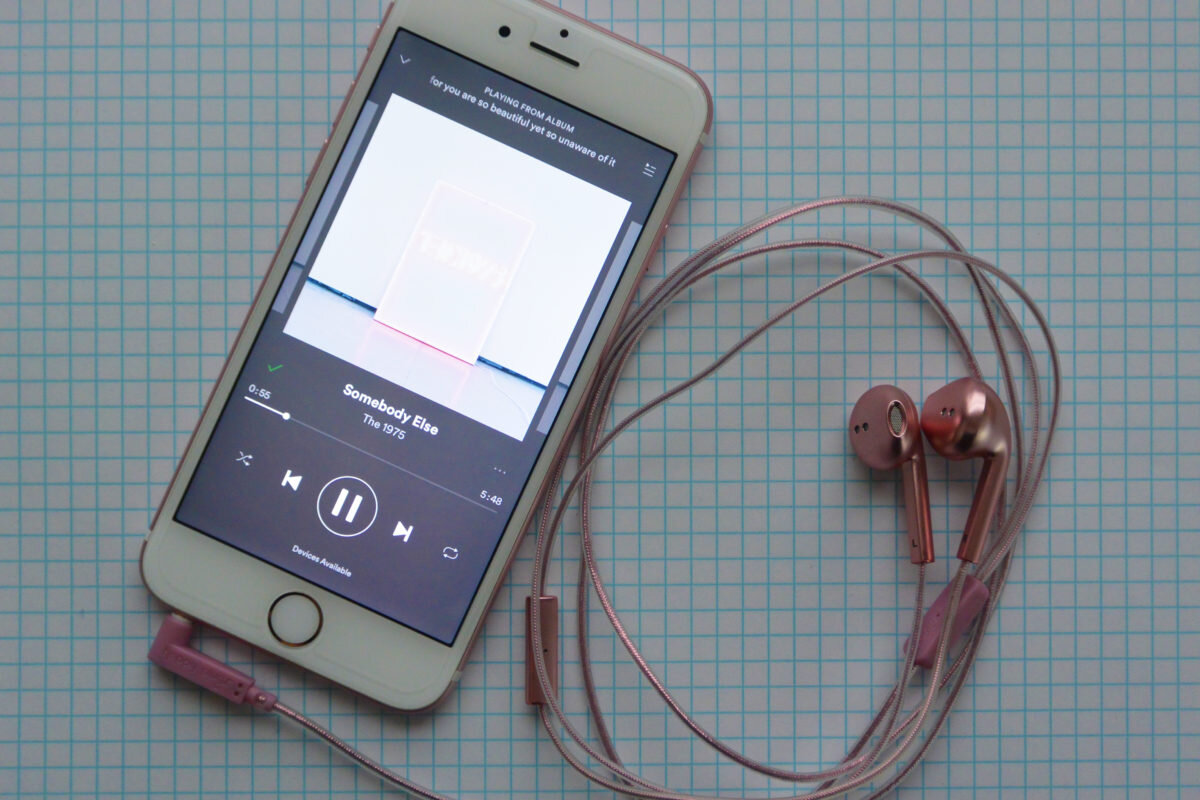
Tired of the same Spotify playlist you always listen to? Switch it up by creating a new playlist of ~aesthetic~ songs that will make you feel like your favorite movie character. The right music will make you feel as though you’re living a dreamy, beautiful life, even if you’re just taking the bus to class or studying in the Reg.

Image via.

Image via.

Redecorate Your Room

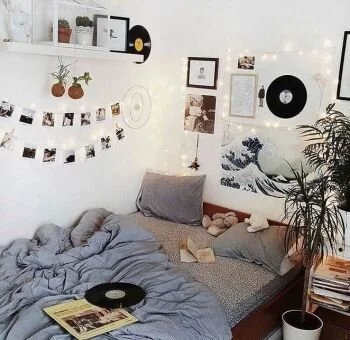
The space you live in can have such a big impact on your state of mind, so it’s important to make sure that your room reflects who you want to be. Redecorating and reorganizing your living space can help you wake up to something beautiful every morning.

Image via.

Image via.

Dress to Feel Good

This is a fashion blog, so I’m sure it goes without saying that how you dress can be incredibly important to how you feel, but this is especially important this time of year! You might not be able to show off your cutest outfits in below-zero weather, but you can compensate by wearing colors that make you happy, surrounding yourself with the fuzziest clothing possible, and picking hats and scarves that make you feel cozy and bundled up.

Image via.

Image via.

Treat Yourself

I know everyone always says “treat yourself,” but this is something that people often forget to actually do. The sometimes-toxic culture at UChicago can make you feel as though you need to always be working, even if it means sacrificing food and sleep. But the best thing you can do for yourself is to not forget to take care of yourself, even during midterms season or internship recruiting season. Go out of your way to do things that make you feel happy. Buy yourself that overpriced latte from Plein Air, order in your favorite food when you’re too tired to cook or leave your room, rewatch a show on Netflix that makes you laugh, do what you need to do to be happy as a UChicago student. I promise you won’t look back and regret, well, actually letting yourself be happy instead of overworking yourself.

Cover image via.

2020 Small Space Reno: Wall-Inspiration from 5 Etsy Shops

February is a beast of a month. The weather is brutal, the holiday season is over, and classes are in full swing. And as I trudged to lectures this week - first in a snow storm, then in a downpour, and lastly in thick fog - I realized how easy it would be to succumb to the winter doldrums. After all, it’s too cold to be outside for long, coursework is piling up, and the sun is increasingly a stranger.

As such, while I battled my way through the wind and rain this evening, I couldn’t help planning ahead for my apartment next year: the colors, the furniture, “the theme.” And I realized that, while living plans are still undetermined for most of us, there’s no reason why we can’t renovate our current homes right now.

My hope for the following list is to provide an escape from Chicago - to encourage momentary wanderlust, future planning, and a brief respite from the obligations of every day life. So pour yourself a cup of tea, find a warm blanket, and start brainstorming; a brief renovation might just be the key to warding off the February blues.

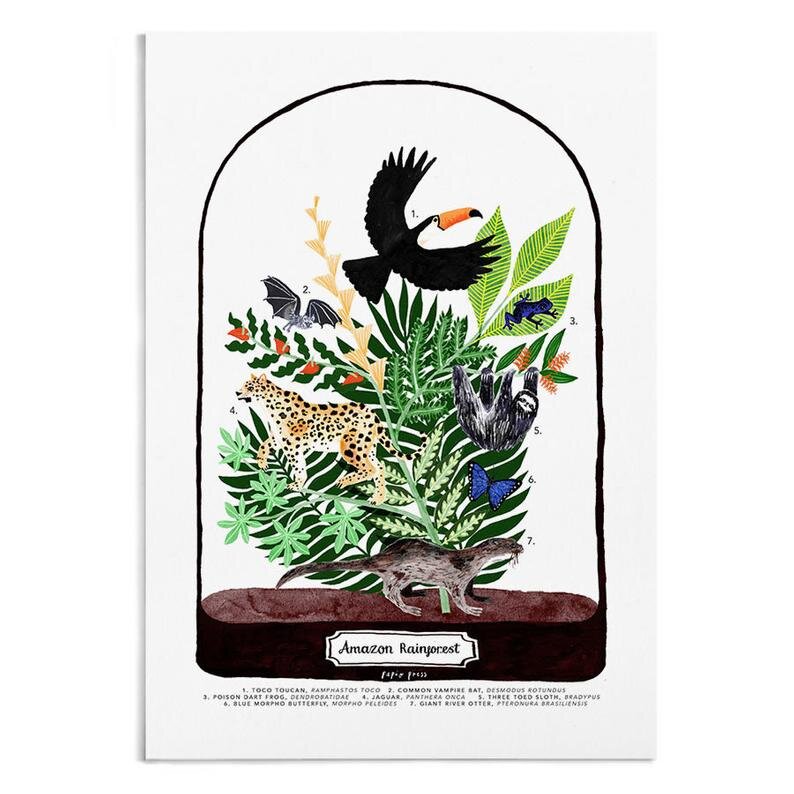
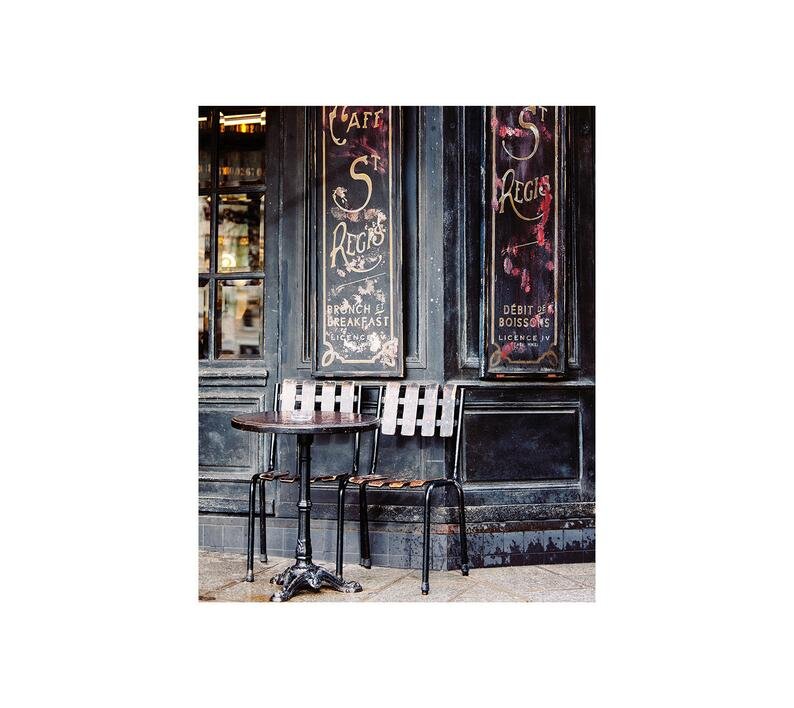
  1. Dick Vincent from Manchester, UK

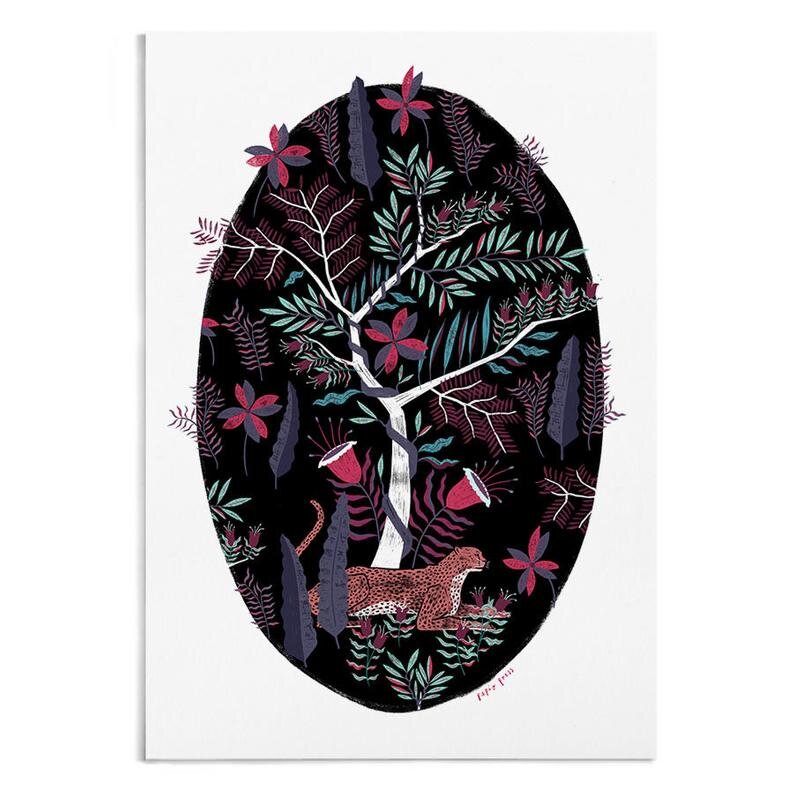
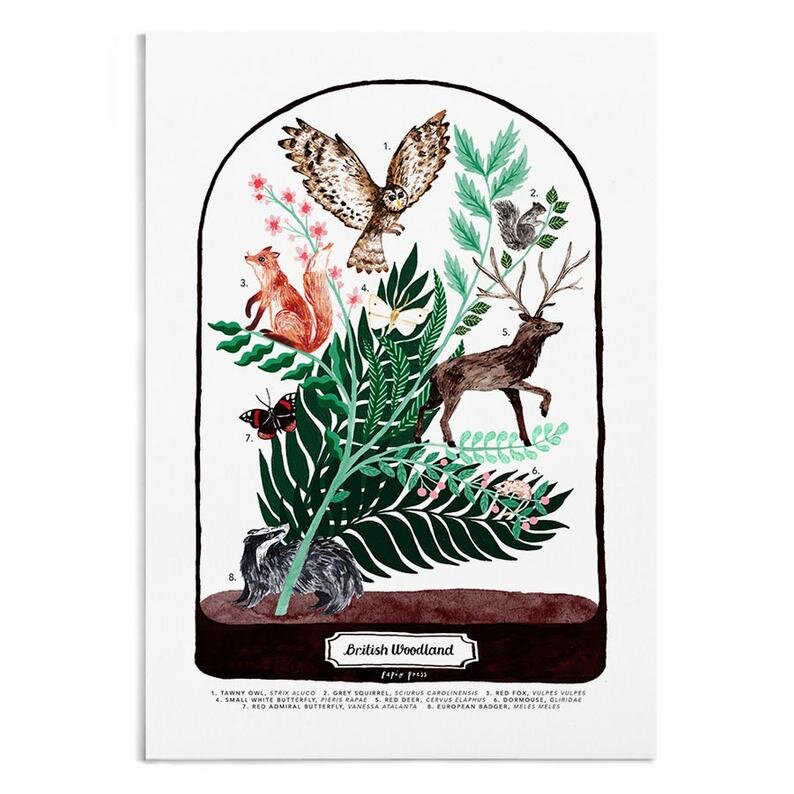
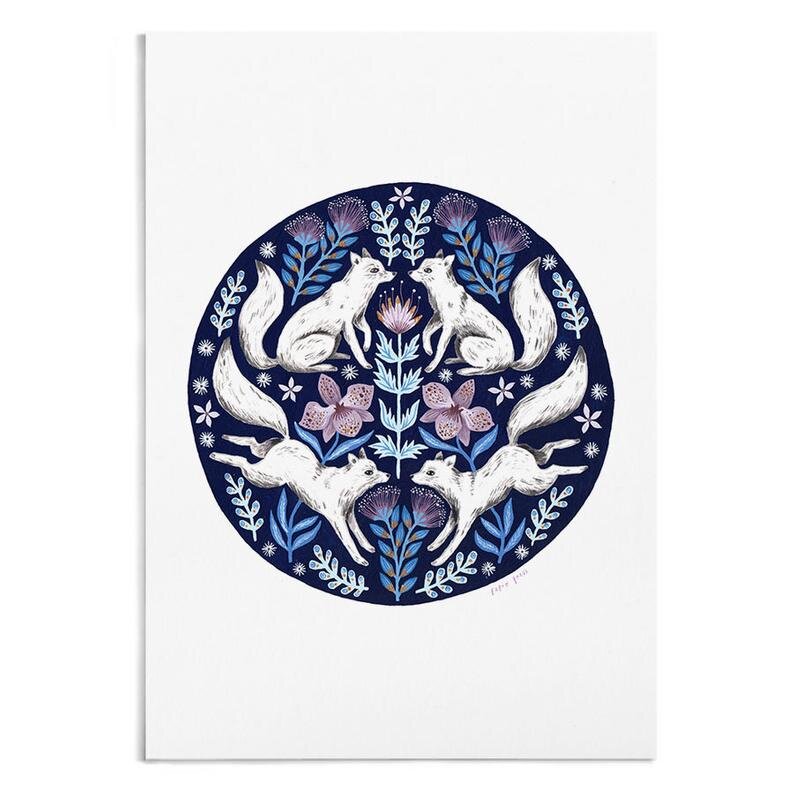
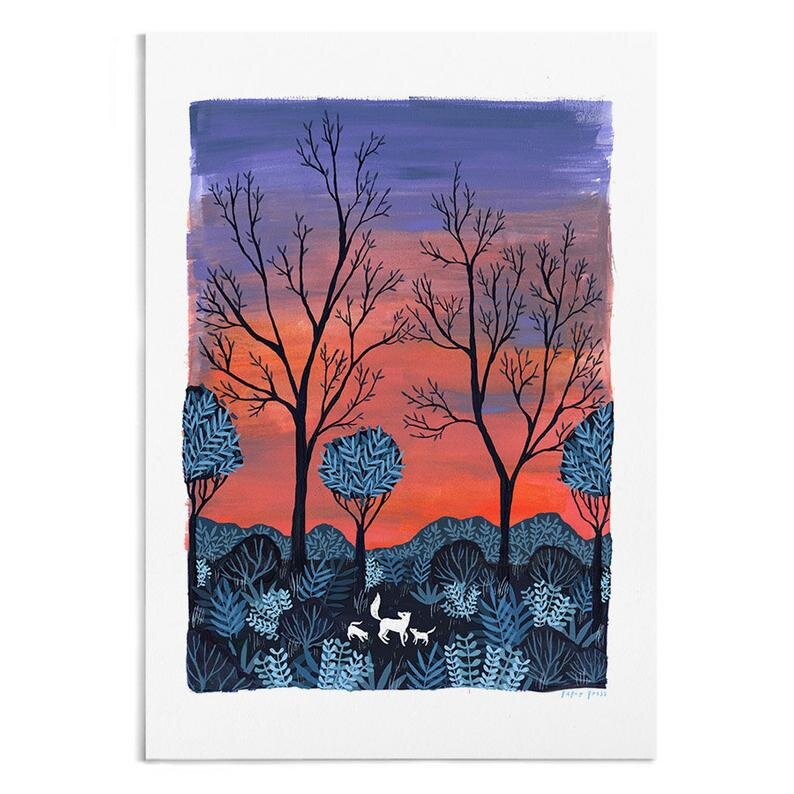
2. Papio Press from Penzance, UK

3. Wall Arty from Istanbul, Turkey

4. Eye Poetry Photography from Montreal, Canada

5. Pink Palm Decor from Gdansk, Poland

Featured Image via

Source: https://www.etsy.com/listing/579001571/cac...

New Year, New Habits: Productivity Tips for 2020

The new year and the start of a new quarter presents an opportunity to bring about changes in our daily routines. If you are like me and have the attention span of a golden retriever, one of your resolutions is likely improving your productivity and becoming more efficient in getting things done. For those of us whose New Years resolutions are often empty promises, here are 6 ways to turn those verbal commitments into actionable changes. 

1. Write it down. Lists are a fantastic way of visualizing all that you have to do. Whether you’re put together and like to handwrite checklists in a bullet journal in multicolored pens or you’re more of an on-the-go notes app kind of person, find a way of listing tasks that works for you and keep up with it. Often times people make to do lists only when they are overwhelmed, but at that point it is usually too late. Making a habit of writing down tasks will keep you several steps ahead of the things you need to do, making you plan ahead for the entire week, month, or quarter, rather than for those 11th hour manic Reg sessions. 

2. Figure out your study habits. Identify what makes you most efficient at completing your work. Maybe you enjoy the chaos of the Reg first floor, maybe you cannot stand to see or hear another human being while you are hard at work. Whichever setting is best for you, note when something works and does not work and use it to your advantage.

3. Turn your phone screen to black and white while you’re working. If you can’t turn your phone off entirely while you are working, consider temporarily changing your settings to have your phone’s display be in black and white. This is a weird suggestion but, trust me, the sadness of grayscale will be a pretty effective way of stopping your endless scrolling through social media. This setting can usually be found under Settings - Accessibility - Display - Color Filters - Grayscale.

4. Don’t multitask. No, you cannot do your assignment and watch Netflix with your friends at the same time. No one can. Multitasking seems like it should help with completing tasks, but rather than getting to everything, it usually just drags out the process of completing things that could easily be done in a fraction of the time. Focus on one thing at a time. Work smarter not harder. 

5. Compartmentalize and reflect. This school is especially cruel when it comes to assuming that students are nothing more than machines that churn out papers and psets. All of us are multidimensional human beings with our own stresses, conflicts, and personal lives. Sometimes you really try to be productive but nothing happens because your mind is distracted by any number of other things in your life. I find it helpful to keep a journal to clear my mind of all the other things going on in my life before I sit down to any time consuming task. Being able to completely exhaust your brain of distractors is a valuable tool for compartmentalizing and separating work from real life.

6. Loop playlists. If you work with music in the background, limit distractions caused by that by looping the same playlist again and again. Yes, you may never want to listen to those several songs ever again, but looping your playlist will also cut out distractions from paying attention to the music or lyrics. I’ll be the first to admit that I only listen to the Pirates of the Caribbean soundtrack repeatedly while essay writing. No shame. 

I'm a Certified KonMari Consultant, Here's How to Spark Joy in Your Life

College Break Day, what a luxury. If you’re wondering what to do with your glorious three day weekend, I’ve got the answer. KonMari. For those of you who aren’t aware, KonMari is an organizational method made viral by the lovely fairy-woman Marie Kondo. She has three books, a Netflix series, and a veritable army of Kon-verts preaching the remarkable effects of tidying up and sparking joy.

I am one such KonMari evangelist. I may have taken it a bit too far when I went to her seminar and completed 50 hours of consulting to become the youngest certified KonMari consultant, but my obsessive behavior is your gain. A college-student customized KonMari guide written by one of your own.

Below I take you through the basic KonMari process and provide some more detailed tips and tricks I’ve found especially helpful.

Gif via.

Gif via.

The Process

1.     Imagine your ideal lifestyle in detail

This is a key step so don’t skip it! It will help you to have a vision in your head to strive for as you discard and store. Go deep! Find a picture to encapsulate your ideal aesthetic, think about your routine, diet, study habits, everything! This is your fantasy sesh.

2.     Acquire a large number of trash bags

You will probably be surprised at the amount of stuff you find to discard, so be prepared.

3.     Tidy by category not by location

This means that you search your room until you have found every pen in your possession, rather than tidying your pencil case pens, backpack pens, closet pens, bookshelf pens, and desk pens separately.  

4.     Gather all items in one place before discarding

This means taking out everything in one category and piling it onto your bed or floor before starting to discard. Yes, even books, papers, and off-season clothing have to be taken off shelves and out of drawers to be tidied.

5.     Does it spark joy?

Hold each item in your hands and ask yourself if it sparks joy. Sometimes it helps to start with something obvious. Pick out an item that you know sparks joy or that you know you want to get rid of.

Some questions you can ask yourself when you’re still unsure are:

  • Does this give me more guilt than pleasure?

  • Why do I feel an attachment to this item?

  • How does this item fit into my ideal lifestyle?

  • Is this something I want to take into my future?

  • Would I pick this out if I saw it in a store today?

6.     Storage

Finish discarding before thinking about permanent storage. The KonMari method advises against overly complicated storage systems, and instead advocates the use of small boxes to store your things. Shoeboxes are an excellent candidate as are the packaging for apple products. Try to store things upright as much as possible. There are plenty of examples online. Keep similar items together and focus on how easy something will be to put away rather than how easy it is to get out.

7.     Getting rid of the stuff

I have found this part particularly difficult as a college student. At home I know how to donate, recycle, or sell the things I discard. Without a car and familiar surroundings this gets more difficult. The University of Chicago has a recycling program directory that tells you where to drop off unwanted items. The tech department collects e-waste and there’s a second-hand store called Encore on 53rd that takes clothing. Alternatively you can list items on the Facebook page “Chicago Free and for Sale”, give items to friends who will appreciate them, or organize a clothing/stuff swap with your friends.


The Categories:

Clothing:

Pile all of your clothing onto your bed in a mountain, including outerwear and out of season clothes. If all your clothes don’t fit on the bed you can subdivide into smaller categories like blouses, jewelry, outerwear, shoes, etc. Fold everything that can be folded and watch this video on the KonMari folding method:
Books:

A particularly challenging category for university students. Books are not there to make you look smart, they are there to convey information to you. If you have read the book, you have absorbed the information. You can get rid of it. Sometimes means never. Get rid of books you haven’t read. Make room for ones you will cherish.

Papers:

The basic idea here is to throw everything away (except stuff you are currently using for class). You probably won’t look over old class materials. If you want to be able to pass them on, take pictures of the most important materials and put them in a Google Drive folder so you can share easily. Put everything you’ve kept that you aren’t using for class in a clear folder and store upright on your bookshelf or in a magazine holder.

Komono (aka everything else):

Split up into categories (food, crafting, electronics, bath products, etc). Think about what you find useful and enriches your life. Take an especially close look at all those things you were told you needed to buy for college: a coffeemaker, microwave, first aid kit, mini vacuum, etc. These things are bulky and difficult to store. Chances are you can borrow any of it from your neighbor or RA when you truly need it. Post it on “Free and for Sale.”

Sentimentals:

Do this category last so it doesn’t slow you down. If you find sentimental items while tidying, set them aside to save for last. The best way to store these items is to display them in some way. Paste pictures or display tchotchkes inside your closet, or on your bookshelf. If you’d prefer them to be tucked away you can create a memory box and store the items altogether here. Try to find a box that you really enjoy.

If you want some more guidance on the method I highly recommend binge-watching the Netflix series or checking out this folding video for guidance on your underwear drawer.  

Featured gif via 

How Can We Learn to Be Happier?

In the widely beloved and well known podcast, Tedx Radio Hour, host Guy Raz interviews a number of Ted Talk speakers to learn more about their talks, who they are, and their lessons on life.

The episode “Simply Happy” is one of Tedx Radio Hour’s most popular releases–and with good reason. In this hour, we learn from presenters of various backgrounds who share their research and philosophies on the simplicity of happiness. Here is a breakdown of this episode and its overarching ideas on happiness:

1. Mind Wandering (Matt Killingsworth):

UC San Francisco researcher Matt Killingsworth suggests that our minds wander and focus on things that aren’t particularly helpful to us. He explains that we tend to lose our attention to thoughts that are not “productive, useful, and adding to experience.” Moreover, he suggests that mind wandering may be a cause of unhappiness and not just a symptom. Speaking from experience, I feel a lot happier when I am in the moment with things and feel more connected and accepting of myself when I can enjoy my time, actively doing something without distractions, which may be reading, listening to podcasts, etc.

See his Matt Killingsworth’s app on tracking happiness/ mind wandering tendencies here.

2. Culture of speed (Carl Honore):

Speaking on the culture of speed, journalist Carl Honore suggests we refrain from the idea that slowness equates to laziness and unhappiness. Honore raises a valuable point in explaining how slowing down can help us ask meaningful questions about the quality and wellness of our lives.

3. Simplicity and Happiness (Graham Hill):

Designer Graham Hill recalls his life after selling a website designing company he founded for ten million dollars at barely thirty years old. After acquiring so much money, he talks about how he purchased many luxuries, including a new and expensive home, a car, furniture, and more, but concludes that these luxuries began to overwhelm him and make him more unhappy. The big change for him? Experiencing the joys of simplicity. He got rid of these luxuries and looked to things that were space efficient, that were decluttering and could “nest, stack and digitize.”

4. Misfortune and Long Term Happiness (Dan Gilbert)

Harvard psychologist Dan Gilbert explains the relationship between misfortune and long term happiness. He emphasizes the “impact bias” in all of us: our tendency to overthink the severity of outcomes. At the same time, Gilbert notes we are built with processes that make us resilient to adversity–processes that we are many times unaware of. We can frame things in more positive light to help us overcome life’s most troubling tribulations.

5. Gratefulness and Happiness (David Rast)

Monk and interfaith scholar David Rast defines living gratefully by way of appreciating gifts that are both given and valuable to us. Moreover, he notes that every moment can be considered a given opportunity that we can avail in. Through gratefulness, we can act out a sense of enough instead of scarcity and thereby, change our perspectives on fulfillment and life’s meaning.

His method for noticing when we are being grateful in life?

“Stop, look and go.”

Listen to the full podcast here.

Feature image via.

Source: https://www.npr.org/programs/ted-radio-hou...

18 Resolutions for 2018

Even as the new year starts to settle in, there is still time to think about goals and resolutions for the year. Let me help you get started, or push you further, with this 2018 resolution and bucket list guide.

1. Stress Less

WOAH, okay, so starting off with a big one. Everyone experiences stress from different parts of their life, but there are some key ways to find your calm no matter the situation. The term "mindfulness" often circulates on social media or health magazines, but what does it really mean? Practicing mindfulness can include anything that relieves your mind from one activity and moves it to another. This may seem very broad and it should; mindfulness is a completely individualized task. Examples may include meditation. Taking 3 to 10 minutes a day to focus on breathing, close your eyes, think about the essence of the body and not the concerns of daily life. However, for some people this may sound nightmarish and only cause more anxiety. Therefore, mindfulness may include reading a book, having a conversation with a friend, listening to music, or exercising. The only activity discouraged during mindful time includes screens. While it may seem counterintuitive to suggest reading a book as mindful but watching TV as not, the cognitive functions of each activity vary and result in different effects.

2. Find Good Music

Another highly individualized goal, but important nonetheless. Break out of the genre you currently listen to at least for a week or so—try something new. Do you fall into the pit of listening to the same artist radio or playlist all the time? It's okay, venture away. You will hear tunes you can't stand but you may also find a perfect song or genre. Be bold! Don't know where to start? Check out MODA's Spotify playlists or try these: 

The Music (and style of music) of Casey Neistat's vlog.

101 highlight tracks from 101 essential classical recordings, covering a wide range of composers, eras and styles. Best starting point for those who are new to the fascinating world of classical music.

3. Try New Coffee Shops — Even if You Don't Like Coffee

It isn't just about the coffee, it's about the discovering your community. Get out and explore, especially if you live in the Chicago area. Here are a few suggestions. 

ON CAMPUS: Grounds of Being, Swift Hall Basement of the Divinity School

SOUTH LOOP: Café Press, 800 S Clark St

IN THE LOOP: Goddess and the Baker, 33 South Wabash Ave. 

NORTHWEST LOOP: Sawada Coffee, 112 N Green St

4. Make Destination-Study/Work Trips

As a student at the University of Chicago, I have to admit we are extremely spoiled to have beautiful places to study. Whether you're into the Hogwarts feel at Harper, the Mansueto Space Ship, or good ole' Reg it's pretty hard not to find your place to study. But sometimes getting out of Hyde Park and utilizing other great Chicago study spots can bolster your motivation, give you a breath of fresh air, and keep you on task. While the general advice to go somewhere new to study applies to anyone, if you're in the Chicago area, make use of the Chicago Public Library system. The new Chinatown Library is only a few stops down the red line and offers big windows with abundant natural light. It's also ideal for boba tea study breaks or grabbing dinner in Chinatown before heading home. The Harold Washington Library in South Loop also acts as a can't miss study or work destination. Nine floors of books, nooks, and space, it gives the Reg a serious run for its money. 

5. Attend More Shows

"But I'm broke!" You say. Going to a show does not mean having to spend a lot of money. Maybe "attending a show" means open mic night, going to the Art Institute (free for UChicago students), or seeing the Chicago Symphony Orchestra ($15 for student admission). Think outside the box; seeing a show doesn't mean spending $150 to sit in the nosebleeds at Kanye's world tour. However, if you are interested in seeing a concert, check out the Chicago Winter Concert Schedule.  

6. Get to the Gym

It almost feels like a joke to set this quintessential New Year's Resolution due to it's cliché nature, but I'm here to tell you it's far from a joke. Check out this guide to Focusing on Fitness in the New Year. 

7. Find Motivation

Image via here

Image via here

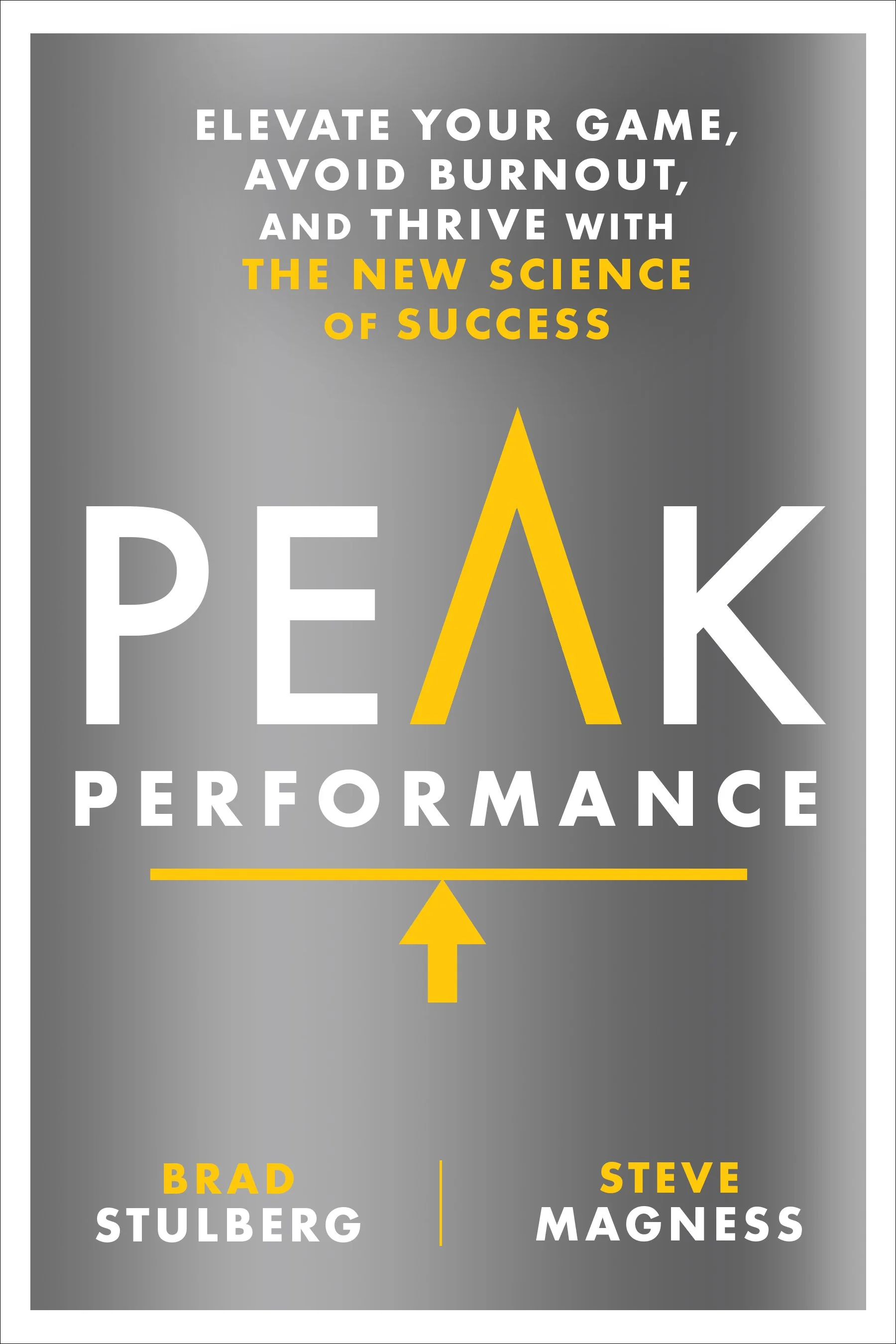
Getting bogged down by the overwhelming cold and darkness that exists as a byproduct of winter in Chicago often decreases motivation, but there are a couple quick strategies to help abate a case of unproductive syndrome. Think of a mantra to tell yourself when the going gets tough. It's important for your mantra to use positive language. This may sound cheesy, but telling yourself "Get this work done because if you don't you're worthless" is far less motivating than thinking something more along the lines of "This work is a stepping stone" of thinking of the beneficial outcomes of your work, no matter how undesirable they may seem in the moment. Another strategy is to work in intense bursts rather than attempting the marathon-work schedule. The mind can really only focus for around 70 solid minutes at a time, and even that amount of time takes practice to achieve full concentration for that duration. Taking breaks, small 5-10 minutes even, can provide immense benefits to your productivity. Have you ever had the feeling that your best ideas come right before bed? This is because right before sleep your mind does not try to focus on one singular activity and instead continues working behind the scenes per say to connect the information it absorbed during the day. Taking breaks between bouts of working can have similar "lightbulb moment" effects. To read more about the Stress-Recovery balance check out the book Peak Performance by Brad Stulberg and Pete Magnus. 

8. Have Great Relationships

Focus on communication and not just digital communication, actual face-to-face or (god-forbid) phone calls. Texts, snaps, and chats are important in today's digital world, but get out there and talk to people too! Stop using SnapMaps all the time. It's creepy. 

9. Look Good… Every Day

Wouldn't it be a dream to walk out the door looking like a GQ model or like we just got out of a Vogue shoot? Unfortunately my advice won't guarantee that outcome, but try laying out your clothes the night before. That way you can preview outfits the night before and walk out the next morning with no regrets. Also, always check MODA for new posts on the latest fashion trends, brands to follow, and fashion advice from UChicago students featured in Quad Style. 

10. Throw Away Self Consciousness

As a footnote to the previous resolution—"looking good is subjective." I can walk out the door looking good in leggings and a sweatshirt, because that's what I want to wear. So leave behind feelings of inadequacy due to clothing or appearance. This point may sound overly motivational, and I apologize. What I'm asking you to do is something impossible for any human to perfectly practice, but take it as an important day to day consideration. Genuine attracts genuine, and those relationships will prevail over judgement from others. 

11. Drink More Water

HYDRATE OR DIEDRATE. HYDRATE. H Y D R A T E. The infinitudes of health benefits stemming from proper hydration need no further explanation from me, take it from the experts

12. Read Great Books, Articles, Poetry, Words

BookConcierge.jpg

NPR Reading

Screen Shot 2018-01-19 at 9.23.33 PM.png

Best of the New York Times

winning-jackets.jpg

National Book Award Winners

13. Listen More to Others

In the same vein as having better relationships and communicating well with others, listening completes the trifecta of socially based resolutions. Ask yourself a couple questions to evaluate your listening skills: When in a conversation, how much are you speaking? Do you let other people into the conversation? If someone asks you how your day is, do you ask them back? Be attentive, responsive, and patient in conversation.

14. Find Your Routine

Not everyone enjoys holding to a schedule, but a routine implies a different function than a schedule. Routines form habits, while schedules form plans. Design a routine full of healthy habits by prioritizing sleep, consistent exercise (this doesn't mean you have to go to the gym for an intense workout, just walk around the block or be active in some capacity during the day), nourishing food, spending time with friends, and maintaining a sustainable work-life balance. 

15. Try Yoga: Seriously

Yoga has very disparate stereotypes. Let's clear one thing up—yoga is for everyone. You don't have to be able to do the splits or touch your toes. Yoga can be simply a meditative time or a full body workout, but the significant range of forms and routines makes it accessible to everyone. There are tons of yoga videos on YouTube that are great to follow

16. Do Things You Don't Want to Do

With a Positive Attitude

17. Travel (Big or Small)

Similar to the predicament faced when discussing the "attend more shows" resolution, people often think taking a trip needs to be a grandiose ordeal. Traveling may mean taking a bike ride to the other side of town for the day or hoping on a plane across the world. It's easy to look at these two situations and see the bike ride as an improbable "trip" but as cliché as it may be, life really is about the journey not the destination. 

18. Remember to Laugh

Life is going to throw some pretty crazy stuff at you this year—as usual. Don't lose sight of the good. 

Feature image via

Source: https://www.huffingtonpost.com/entry/how-a...

Finals Week Playlist: Calming Tunes

As the Winter Quarter comes to a conclusion, you might just need some songs played on repeat to accompany you as you study for that final exam. Recent releases from artists like Ed Sheeran, Khalid, and Calvin Harris are the perfect tunes to listen to during this stressful period (because it doesn't have to be!).


Ed Sheeran ÷ (Deluxe) March 3, 2017

Ed Sheeran's new album is seriously all I've been listening to lately. The steady rhythm and his calming voice in these songs are a great background to my studying!

My favorites from this album are Eraser, Dive, Perfect, Galway Girl, Happier, New Man, and Save Myself. 


Khalid American Teen March 3, 2017 

Khalid's got such a deep and clear voice that's just so pleasant to listen to. Even some of his upbeat songs sound quite composed, which is just what you want while studying! 

My favorites from this album are American Teen, Young Dumb & Broke, Coaster, 8TEEN, and Shot Down.

Here is another song from Khalid that I couldn't stop listening to.

Alina Baraz also has some nice songs that can help you focus.


Calvin Harris Slide ft. Frank Ocean and Migos Feb. 24, 2017

Frank Ocean's nonchalant voice and diction and the mix of paces make this piece incomparable.


X Ambassadors Hoping New Release!

All proceeds of this song go to the ACLU, the American Civil Liberties Union. This is definitely my favorite song at the moment. It's so catchy and makes you feel good to sing along to.


Featured image via