How to Practice Self-Care When You Have No Time

I think everybody can agree that at UChicago, there's always work to do. It never really ends, and there's never enough time in the day to get everything done. And so most of us forget to take a break or take care of ourselves. We all need to practice Self-care. First of all, what actually is self-care? It's a term that people like to throw around, especially in the continually growing wellness industry. Self-care isn't just lounging around or taking a bath, doing your nails, but rather It's about finding ways that make you the most productive and happiest version of yourself. Therefore, self-care should become part of your daily routine. You should do something for yourself every day, even if it's just taking 5 minutes to sit and breathe before you go to bed or taking the stairs instead of the elevator. Self-care is nothing new it's just been neglected even Audre Lorde famously spoke on it in 1988, saying, "Caring for myself is not self-indulgence, it is self-preservation, and that is an act of political warfare."

1) Workout

  • Book an appointment at Ratner! Or if that's not for you, try a zoom yoga session that is offered by UChicago Wellness

  • If you're still not into the UChicago fitness options, there are other things out there besides Chloe Ting workouts on youtube

  • Download the Nike training app, which offers free workouts. Everything from yoga, strength or HIIT

  • Do some Pilates- youtube or Melissa Wood Health

2) Mindfulness

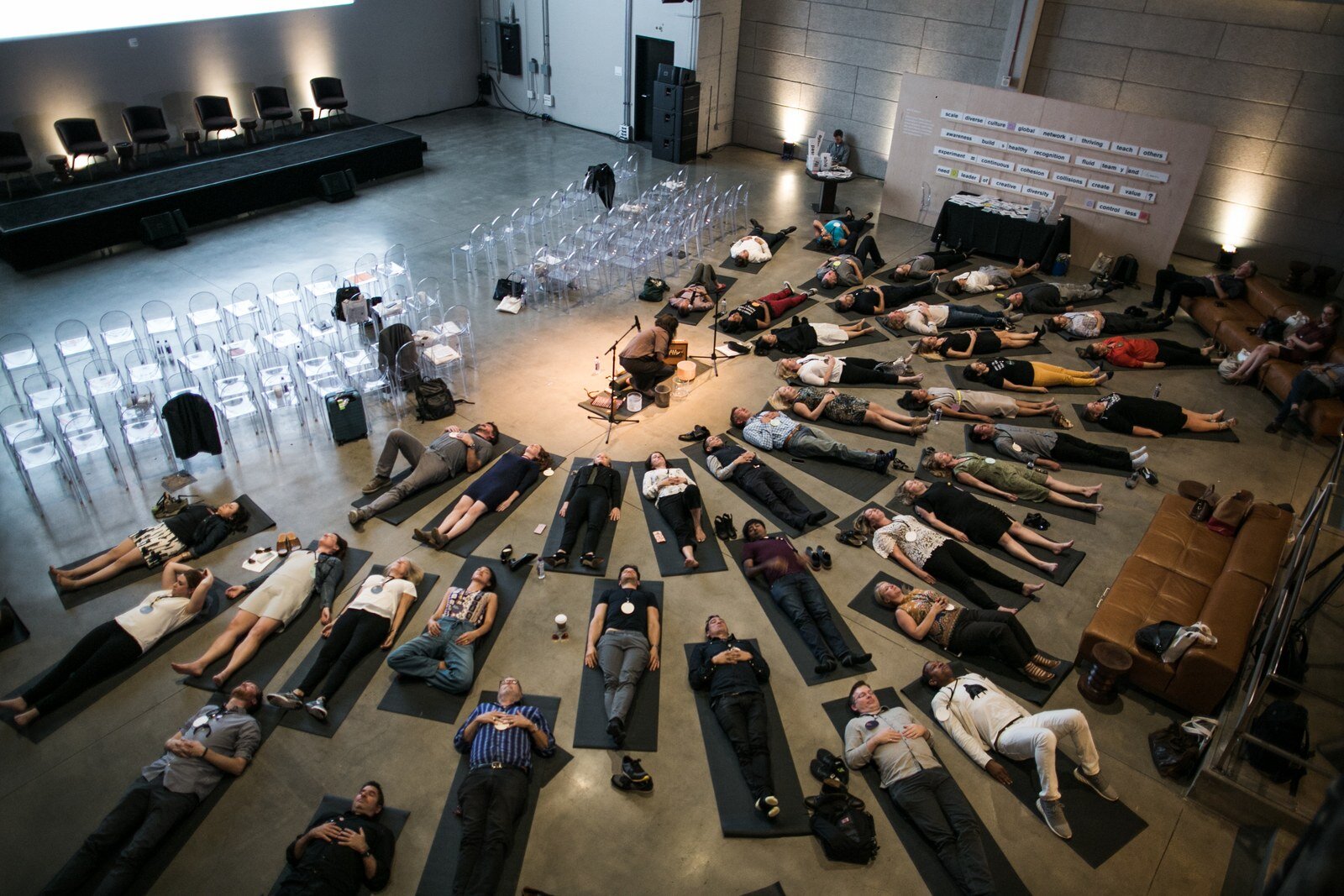
  • As Cliche as it sounds, it's actually SO NICE to just take 5 minutes every day to sit and breathe and do nothing

  • Meditation apps like Calm or Headspace are great

  • You don't need these apps, though; you might also just consider putting some calm music on and taking 5 minutes to relax

3) Facemasks

  • do a face mask every once in a while, they stay on for like 10 minutes, and then you can get back to doing whatever work you have, but you will feel clean and refreshed while doing so

  • I highly recommend loops beauty face masks!!

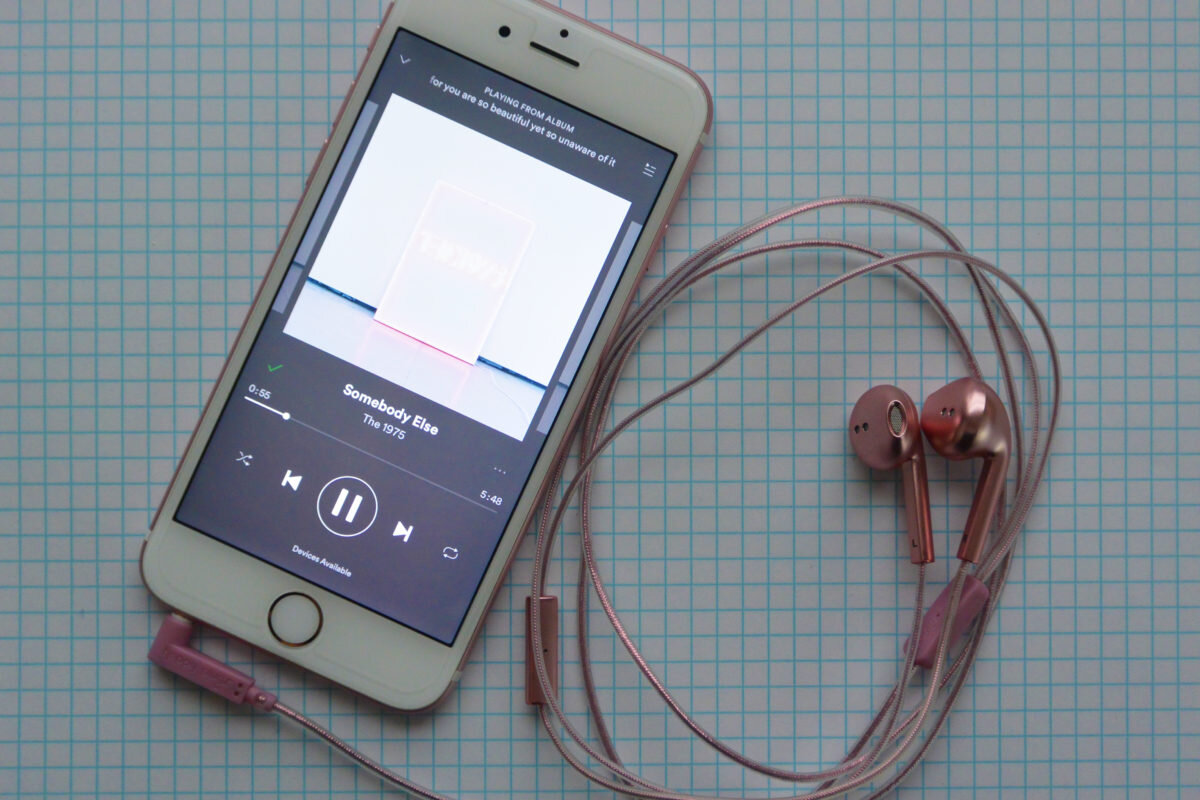
4) Make a playlist

  • Music can literally make everything better

5) Eat some dark Chocolate 

  • It can help prevent heart disease.

  • Boost your mood

  • alleviate stress

  • Good for your brain

  • Regulates Cholestoral

  • Etc...

5) SLEEEEEEEEEEPPPPPPPPPPP!!!!!

6) Put on clothes that make you feel good

7) Scented Candles

  • I know they aren't allowed in dorm rooms, but everybody else who isn't currently in housing should put on a candle in the evening to make late-night study sessions a little bit better

8) Desk Stretches???

  • Do these between zoom classes.

9) Manage the little things and be able to prioritize 

10) Drink water

11) Breathing exercises that the New York Times claim "help reduce stress, increase alertness and boost the immune system."


These are just some ideas, and obviously, everybody is different, but I think the key is finding ways that can make you the best version of yourself. When it comes down to it, Self-care is just as (if not more) important than that essay due on Friday.

Featured Image via

Image via
Image via

Unmask the Self Within

A global pandemic that infected millions and drastically altered all of our lifestyles turned our definitions of normalcy upside down. Every day is now a blur of daily death tolls, digital platforms, and masked faces at abnormal distances. Yet our world is now linked by this crisis that unifies us all. In the stillness that comes with waiting for a pandemic to end, we might undergo a paradigm shift as COVID-19 affords us a greater appreciation for health and well-being. It lets us reject animalistic pursuits of money, power, status, and the notion of being superior to someone else. Now more than ever, it is time to look within.

But first, let’s examine what life in the U.S was like before it led the global tally of coronavirus cases by a factor of four times greater than second-placed Spain and had more cases than the next five countries behind it combined. Contrary to the notion that life in America has achieved unparalleled prosperity thanks to sky high corporate profits and GDP, the human data tells a very different story. Suicides, mental illness, and unemployment are also at all-time or multi-decade highs. And, despite advances in modern medicine and technology, life expectancy has decreased for three consecutive years, a nearly unprecedented phenomenon for a developed country. As off-target measurements lead us off a cliff, we have been distracted from the real consequences of plagued health and neglected wellness. Focus on purely economic gains robs us of fulfillment in perverse ways, as drug companies and private insurers profit off of lost human potential and suffering.

Students at the University of Chicago sit at the top of the educational pyramid, and at the very top of the global opportunity scale on a planet with 7.8 billion people. By that measure, we are already winning. Yet our lives are still riddled with stress, anxiety, conflict, and the pursuit of some ever-elusive finish line that we cannot see but race breathlessly towards as everyone else around us feverishly chases one, too. A fear of not winning a race we aren’t even sure why we’d want to win in the first place is what propels most of our lives. So, if this is the desperate cycle we confront even though we have the most opportunity, imagine what it must be like for those who have been kicked to the curb in our society. Now more than ever, it is time for introspection.

If you find journaling by hand dreamy and unrealistic, I offer that you consider a more effortless and contemporary way to look within: create an electronic journaling space that is easily accessible across your devices. By making your journal available across regularly accessed platforms, writing becomes quick, easy and repeatable. Apple’s Notes lets you pin a note so that it appears prominently at the top of your list on the iPhone, iPad, and Mac. Or, you can download Google Docs onto your smartphone and favorite your journal on your computer’s web browser. Since our phones travel with us, they create a seamless space to jot down feelings, inspiration, or observations at any given moment. No matter how informal, these reflections can help us connect with ourselves more clearly. The value of journaling comes from engaging with it when the spark strikes, and technology can provide a handy blank canvas. A living and breathing document to consider my personal life and career path has proven highly worthwhile. It can limit mindless wandering, demystify long-term goals, and deepen our appreciation for how we use our time every day. After all, our lives are not some ever-receding date in the future: our lives are right now. As Annie Dillard once said “how we spend our days is, of course, how we spend our lives.”

As we heal from this pandemic, we can cure ourselves of other plagues, too. After all, quarantine is a place of isolation not only from a potentially deadly virus, but from the aimless and feverish racing we do without reflection. It is an invitation to restrain ourselves and curb the spread of our own toxic habits. The stillness we gain now might just clear the fog enough for us to find our own finish lines. 


Featured image via

Source: https://gallerix.org/storeroom/1810940048/...

Ways to Romanticize Your Life

Winter quarter can be an especially difficult time due to having to suffer through dreadful weather on top of the stress of school. During times like these, it’s particularly important to put effort into romanticizing your life and creating moments of happiness for yourself. Romanticizing your own life rather than others’ can be difficult for some people, but don’t worry! I’ve compiled a list of easy steps you can take to brave the turmoil of a Chicago winter.

Image via.

Image via.

Document Beauty

One thing that I’ve found to be especially helpful is documenting whatever beauty you see in your life. Looking back at snapshots, whether of a beautiful flower you saw on your walk to class or a candid blurry picture with your friends, is a great way to keep yourself grounded in the positive memories you’ve made rather than focusing on the rough patches. It’s even more effective to take videos of the moments you know you’ll want to remember. Put together some clips and add a song you love as the background music, and I promise you’ll feel like your life is straight out of your favorite indie movie.

Image via.

Image via.

Create Playlists

Tired of the same Spotify playlist you always listen to? Switch it up by creating a new playlist of ~aesthetic~ songs that will make you feel like your favorite movie character. The right music will make you feel as though you’re living a dreamy, beautiful life, even if you’re just taking the bus to class or studying in the Reg.

Image via.

Image via.

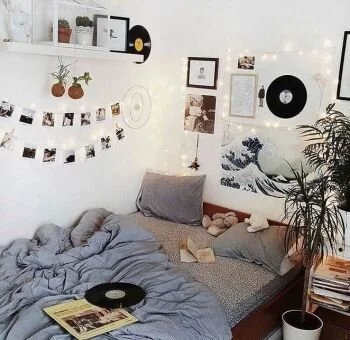
Redecorate Your Room

The space you live in can have such a big impact on your state of mind, so it’s important to make sure that your room reflects who you want to be. Redecorating and reorganizing your living space can help you wake up to something beautiful every morning.

Image via.

Image via.

Dress to Feel Good

This is a fashion blog, so I’m sure it goes without saying that how you dress can be incredibly important to how you feel, but this is especially important this time of year! You might not be able to show off your cutest outfits in below-zero weather, but you can compensate by wearing colors that make you happy, surrounding yourself with the fuzziest clothing possible, and picking hats and scarves that make you feel cozy and bundled up.

Image via.

Image via.

Treat Yourself

I know everyone always says “treat yourself,” but this is something that people often forget to actually do. The sometimes-toxic culture at UChicago can make you feel as though you need to always be working, even if it means sacrificing food and sleep. But the best thing you can do for yourself is to not forget to take care of yourself, even during midterms season or internship recruiting season. Go out of your way to do things that make you feel happy. Buy yourself that overpriced latte from Plein Air, order in your favorite food when you’re too tired to cook or leave your room, rewatch a show on Netflix that makes you laugh, do what you need to do to be happy as a UChicago student. I promise you won’t look back and regret, well, actually letting yourself be happy instead of overworking yourself.

Cover image via.

7 Biggest Health Trends Predicted for 2020

We’ve done the research to bring you the next hottest health and wellness trends for 2020—before they hit.  

As the new decade nears, it seems as though we have already exhausted the endless possibilities in the health and wellness world. Just in this past year, we’ve witnessed the rise of non-dairy alternative milks such as that of oats, a new interactive gym mirror that you can follow along with in the comfort of your own home, IV drips for vitamins and minerals, cryo facials, the regularization of MCT oil, and so much more. 

These innovations come at a time of increased attention to personal nutrition, exercise, beauty, and mental wellness. According to the Global Wellness Institute, the global wellness industry grew by 6.4% annually between 2015-2017, increasing from a $3.7 trillion to a $4.2 trillion market. The wellness industry also comprises 5.3% of global economic output, making it a significant and influential factor in current consumerist culture.  

Recently, Whole Foods has capitalized on this increased interest in health, and they released their own curated list of predicted health food trends for 2020 for MindBodygreen, an online hub for all things science-based and holistic well-being. Other big brands and companies have similarly followed suit in trying to capture the attention of this growing audience. Keep reading below for a compilation of observations and predictions for what these popular companies will promote in 2020. 

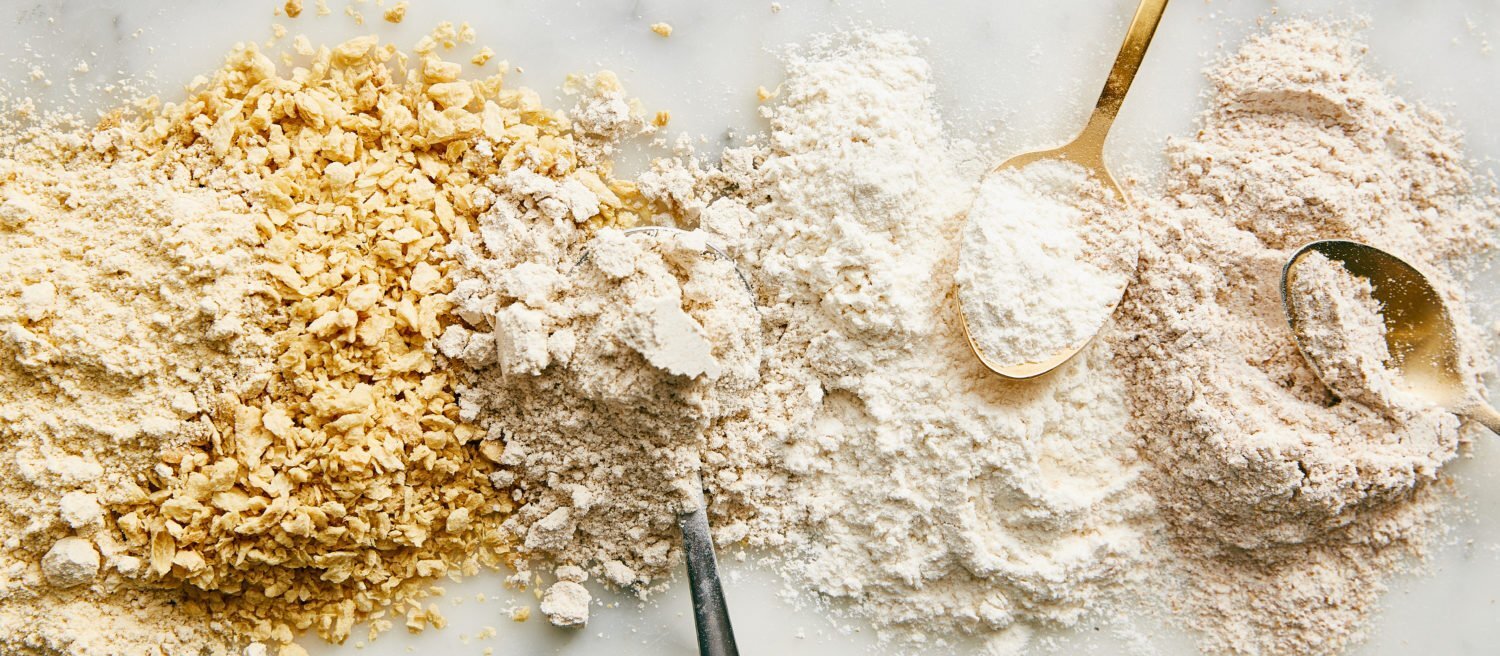
1.     Fun Flours

Image via

Image via

Just like non-dairy milk alternatives, flour substitutes are also shining this year. Consumers looking for gluten-free and nut-free baking ingredients need not look any further. Additionally, many of these alternatives have added benefits such as greater protein and fiber content than the conventional variety. Some new flours shaking up the shelves include flours made from bananas, chickpeas, cauliflower, tiger-nuts, quinoa, and peas.   


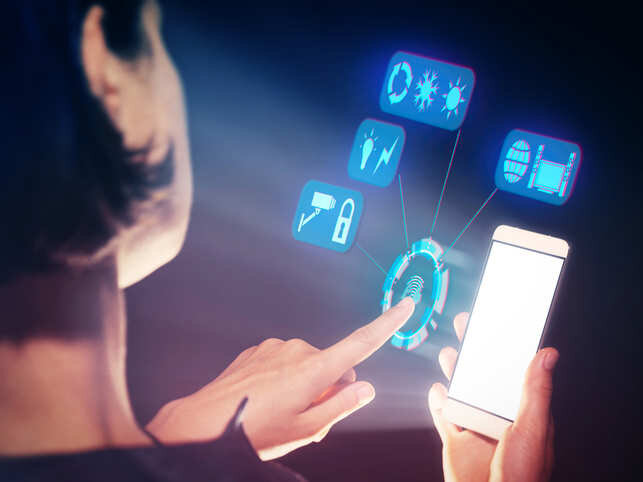
2.     AI Consultants and Virtual Wellness

Image via

Image via

Technology seems to grow as the health industry does, and the next big wellness tool can be found in your own personal spa. This machine will offer programs that are designed to collect data on the user’s genetic, microbial, and bio-sensory information. It will allow for unique experiences and personalized treatments, all while using the futuristic VR system. 


3.     Sound bath healing

Image via

Image via

If you haven’t heard of this, it’s probably because it is only now starting to enter mainstream culture. Sound baths are a form of therapeutic meditation in which a practitioner sits and listens to sounds that are normally produced by crystal bowls and other instruments. They are tuned to specific frequencies to achieve alpha and theta brainwaves, which are said to increase creativity, overpower depression, and help cognitive function.


4.     Sugar alternatives 

Image via

Image via

While maple syrup, honey, and Stevia are commonly-used alternatives, 2020 is kicking it up a notch to include more niche sweetener swaps to use in your every day recipes. Conventional artificial sweeteners have been linked with autoimmune diseases, obesity, gut issues, and other health hazards. However, these new sugars are all-natural and derived from various fruits. They include sugar from monkfruit, pomegranate, coconut, and dates. 


5.     Instagram Influencers as Food Influencers

Image via

Image via

Nowadays, instead of just famous people having Instagram accounts, Instagram is making people famous. One example in the health food sphere is Kenzie Burke, a 20-something entrepreneur who is known for her endorsement of Food Combining. While this is an ancient Ayurvedic practice, Burke has popularized it through her personal Instagram, YouTube, blog, and e-books. Food Combining consists of general food “guidelines” in order to optimize digestion, such as eating fruit first in the morning and not eating meat and grains together. She has garnered a following of over 100,000 people on Instagram, and she regularly posts her followers’ transformation photos and stories.


6.     Breathing Apps

Image via

Image via

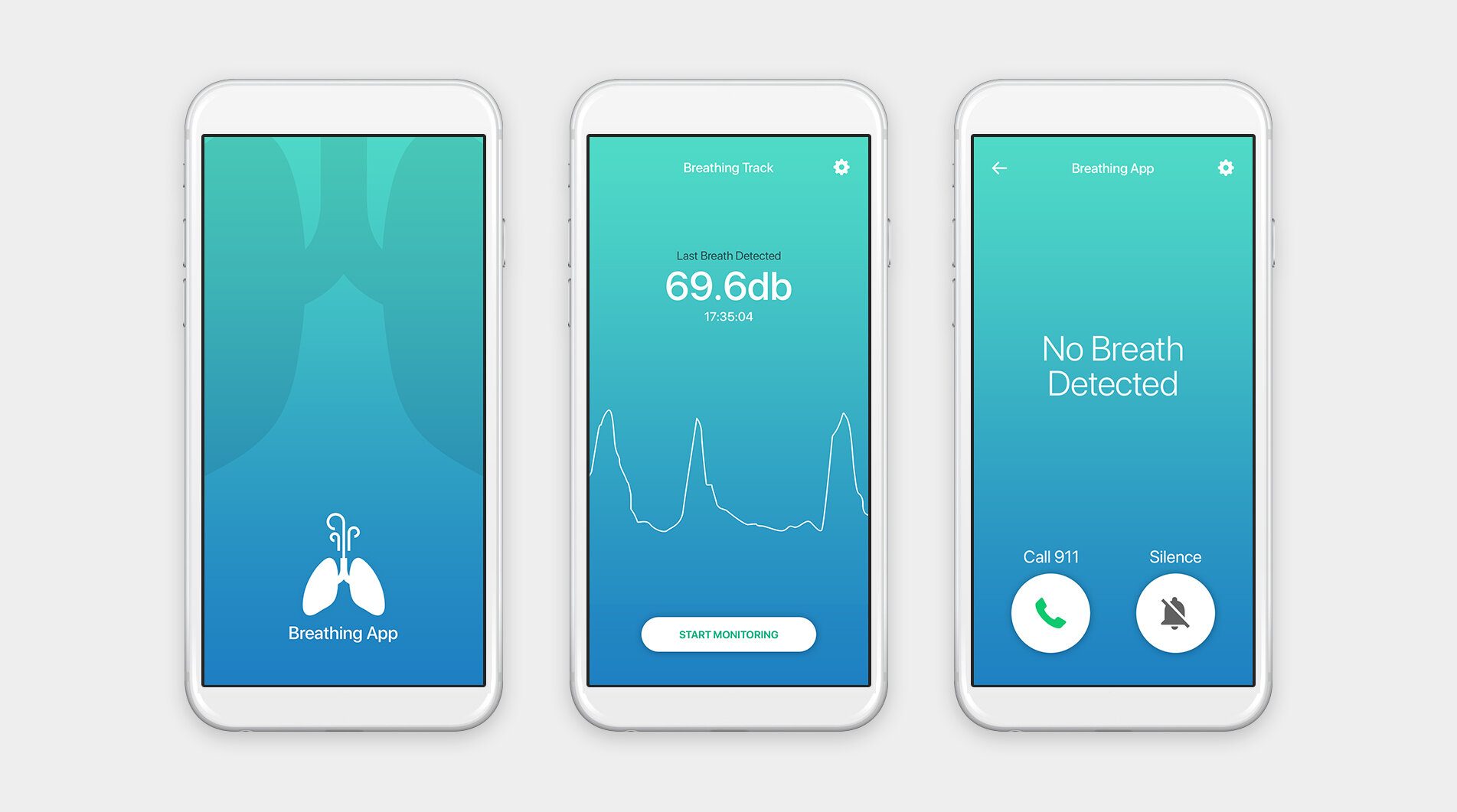
Speaking to the key role that technology plays in our daily lives, breathing and meditation apps are also on the rise. This comes as result of a somewhat new public discourse on mental health awareness and burnout. Studies show that just 25 minutes of focused breathing can improve cognitive function and boost energy levels. Mobile apps make this healthy practice all the more convenient!


7.     Micro-HIIT Workouts

Image via

Image via

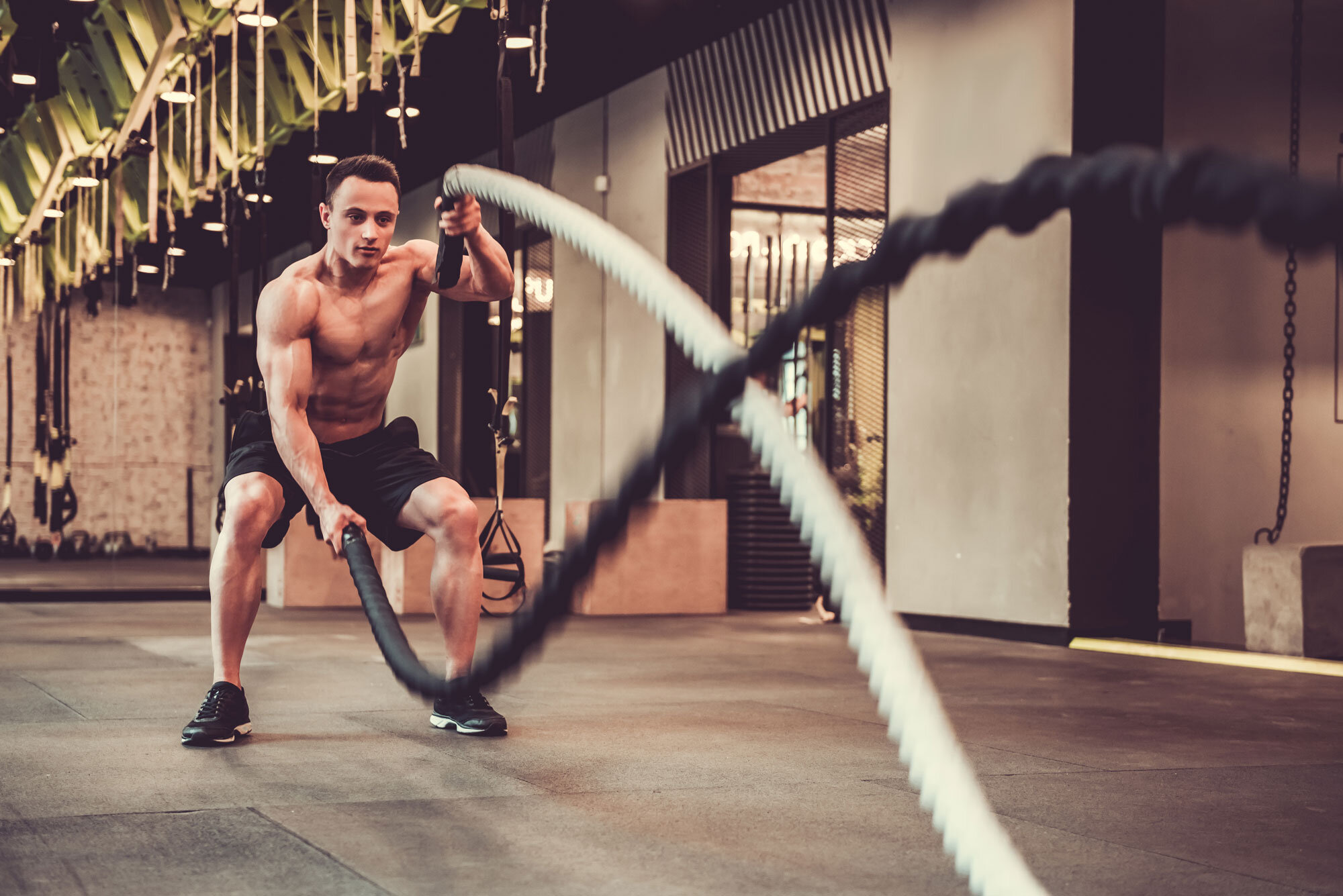
2020 is all about maximizing time. That’s why workouts are getting shorter… and more intense. Equinox Health Advisory Board Member Pamela Peek, MD, at the University of Maryland predicts that micro-HIIT sessions will take off as a physical challenge and as a counter-balance to our increasingly sedentary lives. These stimulating 20-minute workouts trigger autophagy and the production of stem cells, or the regenerative cells in the body. They are also the perfect way to get in a good sweat during a lunch break! Boutique fitness studios such as PlateFit, a 27-minute HIIT workout in Los Angeles, are already supplying the demand for efficient exercise!


Feature image via.

How Can We Learn to Be Happier?

In the widely beloved and well known podcast, Tedx Radio Hour, host Guy Raz interviews a number of Ted Talk speakers to learn more about their talks, who they are, and their lessons on life.

The episode “Simply Happy” is one of Tedx Radio Hour’s most popular releases–and with good reason. In this hour, we learn from presenters of various backgrounds who share their research and philosophies on the simplicity of happiness. Here is a breakdown of this episode and its overarching ideas on happiness:

1. Mind Wandering (Matt Killingsworth):

UC San Francisco researcher Matt Killingsworth suggests that our minds wander and focus on things that aren’t particularly helpful to us. He explains that we tend to lose our attention to thoughts that are not “productive, useful, and adding to experience.” Moreover, he suggests that mind wandering may be a cause of unhappiness and not just a symptom. Speaking from experience, I feel a lot happier when I am in the moment with things and feel more connected and accepting of myself when I can enjoy my time, actively doing something without distractions, which may be reading, listening to podcasts, etc.

See his Matt Killingsworth’s app on tracking happiness/ mind wandering tendencies here.

2. Culture of speed (Carl Honore):

Speaking on the culture of speed, journalist Carl Honore suggests we refrain from the idea that slowness equates to laziness and unhappiness. Honore raises a valuable point in explaining how slowing down can help us ask meaningful questions about the quality and wellness of our lives.

3. Simplicity and Happiness (Graham Hill):

Designer Graham Hill recalls his life after selling a website designing company he founded for ten million dollars at barely thirty years old. After acquiring so much money, he talks about how he purchased many luxuries, including a new and expensive home, a car, furniture, and more, but concludes that these luxuries began to overwhelm him and make him more unhappy. The big change for him? Experiencing the joys of simplicity. He got rid of these luxuries and looked to things that were space efficient, that were decluttering and could “nest, stack and digitize.”

4. Misfortune and Long Term Happiness (Dan Gilbert)

Harvard psychologist Dan Gilbert explains the relationship between misfortune and long term happiness. He emphasizes the “impact bias” in all of us: our tendency to overthink the severity of outcomes. At the same time, Gilbert notes we are built with processes that make us resilient to adversity–processes that we are many times unaware of. We can frame things in more positive light to help us overcome life’s most troubling tribulations.

5. Gratefulness and Happiness (David Rast)

Monk and interfaith scholar David Rast defines living gratefully by way of appreciating gifts that are both given and valuable to us. Moreover, he notes that every moment can be considered a given opportunity that we can avail in. Through gratefulness, we can act out a sense of enough instead of scarcity and thereby, change our perspectives on fulfillment and life’s meaning.

His method for noticing when we are being grateful in life?

“Stop, look and go.”

Listen to the full podcast here.

Feature image via.

Source: https://www.npr.org/programs/ted-radio-hou...