sample(d) I: Moon Men pt. 1

“The reader is the space on which all the quotations that make up a writing are inscribed without any of them being lost; a text's unity lies not in its origin but in its destination.” 

-Roland Barthes, The Death of the Author 


The beauty of music — to me — is within the lyrics. But would this mean that the magic of songs lie within the songwriter? I’d beg to differ. The true power of a song — of a chorus or a bridge or a hook— lies within the listener. More specifically, how listeners can actively take apart lyrics and interlace a chorus, a hook, or a bridge into a tapestry of their own creation. It is the way a listener weaves their own lived experiences, imagination, and imagery to songs that make it last; make it mean something. This poem-based series is my way of exemplifying how magical songs are to me. 

I’d like to invite you to bask in the magic too… 


Sample(d) I: Moon Men

“two drifters off to see the world”


In this first installment, I “sample” a myriad of artists but primarily the various artists that have covered the iconic song “moon river” (popularized by Audrey Hepburn’s version in “Breakfast at Tiffany’s).

moon river

from breakfast at tiffany’s and beyond

Moon river, wider than a mile

I'm crossing you in style someday

Oh, dream maker

You heartbreaker

Wherever you're going I'm going your way

Two drifters off to see the world

There's such a lot of world to see

We're after the same rainbow's end

Waiting round the bend

My huckleberry friend

Moon river and me” 

-Performed by Audrey Hepburn, and Frank Sinatra, and Frank Ocean… 

… my turn-ish


moon landing

A love on a lie

is a castle on a glass cloud 

but not this love 

for it is different 

As if here on worn-in sheets under dim motel lighting

On a cross-bred cocaine high  

Nothing else matters 


And as your body curves into mine 

you confess, “this love is made of something out of this world”                                                         

— something I already know

… 

Let the crashing comets collide against the earth

Let it catapult me into the clouds

   into space 

So far from earth

So far from matter

Where I can lay in moon dust

with you forever

Where I can lay here in moon dust 

with you forever

A future with you

is a future worth dreaming of

A love on a lie

is a love good enough

for me

… 

And as the stars in your eyes dim into a deep sleep 

I’m mesmerized that somehow I’ve landed you 

and

I solemnly swear 

a secret

“I promise you 

I’ll stay here forever

and whatever comes after 

doesn’t matter”


Check out part 2 to this series debut…

Is Sexual Wellness the New Wellness?

As technological advancements democratize industries such as beauty and wellness, we have witnessed an inundation of indie DTC brands brushing upon a variety of women’s needs, all with similar offerings. As a result, the femtech space has faced claims of being overly saturated. The sexual wellness category has received such criticisms. However, it’s hard to deny the potential for the future of this female-targeted industry that piqued during ‘quarantine’ and continues to revolutionize women’s health. 

The fact of the matter is, we know so little about women's bodies. Most of the educational resources focus on fertility science, and, as such, sexual wellness companies working on anything more than luxury sex toys and organic feminine products tend to target aspiring mothers. Companies like Oova and Kegg have developed highly advanced fertility tracking devices that rely on daily tests of urine samples and cervical fluids (respectively) taken at-home on the user’s devices. However, the current technology has ushered in a new form of birth control: the fertility-awareness-method (FAM), which consists of tracking one’s fertility levels to inform decisions about sexual activity. Natural Cycles, an FDA approved hormone-free birth control, uses daily tests of basal body temperature to track fertility, and it’s said to be 93% effective with typical use (99% with perfect use, but who are we kidding). While the majority of fertility tracking devices were developed as methods for family planning, the scientific discoveries behind fertility tracking, and women’s health in general, are highly exciting, and I refuse to believe that women looking to get pregnant are the only ones who would like to know what's going on in their bodies. 

Image via

As far as popular sexual wellness companies go, there are too many to count, and they all largely gravitate towards two product categories: vaginal health and sex essentials. Shoppers today have no problem finding the right vibrator, condoms, lubricants, and even more hygienic products such as wipes and women’s supplements. While I’m not here to recommend products, it is worth mentioning that the increasing competition amongst sexual wellness brands is fueling even more creativity within the industry. Take the indie brand We Are Nakey, whose single product, the Muff Masque, is a sheet mask for ‘down there.’ Described as a sheet mask for your vulva, this product is certainly a clever take on this popular self-care trend. This all goes to say that whatever sex product you want, it likely exists. 

Image via

Despite the rising popularity of sexual wellness, the industry struggles to overcome the taboo that is talking about sex. A large obstacle for sexual wellness brands has been ad restrictions. Brands selling products of a sexual nature face real barriers as they rely on guess-work to determine whether or not their ads will be approved. In response to these frustrating restrictions, sexual wellness brands Unbound and Dame Products recently launched an interactive website that presents users with examples of ads that were and were not approved, demonstrating the arbitrarity of the process. However, ad restrictions are not the only area in which sex stigma poses a threat to the industry. Most companies within this category allocate a lot of resources towards increasing awareness about sexual wellness and education. In a failed attempt to destigmatize the category, some companies have taken the luxury approach, setting higher price points and partnering with luxury retailers in order to brand their products as luxurious as opposed to taboo. However, indie brands have critiqued this approach, pointing out that it does not facilitate any larger efforts to destigmatize sexual wellness. At the end of the day, the fate of sexual wellness lies less in the hands of society’s comfortability with discussions of sex and more in the hands of innovation. While sex toys are well on their way to taking their place as an acceptable bedside staple, it’s up to research and technology to catapult this category into the mainstream.  

Image via

The convergence of sexual wellness into the larger wellness industry is revving up excitement for the future of women’s health. For example, I am specifically fascinated by the start-up skincare company, Veracity, which aims to tackle the largely ignored mystery driver of skin health: hormones. The company has developed a hormone testing kit that informs customers about their personal hormone levels, as well as other biofactors related to skin health like pH, cortisol, and DHEA, and recommends skin care products, dietary strategies, and lifestyle choices that fit your needs. It is becoming more and more clear that there is no one-size-fits-all model for women’s health. Research that gravitates towards customization and personal biological drivers continues to redefine the wellness industry. While Veracity doesn’t serve as a holistic bridge between sexual education and wellness, their incorporation of hormonal science into a field that largely ignored it is pretty disruptive. 

Image via

While sexual wellness has been trendy for quite a moment, the work of science, along with some incredible leading women, is aiming to make it routine. It’s no secret that we have a lot of ground to cover as we educate ourselves on the biology of womens’ bodies. Whether you interpret this message as a friendly reminder to book a check-up with an OBGYN or an introduction to a new form of sexual wellness, keep an eye out for this rapidly evolving industry; there’s always something to learn.


Featured image via


Coffee Crawl: Understanding Pour Over Coffee

It was not until I came to college that I realized how prevalent coffee has become in our day to day lives. We wake up, craving coffee. We spend time with friends, grabbing coffee. We survive the day after an all-nighter, drinking coffee. Simply, coffee has become more than an energy booster. It is a tradition with a culture of its own; expressing itself through fashion, music, lifestyle, gastronomy, art, design and more.

Exciting as it might sound, however, coffee culture can be intimidating, especially when faced with a selection where the only item you recognize is a cappuccino. I can’t even tell you how many times I ordered a hot chocolate instead of a coffee because I was too scared to keep a line of caffeine-deprived coffee heads waiting to ask about the difference between an aero press and a syphon. 

This is why I created “Coffee Crawl”—a guide that will take you through the intricate and interesting corners of coffee culture, so you don’t have to stick to hot chocolate (nothing against hot chocolate, I do love a good cup of cocoa). I hope this series will serve as a roadmap for all your caffeinated escapades, making your daily coffee more than just a cup that gets you through the day. 


The Pour Over

The first stop on our Coffee Crawl is the “Pour Over,” a coffee that my friend described as “insulting and confusing” because it’s twice as expensive as the “drip” coffee at Plein Air even though it looks the same. I completely understand the frustration, the look of the coffee doesn’t do it justice; however, when it comes to taste, that is a whole different story. Compared to the drip coffee that you can simply make at home by pressing a button on your coffee maker, a pour over is manually brewed, requiring significantly more time and skill for which you get a morning cup with a whole new depth of flavor that your Nespresso could never give in return. 

A Bit of History

Before explaining the magical process behind this brewing technique it might be interesting to know that the pour over is nothing new. In fact, it’s been around for more than a century thanks to a German lady named Melitta Bentz who got sick of drinking bitter and muddy unfiltered instant coffee. To get rid of the unpleasant sludgy and thick texture she hated so much, Melitta went against the coffee mainstream of her time and started drinking her coffee poured over a brass pot with holes and a paper on top. The paper would catch all the freely floating coffee powder, leaving her cup cleaner and less bitter. Sharing this technique with her friends and community, Melitta slowly started changing the global coffee scene to a point when even the so-called Viennese café intellectuals switched from their adored rough black sludge to the Bentz filter.

The original Bentz pour over “brass pot”, 1910

Pour Over Now

Funnily enough, not much changed since Melitta’s days. Her approach to coffee is, in fact, what grounds our ever-changing coffee drinking society into tradition. We still prepare coffee the same way she did— we take a filter paper, put it into our pot of choice, throw in coffee grounds and pour in hot water. The only difference is that now we use prettier and more refined brass pots to do so. The ones you will see around the most are Chemex, V60, and Hario Switch; the others, I would say, are designed for first league coffee enthusiasts, and you will probably never see them on a coffee shop menu. 

 For those interested, here is a quick run down of the three “main” brewers.

Chemex

A sleek hourglass design that self regulates the contact with water and the beans.

Produces the lightest tasting coffee.

V60

A spiraled brewer that makes every coffee ground count.

Produces the clearest coffee without filter paper flavor— very common with other brewing methods.

Hario Switch

Looks like a V60 but has silicone base for immersion brewing (water soaks and mixes with the beans instead of passing straight through).

Produces a rich dark flavor and a smooth thick texture.

And for those that are a little less enthusiastic but still want to know why it’s worth to pay $2 more for a cup of simple black pour over coffee, the main take away is that a pour over will give you a lighter and smoother coffee taste without the grittiness of unfiltered coffee—which I think worth every extra cent.


Thumbnail image via

Source: https://www.homegrounds.co/best-pour-over-...

Manifestation: How to Make the Universe Your B*tch


Admittedly, I went off in this article about the cultural appropriation of manifestation. But, what actually is manifestation?

I’ll wager a bet and say that everyone has some or the other idea: basically, you ask the universe for something, and you get it. Well, the universe isn’t Aladdin and that’s not how it works––well, not exactly. 

In Hindu and Buddhist spirituality, manifestation is not an ask-and-you-shall-receive system; it is based on a history steeped in belief, worship, and dedication. There are two terms you should know for this:

Karma: (I’ll wager another bet that you’re fairly aware of this, but I’ll do a quick recap.) Akin to a universal checking account. You do well, you are done well to; you do badly, you are done badly to. We reap the results of our actions, and these hold us accountable to not just our current selves but also to our future selves (rebirth is governed by karma). TLDR; cause and effect.

Dharma: The less popular twin, but essentially means your purpose in life. You can let this lead you down the existentialist crisis of wondering what it is, but you can also disseminate it into its smallest pieces: on a day-to-day, hour-to-hour basis, what is your purpose? And if your purpose is to serve yourself, to be happy, that counts. No purpose is too small, but it is also of spiritual value to figure out your larger purpose through self-discovery. 


Combined, they yield the Hindu ideology of universal welfare, a system in which the universe benefits from you achieving your dharma, and through karma, the universe benefits you. This whole concept is the actual Law of Attraction, as proposed by the Bhagavad Gita and the Upanishads. (If only all those pandits and yogis could summarize that well, eesh.)

As Lord Krishna says, ultimately you are the Universe––or at least, that you create your own universe, your own reality. The things you attract come to you, and the things you repel don’t. A simple example: If you’re the kind of person who’s always asking for “friends who do xyz,” and instead, you become the friend that “does xyz,” you attract more people like yourself and therefore, you will have friends “who do xyz.” “xyz” can be anything: who dress fashionably, who party less, who work out more, who decide to go vegan, who love art museums. 

Here’s the answer to the question you’ve been waiting for: “How do you manifest?”


Step 1: Figure out what you want, really figure it out

This step works sort of like a Google search; your results are only as specific as you make them. Instead of “I want a partner,” try, “I want a partner who is exactly three inches taller than me, a year older, goes to Harvard (no idea why you would ask for this, but you do you!), and has a sense of humour exactly like mine.” 

What you want to avoid doing is using “don’t,” like in “I don’t want a partner who attends UChicago (this, I understand).”

To figure this out, you also need to understand why you want it. Because here’s the kicker: manifesting is not about you and what you want. It’s about what’s best for the universe, for everyone. Whose life will get better when yours does? How many people will be served when you manifest your desires? Your karmic account has to line up; the reason you are manifesting has to be worth what you’re manifesting


Step 2: Believe you can have it

This is what all the affirmations are. To actually get something, you have to believe that you are deserving; this means none of that modesty shit, but also none of that arrogance garbage. Recognize what you have done, your (true) value as a person, and determine whether this is a reasonable ask. 

(If it is not, and I cannot stress this enough, the Universe will not give it to you; you cannot actually manifest anything and everything.)

But if it is, good. An abundance mindset comes from the fundamental belief that you are enough as you are––not a little smarter, a little lighter, a little more this or that, just as you are. Affirmations are a great way to remind yourself of this, and in turn, keep your vibrations (or the classier abbreviation, vibes) good. 

Step 3: Ask the Universe (a.k.a. Summon the genie, except there’s no blue Will Smith to haunt your dreams)

This is possibly the easiest step. You can ask in various ways: prayer, meditation, visualization, vision boards (I would believe Pinterest does count, yes), writing. The act of putting pen to paper is supposed to be sacred––no, not fingers to keys––so if you can, write it out. Write a letter to the universe, make a list, whatever tickles your fancy.

Step 4: Help the Universe help you

There’s a key part in the “friends who do xyz” example above: to get, you have to be. Manifestation, at the end of the day, is co-creation with the universe. The universe isn’t doing all the heavy lifting, you have to be lifting beside it––or at least spotting it. Working towards your goals increases your chances of getting what you want, it’s like a nudge. It’s also fun––or at least, it should be; if getting there isn’t fun, the “there” isn’t going to be much fun either.
This is fairly easy. Work towards your goals, isn’t that what everyone is always harping on about? How you do it is completely up to you, because it depends on your goal. If you’re super confused, use what is possibly the only thing more powerful than the Universe: Google. (For legal and spiritual purposes, that was a joke. I am not interested in being smited by the Universe.) 

Step 5: Trust the process

This shit takes time, y’all. It’s not a crash diet, you can’t get what you want in 24 hours or even 7 days; and if you do, you’ll lose it just as fast. 

But also, keep an eye out. The Universe is creative with its signs, so be open to different presentations of your goals. In the context of a partner, no they will not appear limb-by-limb, but hey, what about that really cute person you bumped into on your way to class last week? The ~feeling~ you got then, huh? 

And meanwhile, vibe check yourself! Keep the good vibes flowing; recite your affirmations, do your self-care routines, smile at strangers. 

You now know (1) why ManifestationTok is garbage, (2) the actual origins of manifestation, and (3) how to manifest. (*Checks list, nods.*) That’s it. You’re good to go. It’s also time for my daily affirmations, and the Universe doesn’t like to be kept waiting.  

One last thing: Just stay true to the roots––both, manifestations’ and yours.


Thumbnail via.
 

Sometimes Better is Everything


I try not to look at my phone first thing in the morning. If I’ve learned anything from internet personality Gabi Abrão of @sighswoon on Instagram, it’s how to wake up. 

First, understand you are awake. You can’t open your eyes first thing in the morning and bargain with whether you are awake or not. Awakeness and awareness are not meant to be decisions, and as I enter that state of consciousness from the warm planet that is my bed, contemplations chase each other across the space of my mind. 

Should I snooze the alarm? Am I really ready to get up, now? God, I want to go back to sleep.

No, I’m awake. Get up and go do something. The buzz words these days are grounding, spiritual, peaceful, calming, mindful. Make your morning any of those adjectives. 

Second, third, fourth, last, whatever, the list goes on. But the step after waking up is to remember you exist, and then do something about it. Stretch, drink water, put on music, stimulate. Make your ritual morning coffee and hold the mug between your hands as you stare out the window, letting the sun hit your face. Rinse the spinach, chop the tomatoes, and whisk the eggs for your breakfast omelette like it’s your last meal. Ideally, it is all so very beautiful, letting the world unfold before you like a miracle. 

Why does it feel so unattainable? Scratch that, why do they make it feel so attainable?

I surely can’t be the only one, as an early twenty-something and a sometimes unfortunately avid consumer of social media, on what could best be described as “Routine Tiktok.” Self-care Tiktok, morning routine Tiktok, night routine Tiktok, day-in-the-life Tiktok, what-I-eat-in-a-day Tiktok.

It includes anyone from the likes of celebrities, to influencers and business owners in their high-rises, to young adults with generational wealth in their lofts, to regular teens in their homes or hanging out with friends. I get so much satisfaction out of watching others do their so-called daily tasks, from the mundane to the exciting. 

I don’t think I have to make the spiel that nothing on social media is particularly authentic, I think we all know how that dance goes already. In a sphere that is all about craft and curation, the internet is not a space to wax poetic about organic existence. 

Sure, sometimes these posts feel a little real, like when I see @lei_go_to_therapy make a quick day-in-the-life where she admits that all she really did that day was wake up, sleep, maybe watch a couple episodes of a TV show. I love those ones, I do. It’s comforting. It’s a little bit like memoir writing, isn’t it? I mean, the most convincing thing about memoir is when the author acknowledges their short-comings, is candid about how things aren’t always what they seem. 

And then there are the other types, the ones with ethereal people in ethereal houses with amazing lives and amazing jobs. Trust me, I love @sighswoon, I really do. I think she, and other accounts like hers, do amazing work to help people on their spiritual journeys. I consume her content and it’s always nice to look at, the reminders and digital resting points and bits of poetry amidst the prose. But I can’t help but see her living the life in Hawaii, in a house by seaside, posting videos of waterfalls and hikes and beaches and just not being able to relate.

I don’t have that, most of us don’t have that, and this is not to say people don’t work hard for those things, but it is safe to say that the yearning for the lives of others can harm more than heal. 

Influencers and people who make those routine videos, the spiritual guides, the day-in-the-life Tiktoks, they know that those lives are curated. We know that those lives are curated. It’s a very clear exchange between creator and consumer. Social media is a highlight reel, or however the saying goes. It’s an unsaid agreement. That’s crystal clear to most adults on the internet, but this type of content still strives to portray a sense of authenticity even if that isn’t really possible. I don’t want a life that is not my own, I never will.

Man, do they make it feel attainable, though. It gets a little sinister.

Will I still wish I could spend my mornings on a balcony overlooking the sea? Sure. Will I still feel bad when my day is spent waking up, going to Zoom class, going on my phone, and going to sleep just to wake up and do it all again, my brain hammering at me to live my life to the fullest? Absolutely, whatever that means. People say you have the power to change your own life, yeah, yeah. Trust me, I know, let me be cynical and pensive, but that’s not what this piece is about. It’s about the other things.

Why doesn’t it feel as nice as it seems in the videos when the sun hits my face in the morning? Why isn’t the process of making my morning cup of pour-over coffee peaceful and meditative like theirs? Instead my brain just feels a little empty, full of goo and sludge and whatever comes next.

Maybe I just need to meditate, or go on the spiritual journey everyone talks about. Something like that. 

For now, I’ll still try to romanticize my life, because when the moments are good, they’re good. It’s about understanding that it all doesn’t have to be that way, that loving and being loved are good enough. I don’t always need to wake up at 5 AM, or do yoga, or meditate, or go on a run, or write in a journal, or be productive like the videos say.

Sometimes your orange tasted really sweet, and you laugh about the sting of the tartness in your cheek. Your hand is cold and your friend holds it and now it’s warm again. The tea soothes your throat and you feel it in your stomach. You trace your eyes across a finger as it points to the banana moon on a clear night. Things feel good, feel better, and it’s everything. 

I’ll turn my phone off when it gets to be too much.


Thumbnail image by Petra Collins

Clever Subject Line: Did You Forget Something?

Your cart will expire in 10 days.

Ask any friend of yours who’s locked down, working/studying, and doing how we would now describe as “pretty good!”—they definitely have 6-8 tabs open on their laptop and cell phone. Some e-mails, scanned library books, maybe even their favorite study-tuber (okay, just me?), and about 3 different types of shopping tabs. There’s the product search results page, on which they are still browsing for the perfect combination of stars and reviews; there’s the full cart, sitting in anticipation of an uncertain click; and there’s the 10-minute-old shipment racking page, reserved for the more committed procrastinators (or maybe just the daftest).

I’d like to call myself a pretty tame shopper. After recovering from my weekend suburban-mall-trip addiction in middle school, I’ve grown increasingly less and less interested in the shopping experience. And while online window-shopping was the high school distraction I had to conquer next, I’ve never been the type of person with a full cart open in a faraway, pitifully hidden tab.

confessions.gif

That’s not to say I haven’t had my fair share of quarantine purchases. Most of mine, however, have been pre-meditated, habitual: the start of a new routine like matcha lattes in the morning or a new candle to burn each month. I’m a stranger to the kind of shopping I’ve been doing in the past few days. A new interest in skincare? Physical devices to extinguish my distress? Gen Z-targeted birth control and liquid blush? Who am I!?

Anyway, I wanted to take this opportunity to discuss the uniqueness of our quarantine purchases. It’s not just paints and puzzles anymore; we’ve collectively evolved past March 2020. Our feigning interest in quarantine trends allows us to now ask the question: what do our unique purchases say about us? Are we vapid? Hopeful? … Have we given up? I don’t have the answers, there’s not a lot of those lying around these days. But I can share my own, in an effort to partake in an exposé of ourselves and our habits.

I share this list without much comment because, well, it’s really open for interpretation. Your guess is as good as mine.

serenilite.jpg

Ummmm

You know, just exploring other avenues to express our feelings.

blankie.jpg

A weighted blanket

But then I was like, wait…my comforter is already pretty heavy and these are… pretty expensive!

clip on.jpg

A clip-on book light

Still considering. Need to read more physical books to justify. Reminiscent of the old GAMEBOY light attachment. Very chic.

mug warmer.jpg

A mug warmer

Honestly, why are there not already a common thing? (You: because we have microwaves...?) Okay, but have you seen the selection? Crazy ones that also charge your phone, smart mugs that keep your drink at a constant temperature, smart coasters, wireless warmers, the list goes on! These range from $12-200, so I’m holding off until I have a more permanent home.

TO.jpg

Various The Ordinary products

Youtube rabbit holes and a queue full of Skincare by Hyram. But I can tuck this one under self-care and pre-meditated purchases.

BC.jpg

And, finally, some BC refills

Unwilling to brave my OBGYN office, I opted for an online service, having only ever done so in foreign cities. Here, of course, all of the options I found were carefully marketed, cute, and with painfully terrible customer service. My order has been messed up twice already, but I just want that free chocolate.

I’m nothing if not practical, but that’s not always a positive thing. People keep saying we’ll know more about ourselves than ever when this is all done. I say we’ll just have had more occasions to be self-perplexed.

Thumbnail image via, content images via here, here, and here.

Sunday Stories 1: A Vegan Take on Japanese Soufflé Pancakes

As I finally experience a suburban lockdown (read: a full-sized, fully-equipped American kitchen), I’ve been compelled to get back to the ~~experimental cooking I used to do in high school. Sweets were always my go-to because, well, I was a sleep-deprived teenager. And while my mom is a wonderful cook, the precision required for baking causes her more stress than anything else. So, in an attempt to make the most of this time at home, I’m spending each Sunday with a brand-new (to me) recipe and review. Just for you!

souffle1.jpg

I’ve been watching a lot of Midnight Diner: Tokyo Stories on Netflix, and while I won’t be making fish-sausage American dogs (similar to corn dogs), I was thrilled to see a different Japanese, American-esque recipe on my YouTube recommended page: soufflé pancakes スフレパンケーキ! We’re easing into the Sunday stories with this recipe, as pancakes (and their many varieties) are a typical weekend morning treat for many of us.

This Sunday (January 17th, 2020) was the perfect morning for this recipe as snow covered the Chicagoland area overnight, leaving me with no choice but to stay inside and indulge. The classic version of this recipe involves the whipping of a few egg whites (and yolks, separately), which are what make the actual soufflé. Of course, the vegan recipe doesn’t involve any eggs which makes for a different, cakier, but still fluffy texture. If you eat eggs, the classic recipe is definitely the one you should go for for the sake of authenticity. But I’d recommend the vegan recipe when you want to make these on a whim—they’re easier to make and so so tasty. This vegan recipe from Okonomi Kitchen seems to get even closer to the original, with the addition of pastry flour and potato starch.

This vegan souffle pancake recipe is inspired by the popular Japanese Souffle Pancakes which are super fluffy and thick. This version is egg-free, dairy-free...

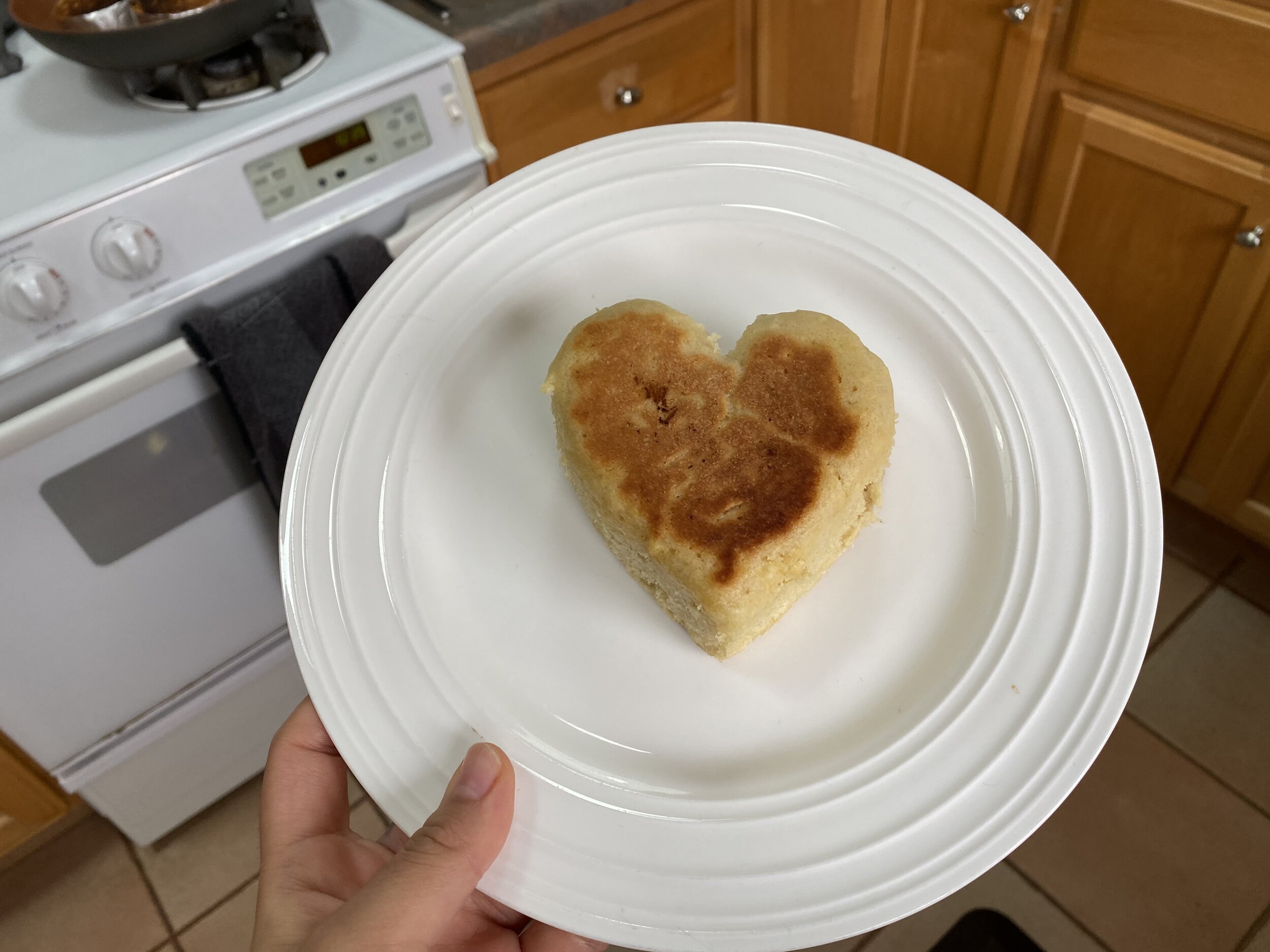
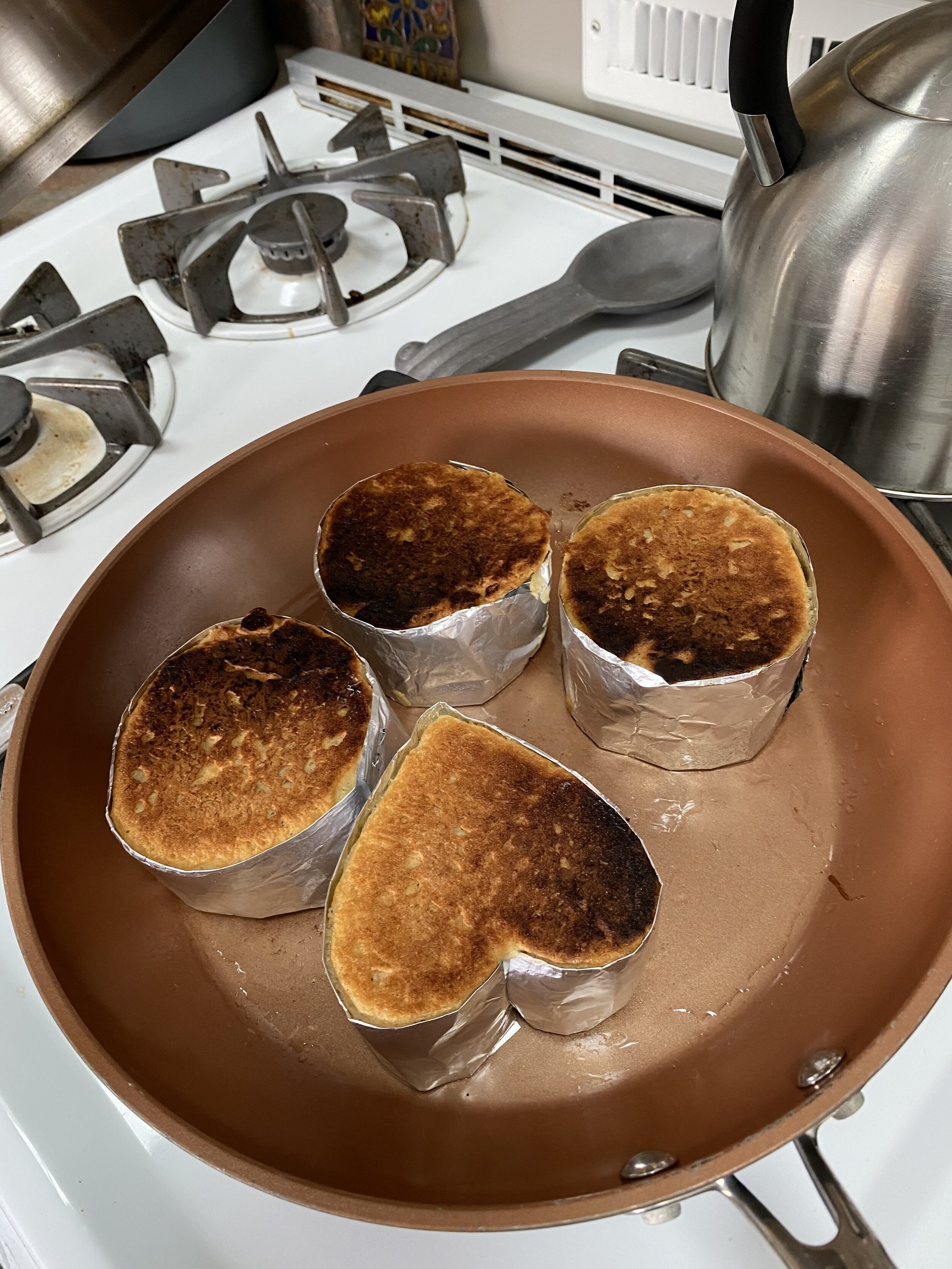
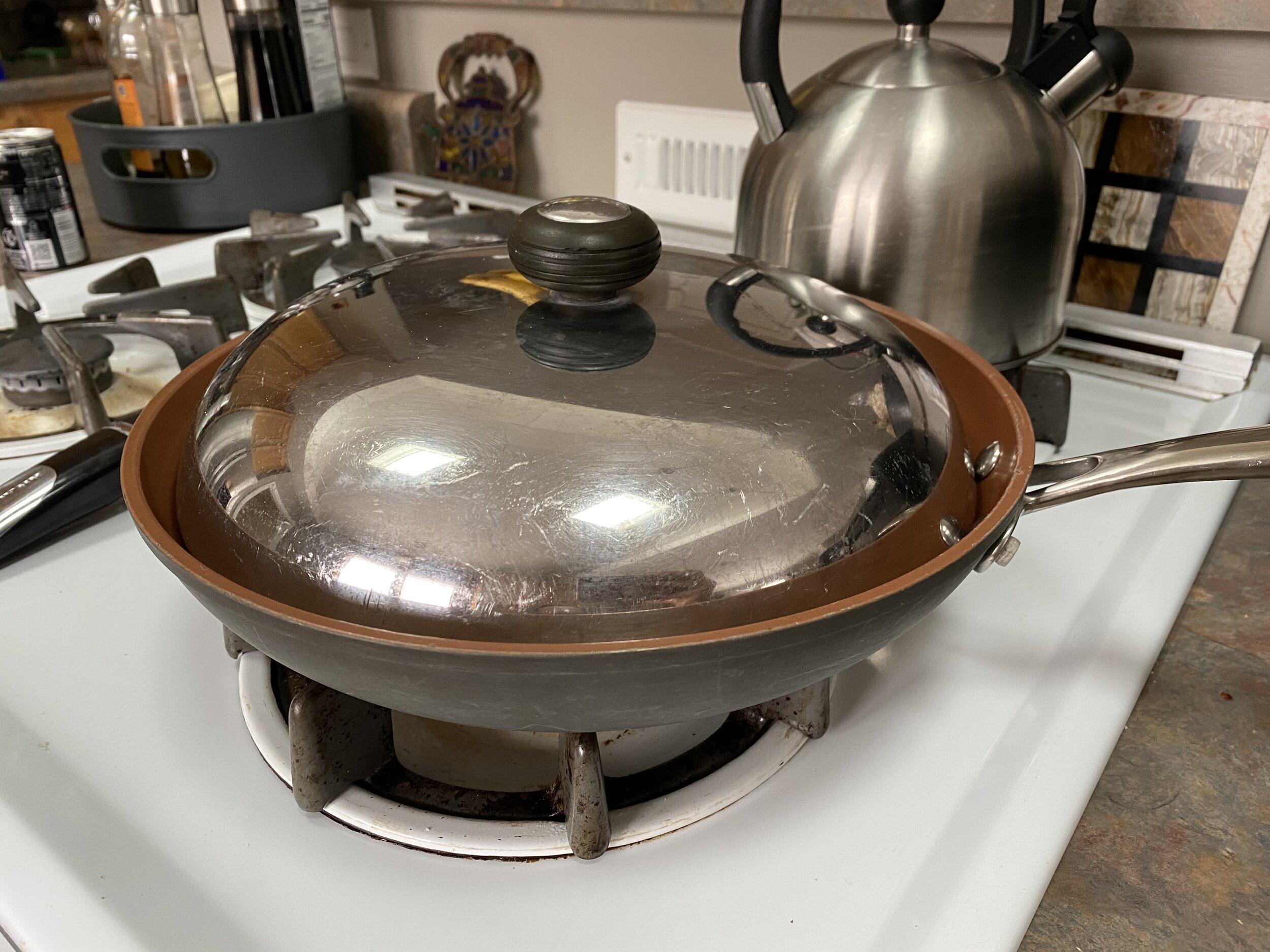
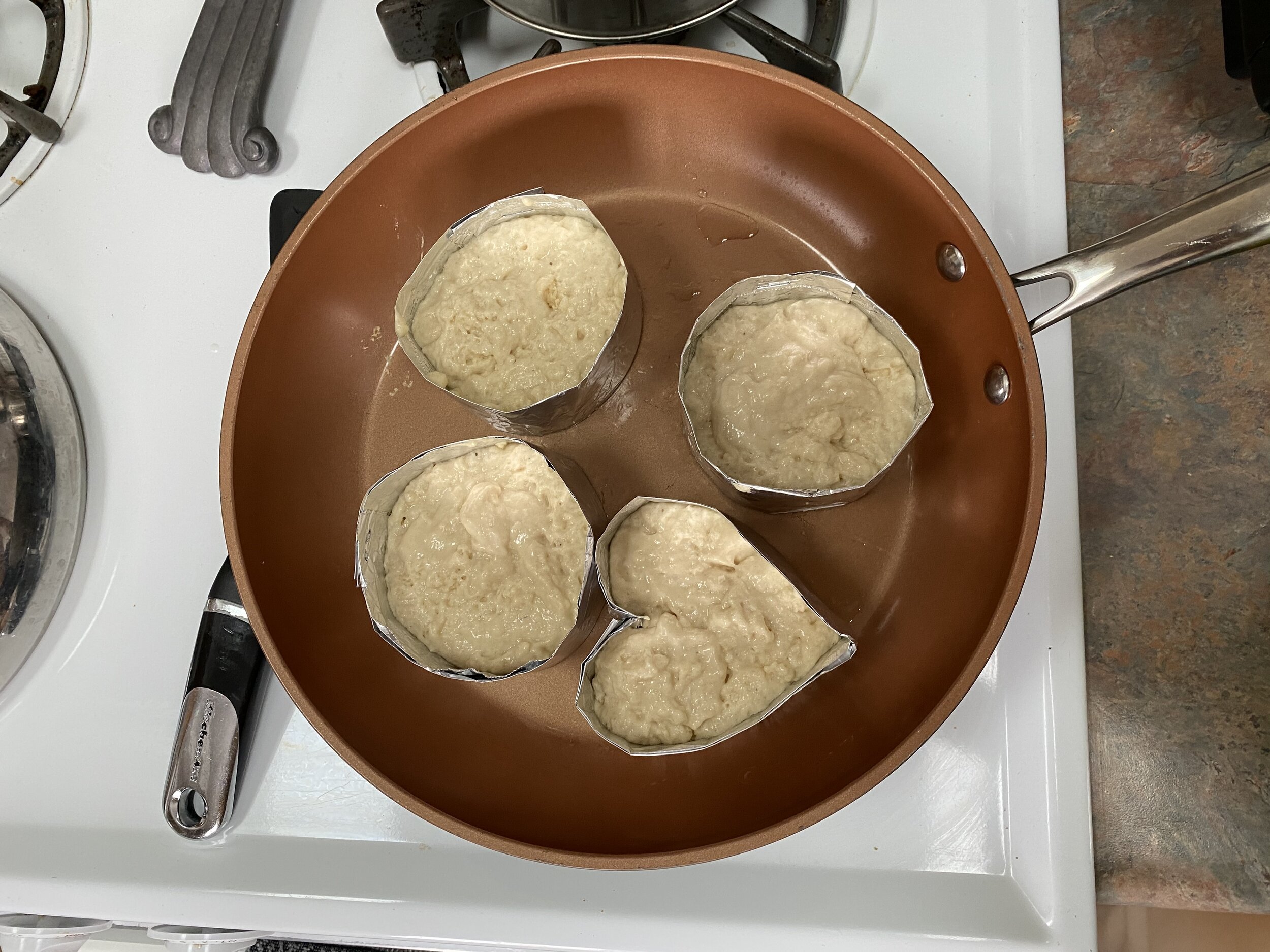
Mary will explain much better than I can, but I really liked making the molds for these (it took aluminum foil, a stapler, and two minutes!) and even got ~~crafty~~ by turning one into a heart shape. If that’s not your thing, the molds are optional and you can just pile the batter (which looks like biscuit dough to me!) onto the pan. This might even make them look more like the traditional, non-vegan pancakes. You essentially “bake” them on the stove, flip once, and you’re done!

What’s nice is that the only “weird” ingredient you need is apple cider vinegar, which can be replaced for lemon juice and (I think…) any other vinegar you have in your pantry. That, mixed with the baking powder and baking soda is what gives these, and any other vegan cake, their extreme fluffiness—in lieu of eggs.

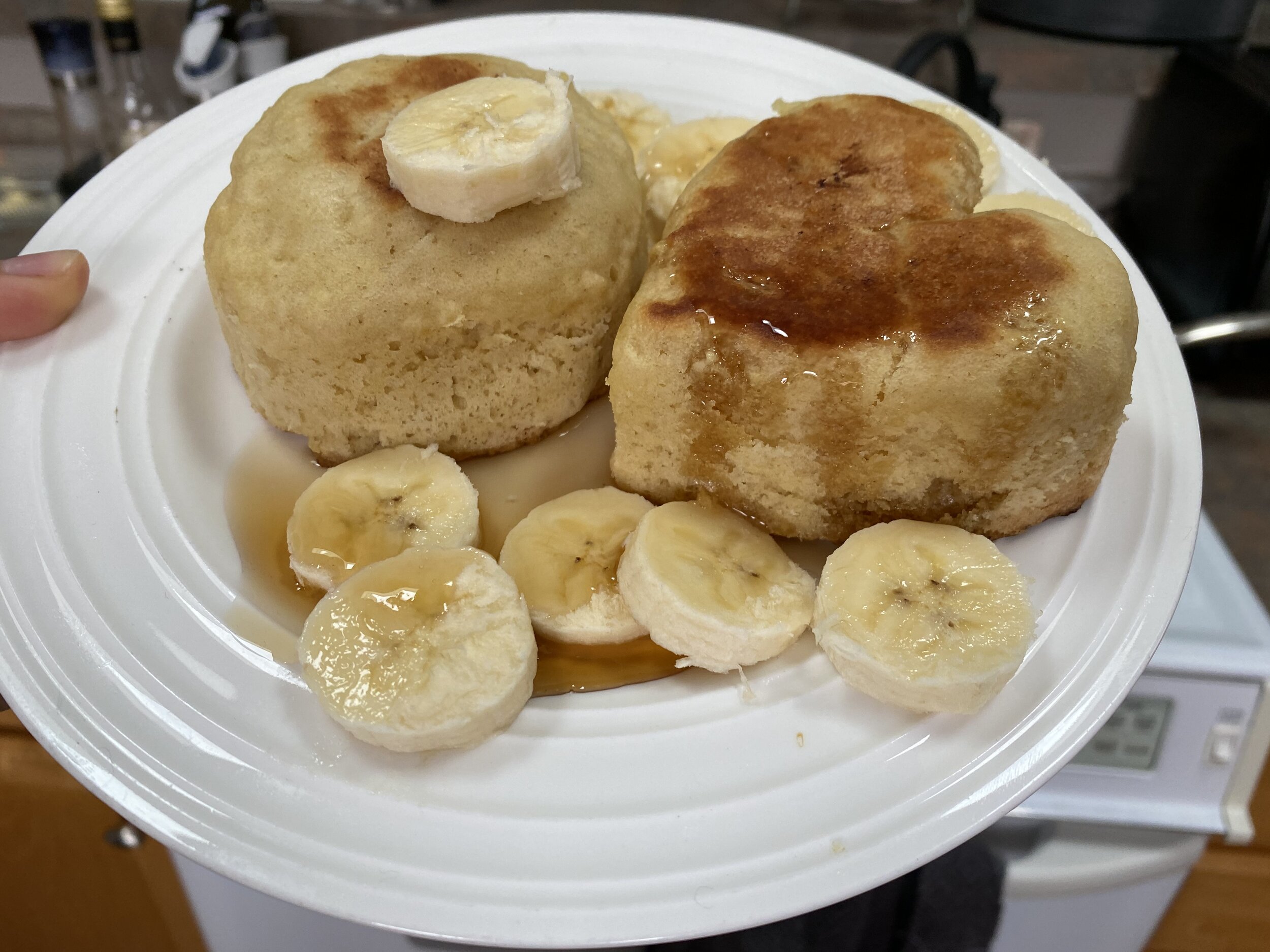
This little carousel shows the process, the texture, and the heart-shaped cake of which I’m especially proud. I made the bottoms a tad bit too crispy, but they tasted great to me (and my parents). We had them with maple syrup, bananas, berries, and a bit of crème de marrons. Make these the next time you want an extra special breakfast (or dessert). Till next time!

Images via Mary’s Test Kitchen, Okonomi Kitchen, and the author.

The Integration of Masks into Fashion

Fashion is always adapting and changing, and recently it has incorporated a major change: the face mask. Although face masks were already being used as preventive health measures due to pollution and contamination in other countries, the pandemic has necessitated the use of face masks for practically the entire world. Living under a capitalist society, it is no surprise that masks have become a commodity as brands and designers are quick to latch onto any opportunity for profit. This, however, does not reduce the traumatic origins that have led us to the normalization of face masks. 

Image via.

Image via.

Masks are a necessity for everybody today; however, there is a question to be asked about the line drawn between medical necessity and fashion statement. The integration of masks into society has now become a part of daily life, but does this necessarily mean that they should become a fashion statement? Should masks be used as another means of identity and self expression or should they be kept as an indication of safety and respect for others?

The moment when masks as a fashion statement become a hazard is the moment when this “trend” has crossed the line. Some specific instances of this come to mind, the most shocking being the pictures of Lana Del Rey wearing a sparkly mesh face mask while meeting fans. Not only is this dangerous and disrespectful to her fans, but it also shows how some people do treat these safety methods as merely accessories.

Image via.
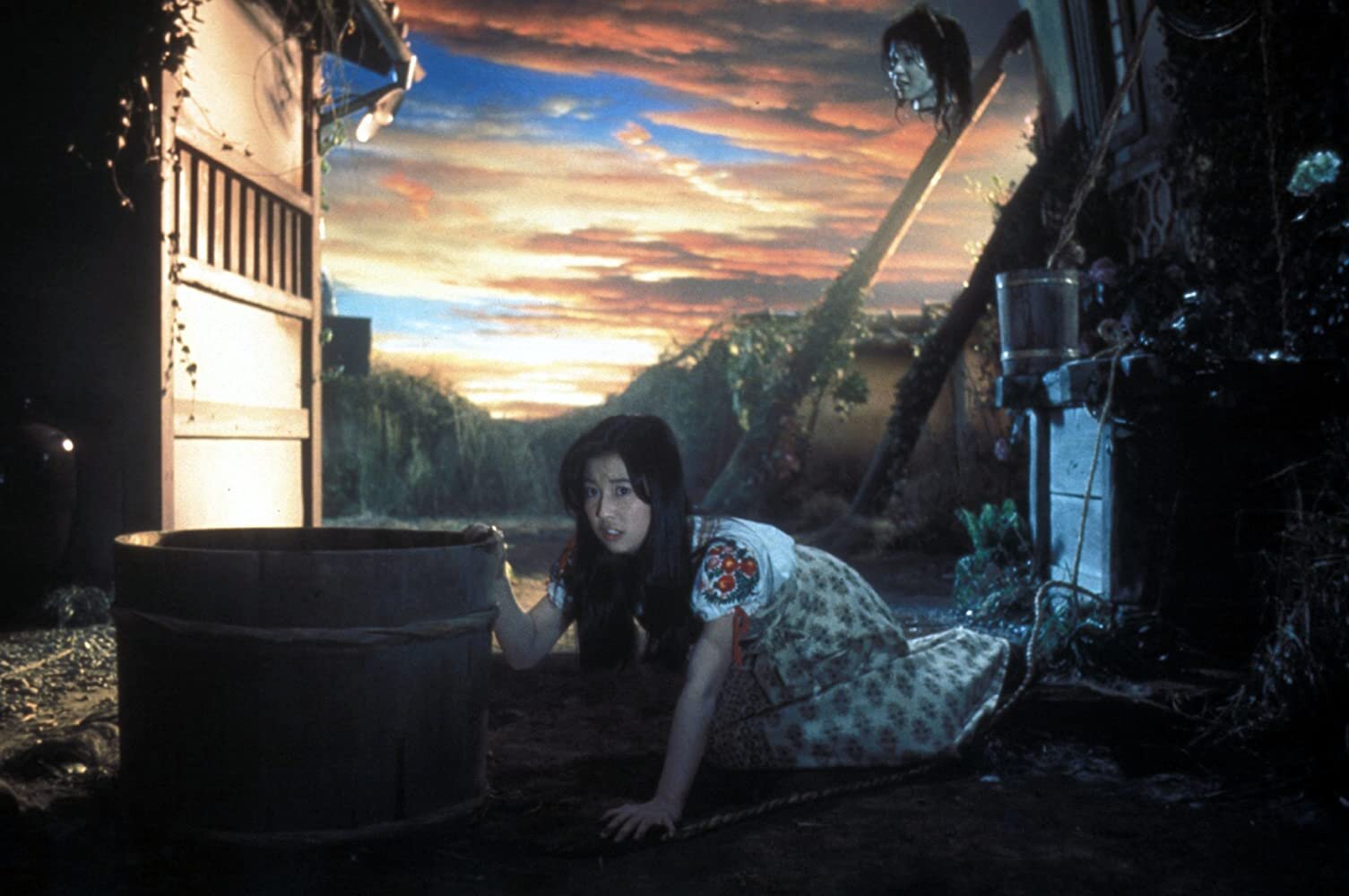
Image via.

In difficult times like these, where social contact is limited and social distance measures make it easy to feel isolated, it is only natural for people to find new ways of self expression, especially when half of your face is hidden during any outing (except for Lana Del Rey, apparently). The mask now becomes something greater than a cloth on your face, a facet obscuring emotions and character. The natural progression, therefore, to turning masks into a personality marker makes sense. However, the commodifying of a medical necessity, which represents the isolation and suffering that is occurring at the present moment, into a product for consumers does seem to raise questions about how far capitalism is willing to go in these traumatic times.

Image via.

Image via.


Featured image via

Hausu: A Quarantine Fever Dream

The social conditions we have to adhere to during this pandemic are tricky. It’s a bit of a regression, a lapse into what it feels like being a teenager or a child again stuck in your childhood home. After spending months on campus in a tiny, cramped dorm, or in an apartment with your friends paying rent like a real adult, making your way back home (and so suddenly, at that) feels a bit like reliving your adolescence. 

I was never one to go outside that often. I found peace and solace in lazing around my house, watching the world go by with a window cracked open. Now, I’m sure I’m not the only one who feels a bit trapped, like your home is slowly swallowing you whole. 

It wasn’t until I re-watched the girls in Nobuhiko Ôbayashi’s Japanese horror-comedy Hausu (1977) in honor of his recent passing, that I realized all my fears and quarantine fever-dreams were already put on film.

The vision was born when Toho Studios approached director Nobuhiko Ôbayashi to craft a film akin to Jaws—taking inspiration from the ideas, dreams, and fears of his pre-teen daughter, Ôbayashi composed the frenzy that is Hausu. Instead of a man-eating great white shark, Ôbayashi gave us a teen-girl-eating-house.

Poster for House (1977)

Poster for House (1977)

The film follows young teen girl Gorgeous–named for her exceptional beauty–and her six friends Prof, Melody, Fantasy, Kung Fu, Mac, and Sweet. Gorgeous, once excited for summer vacation plans with her father, soon finds them to be ruined when she’s told that her new stepmother would be tagging along with them.

She decides to write a letter to her late mother’s sister, Auntie, asking to come visit her in the countryside instead. Auntie readily responds, and Gorgeous extends the invitation to her six friends as well.

Not long after the girls arrive at Auntie’s manor, they begin to go missing one-by-one, and an initially idyllic vacation soon goes awry. 

It’s not an exaggeration to claim that the eccentric comedy-horror feels nothing short of an acid trip. The syrupy-sweet sunset visuals and cartoonish, bubblegum gore is nearly hallucinogenic. The garish saturation, vibrant color palette, and surreal editing are eerily comical. Piano keys chop off playing fingers; mattresses, pillows, and sheets swallow them whole; and mirrors engulf them as they apply makeup at their vanities. It’s an amalgamation of the dream-like fears of young girls—and it absolutely makes sense that Ôbayashi recruited his daughter for inspiration. It’s much too specific. 

Cinema has a tendency to keep girls inside—from Disney classics like Tangled (2010) and Frozen (2013), to renowned films such as Room (2015), Portrait of a Lady on Fire (2019), and The Virgin Suicides (1999). Though Hausu can be read as a commentary about young girls’ fears of the transition from girlhood to womanhood, much of it has to do with, not what the girl fears, but what society fears about the girl. Make of that what you will.

I’m sure many of us, like the seven girls, would love nothing but to flee to the warm countryside, away from everything and everyone. As I watched them giggle and walk hand-in-hand through the forest to reach Auntie’s manor, I felt a yearning to do the same with my own friends. As I watched the doors swing shut to trap them inside, I wondered how they were going to escape. As I watched the house slowly eat them alive, I mused about whether or not I saw this in my own dreams.

Featured image via

The Party "Restaurant" for Horrible People

We all know the offensive, risqué, often politically incorrect, but terribly funny game Cards Against Humanity. Well, with their newest release, they have entered the restaurant and bar industry. And what better place to venture such a mix than right here in Chicago? That’s right, the “party game for horrible people” has just opened the “Chicago Board Game Café” at the border between Logan Square and Bucktown.

The restaurant, which was supposed to open January 10th but has had several delays, finally opened last month. The restaurant portion of the venue boasts cuisine from Spain, Vietnam, and Mexico. And a private table costs $30 per person, but this goes directly toward any food and drinks purchased.

Image via

Image via

In addition to the restaurant, there will be dozens of board games for trying and residents experts on deck to teach you how to play them. In addition to the game play at the tables, there are also two escape rooms on the property too. While the Cards Against Humanity “Chicago Board Game Café” might be gaining the most traction, it’s not the first of its kind. Locals attribute “Geek Bar,” which was in Wicker Park, to be Chicago’s first board game restaurant. But since its closing in 2016, Chicago Board Game Café is on its way to being the most popular. Reservations are typically booked for two hours, but they have private rooms for events as well.

It makes sense that Chicago would be home to the first Cards Against Humanity restaurant, as the makers of the game are high-school friends from the Chicagoland area. Let me know what you think of it!


Featured image via.

I'm a Certified KonMari Consultant, Here's How to Spark Joy in Your Life

College Break Day, what a luxury. If you’re wondering what to do with your glorious three day weekend, I’ve got the answer. KonMari. For those of you who aren’t aware, KonMari is an organizational method made viral by the lovely fairy-woman Marie Kondo. She has three books, a Netflix series, and a veritable army of Kon-verts preaching the remarkable effects of tidying up and sparking joy.

I am one such KonMari evangelist. I may have taken it a bit too far when I went to her seminar and completed 50 hours of consulting to become the youngest certified KonMari consultant, but my obsessive behavior is your gain. A college-student customized KonMari guide written by one of your own.

Below I take you through the basic KonMari process and provide some more detailed tips and tricks I’ve found especially helpful.

Gif via.
Gif via.
The Process

1.     Imagine your ideal lifestyle in detail

This is a key step so don’t skip it! It will help you to have a vision in your head to strive for as you discard and store. Go deep! Find a picture to encapsulate your ideal aesthetic, think about your routine, diet, study habits, everything! This is your fantasy sesh.

2.     Acquire a large number of trash bags

You will probably be surprised at the amount of stuff you find to discard, so be prepared.

3.     Tidy by category not by location

This means that you search your room until you have found every pen in your possession, rather than tidying your pencil case pens, backpack pens, closet pens, bookshelf pens, and desk pens separately.  

4.     Gather all items in one place before discarding

This means taking out everything in one category and piling it onto your bed or floor before starting to discard. Yes, even books, papers, and off-season clothing have to be taken off shelves and out of drawers to be tidied.

5.     Does it spark joy?

Hold each item in your hands and ask yourself if it sparks joy. Sometimes it helps to start with something obvious. Pick out an item that you know sparks joy or that you know you want to get rid of.

Some questions you can ask yourself when you’re still unsure are:

  • Does this give me more guilt than pleasure?

  • Why do I feel an attachment to this item?

  • How does this item fit into my ideal lifestyle?

  • Is this something I want to take into my future?

  • Would I pick this out if I saw it in a store today?

6.     Storage

Finish discarding before thinking about permanent storage. The KonMari method advises against overly complicated storage systems, and instead advocates the use of small boxes to store your things. Shoeboxes are an excellent candidate as are the packaging for apple products. Try to store things upright as much as possible. There are plenty of examples online. Keep similar items together and focus on how easy something will be to put away rather than how easy it is to get out.

7.     Getting rid of the stuff

I have found this part particularly difficult as a college student. At home I know how to donate, recycle, or sell the things I discard. Without a car and familiar surroundings this gets more difficult. The University of Chicago has a recycling program directory that tells you where to drop off unwanted items. The tech department collects e-waste and there’s a second-hand store called Encore on 53rd that takes clothing. Alternatively you can list items on the Facebook page “Chicago Free and for Sale”, give items to friends who will appreciate them, or organize a clothing/stuff swap with your friends.


The Categories:

Clothing:

Pile all of your clothing onto your bed in a mountain, including outerwear and out of season clothes. If all your clothes don’t fit on the bed you can subdivide into smaller categories like blouses, jewelry, outerwear, shoes, etc. Fold everything that can be folded and watch this video on the KonMari folding method:

Books:

A particularly challenging category for university students. Books are not there to make you look smart, they are there to convey information to you. If you have read the book, you have absorbed the information. You can get rid of it. Sometimes means never. Get rid of books you haven’t read. Make room for ones you will cherish.

Papers:

The basic idea here is to throw everything away (except stuff you are currently using for class). You probably won’t look over old class materials. If you want to be able to pass them on, take pictures of the most important materials and put them in a Google Drive folder so you can share easily. Put everything you’ve kept that you aren’t using for class in a clear folder and store upright on your bookshelf or in a magazine holder.

Komono (aka everything else):

Split up into categories (food, crafting, electronics, bath products, etc). Think about what you find useful and enriches your life. Take an especially close look at all those things you were told you needed to buy for college: a coffeemaker, microwave, first aid kit, mini vacuum, etc. These things are bulky and difficult to store. Chances are you can borrow any of it from your neighbor or RA when you truly need it. Post it on “Free and for Sale.”

Sentimentals:

Do this category last so it doesn’t slow you down. If you find sentimental items while tidying, set them aside to save for last. The best way to store these items is to display them in some way. Paste pictures or display tchotchkes inside your closet, or on your bookshelf. If you’d prefer them to be tucked away you can create a memory box and store the items altogether here. Try to find a box that you really enjoy.

If you want some more guidance on the method I highly recommend binge-watching the Netflix series or checking out this folding video for guidance on your underwear drawer.  

Featured gif via 

Where & Wear: Chicago Restaurant Week Edition

Chicago Restaurant Week is coming up (Jan. 26 to Feb. 8) and the lineup is as amazing as ever. Winter may be rough, but on the bright side, it’s the perfect season to dine out with friends and family and let great food warm up your stomach and soul. What can be better than a great time filled with delicious and reasonably priced food? 

Today I am bringing back one of our favorite series–Where & Wear–with a roundup of posts on restaurants participating in Chicago Restaurant Week this year. Now do some research, book some tables, grab your friends, and get out of Hyde Park!

Ada St. West Town; Where & Wear by Meredith E


The Allis West Loop; Where & Wear by Juliette and Danna


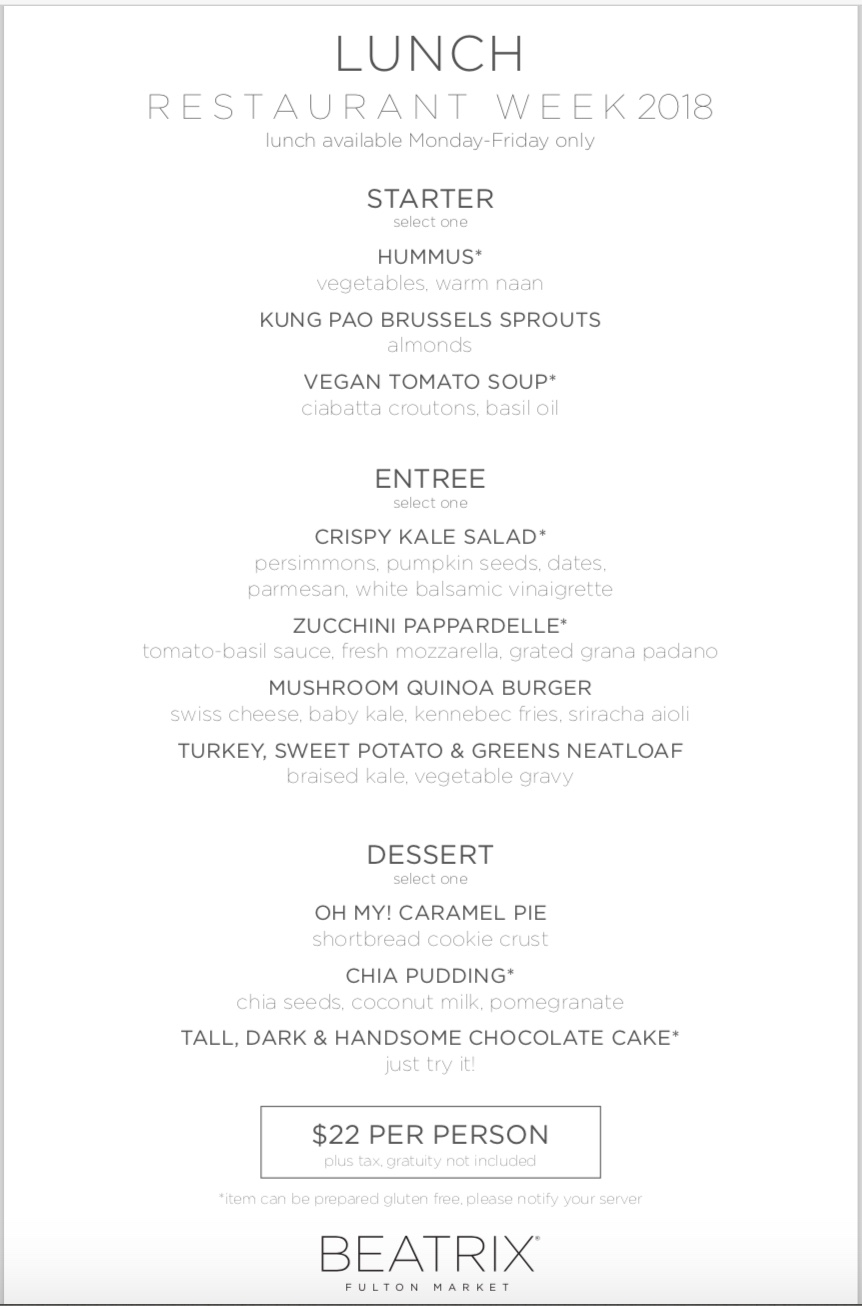
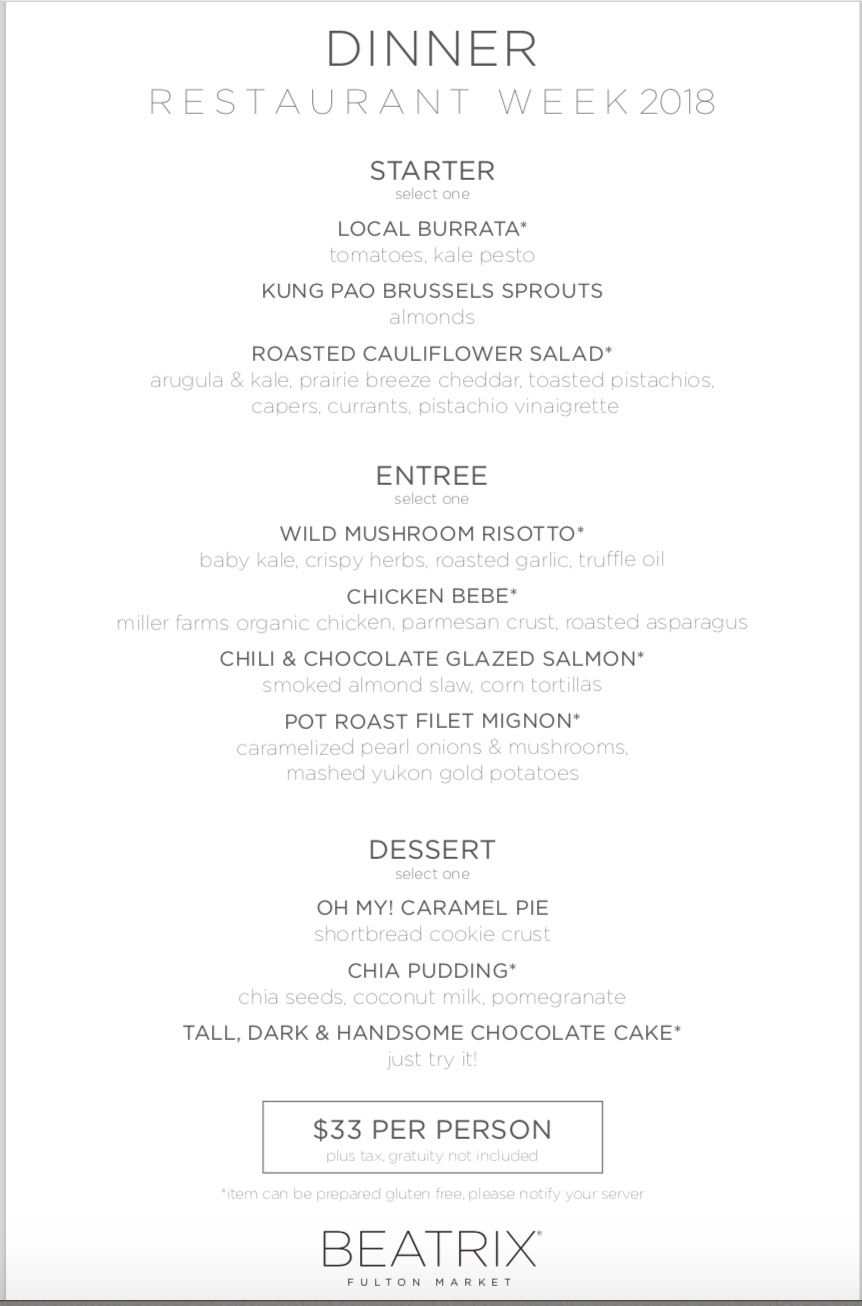
Beatrix West Loop & River North; Where and Wear by Ashley X


The Bristol Bucktown/Wicker Park; Where and Wear by Hanna W


FIG & OLIVE Gold Coast; Where and Wear by Melanie W


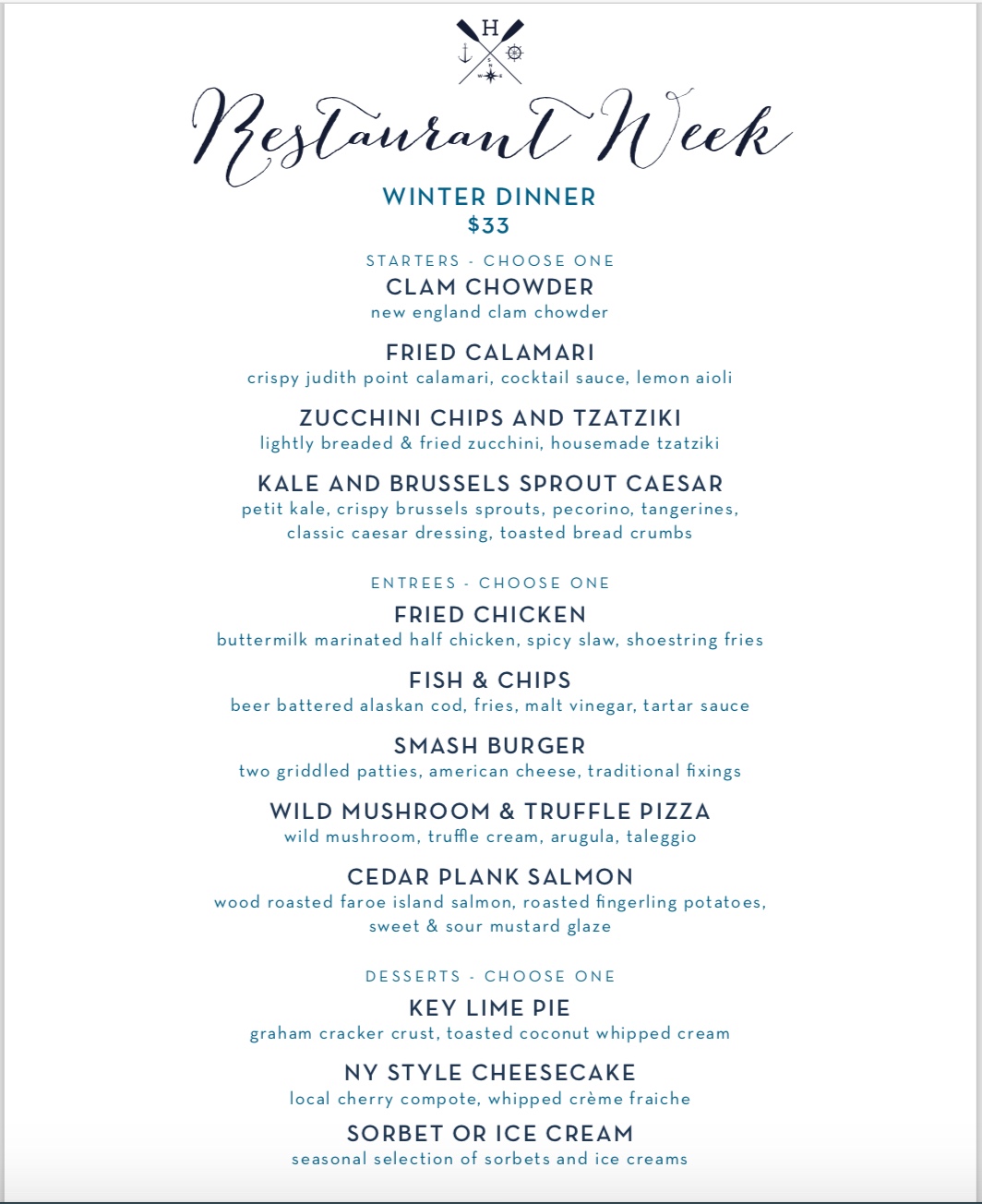
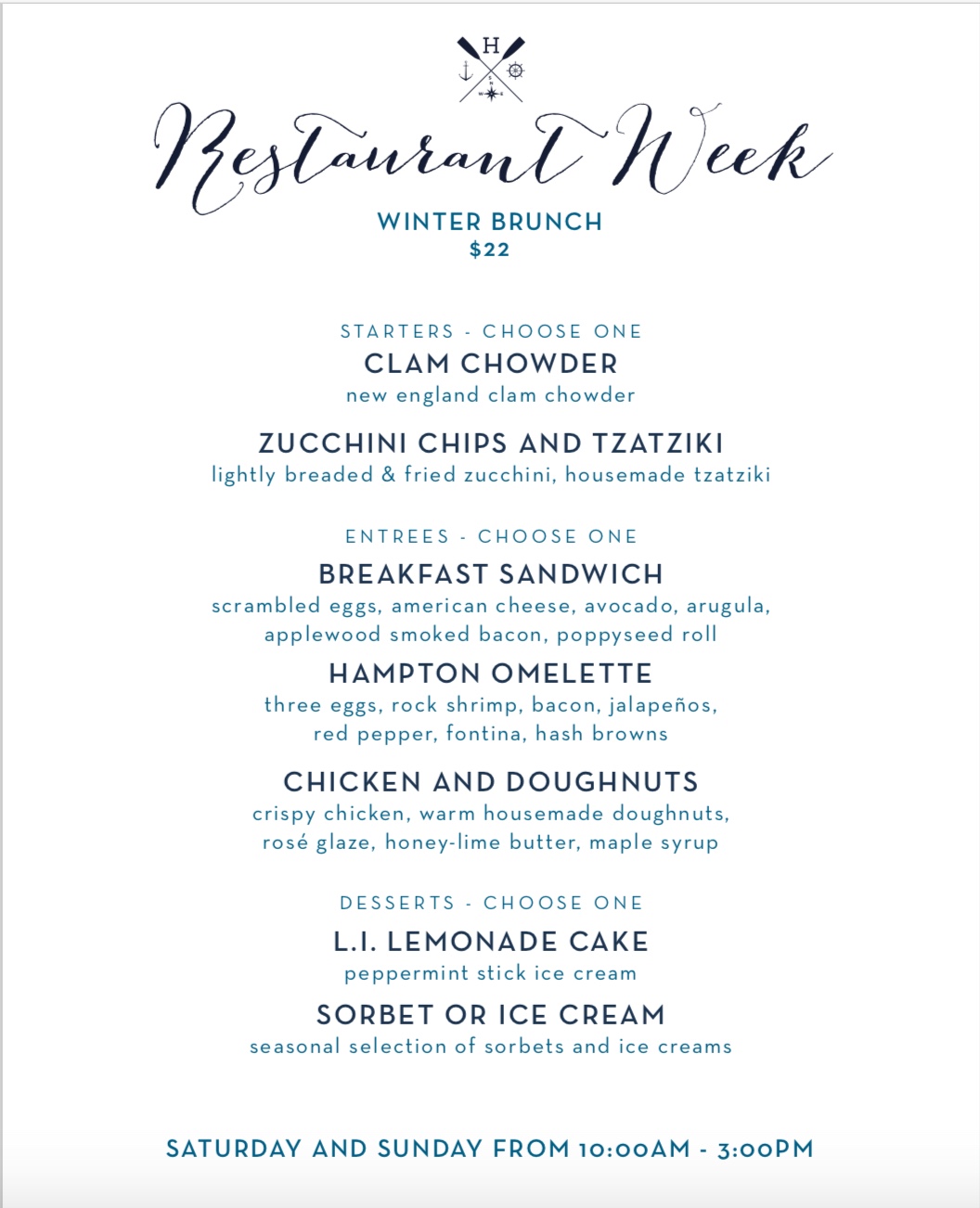
The Hampton Social River North; Where and Wear by Juliet L


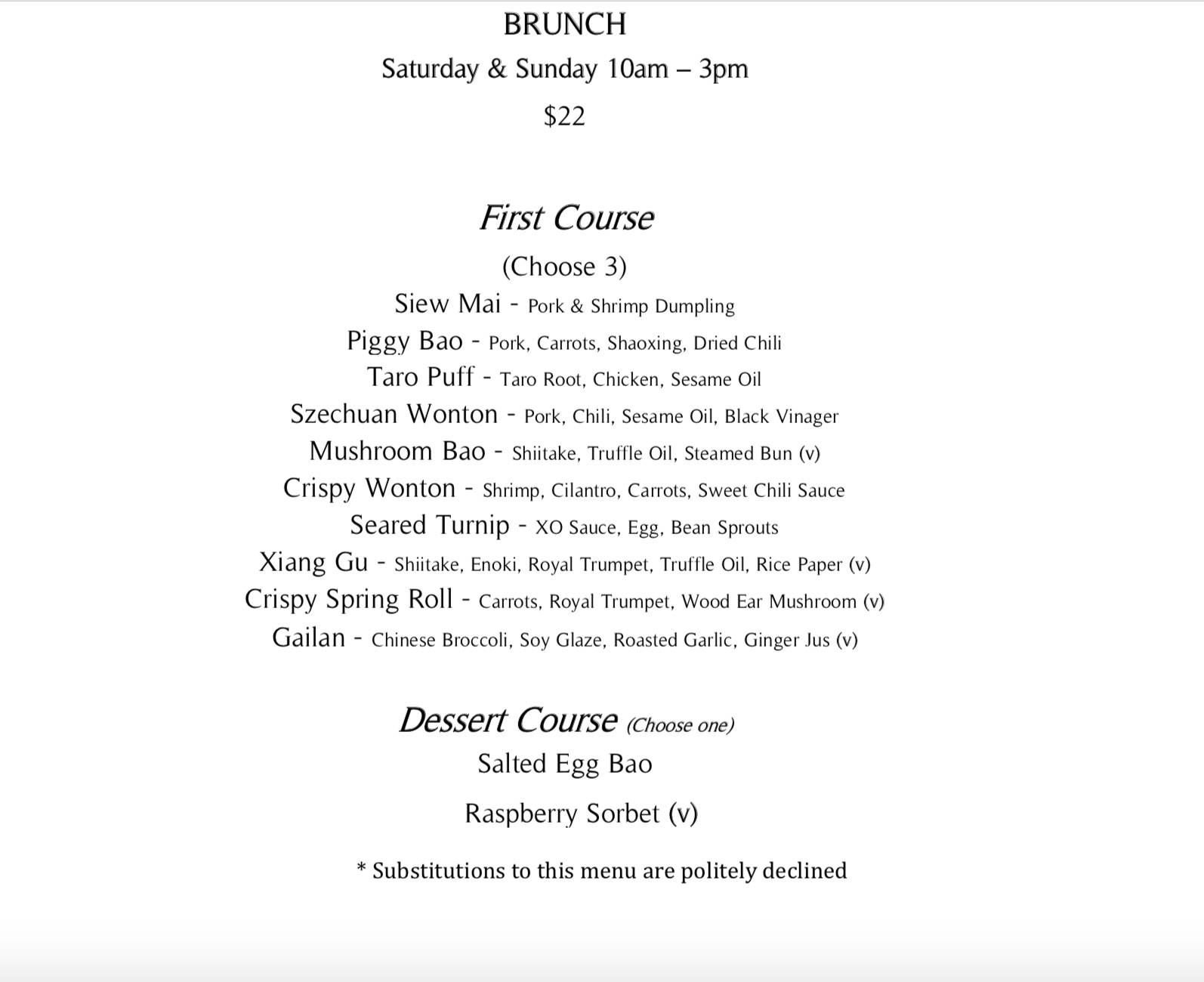
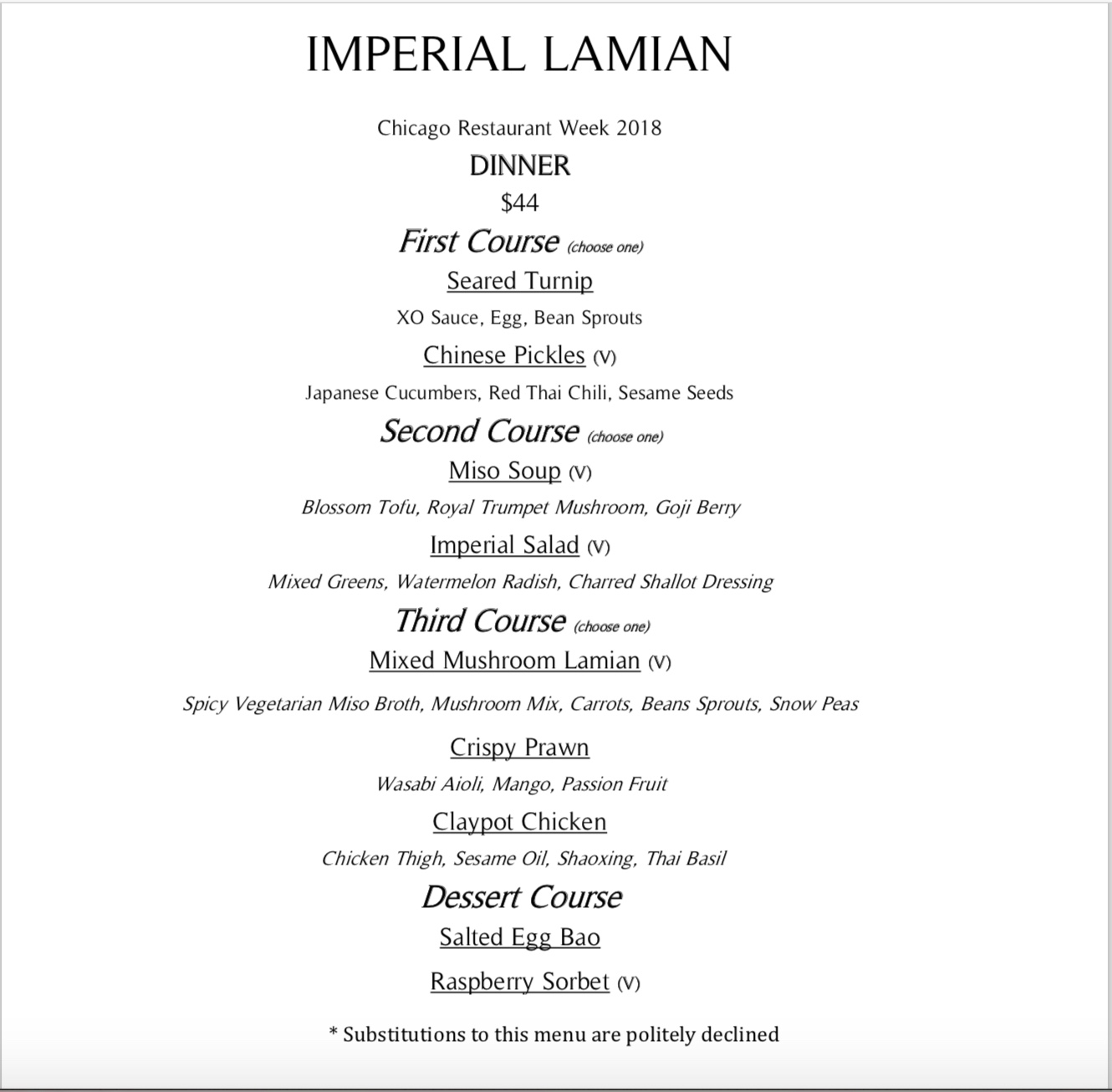
Imperial Lamian River North; Where and Wear by Alexia B


Le Colonial Gold Coast; Where and Wear by Ashley X


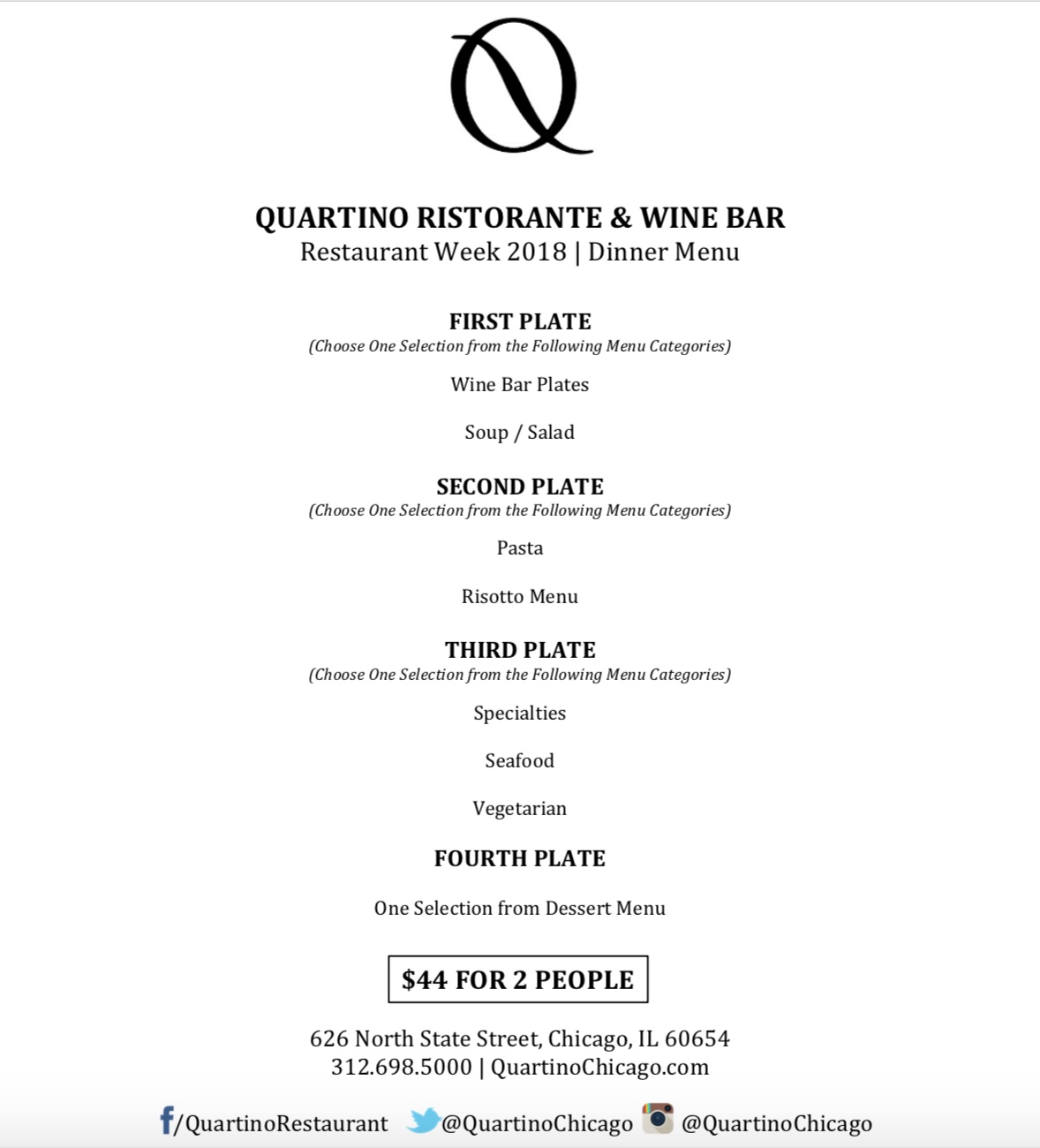
Quartino Ristorante & Wine Bar River North; Where and Wear by Olivia J


Summer House Santa Monica Lincoln Park Where and Wear by Ashley X

Feature image via

Cooking With Emilia: Bol, no Spag

It's long been a dream of mine to be known for my cooking skills. Realistically, I know my grasp of cooking is only slightly above average, but I'm really determined to be known for at least one thing, whether it be my off-beat sense of humour or my semi-famous ragu recipe. I'm an overachiever, so I'm aiming for both in this video.

If you've ever wanted to make a ragu that can — in my own words — wow a crowd, listen up. This recipe is spicy, flavourful, and can hold its own, whether it's paired with pasta or eaten by itself. I present to you, my "Bol, no Spag."


Bol, No Spag. Time — 1.5-2 hrs. Difficulty — Beginner.

Ingredients:

  • 1lb ground pork (80% lean, 20% fat)
  • 4oz pancetta
  • 16fl.oz crushed, unsalted plum tomatoes with basil
  • 2 leeks, trimmed and washed
  • 1 shallot
  • 3 medium cloves of garlic
  • 1 pack fresh shiitake mushrooms
  • 2/3 cup each of diced carrot, celery, and onion
  • Olive oil
  • Ghee, or butter
  • Salt and pepper, oregano, rosemary, thyme, and crushed red pepper flakes
  • 3 medium bay leaves
  • 1 cup red wine (or a few tablespoons of balsamic vinegar)
  • Concentrated tomato paste
  • One serving of chicken bouillon

Method:

  1. Add a dash of olive oil and a touch of ghee to a stockpot. Add minced garlic, leeks, and shallots to sizzling oil.
  2. Once the garlic, leeks, and shallots are fairly translucent, add the pancetta.
  3. Julienne the shiitake mushrooms. When the pancetta is crispy, add the mushrooms to the stock pot.
  4. When the mushrooms are tender, add your mirepoix — the diced onion, celery, and carrot.
  5. Combine the tomato paste, bouillon, herbs, salt, and pepper with a dash of olive oil. Pour into the vegetable mix. Once fully incorporated, add half of the red wine and wait for the alcohol to evaporate.
  6. Add the ground pork.
  7. Re-season. Add the remaining half of the wine, making sure that the alcohol has evaporated.
  8. Add the crushed tomatoes and bay leaves. Leave to simmer for at least one hour.
  9. Remove bay leaves. Taste, adjust seasoning, and serve either on its own, or over al dente spaghetti.

Remember — this recipe is just a guideline. Always remember to taste your ragu at every step of the way (except after adding the ground pork — you should wait until it's fully cooked before tasting). If you're feeling really fancy, grate some parmesan and sprinkle fresh basil on top. For extra points, chiffonade the basil. It's easier than it looks: roll the fresh leaves into a tube, then cut into small ribbons.

Image via.

Image via.

Happy cooking!

- Emilia

Youtubers to Watch: Fightmaster Yoga!

If ever you need a free, at-home workout to boost your mood, sooth your stiffness and get your blood flowing, head straight over to Fightmaster Yoga for a plethora of lessons featuring all forms of yoga. Everything from Ashtanga yoga, Hatha yoga, Yin yoga, and Vinyasa yoga, to HIIT (high-intensity interval training) yoga, yoga for fun inversions, heart-opening yoga, and yoga targeting specific areas of your body  is available. There will certainly be something that suits your needs! Leslie Fightmaster produces new videos throughout the week, and her lessons will bring you everything from a drenching sweat, to an all-encompassing sense of calm, if not both!

As someone who has experimented with a wide range of free online yoga lessons, I have to say that Leslie's courses easily surpass them all. Many yoga instructors talk as they perform yoga, and pant as they narrate their every movement with harsh, aggressive voices; however, Leslie adds her narration in the editing process, and her gentle voice eases you into each of the movements as you follow along in bliss. 

It was indeed only with Leslie's gentle guidance that I made my way towards full handstands, headstands, and forward splits after practicing with her workouts day after day. I personally find them a great way to get your blood flowing first thing in the morning, or as an afternoon pick-me-up, or a workout to boost my energy levels if I know I have a long night ahead.

Screen Shot 2017-05-10 at 12.51.45 PM.png

She does her yoga in all forms of natural, outdoor locales as well as her own house, so as you workout in the comfort of your home, it is almost as if you also get the opportunity to shift your mind to the new , often refreshing, locations alongside her. 

My personal favorite videos are her Yoga to Twist, Detox, and Purify advanced yoga video as well as the Yoga Energizing Flow and day 11 of her #yogafix90 series. I've watched these videos over 100 times. Leslie does a number of continuous series of yoga videos, in which she posts a new video everyday and followers are urged to follow along. The #yogafix90 series, as its name suggests, is 90 days long; her other series include the Yoga for Beginners 30 Day Challenge and 30 Days of Hatha Yoga Happiness.

Some of her video lessons also involve spending the entire lesson preparing your body for a particularly challenging move. Be it the side crane pose, firefly, or twisted crow, with Leslie's thoughtful guidance, however, anything becomes possible with enough practice and once your body is sufficiently warmed up. 

Screen Shot 2017-05-10 at 12.49.40 PM.png

In my eyes, the colors in her videos are always beautifully rendered and that, combined with her smooth flow design and the perfect mix of challenge and relaxation in her videos, makes me keep coming back for more.

At times, when I know I only have 20 minutes before class, I'll fit in one of her 10-15 minute yoga quickies, and those alone are sufficient to wake my mind up fully before I spend hours sitting dormant in lectures.

Screen Shot 2017-05-10 at 12.50.46 PM.png

Though her videos are completely free, there is also the option to donate, for it is with such donations that Leslie continues to produce high-quality videos and content. Do comment on her videos! Leslie replied in less than a day, two years ago, when I commented on one of my personal favorites. Check out her channel here for daily doses of happiness, calm, and flexibility!

Leslie Fightmaster

Leslie Fightmaster

All images via; feature image via

Tea-ology 101

Spring is finally here!  In the Windy City, seeing any bits of sun brightens our days after surviving the rainy, freezing, windy winter. With this joyful energy, spring is the perfect season to start feeling the lightness of summer. While treating yourselves with exciting plans around the city in the refreshing spring air, make sure to take care of your body a little better this quarter! Your skin and body have gone through a rough winter, and they are ready to be cleansed in order to mentally and physically get ready for summer! 

The easiest way to do this: Tea! Replacing your morning grande black coffee or your midnight double espresso shot from Ex Lib with tea would be a great way to start your easy detox program. Even if it contains some level of caffeine just like coffee, tea actually has so many more health benefits. Used for both flavor and healing purposes in the past, tea actually has the same level of power as coffee to wake you up in the morning or to help you pull up an all-nighter in Reg, while not damaging your body as bad as coffee does. Instead, drinking a cup of tea will put you in a more focused state of mind while relaxing you.

Here you can find different types of most commonly used types of tea and where you can find them on campus and in Chicago!

Black

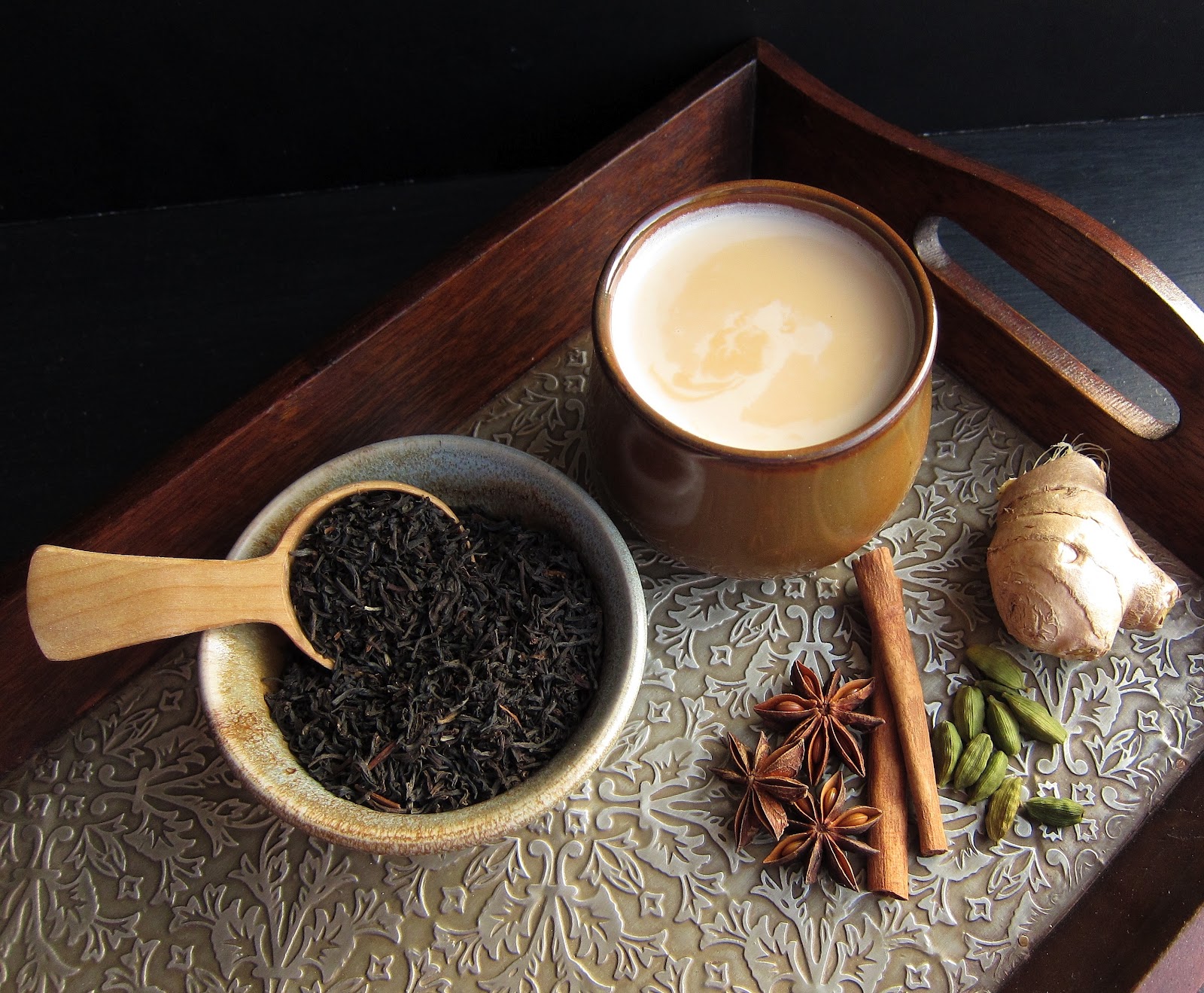
Being one of the most caffeinated varieties of tea, black tea has a very strong awakening effect. It is said that drinking black tea might be linked to lower cholesterol levels. The most popular black tea blends are Early Grey (which has a rich aroma of bergamot oil), English Breakfast (works really well with milk) and Masala Chai (has a spicier flavor). You can find all these types in most of the coffee shops on campus such as Ex Lib, Hallowed, Cobb. If you want to go for a fancier black tea experience, you can stop by Pavilion or Palm Court Chicago at the Drake Hotel.

Green

Green tea is an excellent source of antioxidants. Studies show that drinking green tea can decrease the risk of cardiovascular disease. China green tea and jasmine tea have a more subtle flavor while matcha green tea is a more bitter kind. Plein Air and Sawada Coffee are perfect locations to spend the day while enjoying your desired version of green tea.

White

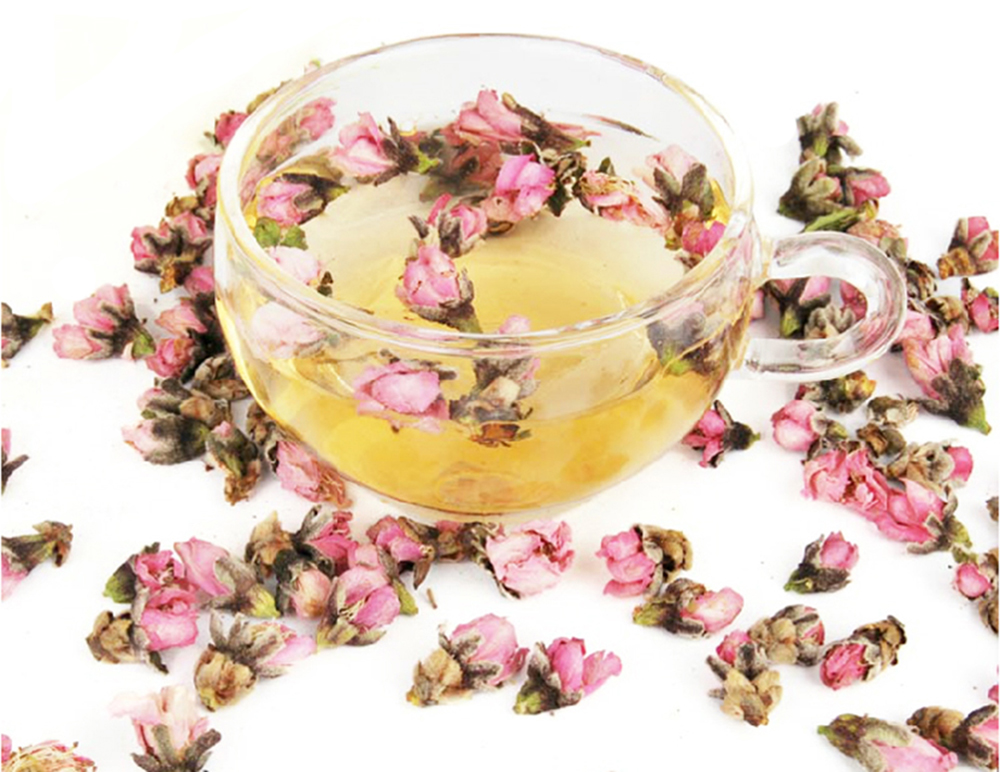
Definitely my favourite kind of them all, white tea is the healthiest option. The light and fresh flavor makes you feel so clean and immediately lowers down your stress levels. My on-campus favourites are Almond Blossom tea from Ex lib, Hallowed or Harper and Peach Blossom Tea from Dollop. 

Chamomile

Chamomile tea is made from the flowers of the chamomile plant so it is one of least-processed types of tea. You can find it in nearly every coffee shop on campus.

Lemon Ginger Tea

The lemon-ginger duo makes this type of the one of healthiest options. Drinking lemon ginger tea might be a great idea to enhance your immune system naturally. You can also find it in most of the coffee shops on campus.

lemon ginger.jpg


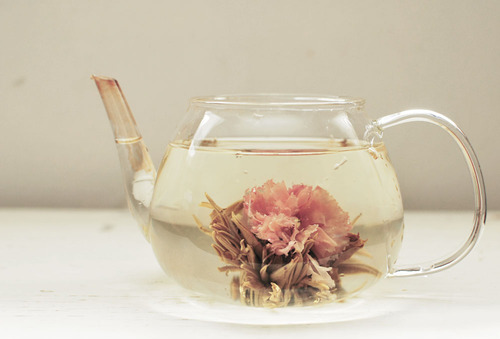
Featured image via


Source: http://myend-ismybeginning.tumblr.com/post...

Interview Series: Baggu

Starting in 2007 Emily and Joan Sugihara, Baggu began and pride themselves on creating sustainable, high-quality reusable shopping bags. Since then, their collection has expanded into leather goods, travel accessories, and many more. All their designs feature minimal styles and continue their mission to create clean, reusable, high-quality products. 

With Chicago's new seven cents a plastic or paper bag initiative, now is the perfect time to build up your collection of Baggu bags. We got in touch with BAGGU and asked some key questions about their business and the mindset and mission behind their bags! 

Read More

What's In My Bag: Olivia

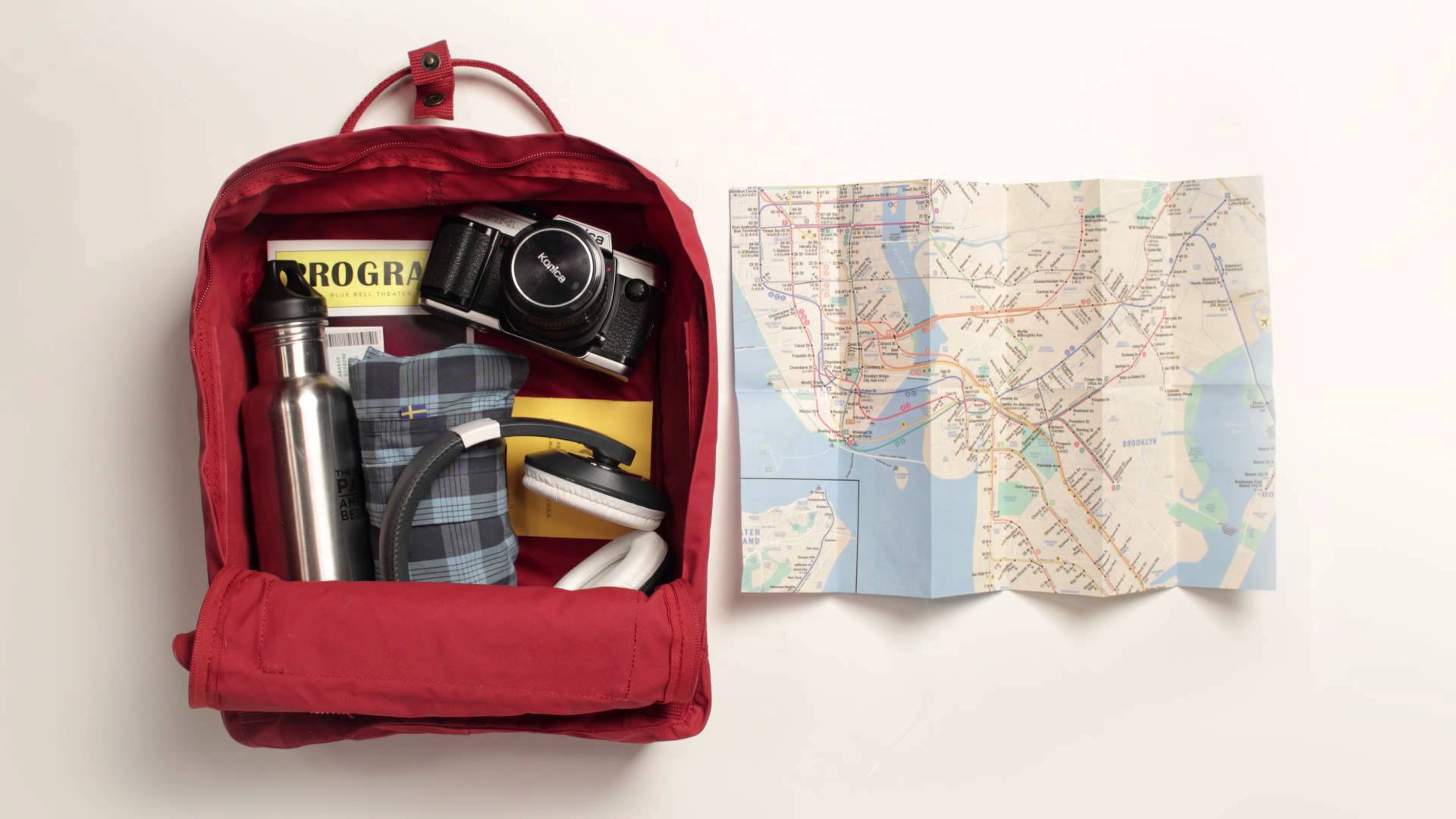
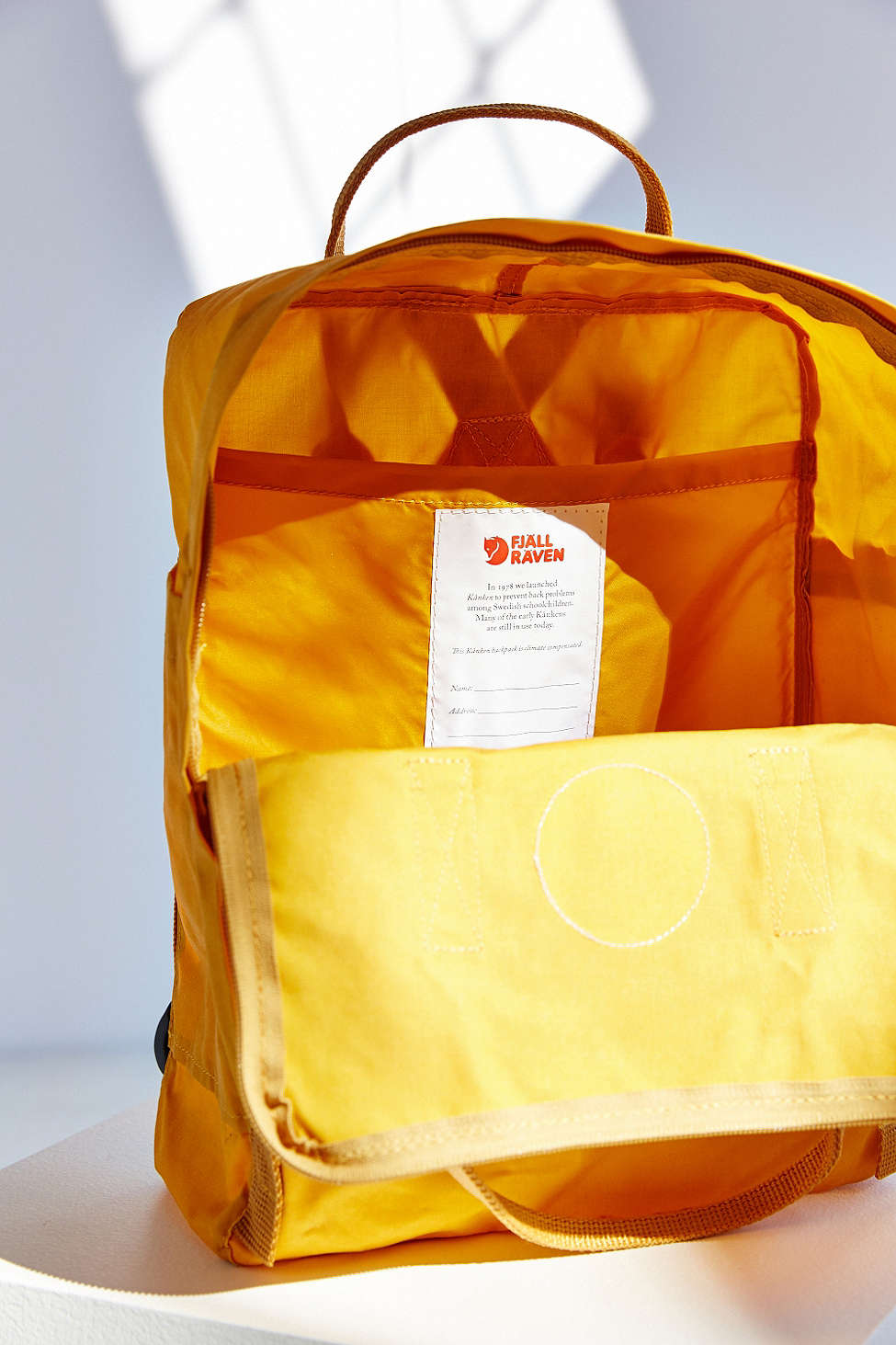
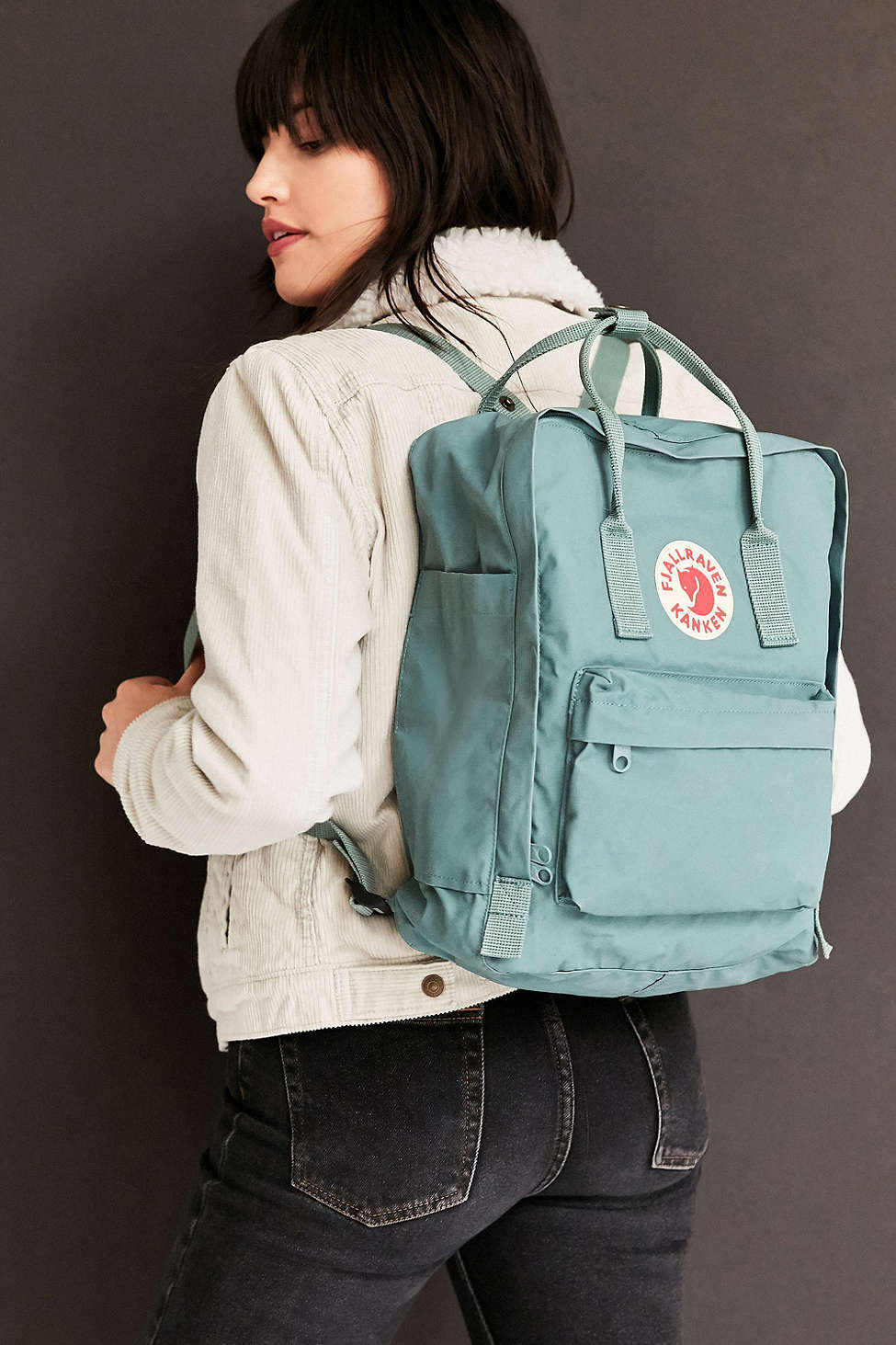
In all honesty, I'm not the biggest fan of pocketbooks and tote bags. I find most of them too fussy or inconvenient to carry around, and prefer the comfort and versatility of a backpack. I've been using my Fjallraven Kånken as a schoolbag and purse for almost two years now and love how compact it is. It's just large enough to fit my laptop and textbooks, portable enough to drag downtown and weatherproof to a certain extent. They're also really fun to customize–I sewed on this Chinese opera mask patch last summer and like to accessorize with pins every now and then. Check out Fjallraven's website here

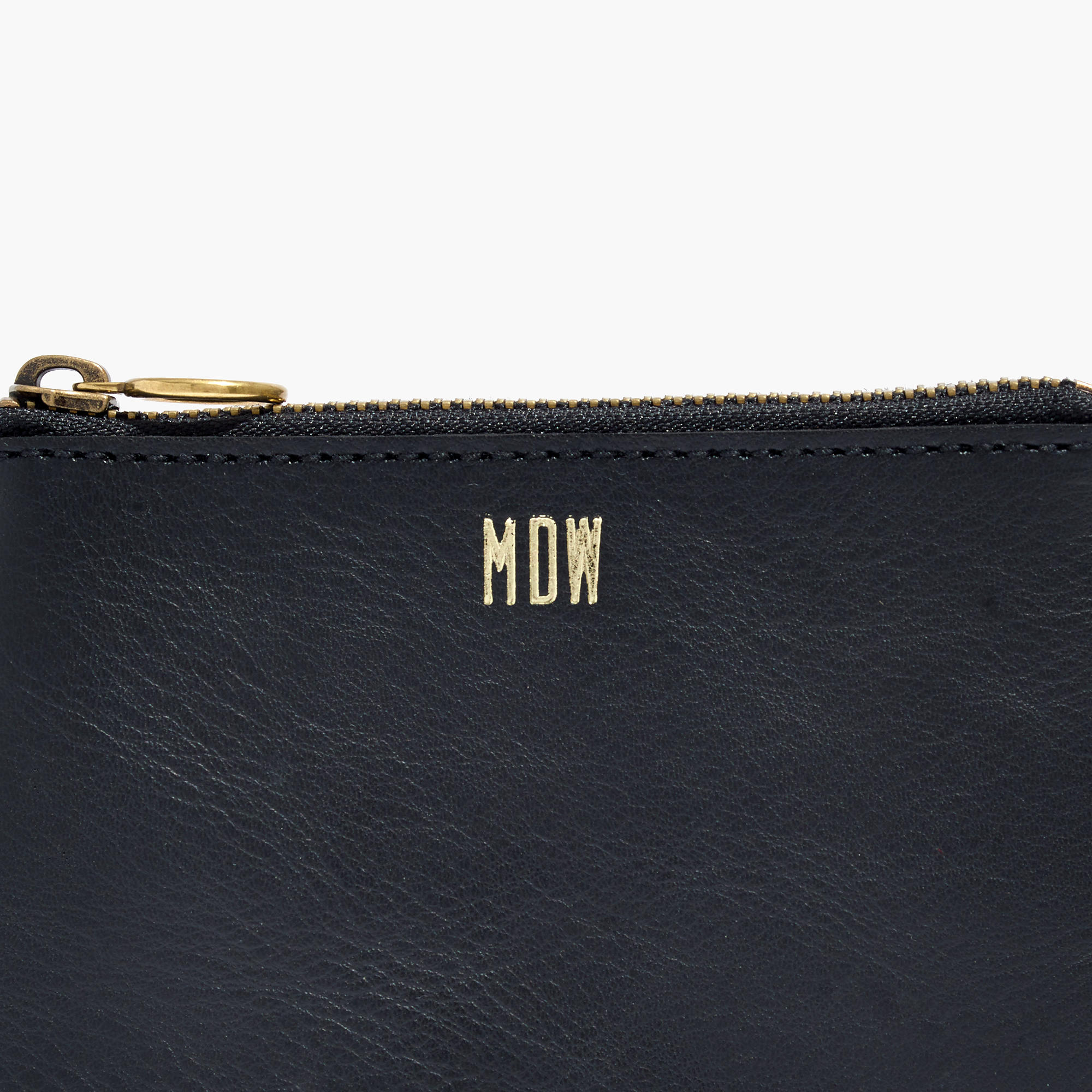
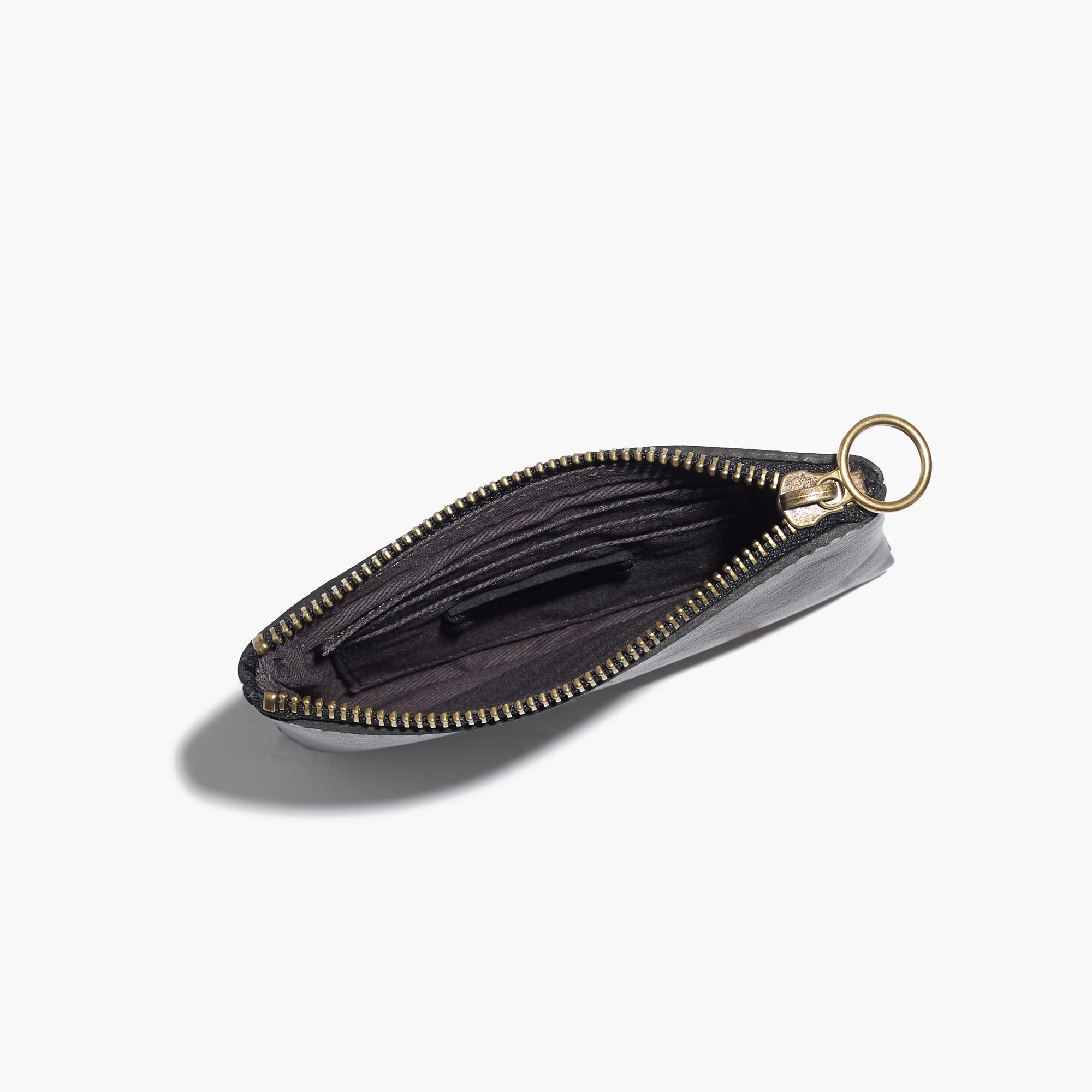
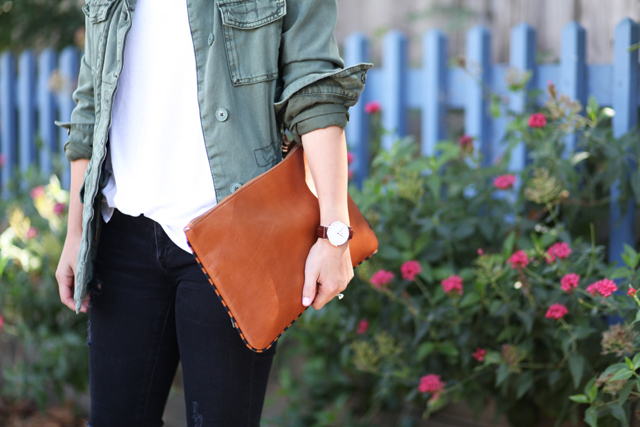
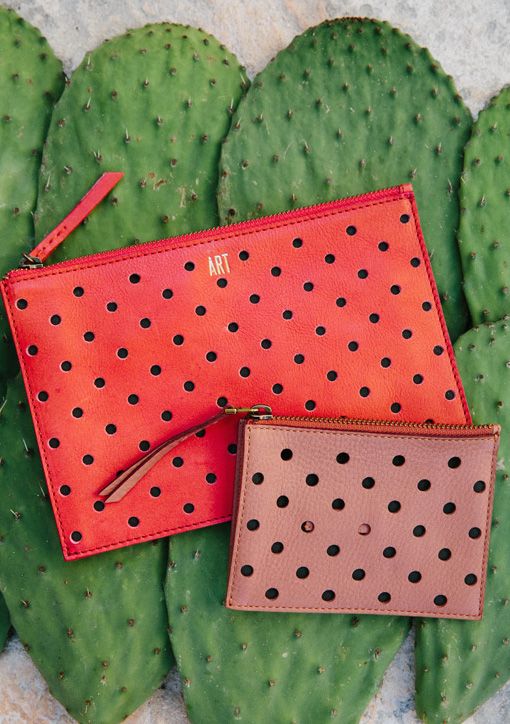
I have this massive wallet and it's such a hassle to carry, so for the most part I use this Leather Pouch from Madewell for classes. It's the perfect size to store my UCID, a couple cards and some cash. I also got mine monogrammed with my initials, which I'm pretty sure you can get done at most Madewell stores for around $10. They have a lot of size and color options, which you can shop on their website here

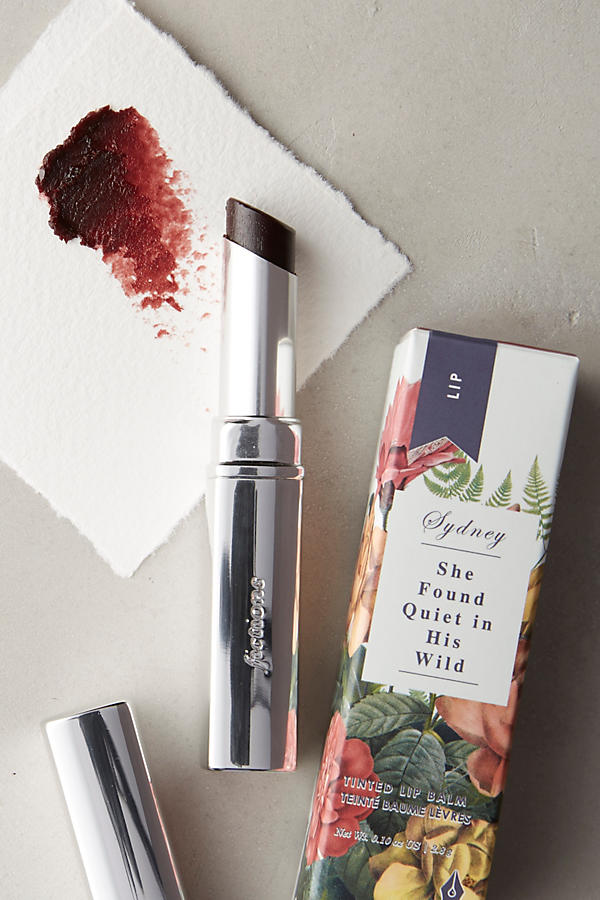
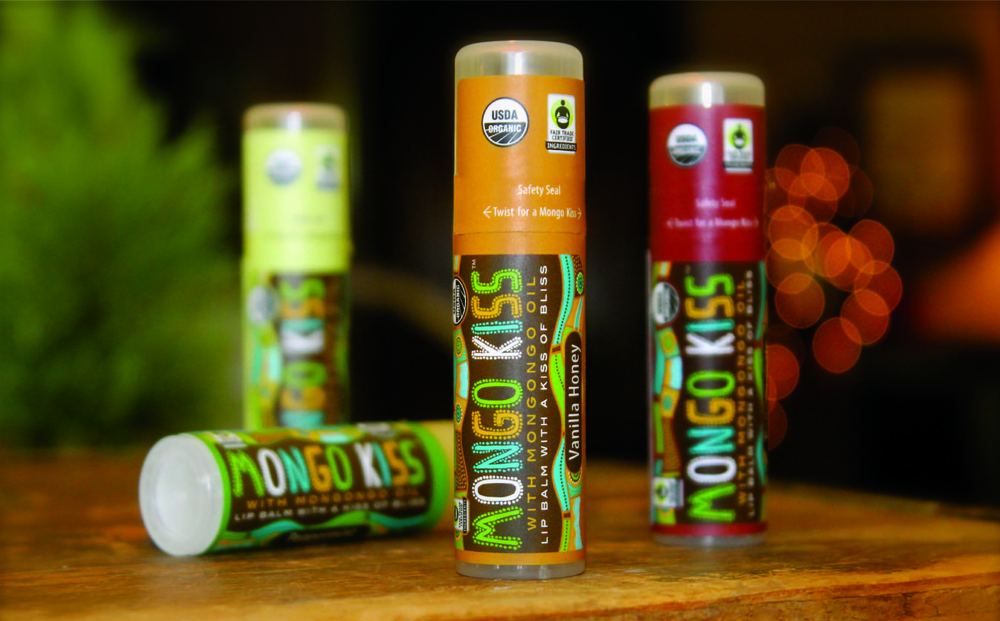
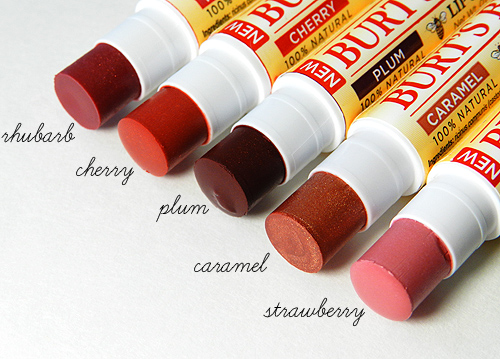
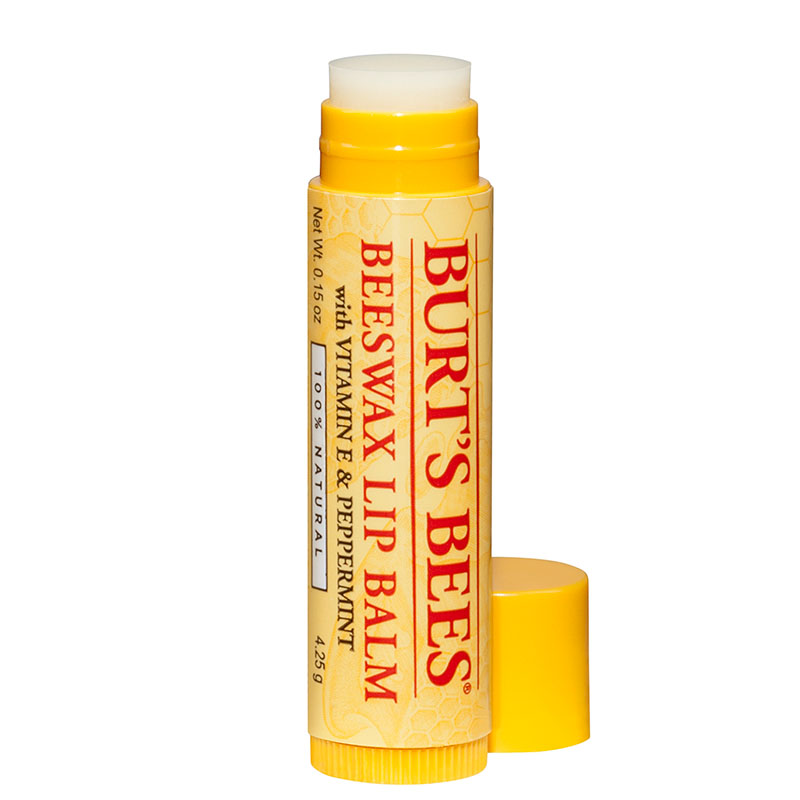
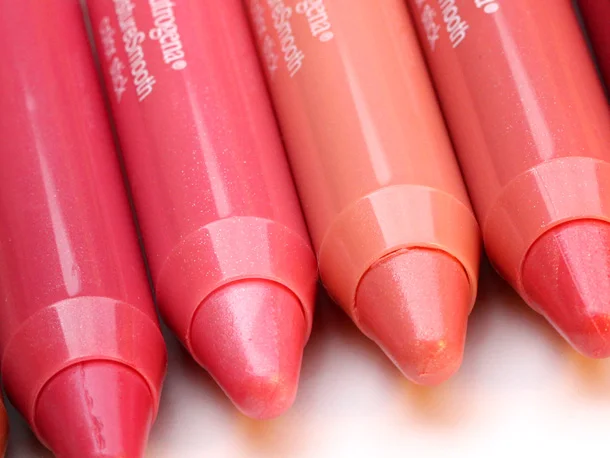
I definitely prefer lip stains and tinted chapsticks to products with glossy or matte finishes. Something nourishing is essential during the winter months and I try to look for cruelty free and USDA organic products. Neutrogena's MoistureSmooth Color Stick in Juicy Peach and Fiction's Lip Tint in shade Sydney are some of my current favorites.

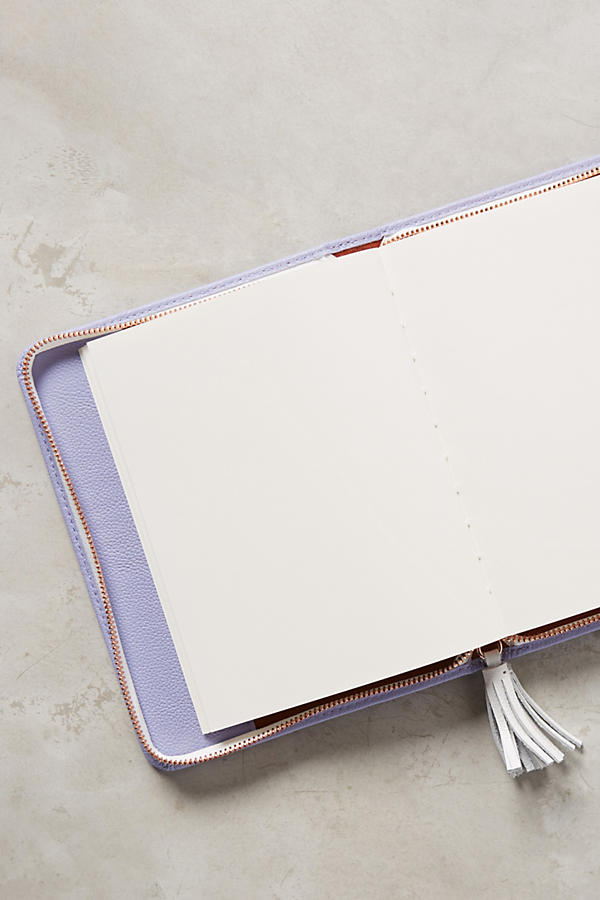
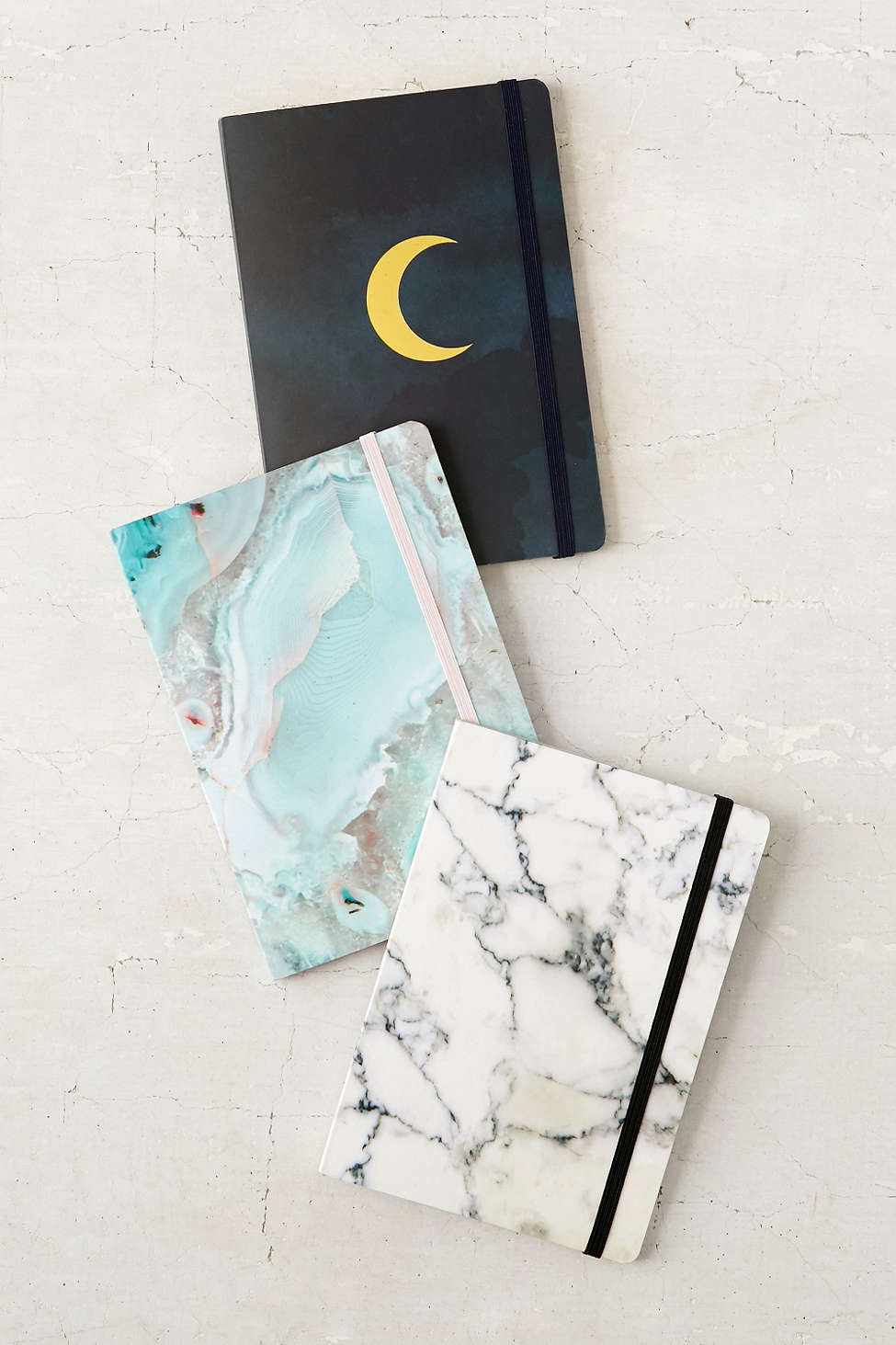
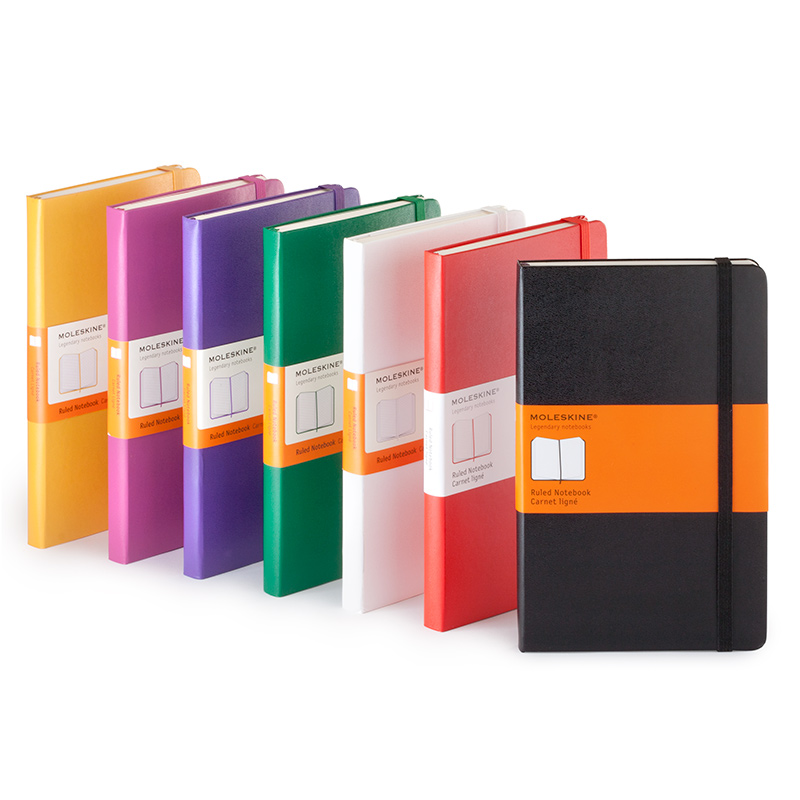
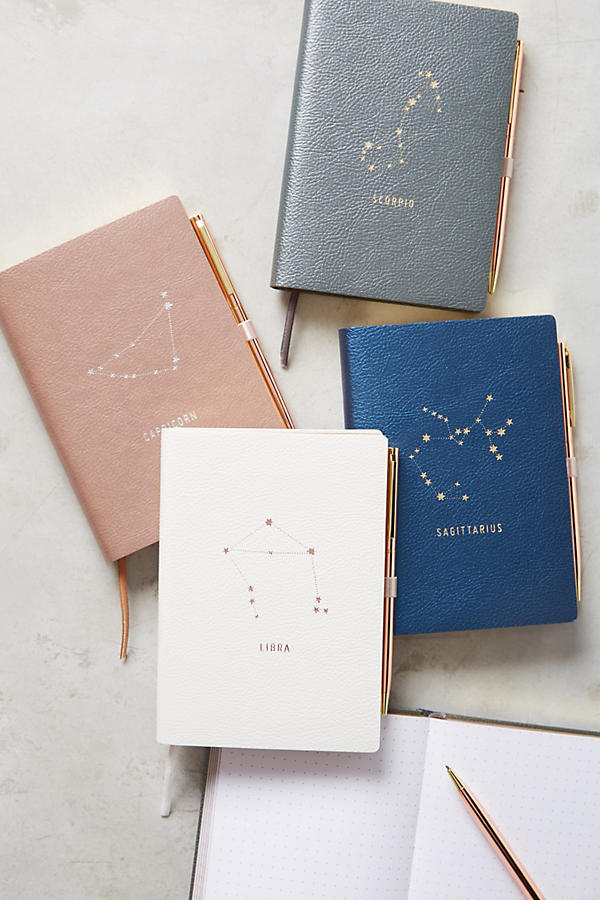
Recently, I’ve become more and more reliant on my journal for jotting down ideas and keeping track of longer term projects. I prefer journals with blank pages in case I need to work on a design for class or an RSO. My Moleskine comes with a compartment in the back for storing documents which is an added bonus! Anthropologie and Urban Outfitters also have a lot of fairly inexpensive and attractive options. 

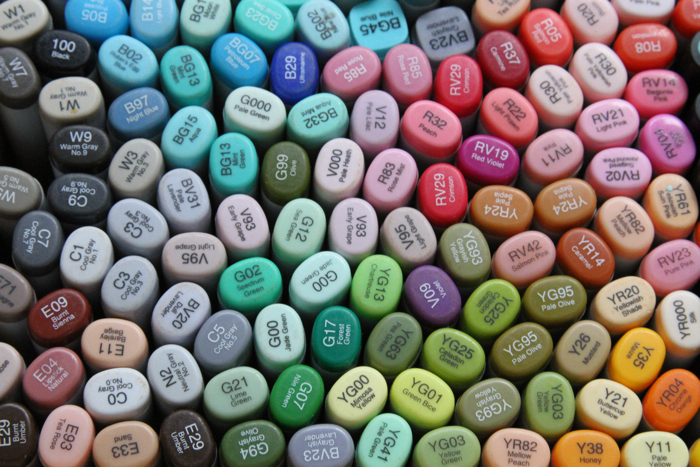
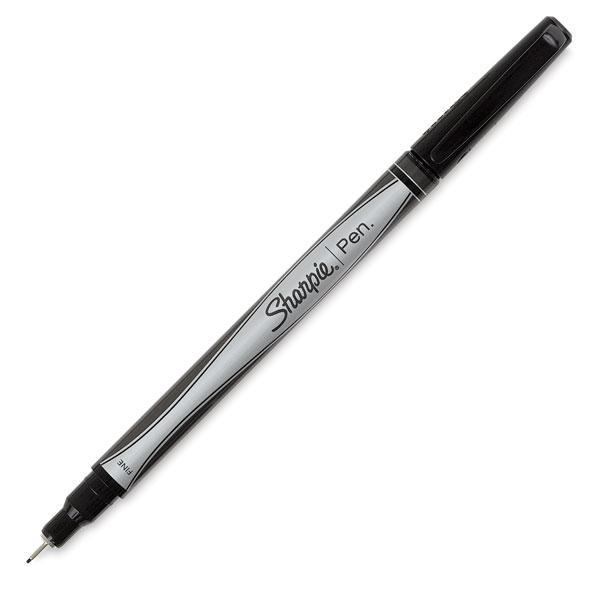
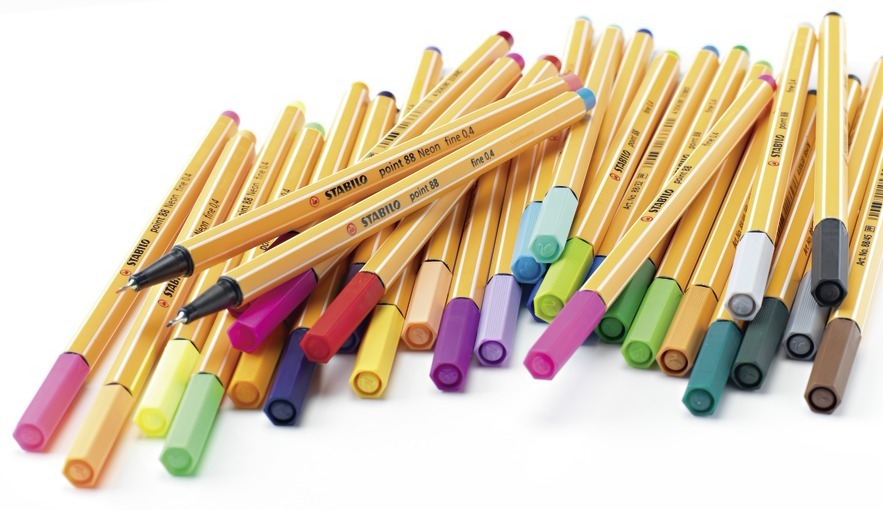
My pencil case is constantly overstuffed with pens. I’ll go for anything that’s precise—fine point Sharpies are great for taking notes, Pigma Microns from 005-02 are really good for drafting and sketching and I really like STABILO point 88 pens for their colors. If you want to splurge, Copic markers render larger blocks of color and shading in perfectly even tones. You can find all of these at the Blick art store on State St. 

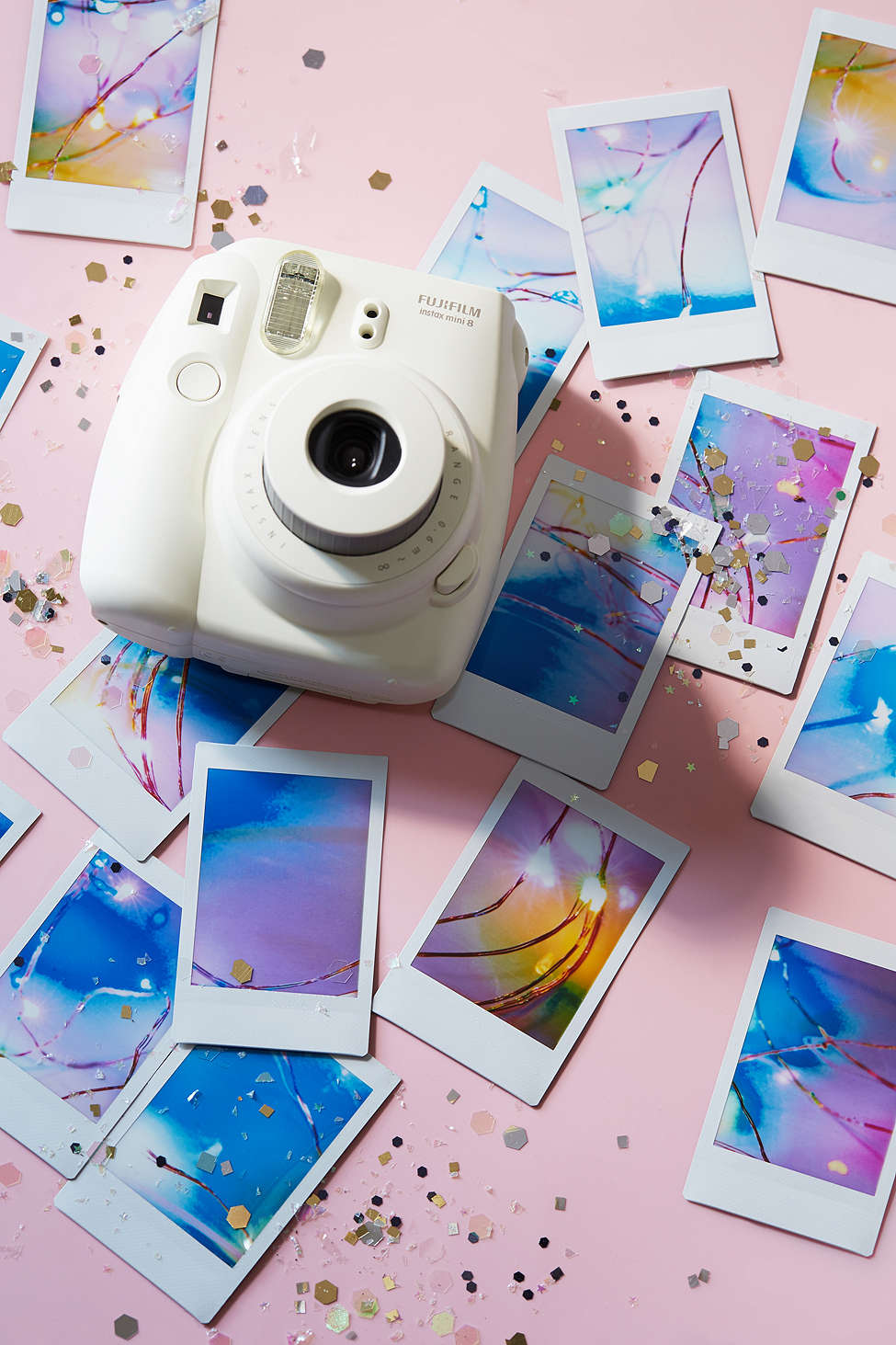
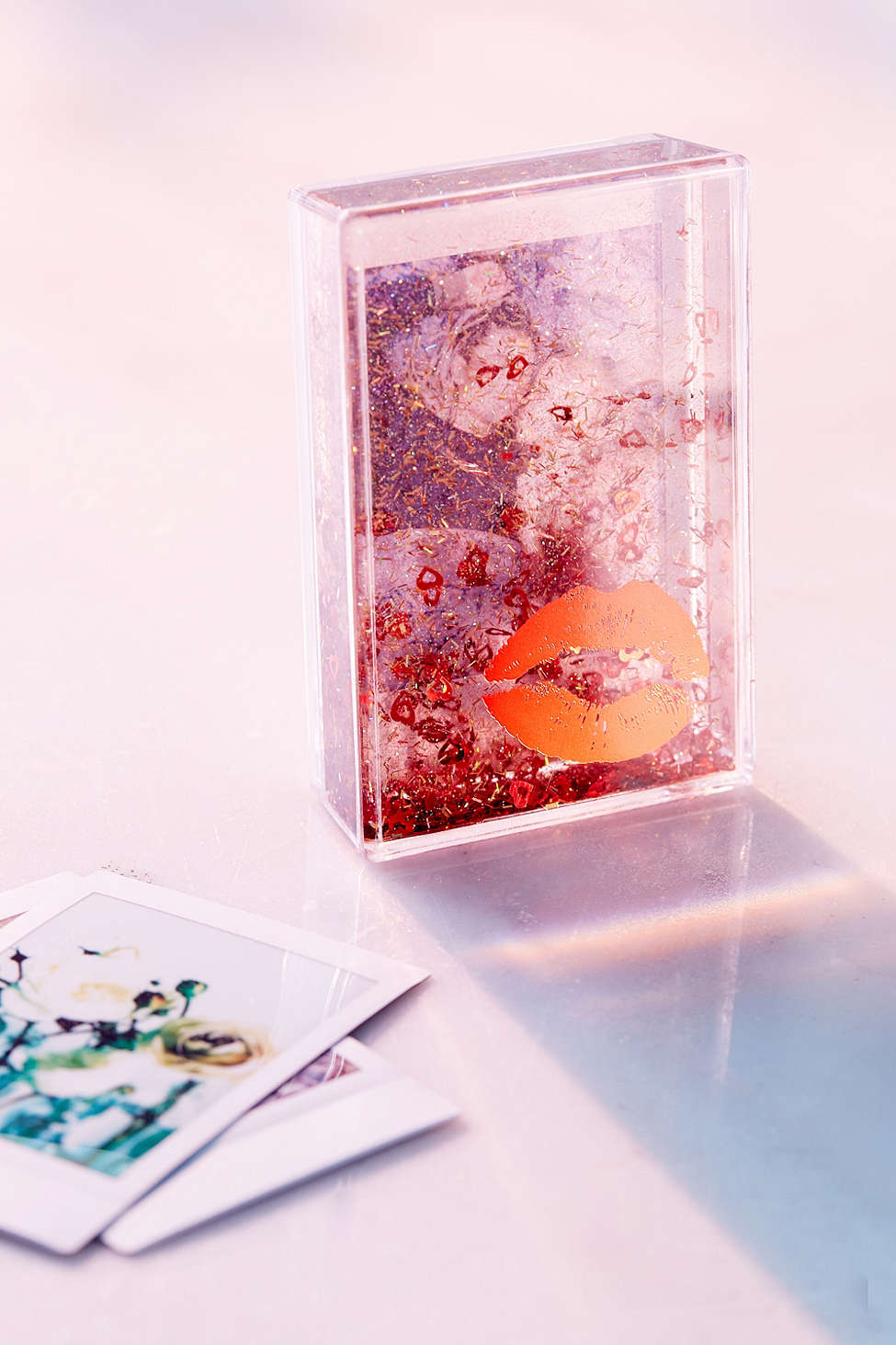
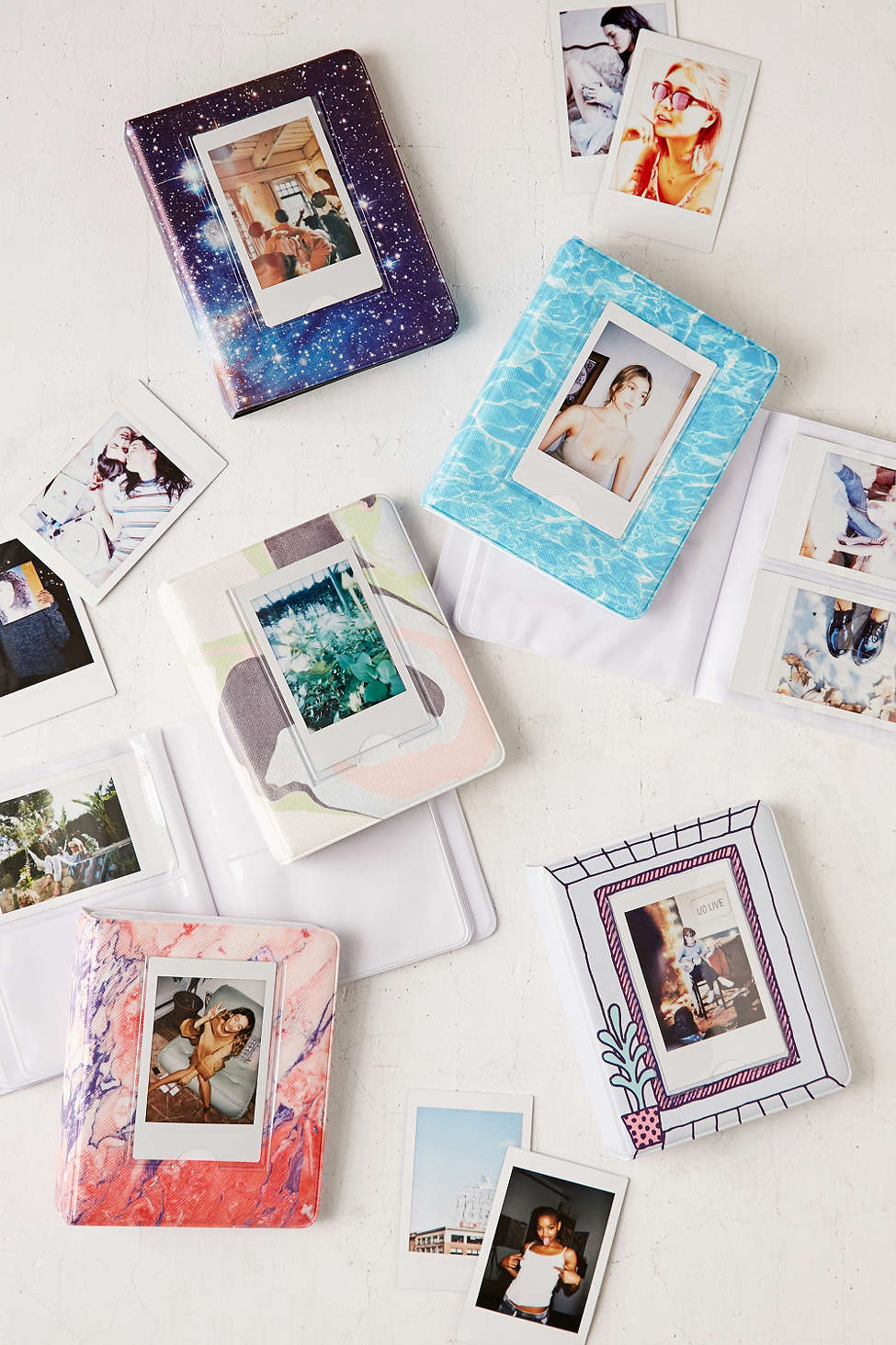
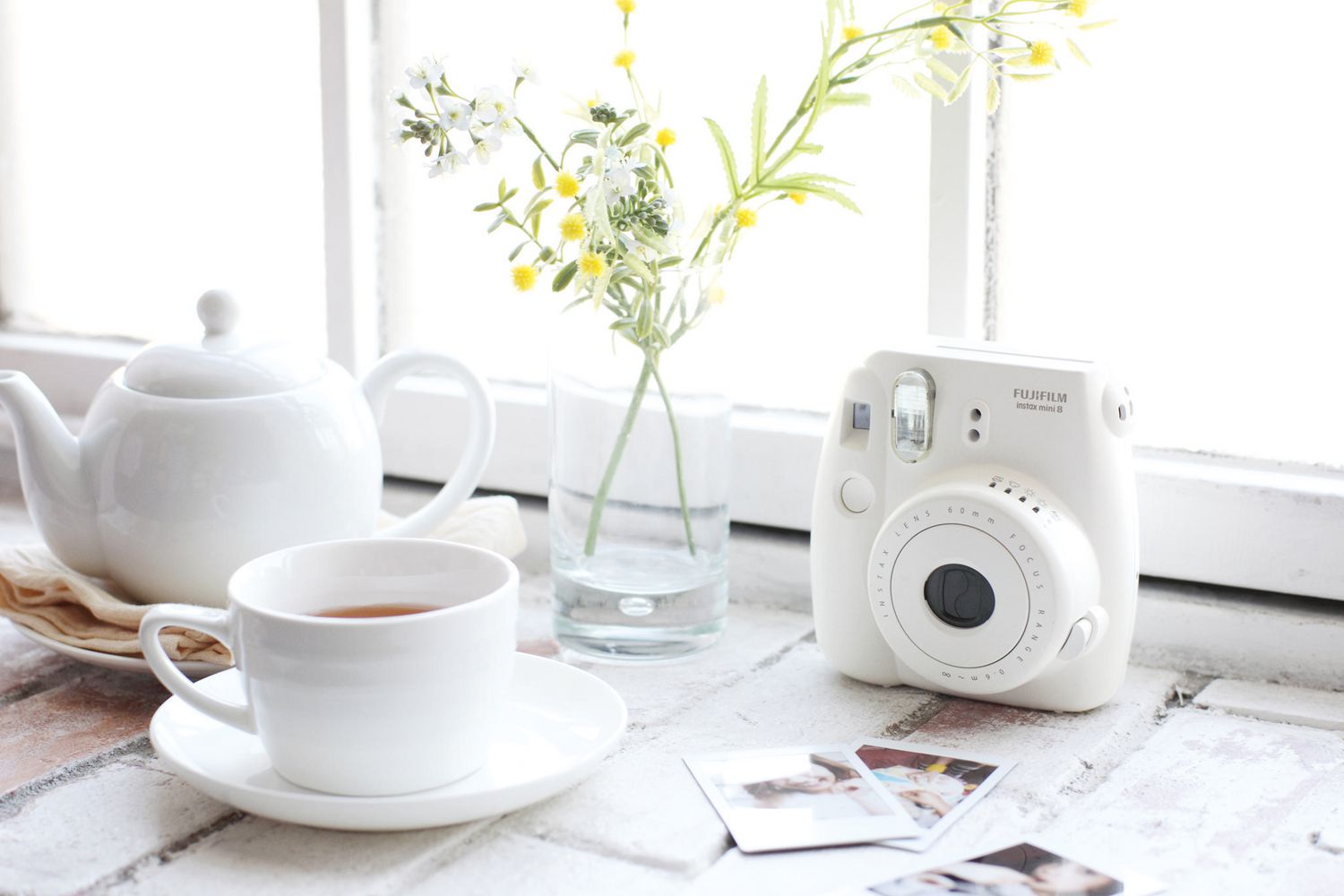
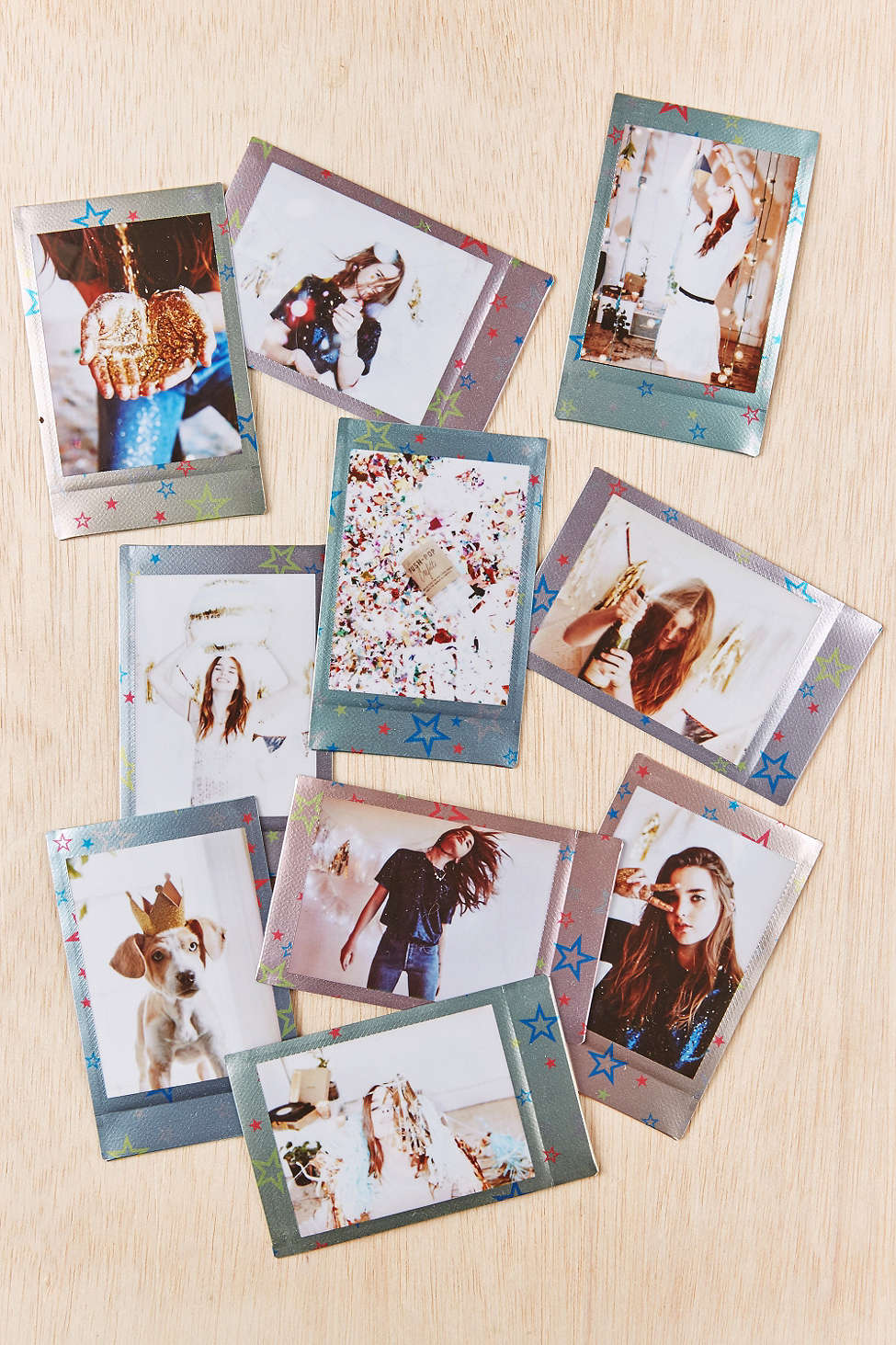
While I definitely don't carry my Fujifilm Instax Mini 8 everyday, I like to bring it on weekend excursions and outings with friends. It's such a fun way to document special moments in your life and I love to display them on my wall or in tiny Polaroid frames–which you can get from Urban Outfitters for fairly cheap. I buy my film in bulk from Amazon

Featured image via Olivia Jia