7 Biggest Health Trends Predicted for 2020

We’ve done the research to bring you the next hottest health and wellness trends for 2020—before they hit.  

As the new decade nears, it seems as though we have already exhausted the endless possibilities in the health and wellness world. Just in this past year, we’ve witnessed the rise of non-dairy alternative milks such as that of oats, a new interactive gym mirror that you can follow along with in the comfort of your own home, IV drips for vitamins and minerals, cryo facials, the regularization of MCT oil, and so much more. 

These innovations come at a time of increased attention to personal nutrition, exercise, beauty, and mental wellness. According to the Global Wellness Institute, the global wellness industry grew by 6.4% annually between 2015-2017, increasing from a $3.7 trillion to a $4.2 trillion market. The wellness industry also comprises 5.3% of global economic output, making it a significant and influential factor in current consumerist culture.  

Recently, Whole Foods has capitalized on this increased interest in health, and they released their own curated list of predicted health food trends for 2020 for MindBodygreen, an online hub for all things science-based and holistic well-being. Other big brands and companies have similarly followed suit in trying to capture the attention of this growing audience. Keep reading below for a compilation of observations and predictions for what these popular companies will promote in 2020. 

1.     Fun Flours

Image via

Image via

Just like non-dairy milk alternatives, flour substitutes are also shining this year. Consumers looking for gluten-free and nut-free baking ingredients need not look any further. Additionally, many of these alternatives have added benefits such as greater protein and fiber content than the conventional variety. Some new flours shaking up the shelves include flours made from bananas, chickpeas, cauliflower, tiger-nuts, quinoa, and peas.   


2.     AI Consultants and Virtual Wellness

Image via

Image via

Technology seems to grow as the health industry does, and the next big wellness tool can be found in your own personal spa. This machine will offer programs that are designed to collect data on the user’s genetic, microbial, and bio-sensory information. It will allow for unique experiences and personalized treatments, all while using the futuristic VR system. 


3.     Sound bath healing
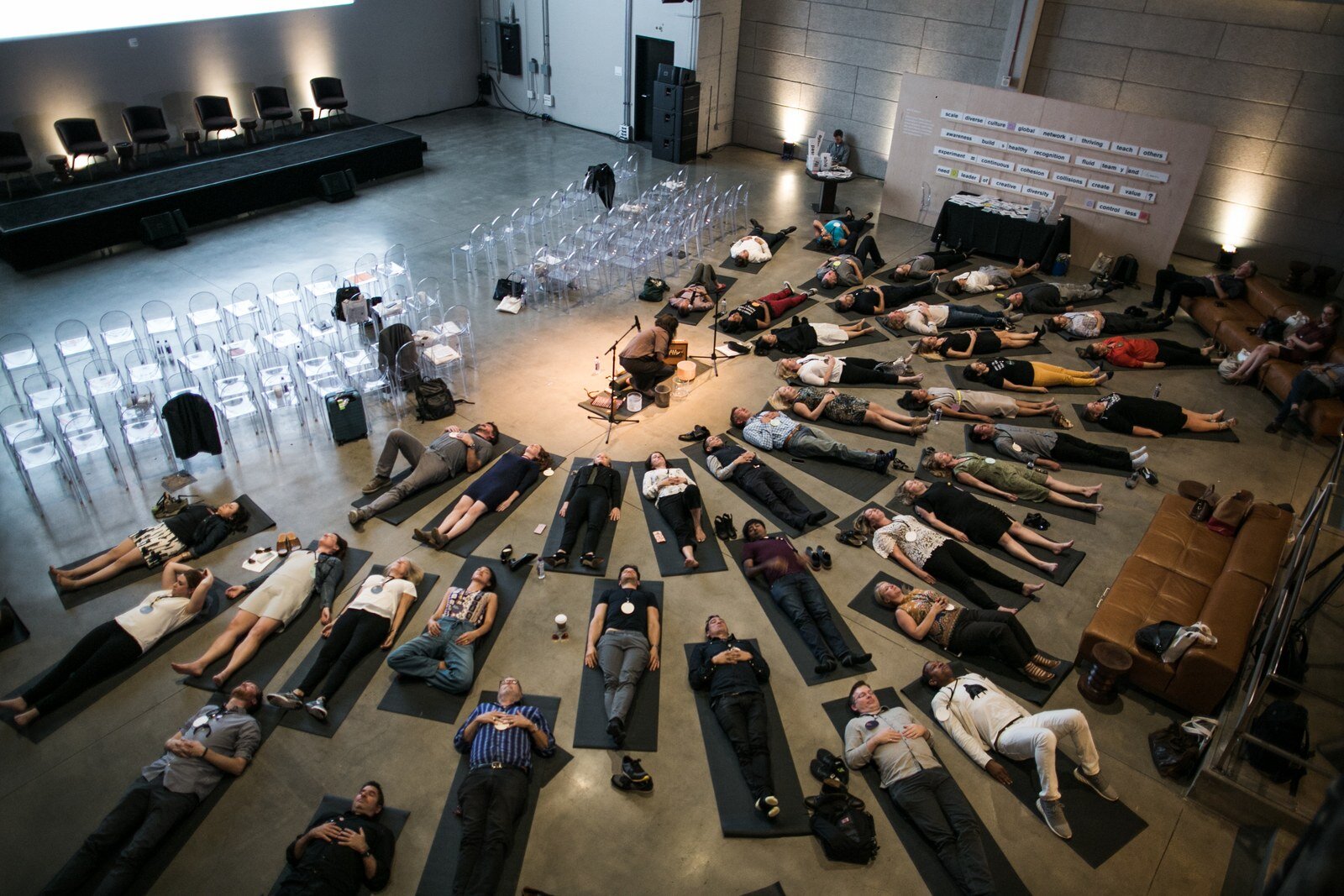
Image via

Image via

If you haven’t heard of this, it’s probably because it is only now starting to enter mainstream culture. Sound baths are a form of therapeutic meditation in which a practitioner sits and listens to sounds that are normally produced by crystal bowls and other instruments. They are tuned to specific frequencies to achieve alpha and theta brainwaves, which are said to increase creativity, overpower depression, and help cognitive function.


4.     Sugar alternatives 

Image via

Image via

While maple syrup, honey, and Stevia are commonly-used alternatives, 2020 is kicking it up a notch to include more niche sweetener swaps to use in your every day recipes. Conventional artificial sweeteners have been linked with autoimmune diseases, obesity, gut issues, and other health hazards. However, these new sugars are all-natural and derived from various fruits. They include sugar from monkfruit, pomegranate, coconut, and dates. 


5.     Instagram Influencers as Food Influencers

Image via

Image via

Nowadays, instead of just famous people having Instagram accounts, Instagram is making people famous. One example in the health food sphere is Kenzie Burke, a 20-something entrepreneur who is known for her endorsement of Food Combining. While this is an ancient Ayurvedic practice, Burke has popularized it through her personal Instagram, YouTube, blog, and e-books. Food Combining consists of general food “guidelines” in order to optimize digestion, such as eating fruit first in the morning and not eating meat and grains together. She has garnered a following of over 100,000 people on Instagram, and she regularly posts her followers’ transformation photos and stories.


6.     Breathing Apps
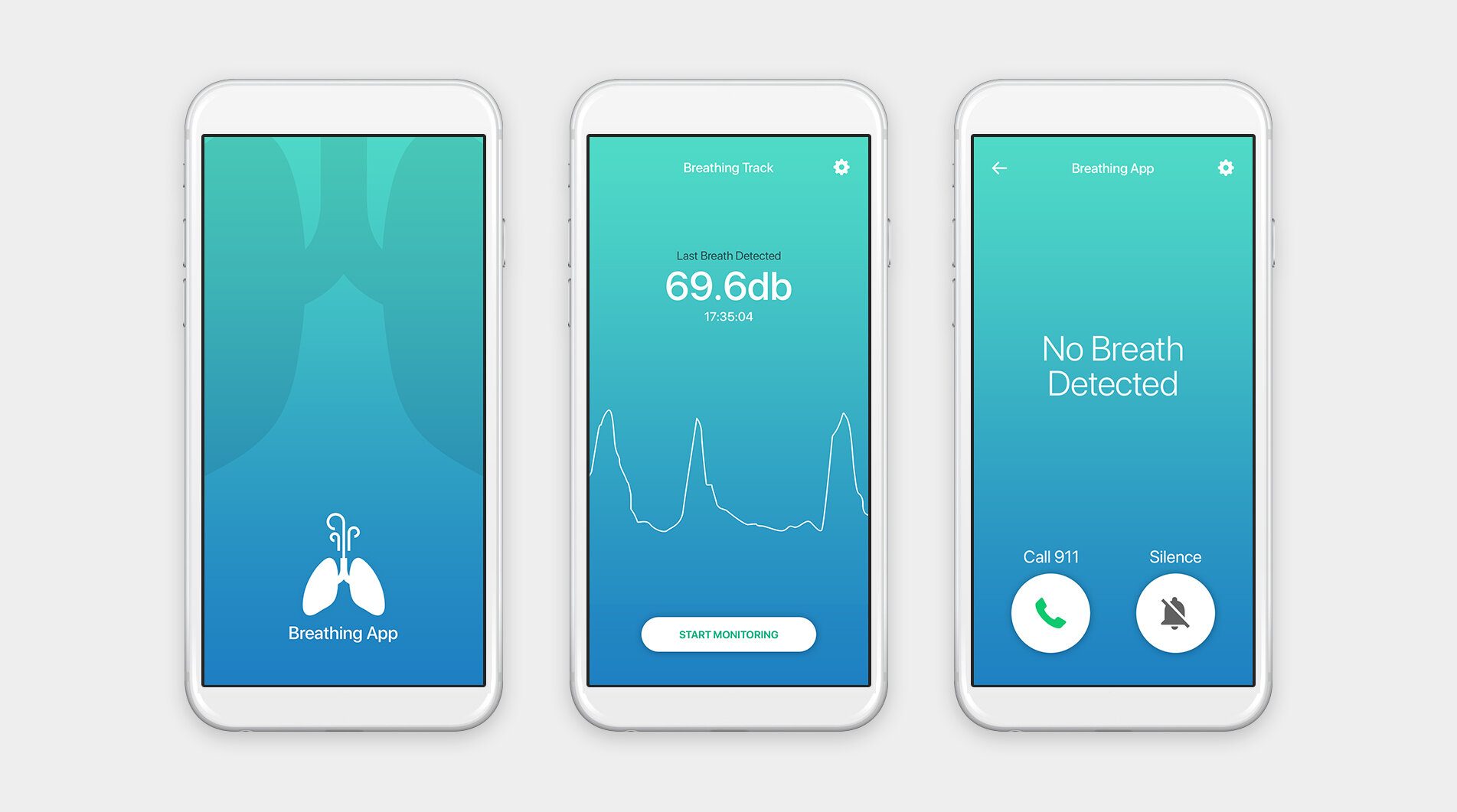
Image via

Image via

Speaking to the key role that technology plays in our daily lives, breathing and meditation apps are also on the rise. This comes as result of a somewhat new public discourse on mental health awareness and burnout. Studies show that just 25 minutes of focused breathing can improve cognitive function and boost energy levels. Mobile apps make this healthy practice all the more convenient!


7.     Micro-HIIT Workouts
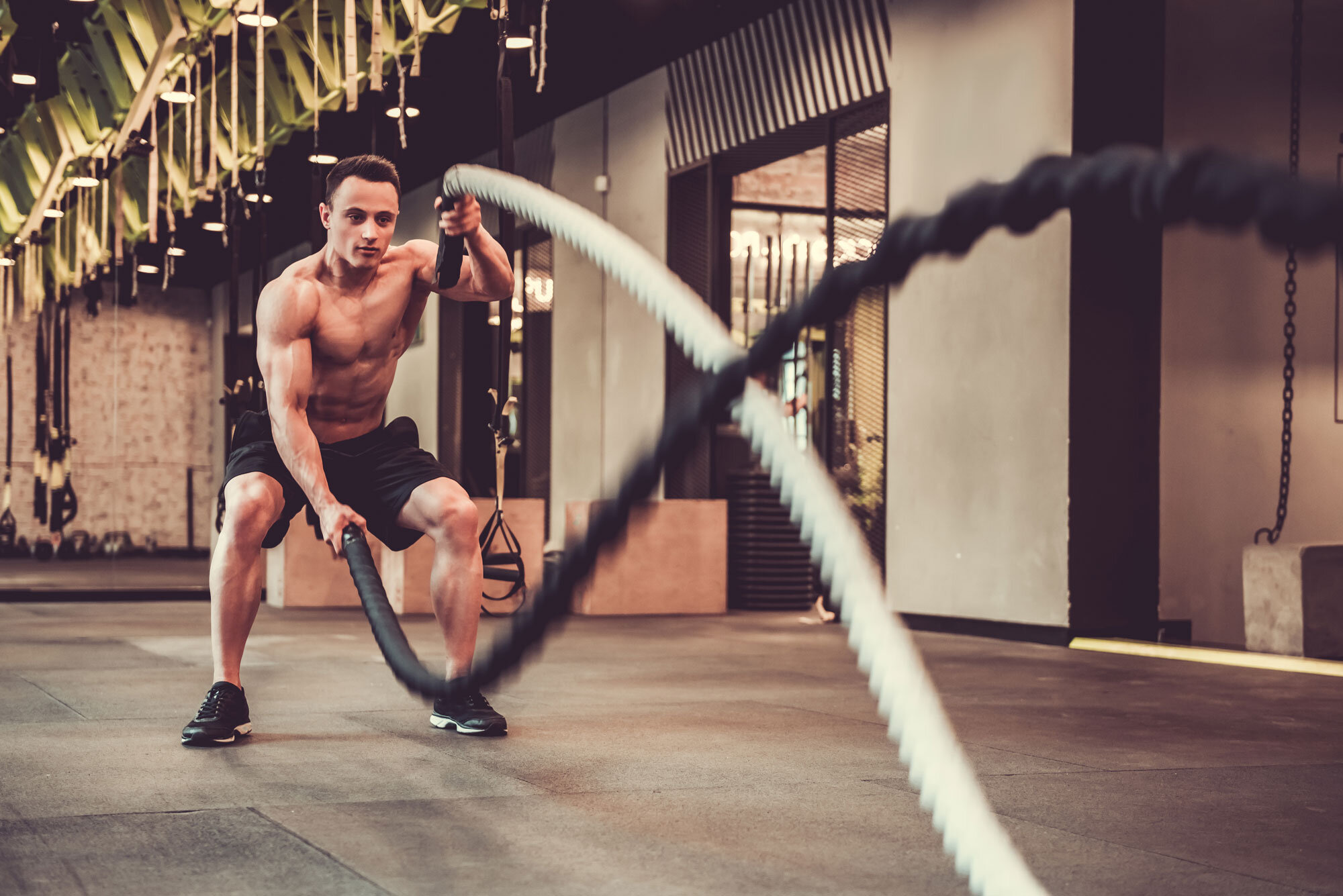
Image via

Image via

2020 is all about maximizing time. That’s why workouts are getting shorter… and more intense. Equinox Health Advisory Board Member Pamela Peek, MD, at the University of Maryland predicts that micro-HIIT sessions will take off as a physical challenge and as a counter-balance to our increasingly sedentary lives. These stimulating 20-minute workouts trigger autophagy and the production of stem cells, or the regenerative cells in the body. They are also the perfect way to get in a good sweat during a lunch break! Boutique fitness studios such as PlateFit, a 27-minute HIIT workout in Los Angeles, are already supplying the demand for efficient exercise!


Feature image via.
How Can We Learn to Be Happier?

In the widely beloved and well known podcast, Tedx Radio Hour, host Guy Raz interviews a number of Ted Talk speakers to learn more about their talks, who they are, and their lessons on life.

The episode “Simply Happy” is one of Tedx Radio Hour’s most popular releases–and with good reason. In this hour, we learn from presenters of various backgrounds who share their research and philosophies on the simplicity of happiness. Here is a breakdown of this episode and its overarching ideas on happiness:

1. Mind Wandering (Matt Killingsworth):

UC San Francisco researcher Matt Killingsworth suggests that our minds wander and focus on things that aren’t particularly helpful to us. He explains that we tend to lose our attention to thoughts that are not “productive, useful, and adding to experience.” Moreover, he suggests that mind wandering may be a cause of unhappiness and not just a symptom. Speaking from experience, I feel a lot happier when I am in the moment with things and feel more connected and accepting of myself when I can enjoy my time, actively doing something without distractions, which may be reading, listening to podcasts, etc.

See his Matt Killingsworth’s app on tracking happiness/ mind wandering tendencies here.

2. Culture of speed (Carl Honore):

Speaking on the culture of speed, journalist Carl Honore suggests we refrain from the idea that slowness equates to laziness and unhappiness. Honore raises a valuable point in explaining how slowing down can help us ask meaningful questions about the quality and wellness of our lives.

3. Simplicity and Happiness (Graham Hill):

Designer Graham Hill recalls his life after selling a website designing company he founded for ten million dollars at barely thirty years old. After acquiring so much money, he talks about how he purchased many luxuries, including a new and expensive home, a car, furniture, and more, but concludes that these luxuries began to overwhelm him and make him more unhappy. The big change for him? Experiencing the joys of simplicity. He got rid of these luxuries and looked to things that were space efficient, that were decluttering and could “nest, stack and digitize.”

4. Misfortune and Long Term Happiness (Dan Gilbert)

Harvard psychologist Dan Gilbert explains the relationship between misfortune and long term happiness. He emphasizes the “impact bias” in all of us: our tendency to overthink the severity of outcomes. At the same time, Gilbert notes we are built with processes that make us resilient to adversity–processes that we are many times unaware of. We can frame things in more positive light to help us overcome life’s most troubling tribulations.

5. Gratefulness and Happiness (David Rast)

Monk and interfaith scholar David Rast defines living gratefully by way of appreciating gifts that are both given and valuable to us. Moreover, he notes that every moment can be considered a given opportunity that we can avail in. Through gratefulness, we can act out a sense of enough instead of scarcity and thereby, change our perspectives on fulfillment and life’s meaning.

His method for noticing when we are being grateful in life?

“Stop, look and go.”

Listen to the full podcast here.

Feature image via.

Source: https://www.npr.org/programs/ted-radio-hou...

18 Resolutions for 2018

Even as the new year starts to settle in, there is still time to think about goals and resolutions for the year. Let me help you get started, or push you further, with this 2018 resolution and bucket list guide.

1. Stress Less

WOAH, okay, so starting off with a big one. Everyone experiences stress from different parts of their life, but there are some key ways to find your calm no matter the situation. The term "mindfulness" often circulates on social media or health magazines, but what does it really mean? Practicing mindfulness can include anything that relieves your mind from one activity and moves it to another. This may seem very broad and it should; mindfulness is a completely individualized task. Examples may include meditation. Taking 3 to 10 minutes a day to focus on breathing, close your eyes, think about the essence of the body and not the concerns of daily life. However, for some people this may sound nightmarish and only cause more anxiety. Therefore, mindfulness may include reading a book, having a conversation with a friend, listening to music, or exercising. The only activity discouraged during mindful time includes screens. While it may seem counterintuitive to suggest reading a book as mindful but watching TV as not, the cognitive functions of each activity vary and result in different effects.

2. Find Good Music

Another highly individualized goal, but important nonetheless. Break out of the genre you currently listen to at least for a week or so—try something new. Do you fall into the pit of listening to the same artist radio or playlist all the time? It's okay, venture away. You will hear tunes you can't stand but you may also find a perfect song or genre. Be bold! Don't know where to start? Check out MODA's Spotify playlists or try these: 

The Music (and style of music) of Casey Neistat's vlog.

101 highlight tracks from 101 essential classical recordings, covering a wide range of composers, eras and styles. Best starting point for those who are new to the fascinating world of classical music.

3. Try New Coffee Shops — Even if You Don't Like Coffee

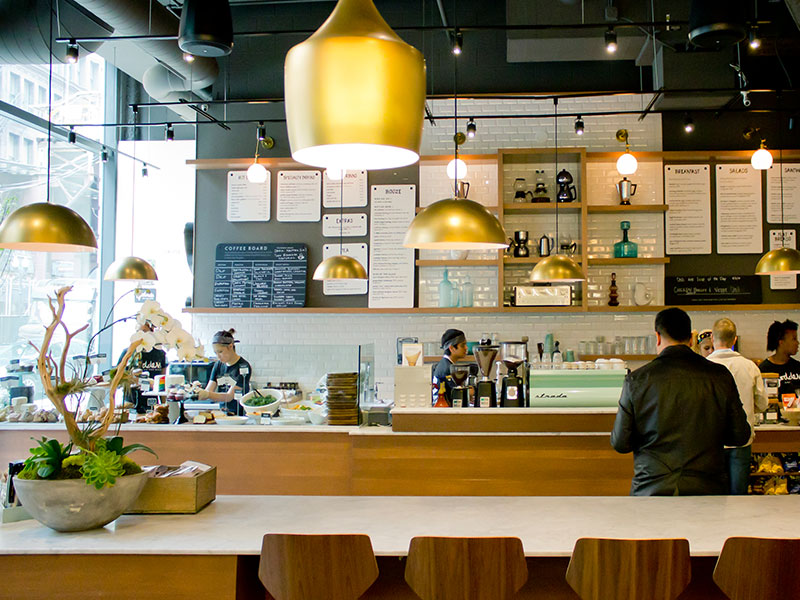
It isn't just about the coffee, it's about the discovering your community. Get out and explore, especially if you live in the Chicago area. Here are a few suggestions. 

ON CAMPUS: Grounds of Being, Swift Hall Basement of the Divinity School

SOUTH LOOP: Café Press, 800 S Clark St

IN THE LOOP: Goddess and the Baker, 33 South Wabash Ave. 

NORTHWEST LOOP: Sawada Coffee, 112 N Green St

4. Make Destination-Study/Work Trips

As a student at the University of Chicago, I have to admit we are extremely spoiled to have beautiful places to study. Whether you're into the Hogwarts feel at Harper, the Mansueto Space Ship, or good ole' Reg it's pretty hard not to find your place to study. But sometimes getting out of Hyde Park and utilizing other great Chicago study spots can bolster your motivation, give you a breath of fresh air, and keep you on task. While the general advice to go somewhere new to study applies to anyone, if you're in the Chicago area, make use of the Chicago Public Library system. The new Chinatown Library is only a few stops down the red line and offers big windows with abundant natural light. It's also ideal for boba tea study breaks or grabbing dinner in Chinatown before heading home. The Harold Washington Library in South Loop also acts as a can't miss study or work destination. Nine floors of books, nooks, and space, it gives the Reg a serious run for its money. 

5. Attend More Shows

"But I'm broke!" You say. Going to a show does not mean having to spend a lot of money. Maybe "attending a show" means open mic night, going to the Art Institute (free for UChicago students), or seeing the Chicago Symphony Orchestra ($15 for student admission). Think outside the box; seeing a show doesn't mean spending $150 to sit in the nosebleeds at Kanye's world tour. However, if you are interested in seeing a concert, check out the Chicago Winter Concert Schedule.  

6. Get to the Gym

It almost feels like a joke to set this quintessential New Year's Resolution due to it's cliché nature, but I'm here to tell you it's far from a joke. Check out this guide to Focusing on Fitness in the New Year. 

7. Find Motivation

Image via here

Image via here

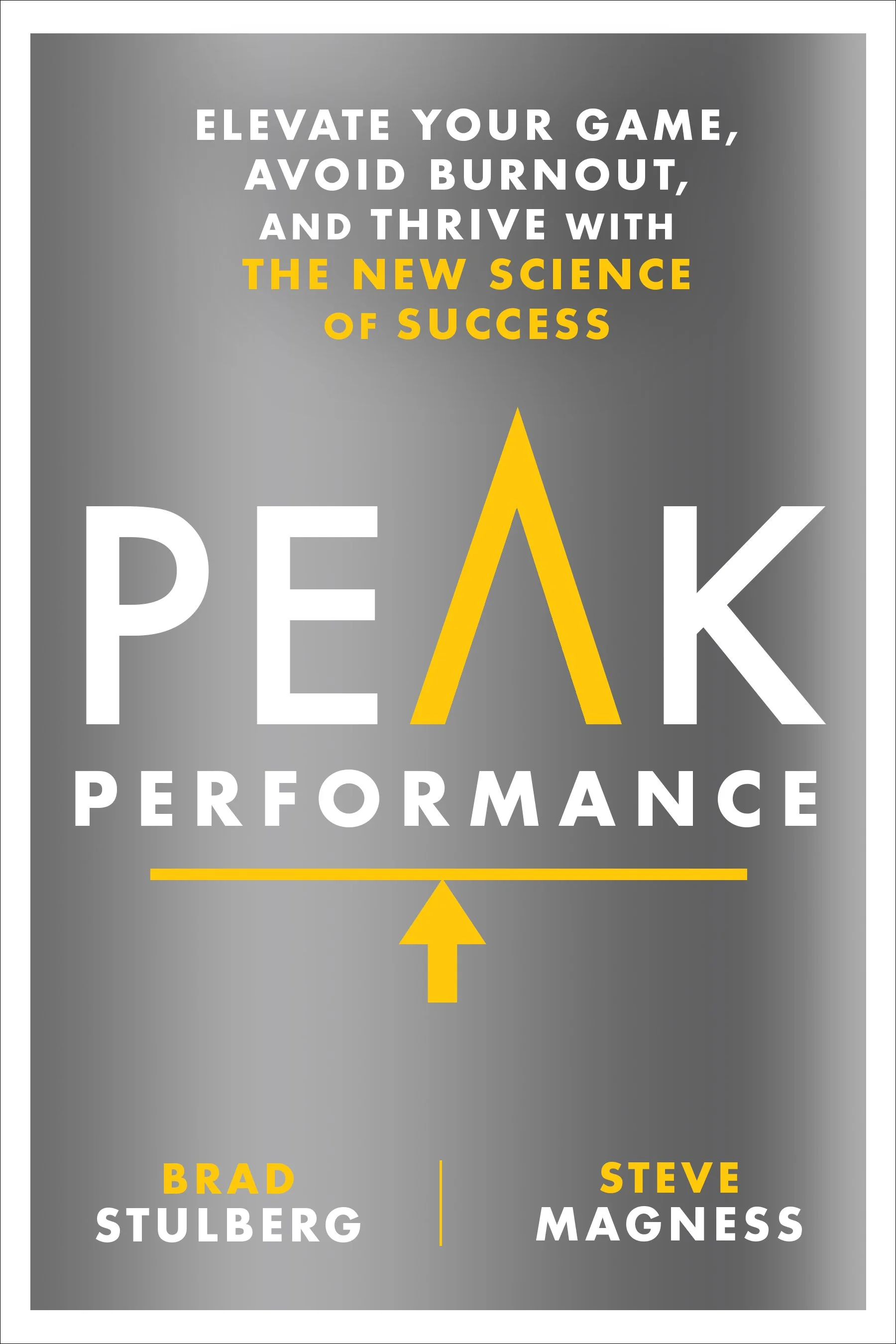
Getting bogged down by the overwhelming cold and darkness that exists as a byproduct of winter in Chicago often decreases motivation, but there are a couple quick strategies to help abate a case of unproductive syndrome. Think of a mantra to tell yourself when the going gets tough. It's important for your mantra to use positive language. This may sound cheesy, but telling yourself "Get this work done because if you don't you're worthless" is far less motivating than thinking something more along the lines of "This work is a stepping stone" of thinking of the beneficial outcomes of your work, no matter how undesirable they may seem in the moment. Another strategy is to work in intense bursts rather than attempting the marathon-work schedule. The mind can really only focus for around 70 solid minutes at a time, and even that amount of time takes practice to achieve full concentration for that duration. Taking breaks, small 5-10 minutes even, can provide immense benefits to your productivity. Have you ever had the feeling that your best ideas come right before bed? This is because right before sleep your mind does not try to focus on one singular activity and instead continues working behind the scenes per say to connect the information it absorbed during the day. Taking breaks between bouts of working can have similar "lightbulb moment" effects. To read more about the Stress-Recovery balance check out the book Peak Performance by Brad Stulberg and Pete Magnus. 

8. Have Great Relationships

Focus on communication and not just digital communication, actual face-to-face or (god-forbid) phone calls. Texts, snaps, and chats are important in today's digital world, but get out there and talk to people too! Stop using SnapMaps all the time. It's creepy. 

9. Look Good… Every Day

Wouldn't it be a dream to walk out the door looking like a GQ model or like we just got out of a Vogue shoot? Unfortunately my advice won't guarantee that outcome, but try laying out your clothes the night before. That way you can preview outfits the night before and walk out the next morning with no regrets. Also, always check MODA for new posts on the latest fashion trends, brands to follow, and fashion advice from UChicago students featured in Quad Style. 

10. Throw Away Self Consciousness

As a footnote to the previous resolution—"looking good is subjective." I can walk out the door looking good in leggings and a sweatshirt, because that's what I want to wear. So leave behind feelings of inadequacy due to clothing or appearance. This point may sound overly motivational, and I apologize. What I'm asking you to do is something impossible for any human to perfectly practice, but take it as an important day to day consideration. Genuine attracts genuine, and those relationships will prevail over judgement from others. 

11. Drink More Water

HYDRATE OR DIEDRATE. HYDRATE. H Y D R A T E. The infinitudes of health benefits stemming from proper hydration need no further explanation from me, take it from the experts

12. Read Great Books, Articles, Poetry, Words

BookConcierge.jpg

NPR Reading

Screen Shot 2018-01-19 at 9.23.33 PM.png

Best of the New York Times

winning-jackets.jpg

National Book Award Winners

13. Listen More to Others

In the same vein as having better relationships and communicating well with others, listening completes the trifecta of socially based resolutions. Ask yourself a couple questions to evaluate your listening skills: When in a conversation, how much are you speaking? Do you let other people into the conversation? If someone asks you how your day is, do you ask them back? Be attentive, responsive, and patient in conversation.

14. Find Your Routine

Not everyone enjoys holding to a schedule, but a routine implies a different function than a schedule. Routines form habits, while schedules form plans. Design a routine full of healthy habits by prioritizing sleep, consistent exercise (this doesn't mean you have to go to the gym for an intense workout, just walk around the block or be active in some capacity during the day), nourishing food, spending time with friends, and maintaining a sustainable work-life balance. 

15. Try Yoga: Seriously

Yoga has very disparate stereotypes. Let's clear one thing up—yoga is for everyone. You don't have to be able to do the splits or touch your toes. Yoga can be simply a meditative time or a full body workout, but the significant range of forms and routines makes it accessible to everyone. There are tons of yoga videos on YouTube that are great to follow

16. Do Things You Don't Want to Do

With a Positive Attitude

17. Travel (Big or Small)

Similar to the predicament faced when discussing the "attend more shows" resolution, people often think taking a trip needs to be a grandiose ordeal. Traveling may mean taking a bike ride to the other side of town for the day or hoping on a plane across the world. It's easy to look at these two situations and see the bike ride as an improbable "trip" but as cliché as it may be, life really is about the journey not the destination. 

18. Remember to Laugh

Life is going to throw some pretty crazy stuff at you this year—as usual. Don't lose sight of the good. 

Feature image via

Source: https://www.huffingtonpost.com/entry/how-a...