A Look into Graffiti


While admiring art and looking at what we associate with its historical evolution, our thoughts about expressive mediums may range from European Renaissance paintings to the acrylic project you had to turn in for your high school art class. But often times we may forget to go back and explore counterculture artworks that have significant influences and can be spotted in modern creative projects. This mistake of overlooking certain mediums is indeed a common one, so something to remember when we are deciding to interpret a piece, whether that be a fresco or the cheapest canvas you can find at BLICK, is that with art there is a story.

There is a drawing method that falls within the revolution of art history we ironically tend to oversee: graffiti.

This type of art contains historical significance like no other. It can be seen as a political message or as an act of boredom, yet its spread across major cities deserves to be praised.

Personal Experience

As most of you have probably experienced, graffiti can very easily feel like it is only vandalism. It is, in fact, the criminal act of defacing property, and having public infrastructure as a drawing space can make it seem destructive to the original architectural vision intended. Nonetheless, it has earned its title as an ever-evolving medium. Even graffiti artists themselves see the evolution within their lifetime.

I took it upon myself to engage in graffiti throughout Chicago and Miami in hopes to understand the history and meaning of it. One thing I quickly realized in my journey is that it is everywhere because there is no limit to what can be spray painted, but that’s what makes it so accessible and relatable. Cities with a large presence of graffiti artists have transformed a private skill for a niche audience into free art exhibits that are available for millions of people to interact with on a daily basis.

 
DSC00629.jpeg
 

I grew up in Miami, Florida, and although it is a fairly new city compared to Philadelphia or New York City where there is a lot to unload in terms of this artistic style, there is still a concentrated community of street artists in the neighborhood Wynwood. My first time visiting was purely accidental. I realized that my unintentional drive-through-tour of the city was keeping the meter on my car running. With every mile, I continued to get led deeper and deeper into Miami’s graffiti district. While circulating back streets and alleys, I was taken aback by the political messages and colorful murals that lay embedded on every wall and street corner. There was even art on the sidewalk, extending for what seemed like forever. From that moment forward these impressive creations remained cemented in my brain as one of the most unique art forms to interact with. I kept going back to watch the progression of this district filled with artists using small, metal, spray cans to add life and meaning out of thin air.

Today, as I walk around downtown Chicago it is not a rare occurrence to see an array of messages, different fonts, and mind-churning masteries spewed in hidden crevices between buildings. After a few years of being surrounded by street art, I have gathered that this medium must be applauded. Just because the art is rebellious does not make it meaningless. Rather, there is so much passion and many personal stories that have to be unlocked in the visual exploration of graffiti within a city. 

 
DSC00605.jpeg
 

History

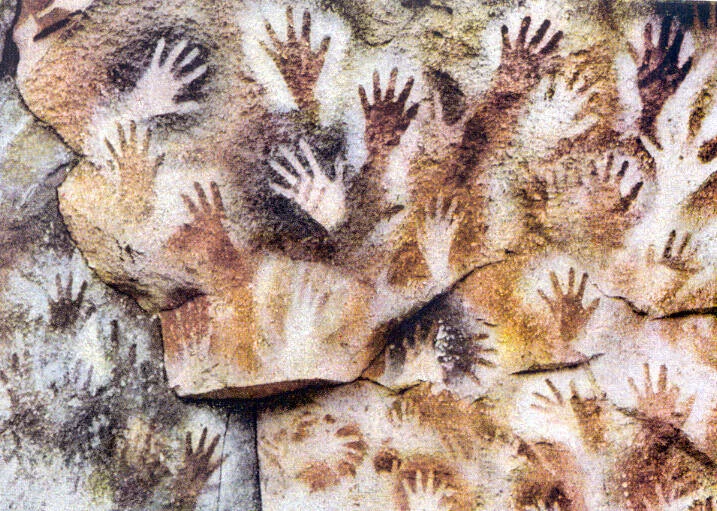
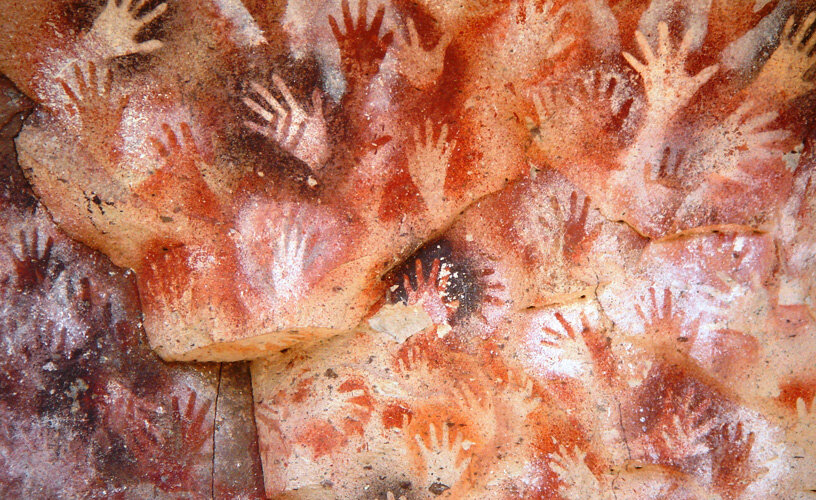
Graffiti has so much history because it is an umbrella term for any drawing outside of a dedicated space. So, finding the origin of this art form makes it extremely difficult since even cave paintings are considered graffiti. One of the earliest examples goes back 10,000 years, in a cave called La Cueva de las Manos.

This natural landmark in the Argentine Patagonia contains repeated imprints of hands like stencils, in bright hues blending from red, to black, and yellow. There are even scenes of prehistoric life, including stories of hunting and symbols of sacred animals. Looking back this art concept has been around for as long as we have.



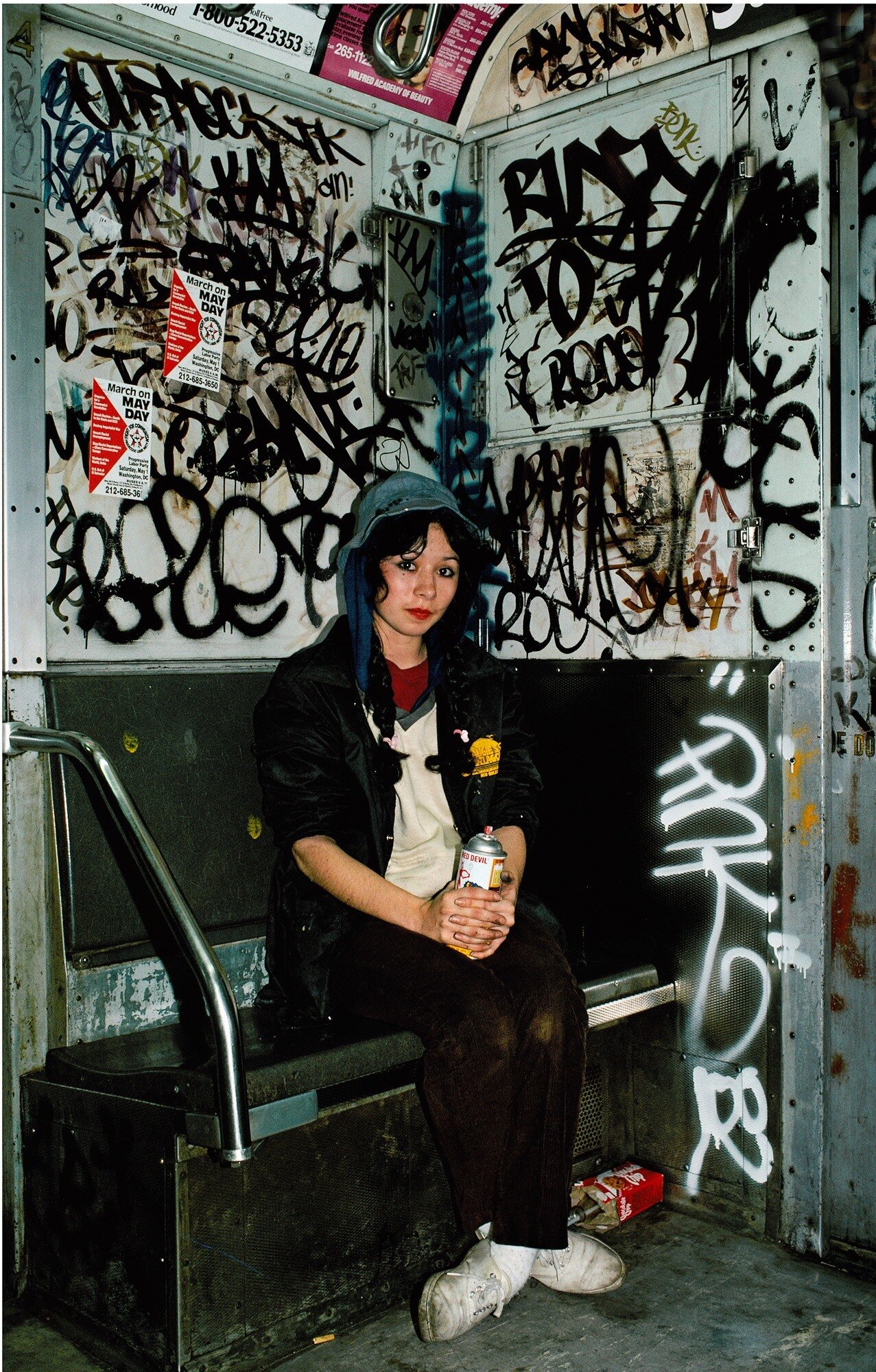
 Even though nearly anything can be “street art,” we tend to concentrate on its history within the last six decades when graffiti in urban spaces flourished. This happened in congruence to the rise of spray cans which completely changed the game. A spray can company known as Big Spray became popularized and began surpassing millions of sales of aerosol paint to the U.S. in the 1970s. Its intended purpose was to apply aluminum paint coatings to radiators, but its lightweight, portable, and inexpensive qualities caught the attention of street artists who found them practical for a speedy ejection of compressed color and its permanent application onto surfaces, leaving time to flee the crime scene without a trace.

(Well, except for one).

With a large population in states like Philadelphia and New York, the utilitarian origins of aerosol art became embedded in the visual appearance of the metropolis. The imperfect ensemble of colors by unidentified artists also started tying this idea of rebellion into the process of graffiti. Projecting ideals such as anti-capitalist and counterculture views could be controversial, but what better way to express political opinions than having works displayed across crowded streets and no one knowing who to blame? Even the fact that graffiti itself is imperfect backs its existence as an expressive form of revolt. 

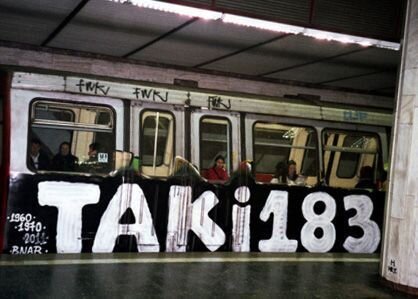
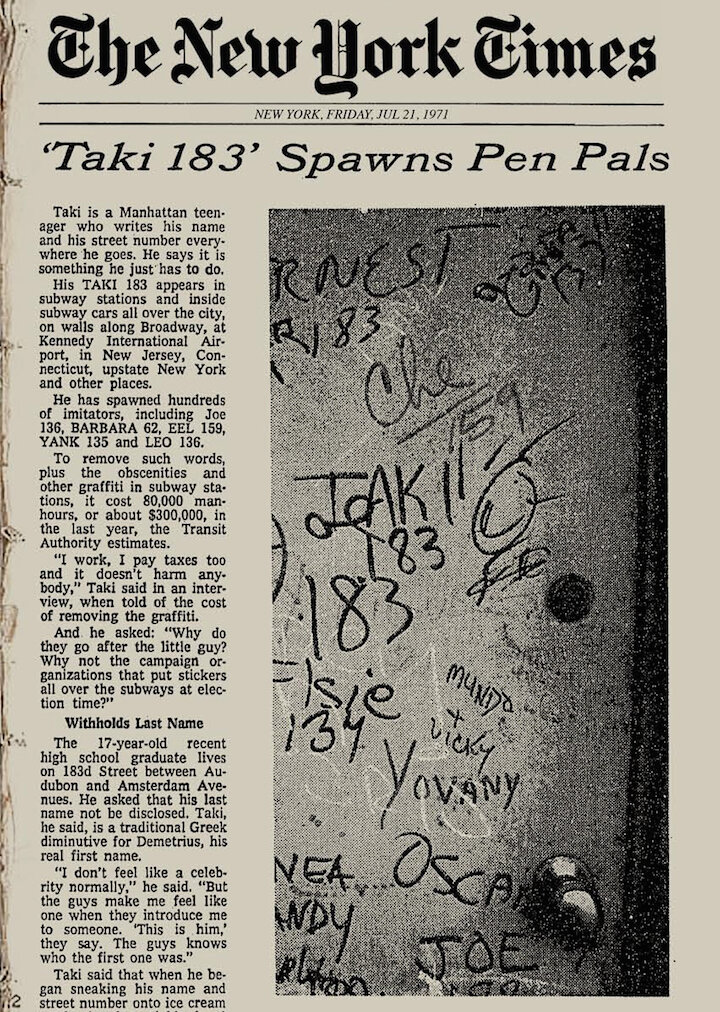
The late 1960s and early 1970s started to see a growth in a form of graffiti called tags: where one writes their name tag (hence, the name) over and over. Tags from local artists started to be noted for their repetitive appearances; some recognized ones were Cornbread from Philadelphia and Julio 204 along with Taki 183 from New York. It’s interesting to break down the meaning of these artists’ tags because they are a lot more innocent than they appear. Taki 183 got inspired by Julio 204, using Taki from his name Demetrius and 183 for the street number where he lived.

Although tags can appear very simple, it is important to understand that just as graffiti itself evolves, the artist during his lifetime does too! It starts with these tags, which soon inspire people to move to bigger pieces. Considering that we are looking at art only a few decades back, it makes sense that the greatest street artists today only developed their craft, and the boundaries of street art, within their lifetime.


As I explored Wynwood Walls for tags I came across the artist by the name of Hec One who gave me a brief recap of his journey into the graffiti world. He told me he began tagging random neighborhood walls in Philadelphia with some friends for fun (as most artists involved in this field do). Then in the ‘80s he moved to Miami and continued to tag: with each growing victory of a mark left behind he would dedicate a little more time to developing interesting looking fonts and prints. From tags to pieces, what was once a hobby started to become his passion. The mix of adrenaline and attention he was gathering was enough to inspire the desire and dedication to continue, and years of adding more visible works led to it becoming his job.

He laughed at the irony. “I got arrested many times in Miami when I was younger for defacing public property, now the city of Miami pays me to create murals on their walls.”

Controversy and Meaning

The controversial aspect of graffiti does not only lie in its vandalism. Its taboo nature is related to the fact that a lot of street art was and is still used to communicate among gangs. Graffiti is a tool that serves to intimidate for territorial dominance. Areas that have been marked by gangs are likely to be under attack, serving as a warning to others not to interfere with activity. After the Los Angeles gang wars in the ’90s, there was an implementation of Graffiti Tracker, an online system that would track gang activities and new additions of graffiti near them. This gang association caused people to rank graffiti as low rather than high art.

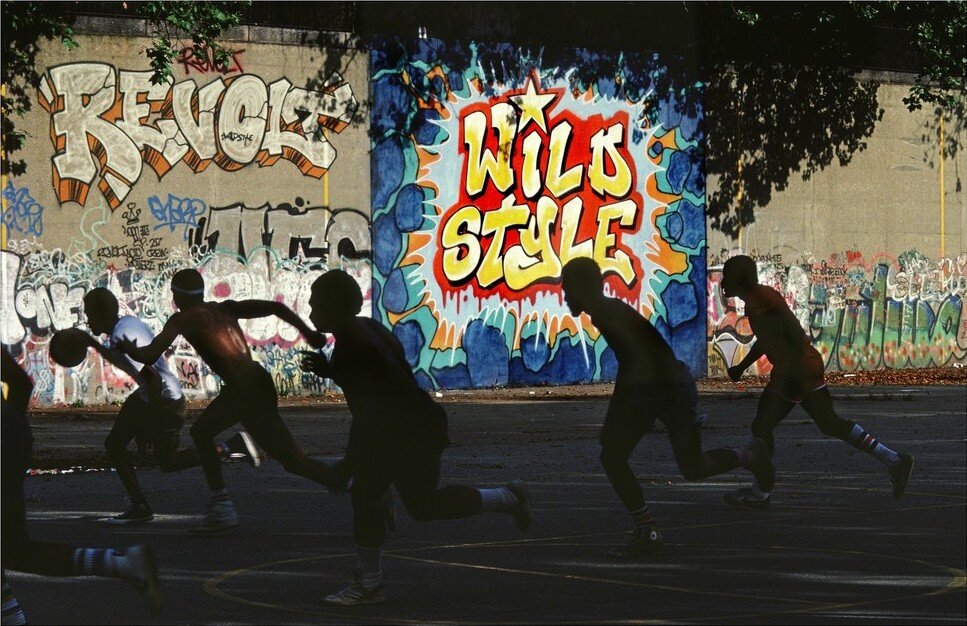
However, because these low-income, gang-infested neighborhoods were mainly underfunded, black neighborhoods, the rise of hip-hop and street art were intertwined. Many emerging hip-hop performers located in New York created tags, “throw ups” or “throwies” (quick artistic tags), and “wildstyles” (very elaborate letterings), of their artist names which simultaneously promoted the art style and their music. Some common names in hip hop graffiti were Fab 5 Freddy and Grandmaster Flowers.

An instance of graffiti in pop is Blondie’s single “Rapture,” where the music video features Jean-Michel Basquiat, a famous graffiti artist from the ’70s that influenced the public to respect the art style. Released in 1980, it was one of the first songs introducing street art into mainstream pop culture that made the medium even more appealing. New York, Chicago, Atlanta, Philadelphia, Los Angeles, and Miami all started to see an influx of those who were passionate about adding color into the busy and dull cities just like the artist I met, Hec One.



Whether it was for aesthetic purposes, to bring light to important political subjects, or for social movement, it was working. Pieces were popping up from day to night and the public began noticing and having conversations that needed to be had.

The best part is that no one could do anything about it: if graffiti was covered it would reappear the next day. It was nightmare for police officers but an inspiration for younger artists that just wanted to be heard.

The strict ban of street art rather than the encouragement to redistribute art and add to the cityscape also makes the illegal aspect of it unattainable for those who have talent but don’t want to challenge authority. The line between what was seen as good or bad was blurry, and slowly it became understood that it just had to be accepted. I mean, look at Wynwood Walls. Rather than having government officials spend the rest of their lives painting over walls, they decided to hire the best artists and promote the district as a tourist attraction. The artists ruled and will continue to do so.

The cultural and artistic nature of graffiti shows that more can be said with images than with words. Social and political themes are very commonly portrayed. For instance, a Wynwood art piece showcases Black culture and empowering messages for young Black folks: in it you see the sight of a jazz player, a woman flexing her muscles, and young smiling Black faces followed by emotions of love and community.

Graffitied messages of gun violence or presidential candidates being mocked the size of a three-story building is an efficient way of voicing an opinion. When the Black Lives Matter movement gained momentum, I saw a significant increase of political pieces by artists who speak with their spray cans. I recently noticed a block-sized mural while walking under the train from Trader Joe’s to my apartment in Hyde Park. These sightings make me appreciate current events and street art more than ever before and I always notice a more accepted view of graffiti by those around me, too.

 
DSC00776.jpeg
 

 I am very glad I decided to tackle this article because I have a newfound appreciation for graffiti, the history of it, and what it means today. As someone who is still fully invested in admiring these eighth wonders of the world, all I can say to those reading this article is this.

Make sure you look up and take in the pieces you see around you. It can be a simple tag or the biggest mural you have ever seen; appreciate what it means and its history in order to become the spectator that the artist hoped you would be.

 
DSC00679 2.jpeg

Photographer: Nicole Helou

Model: Laura Sandino

The Virtual Travel Hop: From NYC to Sardegna and Beyond

When my family visited Florence’s Uffizi Gallery, we missed Botticelli’s Birth of Venus. It was a hot summer afternoon, and we chose to wander the gallery ourselves. We had a map, and we spent hours marveling at the gallery’s statues and frescos.

But, I’ll admit that I’ve never liked tours. Like my parents, I’ve always preferred to explore on my own. As such, it wasn’t until we entered the museum’s gift shop that we realized we’d missed Botticelli’s work. We laughed. We hadn’t intended to miss viewing one of the most famous paintings in the world, but we’d nonetheless had a great afternoon. And so we left the museum, and trekked back to our hotel.

A few years later, I found myself wanting to know more about art, from a formal perspective. And so when I ranked my 2020 Spring Quarter classes, I listed 19th Century French Art in the Art Institute of Chicago first. Of course, this class isn’t about Italian Renaissance art. But, I’ve spent years dragging my family to art galleries, and I wanted to learn to think better about the works that I’m often so aesthetically drawn to. More than that, I wanted an excuse to take the “L” to the AIC twice a week. I figured I’d write my MODA articles from a bench in the European Painting and Sculpture Galleries.

The Art Institute of Chicago

The Art Institute of Chicago

I now find myself enrolled in the art history course I’d so wanted. However, while we plan to someday travel to the AIC in person, the class is nonetheless taught over Zoom. We often talk in class about the day we’ll all gather in person - and view the works with our own eyes. But, for the meantime, my art travels (and travels in general) have been suspended.

However, while it’s not nearly equivalent to wandering an art gallery or walking off the tarmac in a new city, I’ve been increasingly studying the instagram feeds of some of my favorite content creators. And I’ve found myself enjoying these “virtual travels.” The photos are a reminder of all the places I someday hope to visit. And while instagram photos are obviously quite different from Botticelli’s paintwork, they nonetheless represent their own genre of artistry. There is something captivating about a single photo, so expertly framed and edited, that it can stand alone as its own story. And I find myself increasingly enjoying these photo stories. They allow me to temporarily travel beyond Columbus, Ohio. And they act as a reminder of the impact that both art and travel can have on individual lives - even from afar.

As such, what follows is a virtual itinerary - from NYC to Sardegna - of some of my favorite Instagram feeds.

  • NYC and Beyond, from the lens of Chloe Chung: @chloejg

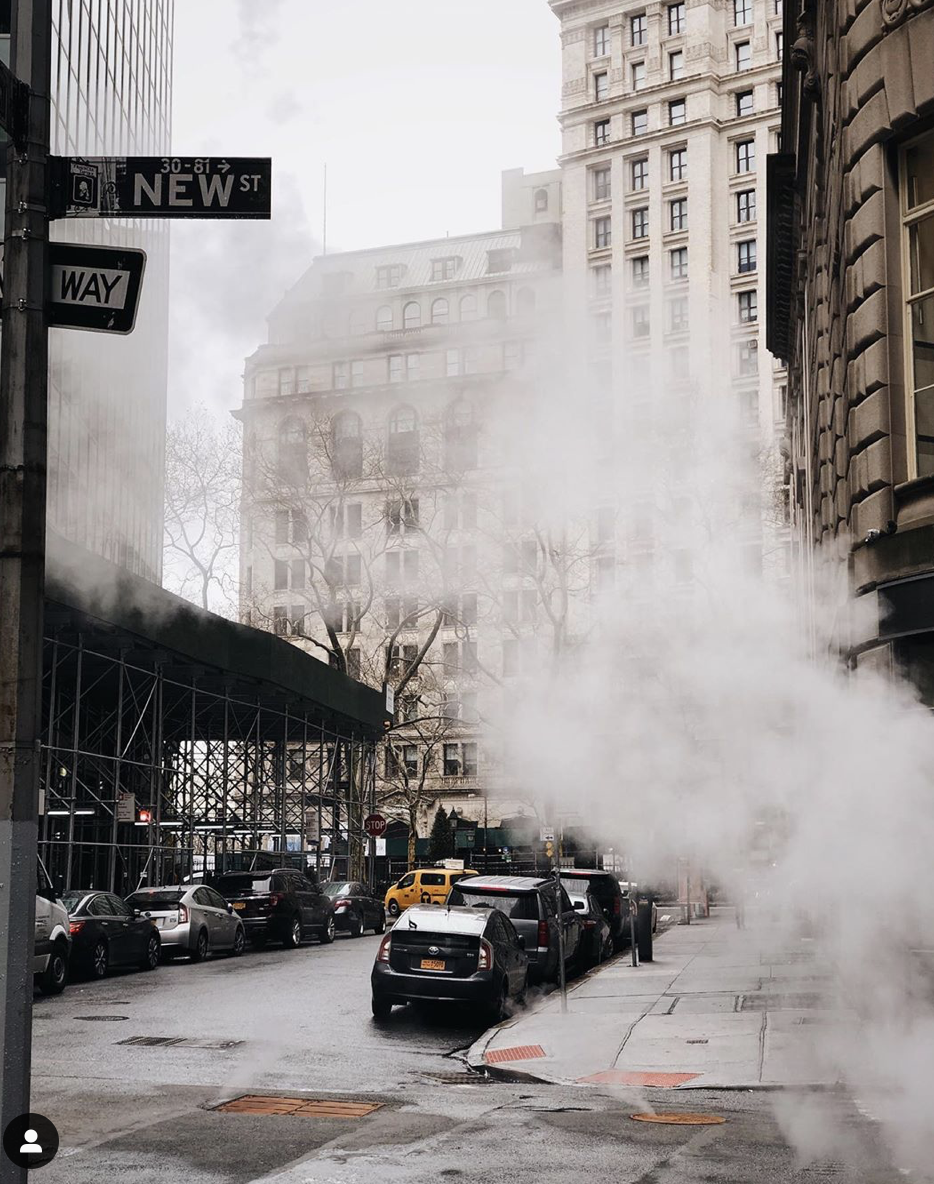
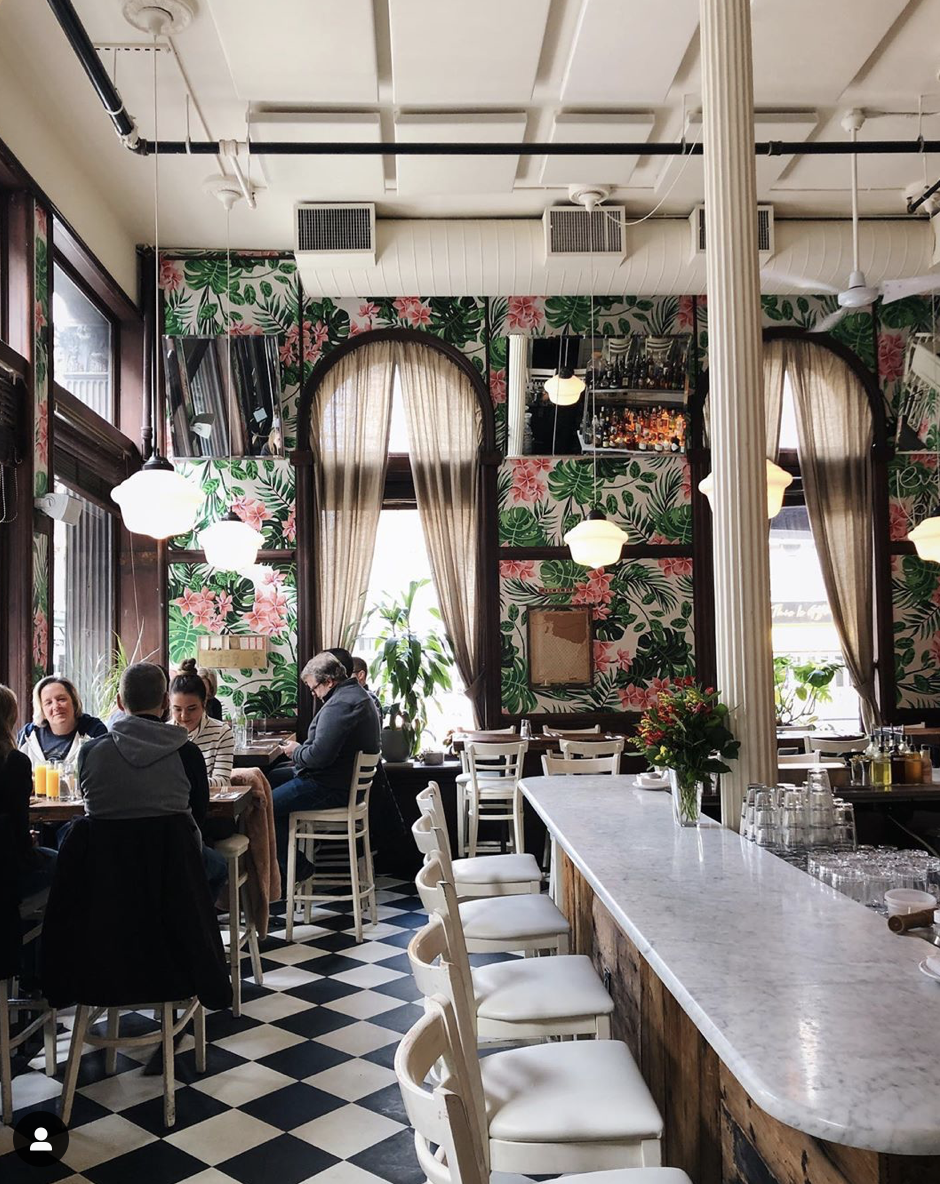
From French onion soup cravings to brunch spots, lots of coffee, and walking in the rain, Chloe is a proud New Yorker who documents her explorations around the Big Apple. One of my favorite aspects of her feed is that she captures the city’s grit, without losing a sense of its simultaneous warmth. And studying her feed always makes me want to pull on my boots and head to a local coffee shop.

  • Lisbon and Beyond, from the lens of AI Scientist and Fine Art Photographer Sejkko: @sejkko

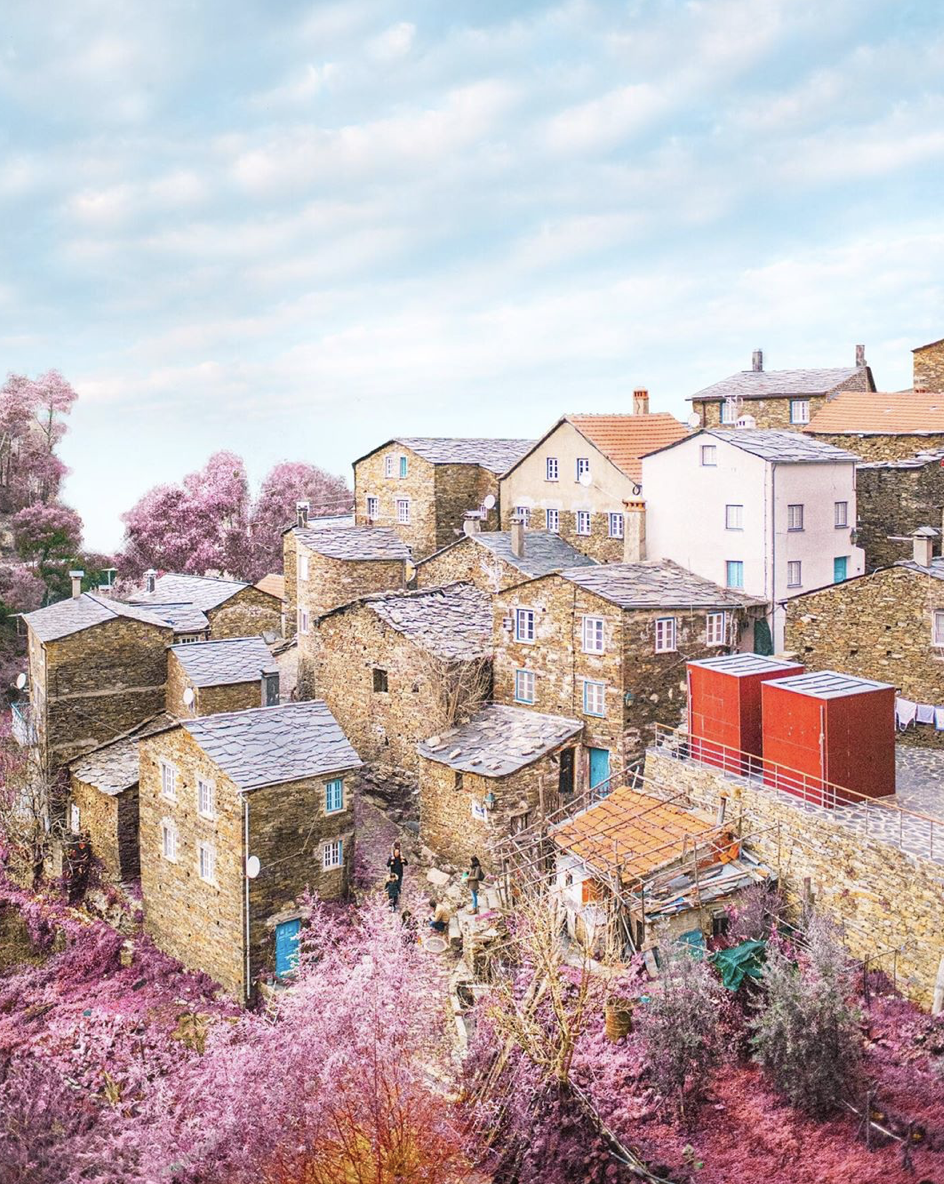
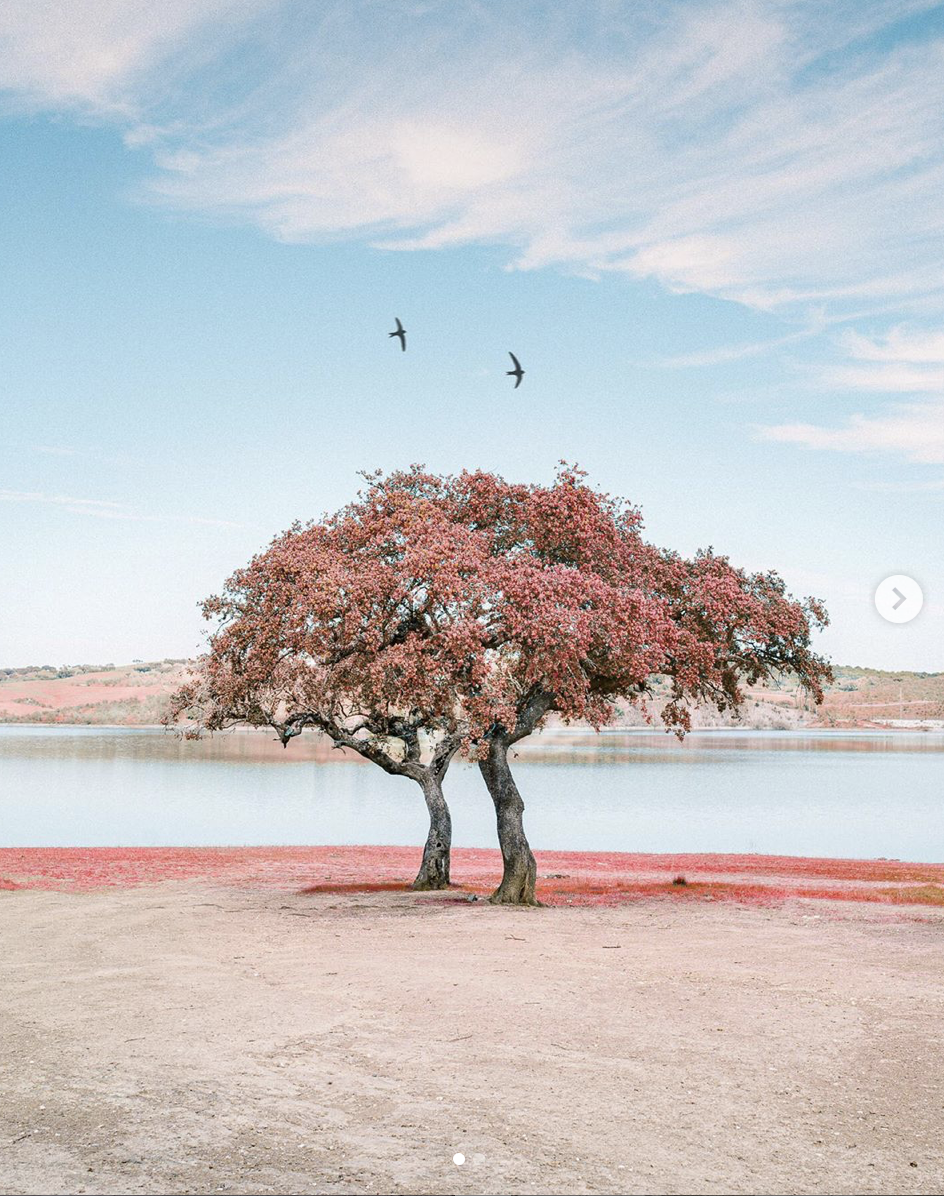
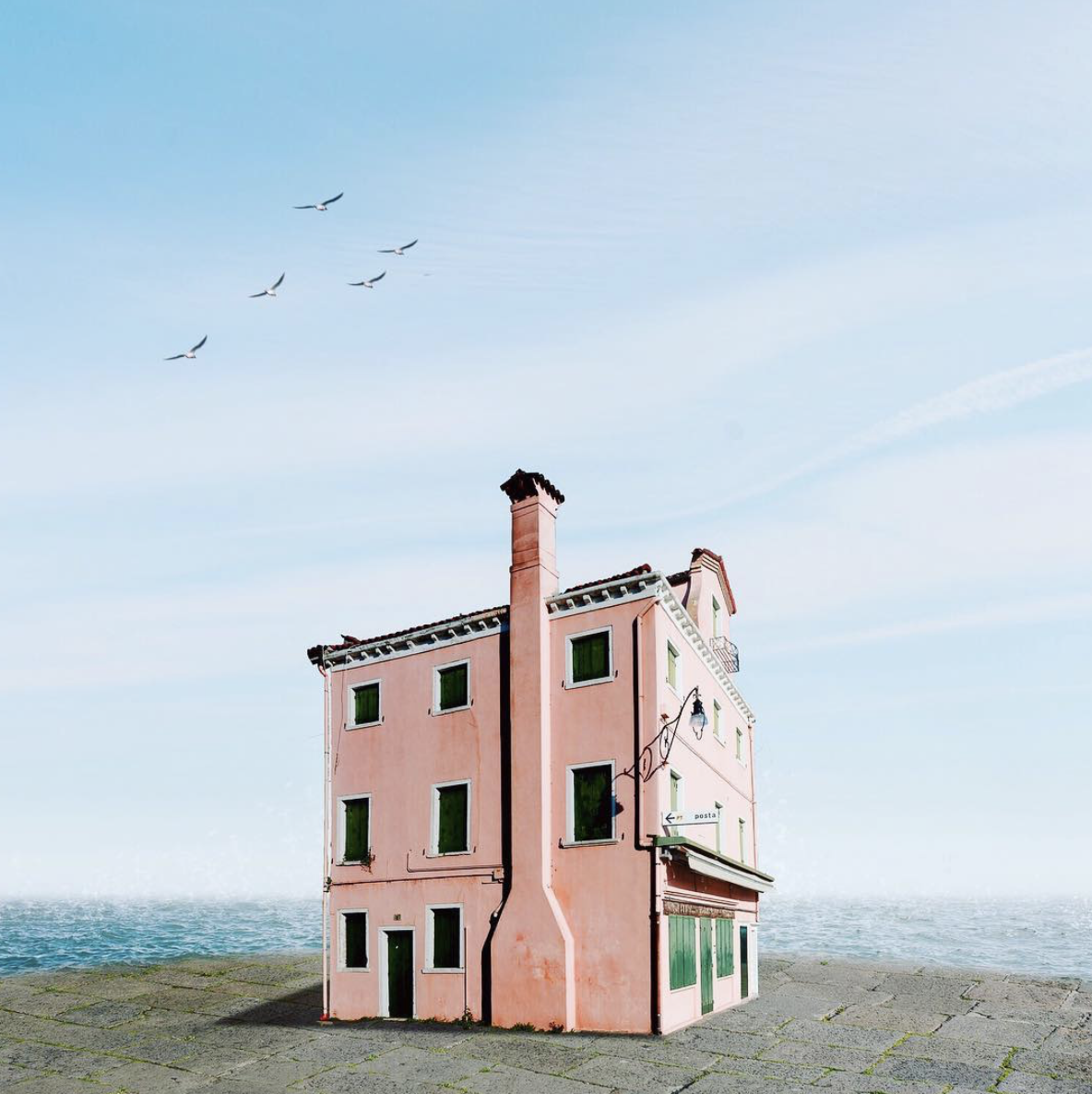
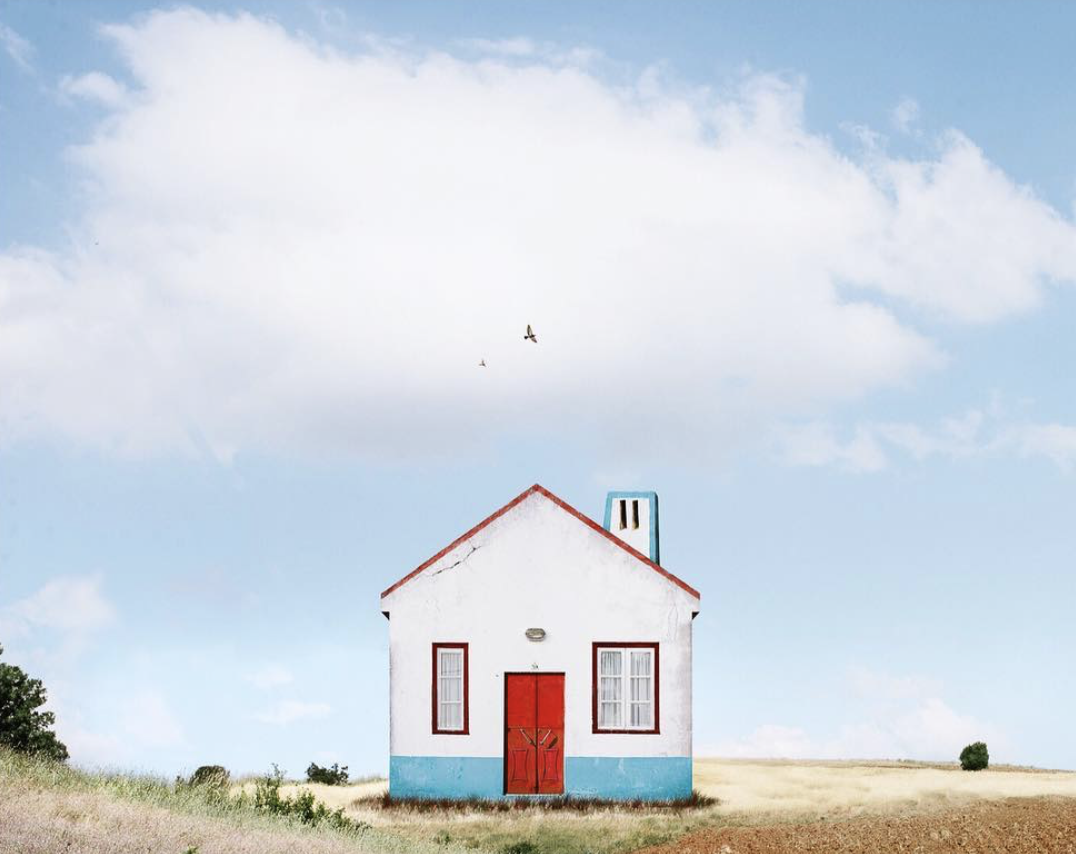
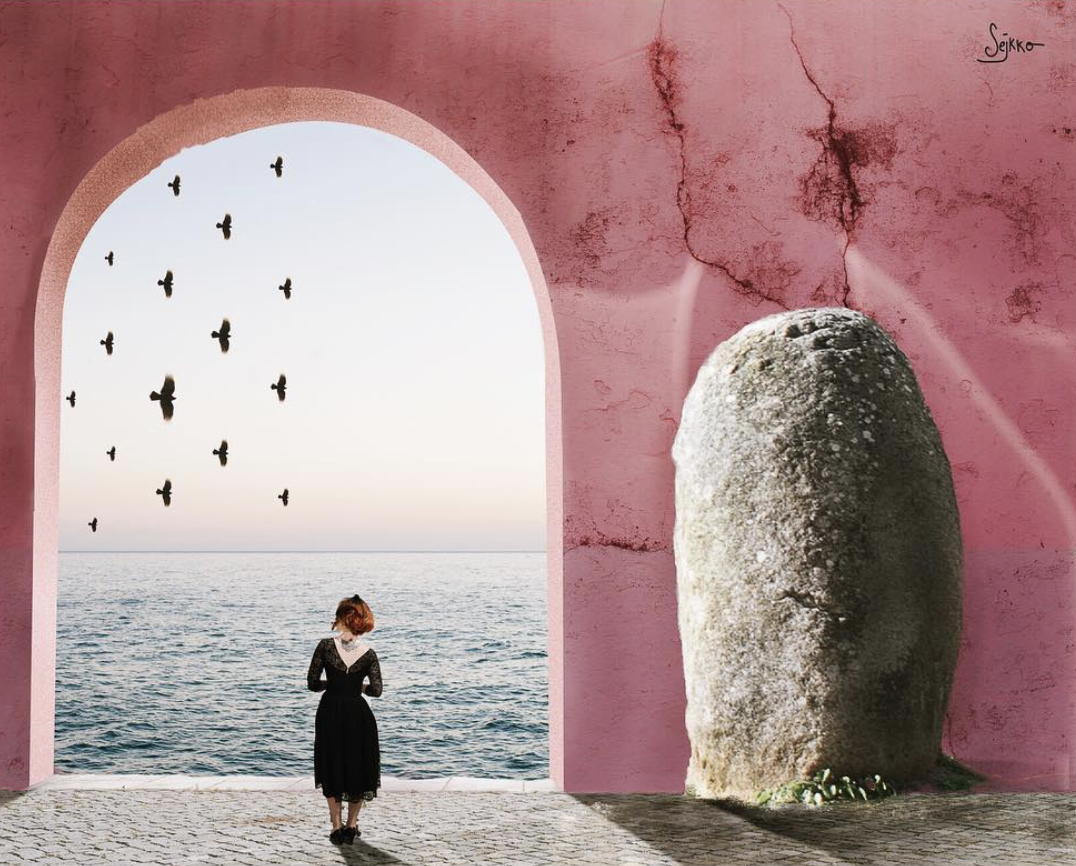
This has been one of my favorite feeds for years. Simultaneously whimsical and haunting, Sejkko’s portrayals of lonely houses always make me want to write. I find myself wondering about the possible inhabitants of these fictitious, yet all-too-real, creations. More than that, the colors of Sejkko’s photos make me want taffy.

As Sejkko writes himself, these “lonely houses were a way to keep the child in me, and the weird side of myself at peace…” And while Sejkko just recently decided that it is time to move on from these house portraits, he plans to continue his feed. The first photo in the gallery (below, top left), is representative of Sejkko’s transition to new subjects: “This image represents a bit of a transition. I am inside one of those [lonely] houses looking beyond the sun, wondering about worlds that could exist.” Needless to say, I’m excited to see where Sejkko’s future endeavors lead.

  • The English Countryside and Beyond, from the Lens of Photographer and Book Connoisseur Carolyn: @theslowtraveler

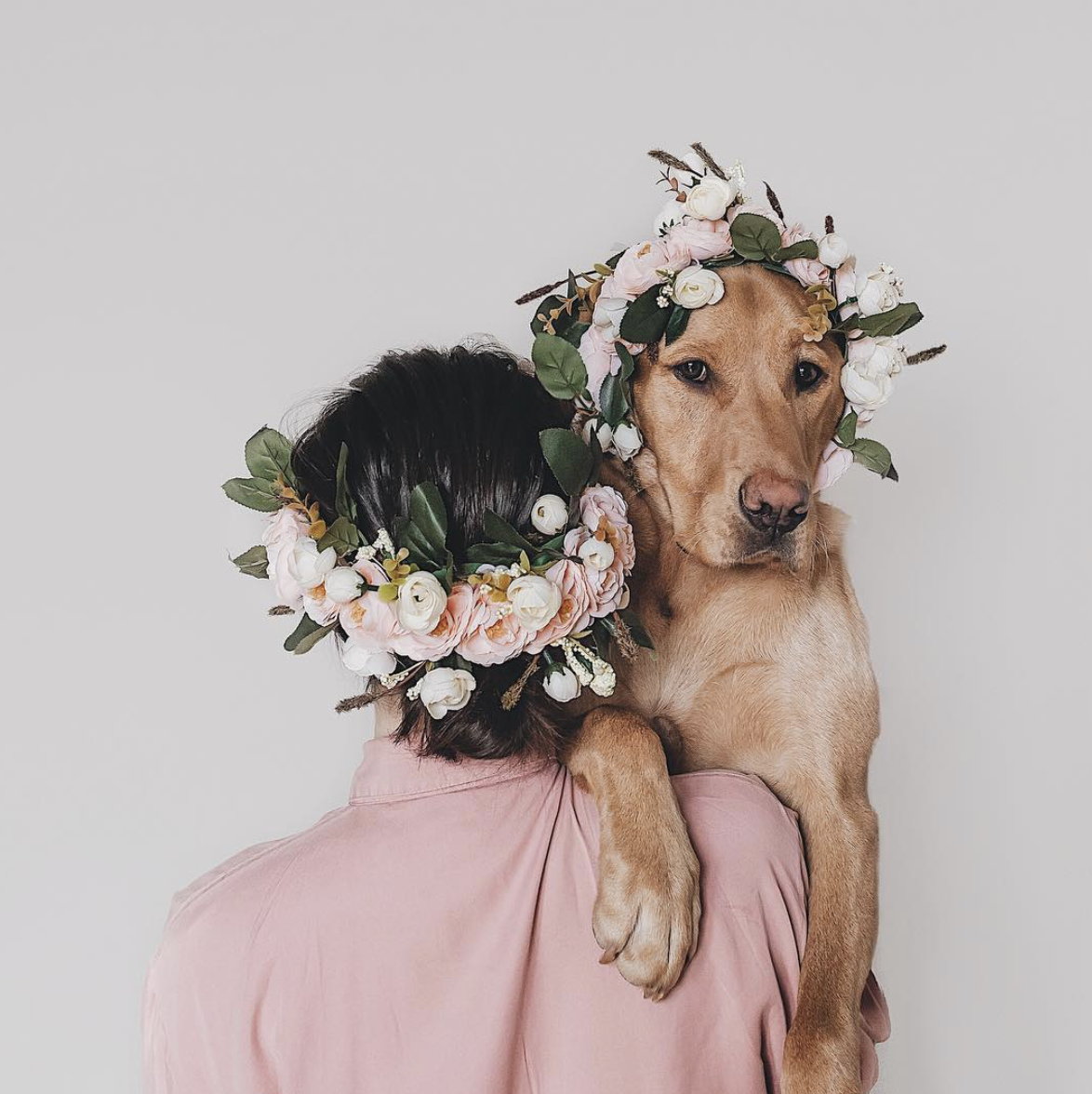
With her dog Lenny by her side, Carolyn explores everything from old bookstores, to castles and the Lake District. And while her photos are themselves beautiful, I also enjoy her captions. She’s a careful and honest observer, who finds joy in observing her everyday life. From watching ducks in an English garden, to enjoying her own garden and laughing about Lenny’s exploits, she consistently provides little vignettes of life in the English countryside. (She also dresses Lenny stylishly, for the holidays.) And she just started a monthly women’s book club, @theslowtravelerbookclub, to discuss novels with her community of fans.

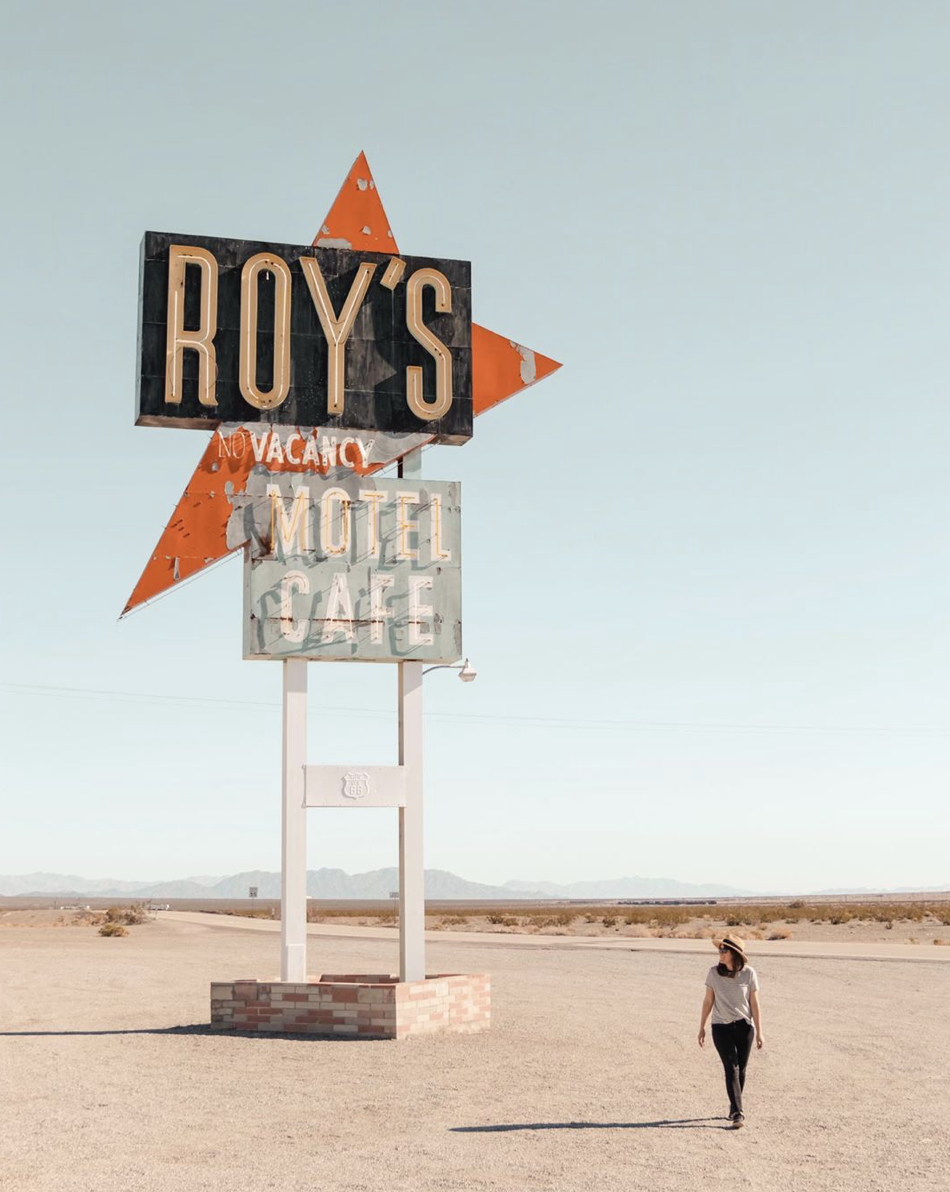
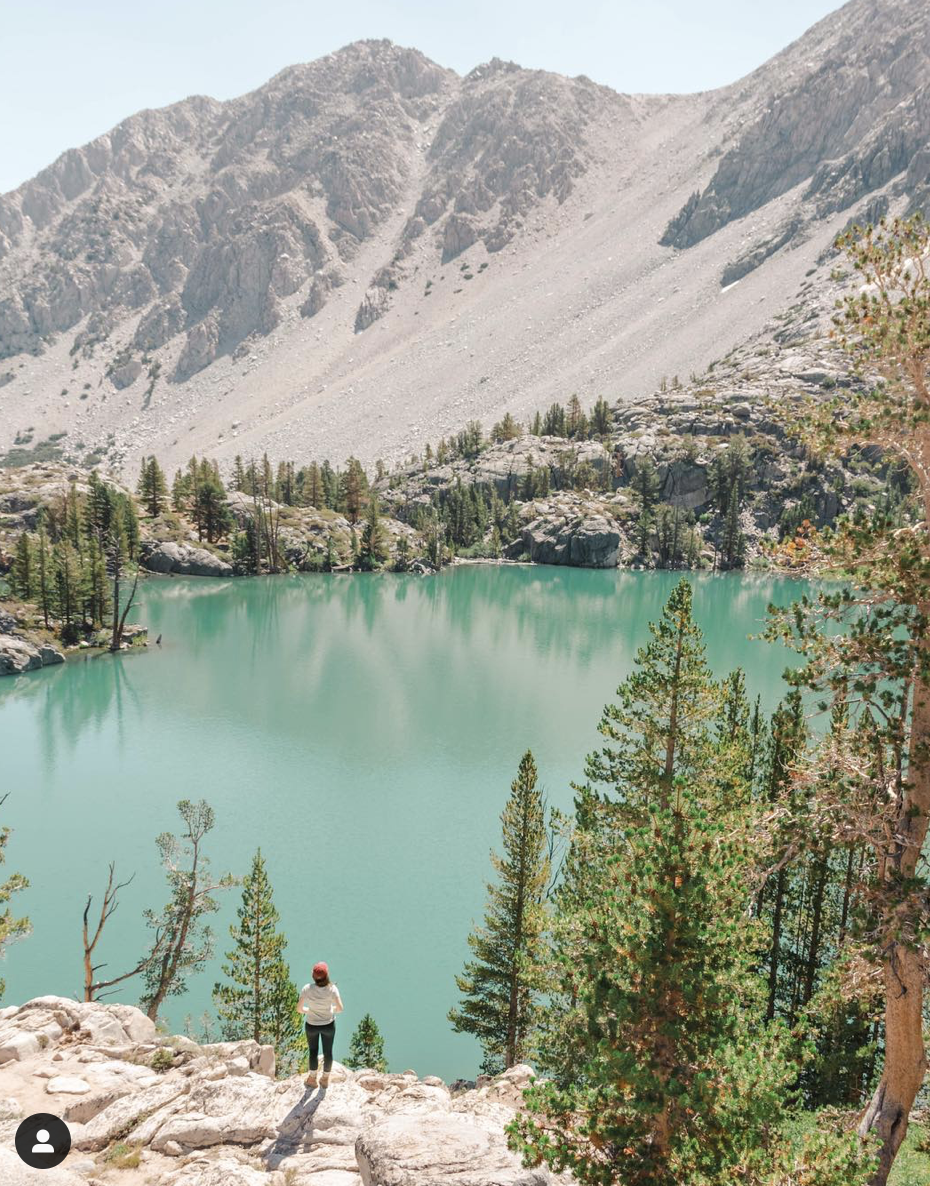
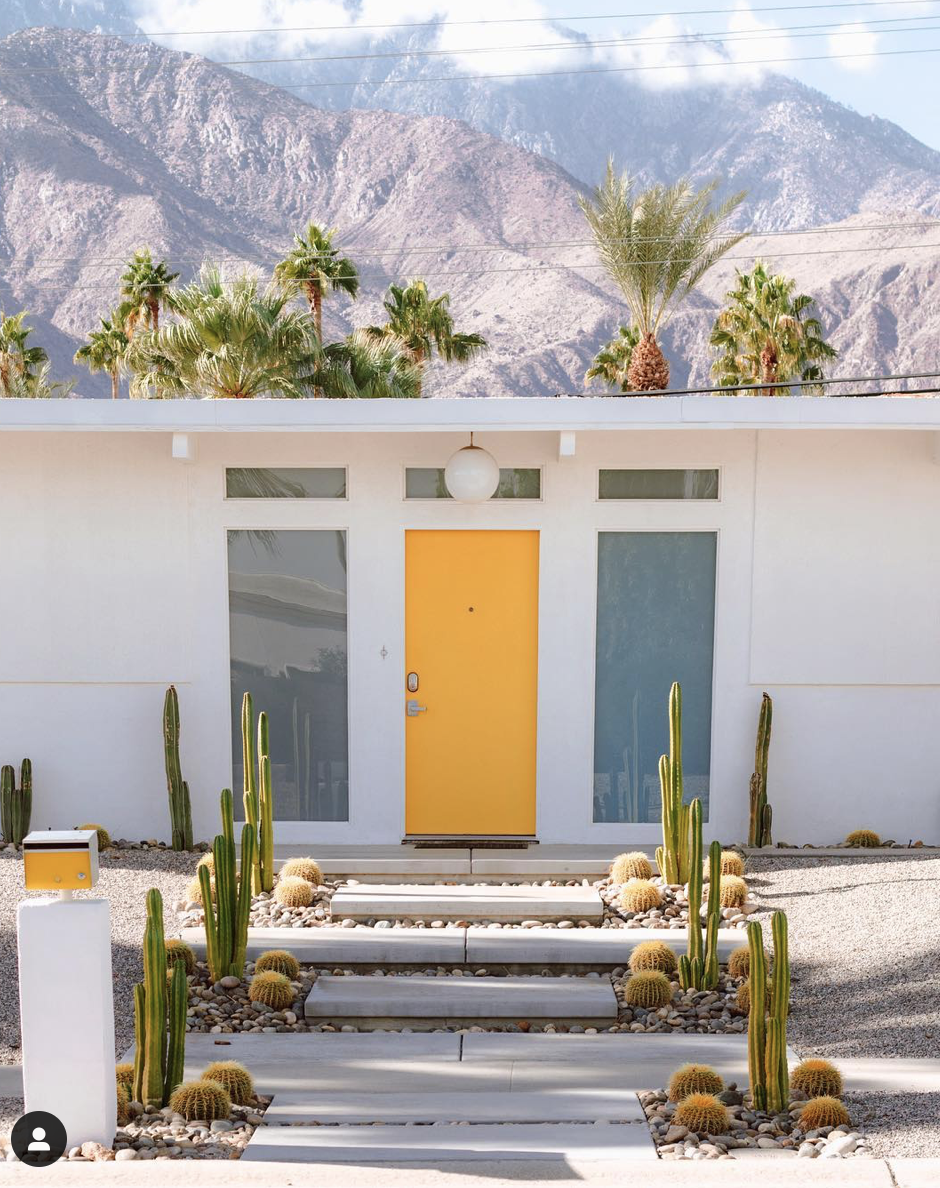
As Ally writes in her bio, she’s “probably waiting in line for tacos.” And her feed is an homage to all things retro and summery. From photographing old road signs and haciendas, to Mexican food, midcentury homes, and hiking trails, her feed makes me want to travel to somewhere warm (ideally with tacos).

  • Morocco, Egypt, and Beyond, from the Lens of Emilie: @emilielula

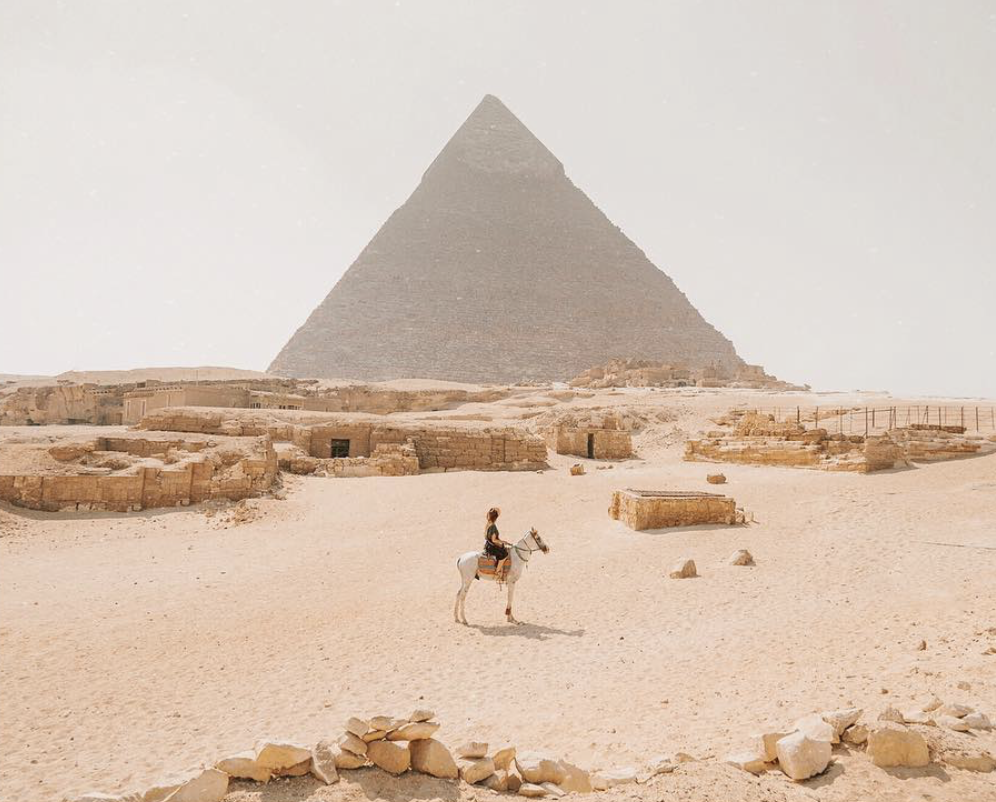
Emilie’s captions are short and mysterious, and her photos are equally sparse. But they don’t need explanation. Her photos often include camels, books, and lots of sand. And the mysteriousness of her feed only makes me more excited to someday explore far flung regions of the globe.

  • Italy and Beyond, from the Lens of Creative Director and Photographer Simone Bramante: @brahmino

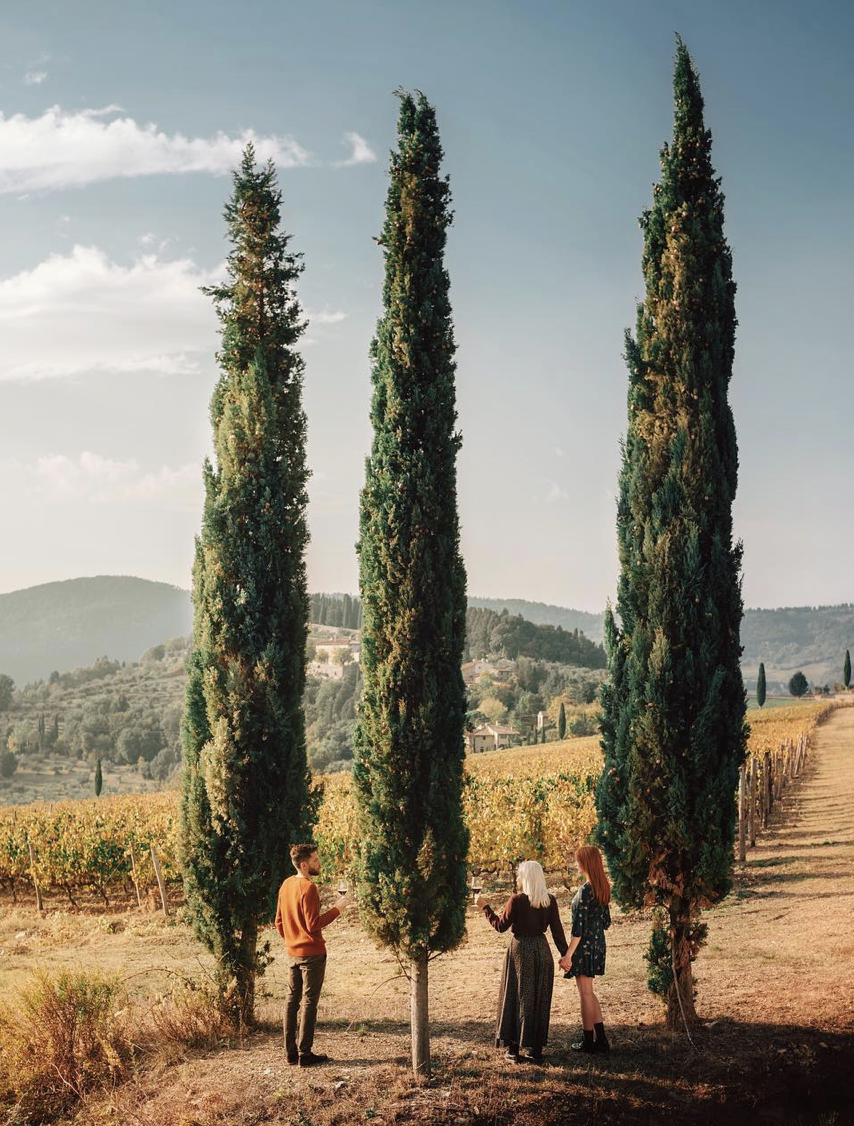
Simone is a prolific photographer, with well over one thousand images in his feed. And it’s clear from studying his brightly-colored photographs that each image is a finalized project and story. As Simone writes in his bio, he’s all about aesthetics, story, and message. And during these uncertain times, he’s focusing upon his own surroundings in Italy. Rather than engage in mass tourism, Simone “invite[s] everyone to get to know their territory, their valleys, preferably by helping the economy of small businesses, because they often know how to stay in balance with their own environment.” And while his photos feature regions from all over the globe, he has increasingly begun to depict the Italian countryside.

Click here, for thumbnail image source. The image was taken by @brahmino and features Sardegna, Capo Comino.

Your Travel Guide to the Canadian Rockies

It can be difficult to taste the great outdoors while living in Chicago. We have skyscrapers for mountains, aggressive squirrels for wildlife, and vast puddles left from shoddy drainage masquerading as lakes (apart, of course, from Lake Michigan). Over the summer, I escaped to the Canadian Rockies, the amicable equivalent of Yellowstone from our neighbors up north, and visited the legendary quartet of parks known as Banff, Jasper, Yoho, and Kootenay. Should you choose to escape Chicago and take a four hour flight to Calgary, here are some tips, tricks, and views that will make your time worthwhile.


1. For hiking, the best time to visit is June through August. I made the mistake of going in mid-September and was ruthlessly buried by clouds, rain, and 55 degree weather that turned below freezing after a two-hour summit. For summer travelers, make sure to bring warm and versatile clothing, as temperatures fluctuate vastly depending on altitude. For skiing, anytime in the peak of winter should suffice. For living arrangements, be sure to book as early as possible. Popular campgrounds and cabins are snapped up quickly.

2. National Parks aren’t really known for fine dining, so you may want to stack up on your favorite variant of CLIF Bars. However, really good food can be found in the town of Banff. Try the Grizzly House, which specializes in cheese, meat, and chocolate fondues. I played it relatively safe and ordered beef, bison, boar, and venison fondue, but for those with a more exotic taste pallets, grizzly, rattlesnake, and alligator are also available.

Canoe on Lake Moraine (1 of 1).jpg

A blue kayak on Lake Moraine

3. Take advantage of the proximity of all four parks, and spend a couple days in each if you have the time. Be creative in your mobility. Rent a kayak if you can. There are locations and views that are only accessible if you’re willing to kayak a couple hours for them. Sometimes, the most difficult of journeys result in the most rewarding of sights.

The Canadian Variant

All images courtesy of Justin Pan.

How to Satisfy Your Sweet Tooth in LA

Usually I'm not the one to crave sweets or searching frantically for ice cream, but I think I can safely say that LA has changed me. Basking in the California sunlight always leaves me wanting unprecedented amounts of sugar, so I've come here to share some of my most frequented places.

Image Via

Image Via

1. Honeymee

If you aren't for saving the bees, you should be now. As a long-time non-fan of honey, I wasn't expecting much when I stepped into my first Honeymee. I ordered the classic "Sweetie"–some soft-serve ice cream with honey glazed over it, and then my life changed as much as it did when I first discovered waterproof mascara. I would say this is the perfect dessert for people who want something cold and sweet, but not overwhelmingly sweet. You could also spice things up by choosing one of Honeymee's many flavor selections, including chocolate and green tea toppings.


Image Via

Image Via

2. Beard Papa's

If you enjoy cream puffs and the small things in life, you're definitely going to want to check out Beard Papa's. I've always been a bit of a skeptic about any dessert that looks like it will get messy, but my times here have always been worth it. I stick to the original vanilla cream puff, but there's also chocolate and matcha options, as well as a variety of mochi ice creams and refreshing drinks.


Image Via

Image Via

3. Salt & Straw

This is one of the most popular ice cream spots in LA, so of course I had to pay it a visit. As with most places I've been to in LA, I was pleasantly surprised. The thing that sets Salt & Straw apart from its competitors is its flavor selection, ranging from what we normally see (vanilla, chocolate, cookie dough, etc) to some really out-there flavors like black olive brittle, goat cheese and honey lavender.


Image Via

Image Via

4. Creamistry

Because ice cream and its regular frozen product is boring, Creamistry decided to up the ice cream experience by bringing in liquid nitrogen. The largely monochromatic ice cream parlors are lined with mixing machines where you can create your own ice cream recipe and relive your first encounter with dry ice. I'd say the ice cream is a little denser than what I normally get, but it's still great.

Image Via

Image Via

5. Diddy Riese

If you love cookies, you're going to love Diddy Riese. While it has multiple specialties from sundaes, ice cream sandwiches and brownies, there's nothing I more aggressively crave than the white chocolate chip cookies. They're the perfect amount of sweet and gooey. I recently found out that Diddy Riese ships across the US. If life wasn't good before, it is now.

Image Via

Image Via

6. The Dolly Llama

The Dolly Llama takes everything that's good about self-serve froyo shops and waffle cones and takes it to another level. I think the best item you can get here is definitely the bubble waffle cone, which comes with a scoop of ice cream, two toppings and a sauce, all in a warm waffle cone. The ice cream flavors are also incredible (I recommend coffee or Cookie Monster).

Feature Image via Salt and Straw.

I Went to Holland for the Weekend!

If you're not from the Midwest, I'm referring to Holland, Michigan, which is only a 2.5 hour drive from Chicago and home to lots of Dutch culture and lots of tulips. I rented a Zipcar, picked it up in the Ratner parking garage, grabbed some friends, and made myself a day in Holland!

Windmill Island Gardens via.

Windmill Island Gardens via.

Despite the temperamental Spring we have in this region, Holland does everything it can to make sure the tulips are primed for showtime. Rumor has it they have workers keeping the tulips warm with hairdryers (!!!) when it's especially cold.

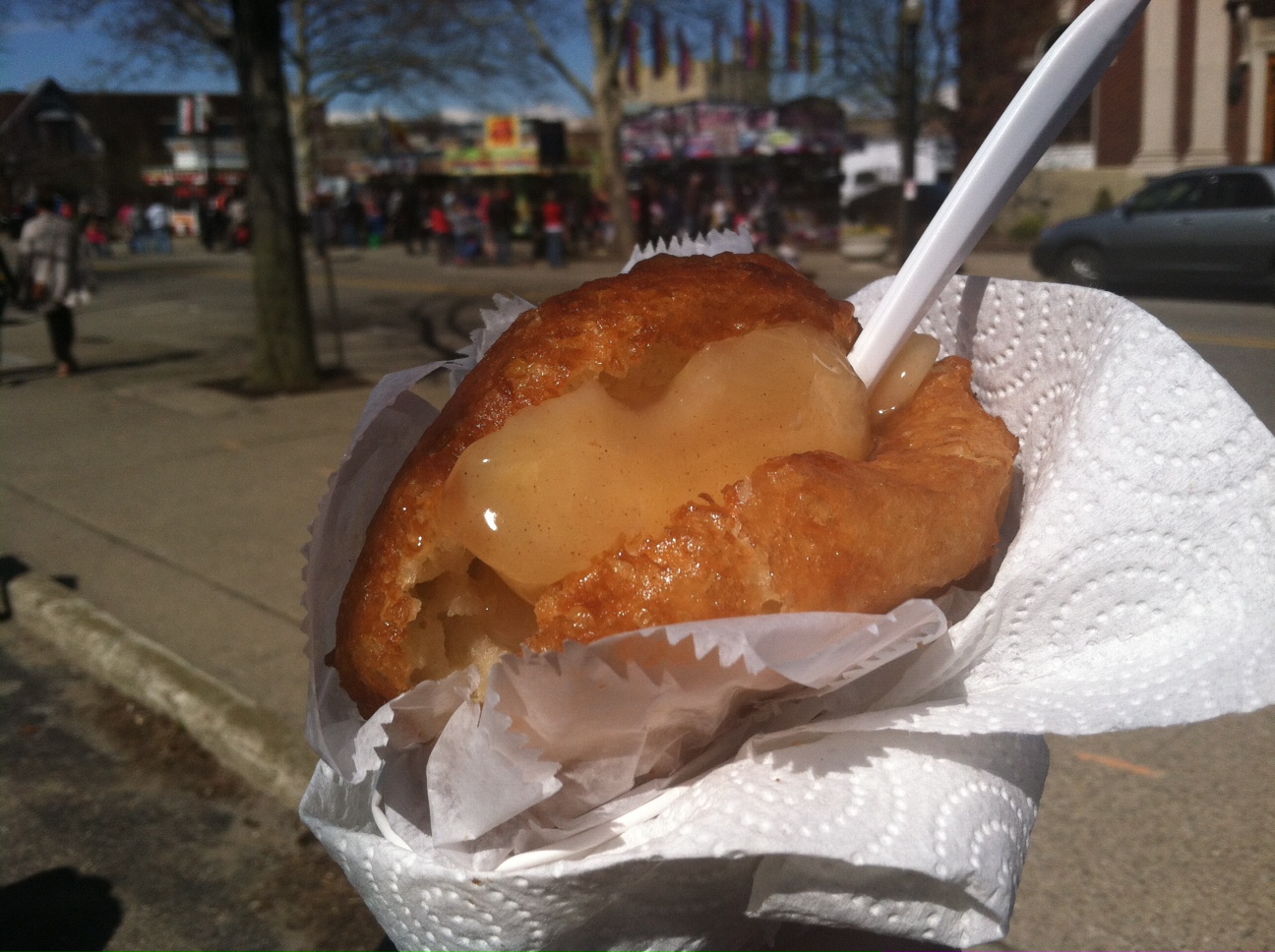
I visited the Tulip Time fair/festival (which is rated as the best small town fair in the U.S.), where I bought some locally-made jewelry, looked at a variety of tulips, and ate a traditional Dutch fatball! A fatball is fried dough filled with basically anything sweet, though ours was filled with stewed apple and vanilla custard.

Apple Dutch fat ball via.

Apple Dutch fat ball via.

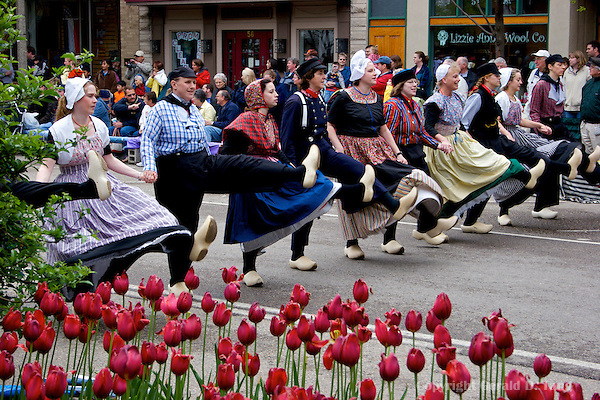
Afterwards, we went to the Windmill Island Gardens to look at more flowers and meet many Dutch leather-crafters and clog makers. I talked to a kind woman dressed in traditional Dutch clothing and clogs. Turns out, when she's not living and working on the farm, she's a nurse who attended Loyola University nearby!

It was refreshing to get away from campus for the day and at very little cost. Aside from food (which you can pack yourself) and car rental, the only thing we paid for on the trip was entry to the Windmill Gardens ($10 and well worth it).

Do yourself a favor next Spring and see what else the fly-over states have to offer!

Community members dancing the Klompen in the city center via.

Community members dancing the Klompen in the city center via.

Feature image via.

MODA's Declassified Study Abroad Survival Guide

Thinking of traveling soon or studying abroad next year? Keep reading for some tips and tricks on how to make the most of your time and money abroad, while still making some incredible memories along the way! 

image via

image via

✅  Master public transport early on

You can save yourself a lot of money by buying monthly or longer term passes for the metro, tram or bus. Most European cities have entirely integrated transportation systems, so take the time to invest in an actual card or pass that grants you access to all manners of public transport. It can never hurt to carry an actual transport map around with you either (most transport stations will have free, compact ones lying around), and Google Maps can be a serious lifesaver if you're trying to get from point A to point B in an unfamiliar environment. And don't forget to do your research beforehand–a handful of countries don't have ride-shares like Uber or Lyft and public transport may not run 24/7.

Regardless of where you are, but especially on public transport, beware of pickpockets in crowded places. Stash important documents, cards, money and belongings in multiple places so that in the event you are pick-pocketed, you don't lose everything in one go! 


✅  Check for student deals on ticket prices and transport ahead of time

image via

image via

For certain museums and attractions, students can actually visit for free on certain days or for a reduced fare, so always carry your student ID with you! You can also cop cheaper tickets from certain transportation companies depending on your age, so always take the time to filter through all the age/occupation options when booking tickets for your next flight or train ride. 

For booking the cheapest transport tickets, be sure to check out sites like skyscanner, which can find you tickets to "everywhere" if you're ever at a loss on deciding your next travel destination. The feature will generate a list of the cheapest cities you can fly to and makes for easy travel planning. It can actually be cheaper sometimes to fly to certain cities and take local transport to neighboring cities and villages rather than booking a direct flight. And never forget to read the fine print! For certain companies like Eurostar, for example, you are expected to show up for security check-ins and border control at least thirty minutes prior to your departure time.


✅  Share Airbnb codes with friends

Oftentimes, splitting the price of an Airbnb amongst five friends is cheaper than booking a bed in a hostel–you can also skip the anxiety of sleeping in a room with nine other strangers. Be sure to consult a map so you don't rent a place that's actually in the middle of nowhere, and save money off your next rental by sharing discount codes with friends who are new to the service.


✅  Pack lightly

image via

image via

For impromptu weekend excursions and day trips, I would definitely recommend sacrificing style for comfort and mobility by cramming only the essentials into a small backpack or duffle. Even a carryon suitcase can become a hassle when you're frequently on-the-go. If you're only going to be visiting a city for a couple of days, you really only need to bring the essentials. If you don't have to check bags, then by all means don't! I've heard plenty of nightmare stories about luggage being stolen from buses, planes and the like. For more packing tips, check out our article here for all of our recommendations!


✅  Don't be afraid to cook for yourself

Dining out all the time will get tiring and expensive pretty early on in your travels. Familiarize yourself with all the local grocery stores and stock up on quick and easy breakfasts and fool proof dinner staples. You'll save a ton of spending money for lunches and weekend culinary adventures in the process and cooking dinner with friends can become a fun break from homework (which you will still have even during study abroad).  


image via

image via

✅  Befriend locals for the best insights

Strike up conversations with your local barista, doorman or bus driver for the best shopping and dining recommendations. Locals really do know best and I've gotten some of the best tips from friendly people who have lived in the city for years and had the time to curate their list of favorite coffeeshops, bars and neighborhood sights in the process. Some of my most memorable meals and nights out have occurred at hole-in-the-wall joints and speakeasies tucked behind the most unassuming facades.


Feature image via

The Best Boutique Shopping in Le Marais

Studying abroad in Paris this quarter or next? Planning on visiting the city over Spring Break? No trip is complete to the world capital of fashion without wandering through Le Marais, where boutiques, high end designer stores and vintage shops offer a comprehensive sartorial crash course in French fashion. In the mean time, also be sure to check out our other guides to Paris nightlife, food, desserts and all around fun.

👜 Maison Labiche 👜

image via

image via

Paris based label Maison Labiche specializes in adorable printed and striped tees embroidered with cheeky tag lines ("lolita," "mr. cool," "chérie," etc.) and adorable motifs of bananas, cherries or cacti. From sailor stripe quarter sleeves to slouchy tees and custom embroidered Converse, Maison Labiche offers mens, womens and children's fashions, although many of their items are unisex.  


👜 Nice Things by Paloma S. 👜

image via

image via

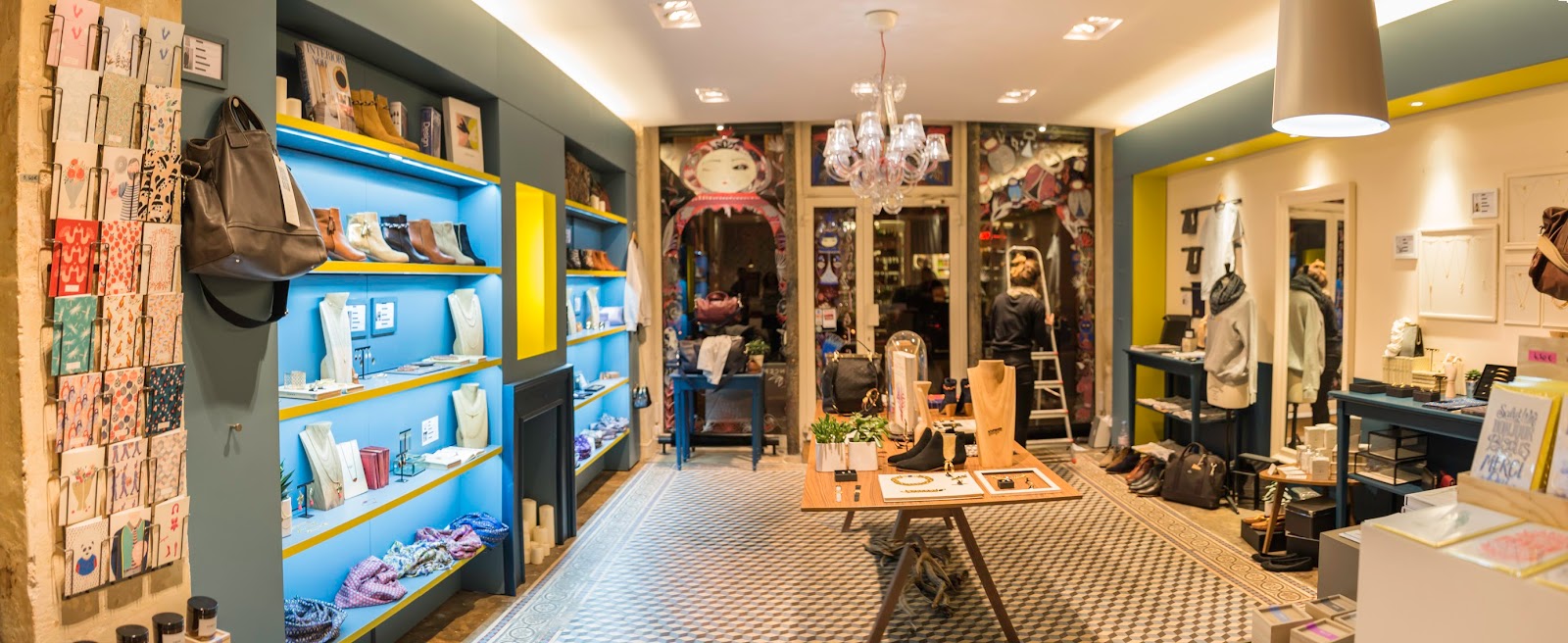
Nice Things is an adorable boutique that offers shoppers breezy sundresses, linen frocks, delicate sweaters and fun, bohemian jewelry. The brand definitely has a coastal, beach-friendly vibe (it was founded in Barcelona, after all) and you're bound to find something you love as you comb through the store's colorful racks. They also feature a ton of comfy and versatile footwear options as well as fun accessories such as straw beach bags, pom pom adorned necklaces and leather handbags that come in every color from peachy pink to sky blue and canary yellow.


👜 Gang of Earlybirds 👜

This amazing  boutique is tucked away in the outskirts of Le Marais and easy to miss! Stop in for sleek swimwear, delicate statement jewelry, home decor, fine leather goods and an array of bohemian meets minimalist chic clothing. 

image via

image via

👜  Sept Cinq 👜

Sept Cinq is the perfect spot for picking up cute, one-of-a-kind gifts for friends and family as well as a few souvenirs for yourself. This cozy boutique has a wonderful range of moderately priced jewelry as well as stationery, accessories and Paris themed knick-knacks. The store also shares a space with a café, so if you ever tire of shopping a quick shot of espresso and delicious homemade cakes are just a few steps away!

image via

image via

 👜  Daphne Dasque 👜

image via

image via

Dasque's dynamic jewelry boutique is tucked behind an unassuming black facade in the midst of Le Marais. From delicate, stackable rings to chunky statement pieces, Dasque's handcrafted and unique work ranges from easily affordable to more on the pricier side. Whether you're on the hunt for a pair of day-to-day earrings, a hoop for your new cartilage or septum piercing or a ring you plan on investing in for the long term, Dasque's work will never leave you disappointed! 


Feature image via

Oh, The Places You'll Go: Shakespeare and Company

There are plenty of reasons a MODA reader might visit Paris, from food to fashion to amazing art and architecture to the Instagram opportunities and nightlife. Allow me, however, to leave all this aside for a moment and point you to my favorite place in the city of light: just across from the Notre Dame on the Left Bank is the bookstore of any literary nerd (or aesthete's!) dreams. Welcome to Shakespeare and Company.

Image via Source the Station.

Image via Source the Station.

Shakespeare and Company is actually the second bookstore of its kind in Paris. The original bookstore, founded by the bookseller Sylvia Beach in 1919, was a haunt of some of the greatest literary names of all time, from Gertrude Stein to Earnest Hemingway to T.S. Eliot. Today's Shakespeare and Company, founded in 1951 by George Whitman, has also seen its fair share of literary giants (James Baldwin or William Styron, anyone?).

Image via Poetry Foundation.

Image via Poetry Foundation.

The bookstore has a history of incubating writers by quasi-employing them as "tumbleweeds"—people who must help in the store for part of the day, contribute a one-page autobiography, and read a book every day. The "tumbleweeds" embody an important tenet of Shakespeare and Company, summed up in a Yeats quote modified from the Bible: "be not inhospitable to strangers lest they be angels in disguise." It's an axiom that's deeply relevant to George Whitman's life and work—and also exemplifies Shakespeare and Company as a haven for rational discourse, civility, and intellectualism in a time like ours.

If you go, be on the lookout for the resident bookstore cat (name unknown) and the Sylvia Beach Memorial Library. Check out the photos and articles papering the walls, the vegetarian cafe next store, and—of course—the store's impressive selection of books from the Lost Generation and Beat Generations. 


Thumbnail image via Unpacking the Bookstore.

Study Abroad Files: Paris

Paris, je t'aime! It's easy falling for a city as beautiful and engaging as Paris. From flapper-era speakeasies that still lure local crowds to top-notch boutique shopping, world-class museums, pastries that dissolve in your mouth and fresh made gelato around every corner, it's hard to go hungry or get bored in this city. Keep reading for our favorite spots in Paris for dining, drinking, dancing and more! 

Dining

Da Vito; image via

Da Vito; image via

The Marais is home to everything you could ever want, from boutique shopping to chic bars, galleries and hole-in-the-wall falafel shops. Lizard Lounge is a really fun bar with good music, tasty sandwiches and a ton of fun drinks. Order "Lizard Juice" (spiked fruit punch) for the table if you come with friends! For mouthwatering Neapolitan style pizza, swing by Da Vito a couple blocks away (then head through the back of the shop for the Moonshiner speakeasy). If you ever tire of bread and cheese, Au Petit Thai has some of the best Thai food in the city and is tucked away on an adorable street corner. Nearby is local favorite Le Loir dans La Théière, which offers a range of delicious, house-made quiches and pies, and a menu that changes daily. 

Berthillon; image via

Berthillon; image via

While Paris is known for its pastries, crepes and bread, the city boasts a handful of incredible small-batch gelato shops. Personal favorites include PozzettoAmorino (a chain you can find almost anywhere) or Berthillon (the best gelato I've ever tasted). If you're craving bubble tea, the O Bubble "bubble tea bar" has tons of delicious flavors, located right in the heart of Montmartre (and definitely gives Joy Yee a run for its money).

The open-air Marché des Enfants Rouges is a fun trip if you're in the mood for super fresh food. The food and flower market sells everything from fruits and vegetables, to cured meats, fine wines and aged cheeses. There are also a handful of restaurants scattered throughout the market, whether you're in the mood for falafel and pita, fresh made pasta or seafood. 

Falafel at Marché des Enfants Rouges; image via

Falafel at Marché des Enfants Rouges; image via

For a great boulanger chain you can find throughout most of the city, stop inside an Eric Kayser for afternoon tea or coffee with any one of their delicious pastries, tarts or tiny cakes. For the complete Parisian experience, munch on macarons at the beautifully ornate Ladurée on the Champs-Elysees. Chocolate connoisseurs should also pay a visit to one of Patrick Roger's chocolate boutiques. Roger, "a chocolate sculptor", currently holds the title of Meilleur ouvrier de France, an award that distinguishes him as the best chocolatier in the country.

Sightseeing

Musee L'Orangerie; image via

Musee L'Orangerie; image via

Montmartre is fairly touristy but definitely worth the trip. From outdoor markets, some of the best street art in Paris, and the Salvador Dalí museum, to the beautiful Sacre Cœur, Moulin Rouge and Wall of Love, the neighborhood offers breathtaking views of the city, leafy parks and quintessential Parisian bistros pulled straight from the scenes of Amélie. 

Grab a bottle of wine, some speakers and head over to Pont Neuf with friends to picnic and people-watch along the Seine. Nearby are the 1st, 2nd, 3rd and 4th arrondissements, home to must-see attractions like the Louvre, Jardin des Tuileries, Musée de l'Orangerie, the Notre Dame Cathedral, Musée D'Orsay, Place des Vosges, Centre Pompidou as well as countless cafés and boutique shopping. For lesser known museums that still house some of the best collections of art, design and fashion in the world, check out Fondation Louis Vuitton located just outside Paris, Musée Galliera for fashion and Musée Rodin, a beautiful mansion and sculpture garden. Check museum websites in advance for days when tickets are discounted or free!

Fondation Louis Vuitton; image via

Fondation Louis Vuitton; image via

The Jardin du Luxembourg is incredibly lovely and full of locals on any given day. Bring a book to read under the shade and you'll feel straight out of a French Impressionist painting. Nearby are the popular Catacombs of Paris. Booking tickets in advance is more expensive, so come prepared to wait in line for over an hour to see this popular site! Arrive before 5pm for guaranteed entry.

The view from Pont Neuf; image via

The view from Pont Neuf; image via

For an escape from city life, the Père Lachaise cemetery is the largest (and arguably the most beautiful) cemetery in Paris and houses several famous historical figures like Oscar Wilde, Gertrude Stein, Frédéric Chopin and Marcel Proust, among others. The Promenade Plantée is essentially Paris' answer to the popular High Line in New York City. The elevated park offers picturesque views of the city and is full of beautiful flowers and greenery. A short walk away is the colorful and oft-photographed rue Crémieux, a side street home to adorable townhouses painted in shades of lavender, sky blue and hot pink.

Shopping

The Marais; image via

The Marais; image via

For the best shopping in Paris you have to go to the Marais. From better known chains like COS or Zara, to local boutiques, vintage stores and exclusively Parisian brands, you're bound to happen upon something you like.

The 1st and 2nd arrondissements are populated by high fashion, couture and expensive shopping. Colette is a must-see for fashion lovers with its bespoke couture, jewelry and artwork for sale. On the ground floor it also offers some more affordable options, like art books, tech accessories and postcards you pick up on your way out. Rue Cambon, home to the Chanel flagship store, is also fun to ogle over. For beautiful rooftop views of Paris, head over to the Printemps Haussmann department store and venture up to the 9th floor. 

Shakespeare and Co. bookstore; image via

Shakespeare and Co. bookstore; image via

The beloved Shakespeare and Company bookstore along the Left Bank is a must-see for book lovers or anyone who loves history. Founded by George Whitman in 1951, the quaint shop is seeped in nostalgia and still serves as an important literary institution for readers and writers. For antique shopping, vintage clothing, jewelry and miscellanea, spend a few hours exploring the Marché aux Puces on the outskirts of the city.

Nightlife

Moonshiners; image via

Moonshiners; image via

If you're looking for nightclubs or discotheques, Le Duplex offers multiple floors with different music, from latin, to hiphop, R&B and top 40 hits. Located along the Seine, Wanderlust hosts an outdoor terrace in addition to several dance floors to choose from. Cafe Oz (go to the Denfert Rochereau location) is also a popular bar and gathering place among international crowds that transforms into a dance club and concert venue at night. 

For a more laid-back vibe, Moonshiner is a popular speakeasy with incredible cocktails. The venue is tight, so head out with a small group and get ready to mingle and meet locals at the bar or in the smoke room. For great dancing and music, Le Comptoir Général has an undeniably cool atmosphere and lets you lounge on sofas as you sip on fun (albeit overpriced) drinks. For an endless list of drink options that feature everything from lychee to blueberry and apple champagne, Le Crocodile is perfect for several rounds of drinks. The best part? They slip a crocodile shaped gummy into every drink for you to enjoy afterwards. 

For live music venues, the intimate, speakeasy style Chez Papa Jazz Club is world renowned, but food and drinks are (understandably) pricey. Little Red Door is also known as one of the best cocktail bars in the world and definitely worth treating yourself to!

Le Comptoir Générale; image via

Le Comptoir Générale; image via

Feature image via

Feeds to Follow: @maryljean

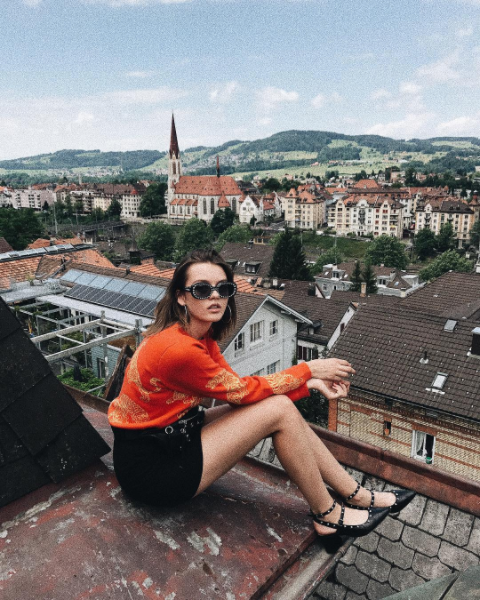
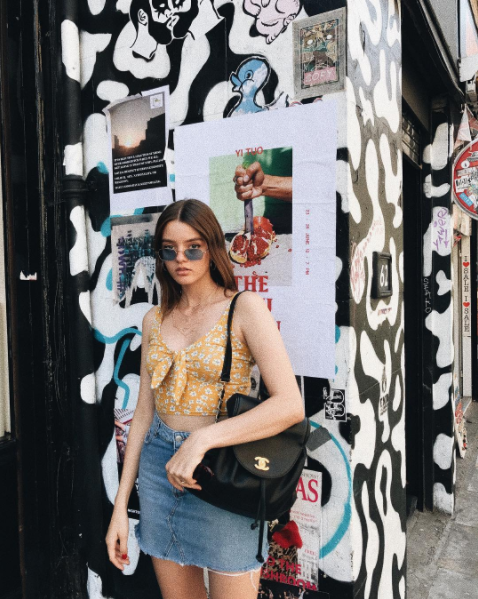
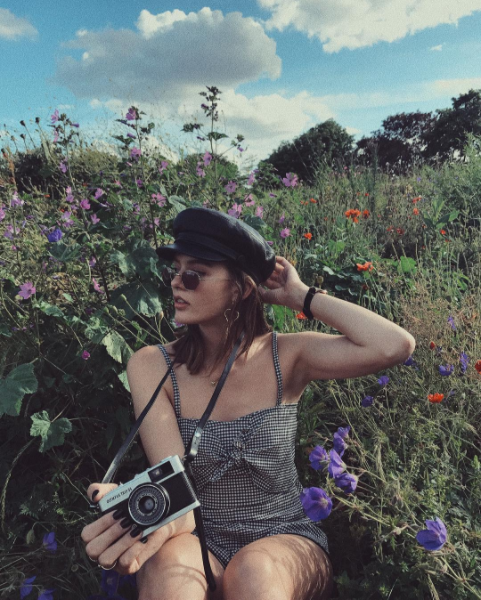
Ever dreamt of spending your days wandering through leafy neighborhoods in Europe, documenting your travels and enviable sense of style through grainy film edits? Well, Mary L Jean (@maryljean on Instagram) is living that dream. 

The young fashion, travel and lifestyle blogger has a growing follower base (100k and counting) and documents her adventures both on Instagram as well as on her blog Laces & Places. Mary (who's still in high school!) is a native to Switzerland, but her travels frequently take her all over Europe and beyond. A quick scroll through her most recent posts racks up location tags in London and Tuscany, to name a few. Check out the gallery below for a few of our favorite photos and don't forget to follow Mary on Instagram. 

Feature image and all other images via @maryljean.

Cooking With Emilia: Bol, no Spag

It's long been a dream of mine to be known for my cooking skills. Realistically, I know my grasp of cooking is only slightly above average, but I'm really determined to be known for at least one thing, whether it be my off-beat sense of humour or my semi-famous ragu recipe. I'm an overachiever, so I'm aiming for both in this video.

If you've ever wanted to make a ragu that can — in my own words — wow a crowd, listen up. This recipe is spicy, flavourful, and can hold its own, whether it's paired with pasta or eaten by itself. I present to you, my "Bol, no Spag."


Bol, No Spag. Time — 1.5-2 hrs. Difficulty — Beginner.

Ingredients:

  • 1lb ground pork (80% lean, 20% fat)
  • 4oz pancetta
  • 16fl.oz crushed, unsalted plum tomatoes with basil
  • 2 leeks, trimmed and washed
  • 1 shallot
  • 3 medium cloves of garlic
  • 1 pack fresh shiitake mushrooms
  • 2/3 cup each of diced carrot, celery, and onion
  • Olive oil
  • Ghee, or butter
  • Salt and pepper, oregano, rosemary, thyme, and crushed red pepper flakes
  • 3 medium bay leaves
  • 1 cup red wine (or a few tablespoons of balsamic vinegar)
  • Concentrated tomato paste
  • One serving of chicken bouillon

Method:

  1. Add a dash of olive oil and a touch of ghee to a stockpot. Add minced garlic, leeks, and shallots to sizzling oil.
  2. Once the garlic, leeks, and shallots are fairly translucent, add the pancetta.
  3. Julienne the shiitake mushrooms. When the pancetta is crispy, add the mushrooms to the stock pot.
  4. When the mushrooms are tender, add your mirepoix — the diced onion, celery, and carrot.
  5. Combine the tomato paste, bouillon, herbs, salt, and pepper with a dash of olive oil. Pour into the vegetable mix. Once fully incorporated, add half of the red wine and wait for the alcohol to evaporate.
  6. Add the ground pork.
  7. Re-season. Add the remaining half of the wine, making sure that the alcohol has evaporated.
  8. Add the crushed tomatoes and bay leaves. Leave to simmer for at least one hour.
  9. Remove bay leaves. Taste, adjust seasoning, and serve either on its own, or over al dente spaghetti.

Remember — this recipe is just a guideline. Always remember to taste your ragu at every step of the way (except after adding the ground pork — you should wait until it's fully cooked before tasting). If you're feeling really fancy, grate some parmesan and sprinkle fresh basil on top. For extra points, chiffonade the basil. It's easier than it looks: roll the fresh leaves into a tube, then cut into small ribbons.

Image via.

Image via.

Happy cooking!

- Emilia

Study Abroad Files: Kraków

This summer I was incredibly lucky to have been in Kraków for six weeks studying Polish as a foreign language at Jagiellonian University. The University, which was founded over 650 years ago, is the oldest in Poland, so it's only fitting that it's located in Kraków—Poland's oldest major city.

Founded around the 7th Century, Kraków is unique in that the majority of its original city still stands. During WWII, the Nazis did not bomb Kraków as extensively as other Polish metropolises, so almost all the old buildings you see today are genuine, as opposed to cities like Warsaw which were completely destroyed and subsequently rebuilt in their former image.

Despite Kraków's Stone-Age origins, it's a youthful and exciting city to live and study in. I loved almost everything about my stay there, from good friends to good food. So, if you haven't already thought about visiting Poland you should now, and you should start with the beautiful Kraków!

Stare Miasto

Outline of Kraków's "Stare Miasto," or Old City

Outline of Kraków's "Stare Miasto," or Old City

Stare Miasto—the Old Town—is the heart of Kraków. To the south of the Miasto lies Wawel castle. The fortress which overlooks the Wisła river from atop a hill was the political hub of Poland's former capital for over 800 years, but is now a renowned museum. To the north stands the Barbican and the Floriańska Gate: the last remnants of Kraków's ancient city walls. Outlining Stare Miasto's distinctive "lightbulb" shape is the Planty — a flower-filled park that grows where the city walls and turrets once stood. And right in the middle is the gem of the Miasto — the Old Square.

The Old Square, or the Rynek in Polish, is centred around the Sukiennice, which once was a cloth trading hall. Today it is filled with souvenir stalls that most acknowledge are overpriced but, as a true tourist, I loved anyway. You can scale the old clock tower and glimpse views of the entire city, or sip coffee outside at one of the many cafes (including Starbucks, much to my basic, basic delight). Stick around to hear the trumpeter in St. Mary's Basilica: every hour on the hour the musician plays the same traditional tune, cut off abruptly as an homage to a trumpeter of yore who was struck down by an arrow mid-tune. In the summer you'll frequently see markets in the Rynek too, which are especially fun at night.

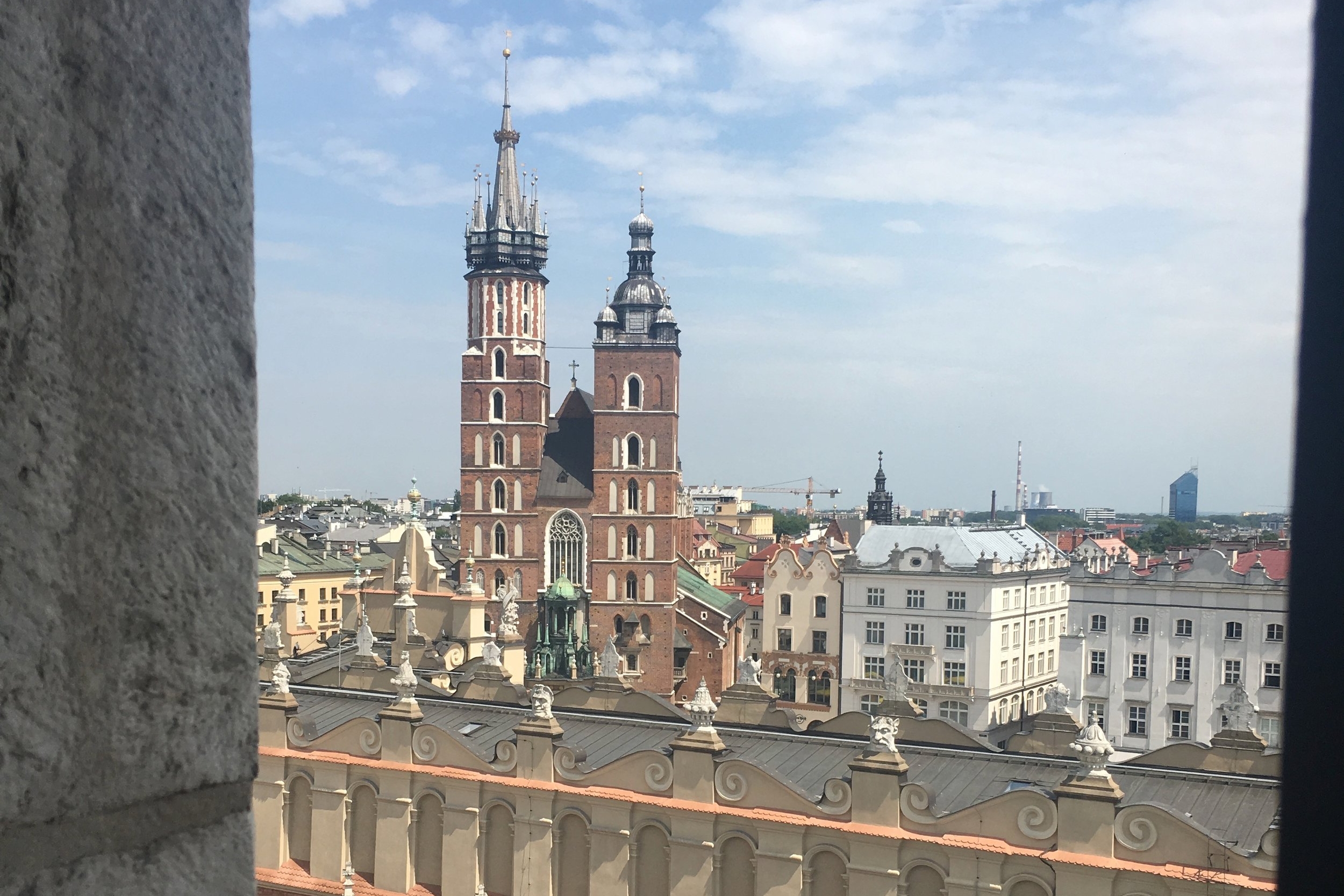
Clockwise from left: trying on traditional Polish flower crowns in the main market square; Wawel castle; view of St. Mary's Basillica from the Clock Tower; my friend Jen in front of the Sukiennice.


In the Miasto

Albertina Restaurant in relation to the Plac Wszystkich Świętych tram stop

Albertina Restaurant in relation to the Plac Wszystkich Świętych tram stop

Albertina Restaurant

The grilled lobster at Albertina

The grilled lobster at Albertina

I have fond memories of Albertina, as it's where I celebrated my 21st birthday this summer. Albertina is by all means a fine dining establishment. Not only is the food delicious, but the decor is beautiful and the service is impeccable. We were all pleasantly surprised to hear our waiter speak perfect English—a plus for a lot of my friends who had just started to learn Polish. My favourite dish of the night was the grilled lobster (pictured above), but other favourites included the foie gras and pork cheek. Top it off with a glass of champagne and some cake, and you're golden.

Albertina is expensive, but given the favourable currency conversion you end up paying about half the price of what you'd expect from a similar calibre restaurant in the States, which makes it a win for me. Also of note is that tip is not expected in Poland, and will often be included in your final bill. If not, 10-15% is considered the polite amount.


Collegium Maius

Nestled into the side-streets of the Miasto you'll find Collegium Maius. It was the Jagiellonian University's first building, and held its library, classrooms, dining hall, and professorial bedrooms. However, the history of the red-brick building doesn't start there: before the University's founding in the 14th Century, Collegium Maius was the central building in Kraków's old Jewish quarter. Upon Collegium Maius' acquisition, Kraków's Jewish population moved to nearby neighbourhood Kazimierz, which has remained the hub of Kraków's Jewish diaspora.

Directions to Collegium Maius from the Teatr Bagatela tram stop

Directions to Collegium Maius from the Teatr Bagatela tram stop

Nowadays no classes are taught in Collegium Maius as it's a full time museum, showcasing art and artefacts from the 14th Century onwards. Some of the most famous pieces include maps drawn by Jagiellonian University alumnus Nicholaus Copernicus, and an Oscar award donated by legendary Polish director Andrzej Waida. Like in the Rynek, you're going to want to stick around for the turn of the hour. At every odd hour, there is a magnificent display: a carousel of statuettes of the University's original benefactors circles the clock face.

Below is a video of Collegium Maius' main quadrangle:

Lokal, Teatro Cubano, and Pub Crawl

The walk from Teatro Cubano to Lokal. You can take the tram to the Teatr Bagatela stop — the same as to Collegium Maius. The pub crawl meets at the Adam Mickiewicz statue between the Sukiennice (centre) and Lokal.

The walk from Teatro Cubano to Lokal. You can take the tram to the Teatr Bagatela stop — the same as to Collegium Maius. The pub crawl meets at the Adam Mickiewicz statue between the Sukiennice (centre) and Lokal.

Kraków's cultural significance is all well and good, but let's go back to how I said this city has GREAT nightlife. The amazing thing about Kraków is that you so rarely need to leave the Miasto or even the Rynek to have an amazing time. In fact, two of my three favourite spots to go out are located right on the square. (And, if you want to know, the third one doesn't count because it was the seedy pub in our dorm. Yes, you read that right. There was a bar in our dorm.)

I went to Teatro Cubano my first weekend in Kraków and was not disappointed. What seems like a regular bar in the front becomes a massive multi-level dance floor in the back. The line can be long and the bar can be crowded, but dancing to Spanish and Latin music while trying to keep down a vodka shot that tastes like pure rubbing alcohol is a unique and actually extremely enjoyable experience.

I'm not kidding about the vodka shots by the way. Call me weak and a bad Slav if you may, but cheap, room temperature vodka never goes down well. If you're looking for a good vodka experience, you should check out the subtly named Wódka Cafe-Bar, also in the Miasto on Mikołajska Street. You can get a 6 flavour degustation tray for around 30zł (~$9) depending on which flavours you order.

Another fun experience if you're a tourist (and miss people who speak your native language) is to do a bar crawl. There are a lot of different ones but they all have the same premise: pay 50zł (~$15) for a power hour of free drinks; from there, make your way through four more bars and — if you can — wind up at Lokal at the end of the night. It's no easy feat, but it's definitely possible. The power hour really catches up to you.

*lokal.JPG

Lokal is hot. There's always a huge line and as the night goes on the cover charge keeps rising (though for the record, the highest I've heard it reach is 40zł for guys, which is only about $10). There's great music and a better atmosphere — inside has cave-like stone walls and moody purple lighting, as well as multiple bars throughout the small chamber rooms. There are a lot of those chamber rooms which theoretically should be easy to navigate, but are super confusing a few drinks in. It's all part of the experience though. Just roll with it.

The best way to end your night (if you're still going on after Lokal) is to grab a kebab and some shisha. Our regular place was Faroan. It's a chain, and you'll see a few around the Miasto, but we liked the location on Grodzka Street best. If you go, say "hi" to Mohammed for me. You won't miss him—he works the bar.


Outside the Miasto

Good Lood

While you're in Kraków you can't skip the neighbourhood of Kazimierz. The old Jewish quarter has small and chic restaurants and bars that are always guaranteed to delight. For me though, my favourite place to go is Good Lood, aka the best ice cream I've ever had. There's not much I need to say about it—I mean, ice cream basically sells itself. And unlike what many (including myself) expect, Kraków gets really hot over the summer. There's nothing better than enjoying a cool, fresh ice cream in the shade. Single scoop is good. Double scoop is better. Triple scoop is a bit too ambitious—I've yet to meet someone to finish it. The flavours change depending on fruit availability and season, but my recommendations are dark chocolate and Polish strawberry. Sit by the fountain across the road in Plac Wolnica—Freedom Square—and enjoy a few moments of peace.

Directions to Good Lood from the Plac Wolnica tram stop

Directions to Good Lood from the Plac Wolnica tram stop

Left: a double scoop of Polish strawberry sorbet and dark chocolate ice cream at Good Lood. Right: my friends enjoying their triple and single scoops.

Zalew Zakrzówek

Directions to Zalew Zkrzówek from the Norymberska tram stop.

Directions to Zalew Zkrzówek from the Norymberska tram stop.

Want the Mediterranean experience on a budget? Well, Kraków may actually be able to provide something akin to that, at least for the 'gram. Zalew Zkrzówek is a flooded limestone quarry across the river from the Miasto, just a quick tram ride away. For a 5zł (~$1.50) entry fee you get unlimited access to this amazing lake. There are a few distinct pool areas cordoned off near the shore, but if you're feeling adventurous you should scale some of the shorter cliffs and jump off.

It's really beautiful. 

You can see in the pictures that a lot of people actually bring pool floaties and just hang out on the water. What's amazing about Zalew Zkrzówek is that it's mostly populated by locals, in part because it's a bit of a liability to promote cliff jumping to tourists. You need to be really safe and know what you can handle, and always go with friends. It's a big lake and it's pretty deep, so recklessness is not something you'd want to risk.

But don't let that deter you. I saved Zalew Zkrzówek for last because it was my favourite place in Kraków. The lake is so calm and the atmosphere around you is full of joy and excitement. You can tell everyone there is having fun, and honestly isn't that the point of a European getaway? When I'm next in Kraków over the summer, you can bet that's the first place I'm returning to.


I have so much more I want to say about Kraków, yet I can't quite put it into words. Even then, I've written so much that the sentiment may get lost.

For me, my time in Kraków was more than a special experience, but rather a way for me to connect to my roots on my own terms. It's undeniable that I carry a lot of sentiment towards my time there. I hope you visit, even if you have no connection to Poland whatsoever. These were just a few of the magic moments and places I experienced. Plus, the exchange rate is really, really good. Like so, so good.

Not to end with something of far less emotional significance, but it's true. Poland is great AND it's cheap. Good food, good drinks, and most importantly, Good Lood. Kraków really does have it all.

-soccer.jpg

Feature image via; all other images courtesy of Emilia McLennan and Jennifer Bajorek

Study Abroad Files: Thessaloniki

Thessaloniki is a mid-sized Greek city with plenty of history and coast to easily explore in a weekend. The city is laid-back, moving at a slower pace of life than in some other European cities, and filled with native Greeks and European students on holiday. 

Dining

Kitchen Bar

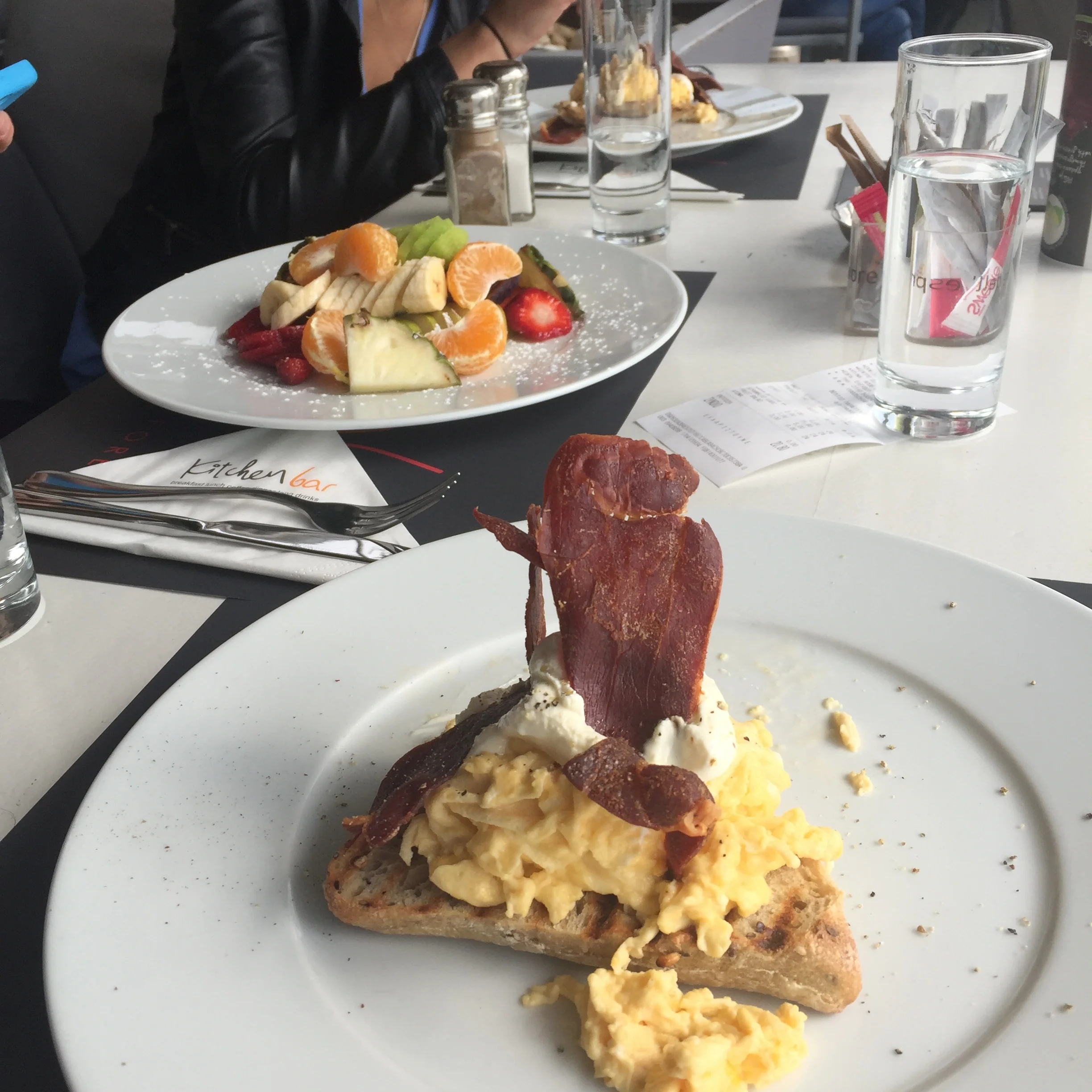
Kitchen Bar has plenty of food choices–from typical brunch staples (pancakes, waffles, eggs) to classic Greek dinner dishes. The restaurant occupies a renovated warehouse, and is situated on the dock overlooking the water for a perfect view of the Meditteranean.

Ouzou Melathron

This restaurant had possibly the most delicious meal of the whole trip, and was incredibly fresh and flavorful. Nestled in an cozy alley, the restaurant is authentic and delicious (especially the meatballs–I still think about how good they were!). 

Blé 

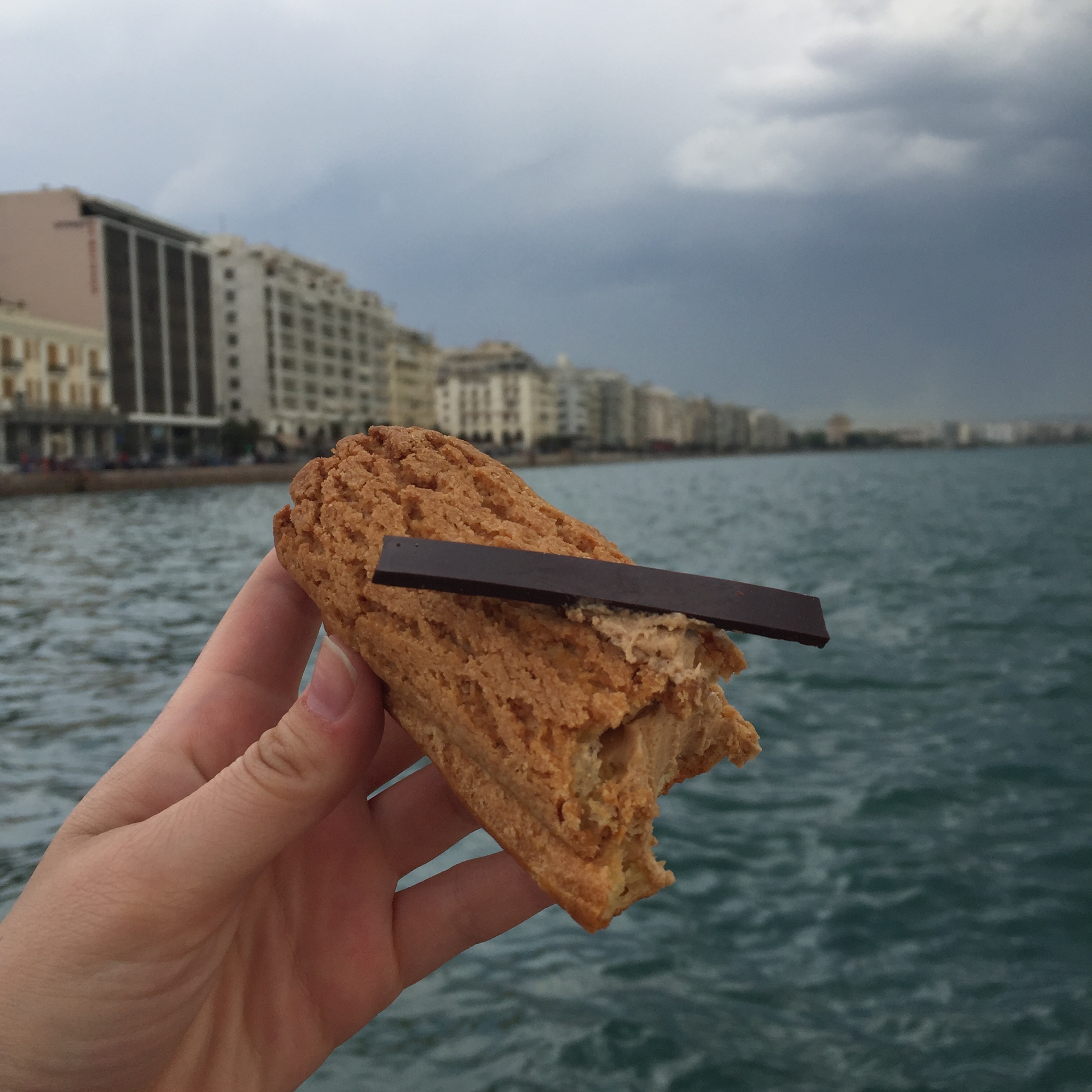
Though the name sounds like an utterance of disgust, Blé was a delicious bakery and confectionary that looked almost as good as it tasted. The inside of the store reminded me of a tech shop, all glass, polished metal, and stone displaying the food (and especially the Easter delicacies). I was partial to the eclair–though they had gelato, cakes, and small chocolates available as well. 

Savvikos

If you need a quick gyro fix, this inexpensive option is the way to go. Filling portions, unique sauces, and served "Greek style" with fries in the middle, Savvikos turns this classic street food eat into a hearty meal. 

Frutti di Mare

For fresh seafood and pasta, along with traditional Greek recipes, look no further. This restaurant takes advantage of Thessaloniki's proximity to the Mediterranean, offering an excellent selection of local fish and shellfish. 

Tip: for Frutti di Mare and other restaurants in Thessaloniki, make sure to check on the menu which fish or shellfish are fresh and which are frozen. Most restaurants will note if they use frozen fish–so avoid ordering frozen at restaurants when you can get fresh elsewhere!

Sightseeing

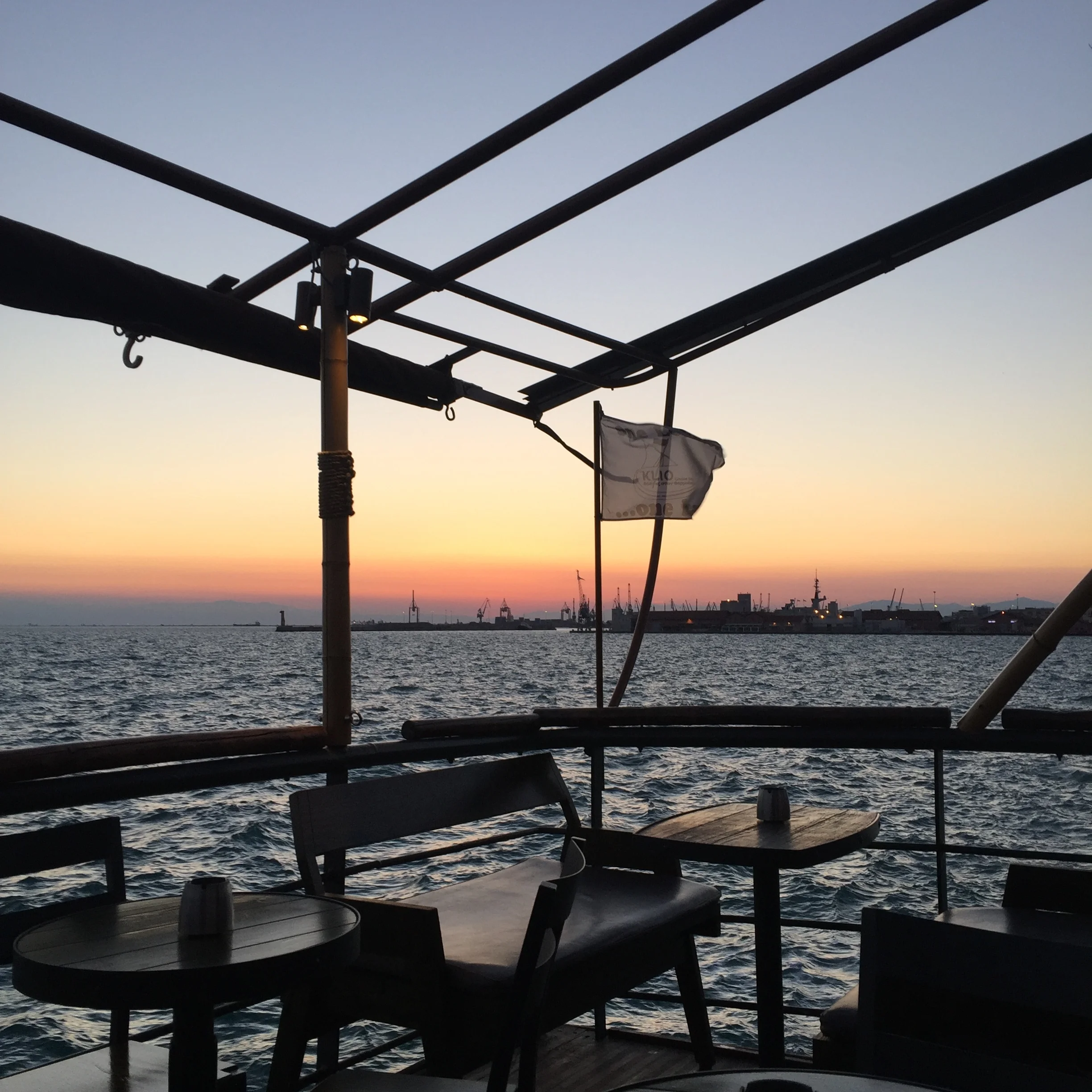
Simply walking around Thessaloniki, you'll stumble on historic buildings and old monuments in various states of ruin. Make sure to walk down along the water, from the ferry building past the White Tower and public art, especially as the sun is setting. If the sky is clear, you'll be able to see all the way to Mount Olympus and the peaks of the snow-capped mountains if the season is right. If you fall into one tourist trap in the city, make sure it's the ferry boats in front of the White Tower. These ferries will take you on a 30 minute tour of the Thessaloniki bay, with the purchase of one drink on board (ranging from 4-12€). Completely worth it, especially if you time it just right at sunset! 

Nightlife 

For a taste of the European club scene, check out any of the clubs and bars along Valaoritou, especially at Siggrou. Fragile Bar, Monkey, and Plan B are fun and all within a block of one another! If you'd rather have a few drinks along the water, stop at any of the waterfront bars for a drink. If it's nice, you'll be able to sit outside and enjoy your drink. 

Shopping 

Unfortunately, Thessaloniki won't have a wide selection of stores for shopping if you're looking for anything other than Pull & Bear, Zara, and H&M. For souvenirs, however, make sure to stop by From Thessaloniki. You won't find any generic tourist-y trinkets, but rather cute designs on postcards to send home and local designers and wares to accommodate any budget.

Feature image via; all other images courtesy of the author

Feeds to Follow: @carolinedeisler

Looking for some post-summer inspiration? Look no further! Caroline Deisler (@carolinedeisler), with her signature recurring watermelon Instagram post motif, makes it clear that the key to her health and energy is her passion for eating whole fresh fruits, vegetables, and starches in abundance.

Her plant-based diet is simple, and her approach to food is one that is centered around body-confidence and self-love. One of her favorite craving-crushing desserts is dried Medjool dates, which are jam-packed with naturally occurring sugars and a plethora of vitamins and fiber. I have personally tried it out, and it really does work!

12.2k Likes, 259 Comments - CAROLINE DEISLER | VEGAN 🍉💦🌴 (@carolinedeisler) on Instagram: "H A P P Y G I R L ☀️🌴 @the.slow _____________________________________ Check out my Insta Story to..."

5,383 Likes, 76 Comments - CAROLINE DEISLER | VEGAN 🍉💦🌴 (@carolinedeisler) on Instagram: "C O Z Y M O N D A Y S 💭🌴@saboskirt THE MOST FREQUENTLY ASKED QUESTIONS ARE NOW ON MY BLOG!👀 👉🏼..."

Her loose-fitting tops flow with a dynamism that perfectly captures her constant motion and carefree spirit. She travels from Bali to Miami and beyond on a fairly frequent basis for professional photoshoots, filling her feed with wanderlust-worthy pictures.

Her neutral-toned tops, accessories, and other items of clothing complement each other well and give her outfit a smooth overall aesthetic that no over-embellished look can beat.

2,527 Likes, 51 Comments - CAROLINE DEISLER | VEGAN 🍉💦🌴 (@carolinedeisler) on Instagram: "W E E K E N D V I B E S 💦💭"

12.5k Likes, 185 Comments - CAROLINE DEISLER | VEGAN 🍉💦🌴 (@carolinedeisler) on Instagram: "C O Z Y A F T E R N O O N S💭🌴Almost time for my next Trip✈️😍What are your Easter plans?"

Following her 7 Day Vegan Challenge will most certainly be a refreshing experience, though the foods she bases her diet around may initially seem unusual to non-vegans. From personally experimenting with the foods Caroline eats, I have already seen improvements in my athletic performance and energy levels. Do give it a try if you would like to see your dessert cravings disappear and your focus levels stay high throughout the day!

17.5k Likes, 486 Comments - CAROLINE DEISLER | VEGAN 🍉💦🌴 (@carolinedeisler) on Instagram: "Gym Time💥👊🏼"

8,818 Likes, 125 Comments - CAROLINE DEISLER | VEGAN 🍉💦🌴 (@carolinedeisler) on Instagram: "M I A M I D A Y S 🌸💦🌴 Ps: My favourite Miami Spots are now on the Blog! Head over to..."

Here is a model who focuses not on food-restriction but rather self-love, eating to satisfaction, and a well-rounded active lifestyle. Her Instagram stories routinely feature her starting the day with a kickboxing session or ab sets, always best when done in the midst of natural landscapes.

5,314 Likes, 84 Comments - CAROLINE DEISLER | VEGAN 🍉💦🌴 (@carolinedeisler) on Instagram: "T H A T S U M M E R G L O W 🍉☀️🌴"

Her look is never ostentatious but rather simple, minimal, clean and immensely endearing. Though most of her photoshoots occur at tropical locales, we can nevertheless draw inspiration from her positivity and energy, as well as her eagerness to spread her vegan eating journey with the world. Do check out her blog here to find out more!

Feature image via; all other images via.

Source: https://www.instagram.com/p/BSyo-jXl5x-/?t...

Summer 2017 Guide to NYC

Finishing up an internship in the city or simply stopping by for a weekend? After a summer well-spent in the city that never sleeps, our bloggers have rounded up some of their favorite places to frequent. Keep reading for some of our go-to brunch spots, favorite museums and galleries, and the best places to get all of your vintage shopping done! 

Olivia

images via here, herehere and here

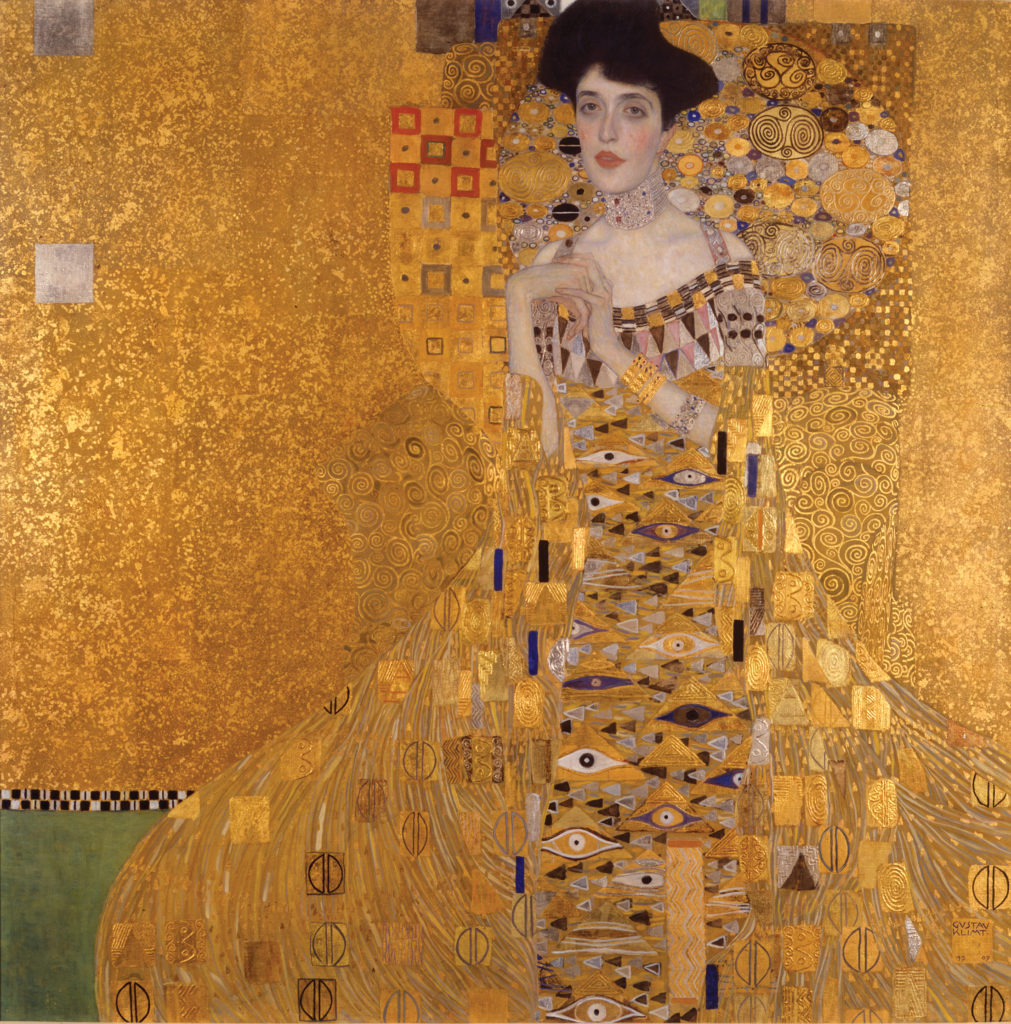
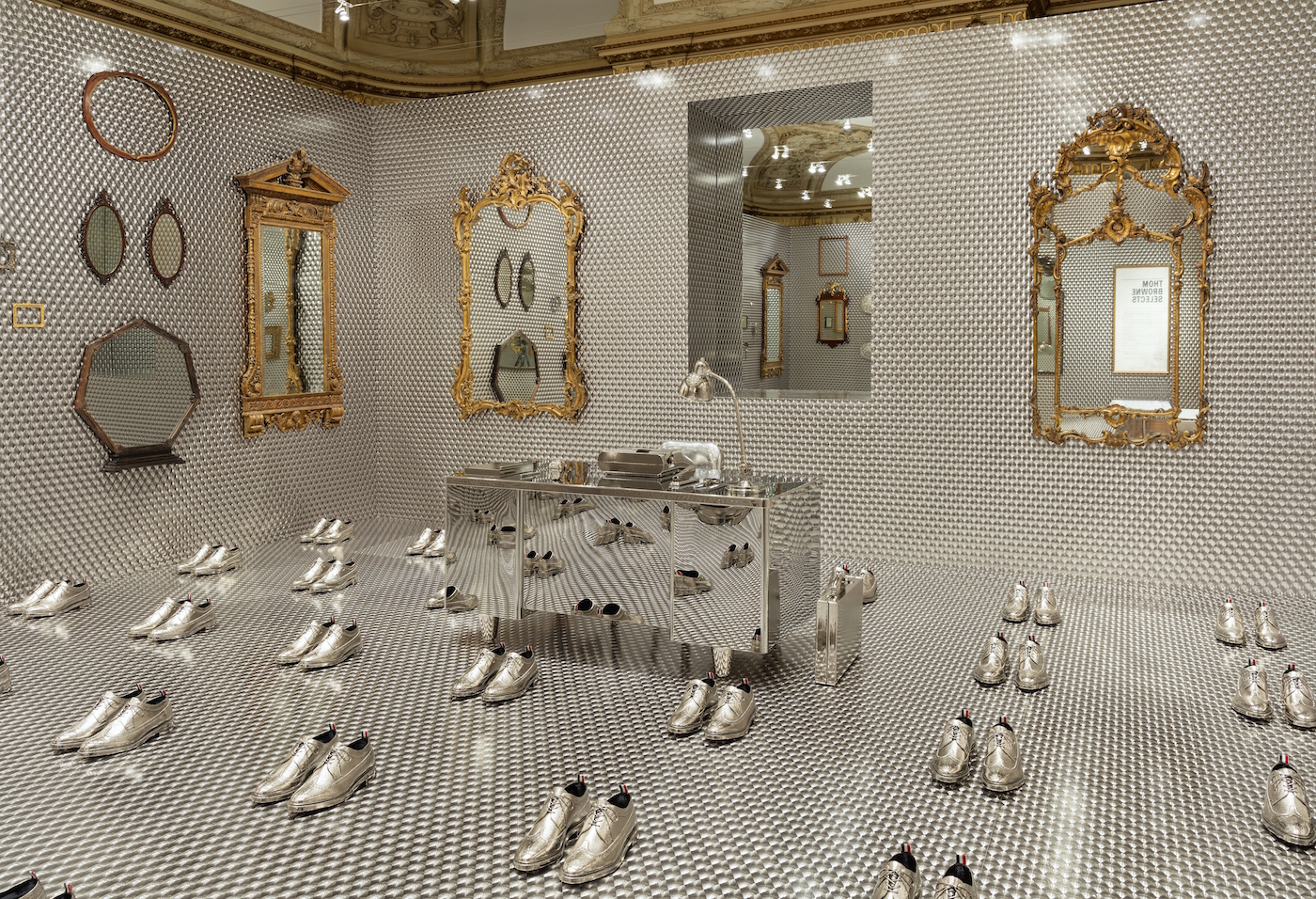
1. Neue Galerie: This is probably my favorite museum in New York. The Neue Galerie houses Gustav Klimt masterpieces (such as the famous portrait of Adele Bloch-Bauer, featured above), beautiful art deco furniture and design pieces from the Vienna Secession period and revolving exhibitions that cover everything from Post WWII contemporary painting to famous works by German artists. The museum also houses the lovely Café Sabarsky on the ground floor, which is perfect for brunch, a decadent dinner or just desserts! 

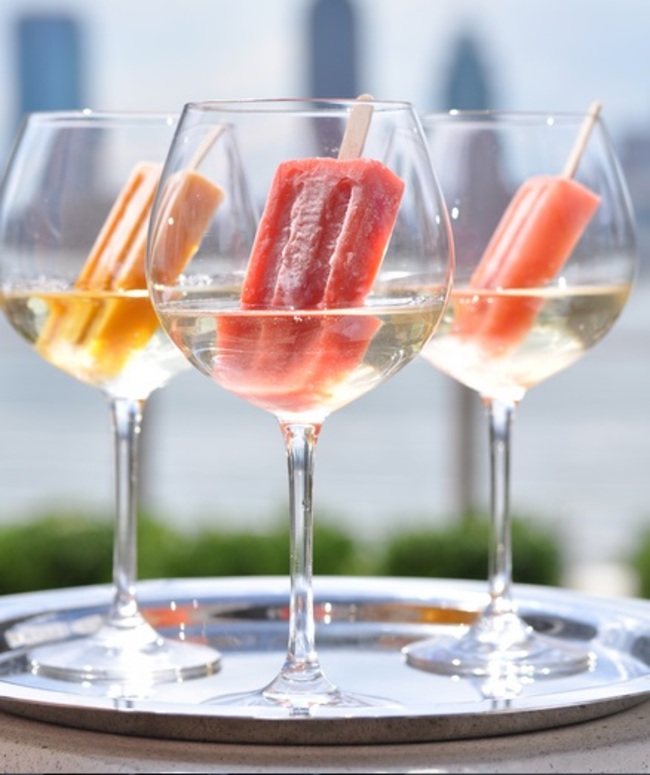
2. Loopy Doopy Rooftop Bar: What's better than munching on a People's Pop as you stroll down the High Line on a hot summer day? Dunking that popsicle in a glass of Prosecco and enjoying it on the roof of the Conrad Hotel at Loopy Doopy! For sweeping views of the city, head over to Loopy Doopy at sunset and choose from Blueberry Peach, Strawberry Lemongrass or Empire Apple for a delicious end to your day. 

3. Cooper Hewitt Design Museum: A trip to NYC isn't complete without making your rounds to all the best museums the city has to offer. Cooper Hewitt curates the best in architecture and design and often incorporates a lot of interactive components into their exhibits. It's located on Museum Mile and within easy walking distance of other gallery and museum must-sees like the Guggenheim, the Met and the Neue Galerie. 

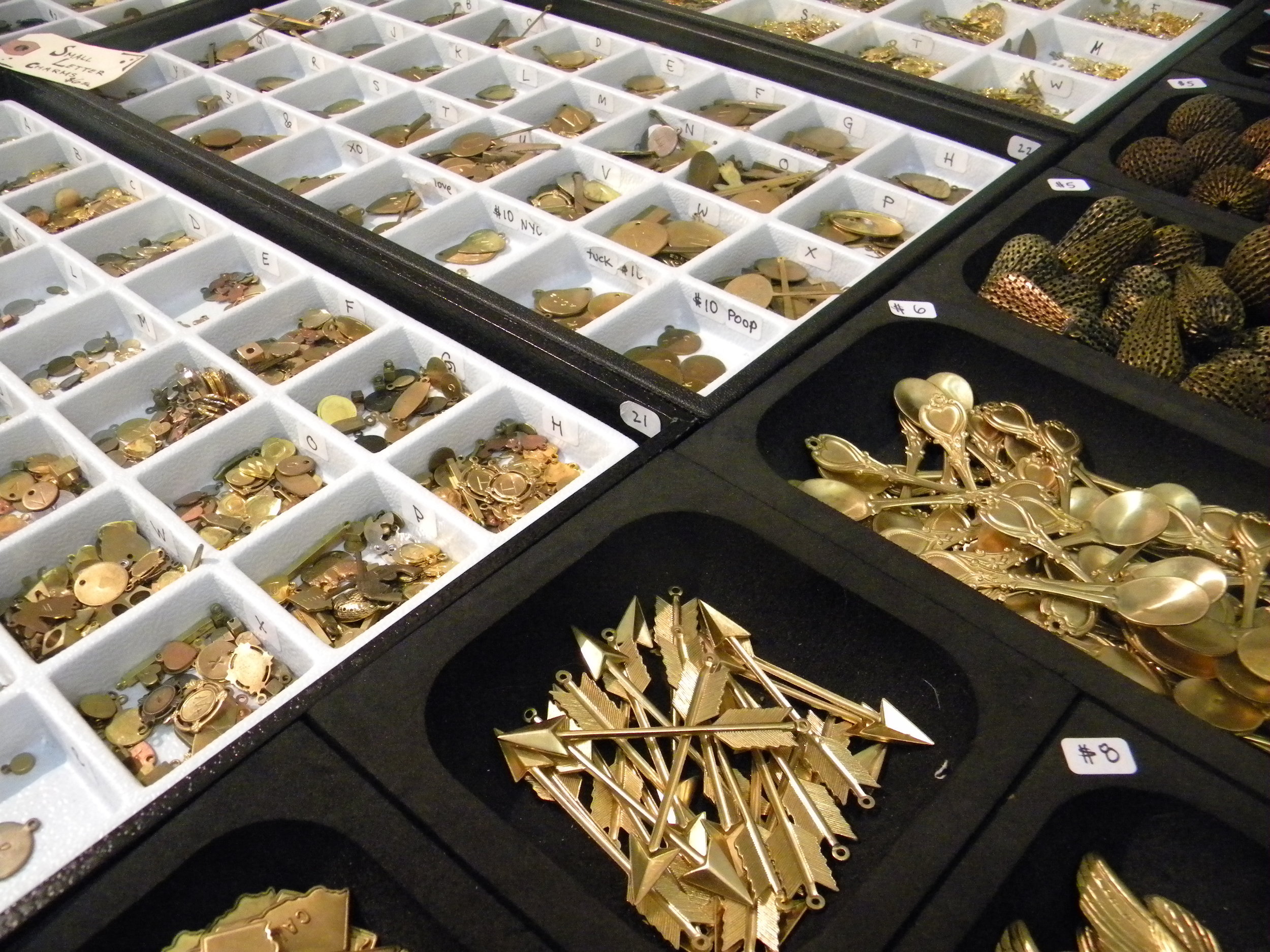
4. Brooklyn Charm: As if you need any other reason to spend a day exploring Williamsburg, Brooklyn Charm is the perfect pitstop for DIY jewelry. If you've been on the hunt forever for a certain style of earring, ring or charm necklace, stop by this adorable shop and design it yourself! You can pick and choose the style and sizing of your piece from an endless array of charms and trinkets, and the Brooklyn Charm team will assemble it all for you on site! For other jewelry needs, definitely check out VERAMEAT and Norbu Bijoux.

Laden

images via here, here and here

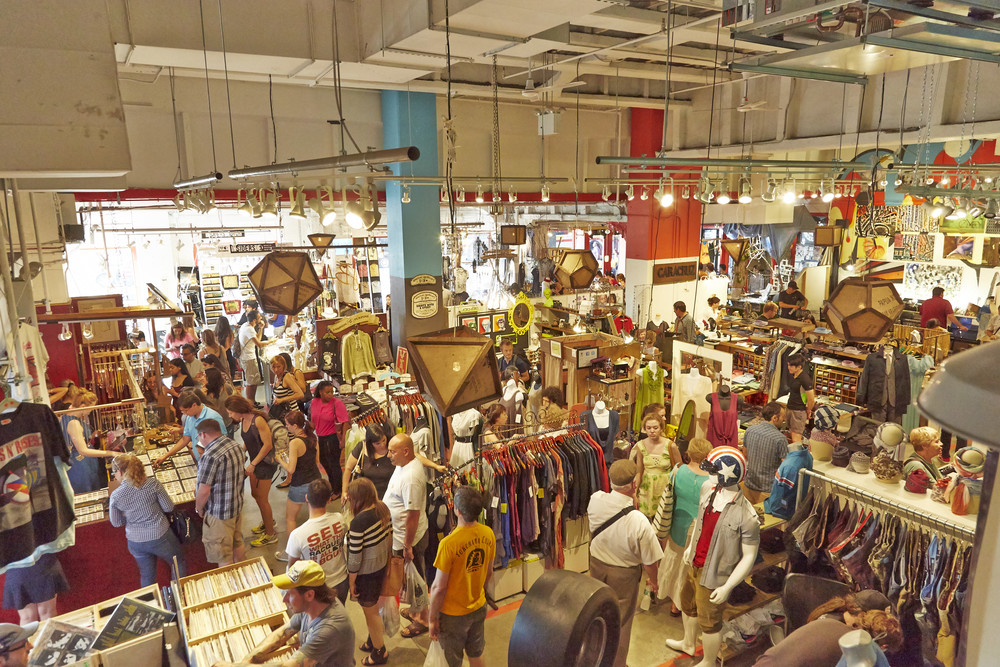
1. Artists & Fleas: Manhattan is the perfect place to experience the city that never sleeps, but I love getting away from the hustle once in a while to boost my energy! As the up-and-coming part of the city, Brooklyn is the perfect escape while offering you an equally entertaining experience. Make sure you stop by Williamsburg and feel the cozy and eclectic vibe of the neighborhood. Even though there are lots of unique, local shops around every corner, Artists&Fleas is a heaven for thrift lovers. The massive indoor market showcases hip, handmade arts & crafts items, antiques, and vintage clothing sold directly by the sellers, allowing you to connect with the artists themselves. 

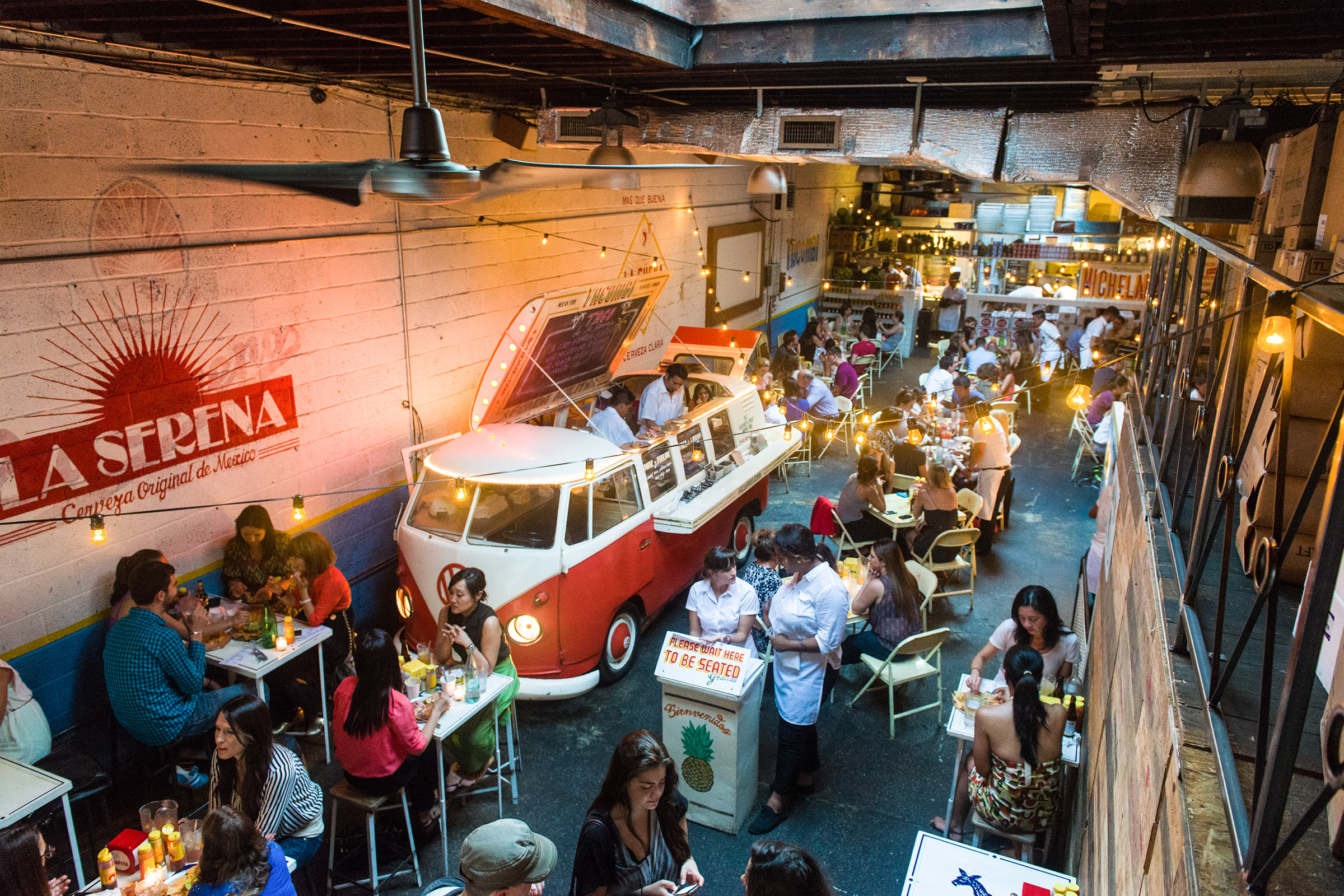
2. Tacombi Fonda Nolita: I can eat tacos anytime/anywhere! If you really crave true, authentic Mexican style tacos, you should definitely check out Tacombi. Even though they have multiple restaurants scattered in the city, the Nolita location has the best setting. It doesn't get any better than ordering your tasty tacos from a retro Volkswagen parked inside a garage while enjoying delicious cocktails.

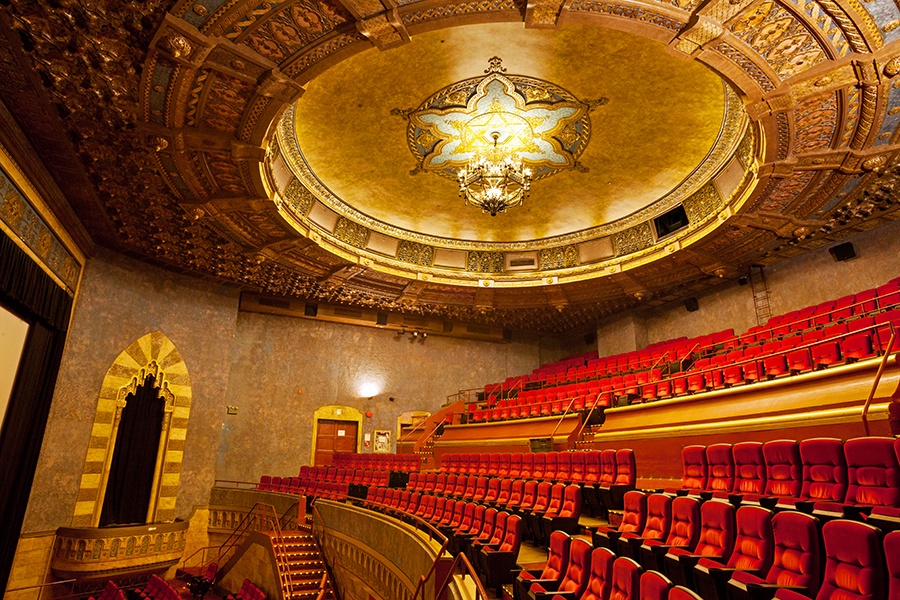
3. Village East Cinema: Located in the heart of East Village, this historic theater has such a unique vibe to it. The beautifully restored landmark was once the home of Yiddish theater in its 1,200-seat auditorium. With New York City’s lack of a still-operating historic movie palace, the Village East is the closest thing around. 


Feature image via

Summer 2017 Guide to LA

Our staff photographer Yamini Nambimadom, a Los Angeles local and chai aficionado, gives us the low-down on all the hottest spots she likes to frequent in LA. From the most mouthwatering food market the city has to offer, to one of Hollywood's most quaint and well-loved attractions, keep reading for some great ideas to add to your travel itinerary the next time you're in town!

images via here, here and here

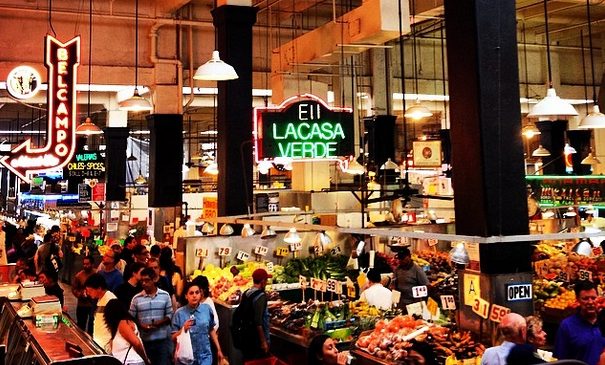
1. Grand Central Market: Located in the heart of downtown, Grand Central Market will satisfy any of your stomach’s desires. Grand Central brings together the vibrant cultures and flavors of Los Angeles, with cuisine hailing from Italy to Korea and Brazil. Not only does the market have a wide array of food selections, it also hosts game nights, jazz concerts, trivia Tuesdays, and other fun events throughout the summer. It’s a perfect place to stop by during any LA adventure!

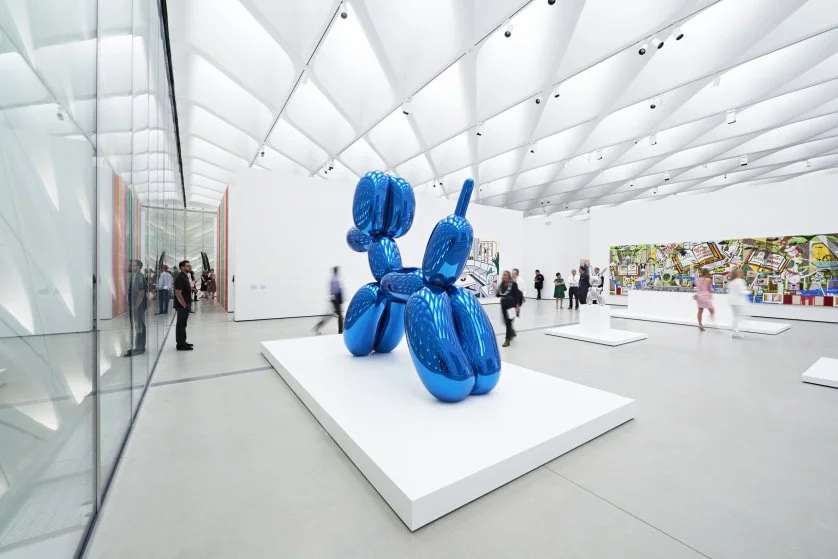
2. The Broad Museum: Opened just recently in 2015, not only is The Broad an incredible work of architecture, but it boasts a collection of over 2000 rotating pieces of contemporary art. Basquiat, Koons, Kruger, and Lichtenstein are among the many artists whose works are currently on display. The Broad’s Infinity Room is an incredible viewing experience as well. Make sure to go early, as the museum has limited capacity and the wait tends to be fairly long.

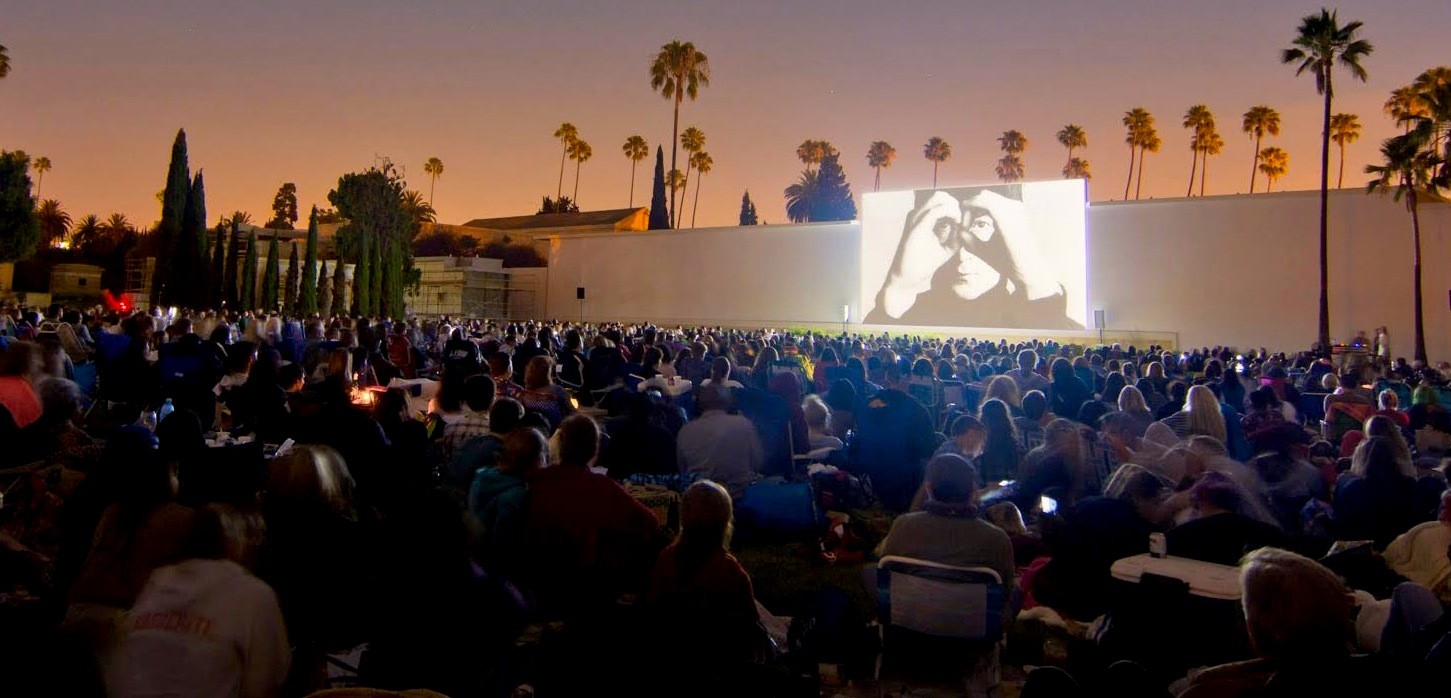
3. Hollywood Forever Cemetery: Unlike any ordinary cemetery, Hollywood Forever partners with Cinespia to bring cult-favorite films to Los Angeles every summer. Movie-goers can spread folding chairs, picnic blankets, and snacks across the eternal resting place of former Hollywood legends as they enjoy a very classic summer-in-LA experience.


Feature image via

Youtubers to Watch: The Bucket List Family

Welcome to our new series: Youtubers to Watch. In this section we will introduce you to our favorite Youtube channels. We hope these channels will be a fun addition to your study breaks and summer internet scrolling!

I discovered this incredibly cute family one day when I was feeling very down, but the adventures of Manila, Dorothy, Jessica and Garrett were all I needed to cheer myself up. After binge watching all their videos, I couldn't stop smiling for a long long time. This young family sold everything they owned, including their home in Utah to start their travels around the world! 

They have seen approximately 40 countries for now, have had 70+ flights and they get a brand new home every single week in another country! Even though they are all such inspiring souls, Dorothy (who is four) and Manila (who is almost two) are definitely my two favorite fearless travelers! Their videos show their adventures across the globe from airplane rides to diving and surfing videos in the most beautiful locations around the world.

I hope you'll be inspired by this incredible family as much as I was. We wish them the best of luck and happiness in the world! 

You can read their story and the amazing philanthropy projects they pursue on their website.

Feature image via; all other images via

Summer 2017 Guide to Chicago

Looking for some tried and true favorites in the Chicago area? Whether your indulging in Fulton Market/West Loop's extensive culinary options, wandering through the beautifully leafy Oak Park neighborhood, or venturing further north to the hip Logan Square and Lincoln Park locales, we've got some great recommendations.

Olivia

images via here, here and here

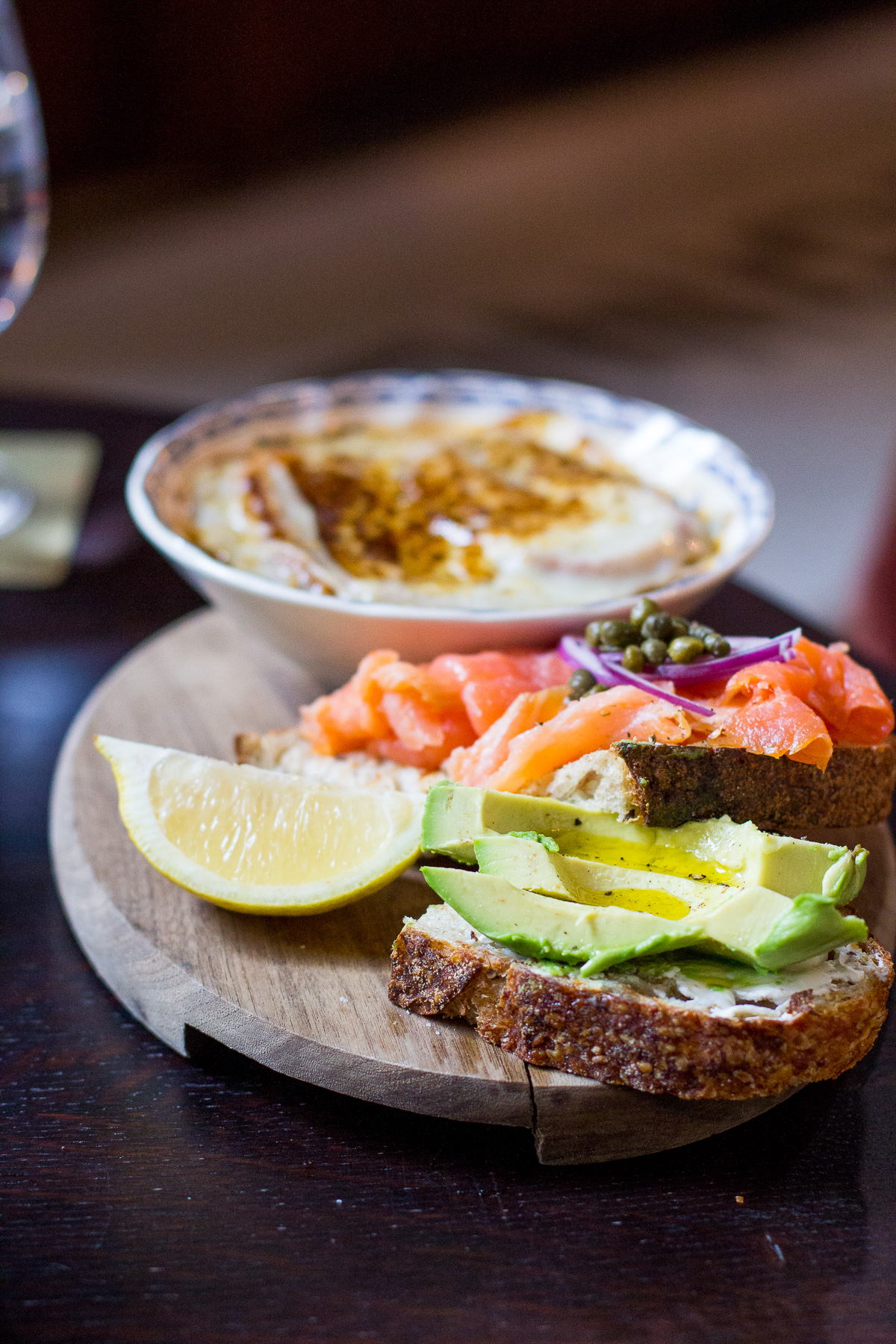
1. The Allis Soho House: This is the perfect spot for a nice summer brunch or tea with friends. Located in the heart of the foodie-heaven Fulton Market/West Loop neighborhood, MODA's love for The Allis has been long-documented on the blog. Either way, there's nothing quite as satisfying as leisurely meal enjoyed in The Allis' cozy interior. 

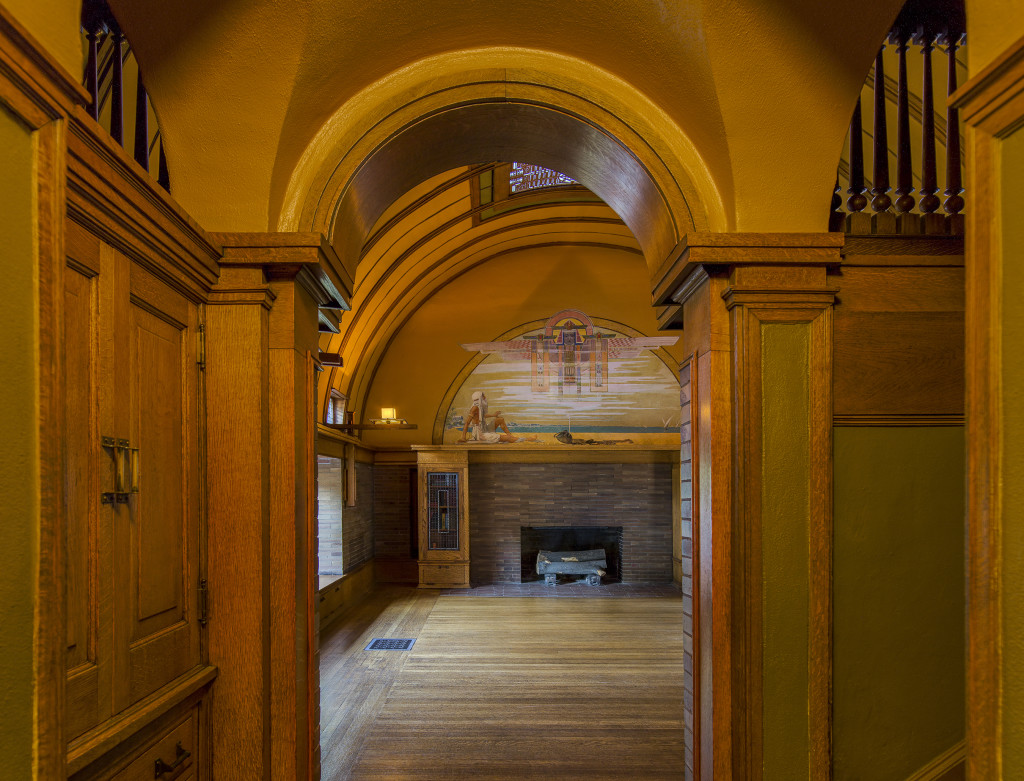
2. Frank Lloyd Wright Oak Park Tour: If you're an architecture buff, this is a wonderful tour to check out for an introspective view of FLW's home and studio space. Booking tickets online also gives you the option for an audio tour that will take you through the Oak Park neighborhood, which features a handful of FLW's most famous works. Although you can't venture inside any of these homes (they're all private properties), you may run into one of their owners outside, who are often more than happy to share with you the storied history of their famous abodes. 

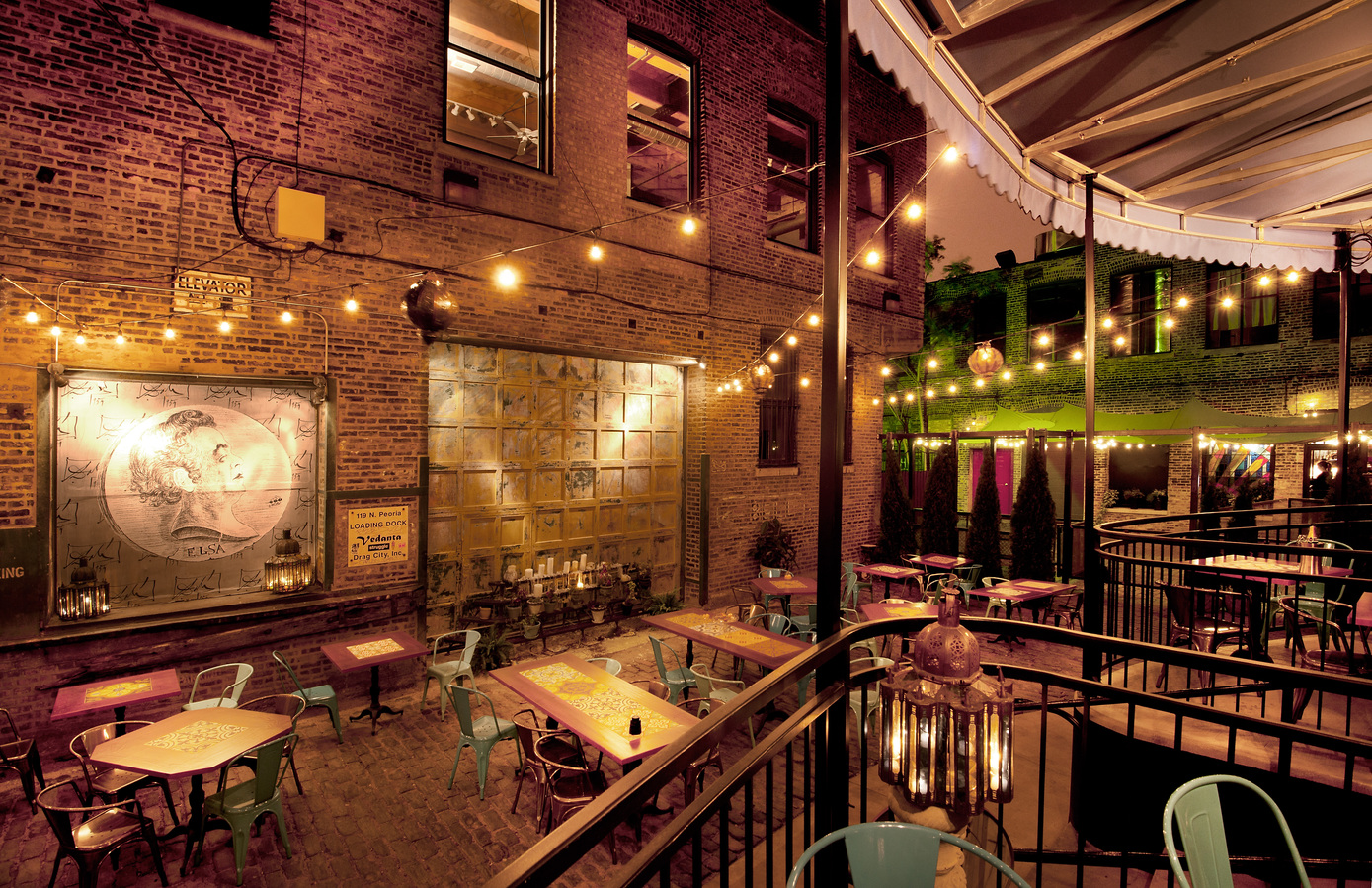
3. RM Champagne: This is a great spot for grabbing drinks with friends after a long day of work. The space itself is cozy and intimate, and features a revolving roster of delicious champagnes, cocktails and other mixed drinks. If the weather is nice enough, head outside to their patio area and lounge on pillows lit by the soft glow of string lights and candles. 

Laden

images via here and here

1. Cafe Ba-Ba-Reeba

This Lincoln Park foodie heaven promises an authentic tapas night, the Spanish way. The large tables and cozy atmosphere are perfect for large group gatherings. The best way to enjoy the restaurant is to order as many dishes as you want and to share everything with friends. The dates wrapped up with bacon and their seafood paella are a must if you want to have a true Mediterranean culinary experience. Their extensive sangria menu, ranging from passion fruit to blueberry, offers the perfect complement to your tapas orders.

2. Slippery Slope

Even though we are stuck in Hyde Park for most of the academic year, Chicago has to offer so much more and summer is the perfect time to explore the city. Make sure you check out Logan Square for your next night-out. The neighborhood is really popular among locals, and where a lot of young people hang out. The local restaurants, open-late coffee shops and bars create an amazing nightlife atmosphere. Situated in the heart of Logan Square, Slippery Slope is the perfect spot to dance all night with friends. Decorated with colorful string lights and game machines, the warmly-lit environment is fun, cozy and chock-full of good energy.

Feature image via