You won’t be enjoying it as much.

Ever noticed when you got very excited/happy/fascinated by something and then stopped feeling so elated too quickly? That something could be:

  • seeing the view from a skyscraper

  • falling in love with a piece of clothes/song

  • getting coffee in a fancy cafe

  • studying in a Harry Potter-style Harper (?)

    Ever wondered why? Well, apart from simply meaning “getting used to things”, the phenomenon has an actual name - hedonic adaptation. I am also personally assigning it similar concepts - the law of diminishing returns (hi Econs!) and the magic of the first sip. All saying the same - the pleasure decreases as the quantity increases.

    Hedonic adaptation and pleasure

    Hedonic adaptation explains that humans tend to return to a stable level of moral state after experiencing either a big positive “earthquake” or a negative one. This model of hedonic treadmill represents it visually:

So you can see how it accounts for both positive and negative events. Those can also represent things you really liked and disliked, so I want to ponder about how your perception of them changes over time!

Hedonic adaptation and beauty

I am sure you can come up with dozens of examples from every day. Well, me too ;). Then let’s reflect on our lives together. But this is MODA, so let’s focus on beauty, yep?

The first time I saw the night Chicago, I couldn’t worry about anything else — only that view occupied my mind, and my aesthetic hunger was satisfied more than ever. However, as the time passed, I wanted more for my dinner, or else, I would have to wait for a bit until I could indulge in that beauty after starving.

Now, let’s dig deeper. Or rather, broader.

I have friends who visited both Milan and Paris — the epicenters of fashion (maybe you heard about them;) ). From their words, people there tend to be naturally stylish and give the atmosphere of fashion. We also know that both countries are respected for their sophisticated mastery of art. So, is there a coincidence between the majesty of the the French and Italian architectural beauty and the human nature of its citizens? I believe so, and the actor behind the scenes is hedonic adaptation.

Because they are surrounded by the beautiful views all the time, they don’t perceive them as unusual or pleasing— which is obvious. But apart from accounting for happiness, I believe hedonic adaptation is also responsible to the high beauty standards of the French and Italians. That is why I think they differ from one country to another on a grand scale, as well as from one person to another — on a small one.

Fashion trends

Quickly changing? Different? Innovative? For the same reason. I believe that due to hedonic adaptation, our eye becomes a picky fashion critic demanding new, better, and more. So, I am sure that models are excited about the plethora of fancy clothes just at the beginning, after which a shiny Versace blouse doesn’t tempt them as much.

Sad? A bit. Only sad? Not at all.

Now, your turn to share your examples. But while you do, I wonder how you feel about it. Indifferent? Disappointed? Encouraged? I, personally, get sad after realizing that the fascination is usually quickly gone. I feel ungrateful after realizing that “the mind-blowing” becomes “the ordinary”. But I also see some consoling advantages in this phenomenon. We are still talking about beauty. Those could be:

  • well, you also quickly recover from the depressing Zoom sceneries (or a coffee-stained white shirt. or the image of your face with a 4h sleep).

  • it’s creatively simulating. your artistic perception improves, and so does your aesthetic criticism!

  • eventually, your demand for standard of living raises. and doesn’t your impeccable taste deserve to be satisfied?

So hi here, at the end, reader. What I want you to leave with is: realizing that, perhaps, workers of The Empire State Building get bored with the view over time, so you won’t lose by not achieving this common dream of most of us.

Hedonic adaptation is a very natural tendency, and I think it is important to be aware of what pushes you to say “it’s nothing special” versus “it’s unutterable!”

And to be left speechless more often, please refer to this guide of using hedonic adaptation to increase your level of happiness ;).


I Know A Place


Valentine’s Day, the day of love. Too bad we can’t love and be loved on any other day of the year, right?

Just kidding, promise. We’re fun around here.

College is prime-time for dating, and there’s something so vulnerable about being The Date Planner. The stakes are high (or low, depending on what you’re looking for). Location is a symbol of sincerity, of “how into me are you, really?”
“So, what are we?”

What do the kids say?

“I know a place.”

What is that place for you?

The gardens of Millennium Park? The sticky seats of a movie theater? Your freshly-made bed?

What about around campus?

Shinju Sushi? The Pub? The rooftop of whichever school building with the best view?

Enough of that. Anything can be a date with the person who has your heart.

Here, the Blog navigates the charming and sometimes uncanny spaces that exist on campus, and the ways in which love can brew all around us. Anywhere, anytime.


This shoot was styled by our talented crew and models themselves, with garments and accessories from their own closets.

Click photos to enlarge


The Lovers


Cast

Photography & Editing: Sonia Chang

Models: Fatou Ndoye & EJ Song

Written by: Nadaya Davis

Creative Director: Nadaya Davis

Crew: Vivian Li, Matthew Sumera, Anna Selden, Kaja Muchova (hand cameo), Laura Sandino, Ivana Del Valle, Nadya Osman, Nadaya Davis, Vivian Li

Thank you to the staff of Cobb Cafe for allowing the Blog to stay after hours, and a special thank you to Arthur Oien for hanging behind and tolerating us!

Thank you to our amazing crew of Bloggers for working hard to bring this shoot to life!

Find more of Sonia Chang’s work here on Instagram.


The limitations of being called beautiful

Being beautiful is pretty great. Feeling admired, desired, envied even I think we can all agree is a great ego boost. People being nicer and more open to you, being more willing to trust you, help you or do you favours. Studies (and people) diverge on how pronounced this effect is, but being more attractive undoubtably gives you some advantages in life.

But there is a not so great side to beauty that often goes unacknowledged.

image via

For starters, lets unpack what ‘being beautiful’ in a society-moulds-itself-to-your-every-whim-and-fancy kind of way means. Anyone can feel beautiful. Anyone can be beautiful even. And yet for there to be advantages to beauty, there have to be those disadvantaged (ie the beauty in context of this article can’t apply to everyone).
Hers the thing. The phrasing is a trick. ‘Being beautiful’ implies the action of the beautiful person that makes them beautiful, yet beauty as a social advantage can only exist as a majority perception. One isn’t ‘being beautiful’ any given moment so much as ‘being perceived as beautiful and treated as such’. The beautiful person is passive here. Maybe they are trying to maintain and improve on their beauty, but its still truly outside of their control.

image via


Here the problems begin.

Beauty is passive, treating those who possess it as objects of others’ attention . For historical reasons, the importance of beauty is more emphasised in women (though this issue is not at all exclusive to women). A situation where passivity and the opinion of others are most important forms. Its uhh not the best.

Essentially, the way we treat beauty in people inherently ties it to objectification. While there are many benefits to being beautiful, the trade of is some part of your perceived humanity, and the condition that you are to be watched, and then be, in that order.

link via

link via

Look at any famously beautiful woman, and we see this effect glaring back at us. Meghan Fox has spoken a lot about how she was treated at the start of her career, particularly her objectification in the Transformers movie. The initial backlash to these comments were great, with many saying she should be grateful as the movie was a great catalyst for her career. Heartbreakingly, even during the rise of the Me Too movement in 2020, she felt she couldn’t be a part of it as she ‘wasn’t a sympathetic victim’ because she was still profiting off of her beauty and felt that her making the choice to do so came with the diminished autonomy that caused her so much pain.

How limited any woman’s power is when she survives and even succeeds in this world as a thing to be looked at
— Emily Ratajkowski, My Body

More recently, Emily Ratajkowski’s book, ‘My Body’ covers in depth the exploitation of the beauty industry, as well as the pain of beauty. In this book, Emily grapples with her intense feelings of victimisation and being reduced to just her appearance. It is maybe a little bit ironic that most criticisms attack not the book itself but Emily’s decision to continue modelling, albeit on her own terms, as if engaging with the benefits and professional success her beauty has enabled her, the exploitation she experienced is justified. Can’t have one without the other.

There are many other issues with societal perception of beauty, from limitations of age to the inherent classism tied to many cultural signifiers of beauty, to some extra bonus classism tied to attitudes towards those that commodify their beauty, but these are big topics to cover in just one post.

image via

Beauty in a cultural sense is inherently tied to objectification, and the pressure to feel beautiful and the effort put into beauty every day is terrifying. The alternative - focus on self expression and personal ‘inner’ beauty is a tough thing to reach as it requires ignoring the opinions of all the people who’s validation would feel so great. But it’s worth it, I promise.

Thumbnail image via

That's why you think it's beautiful.

It’s aesthetically pleasing to look at, isn’t it? Accurate, symmetric architecture; attractive faces of celebrities; perfect, powerful nature (disregard that it’s a hurricane…)

Parthenon, Greece

Image via

A hurricane from space

Image via

Amber Heard, American actress

Image via

Taj Mahal, the jewel of India

Image via

While you may not be attracted by these exact pictures, there are definitely some which you like but cannot explain why.

Well, I can. With some maths help.

Simple is beautiful

There is actually a reason why we prefer certain shapes, human appearances, and visual objects in general. And it is not subjective.

There exists golden ratio (golden section, golden mean, divine proportion) in nature, which is the proportion between the length and width of the object, encircled by a rectangle, equalling 1:1.618 - a magical number Phi. The nature always seeks to achieve golden ratio, and every time it does, it immensely pleases our eyes!

… but why?

We can ask for the explanation from the professor of mechanical engineering at Duke University, Adrian Bejan, who notes that, evolutionarily, it’s easier for animals (humans including) to perceive the image scanning it from side to side, not up and down. I believe that is because we observe more space horizontally, and not vertically.

So in the golden ratio, the length is 1.168 times as long as the width, which means that it is easier for our eyes to perceive, and they are naturally attracted to these correctly-geometrically constructed beautiful figures. And, according to the professor, simple is beautiful:

This is the best flowing configuration for images from plane to brain. When we see the proportions in the golden ratio, we are helped. We feel pleasure and we call it beauty.
— Adrian Bejan

How the rule actually works

Here you can see that these objects actually follow the golden ratio.

The ratio between the long and short lines is 1:1.168 (as golden as the colour of the building!)

(never mind that I have a better proof below - I simply attached this picture because it matches the colour scheme of my article - in the end, we are discussing visual aesthetics here!)

Image via

And here is a more mathematical proof of the golden ratio of the building - looks convincing, doesn’t it?

a = 1.168b

Image via

Golden ratio with a golden spiral (which expands by a factor of magical Phi).

Image via

Even two golden spirals.

Image via

The human body also seeks perfection.

Yes, there is a reason for why our arms dangles weirdly beneath our pelvis when we stand still, and why our noses are bigger than our eyes.

That being said, the human body is perfect — it follows the golden ratio.

Image via

Image via

Are celebrities (those who are praised for their appearance) even more perfect?

Well, we can measure it. The Golden Ratio of Beauty Phi determines how close to “perfect” one’s appearance is:

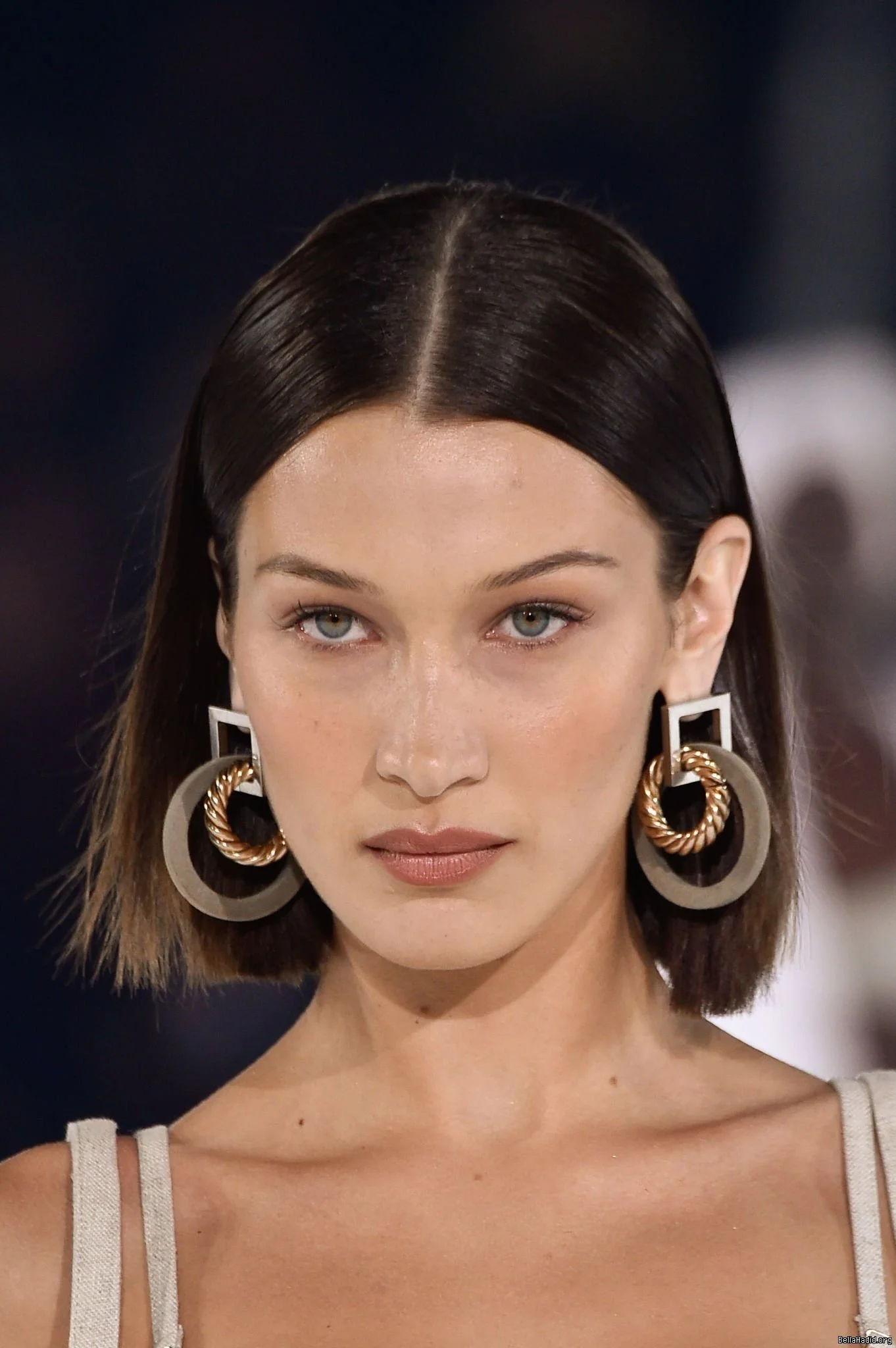
Bella Hadid is 94.35% physically perfect according to the Beauty Phi.

Image via

Beyoncé is honoured to have one of the most beautiful faces, as well.

Image via

So a simple Sherlock’s deduction would be that golden ratio explains why literally the whole world may go crazy about one person’s appearance.

But Watson, we have a problem!

… which is me wondering if it’s a simple coincidence that the most “perfect” faces belong to famous celebrities?

I reckon not. The Greek golden ratio is known for long, and by many. And their surgeon is definitely one of that many:

Hadid’s plastic surgery to achieve golden ratio It’s like being an architect of your face.

Image via

So my takeaway:

Surgery can make people look perfect, but only nature can make people be perfect.

Moreover, some claim that golden ratio has nothing to do with beauty. For instance, John Allen Paulos, a research mathematician at Temple University, argues:

There’s no evidence for most of these claims. It’s a common rectangle.
— John Allen Paulos

Which I find quite plausible, considering that you cannot find tons of images (be it of people or architecture) with golden ratio, meaning that, maybe, someone just looks for fun drawing challenges and draws spirals and rectangles over people’s faces.

Nevertheless, we can definitely call the golden ratio a “driver” of our eyes: sometimes we arrive at unexpected destinations, or have a weirdly long lay-over somewhere.

But drivers also sleep, and that is when, I believe, the time comes for our subjective visual preferences.

For instance, I know that you think that Reg is ugly. I know it doesn’t follow the golden ratio.

But I. Can’t. Help. Falling in love. With. It.


Featured image via

Clever Subject Line: Did You Forget Something?

Your cart will expire in 10 days.

Ask any friend of yours who’s locked down, working/studying, and doing how we would now describe as “pretty good!”—they definitely have 6-8 tabs open on their laptop and cell phone. Some e-mails, scanned library books, maybe even their favorite study-tuber (okay, just me?), and about 3 different types of shopping tabs. There’s the product search results page, on which they are still browsing for the perfect combination of stars and reviews; there’s the full cart, sitting in anticipation of an uncertain click; and there’s the 10-minute-old shipment racking page, reserved for the more committed procrastinators (or maybe just the daftest).

I’d like to call myself a pretty tame shopper. After recovering from my weekend suburban-mall-trip addiction in middle school, I’ve grown increasingly less and less interested in the shopping experience. And while online window-shopping was the high school distraction I had to conquer next, I’ve never been the type of person with a full cart open in a faraway, pitifully hidden tab.

confessions.gif

That’s not to say I haven’t had my fair share of quarantine purchases. Most of mine, however, have been pre-meditated, habitual: the start of a new routine like matcha lattes in the morning or a new candle to burn each month. I’m a stranger to the kind of shopping I’ve been doing in the past few days. A new interest in skincare? Physical devices to extinguish my distress? Gen Z-targeted birth control and liquid blush? Who am I!?

Anyway, I wanted to take this opportunity to discuss the uniqueness of our quarantine purchases. It’s not just paints and puzzles anymore; we’ve collectively evolved past March 2020. Our feigning interest in quarantine trends allows us to now ask the question: what do our unique purchases say about us? Are we vapid? Hopeful? … Have we given up? I don’t have the answers, there’s not a lot of those lying around these days. But I can share my own, in an effort to partake in an exposé of ourselves and our habits.

I share this list without much comment because, well, it’s really open for interpretation. Your guess is as good as mine.

serenilite.jpg

Ummmm

You know, just exploring other avenues to express our feelings.

blankie.jpg

A weighted blanket

But then I was like, wait…my comforter is already pretty heavy and these are… pretty expensive!

clip on.jpg

A clip-on book light

Still considering. Need to read more physical books to justify. Reminiscent of the old GAMEBOY light attachment. Very chic.

mug warmer.jpg

A mug warmer

Honestly, why are there not already a common thing? (You: because we have microwaves...?) Okay, but have you seen the selection? Crazy ones that also charge your phone, smart mugs that keep your drink at a constant temperature, smart coasters, wireless warmers, the list goes on! These range from $12-200, so I’m holding off until I have a more permanent home.

TO.jpg

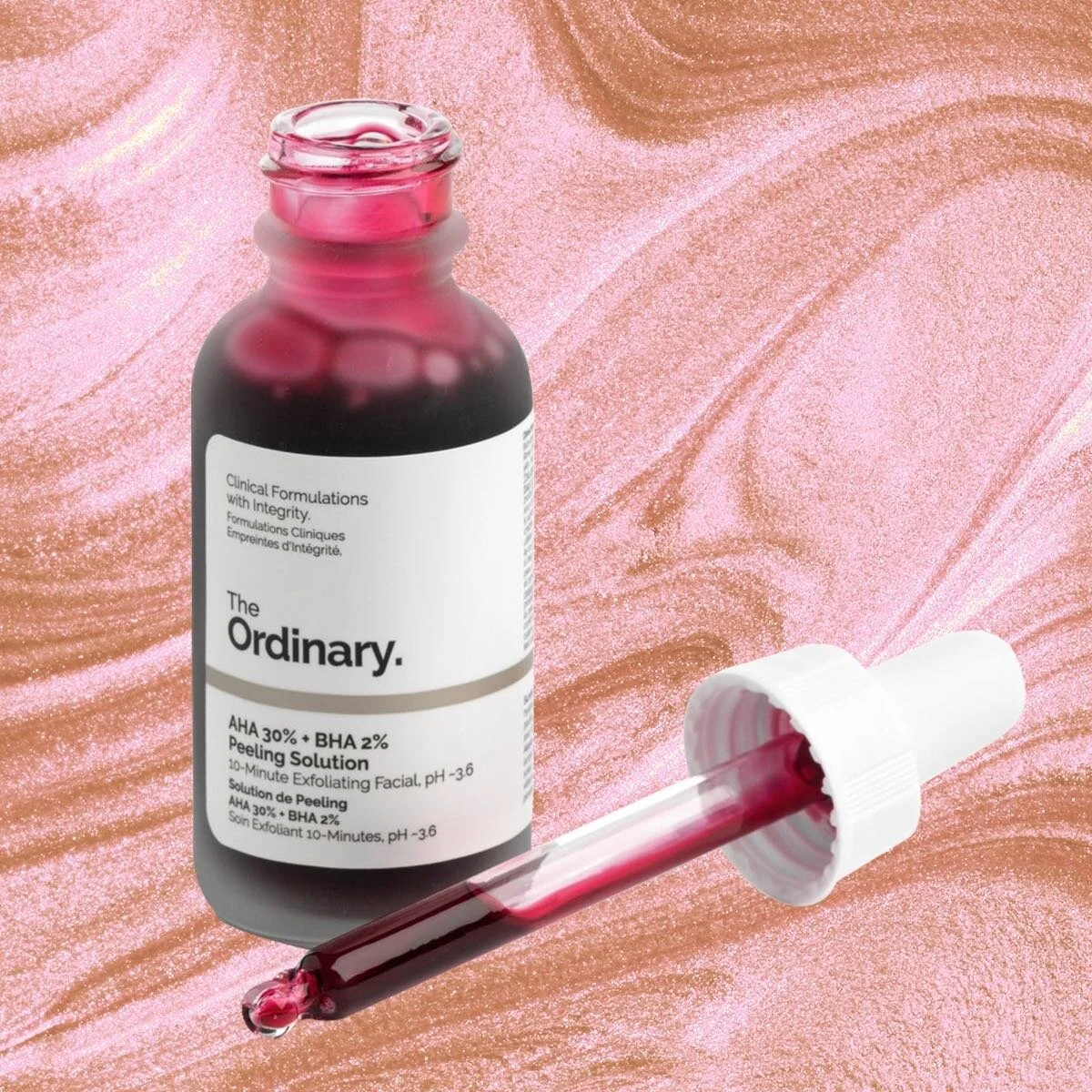
Various The Ordinary products

Youtube rabbit holes and a queue full of Skincare by Hyram. But I can tuck this one under self-care and pre-meditated purchases.

BC.jpg

And, finally, some BC refills

Unwilling to brave my OBGYN office, I opted for an online service, having only ever done so in foreign cities. Here, of course, all of the options I found were carefully marketed, cute, and with painfully terrible customer service. My order has been messed up twice already, but I just want that free chocolate.

I’m nothing if not practical, but that’s not always a positive thing. People keep saying we’ll know more about ourselves than ever when this is all done. I say we’ll just have had more occasions to be self-perplexed.

Thumbnail image via, content images via here, here, and here.

How to Practice Self-Care When You Have No Time

I think everybody can agree that at UChicago, there's always work to do. It never really ends, and there's never enough time in the day to get everything done. And so most of us forget to take a break or take care of ourselves. We all need to practice Self-care. First of all, what actually is self-care? It's a term that people like to throw around, especially in the continually growing wellness industry. Self-care isn't just lounging around or taking a bath, doing your nails, but rather It's about finding ways that make you the most productive and happiest version of yourself. Therefore, self-care should become part of your daily routine. You should do something for yourself every day, even if it's just taking 5 minutes to sit and breathe before you go to bed or taking the stairs instead of the elevator. Self-care is nothing new it's just been neglected even Audre Lorde famously spoke on it in 1988, saying, "Caring for myself is not self-indulgence, it is self-preservation, and that is an act of political warfare."

1) Workout

  • Book an appointment at Ratner! Or if that's not for you, try a zoom yoga session that is offered by UChicago Wellness

  • If you're still not into the UChicago fitness options, there are other things out there besides Chloe Ting workouts on youtube

  • Download the Nike training app, which offers free workouts. Everything from yoga, strength or HIIT

  • Do some Pilates- youtube or Melissa Wood Health

2) Mindfulness

  • As Cliche as it sounds, it's actually SO NICE to just take 5 minutes every day to sit and breathe and do nothing

  • Meditation apps like Calm or Headspace are great

  • You don't need these apps, though; you might also just consider putting some calm music on and taking 5 minutes to relax

3) Facemasks

  • do a face mask every once in a while, they stay on for like 10 minutes, and then you can get back to doing whatever work you have, but you will feel clean and refreshed while doing so

  • I highly recommend loops beauty face masks!!

4) Make a playlist

  • Music can literally make everything better

5) Eat some dark Chocolate 

  • It can help prevent heart disease.

  • Boost your mood

  • alleviate stress

  • Good for your brain

  • Regulates Cholestoral

  • Etc...

5) SLEEEEEEEEEEPPPPPPPPPPP!!!!!

6) Put on clothes that make you feel good

7) Scented Candles

  • I know they aren't allowed in dorm rooms, but everybody else who isn't currently in housing should put on a candle in the evening to make late-night study sessions a little bit better

8) Desk Stretches???

  • Do these between zoom classes.

9) Manage the little things and be able to prioritize 

10) Drink water

11) Breathing exercises that the New York Times claim "help reduce stress, increase alertness and boost the immune system."


These are just some ideas, and obviously, everybody is different, but I think the key is finding ways that can make you the best version of yourself. When it comes down to it, Self-care is just as (if not more) important than that essay due on Friday.

Featured Image via

Image via

Image via

Skincare ABCs

Like all of you, I have found myself with an almost overwhelming amount of free time this year. Also, like many of you, I have been trying to fill that void with passion projects and getting trapped in research rabbit-holes. Over the past several years I have been sitting on a wealth of knowledge about skincare. Through years of trial and error, extensive sampling of cult favorite classics from all corners of the world, at-home DIY alternatives, the expertise of dermatologists, and, finally, hours of research, I have decided to share the precious information I’ve been hoarding.

TL;DR: I did the legwork for you and made an alphabetized list of ingredients commonly found in skincare products so you can make better and more informed choices when it comes to your skin! 

Below you will find a guide to everything from salicylic acid to snail mucus, backed up research from people who actually know what they’re doing. I’ve sorted this into three categories: the stuff you want to use on your face, the stuff you want to avoid at all costs, and the stuff that doesn't do anything at all. Enjoy.


The Good Stuff:

AHAs and BHAs: AHAs and BHAs are Alpha hydroxy acids and Beta hydroxy acids, respectively. AHAs are acids such as lactic or glycolic (mentioned below) while BHAs are stronger acids such as salicylic. The main differences between the two types of acids is that AHAs are water soluble, while BHAs are oil soluble. This essentially means that BHAs can penetrate deeper into the skin and dissolve the oil and sebum produced by your skin. However, this also means that BHAs are far harsher on the skin and should probably be avoided by those who have sensitive skin or are prone to redness. ** AHAs and BHAs should never be mixed or used with Vitamin C or Retinol!

2551153_prod_altimg_2.jpeg


Ceramides: Ceramides are lipids (fats) that are also naturally occurring on the surface of our skin. They form a protective layer over the top of our skin and are over 50% of its chemical composition. Ceramide creams are best for dry or combination skin or as a winter moisturizer as they are stronger and oftentimes cream-based. 

9c5ec30675cd65d405ce0d0799e1480e.png

Cica: Cica is the shortened name for Centella Asiatica. A leafy plant that is also sometimes called Tiger Grass, it is known as the plant that tigers will actually rub on wounds to help them heal faster. Cica is full of antioxidants, amino acids, beta-carotene, and fatty acids which all stimulate the skin’s natural production of collagen. It’s perfect for acne-prone and sensitive skin and can reduce redness.

Collagen: Speaking of collagen, it is the main protein structure in our skin. About a third of the body’s proteins are collagen. It is responsible for the elasticity of our skin and promotes the health of joints and muscles. Collagen can help repair sun damage, reduce the appearance of stretch marks, and restore elasticity. If you’re getting excited, unfortunately, collagen is too large of a molecule to pass through the dermis (the top layer of the skin), so it is mostly useless for topical application. Some rare exceptions are marine micro collagen derivatives, but those are rather hard to find and are often expensive. Collagen is also rather difficult for the body to absorb if you ingest it. Though collagen supplements have become popular over the years, there is no consensus within the scientific community as to whether or not they actually do anything. Some dieticians have also expressed safety concerns about the origins of the collagen sold by some of the most popular brands, specifically as it pertains to the content of trace metals. The bottom line is that if you’re interested in taking collagen as a supplement, do your research carefully and decide for yourself. 

Glycolic Acid: A chemical exfoliator, glycolic acid belongs in the AHA family and is a derivative of sugar cane. It’s one of the most commonly used exfoliation ingredients by dermatologists. It has also been shown to be beneficial for acne prone skin since it dislodges dead skin cells and reduces the chances of clogged pores. It’s also a small enough molecule that it can actually extract oils from the skin and hair follicles. More importantly, it exfoliates evenly, meaning that it functions as a re-texturizer. In other words, it makes your skin smoother by removing uneven layers of dead skin cells, discoloration or pigment buildup, and helps your skin look more luminous. Because of this, it also helps your other skincare products absorb better into your skin and makes for a great priming step before the rest of your skincare regimen. In general, glycolic acid can be found in many concentrations and is safe to use at home, but milder concentrations are gentler on the skin. In any case, glycolic acid should not be used too often because it temporarily increases your skin’s sensitivity to sunlight, which could cause sunburns more easily than normal. Although you should already always be using sunscreen, definitely make sure to protect your face after a chemical peel. **Do not use in combination with salicylic acid.

20181223_152543_polarr2246666214656238411.jpg

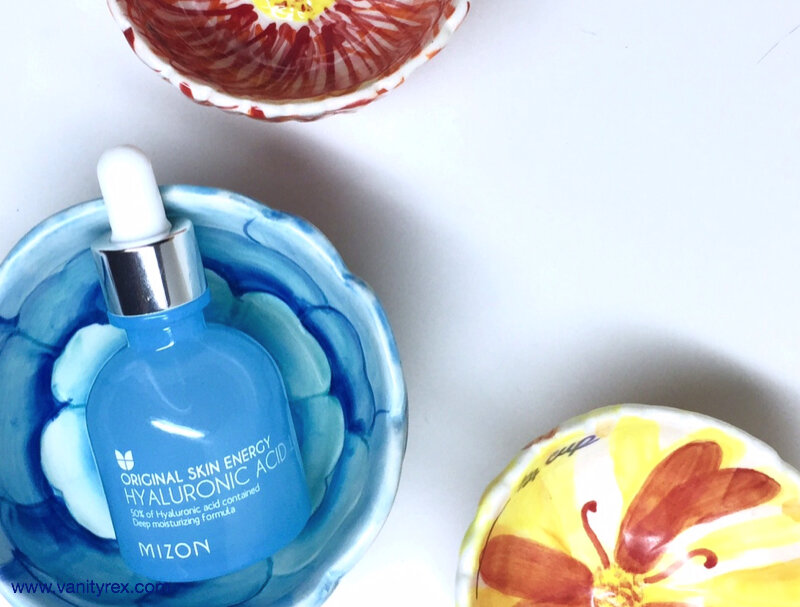
Hyaluronic Acid: Everyone and their mother should have a little thing of this miracle solution. Hyaluronic acid (HA) is a naturally occurring compound that holds up to a thousand times its weight in water. Our bodies naturally produce this to keep our skin hydrated, but the amount produced decreases with age. You’ll find HA in a lot of products marked “anti-aging” but in reality it’s a super lightweight watery formula that can be paired with just about any other form of acid, peel, moisturizer, and serum. Hyaluronic acid is great for all skin types because it will not leave a residue or make your skin oily and is great to use as a nourishing serum. You can find it either in its isolated form or as an ingredient in many moisturizers and facial creams.

mizon-hyaluronic-acid-ampoule-review.jpg

Lactic Acid: Lactic acid is also known as a form of chemical peel. Lactic acid is a gentler version of similar exfoliators such as glycolic acid. This is because it is a larger molecule, therefore it does most of its work on the surface of the skin rather than within it. This is great news for everyone that has sensitive skin or is conscious about the pH levels of their skin. Some of its beneficial properties is that it kills acne-causing bacteria and increases cell-turnover rate. In addition, it provides many of the same resurfacing benefits that its stronger counterparts do. 

Niacinamide: Niacinamide is basically vitamin B3, an essential vitamin that is a true miracle-worker for the skin. Niacinamide protects the skin against environmental stressors as well as minimizes pores and improves the surface of your skin. Niacinamide works by providing skin cells with the necessary chemical building blocks to produce the stuff that actually fixes your skin. It helps create a stronger surface for your skin and has been shown to help with rosacea and irritation, prevent damage that could lead to cancer, and fix uneven pigmentation. Another useful thing about niacinamide is that it is entirely compatible with nearly any other skin treatment, including AHAs, BHAs, Vitamin C, and Hyaluronic acid. 

Retinol/Retinoids: Retinol is a compound that boosts the skin’s collagen production. Retinol is the active ingredient used in many wrinkle-reducing and anti-aging products. Retinoids are the prescription version of retinol. While retinol is used in many skincare products, retinoids are much stronger and can therefore only be prescribed. Retinol is a derivative of Vitamin A and acts by affecting gene expression, smoothing out the skin, and boosting collagen production. It has become the gold standard in the skincare industry. Before you immediately go to purchase a retinol cream though, you should know that it can cause redness and irritation, especially on sensitive skin. Retinol works by introducing Vitamin A to your skin, which initially cases dry skin and irritation. However, after a while the skin becomes accustomed to the ingredient and it starts working its magic. It’s best applied to completely dry skin because its usage on damp skin can increase the potential of irritation. One thing is for sure, if you are interested in using retinol products, you should carefully research which products would work best for you and not be discouraged by what appears to be an initial setback.

1-2.jpg

Salicylic Acid: This ingredient is often key in products especially formulated for acne-prone skin. It’s oil-dissolving properties are great for treating breakouts and exfoliating the skin, which reduces the chances of acne re-forming. However, it should be noted that this ingredient can often be overused, leading to excessive dryness and irritation. You should always follow up a salicylic acid treatment with a hydrating and soothing treatment to ensure that your skin is properly moisturized. If possible, it's better to use salicylic acid as a spot treatment rather than a full-face treatment because it can irritate the skin around your mouth and eyes. **Do not use in combination with glycolic acid.

Squalane: Squalane is a hydrogenated oil that helps moisturize the skin. It is similar to the sebum that our skin naturally produces and is therefore best suited for those with dry skin, as it can be overwhelming for other skin types. It used to be derived from shark liver, but now is more commonly derived from olive oil. Although it is more commonly popping up as an ingredient in many skincare products, the research is still inconclusive as to whether or not it actually helps. While it certainly won’t harm you, there haven’t been any studies that can conclusively claim that squalane is uniquely good for your skin. 

The Bad Stuff: 

Alcohols: Or stripping agents of any kind. Alcohols have a lower boiling point than water, meaning that they evaporate faster. When alcohols evaporate, they strip your skin of moisture, which can cause irritation, dryness, and redness. Alcohols in skincare products demonstrate a carelessness in the development of the product and can often indicate that the company has cut corners in other ways as well. Thus, they are often found in lower quality skincare products. Read ingredients labels carefully. 

IMG_9177_on_light_grey.0.jpg

Aluminum: Some of you may already have heard the spiel about aluminum in deodorants, but you should also be extremely weary about it popping up in your skincare as well. Aluminum is a toxic metal that can disrupt the functioning of our endocrine system. While some companies maintain that aluminum compounds are safe to use and are not linked to health issues, there has been a large amount of studies pointing to confusing or inconclusive results. While aluminum compounds may be safe to use in some minimal percentages, the science still isn’t quite clear on it and I would just try to steer clear of this kind of an unknown. Plus, putting industrial metals on your skin really just doesn’t sound appealing or good for you. 

Formaldehyde and formaldehyde releasers: The name itself should be enough to deter anyone looking at the label of a skincare product (8th grade dissection lab, anyone?) but in case it is not immediately clear why these are a hazard, they have been linked to a series of health issues. Formaldehyde and formaldehyde releasers are known carcinogens and can cause allergies, headaches, and loss of sleep. While the ingredient itself has been, for the most part, excluded from skincare, it can still be found in eyelash glue, nail polish, and hair straightening products. Formaldehyde releasers are ingredients that form formaldehyde over the course of their shelf-life, still a grim prospect. These are often listed as DMDM hydantoin, diazolidinyl urea, imidazolidinyl urea, bronopol, or quaternium-15. 

Mineral Oils: Although this ingredient also has a variety of people on both sides of the aisle, it doesn’t seem especially promising that the World Health Organization has listed this as a category 3 carcinogen (not enough evidence to consider it safe or unsafe). Unrefined versions of this product are properly considered a carcinogen by the WHO. The mineral oils in your skincare products are cosmetic grade, but still can have a variety of other unwanted effects. Other than the fact that mineral oils are a derivative of petroleum (ick!) they can also be somewhat pore-clogging. While mineral oils themselves have been proven to not be especially comedogenic (fancy term for pore-clogging), they have been found to potentially make other products that they are used with comedogenic. Mineral oils work by creating a plastic-like coating on the surface of your skin, this can smooth the way your skin looks, but it also traps any ingredients used with the mineral oil underneath it, potentially leading them to clog pores and cause outbreaks. 

Is-Mineral-oil-bad-for-you_tiny100_1024x1024.jpg

Parabens: Sometimes listed as either methyl, ethyl, propyl, or butyl. They have been traced back to causing disruptions or hormone imbalance. These are preservatives that help extend the shelf-life of many products. While we’re on the topic of shelf-life, a quick refresher on how long you should keep your products; the container should be labeled with a small image of a jar with a number drawn inside of it; this number indicates the total number of months that you can store and use your product for. If there is no such label on your product, most skincare products can be kept for an average of 2 years. However, if you notice that your product has separated or the texture or color has changed, throw it out immediately. 

Polyethylene Glycol (PEGs): PEGs are often used as a chemical thickener in creams and cream-based products. They are often listed as “propylene glycol” or “butylene glycol” and are derivatives of petroleum. They work by altering the melting point of the product and can be irritating on the skin. Additionally, they can lower your skin’s natural moisture levels. These can often be found in cleansers.


The Okay-ish and/or Useless Stuff: 

Fermented Ingredients: This is a trend that originated in South Korea and now fermented ingredients can be found in many skincare products around the world. The science behind fermented ingredients points to the fact that they hold a significantly higher amount of antioxidants than other ingredients (think grape juice vs wine). However, research about the benefits is inconclusive. While it doesn’t seem to be harmful, the jury is still out as to whether or not these ingredients are actually helpful or do anything for your skin. 

korean-fermented-skincare-trend_4.jpg-2.jpg


Fragrance: Fragrances can sometimes be irritants for those with sensitive skin. If the brand is certified natural or organic or whatever FDA-approved blanket term is currently in vogue, you’re probably fine. However, if it is not, you should be cautious because companies may often use the term “fragrance” to hide a bunch of other ingredients. When companies list fragrance as an ingredient they do not need to disclose what went into the fragrance. Specifically, this could be a cover up for phthalates, which is an ingredient commonly left out of ingredient labels on fragrance oils. You should also note that while this is a chemical banned from skincare products in the EU, it is still prevalent in many US products. Some companies that have announced they will no longer use phthalates are L’Oreal, Revlon, Johnson & Johnson, Unilever, and Proctor & Gamble. 


Vitamin C: While many skincare companies are turning to Vitamin C as a trending brightening ingredient in serums, Vitamin C poses its own unique benefits and drawbacks. The benefits are that it prevents oxidation. In other words, it protects the surface of our skin from pollution, environmental stressors, and other free-radicals like smoke and smog. However, Vitamin C is really tricky because it cannot be used in combination with other acids (AHAs or BHAs) and cannot be used with retinol. In serum form, Vitamin C is an acid that can be irritating, especially when used with other skincare products. On top of that, Vitamin C is also incredibly unstable. The formula itself is susceptible to rapid deterioration and spoilage when it comes in contact with sunlight and oxygen, leading many brands to include a ton of additional stabilizers into their formulation. Ultimately, while Vitamin C has been shown to increase the skin’s radiance, it seems to be far more difficult to use than it is worth, especially considering the list of other skincare ingredients that you would need to avoid in order to use it. 

vitamin-c-shot.jpg

Precious/unusual/novelty ingredients: Anything containing pearl dust, 24k gold, CBD oil, snail mucin, bee venom, charcoal (yes, I know the cleansers are popular), fish enzymes, or any similarly strange sounding ingredient is, I’m sorry to break it to you, largely useless. Most often, these ingredients are formed of far too large molecules that cannot effectively pass through the dermis, let alone the lipid layer. Consumers are simply charged a premium on having unusual ingredients in their facial creams and toners with no results. You should stop spending your money on these because they are not only ineffective, but could also be reducing the effectiveness of other products you use by blocking your pores with inactive ingredients. Also while we’re on this topic, spending more on skincare does not necessitate that it will be better or more effective than drugstore or lower-price alternatives. The popularity of a trending product is oftentimes a result of a successful marketing team and colorful packaging. It doesn’t matter how many times a product pops up on your Instagram feed if it doesn’t have the active and nourishing ingredients that our skin actually needs (I’m looking at you Glossier). While higher priced skincare products can sometimes more readily guarantee that their ingredients are natural and are ethically sourced, you should not be paying a premium for jars or bottles of water mixed with perfume, thickening chemicals, and meaningless ingredients. 

ahas-and-bhas.jpg


Cover image via

Images via here, here, here, here, here, here, here, here, here, and here.

Summer Makeup Tips

With some cities reopening and the weather getting warmer, many people are finally stepping out after months of quarantine. Whatever plans you have when you can go out again, here are some tips for your summer makeup looks.

Less Is More

Image via

Image via

Being no stranger to summer heat and humidity after living in Miami for a portion of my life, I will say that less is more when it comes to summer makeup, especially when it comes to face makeup. In the summer months, I tend to wear a bb cream or a tinted moisturizer, or a light foundation if I want some more coverage. I also tend to go lighter on the eye makeup, opting for nudes and golds rather than my usual dark smokey eyes, and will usually not wear false eyelashes in the summer months if I know the event will involve quite a bit of time outside (I have had my eyelash glue melt and it is not a pleasant sensation).

Sunscreen And Primer Are Your Friends

Image via

Image via

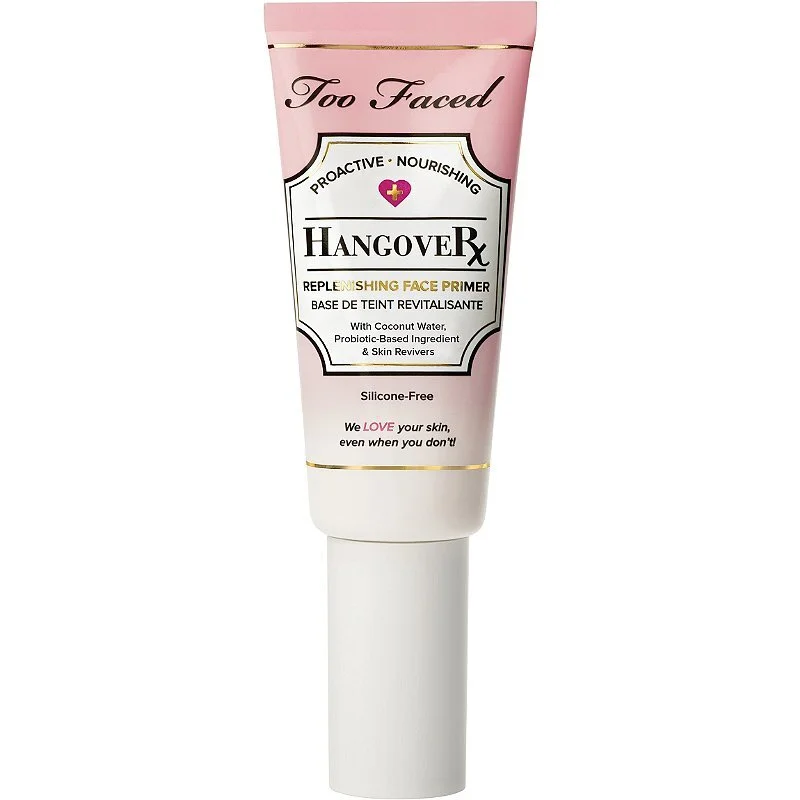
I do not burn easily, but let me tell you nose and cheek sunburn are no fun. Make sure you are applying sunscreen before your primer and makeup, since sunscreen should be applied directly to the skin. For primer, use something that is light, cooling, and long-lasting. You want something that won’t feel heavy and warm, but will still prevent your makeup from moving, creasing, or sweating off.

Cream Is Better

While you can still use cream makeup and it won’t be the end of the world, cream makeup is a bit better in the summer months. Unlike powder, it won’t get cakey once you start sweating, since it sinks into the skin and blends with the foundation. Also, going back to the less is more idea, I usually find myself using less cream product since it is more pigmented and blends out easily, so you will be applying less product on you face and avoiding cakiness,

Image via

Image via

Look For The Waterproof Label

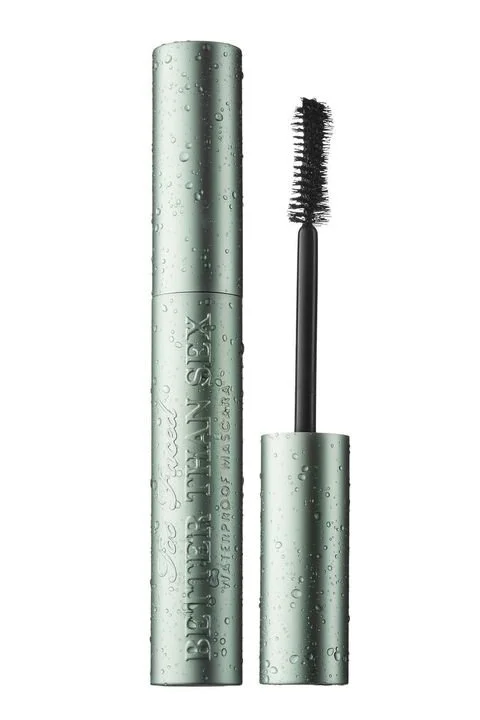
Use waterproof eye makeup in the summer months, particularly mascara and eyeliner, especially if you live in a more humid climate. Regular mascara and eyeliner will migrate to under your eyes, leading to the dreaded raccoon look. Waterproof mascara and eyeliner, however, will be less likely to do this, since the humidity will not have the same effect due to them being waterproof. Just make sure you fully remove the mascara and eyeliner, since they have a habit of being left behind and being a bit harder to remove than regular eyeliner and mascara.

Setting Powder And Setting Spray

Image via

Image via

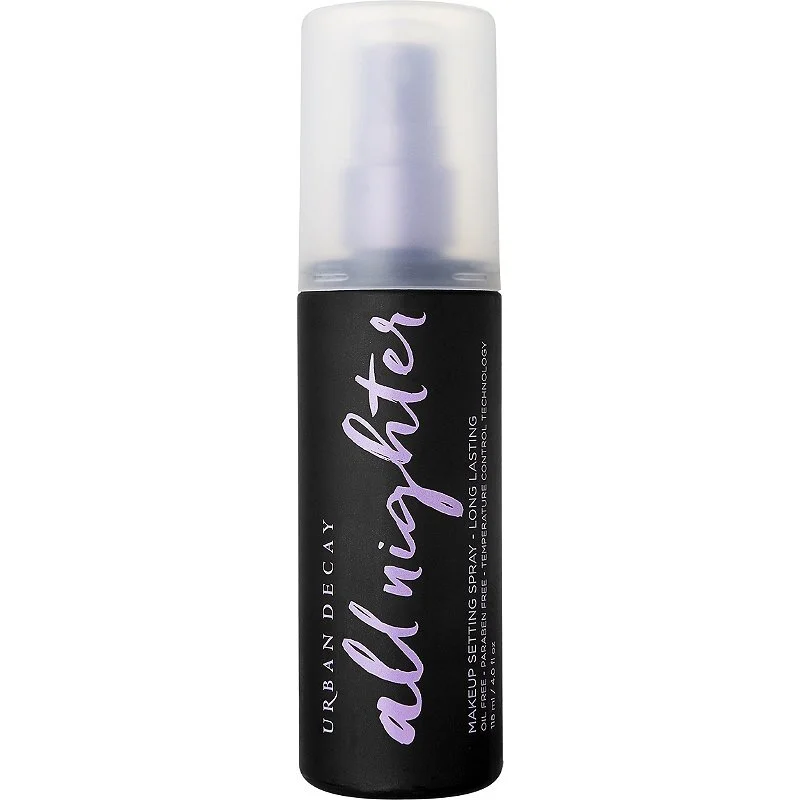
Setting Powder might seem strange for the summer months, but I’m telling you that it is great. It will prevent your makeup from creasing and from moving, since the powder will help absorb oil and sweat that would otherwise break down the makeup. Setting Spray will not only lock the whole look in, it will also make it last and provide a cooling effect.


Featured image via


Why You Should Cut Your Hair During Social Isolation

The overwhelming restlessness that has been stirred up by isolation has reduced me to pure impulse. When I want to rearrange my closet, I do. When I want to snack, I do. When I binge-watch “Baby” on Netflix and watch Alice Pagani play ‘Ludovica’, who sports a chin length black bob with short bangs, and then I see my blue craft scissors, I think Fine. I’ll bite. 

“Gone Girl” gif via

“Gone Girl” gif via

My Roommate Trimming My Hair

My Roommate Trimming My Hair

And maybe I don’t really feel any reaction when I see my own face, prominently displayed at the top of the screen. In Zoom discussion, on FaceTime, and over Instagram, why is the temptation to constantly be checking out your own face so magnetic? I think that the more I look and my own face is reflected in the black mirror of a dark laptop screen, the more I want to change it. 

So, whatever.

I cut five inch chunks from my hair. And then, immediately call in my lovely enabling roommate to straighten the edge and uniform the length. We sit on the floor in front of my mirror, black hair forming a circle around us, and laugh. She tells me that she once cut her friend’s hair with small scissors in her high school’s bathroom. 

This is a time honored tradition. Perhaps because it feels good to do something and immediately see tangible results. Perhaps because it makes you feel like a new person, when all other modes of expressing yourself have been taken away. Perhaps it is about bodily control in an uncertain time. I say that you should go ahead and cut your hair. After all, it will grow back. And all we have is time. 


Featured image via Alice Pagani’s Instagram

Spring Trends: Colorful Buzzcuts

The weather outside is just getting warmer. Sure, it’s always fun to think about how to switch up your wardrobe to bring in the new season, but what about a different kind of change?

Hair is something many people have a complicated relationship with. There are exceptions, of course, but sometimes it’s hard to remember that hair grows back. Why not do something fun this year?

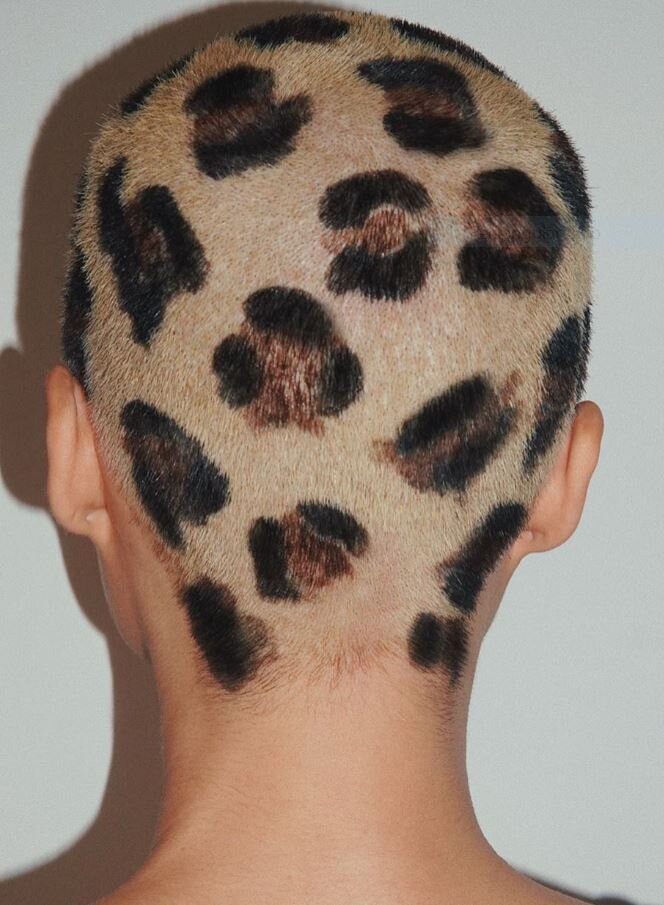
Buzzcut art is in right now, an ode to the styles prevalent in the 90s punk revival. Here’s some spring inspiration dedicated to one of my favorite retro trends.

FEATURED IMAGE VIA JANINE KER

Product Review: Maria Nila Colour Refresh in Vivid Violet

Product Review: Maria Nila Colour Refresh in Vivid Violet

I’ve always wanted to dye my hair ombre, but I didn’t want to go through the mortifying ordeal of being perceived getting my hair bleached. So, when I was gifted this hair-mask-slash-dye, I knew I had to try it. Did the dye successfully overcome my brownish hair, a color notoriously hard to dye? Read on to find out.


Quick facts

Name: Maria Nila Colour Refresh in Vivid Violet

Price: $19.00 + tax for 100 ml

Smell: It smells like hair dye, but in a nice, pleasant sort of way. Like a beauty salon. 4/5

Texture: A thick cream-like texture that spreads easily over hair. 5/5

Ease of use: It’s relatively easy if you’ve dyed your hair before. There is a learning curve to get a more intense color. Make sure you use gloves. 3.5/5

Appearance: First attempt barely showed up, second attempt showed up more but was still subtle. The color looks much better in the light. Works best on lighter hair. ⅗

Total: 3.5/5


The instructions were pretty simple: Wash and towel-dry hair. Apply dye, and wait for 3-10 minutes. Wash off with cold water, and then finish with some conditioner. What could go wrong?

Well, as it turns out, everything. (To be fair, this was my first time ever dyeing my own hair). The application itself was very easy: I separated my hair into four parts, and slowly applied the dye to the ends. I used a comb (note to self: use a more finer-picked comb next time) to disperse the dye, and waited for 15 minutes. I knew that, with my darker hair, I would need to go for maximum wait time to get a maximum effect. What I didn’t account for was that, in my attempt to dye my hair, I completely miscalculated my limb placement, so I also ended up dyeing the bathroom sink a bright purple and bleaching my jeans in a frantic attempt to bleach the dye out.

After (finally) getting out the dye in the sink, I washed out my hair with cold water in the sink for about 3 minutes. Here was my error: I ended up washing out too much of the dye, an error that I only found out about after my hair dried. I actually wasn’t very satisfied with the result at first—my hair was barely purple tinged, even when seen in the light.

Next morning, I decided to dye my hair again. Now that I knew what I was doing, the process was a lot easier! I successfully managed to not dye my sink purple a second time! The cream really is easy to use, as it comes in a gel-cream that’s very pigmented. Just a little is enough, although for more intensity I would recommend going back and re-applying the dye a couple of times. I also made sure to wash out my hair a lot less the second time again for only a minute. This time, my hair looked a lot more purple. It’s still a very subtle change, but one that’s more visibly purple.

Overall, I liked the product for its ease of use and accessibility. I would recommend the darker colors to people with darker hair, but be warned that it will be a subtle dye. There are lighter colors, but with the performance of this product, I’m not sure if it will show up on hair darker than blonde.

E49064D0-1E64-4A5E-85A0-67A336B8F12D.jpg

Final Result

Maria Nila Colour Refresh in Vivid Violet

Total rating: 3.5/5


Images via and Karina Holbrook.

Maximalism Is In

Minimalism is not boring. There’s a certain charm, a gentle allure in the ability to dab a bit of color on your cheeks and lips, to darken the eyes just a tad, in order to freshen up. Highlight your cheeks and nose. Swipe a bit of gel on to lock your brows in place. Blend some concealer under your eyes if need be. It’s nice, quick, and easy.

“No makeup-makeup is meant to enhance your features, not hide them.”

I can’t say I’m the biggest fan of that statement. Sure, it rings true, but who says we’re hiding? 

ART VIA JULIANA

ART VIA JULIANA

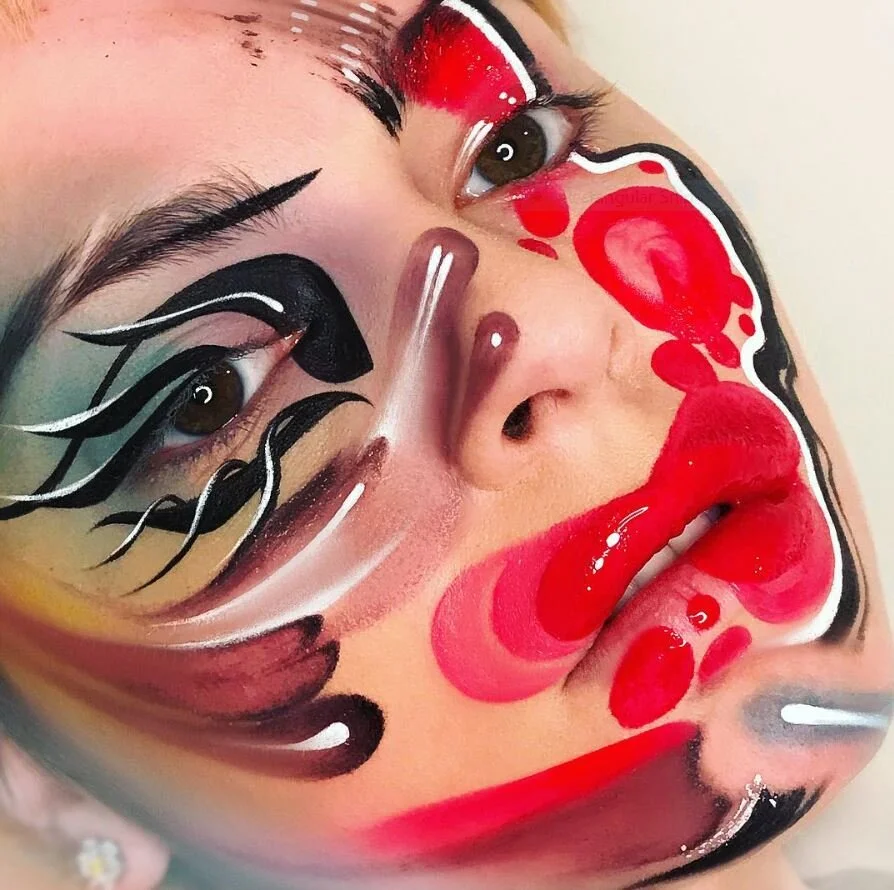
There’s a sort of magic in being able to transform your face into a canvas: in blending rainbows into your lids, nailing wings that cut, and fashioning mind-blowing graphic looks through the tiny mirror of your eyeshadow palette. In turning your tools into paintbrushes.

The past couple of years have seen a sky-rocketing high in the creativity of MUAs, especially through the use of Instagram. There was a point in time where—and I think every avid fan of makeup remembers—makeup tutorials would consist of the same looks, back to back: natural smokey-eyes, cut creases, nude lips, and the same shades of orange and pink like clockwork. Now, there’s something about it that’s just so special.

ART VIA LUCIA

ART VIA LUCIA

Maximalism is in, with all of its eccentricity. 

I’m not just talking about the swipe of a colored liner on the eye. Young artists today have been going all-or-nothing, and it’s remarkable to observe the way makeup has evolved from a daily routine into an art form, something that evokes inspiration in people worldwide. Accounts from the likes of Juliana Horner (vesperucca), Chloe Denyse (sylvurdust), Lucia Pereŝová (geminiblush), June Noel (visiblejune), and Ana Takahashi (anatakonyourface) take up the majority of my Instagram feed, and I could spend hours scrolling through in awe at their dauntless talents. 

The creativity artists these days exhibit is utterly entrancing, and it kindles a fire in me (and many others) that desires nothing more than to burn and create. And that, I think, is simply what art is meant to do. 

ART VIA CHLOE OF @SYLVURDUST

ART VIA CHLOE OF @SYLVURDUST

ART VIA ANA OF @ANATAKONYOURFACE

ART VIA ANA OF @ANATAKONYOURFACE

FEATURED IMAGE VIA JUNE of @VISIBLEJUNE

Bold Eye Looks For the New Decade

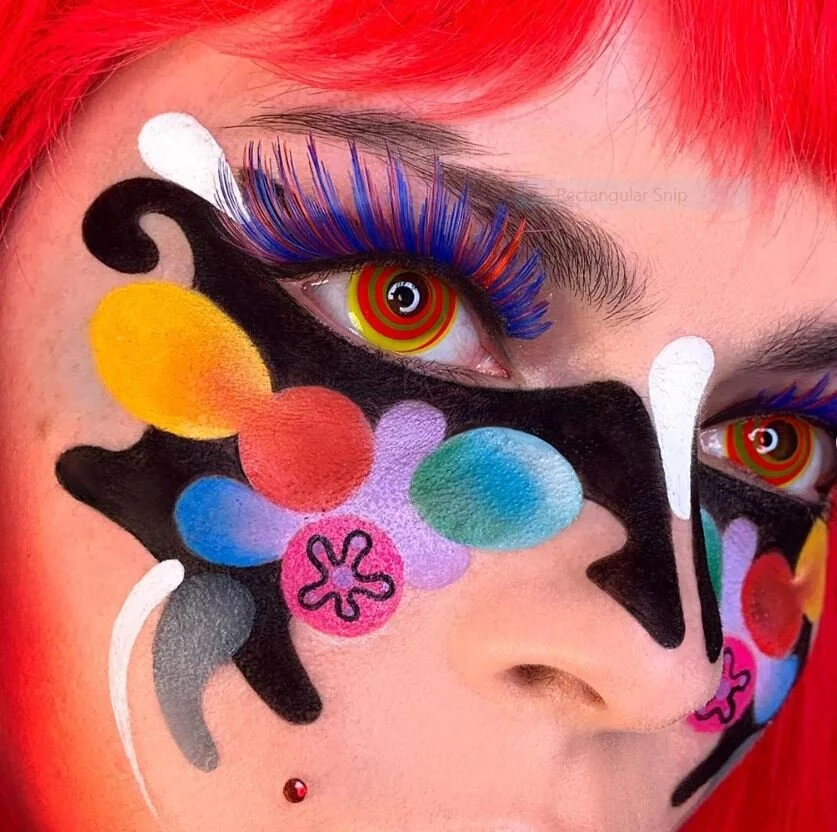
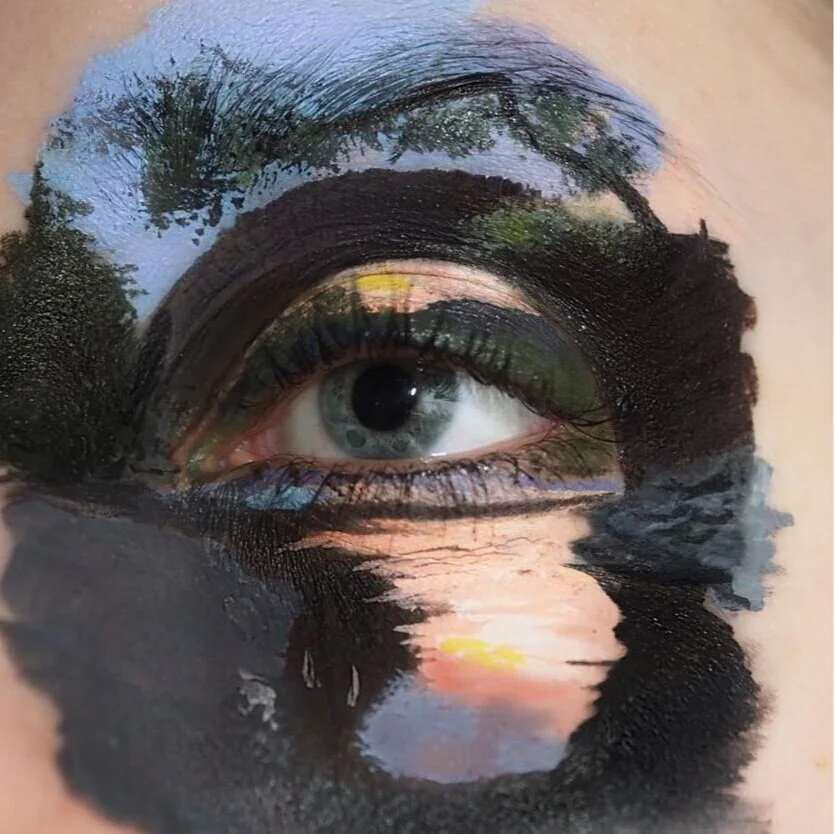
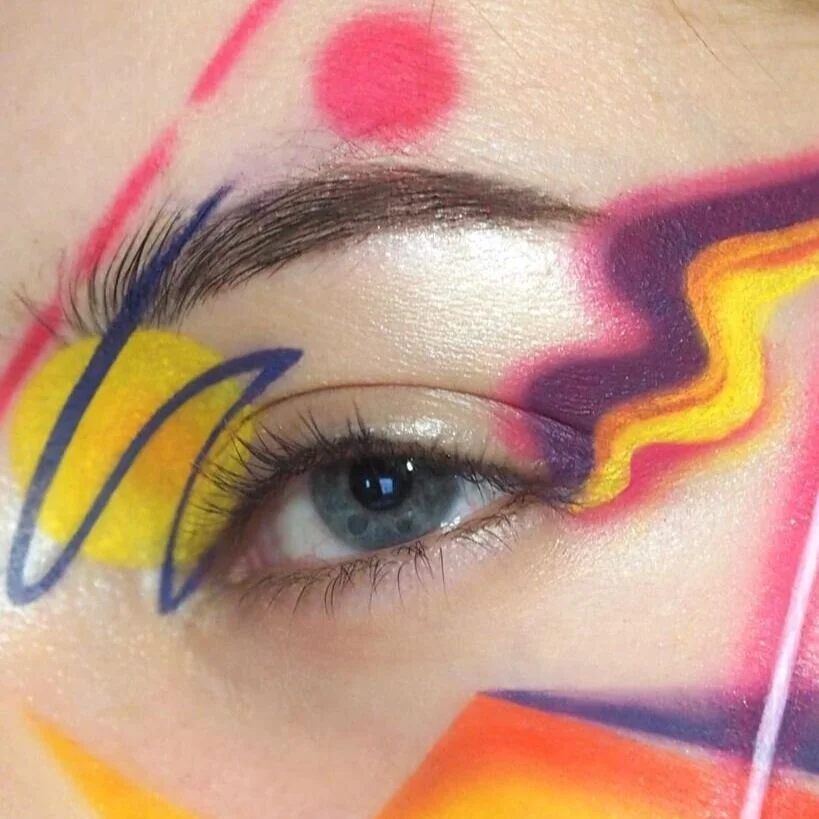
Contrary to popular opinion, there is no right way to do makeup. There are no steps, there are no rules, and 2019 has seen multitudes of trends in terms of makeup style that emphasize taking risks and stepping outside the box. The most influential, in my humble opinion, was the rise of bold, striking eye makeup worn as an everyday look. Many people’s first thoughts might immediately go to the trend of Euphoria makeup based on the show by Sam Levinson, starring Zendaya. Even though playful, editorial makeup has been—and will continue to be—done for a long time, I do have to give the show props for pushing makeup-wearers to gain the confidence to stunt bold looks on the daily. Makeup is an art form, after all.

 I do love a no-makeup makeup look, I do love a natural beat, but sometimes it's fun to change it up, especially when going into a new year. Make this year your year to stand out, and play around with some of these simple tips to help spice up your daily looks.

COLORSCOLORSCOLORS

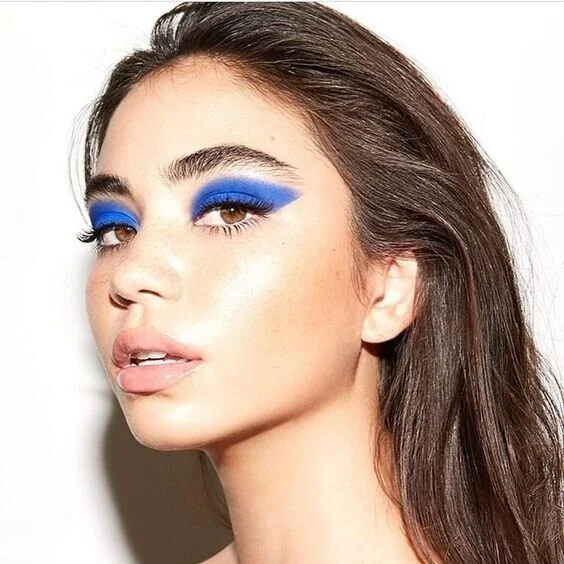
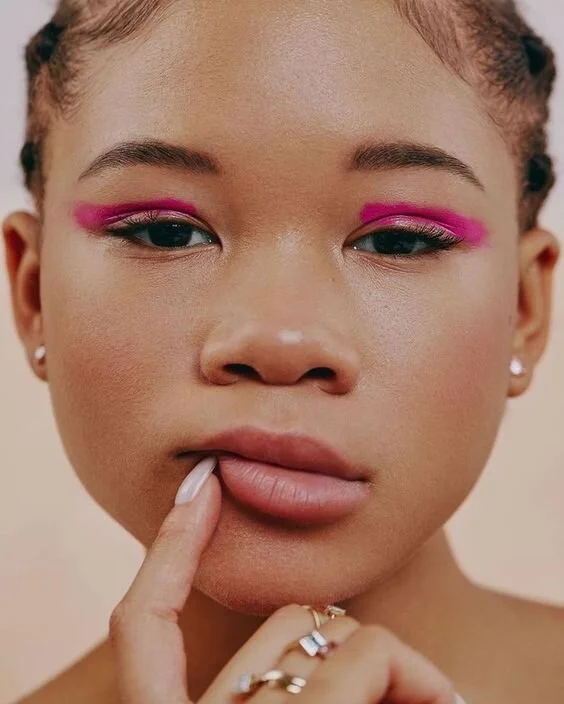
Try your hand at bold, monochromatic looks as opposed to daily neutral shades. I’ve definitely been guilty of buying way too many different palettes of similar color schemes (neutrals, browns, reds, oranges) because I was intimidated by blues, greens, and purples. Monochrome is tremendously popular right now, and is a great cop-out for those who don’t feel like their technique is “good enough” (but who cares, really, right?) to blend multiple shades seamlessly. 

Image Via

Image Via

There are a multitude of ways to approach single shade eye looks: the easiest is to simply tap your saturated shade of choice across a primed lid, and diffuse it through your crease. The fact that you’re using a single color gives you much more leeway to go wild without worrying how to transition into another shade. My go-to palettes for bright and bold eyeshadows are the Juvia’s Place palettes: they’re vivid, pigmented, and all of them retail for no more than $25.

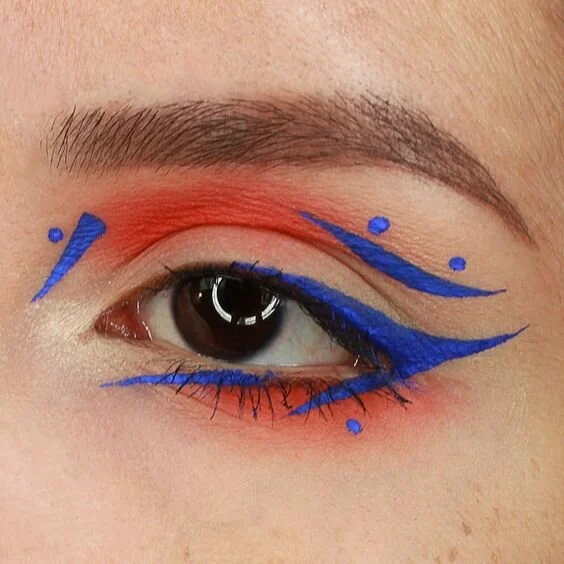
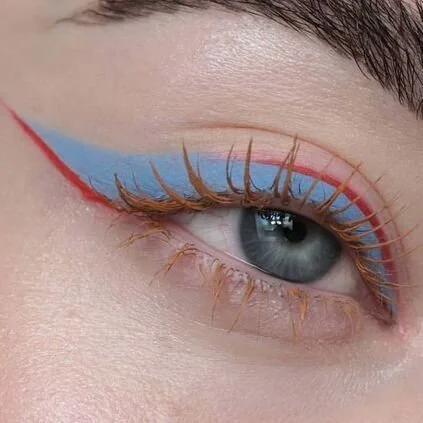
Colored eyeliners are products I swear by, and I think everyone should add a couple of their favorite colors in liner form to their makeup collection. There’s no easier or quicker way to spice up a look than using these. The options are endless: swap out your plain black winged-liner for a color that matches (or contrasts) a piece of your outfit, try your hand at geometric shapes (squares, circles), and if all else fails, add dots! Dots of colored liner have become a part of my everyday makeup, and it only takes seconds. I’ve built up a collection of the NYX Vivid Brights liners over time, and they each retail at $7.

Image Via

Image Via

Image Via

Image Via

PLACEMENTPLACEMENTPLACEMENT

Image Via

Image Via

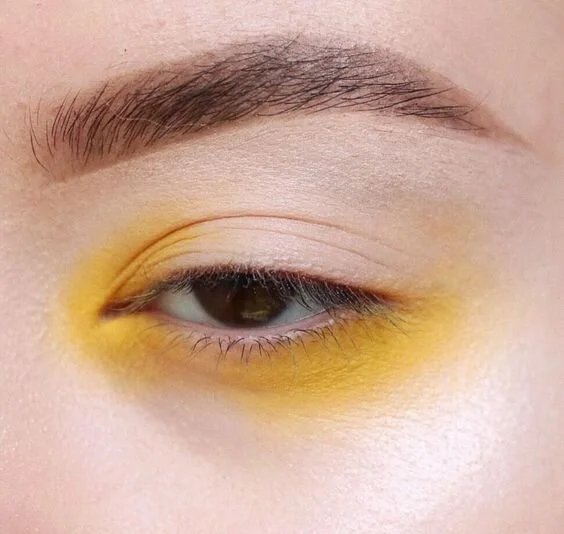
Placement of shadow has become a huge game-changer on the runway, and as of recent a key part of my own routine. We all know where shadow is meant to go, but instead of washes of color over your lid, try testing out different placements: Diffuse shadow around the inner and outer corners of your eyes only, blend a color on the outer corner of your eye and extend it farther than normal (I usually go as far as to my temple with orange and yellow shades), blend a color on your lower lash line only, or extend it to the outer corner of your eye (mimicking a wing).

There’s no right way to go about placement of shadows. It’s about having fun with your makeup, treating your eyes as a canvas and your blending tool as a paintbrush.

Image Via

Image Via

BLINGBLINGBLING

Image Via

Image Via

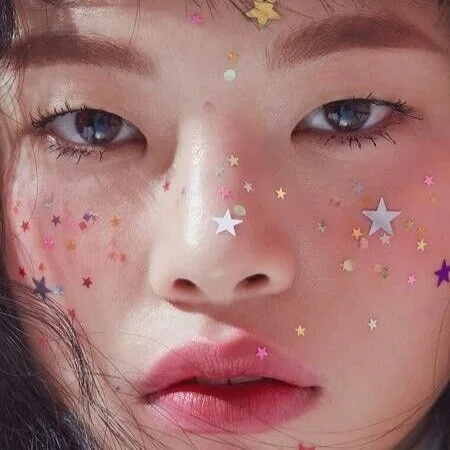
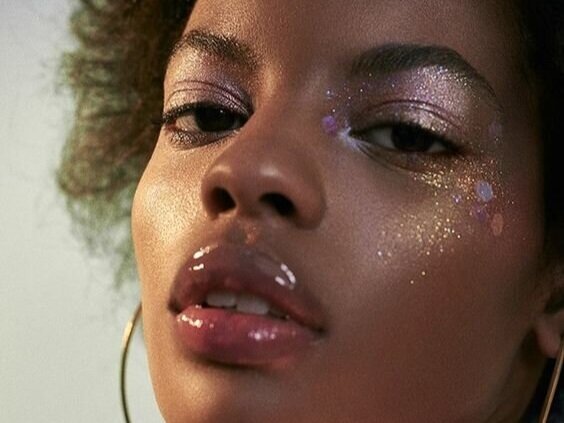
The addition of glitter and gems to your looks is an effortless way to make your eyes pop. Washes of glitter shadow over your lids and in your inner corners are go-to looks, but it’s always fun to try and branch out a little. Don’t save glitter for special occasions only! Makeup stores will always have endless varieties of glitter mediums and shadows, but I prefer to opt for super chunky glitter and gems.

Usually I frequent a craft store like Michaels or Jo-Ann to find extra-chunky versions as opposed to fine ones (stars, hearts, moons, any shape is possible, really). Gems and lash glue are best friends, so try your hand at it: add some lash glue to the back of your accessory of choice, wait a couple seconds for the glue to get tacky, and go crazy. I like to apply gems and glitter to the outer corners of my eyes and the tops of my cheeks.

Image Via

Image Via

Makeup is an ever-shapeshifting vessel, and trends either come and go like clockwork, or stick around to cement their place in the beauty world. Style is fluid and dynamic, and so are you. What makeup trends do you hope to see stick around this new decade? What will you try next?

Featured Image Via


The Spooky Truth About Glitter

That glitter eyeshadow is cute - but at what cost?


It’s almost time for Halloween, which means one thing: lots of glitter. Whether it’s in costumes, makeup, or your next prank on your roommate, glitter is a fun, harmless way to let out your creative side. Or is it? 

Not true: contrary to popular belief, non-eye safe glitter poses real threats to your health, including scratched corneas and infections that can send you to the ER.

What, exactly, is non-eye safe glitter?

In order to understand what makes glitter eye-safe or not, it’s first important to understand what exactly glitter is. According to the BBC, glitter can be made from various materials, including plastic, metal, glass, biodegradable kelp, and mica. The first two are often used to make big glitter particles - what you would traditionally think of as glitter. Because of environmental concerns, however (glitter is a type of microplastic), many companies are using non-traditional, more eco-friendly materials such as kelp or mica. [1]

In addition to material, glitter can be informally sorted by grade. Craft glitter is what you think of as glitter - bigger, chunky, usually made of metal or plastic, and with sharper edges. On the other hand, cosmetic-grade glitter is the name of glitter that follow standards set by the beauty industry. Typically, cosmetic-grade glitter are small particles made from polymers, with hexagonal edges as to reduce the risk of injury. It tends to be smaller, and is thus considered “safer” for eyes. [2]

What are the dangers of glitter?

Two words: eye damage. Craft glitter is out of the question - the metal and sharp edges mean that there is a very real risk of scratching your cornea, which can lead to eye infections and long-term eye damage. Even cosmetic glitter, which is considered by some to be safer, carries risks - it still has sharp edges, and because of its small size, can be harder to wash out once it’s in your eye. As stated before, the sharp edges can cut the cornea which result in corneal scratches. Although most corneal scratches usually heal in a day or two, they require special attention, especially those caused by plant matter. Otherwise, they can turn into eye infections and eye ulcers. [3]

What are the dangers of glitter? Two words: eye damage.

Non-plastic glitter also carries risks. Lush USA, when reached for comment, verified that their glitter is plastic-free, but recommends against getting it in the eye area. The Food and Drug Administration goes so far as to go against any use of glitter, even cosmetic-grade, around the eye area. [4] Clearly, the danger is real.

What does that mean for me, the consumer?

Unfortunately, many companies still do not disclose whether the glitter they use is eye-safe or not. Other times, the label is barely visible, serving as a way for companies to claim plausible deniability when something goes wrong. It’s wrong and unfair to consumers. After all, why put eye glitter in products that are clearly meant to be used in the eye area unless companies know they can get away with it? Sadly, the current trend of glitter-mania shows no signs of stopping, and so it becomes up to us, the consumers, to be aware of the dangers. The author recommends using glitter, if you must, around the eyes only if it’s explicitly stated to be eye-safe. Be careful in removing the glitter. And please, please don’t use craft glitter.

Unfortunately, many companies still do not disclose whether the glitter they use is eye safe or not.

So this Halloween, skip the glitter around the eyes. Your corneas will thank you.

Featured image via

Is CBD Oil the Hottest New Skin Care Product?

I’m sure by now you’ve probably seen some form of a CBD infused product on the market, and if you haven’t then I’m not sure where you’ve been for the past year. I’ve literally gone to the mall back home and seen a small weed kiosk that attracted crowds of people, all disappointed to find out it was weed but minus the THC.

There’s CBD infused lotion, candy, water, dog treats, ice cream, and honestly anything else you could imagine–so what is CBD and why is it in everything?

CBD is a closely related compound to THC, however it does not cause the high that is associated with marijuana. Instead it helps with providing relief for chronic pain, anxiety, inflammation, and many other conditions. Basically, CBD gives you the benefits of cannabis without the high.

Companies have taken these benefits and created skin care’s hottest new trend: CBD oil. Only time will tell if this is a trend that’s here to stay, or just another fad destined to fizzle out. Until then, here are some of the internet’s best rated CBD oil skin care products for you to try out yourself:

1) Cannuka Nourishing Body Cream- ($28)

Image via

Image via

Image via

Image via

Image via

Image via

Image via

Image via

Featured image via

The Art of Self-Tanning

Summer is approaching faster than you think, and what better way to usher in that summertime magic than with a summertime tan? If you’re not a big fan of suntanning (and some of its dangerous side effects), there are so many ways to get that glow without any sunlight required. Thanks to the self-tanning industry, there is hope for us all… if it’s done the right way. Here is my power duo for achieving the perfect balanced tan:

shopping.png

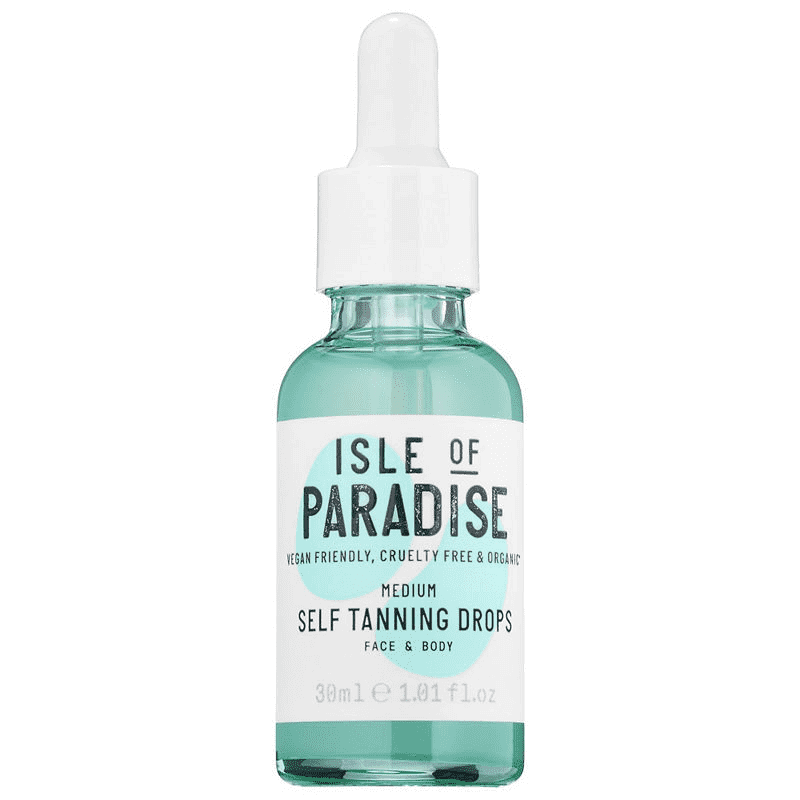
Isle of Paradise Self Tanning Drops

These drops are perfect for getting a very natural, just-got-back-from-Greece-glow. As long as you use the right amount and blend almost into your hairline, it’ll look great. For me, usually 3 drops is good enough to match my body.

Image via

515vnL1ThbL._AC._SR360,460.jpg

St Tropez Self Tan Bronzing Mousse

As long as you use a mitt and you apply a generous amount, your tan will look healthy and amazing in no time. You can leave it on for a few hours then shower it off, or just not shower until the next day. It’s not sticky at all and smells nice, which is always a plus!

Image via

And here are just some tips to keep in mind:

  1. ALWAYS wear a mitt. The palms of your hands will be an unnatural shade of orange if you forget one.

  2. If you’re using tanning drops for your face, never mix it into your moisturizer on your hand. As I learned this past weekend, there will be a giant blotchy spot on the back of your hand that will take forever to go away.

  3. Have a friend help you out. Attempting to cover your back by yourself is possible but probably not worth the struggle.

So there you go! Tanning done in two easy steps, just in time for summer.

Good luck and happy self-tanning~

Feature image via

A Guide to Perfume Scent Profiles, Just in Time for Valentine's

Buying perfume as a Valentine’s Day gift might sound intimidating and daunting, but that’s exactly why it’s a great gift for anyone–it’s intimate and personal and shows how much thought you invested in your decision. Since perfume is a staple in many beauty routines, there is a nearly endless number of fragrances to choose from. But don’t worry, we’ve simplified things for you! Keep reading for a quick guide on the seven basic categories of scents.


Floral: The most common scent for women’s fragrances. It utilizes floral notes, typically lavender, peony, jasmine sambac, or daisy, to keep the scent feeling fresh and sweet.

From L to R: Marc Jacobs Daisy Eau So Fresh Kiss Eau de Toilett, Miu Miu l'eau bleue eau de parfum, and Moschino Toy 2 Eau de Parfum


Fresh: This scent is usually comprised of orange, lemon, bergamot, grapefruit, and other smells of the citrus family. Fragrances in this category tend to have a sharper, cleaner smell.

From L to R: Chloe Love Story Eau de Toilette, Tom Ford Neroli Portofino Acqua, and Maison Margiela Replica Lazy Sunday Morning.


Oriental: Inspired by traditional Indian and Arabic scents, these perfumes are made up of ingredients like amber, sandalwood, or vanilla. It’s perfect for a night out!

From L to R: Jimmy Choo Fever, Jo Malone English Pear & Freesia and Tonka 25 le labo.


Fougere: This scent family is traditionally masculine, but they can also make great women’s perfumes. The basic Fougère consists of lavender, oakmoss and coumarin (which is isolated from the Tonka bean, which smells of hay, almonds and vanilla). All together, they create an aromatic vibe.

From L to R: Tom Ford FougèrePlatine Eau de Parfum and Mugler Les Exceptions- Fougere Furieuse.


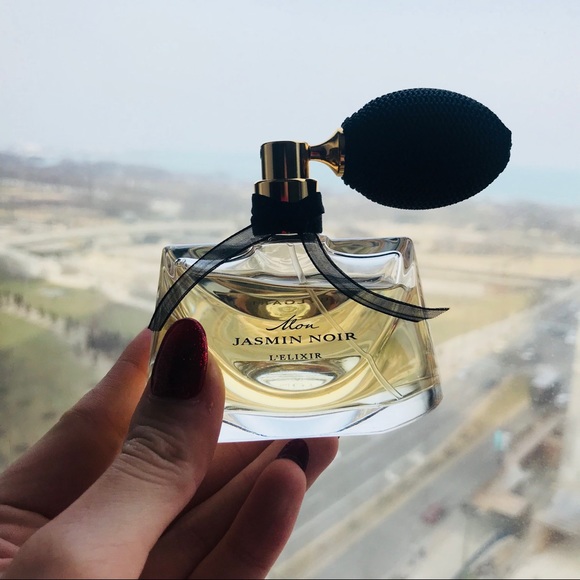
Woody: These fragrances are usually comprised of vetiver, oak moss, amber, cedar, patchouli, and oud. They often have a citrusy base with bittersweet notes, providing a rich and complex smell. Woody scents are sometimes combined with floral to create a more feminine scent.  

From L to R: Tom Ford Oud Wood, Bvlgari Jasmin Noir Perfume and Burberry Body.


Thierry Mugler Chyprissime

Thierry Mugler Chyprissime

Chypre: Three main ingredients that categorize chypre are bergamot, labdanum (a warm resin produced by rockrose), and oak moss. They are the hardest fragrances to pin down as they combine traces of woody, dry, and warm smells.


Gourmand: Scents in this family are wholesome, cakey, and sweet. Classic ingredients are chocolate, toffee, honey, coffee, and caramel. The dessert-like qualities make them playful and youthful.

From L to R: Dior La Collection Private Feve delicieuse, Prada Candy and Lancome Vie Est Belle.


Feature image via, all other images via.

Beauty Brand Review: AmorePacific's Treatment Enzyme Peel

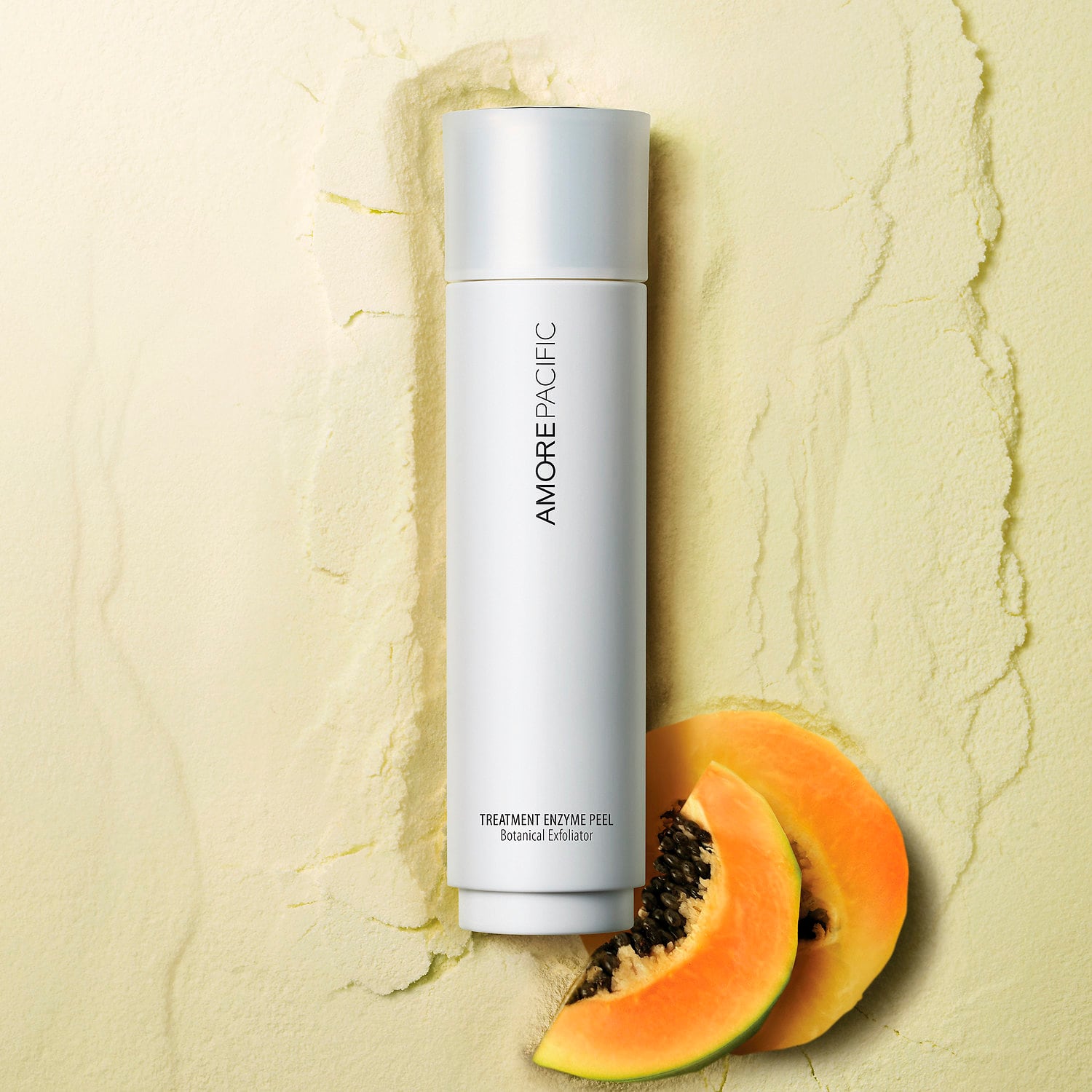
Powder cleansers were super popular for a hot second last year, and still are trending pretty consistently, especially in East Asia. I resisted this trend for the good part of the last year until I was convinced to try the AmorePacific Treatment Enzyme Peel from my friend in Hong Kong.

Image via.

Image via.

I was having a really bad summer for my skin and my face needed some major exfoliation, so I finally relented and tried it out. The whole process of needing to pour out some powder, mix water, and foam it up seemed like such a hassle at first. But the bottle was $60 and I had lost the receipt, so I had to stick with it.

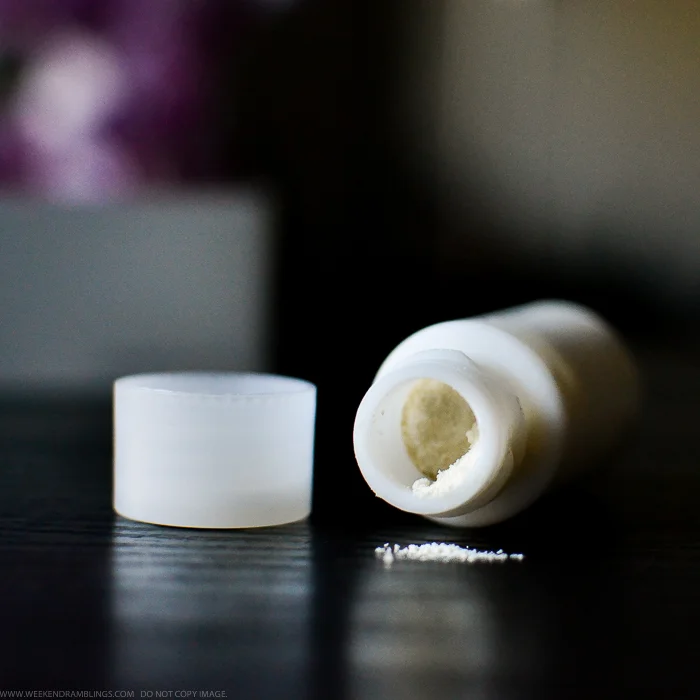
The cleanser uses a papaya-based enzyme called papain to gently clean the skin. The product itself is a white powder that smells vaguely sweet but pleasant.

The first time I used it I definitely messed up— I had used too much water and the powder barely foamed up. After a few times, however, I figured out the ratio and it got much easier.

Image via.

Image via.

Now, I’m not a big fan of physical exfoliants (think St. Ive’s Apricot Scrub), since I think they’re too harsh for my face. I usually use chemical exfoliants like The Ordinary’s AHA/BHA Peeling Mask, but I also wanted to get a mild exfoliant for daily usage. This enzyme peel fits the bill, and has been really gentle on my skin.

The morning after the first night I used it, I already noticed that my skin looked softer and brighter. My skin is usually pretty dehydrated, and I thought it did a good job in making it feel more moisturized. Over the next few months, I noticed my dark spots from my acne break-out fading pretty quickly, as well as my face texture smoothing out. There’s definitely a difference between nights where I use this cleanser and nights that I don’t!

Overall, it’s understandable why this product is so popular. The results are apparent almost immediately and continue to get better with time. This is suitable for all skin types, and works well with any textural or pigmentation problems. Although the price is high, I’d recommend it to anybody who feels the need to splurge a little, and is concerned about having skin sensitivities to anything.

Feature image via.

How to Smartly Navigate Holiday Beauty Releases

Sephora floods with holiday gift releases around October, which is honestly a little rude. No one realistically considers gift shopping this early in the year. If you’re even slightly interested in the makeup scene, this time of year brings in more than just general interest from new releases; it seems like the best time to save money on products you’ve been eyeing all year through bundles and other techniques the brands have. But after being a veteran to the holiday season makeup hauls, I’m here to give you some insight so you don’t have to make the same mistakes I did, or even worse, buy a present that sucks for someone else.

Ignore Theoretical Retail Value

Image Via

Image Via

Beauty brands love to do this evil thing to its consumers where they put a “originally sells for” or “has a value of” price under the holiday selling price. Who doesn’t love to maximize gift value without inflating the price tag? Well, this is an evil scam we all need to learn to ignore. It’s common knowledge that a single Anastasia Beverly Hills shadow or an Hourglass highlighter has an individual price tag of about $10-20 per pop. But everyone also knows that it is so much more economical to buy palettes. This is sort of the same knowledge that applies to holiday set pricing; the brands inflate pricing value to make it seem like you’re saving more money. This year’s “new” holiday release from Tarte, Pineapple of My Eye Collector Set (retailing for $59 this year) is a perfect example of the holiday scam season. Containing about the same shadow amount as a regular palette, a blush/bronzer quad, and some miscellaneous eye and lip products, this set looks like a great deal. When looking deeper into it, the miscellaneous products are easily redeemable as free samples on the Tarte website with each purchase, and the palette only costs around $9-10 more than regular palettes. So basically, you’re paying a little more than usual for a blush/shadow duo palette… which really isn’t that original or groundbreaking.

Beware of Product Quality

Image Via

Image Via

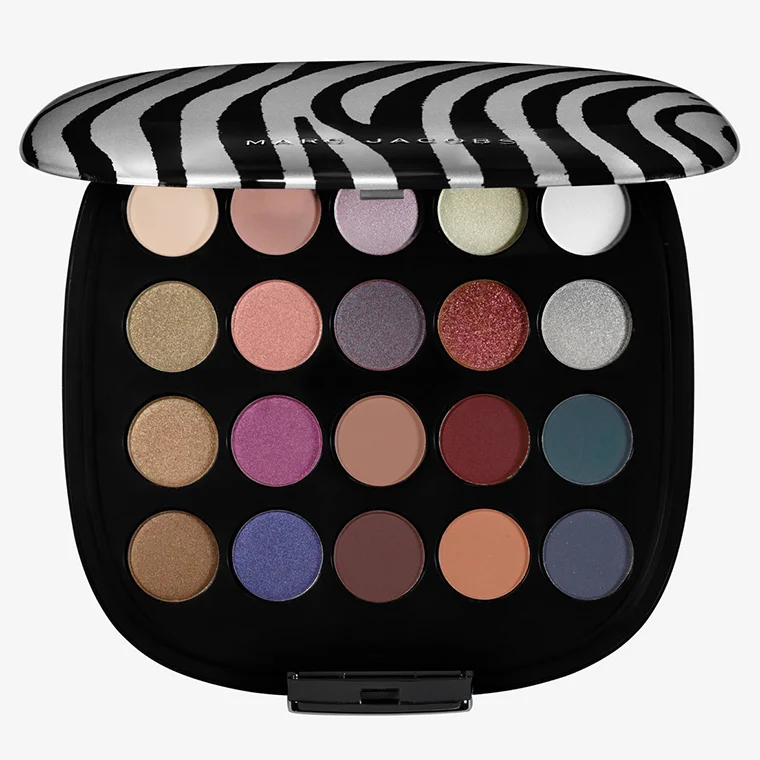
I love myself a Marc Jacobs shadow, so obviously seeing a massive Marc Jacobs holiday palette made me shake last year. I bought it, for a pretty hefty price too, and then found myself more than disappointed. In hindsight, I’m not very surprised. The skyrocketing demand for makeup in the holiday season coupled with the effects on mass producing theme-less products is bound to create some deterioration in product value and quality. But for Marc Jacobs, I expected better. The only impressive part of this holiday palette was its packaging, deviating from the regular sleek, black packaging classic to the brand. What disappointed me the most was the patchiness and lack of pigment in the palette. The quality fell so starkly compared to the regular releases from the brand. I’ve heard similar horror stories from brands like Too Faced, so if you see a product in the holiday season that seems too good to be true, you’re probably right.

New Isn’t Really “New”

Here’s my biggest issue with holiday releases: the products aren’t really new. Either the products in the holiday packages are just smaller sizes of currently existing products that are slightly smaller or bigger than the travel-sizes or they are just repackaged releases of the previous year’s holiday bundle. I think it deceives newer customers into thinking they’re getting a great deal when they’re not. A lot of times, the smaller products are bundled with other products that end up overpricing the holiday collection for little value. It ruins the point and originality of holiday releases that are supposed to make them special.

Maybe with this information, people will just opt to doing what I’ve done in the past. Instead of getting special people non-special gifts with incoherent price tags, I normally pick out something a little higher on the price point, but a product that is loved by everyone, something that really works, or something that I think will match the personality of the gift receiver. Let’s stop picking easy, generalizable gifts… it’s only begging for the inevitable relegation to re-gifting.

Feature Image via.

Try Before You Buy Perfume: Decant Index

People love being unique–whether it's having a monogrammed bag or a specific coffee order, everyone wants the external things they do to reflect their inner personalities. This is no different with scents, with a plethora of candles, perfumes, and sprays–both online and offline, at boutiques and grocery stores–that describe not only the origins of their scents but the type of person who would wear it.

Image via

Image via

The release of new products such as Glossier's You perfume build on this age-old foundation started by iconic perfumes like Chanel No. 5 and continued by contemporary classics like Dolce & Gabbana Light Blue or Marc Jacobs Daisy. Many women swear by a certain scent that, to them, is the one. But what if you haven't found yours yet, you don't want to spend a fortune going through bottles of perfume, or you don't wear perfume and aren't sure where to start?

There are many ways to research perfumes, but online purchasing can be expensive and err on the side of the scientific, while leaving the uninitiated in the dark. Going to into a beauty store can be overwhelming and pressure you into making a purchase. If you're anything like me, you don't know what myrrh or gardenia smell like and you're not sure whether the scent you picked at the store will wear for the whole day or if you like it enough to drop your money on a bottle. 

Image via.

Image via.

In comes Decant Index, an online-only boutique that sells personally chosen samples of perfumes from brands like Byredo, Hermès, Aesop and more. The perfume sampling service allows you to experiment and explore different scents without fully committing to an intimidating price tag or massive bottle of perfume you know you’ll never finish. You can also talk to one of their representatives and have someone personally customize your samples to what you’re looking for, with detailed notes on each scent and recommendations for use.

For more information (and inspiration), check out Decant Index’s website or Instagram feed.

Feature image via.