"That's SO 2nd Century B.C.E."


lol it actually is cultural appropriation. But let me be clear: It’s not the usage of the word, it’s the fact that people aren’t even aware of its history that makes it cultural appropriation.

The first time an Instagram Reel popped up on my feed talking about manifestation, I straight up ignored it, Here we go. Another “spiritual” fad for TikTok to eat up. Unsurprisingly, I was right. ManifestationTok is a real thing:

Forgive me for not actually using TikTok, it’s banned in my country. This was the second-best option.

Forgive me for not actually using TikTok, it’s banned in my country. This was the second-best option.

Manifestation is not unheard about; actually, according to OprahDaily, it was popularized by the best-selling 2006 novel, The Secret, by Rhonda Byrne––a white, Australian author. (You might think, Why was the last detail necessary? I’ll get to it.) Of course, she’s not been the only one; in fact, she was merely the kick-starter. Here’s the Goodreads recommendation list for books about manifestation:

So, someone wrote a book about something and it blew up; that’s not unusual. Absolutely, it isn’t. If you deep dive into manifestation, you’ll hear about something called the 3-6-9 method; it applies to anything you’re trying to “manifest.” You would say a person’s name 3 times, recite your intentions for them 6 times, and say what you would say to them 9 times; or, you journal 3 times in the morning, 6 times during the day, 9 times before bed; or, you repeat your affirmations 3 times in the morning, 6 times during the day, 9 times before bed. You get it; 3-6-9 are the universe’s greatest numbers, blah blah blah. Don’t take it from me, actually, take it from the experts: The Manifestation Collective, whom you would trust to be a reliable source. 

And what does ye wise old one say?

“The 369 manifestation method was one of the first exercises I discovered when I initially came across the law of attraction back in 2016. But before we move into how to use this technique to manifest, can I interest you in a little history lesson to begin? Now, where are my glasses…
Let me introduce Serbian-American inventor, Nikola Tesla. Tesla, famed for not only his inventions such as the remote control and the Tesla coil but also his spiritual enlightenment, noted the numbers 3, 6 and 9 as being ‘divine numbers’ and was quoted saying; ‘If you knew the magnificent of the numbers 3, 6 and 9, you have the key to the universe.’”
— The Manifestation Collective, "How To Do The 369 Manifestation Method"

Pardon my French, but that’s bullshit. Actually, Tesla brought the idea of 3-6-9 to the Western world from Swami Vivekananda, the first in a succession of yogis who brought Vedic philosophy and religion to the West. 

In that vein, most “spirituality” is actually just white-washed Hinduism, or Buddhism, or Jainism. And manifestation is nothing other than one more Eastern practice that has been mislabelled and made mainstream by Western social media; the list itself is a topic for a whole different article, but the big ones include yoga, the third eye, chakras, and of course, “chai tea”––which literally translates to “tea tea.” (Thanks, Starbucks.) 

Unfortunately, this phenomenon does not apply only to Hindu or Indian practices; reciting the list of things that are now mainstream that were once sacred socio-cultural practices to many communities is a book of its own. 

But what really is cultural appropriation? 

To clear this up: neither your TikToks, nor your actual manifestation practices are exactly cultural appropriation. It is your lack of knowledge and your inability to admit, or ignorance to find out, the actual origins of the content you put out there. Cultural appreciation, which is when you seek to learn from and understand another culture while respecting their beliefs, differs from cultural appropriation in that the latter involves cherry-picking ideas from different cultures without respecting the beliefs behind them or where they came from. And that is exactly what this obsession with manifestation is––and as Indian, (somewhat) Hindu, I feel justified to call it out. 

 Manifestation is based on the “Law of Attraction,” which was said to be penned down by William Walker Atkinson in 1906. The real origins, however, are older than Atkinson by about 4,000 years––long enough for there not to be a debate. First mentioned in the Upanishads, a subcategory of the Vedas––a collection of the sacred texts of Vedic practices––the idea of manifestation has been written about extensively:

That person, who desires for objects of pleasures, by contemplating on their properties, gets born, along with his desires, among those objects of pleasures.
— Translation from Mundaka Upanishad, Mundakopanishad 3.2.3
From it the universe comes forth, in it the universe merges and in it the universe breathes. Therefore a man should meditate on Brahman with a calm mind. Now, verily, a man consists of will. As he wills in this world, so does he become when he has departed hence. Let him with this knowledge in mind form his wit. 
— Translation from Chandogya Upanishad
Whatever destinations and objects of pleasures, the man, whose mind is free from impurities, he obtains those destinations and those objects of pleasures.
— Translation from Mundaka Upanishad, Mundakopanishad 3.1.10

Go through all the articles on the first page of Google that comes up when you search “manifestation,” and tell me if you can find those quotes in any of them. If anything, you’ll rarely see a mention of either Hinduism, Jainism, or Buddhism; to these (poorly researched) authors, manifestation is a completely Western thing. 

Because, of course, why would it not be? When Hindus or other Eastern religions practice the same thing, they are looked at fearfully, branded as “demonic.” But when Blair on TikTok posts a 30-second reel in which she shows you how to manifest anything you want––love, money, a fat ass, you name it––manifestation is now intriguing, appreciable, and very trendy.

Go through the Goodreads list too, do you see any non-white names? I’m not accusing any of those authors of bad research; or at least not yet, I haven’t read any of those books. But it’s interesting to note that the most famous books about an ancient Eastern spiritual practice are all written by non-Eastern––or non-Hindu, non-Buddhist, non-Jain (sounding)––people.

If you read this and your first reaction is to be offended, I understand. But take a step back and notice: this is not about you––unless you’re one of those people on TikTok posting uninformed manifestation videos, then this is definitely about you. No one is denying your right and ability to practice parts of our culture––yes, even the ones we are mocked for––but we’re asking you to learn what you’re talking about. Appreciate it more. Recognize its roots. And then, manifest all you want. 

The funny thing? Manifestation is not a foolproof strategy to get anything and everything you want. This whitewashed trend of asking the universe for something and getting it, that’s not real manifestation. What is it really? Well, that’s a topic for another discussion.


Thumbnail via.

 
Source: https://in.pinterest.com/pin/7454865445539...

Sometimes Better is Everything


I try not to look at my phone first thing in the morning. If I’ve learned anything from internet personality Gabi Abrão of @sighswoon on Instagram, it’s how to wake up. 

First, understand you are awake. You can’t open your eyes first thing in the morning and bargain with whether you are awake or not. Awakeness and awareness are not meant to be decisions, and as I enter that state of consciousness from the warm planet that is my bed, contemplations chase each other across the space of my mind. 

Should I snooze the alarm? Am I really ready to get up, now? God, I want to go back to sleep.

No, I’m awake. Get up and go do something. The buzz words these days are grounding, spiritual, peaceful, calming, mindful. Make your morning any of those adjectives. 

Second, third, fourth, last, whatever, the list goes on. But the step after waking up is to remember you exist, and then do something about it. Stretch, drink water, put on music, stimulate. Make your ritual morning coffee and hold the mug between your hands as you stare out the window, letting the sun hit your face. Rinse the spinach, chop the tomatoes, and whisk the eggs for your breakfast omelette like it’s your last meal. Ideally, it is all so very beautiful, letting the world unfold before you like a miracle. 

Why does it feel so unattainable? Scratch that, why do they make it feel so attainable?

I surely can’t be the only one, as an early twenty-something and a sometimes unfortunately avid consumer of social media, on what could best be described as “Routine Tiktok.” Self-care Tiktok, morning routine Tiktok, night routine Tiktok, day-in-the-life Tiktok, what-I-eat-in-a-day Tiktok.

It includes anyone from the likes of celebrities, to influencers and business owners in their high-rises, to young adults with generational wealth in their lofts, to regular teens in their homes or hanging out with friends. I get so much satisfaction out of watching others do their so-called daily tasks, from the mundane to the exciting. 

I don’t think I have to make the spiel that nothing on social media is particularly authentic, I think we all know how that dance goes already. In a sphere that is all about craft and curation, the internet is not a space to wax poetic about organic existence. 

Sure, sometimes these posts feel a little real, like when I see @lei_go_to_therapy make a quick day-in-the-life where she admits that all she really did that day was wake up, sleep, maybe watch a couple episodes of a TV show. I love those ones, I do. It’s comforting. It’s a little bit like memoir writing, isn’t it? I mean, the most convincing thing about memoir is when the author acknowledges their short-comings, is candid about how things aren’t always what they seem. 

And then there are the other types, the ones with ethereal people in ethereal houses with amazing lives and amazing jobs. Trust me, I love @sighswoon, I really do. I think she, and other accounts like hers, do amazing work to help people on their spiritual journeys. I consume her content and it’s always nice to look at, the reminders and digital resting points and bits of poetry amidst the prose. But I can’t help but see her living the life in Hawaii, in a house by seaside, posting videos of waterfalls and hikes and beaches and just not being able to relate.

I don’t have that, most of us don’t have that, and this is not to say people don’t work hard for those things, but it is safe to say that the yearning for the lives of others can harm more than heal. 

Influencers and people who make those routine videos, the spiritual guides, the day-in-the-life Tiktoks, they know that those lives are curated. We know that those lives are curated. It’s a very clear exchange between creator and consumer. Social media is a highlight reel, or however the saying goes. It’s an unsaid agreement. That’s crystal clear to most adults on the internet, but this type of content still strives to portray a sense of authenticity even if that isn’t really possible. I don’t want a life that is not my own, I never will.

Man, do they make it feel attainable, though. It gets a little sinister.

Will I still wish I could spend my mornings on a balcony overlooking the sea? Sure. Will I still feel bad when my day is spent waking up, going to Zoom class, going on my phone, and going to sleep just to wake up and do it all again, my brain hammering at me to live my life to the fullest? Absolutely, whatever that means. People say you have the power to change your own life, yeah, yeah. Trust me, I know, let me be cynical and pensive, but that’s not what this piece is about. It’s about the other things.

Why doesn’t it feel as nice as it seems in the videos when the sun hits my face in the morning? Why isn’t the process of making my morning cup of pour-over coffee peaceful and meditative like theirs? Instead my brain just feels a little empty, full of goo and sludge and whatever comes next.

Maybe I just need to meditate, or go on the spiritual journey everyone talks about. Something like that. 

For now, I’ll still try to romanticize my life, because when the moments are good, they’re good. It’s about understanding that it all doesn’t have to be that way, that loving and being loved are good enough. I don’t always need to wake up at 5 AM, or do yoga, or meditate, or go on a run, or write in a journal, or be productive like the videos say.

Sometimes your orange tasted really sweet, and you laugh about the sting of the tartness in your cheek. Your hand is cold and your friend holds it and now it’s warm again. The tea soothes your throat and you feel it in your stomach. You trace your eyes across a finger as it points to the banana moon on a clear night. Things feel good, feel better, and it’s everything. 

I’ll turn my phone off when it gets to be too much.


Thumbnail image by Petra Collins

The Virtual Travel Hop: From NYC to Sardegna and Beyond

When my family visited Florence’s Uffizi Gallery, we missed Botticelli’s Birth of Venus. It was a hot summer afternoon, and we chose to wander the gallery ourselves. We had a map, and we spent hours marveling at the gallery’s statues and frescos.

But, I’ll admit that I’ve never liked tours. Like my parents, I’ve always preferred to explore on my own. As such, it wasn’t until we entered the museum’s gift shop that we realized we’d missed Botticelli’s work. We laughed. We hadn’t intended to miss viewing one of the most famous paintings in the world, but we’d nonetheless had a great afternoon. And so we left the museum, and trekked back to our hotel.

A few years later, I found myself wanting to know more about art, from a formal perspective. And so when I ranked my 2020 Spring Quarter classes, I listed 19th Century French Art in the Art Institute of Chicago first. Of course, this class isn’t about Italian Renaissance art. But, I’ve spent years dragging my family to art galleries, and I wanted to learn to think better about the works that I’m often so aesthetically drawn to. More than that, I wanted an excuse to take the “L” to the AIC twice a week. I figured I’d write my MODA articles from a bench in the European Painting and Sculpture Galleries.

The Art Institute of Chicago

The Art Institute of Chicago

I now find myself enrolled in the art history course I’d so wanted. However, while we plan to someday travel to the AIC in person, the class is nonetheless taught over Zoom. We often talk in class about the day we’ll all gather in person - and view the works with our own eyes. But, for the meantime, my art travels (and travels in general) have been suspended.

However, while it’s not nearly equivalent to wandering an art gallery or walking off the tarmac in a new city, I’ve been increasingly studying the instagram feeds of some of my favorite content creators. And I’ve found myself enjoying these “virtual travels.” The photos are a reminder of all the places I someday hope to visit. And while instagram photos are obviously quite different from Botticelli’s paintwork, they nonetheless represent their own genre of artistry. There is something captivating about a single photo, so expertly framed and edited, that it can stand alone as its own story. And I find myself increasingly enjoying these photo stories. They allow me to temporarily travel beyond Columbus, Ohio. And they act as a reminder of the impact that both art and travel can have on individual lives - even from afar.

As such, what follows is a virtual itinerary - from NYC to Sardegna - of some of my favorite Instagram feeds.

  • NYC and Beyond, from the lens of Chloe Chung: @chloejg

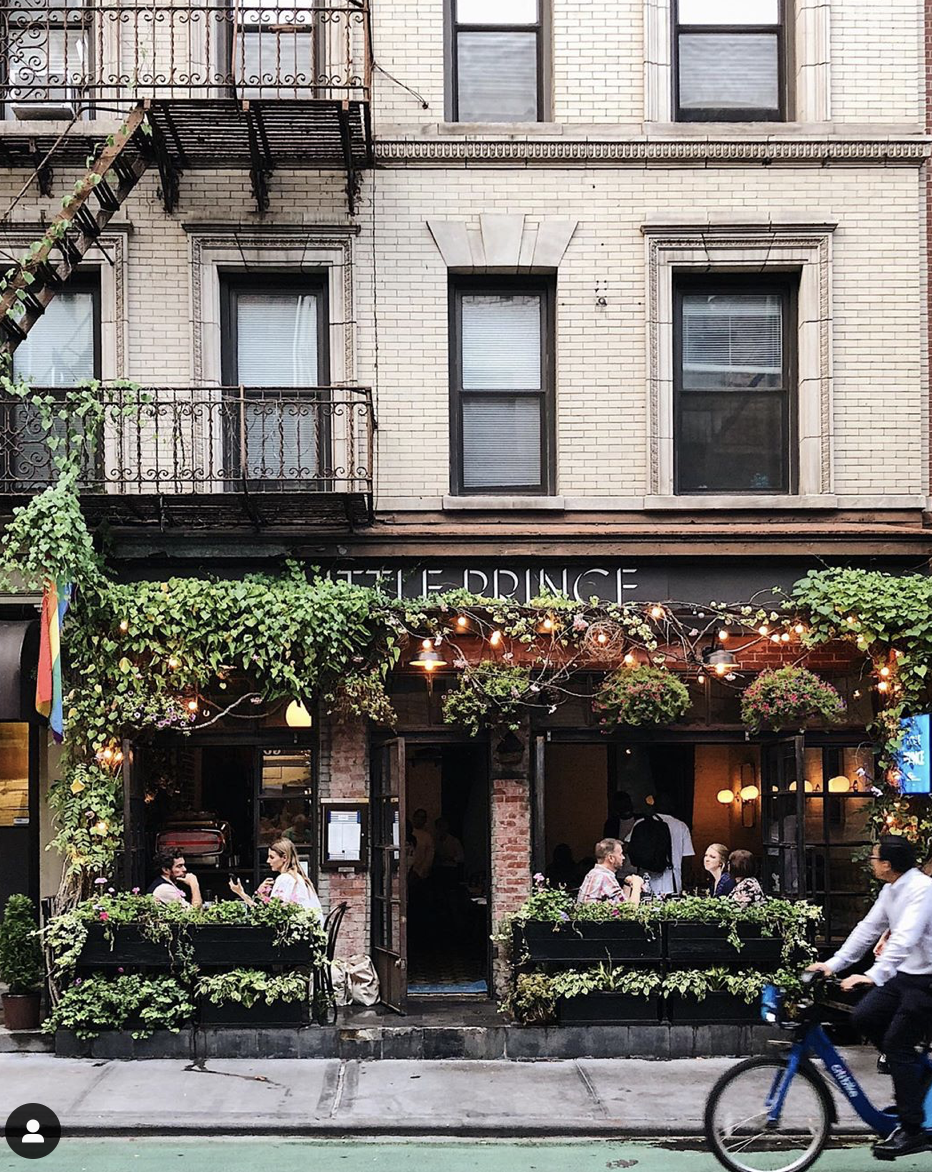
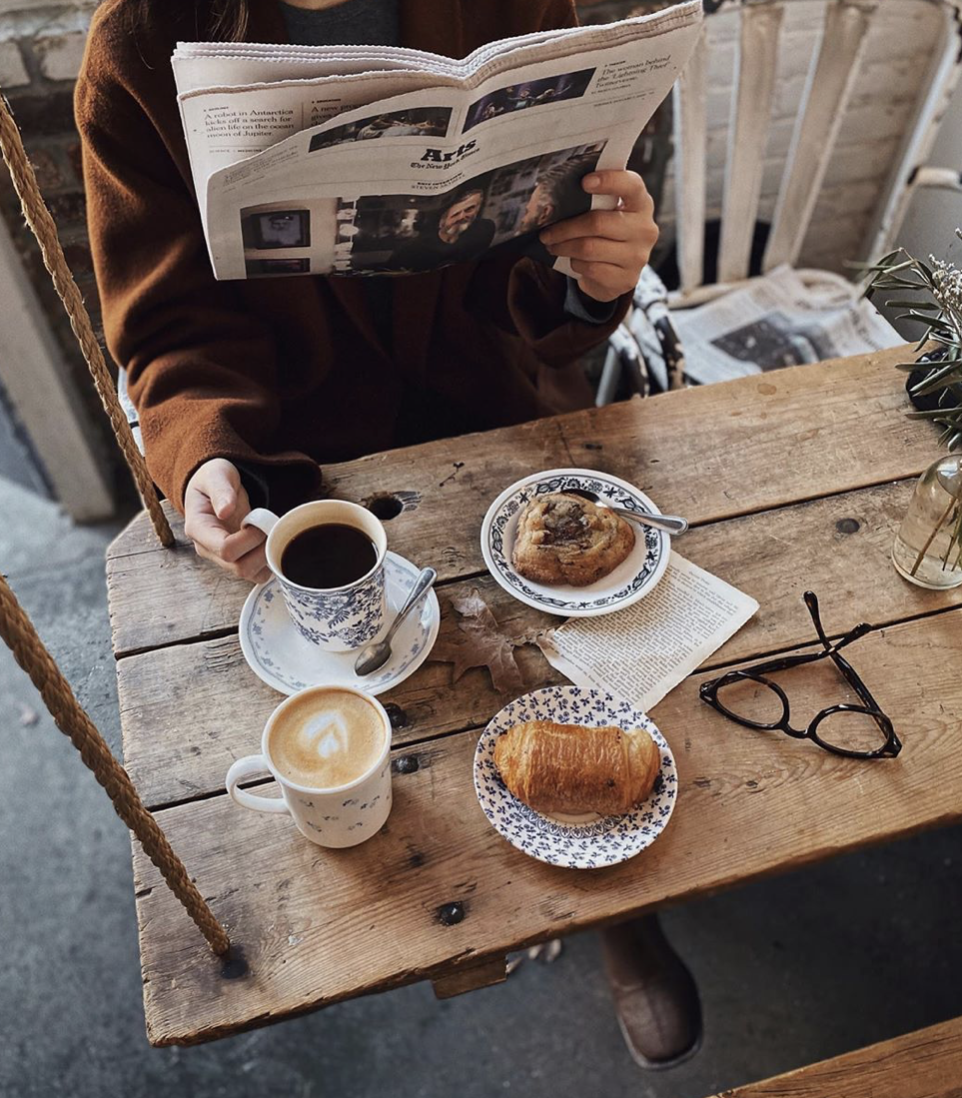
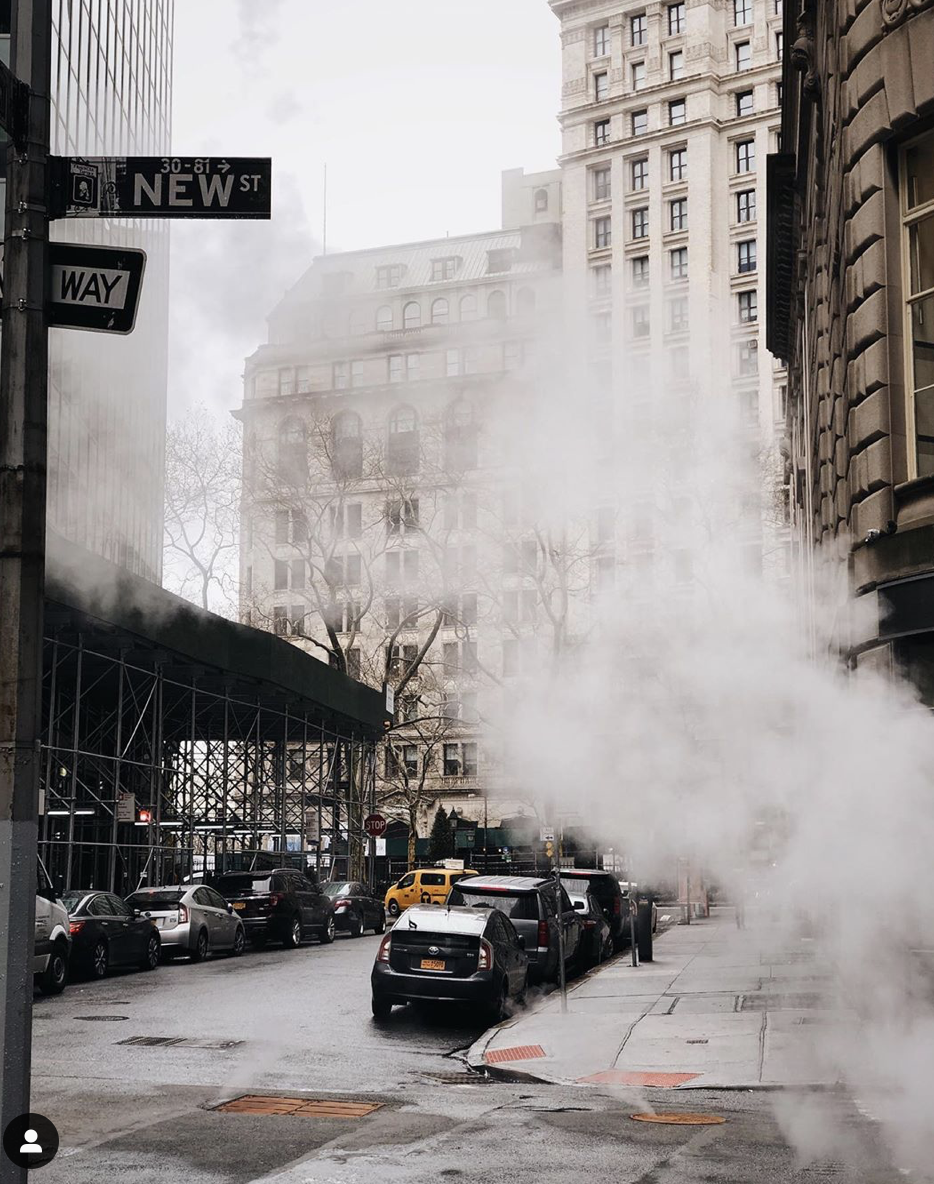
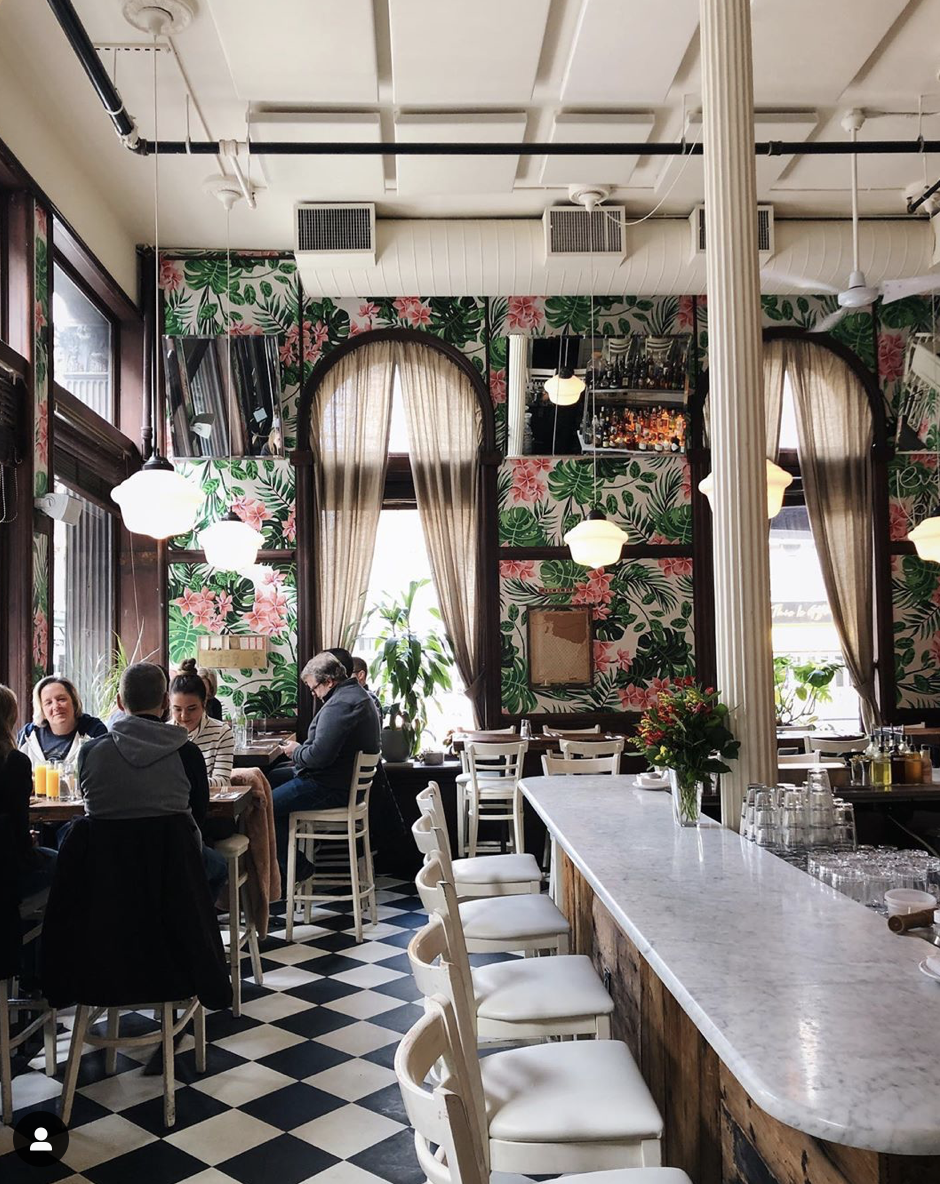
From French onion soup cravings to brunch spots, lots of coffee, and walking in the rain, Chloe is a proud New Yorker who documents her explorations around the Big Apple. One of my favorite aspects of her feed is that she captures the city’s grit, without losing a sense of its simultaneous warmth. And studying her feed always makes me want to pull on my boots and head to a local coffee shop.

  • Lisbon and Beyond, from the lens of AI Scientist and Fine Art Photographer Sejkko: @sejkko

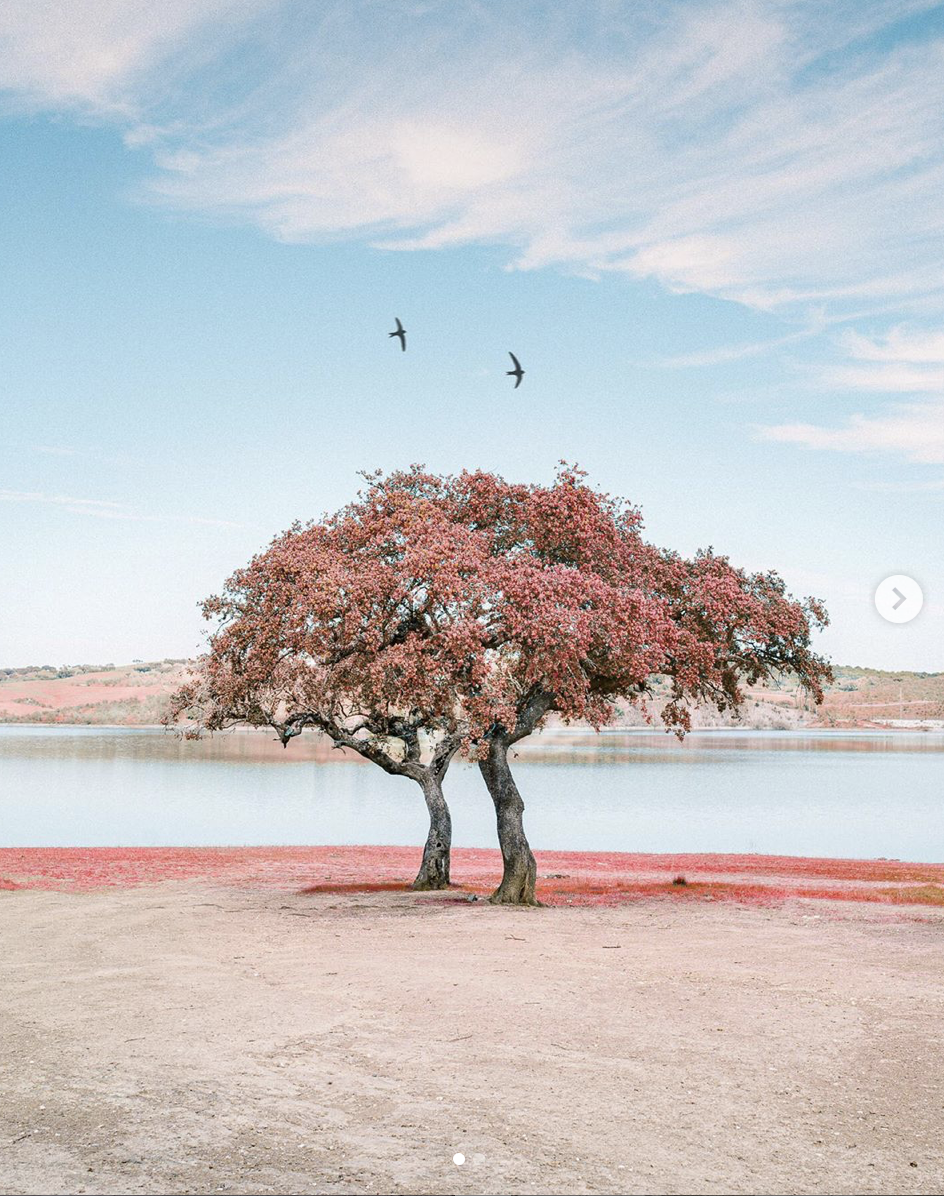
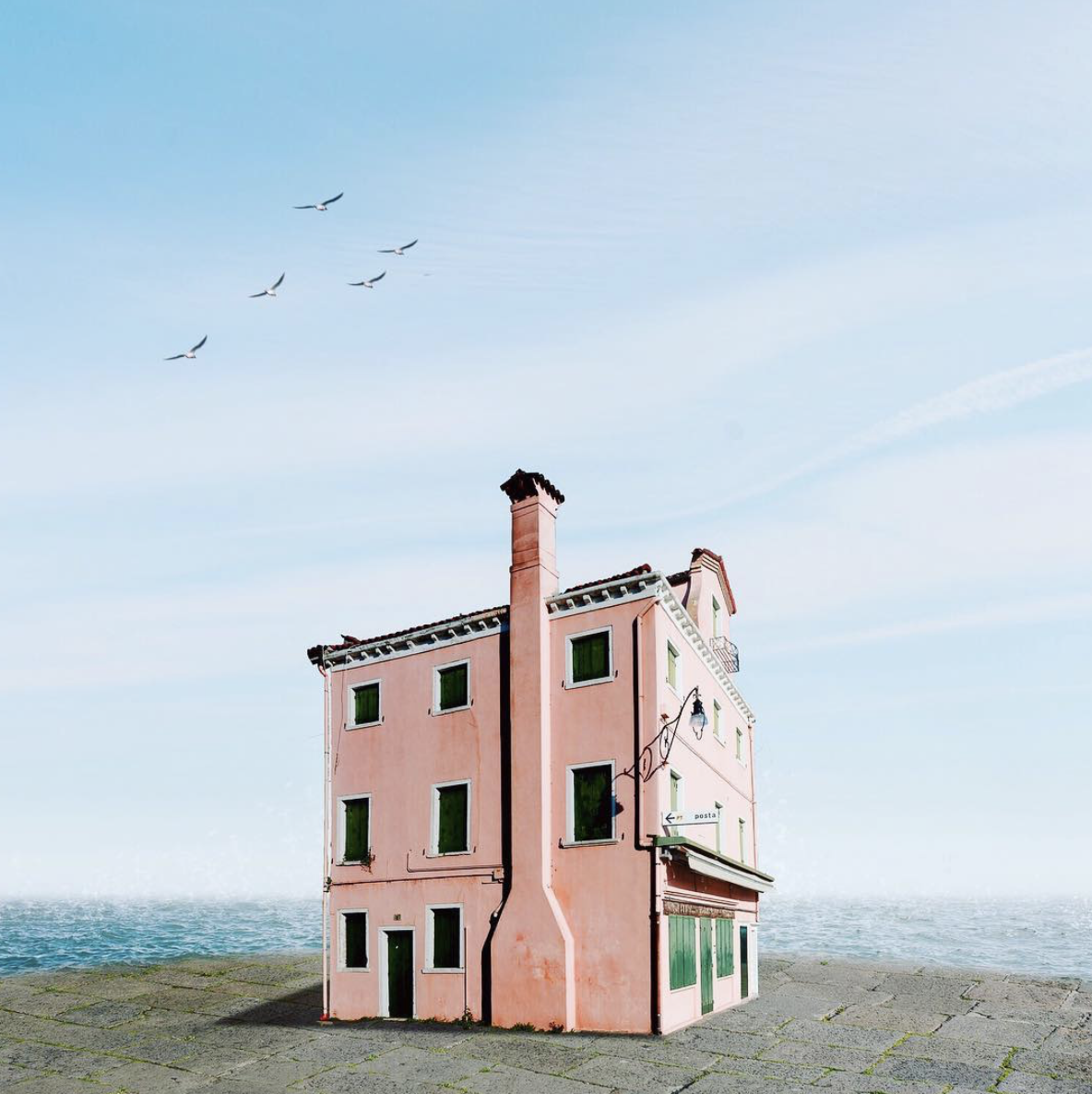
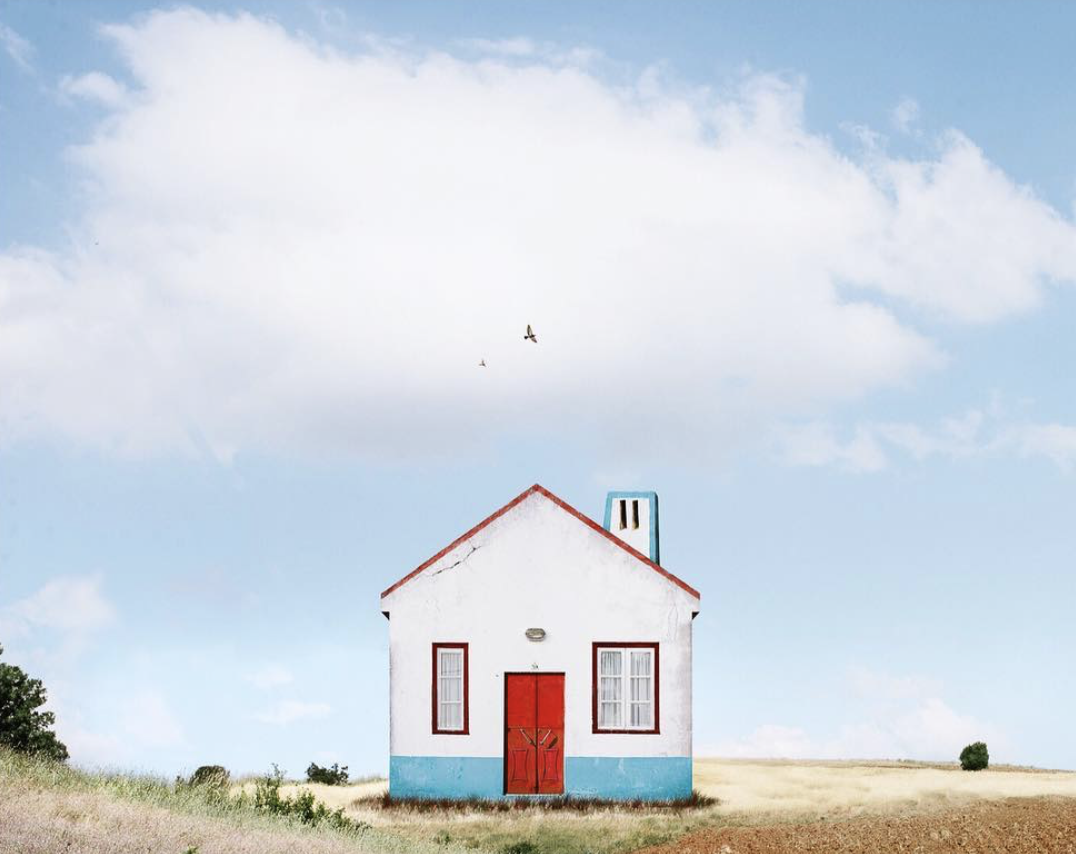
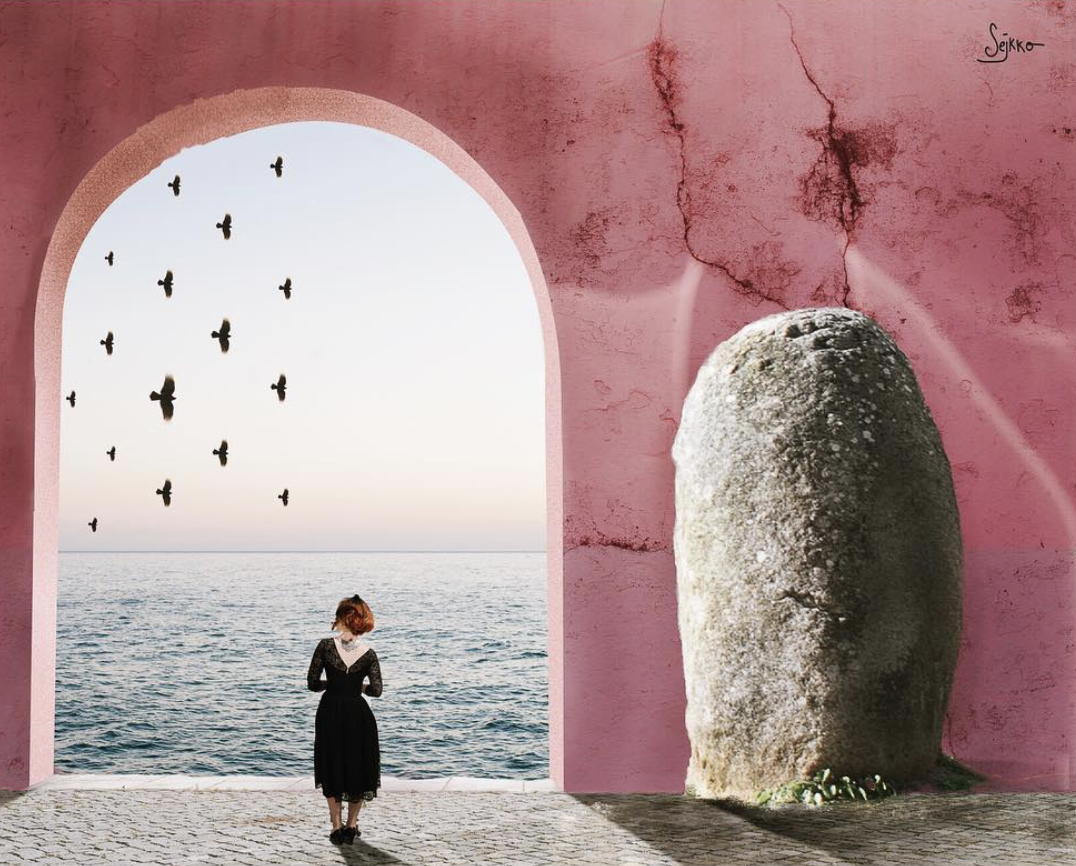
This has been one of my favorite feeds for years. Simultaneously whimsical and haunting, Sejkko’s portrayals of lonely houses always make me want to write. I find myself wondering about the possible inhabitants of these fictitious, yet all-too-real, creations. More than that, the colors of Sejkko’s photos make me want taffy.

As Sejkko writes himself, these “lonely houses were a way to keep the child in me, and the weird side of myself at peace…” And while Sejkko just recently decided that it is time to move on from these house portraits, he plans to continue his feed. The first photo in the gallery (below, top left), is representative of Sejkko’s transition to new subjects: “This image represents a bit of a transition. I am inside one of those [lonely] houses looking beyond the sun, wondering about worlds that could exist.” Needless to say, I’m excited to see where Sejkko’s future endeavors lead.

  • The English Countryside and Beyond, from the Lens of Photographer and Book Connoisseur Carolyn: @theslowtraveler

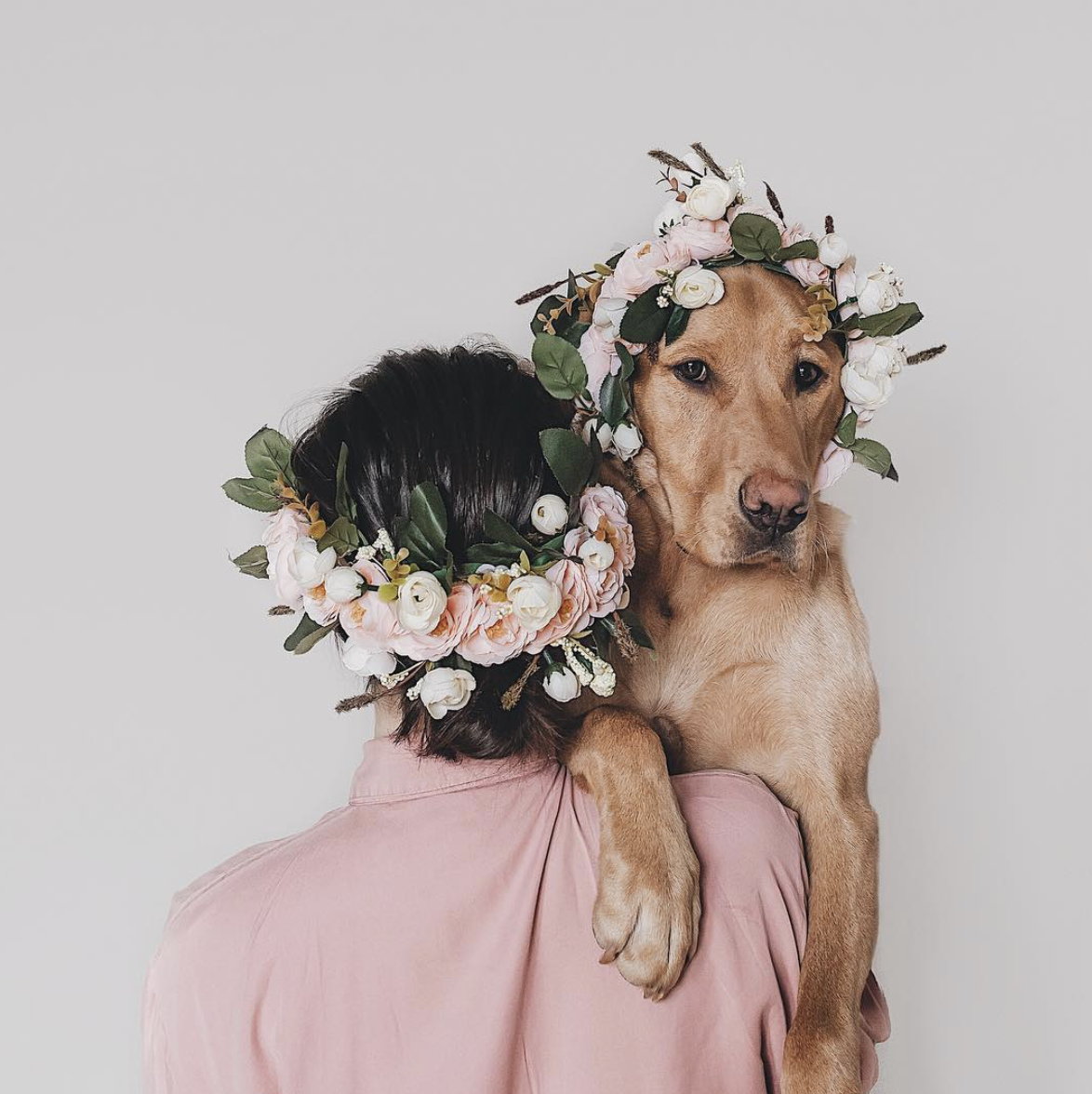
With her dog Lenny by her side, Carolyn explores everything from old bookstores, to castles and the Lake District. And while her photos are themselves beautiful, I also enjoy her captions. She’s a careful and honest observer, who finds joy in observing her everyday life. From watching ducks in an English garden, to enjoying her own garden and laughing about Lenny’s exploits, she consistently provides little vignettes of life in the English countryside. (She also dresses Lenny stylishly, for the holidays.) And she just started a monthly women’s book club, @theslowtravelerbookclub, to discuss novels with her community of fans.

As Ally writes in her bio, she’s “probably waiting in line for tacos.” And her feed is an homage to all things retro and summery. From photographing old road signs and haciendas, to Mexican food, midcentury homes, and hiking trails, her feed makes me want to travel to somewhere warm (ideally with tacos).

  • Morocco, Egypt, and Beyond, from the Lens of Emilie: @emilielula

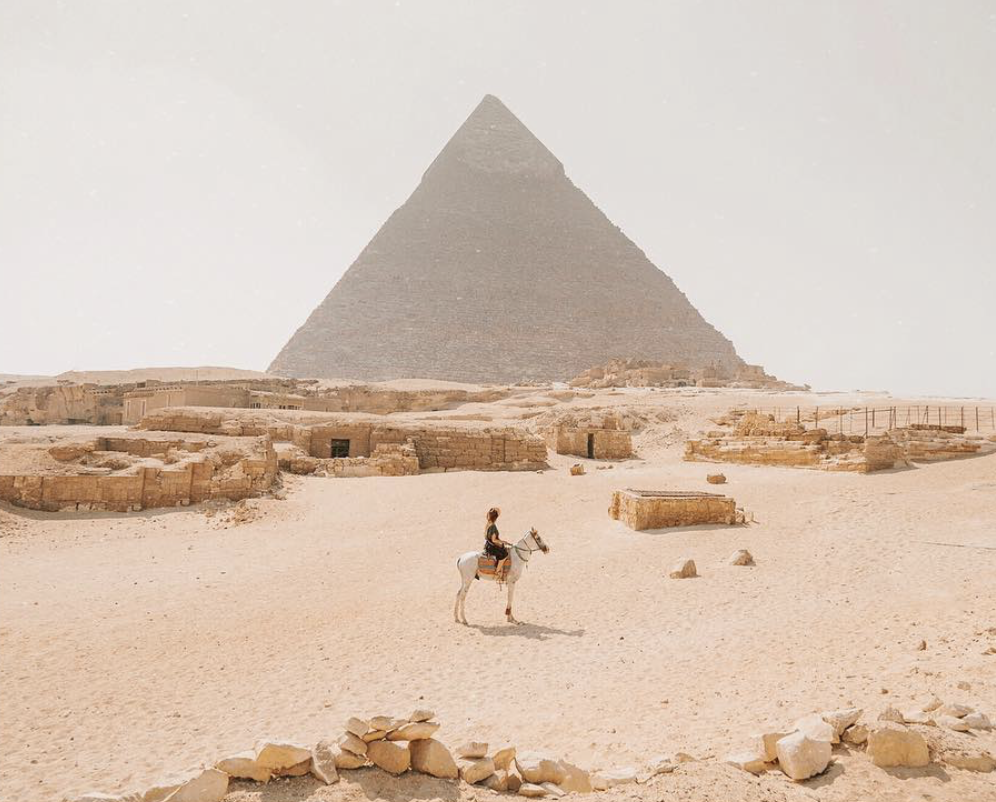
Emilie’s captions are short and mysterious, and her photos are equally sparse. But they don’t need explanation. Her photos often include camels, books, and lots of sand. And the mysteriousness of her feed only makes me more excited to someday explore far flung regions of the globe.

  • Italy and Beyond, from the Lens of Creative Director and Photographer Simone Bramante: @brahmino

Simone is a prolific photographer, with well over one thousand images in his feed. And it’s clear from studying his brightly-colored photographs that each image is a finalized project and story. As Simone writes in his bio, he’s all about aesthetics, story, and message. And during these uncertain times, he’s focusing upon his own surroundings in Italy. Rather than engage in mass tourism, Simone “invite[s] everyone to get to know their territory, their valleys, preferably by helping the economy of small businesses, because they often know how to stay in balance with their own environment.” And while his photos feature regions from all over the globe, he has increasingly begun to depict the Italian countryside.

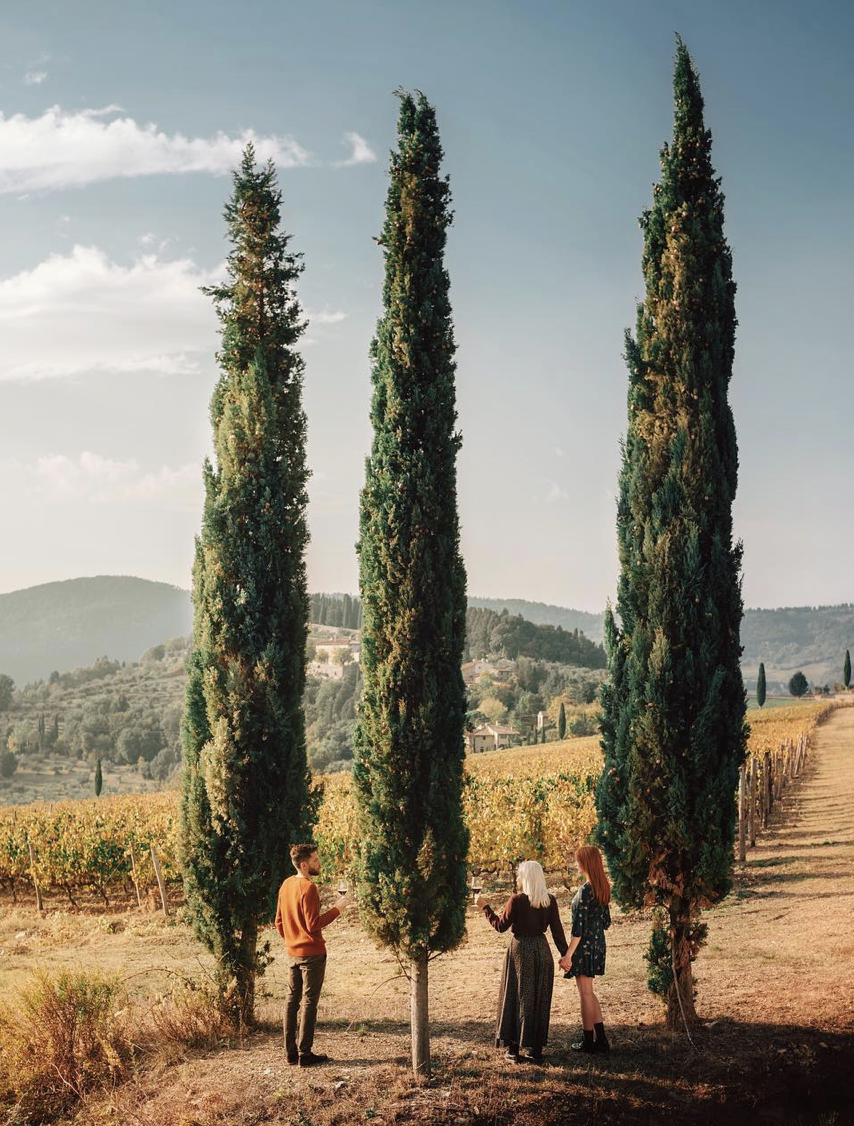
Click here, for thumbnail image source. The image was taken by @brahmino and features Sardegna, Capo Comino.

Everything You Need to Know About Caroline Calloway

If you’ve recently spent a lot of time on social media, especially Twitter, you’ve probably seen the name Caroline Calloway mentioned numerous times. The Internet’s obsession with Caroline Calloway has been steadily growing over the past few years, only continuing to rise after she provides scandal after scandal. But who exactly is Caroline Calloway, and why is she so controversial?

Image via.
Image via.

Caroline Calloway was the predecessor to the influencers of today. In the early 2010s, back in the early days of Instagram, she purchased 40,000 followers. These followers helped kickstart her social media career, and she eventually became popular for writing long captions musing about her life. Calloway especially focusing on presenting an idealized depiction of life as a Cambridge student and on describing in detail her relationships and break-ups with her college boyfriends. These captions, a staple of her brand, eventually allowed her to receive a book deal. Calloway couldn’t get enough writing done for the book, so the deal fell through in 2017.

Image via.

Image via.

Caroline Calloway’s first major scandal was in 2018, when she announced a US tour of creativity workshops. The workshops were advertised as 5-hour-long sessions in which she would provide handmade salads and homemade care packages that included personalized letters. Tickets to the event cost $165 apiece. As the first stop of the tour grew clear, it became clear that Calloway was not prepared.
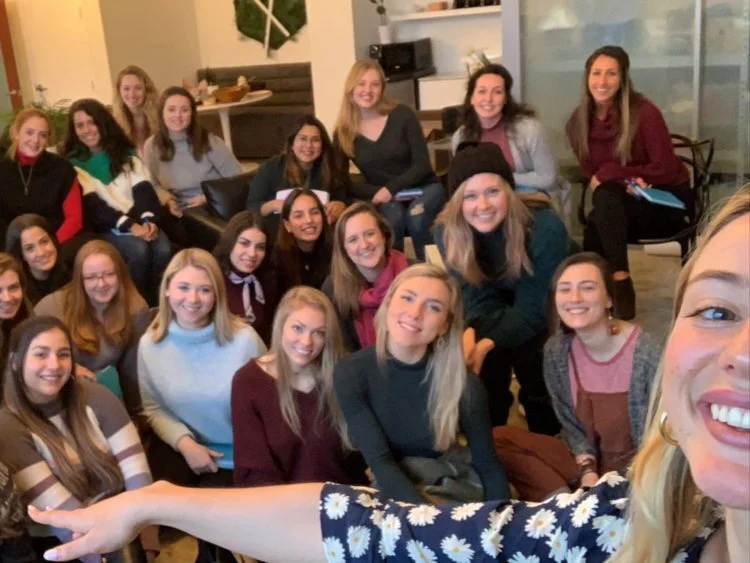
She gradually began backing out of the promises she had made. The first to go were the personalized letters, which she said were taking more time than she had hoped. The flower crown making session she had promised turned out to be a mere photoshoot with reusable flower clips. She did complete her salads, but attendees reported the salads being incredibly lackluster and not what had been promised. Press surrounding the tour grew so bad that Calloway canceled the remaining events and refunded the tickets, only to uncancel the tour a few days later. The failure of the tour drew comparisons to events such as the notorious Fyre Festival and contributed to Calloway’s reputation as a scammer.

A picture from Calloway’s infamous workshop tour. Image via.
A picture from Calloway’s infamous workshop tour. Image via.

The other major scandal of Caroline Calloway’s career came last September when Natalie Beach, her ex-best-friend from her days at NYU, released a scathing article in The Cut detailing their tumultuous friendship. Beach revealed herself as the ghostwriter behind many of Calloway’s Instagram captions. She felt that Calloway had been an unstable and unreliable friend who had often taken advantage of her.

The article is filled with anecdotes from the pairs’ friendship, including trips to Europe gone wrong, Calloway hiring Beach to run an Airbnb for her, and their attempts to work on Calloway’s memoir before the book deal fell through. Calloway took to social media many times to write about how the publishing of this article had affected her, reminiscing on her friendship with Beach and on the public’s shifting opinion of her. Recently, she’s begun directly responding to the article, sharing her side of the story on her personal website.

Image via.

Image via.

It’s hard to pinpoint exactly why the Internet is so obsessed with Caroline Calloway. But her story creates an undeniable fascination and intrigue. Perhaps it’s because of the elite, seemingly unattainable lifestyle she espouses. Perhaps it’s because of the neverending controversy. Perhaps it’s because of her role in shaping the use of social media for personal gain into what it is today. Maybe someday, the world will crack the mystery that is Caroline Calloway. But until then, we’ll just have to sit and wait, scrolling through her numerous posts on Instagram and Twitter.

Cover image via.

Feeds to Follow: @pimplesandprada

This week I had the pleasure of speaking with @pimplesandprada, arguably the most exciting of the recent wave of archival fashion/pop culture accounts with over 3,000 posts and nearly 50k followers. I use the qualifying terms “archival” and “fashion/pop culture” with the utmost liberty, as the account’s curator, Madison Potter, notes that her page might more aptly be called a moodboard which contains at once pop-culture memes, paparazzi photos from all of the great moments of the last 30 years, film stills, and even photos of the curator herself. Asked about the inspiration for the account, she relates; 

PimplesandPrada curator, Madison Potter. Image Via

PimplesandPrada curator, Madison Potter. Image Via

“So in high school I was super into tumblr (like I’m talking 2013-2014 tumblr, the peak!) and I grew a large following there. But, as tumblr died and people moved on I didn’t have anywhere else to get content. I hated pinterest (don’t know why I love it now, no hate on Pinterest) but I’ve always needed this sort of expression I get out of creating mood boards. I got really into photography which led me to looking at editorials, fashion photography books, and photographers. Again, I hated Pinterest so I had this envelope on my phone where I kept all my inspiration. I had an iPhone 5 with NO storage (rip) and eventually would have to delete personal pictures to keep my inspiration photos. I decided to just make an instagram account as a place to keep these photos. That’s how it happened, I didn’t even know about other “mood” accounts or anything.”

PimplesandPrada feed at time of interview. Image Via

PimplesandPrada feed at time of interview. Image Via

Given away in the very name of the account is the fact that the Potter’s favorite designer brand is Prada, and, being based in Chicago and now finishing her senior year at Columbia College with a bachelors in advertising and a concentration in strategy with a minor in fashion, one can understand the attraction to Miuccia Prada’s chic, metropolitan practicality.

Potter crossing the street in an all black outfit, punctuated by a classic Chanel double flap. Image Via

Potter crossing the street in an all black outfit, punctuated by a classic Chanel double flap. Image Via

For those who just became followers, @pimplesandprada is definitely worth stalking, but the future of the page is just as bright as the past; concerning future content Potter says, “Well, more of me! Before COVID19 I was pushing styled content and more photos of me! I had to take a pause on that, but you’ll definitely be seeing a mix of my current content and photos of me after the stay at home order is lifted!” 

So, unable for the time being to admire fits on the street, @pimplesandprada is a wonderful way to stay inspired.

Put on something comfy and browse @pimplesandprada. Image Via

Put on something comfy and browse @pimplesandprada. Image Via

Featured Image via

Source: https://www.instagram.com/pimplesandprada/

Is TikTok the Newest Market for Fashion?

You’ve heard of fashion blogs and fashion Youtube channels, now get ready for … fashion TikToks? TikTok is often dismissed as a social media platform exclusively for younger members of Gen Z, limited to silly dance challenges and dumb videos that attempt to replicate the humor of Vines but fail. However, the unique format of TikTok videos has been adapted to produce engaging fashion content that differs from that of other social media platforms. TikTok may not be the most respected social media platform, but its short video length limit and user accessibility has allowed for many more people to create fashion content that is more creative and engaging than what you would typically find on a platform like Instagram.

Trends to Know

Decades

Image via.

Image via.

Many TikTok users have recently started showcasing their own takes on style trends throughout the decades from the 1950s to the present. In these videos, users style their own clothes to match these trends while popular songs from the corresponding decades play in the background.

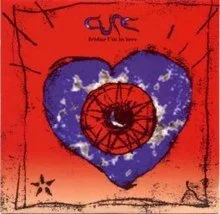
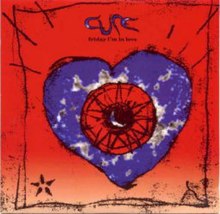
Friday I’m in Love

Image via.

Image via.

In this trend, users use the song “Friday I’m in Love” by the Cure to display their daily outfits for the week.

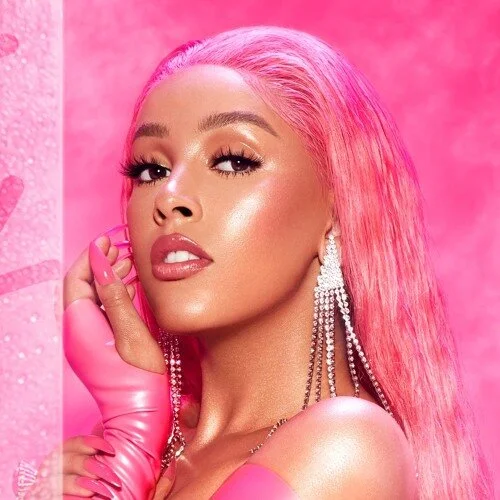
Say So

Image via.

Image via.

Users take the full-length, five-part version of the popular dance to “Say So” by Doja Cat and switch outfits every part to show off their style while dancing.

Creators to Know

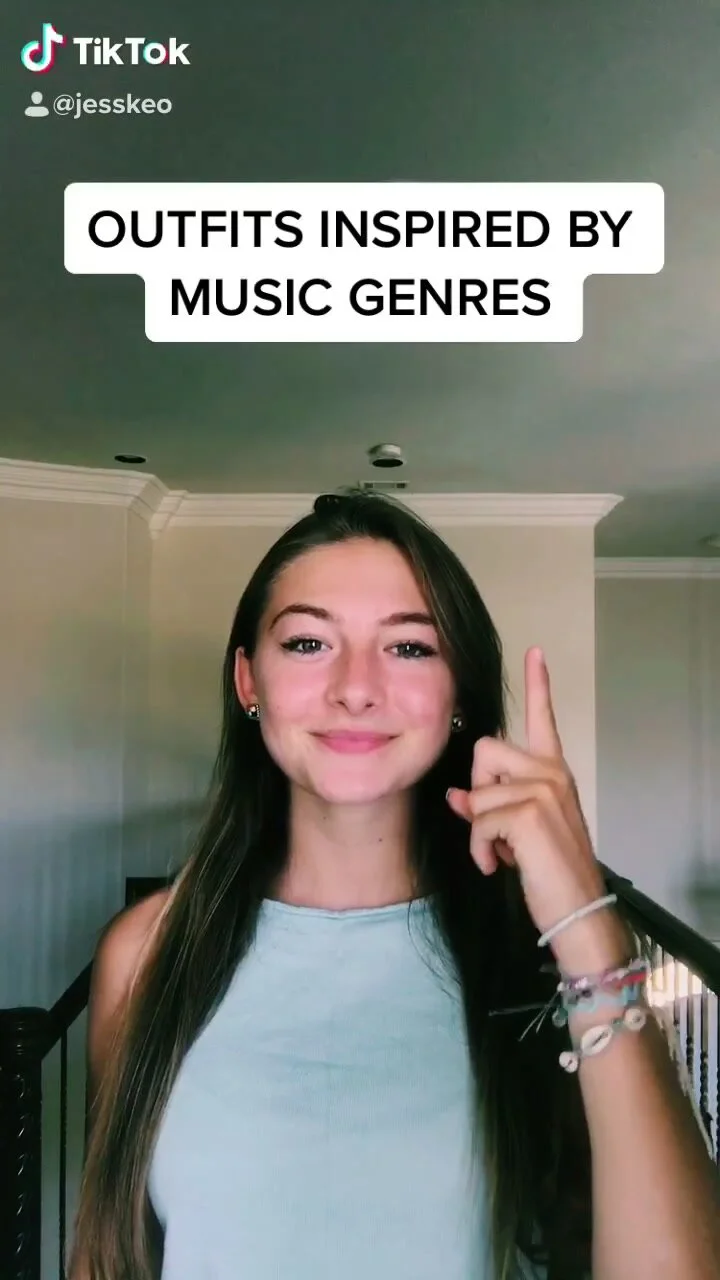
jesskeo

Image via.

Image via.

The girl who started the Decades trend, her style focuses on mainly vintage pieces that are either thrifted or refashioned from her mom and grandma’s wardrobes. Her videos include thrift hauls, her dancing to 80s music while dressed to match the vibe, and her dressing up and recreating iconic movies like Ferris Bueller’s Day Off.

_drewbaker

Image via.

Image via.

One of the most popular content creators for men’s fashion on TikTok, Drew Baker is best known for his videos documenting outfits inspired by popular TV shows like Riverdale and Friends as well as movies like The Breakfast Club and The Outsiders. He also has videos exploring different types of men’s styles.

brittany.xavier

Image via.

Image via.

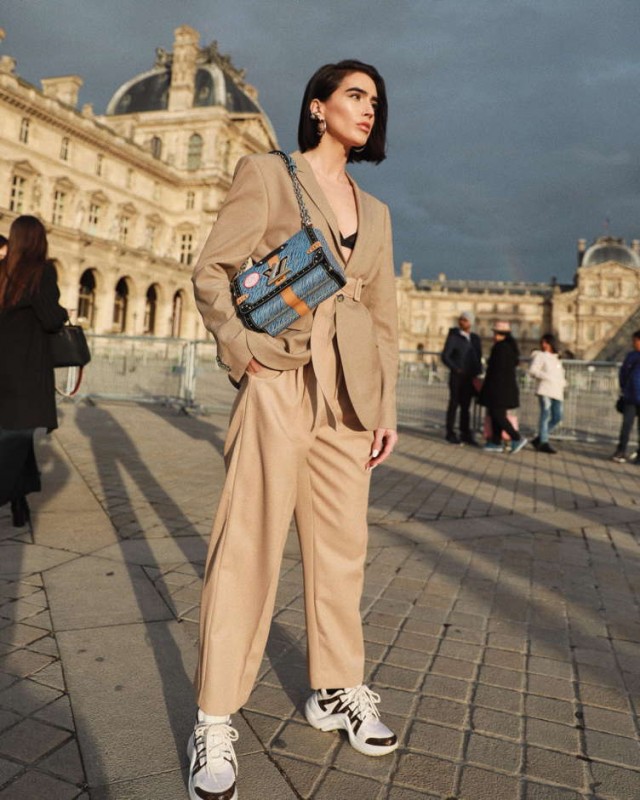
Brittany Xavier is a great example of an already famous influencer expanding her social media presence to TikTok. She has accumulated millions of fans through years of posting curated fashion content on Instagram and Youtube. She has adapted her content to TikTok, primarily posting videos on how to style essentials like black turtlenecks and camel coats. She also posts lookbooks and compilations of her favorite fashion items.

Cover image via.


Look for Less: Viktor and Rolf Spring 2019 Couture

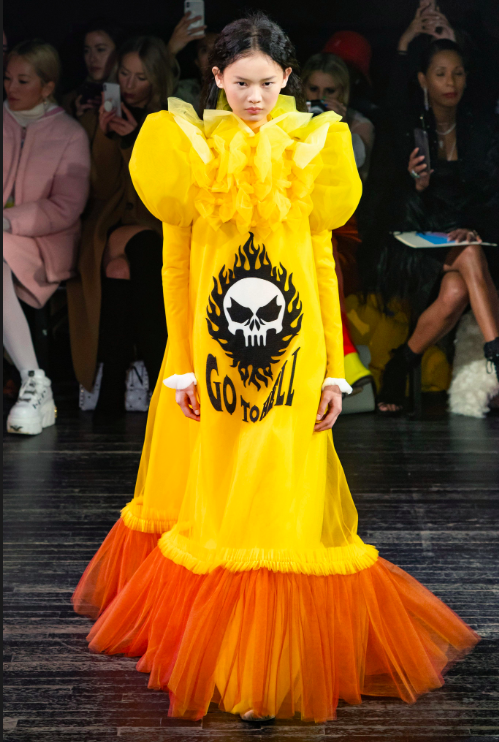
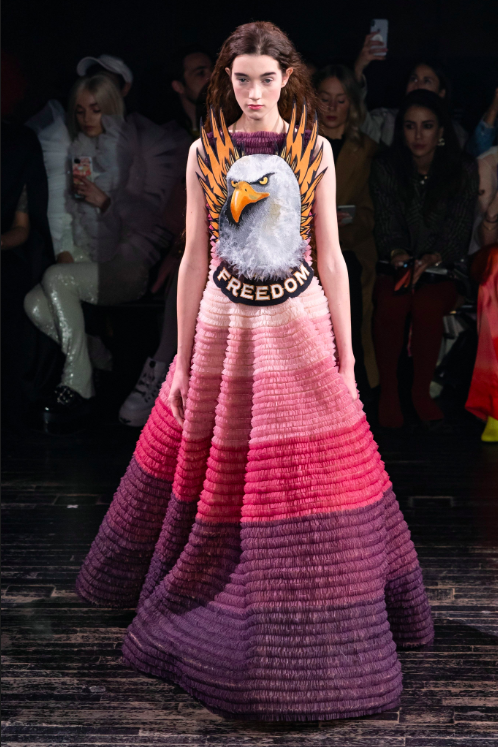
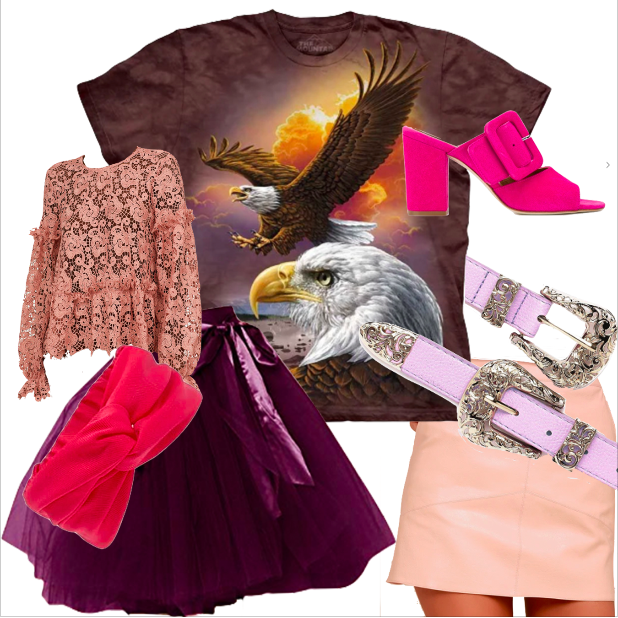
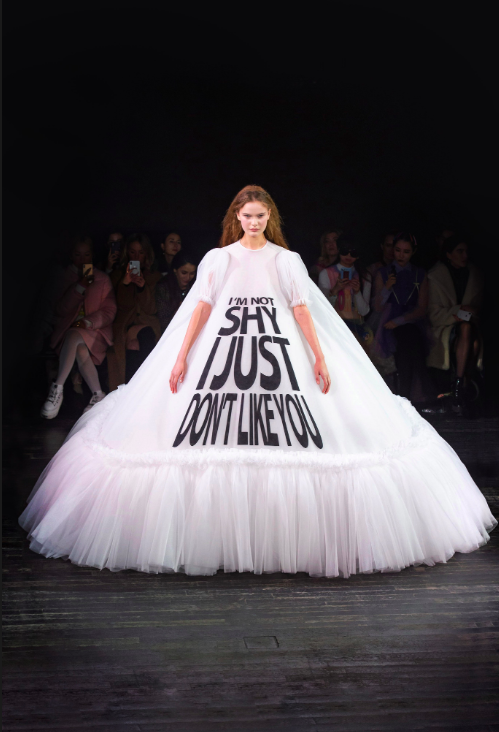
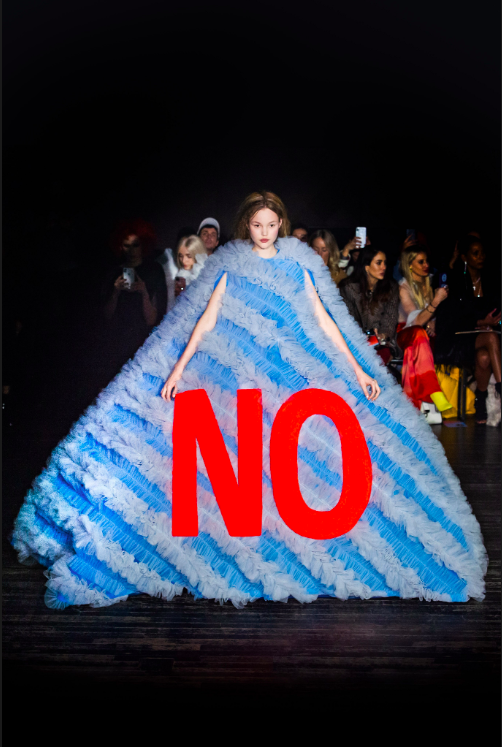
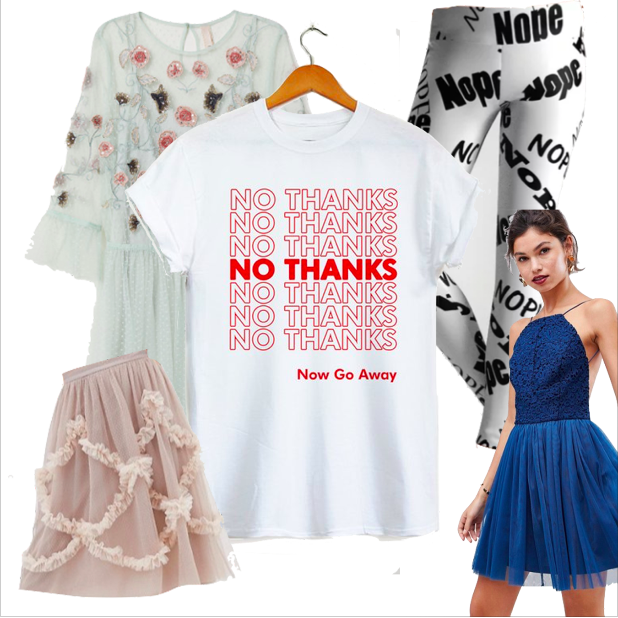
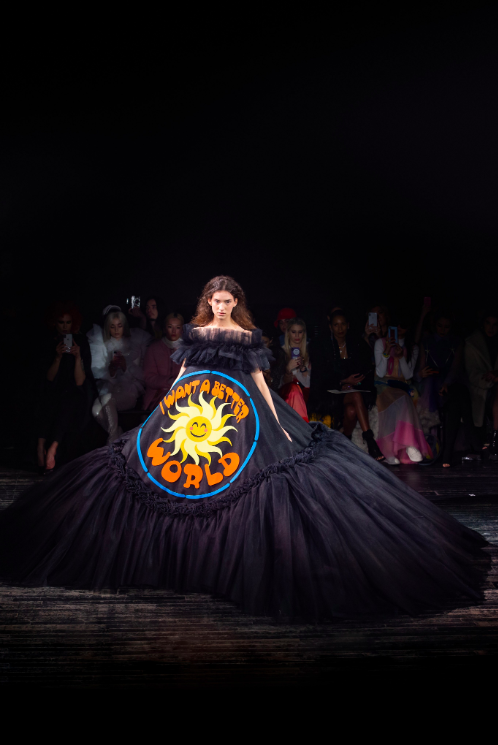
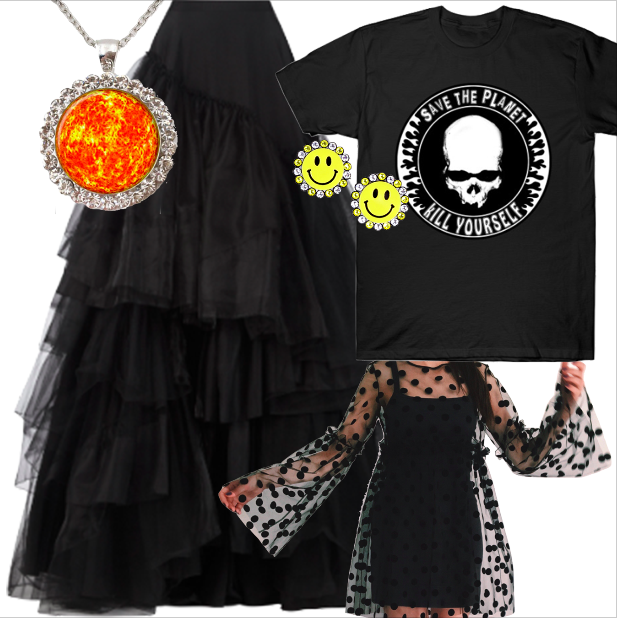
If you’re anything like me then for the past week your Instagram has been swamped with photos and commentary on the Viktor and Rolf Spring 2019 Couture Collection. The plethora of passive-aggressive statements pasted defiantly on swathes of multicolored tulle mirror our internal monologue when a man tells us we’d be prettier if we smiled, a parent cautions us against the destructive force of “the marijuanas,” or we see yet another depressing statistic about the effects of climate change.

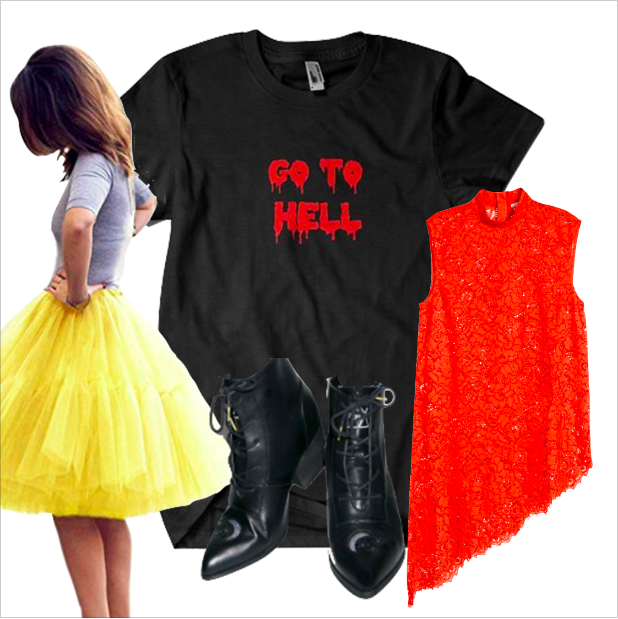
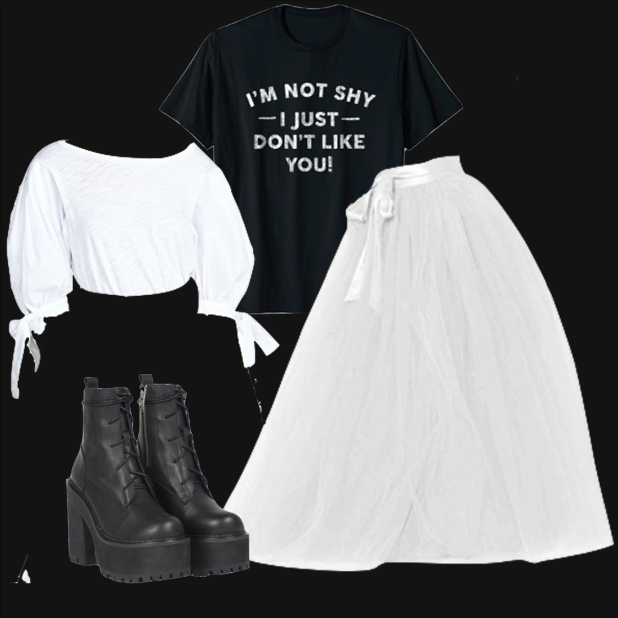
Everything might suck, we might be harboring an immense amount of pent up rage, but damnit we will deal with it in a ruffled hot pink gown. Here’s how to express your ironic rage for way less than a haute couture piece straight off the Paris runway.


Feature image via

Feeds to Follow: @tasteofstreep

Screen+Shot+2019-01-07+at+7.34.51+PM.jpg

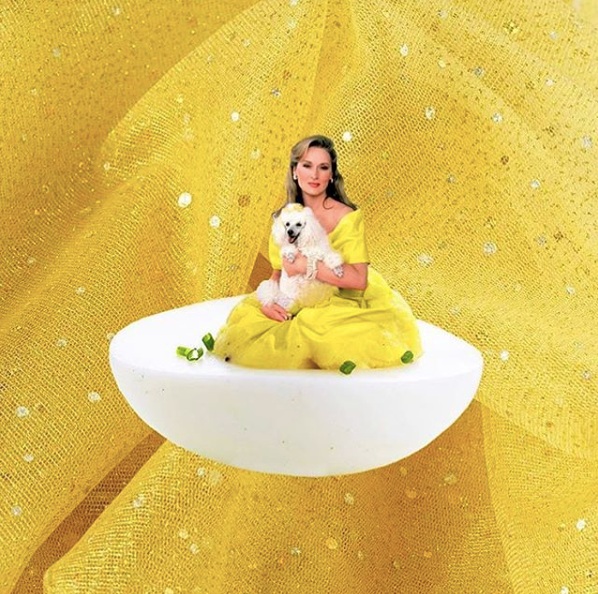
In 1983, Meryl Streep sported a golden caftan with sequined embroidery for the Oscars. The shimmery design coupled with her pregnancy gave her that dazzling, expectant-mom glow. What Meryl probably didn’t expect is that years later, her look would be redesigned into that of a churro.

The image is simultaneously bizarre, intriguing, and magnificent. The description for it is completely nonsensical: “Meryl Streep is posing alongside life-sized churros.” But, in all honesty, the picture just works. The color scheme is cohesive; the warm gold is even throughout and the churros somehow seem to be the exact same color. The texture also matches—perfectly. The embroidery of her dress stems outward as it transitions into sharp, shiny specks of sugar coating each and every churro. Someone, somewhere, somehow managed to make Meryl Streep surrounded by churros look aesthetically pleasing.

Enter @tasteofstreep, an Instagram account run by Samantha Raye, a Brooklyn-based actor and graphic designer. Raye, in an interview with The Cut, recalled how the whole account started with her photoshopping Streep (from a scene in She-Devil) into a strawberry-frosted doughnut. That one creative spark led to the creation of @tasteofstreep. On there, one can scroll through hundreds of Streep + food focused pictures—with the occasional slip of a new celebrity figure (the latest one to appear is Lady Gaga).

Here’s a personal favorite of mine:

Screen Shot 2019-01-07 at 8.46.42 PM.png

All images via @tasteofstreep.

Source: https://www.instagram.com/tasteofstreep/

A Roundup of the Weirdest Products I've Seen on Instagram

Welcome to the Instagram era. There, I said it. Instagram has completely taken over the social media world. Once a place just to share pictures with your friends, Instagram has evolved into so much more. It’s a place where users can follow and interact with their favorite celebrities, find news, slide into DMs, and even online shop.

The platform has seen huge growth in the past few years and now a large part of any company's success can be attributed to their online presence. We’ve all seen those Instagram ads while scrolling through our feed trying to sell us ‘skinny tea’ or whatever fad is going on at the time. Instagram branding allows companies to target a certain demographic and hopefully increase their sales as well as brand awareness.

Gif via.

Gif via.

But why do these ads reel us in? Could it be the perfectly placed products on the most aesthetically pleasing marble background or the fact that Kylie Jenner is telling us to buy it? Probably both. Yet, the most ridiculous products somehow still catch my attention enough for me to stop, look at the product, click the ‘Shop Now’ button, and scroll through the website. So what are some of these absolutely absurd products I’ve dedicated real time of my life to? Here are just a few that popped up on my feed today:

FullSizeRender.jpg

1) Anese.co: This website is like the mom trying to fit in with her teenage daughter’s friend group; it’s trying way too hard to be hip. When the homepage pops up there’s an invitation to “join the anese #skinsquad,” of which I will respectfully be declining. Then come the names of the actual products: That Booty tho, Have you seen my underwear?, and Down with the thickness are just a few pieces of the Booty Mask collection. Now call me crazy but something tells me this isn’t really a necessary purchase. Yes, the packaging is fun and the website makes me want one of everything but I really don’t think there is anyone who NEEDS a booty mask or caffeinated booty oil.


IMG_4852.PNG


2) Asarai: “Naturopath” and “Hyperbae” are the two words Asarai has used to describe their product. What that actually means, I’m not sure. But according to their website, their products “re-balance your self-care and lifestyle, inspiring you to recharge with the natural world.” Maybe it’s just me, but that seems like a large claim for a clay face mask. Super fun packaging, but I’m going to pass on this “uber natural” lotion.


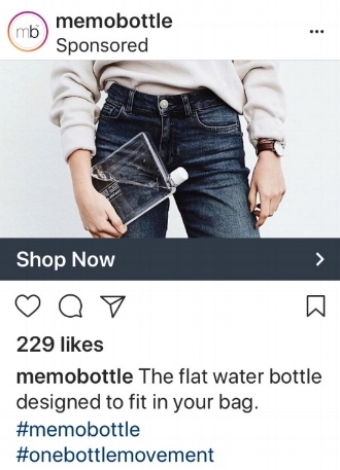
FullSizeRender-1.jpg

3) Memo Bottle: For this product all I really have to say is, they never asked if they should, only if they could. thank u, next.


IMG_4846.PNG

4) One Ocean Beauty: This brand boasts Marine Collagen and Replenishing Deep Sea Moisturizer in their repertoire. Not sure what the science is behind that but I’m not really sold on the idea of Ocean Collagen. Now that being said, this ad is possibly the most good looking thing I’ve ever seen. I’m not joking; metallic pill capsules, the most pleasing ocean background, yet overall still refined and minimalist… You almost had me One Ocean Beauty, but I’m better than that (you can’t trick me, not this time)!


Feature gif via.

Will Vine Ever Make a Comeback?

Think back to 2012. Things were simple back then. Instead of Instagram videos and stories, we were watching a small Shawn Mendes singing six-second covers, King Bach accusing literally everyone of stealing, and watching the best content to be created over the century… All thanks to Vine. This short-lived app immortalized the peak of meme culture for my generation with its ability to cater to our short attention spans and deadpan sense of humor.

It was only when Twitter purchased the app and led it to its demise when I truly realized that Vine was there for me when I needed it, but quickly forgotten when I came to college. Of course, the unending sense of nostalgia has me eternally subscribed to the billions of Vine compilations on Youtube.

Image Via

Image Via

Naturally I was happy back in 2016 when I heard the rumors of Vine 2.0, which was supposed to be a self-funded reboot for the app of the generation. I’ve been waiting patiently for this comeback. So almost two years after this tease on Twitter, I’m still wondering: where is Vine?

A little bit of research showed me the worst of my fears. One of the original co-creators of Vine, Dom Hoffman tweeted earlier this year that Vine 2.0 would be postponed indefinitely. His reasoning was due to the difficulty of self-funding. Hoffman predicts that the high interest in rebooting Vine has skyrocketed the estimated costs, and that the scale for launching would be unrealistic for its current funds.

Vine probably won’t come back, but maybe it’s for the best? Social media environments have changed so much, and maybe the market for this kind of app simply isn’t appropriate anymore.

One of the biggest issues with the original Vine was its quick turnaround for content creators. The most popular creators such as Logan Paul, Lele Pons, Shawn Mendes, and Tori Kelly have taken on their own brands, label contracts, and other influencer-type careers now. Vine’s highly commercial transition made the content less authentic and favorable for many, leaving Vine empty with the downfall of second-rate comedians or those posting with sponsorships in all their content.

It’s hard to say when Vine 2.0 will actually launch or whether it will be burdened by the same problems of its predecessor. I’m not sure, but I’ll stick to these compilations for now:

Feature Image Via

Feeds to Follow: Our Food Stories

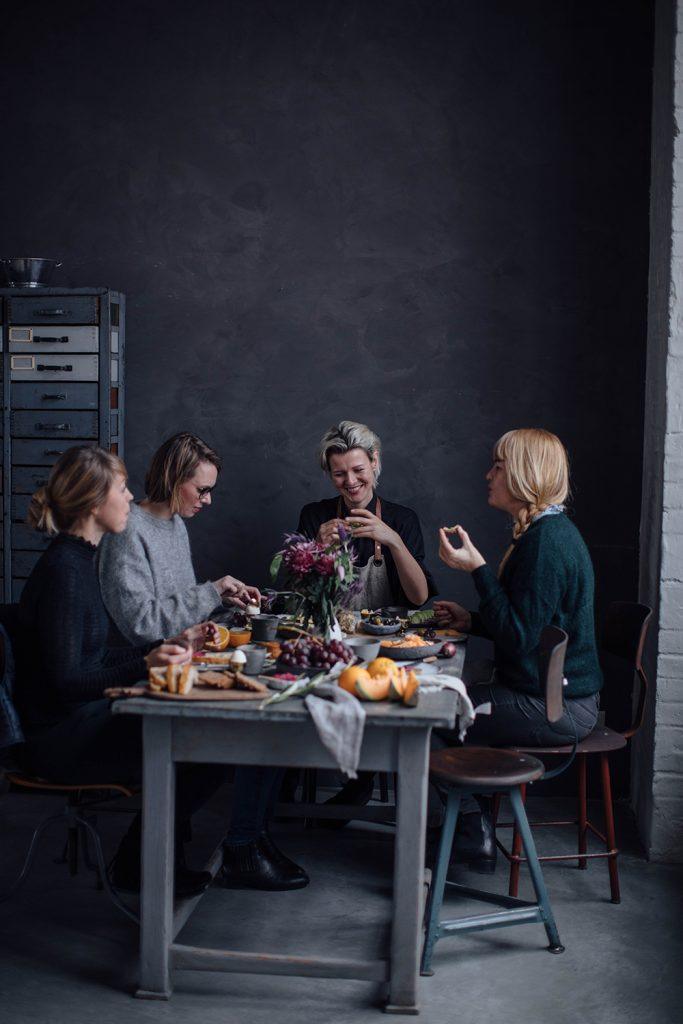
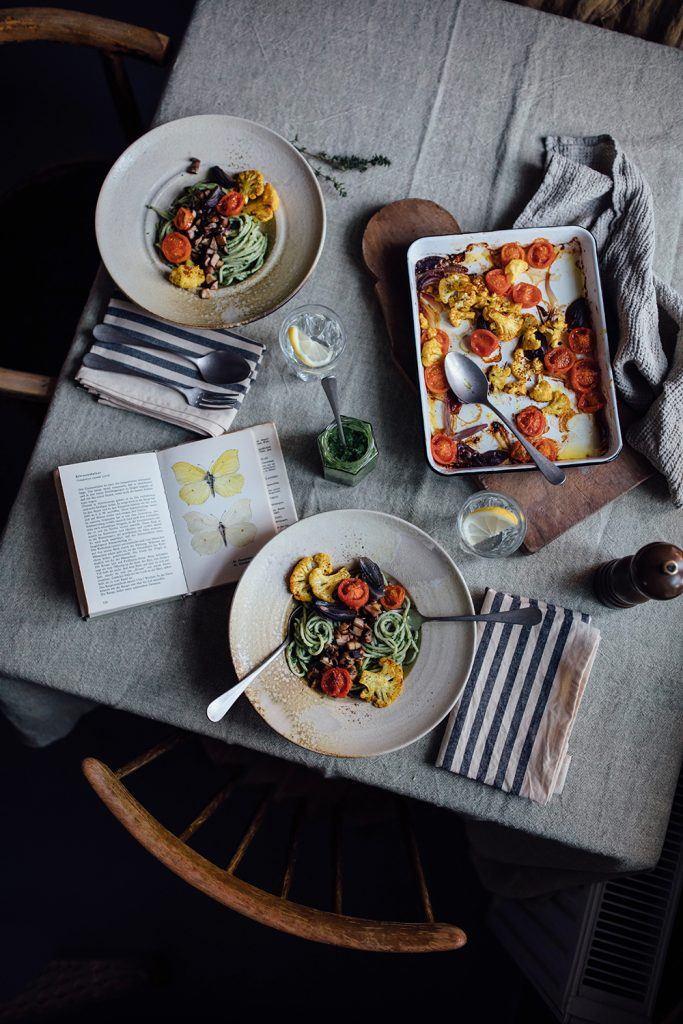
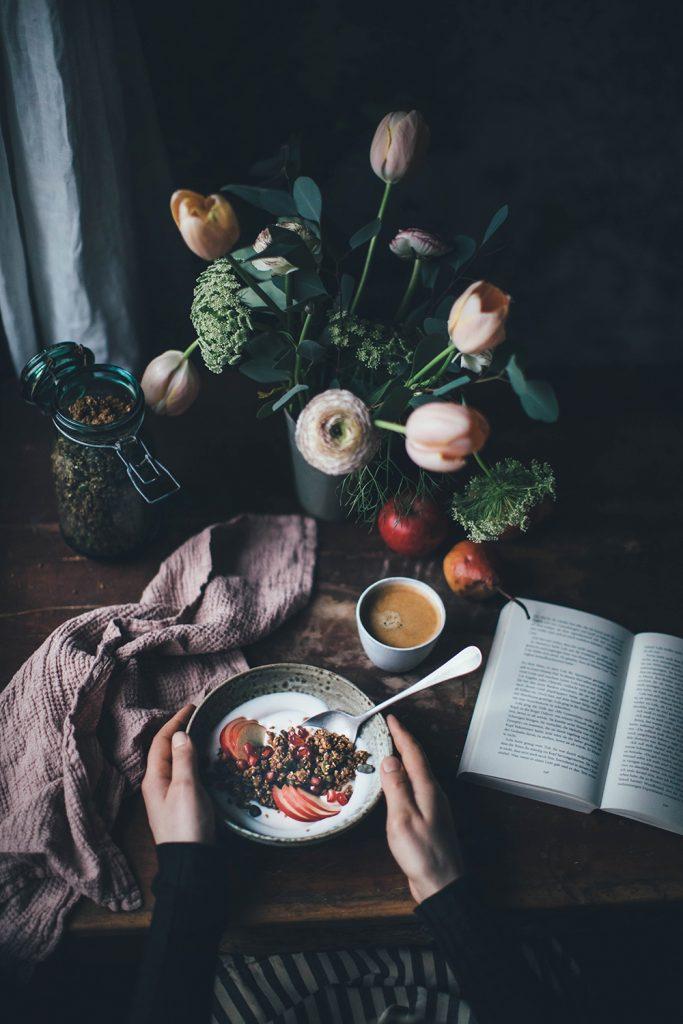
Our Food Stories is a blog and Instagram account run by Berlin based food stylists and photographers Nora Eisermann & Laura Muthesius. From their impeccably shot and edited photo stories to their health conscious recipes (Eisermann and Muthesius cook vegan, vegetarian and gluten-free recipes), Our Food Stories should become your go-to reference for meals that are just as incredible to look at as they are to taste.

Eisermann and Muthesius frequently split their time between their Berlin and countryside studios to stage their shoots and dream up new recipes. They frequently invite friends and family over to participate in their shoots as well; "as we love to share our food with other people, family and friends we started the series Dinner Stories. The thought behind this series is to show people (who are not used to eat gluten free) how easy and delicious it is, to prepare gluten free meals and that you don’t have to eat alone, if you have to follow a certain diet."

Eisermann and Muthesius' cooking philosophy is heavily inspired by nature, and whenever possible they choose to incorporate ingredients from their garden, local grocers and farmers markets into their recipes. To see their beautifully staged photos and peruse through their one-of-a-kind recipes, check out Our Food Stories blog and Instagram account!

All images via

Feeds to Follow: @thatschic

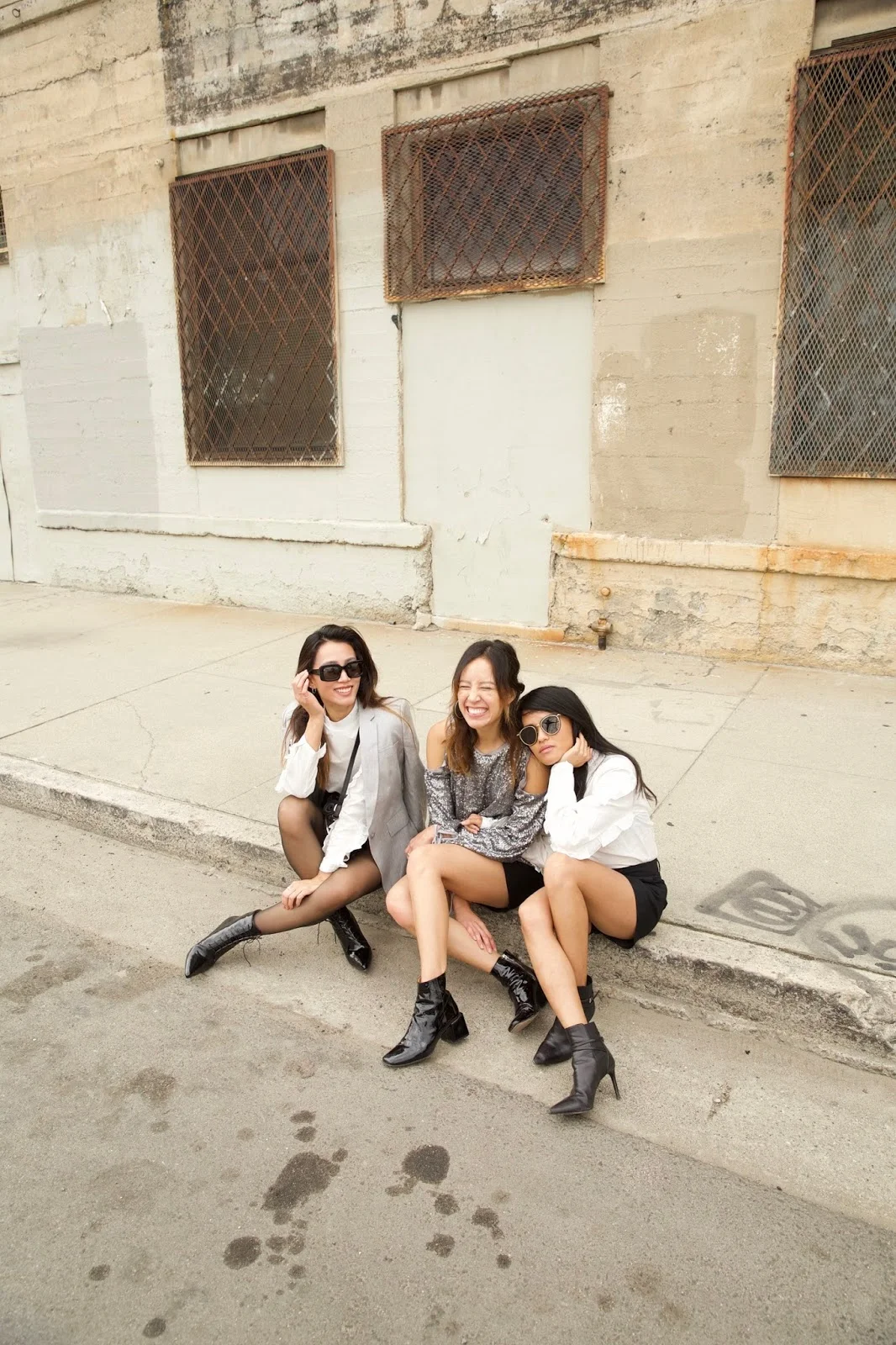
Rachel Nguyen of That's Chic is a media mogul fit for the millennial generation. Her Instagram, Youtube and personal blog/website account for over 200,000 subscribers, readers, followers and fans, who receive regular updates across all platforms on everything from "Easy Last Minute Halloween Makeup" to her latest surfing outfit (she lives in LA and regularly catches waves with her photographer boyfriend) to her New Year's resolutions or her favorite jewelry line as of late.

Z5B3208.jpg

Nguyen's appeal largely stems from her success at curating an effortless Parisian chic meets LA bohemian vibe; her style draws from familiar brands and references like Reformation, Miu Miu, the Row and Urban Outfitters, mixed with bespoke, vintage pieces. Her makeup (often minimal) epitomizes the Glossier "no makeup makeup" craze, and her tutorials often mimic the low key, intimate setting of the brand's "Get Ready With Me" series.

TC-LC-AK_5-682x1024.jpg
TC-LC-AK_3-rn-682x1024.jpg

Check out her social media accounts for an honest take on beauty products, styling tips, day-in-the-life vlogs and general wellness advice: Instagram + Youtube + blog/website.

All images via ThatsChic.       

Feeds to Follow: @sarahbahbah

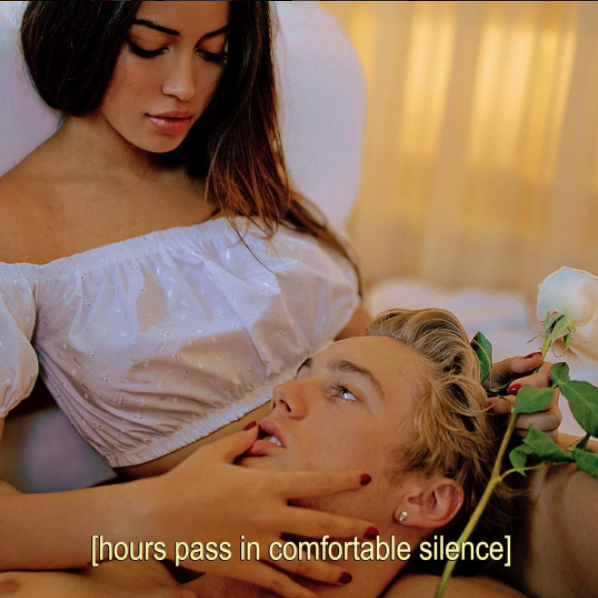
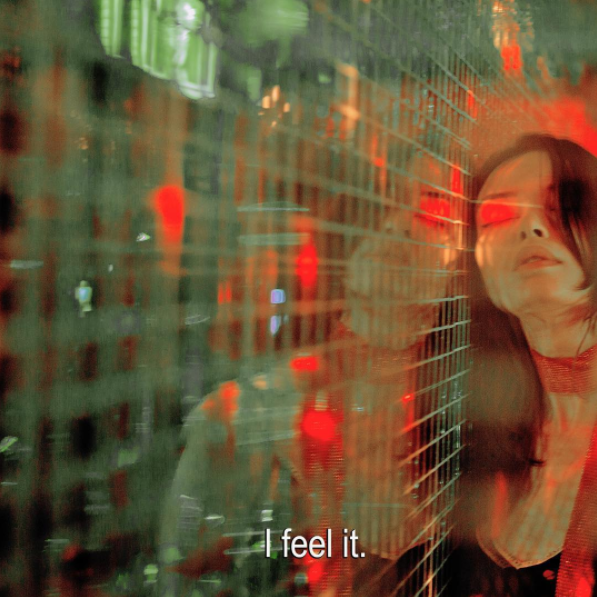
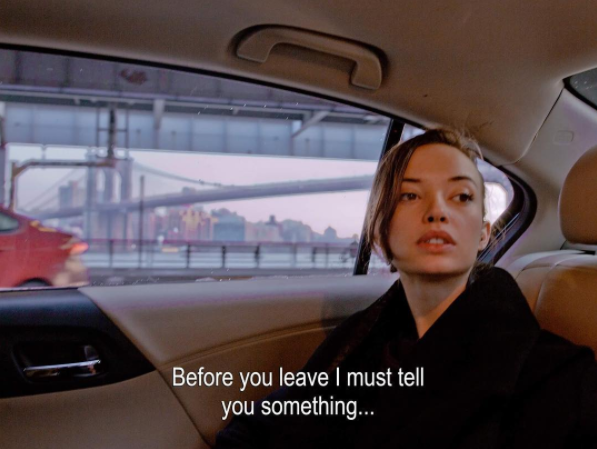
Whether you follow her or not, chances are you’ve come across one of Sarah Bahbah’s (@sarahbahbah on Instagram) works on some form of social media. The photographer’s nostalgic, sensual and often graphic work has gained somewhat of a cult following on Instagram, where Bahbah’s 250,000 followers eagerly scroll through her feed and frequently repost the artist’s work on their own accounts. 

Bahbah’s photography, which is often accompanied by tongue and cheek close caption dialogue, embraces a handful of topical themes through beautifully staged and filtered portraits. These intimate settings most often depict love, sex, youth, psyche and womanhood through the eyes of Bahbah’s subjects. Through Bahbah’s lens, however, many of these vignettes seem to break their fourth wall, appealing and relating to the viewer in the process.

All images via; feature image via

So Teen Vogue Is Woke Now

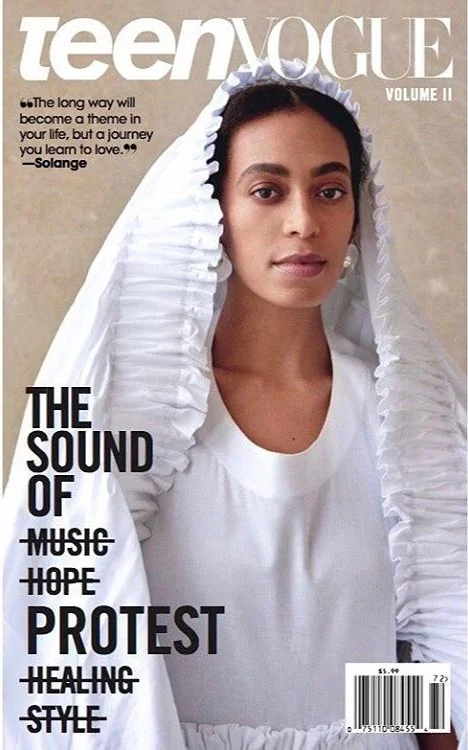
Under the watchful direction of newly christened editor-in-chief, Elaine Welteroth (@elainewelteroth), Teen Vogue has quickly shed its innocent, adolescent image and earned a reputation for being an honest outlet for a young, politically and socially inclined generation of readers. A quick scroll through the publication's Instagram feed features inspirational quotes from the likes of Michelle Obama or Kerry Washington, feminist art, and candid photography from news-worthy moments around the world–intermixed, of course, with pictures of nail art, dreamy looking models and Zendaya's best red carpet moments.


The newly reimagined Teen Vogue draws inspiration from a young, fresh generation of muses


For this new iteration of Teen Vogue, the interplay between your standard fashion, health and beauty features alongside grittier op-eds like "Donald Trump is Gaslighting America" (which quickly propelled the magazine from a mere teen glossy to a viable source for political and social commentary), is seamless. In fact, in the year 2017, why shouldn't Teen Vogue readers be interested in hearing about the latest newsworthy headlines? 

In the magazine's latest "Icons" issue, cover stars Millie Bobby Brown, Kaia Gerber and Amandla Stenberg address topics as disparate as fame, the importance of family and school, and youth activism and racism in America. Teen Vogue's embrace of diversity in both the array of topics it tackles, as well as the faces that front each monthly issue, is clearly resonating with its readers. The publication boasts 2.1 million followers on Instagram, another 3.42 million on Twitter, and nearly 650,000 subscribers on YouTube, where viewers can watch everything from Martha Hunt talk about her struggle with scoliosis, what it's like to be intersex for model Hanne Gaby Odiele, and what went down in Charlottesville earlier this month


Cover stars Kaia Gerber, Millie Bobby Brown and Amandla Stenberg; all images via


With the rise of a social media savvy generation seeking politically and socially relevant information beyond the run-of-the-mill celebrity and fashion gossip Teen Vogue has fed its audiences with for the past decade, it makes sense that the publication is shifting its focus. For young people turning to the media as a means of making sense of the world they live in, Teen Vogue offers poignant, youthful and honest criticism far beyond the realms of entertainment, fashion and celebrity. In the process, the publication hopes to inspire a new generation of activists and socially-conscious readers. As Amandla Stenberg notes in her recent op-ed for Teen Vogue, "Youth-driven social activism gets results. Our generation of activists has a tool unlike any previous generation: the technology to act instantly."

Bosses Behind-the-Scenes: How Stylists Are Defining a New Fashion Era

Most of us are familiar with top models, artists and stars on a first name basis, and the likes of Rihanna, Kendall or Gigi need little to no introduction. The masterminds behind these women's effortless and enviable style, however, are fast becoming household names in their own right, and changing the nature and pace of the fashion industry in the process. From the various vintage tees and layered chokers Los Angeles stars don on a daily basis, to the ombre fur coats and matching denim sets spotted on the streets of New York after dark, celebrity stylists are defining the decade's fashion trends and consumer shopping habits through a combination of savvy styling, choice muses and social media prowess.  

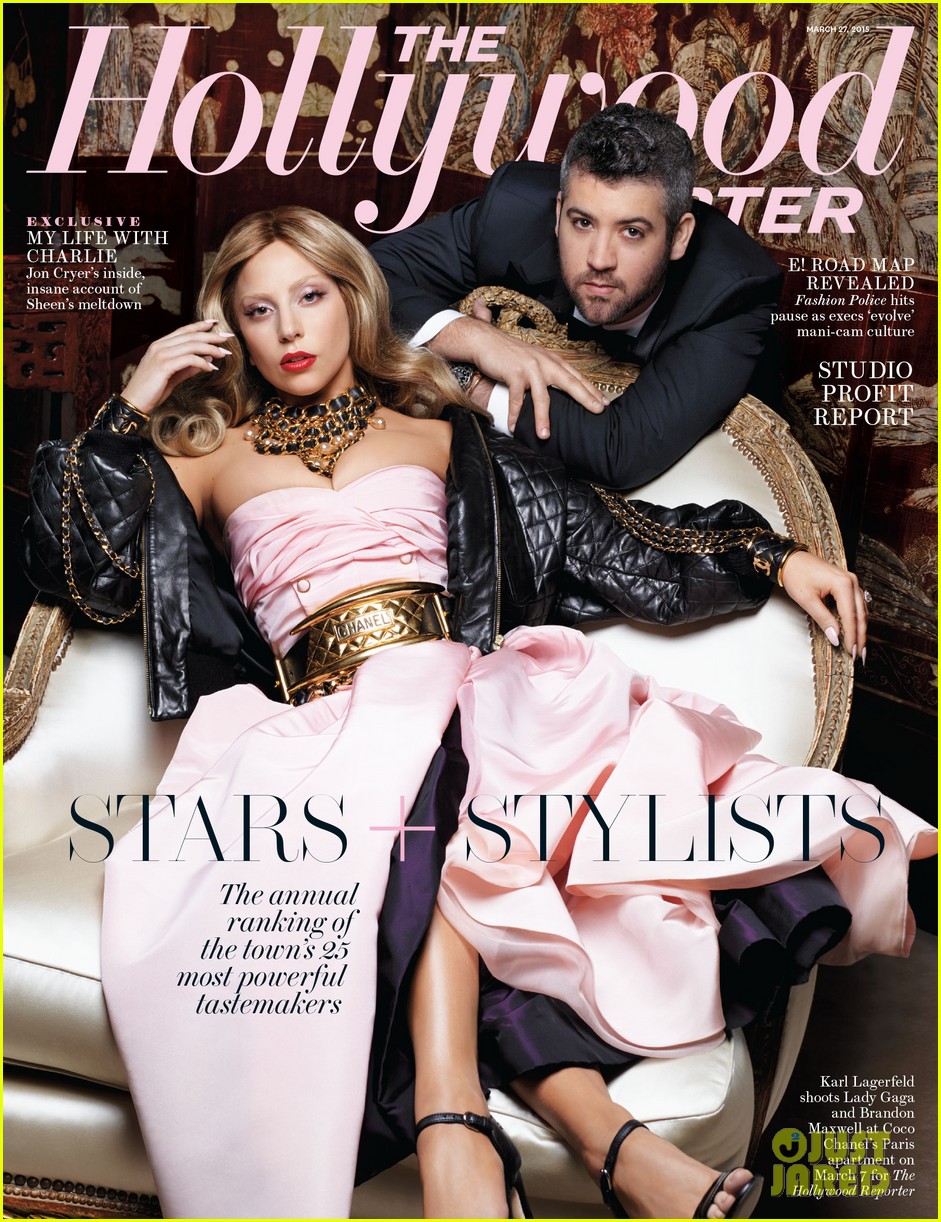
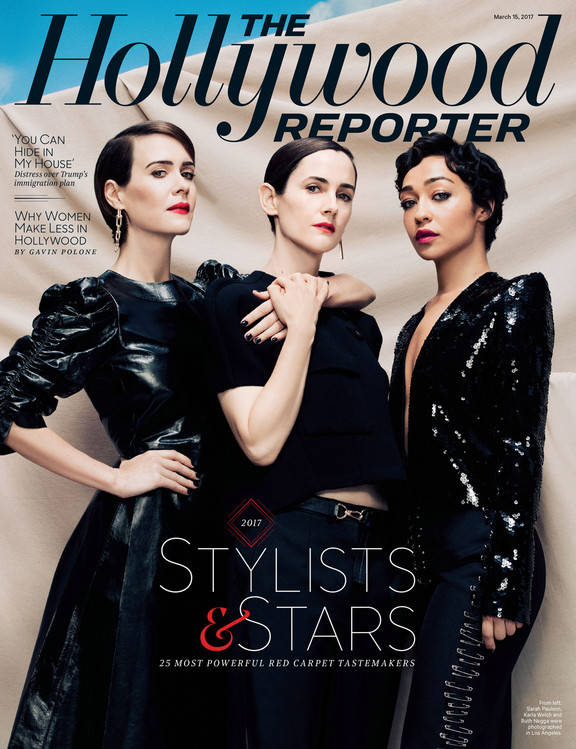
If you've ever admired one of Karlie Kloss' business chic ensembles, or lusted after a dress Ruth Negga or Sarah Paulson took a turn in on the red carpet, then you're a fan of stylist Karla Welch's work. With a range of clients that include top model Kloss, actresses Negga, Paulson, Michelle Monaghan, Demi Moore, Tracee Ellis Ross, Elisabeth Moss and more, Welch has successfully solidified her status as the go-to fashion stylist and consultant for streamlined, elegant, professional and timeless looks. 

A quick scroll through Welch's Instagram feed (@karlawelchstylist) also reveals the stylist's strong political beliefs, from her vocal support of Hillary Clinton's candidacy, to her status as a proud feminist (she's often sporting the Dior "We Should All Be Feminists" tee), and advocacy for other social and racial issues relevant to our country today. Her clients seem to share a similar political bent, whether they're donning blue ribbons in support of the ACLU at the Oscars, starring in The Handmaid's Tale (a Hulu series based off of Margaret Atwood's foreboding novel of the same name), or supporting young girls in STEM through coding scholarships.

Karla Welch; image via

Karla Welch; image via

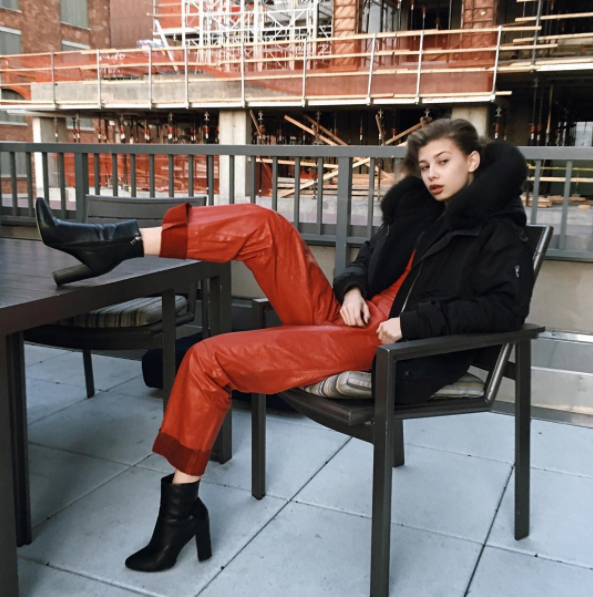
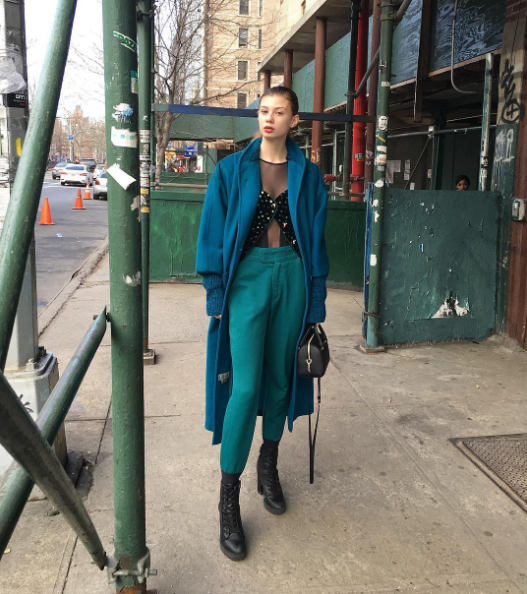
Monica Rose (@monicarosestyle) has also become a household name over the course of several years, mostly due to her extensive portfolio of work for the entire Kardashian-Jenner clan. From popularizing the silky bomber jacket look, to bringing back oversized vintage sunnies, and convincing shoppers they need to purchase clear plastic boots and lace up leggings, Rose has become one of the most influential arbiters of taste in the past decade.

You can credit the Kardashian-Jenner family's seemingly overnight style evolution to Rose's acute eye for detail and ability to craft distinct fashion personas for each sister. Rose is also known as the creative force behind the Hadid sisters' inimitable street style, Chrissy Teigen and model Chanel Iman's sultry red carpet looks, or crafting looks for burgeoning stars like Kaia Gerber. The reason you spend too much money on chokers at Forever21 or decide to splurge on the latest boyfriend jean trend is likely because Rose dressed one of her famous clients in this exact same piece. 

Today, fashion is less about the clothes and more about who is wearing them; image via

Today, fashion is less about the clothes and more about who is wearing them; image via

Within the current context of the fashion industry, it comes as little surprise that fashion stylists and the influencers they dress, as opposed to actual designers or fashion houses, have become the most important determiners of fashion trends and style today. With the rise of social media and the frenzy payed to any outfit Kendall Jenner sets out in, one could argue that stylists like Welch and Rose are spearheading a new wave of "fashion populism" (The New Yorker). This new, crowdsourced form of fashion revolves around the avid following of models and reality stars, rather than an actual appreciation for the design mentality or vision put in place by fashion houses that have existed long before the Jenners or Hadids flitted by in their flashy Vetements tracksuits.  

Feeds to Follow: @jasoncampbellstudio

Jason Campbell, a fashion consultant, stylist, photographer and well-known industry insider, shares his eclectic sources of inspiration on @jasoncampbellstudio. A cursory scroll of the feed shows a bright collection of modern art (often with illusions/double meanings), beauty close-ups, high-end niche brands, quirky architecture, and the occasional food snap. There seems to be no theme uniting the pictures other than that they all provoke a double-take, reminding viewers of the unexpected aesthetics present in daily life.

3,602 Likes, 12 Comments - Jason Campbell (@jasoncampbellstudio) on Instagram: "#patternprintsjournal #jasoncampbellstudio"

18.8k Likes, 79 Comments - Jason Campbell (@jasoncampbellstudio) on Instagram: "Via @marco.demasi #thelastartistever #jasoncampbellstudio"

Personally, I use his feed as a trove of daily inspiration, a way to gauge upcoming trends, and a platform to connect me to smaller artists and brands on Instagram. Jason's website states that he "has a reputation for uncovering marketplace intelligence anywhere in the world well before the mainstream"—and his Instagram definitely shows it. 

14.9k Likes, 41 Comments - Jason Campbell (@jasoncampbellstudio) on Instagram: "Via @laurakalmakoff #jasoncampbellstudio"

13.2k Likes, 73 Comments - Jason Campbell (@jasoncampbellstudio) on Instagram: "#whomadethis #jasoncampbellstudio"

6,937 Likes, 30 Comments - Jason Campbell (@jasoncampbellstudio) on Instagram: "#jurgipersoons #jasoncampbellstudio"

Feature image via

Feeds to Follow: @violette_fr

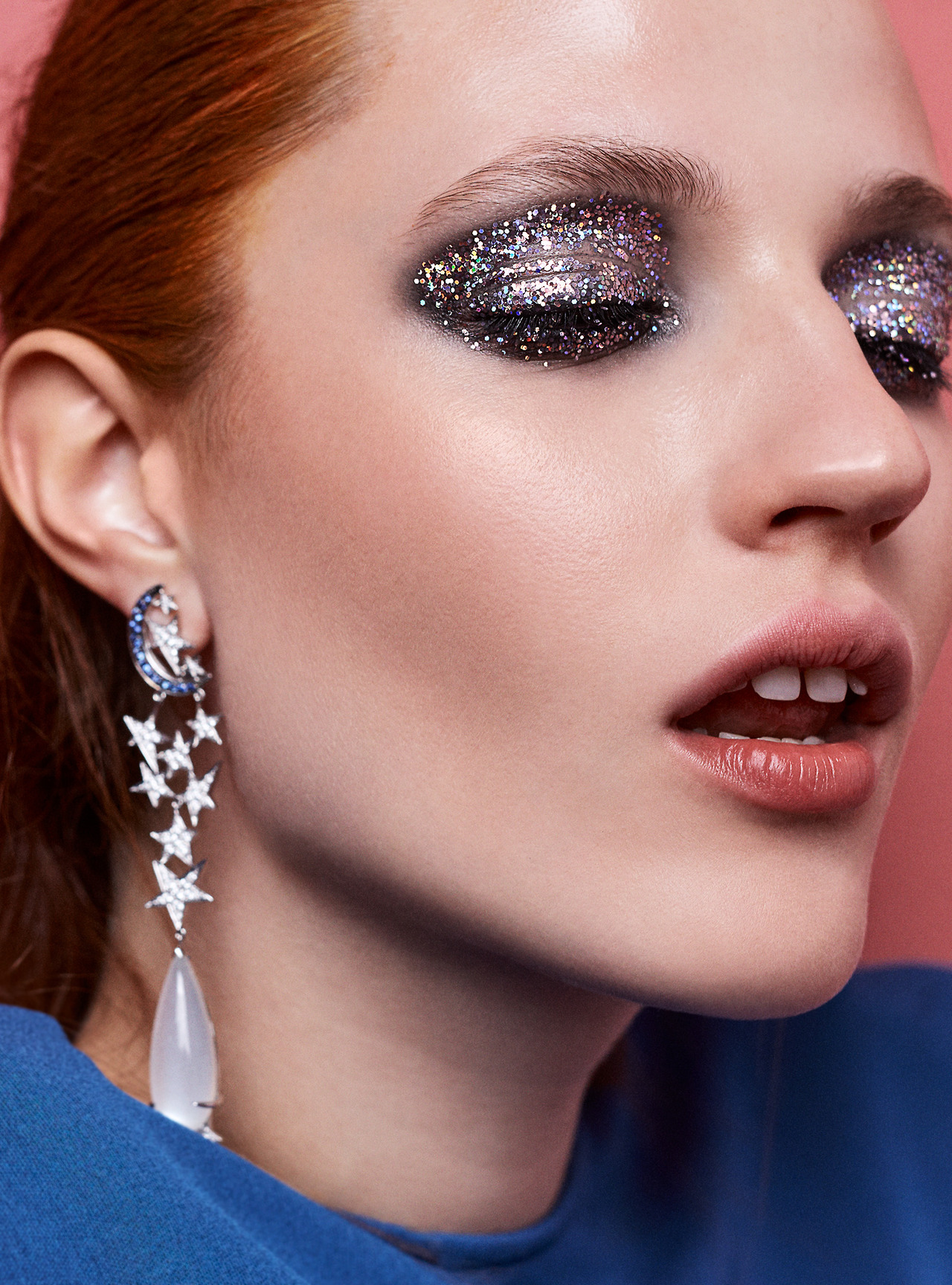
Paris and NYC based makeup artist Violette (@violette_fr on most social media platforms) has made a name for herself amongst fashion circles for her painterly approach to makeup and beauty, her colorful collaborations with Vogue, CR Fashion Book and Harper's Bazaar and her intimate vlogs, where she indulges viewers with French beauty secrets over morning coffee.

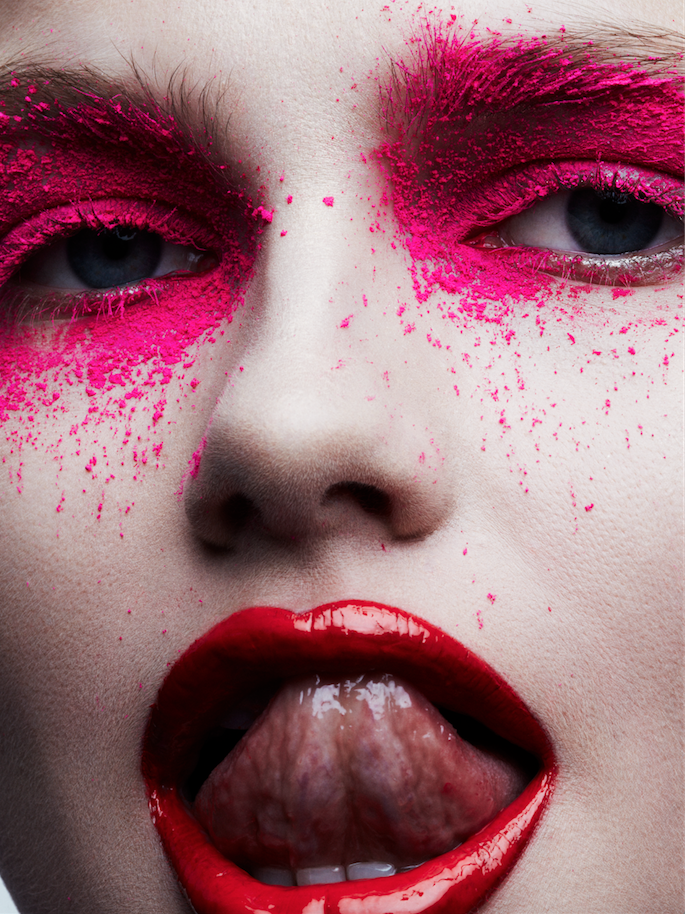
Apart from her evocative work–which frequently features powders, glitters, stickers and more to achieve the perfect effect–Violette is known for creating most of her pigments on set as opposed to relying on more traditional products and palettes. Check out some of her incredible work below!

Above images via Violette's Tumblr

Check out Violette's Tumblr or Instagram for an ever-evolving palette of mood boards and inspiration, and her YouTube account for candid clips of the artist doing her own make up in the back of cabs, cafes or bars, and behind-the-scenes videos from fashion and beauty shoots. 

Above images from "Violette's Vision" feature on Models.com


Feature image via


Does Celebrity Breed Passivity?

I recently read an article about Kendall Jenner in The New Yorker (of all things) that addressed the star's "profound silence" despite her immense platform, influence and potential to stand as a spokesperson for issues of import. Especially in light of the model's recent turn in Pepsi's tone-deaf protest ad, which was pulled off the air within 24 hours under accusations of being insensitive and for trivializing protest culture, Jenner has remained silent, avoiding social media or formal apologies in favor of protecting her own privacy (and partying at Coachella).

This all begs the question of whether or not celebrities like Jenner–and her slew of famous friends and colleagues within the fashion, music and entertainment industries–should be held more responsible for utilizing their highly public profiles as platforms for positive action, change and leading by example.

While stars can receive backlash for doubling as spokespersons for issues about which they feel passionate–or at least feign passion for–their public pull and ability to draw press and media coverage can be a crucial asset for platforms or organizations that otherwise struggle to raise awareness for their causes. Emma Watson's advocacy for women's rights and equality through HeForShe or Karlie Kloss' efforts to jumpstart young girls' interests in the STEM fields, for instance, have lent social and political issues incredible allure for young people.

Kendall should have taken the time to actually attend a Women's March earlier this year or become a more vocal supporter of the Black Lives Matter movement instead of starring in an advertisement that belittles protest culture. With respect to her current track record, the model's interest in social activism appears entirely contingent on the preservation of her reputation. Her efforts to raise awareness to stop gun violence, encourage people to vote or respect women, for instance, have culminated in a series of nicely edited YouTube videos rather than protesting, fundraising or campaigning on Capitol Hill. 

Feature image via