How to Take Care of Yourself <3

Fourth week is hitting me like a train. I skipped a total of four classes and survived exclusively on coffee, sweetgreen, and Nando’s. I tried to incorporate exercise into my routine, but I don’t even have the motivation to walk 20 minutes to class and opted for faster alternatives every time. I finally bought groceries after two weeks of slacking off.

If you are stuck in the same bottomless pit, hello, you are not alone, and I invite you to use this article as a general resource, words of affirmation, or simply a random person’s journal entry on self-betterment. I’m not telling you to just drink water or put on a face mask, even though they are very valid points to make.

I’m here to ask questions, for all of us.
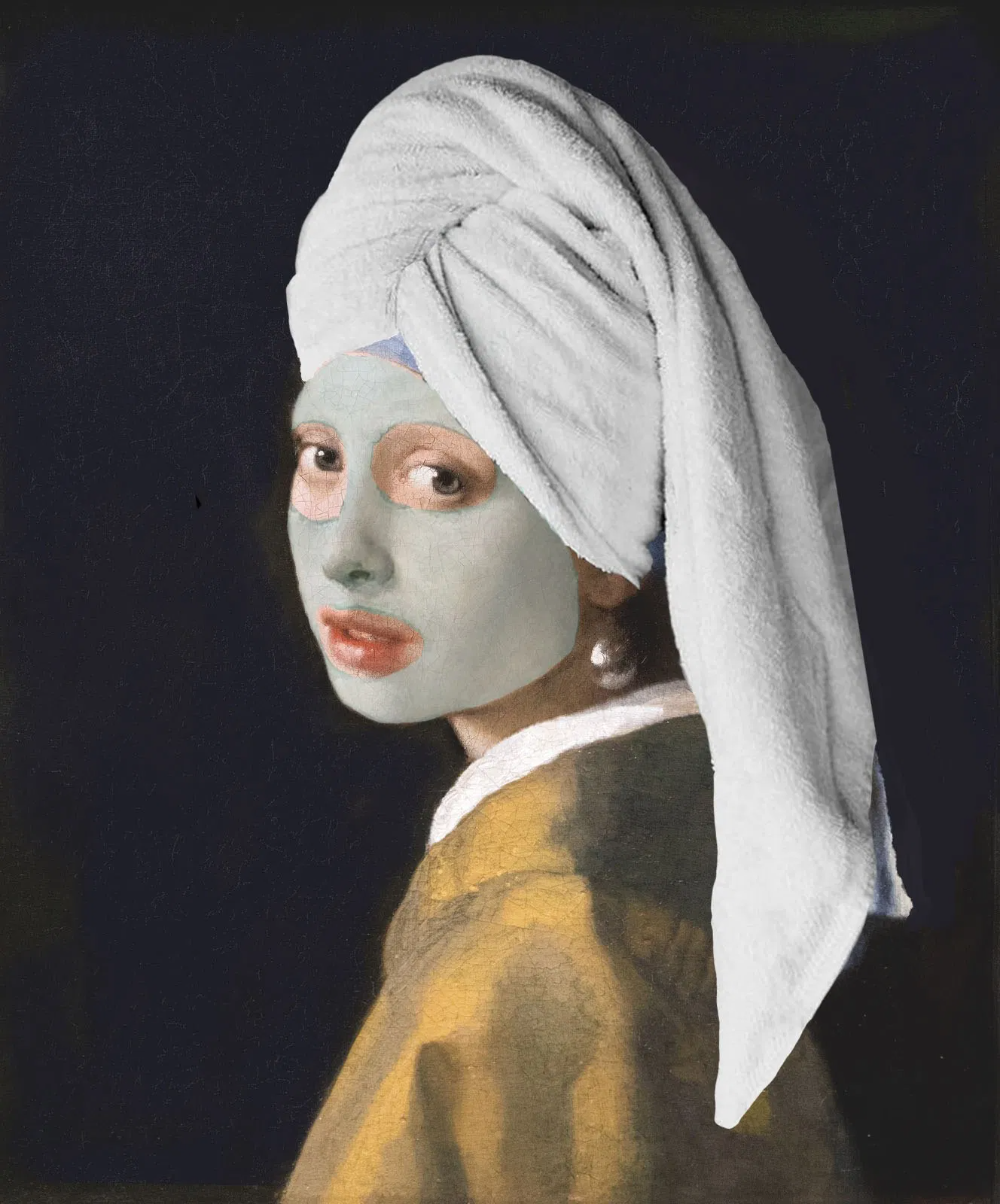
Self-care is more than putting on a face mask.

Although I personally love face masks, drinking water, and whatever else Twitter tells me…

How is your sleep?

Some days, if not most days, you struggle to get out of bed. Why would you leave the comfort of your blanket when you can risk being late to class?

Now the real question is, how long were you using your phone before you finally decided it was time for sleep and reluctantly closed your eyes? Do you have a night time routine that helps your body relax?

  • Stretch before bed (or on your bed)

  • Read a book with warm / yellow light

  • Try Headspace, which is a great app that provides guided meditation, study beats, and white noise to fall asleep to

If you really struggle with having good quality sleep, consider taking melatonin or finding your preferred natural sleep aid.

image via

Do you have healthy eating habits?

I use Noom to help me re-adjust my mindset (it pairs me with a wellness coach who tells me to drink more water lol), but here are a few things to keep in mind before your next meal.

  • Focus on your meal and don’t go on your phone or do your readings at the same time, distraction makes you overeat and doesn’t help with digestion

  • Grab food with a friend and ask them how they’re doing :)

  • If you live in an apartment, prepare a meal and enjoy making it

  • Treat yourself to a whole tub of ice cream when you feel like you deserve it — there’s no shame in occasional indulgences!

image via

Are you feeling content? If not, what does “feeling content” mean for you?

I know, this is the age-old question that nobody has an answer to, but I asked my roommates (who are stressing about recruitment) for perspective.

V: What does “feeling content” mean to you right now?

H: I’ll feel content when I get a job.

C: I’ll feel content when I get a job and a boyfriend.

H: Okay, but I’ll probably just get fixated on the next thing. I guess it’s about not wanting more…

You will feel happy when the cute guy in your hum/sosc/maybe-not-civ ask for your phone number. You will feel happy when you land your dream internship. You will feel happy when you treat yourself to a new designer bag. Your happiness won’t last, because it’s meant to be temporary.

Here’s my Headspace quote of the day:

In the pursuit of happiness, it can be easily forgotten that the happiness we seek is often found within pain and discomfort.
— Headspace

Happiness is temporary, but contentment is a long-term mindset.

Now, are you ready to change your mindset?

Image via


Cover image via

Alternate Reality, the One on My Screen

"Reality isn't worth perceiving."

How can we truly let others perceive our realities through a 6-inch screen and a tastefully filtered feed? This article from NBGA questions how our IG feeds mutate our sense of reality and, consequently, our sense of self. Curated moments are gone the instant they flash across our screens, and we’re on to the next with the frustrated flick of a thumb. Sure, you could take the aesthetic and perform it on your own: white taper candles, pastel plates, your most attractive friends with a hint of palatable edge. But you still won't achieve what happened there when you saw that photo: a promise of happiness, a careful aesthetic without effort.

NBGA uses the monochrome, chic loungewear trend created by Yeezy as a case study: "This isn't 'life-inspired' fashion culture, it's curated and algorithmic." What we're actually realizing is that aesthetics, as we define them now (a way to live, dress, eat, and work), are fragmented forms of reality.

Inspired by life? Sure. But are they honest? Far from it.

These aesthetics don’t allow you to be multiple things at once. Just ask the cottagecore TikTok gals, for example, whose livelihoods (in the form of sponsorships) depend on proof that their ears know nothing but the scratch of vinyl and their feet nothing but some lace-up heeled brogues. The algorithm thrives on consistency, second only to a pretty face and a nice body.

Embed Block
Add an embed URL or code. Learn more

When Kylie Jenner reigned supreme on Instagram, she inadvertently birthed the desire for consistency on our feeds with what would become known as “Instagram Face”. This particular look slowly took over, the most impish of early bloggers becoming pouty-faced, monotonous vixens. The filters, meanwhile, have adopted AI-level technology that changes our faces in real-time.

Gone are the days when this look required hours of makeup and one perfect, static shot. These filters are eerily realistic, going far beyond the cartoonish filters first popularized on Snapchat. Bridge of the nose narrowed, apples of the cheeks plumped, upper lip and eyes enlarged by 1.5 times, a wash of a tanned, ethnically-ambiguous skin tone, and you're set!

Actually, you're not. The "fox eye" trend, hollow cheekbones, carefully placed freckles, and an impossibly smooth skin texture are amongst the many variations that you can find scrolling through the makeup and beauty filters available on IG.

These filters often feel ridiculous when we try them on ourselves. Seeing them on influencers, however, is an entirely different thing. Even the most “real” Instagram models pick the best lighting and the most careful angle for their “casual” posts. Quite naturally, we use them as a standard for what’s beautiful, what’s attractive.

This indeterminate line between envy and admiration keeps us from even batting an eye when our favorite influencers use these feature-altering filters from time to time. There’s a casualness with which we view these minor tweaks: a strange desire to defend total strangers, creating lies on their behalf to explain their changing features... “They just overlined their lips! It’s really easy, try it!”

Sometimes these defenses are warranted. People, especially women in the limelight (in the bluelight?), are constantly scrutinized, reprimanded, and policed for what they choose to do with their bodies. No one should feel the need to explain what they’ve done to change their appearance and for what reason.

The issue doesn’t lie in the notion that the body is sacred and shall not be touched. Instead, the issue lies in what is the intentional fragmentation of reality. These ever-changing ideals come from a society that makes trends out of body parts and gets to cherry-pick their favorite features from otherwise “undesirable” ethnic groups.

Image via.

Image via.

The impact of these trends isn’t anything new. The pressure to change our appearance according to the white cultural norm of the time is an unfortunate constant of our lives in the digital age.

I remember being 12 years old, sitting in the cafeteria, our towering cis-male gym teacher leading that week's health class on body image. It was as unnatural as it sounds, but I still remember how shocked we were to see the way this brunette model with textured skin and oily patches slowly became the flawless, perfectly symmetrical face I was already used to seeing in magazines. Hundreds of photoshop swipes and a time-lapse later, she looked nothing like the conventionally attractive woman from before. Instead, she looked as she was supposed to. It was unsettling how wrong and right it felt at the same time. 

Image via.

Image via.

In cosmetic surgery clinics, that shocking subtlety is repeated on a more permanent level. But gone are the days when nose jobs were widely denied. We have a new appreciation for cosmetic surgery not only for the way it can change lives (e.g., resolving debilitating deformities or previous botched jobs), but for the perceived gentleness it has reached. We've gone beyond even the most praised of "tastefully-done" nose jobs like those done on Blake Lively and Ashley Tisdale — which were really only deemed as such thanks to their otherwise Hollywood-approved features.

"Tweakments" are the new trend: routine lip injections, brow lifts of just a few millimeters (à la Bella Hadid), and small doses of Botox administered every few months.

The goal? Achieve a natural-looking face that accomplishes the impossible: never aging while keeping up with ever-changing beauty trends. The real goal? Re-brand existing procedures as minor beauty treatments akin to a facial or a mani-pedi. Make consumers feel as if this is just another treatment they can tack on to their monthly self-care bill. 

There's no shame in getting work done—until there is (for you). But let's call it what it is and stay aware of the changing faces on our screens. Things get tricky when we delve into this alternate reality, ready to dole out money to finally (and ultimately, never) look "normal.”


Thumbnail image via

Source: https://www.cosmopolitanme.com/beauty/cele...

Intrinsic Care (and Why the Makeup Stain on Your Mask Should Please You)

It was such a relief at first! Barely leaving the house under the requirements of the mandatory quarantine, I was left alone with my most innate self. Even if I did leave, the good-old glasses disguise of Superman had reincarnated into its new form - masks, making me almost unrecognizable outside.

There was no need to set my alarm for 30 minutes earlier to dress up, put makeup on. The solution to a bad hair day was as simple as a “Stop the Video” button on the left hand corner of the Zoom. My cozy, home-like portrait was squashed into a rectangular frame: A well-groomed body on the upper half and a pair of legs snuggled by a pyjamas on the bottom, referencing myself to a centaur was inevitable. 

Soon the mist of comfiness cleared up, unveiling my extrinsic motivations to take care of myself, which disappeared as soon as my ties with the external drifted apart. 24-hours of leggings and t-shirts, messy buns, and especially a me, who stopped looking at the mirror, not caring what to see on it, were not the synonyms of comfort.

Image via

Image via

According to a research conducted by L’Oréal, involvement with makeup products rises as the interaction with other people increases. This research “found that some 34% of Chinese women wore makeup in February, during the peak of the lockdown - this figure has now increased to 68% in late June to early July,” when life turned back to its so-called normal state. The Youtube views of the fitness Youtuber Chloe Ting, who,as the movement of the quarantine, rose sharply in May, identified with the hopes of “glowing-up after quarantine” (Glowing to whom? Yes, the same question...), and slowly decreased to its pre-virus state as people realized that this situation is longer than a “21-day challenge.” A full circle, back to snack-fed bellies that we can hide under the frame of Zoom…

Even though I was relieved by learning I was not the only one who got motivated by her surroundings, this meant that there are even more people who perceive the process of “adornment” as something that is done for others. 

How one looks is a representation of self. Our characters are not solid; They are fluids that change and adapt, depending on the situations and people we interact with. Reminded of something? Yes, just like our fits. My location was the indoors of my home. The person I interacted with the most was myself. Yet, the girl I checked out on the tall dressing mirror did not reflect the “me.” Once a friend told me, if clothes are our armors, the girl I saw was the most defenseless me I had ever experienced, when she had to be the strongest in the midst of a pandemic, alone. 

Image via

Image via

As Margherita Cardelli of Giuliva Heritage said,  “Dressing up is who we are. It is a way to stand up for our values that definitely are not going to be put aside because of the virus. Rather, they’re felt even stronger.” I was not going to be the one who put her zest to the shelf.

That day, I shuffled my most recent playlist and put on my “to wear at a very special event” fit. When I stood in front of the mirror, I realized that I longed to illustrate my appearance on a new day’s blank page. I dressed up. I wore my mask on top of my makeup. There was no one to see it. However, finally, after weeks of neglecting the need to look like myself, there I stood in my boots in the middle of the bedroom with my makeup smudged on my mask. 

And I loved it.

WhatsApp Image 2020-11-01 at 21.26.03.jpeg

(picture by Su Karaca)


Featured image via

Fall in Love with Staying Home

For many people, the advent of quarantine, strict advisories against travel, and the reduction of most types of public social activity has meant a drastic and difficult lifestyle change. But as someone who has been a proponent of the stay-at-home lifestyle for many years before the government decided to steal my ideas, I’m here to tell you it doesn’t have to be so bad.

I believe the key to embracing your time at home is creating a space that makes you genuinely happy; to preach Marie Kondo’s famous ideology, a place that “sparks joy.” It makes sense, if you think about it. If you’ve designed a space to serve your specific needs with pieces that bring you joy, why wouldn’t you want to be there? The question is: how do you do this? Well, after years of practicing not leaving my house unless absolutely necessary, I’ve learned a few things that might help you out. Admittedly, a downside of my vigorous commitment to this homebody philosophy is that I have dangerously low levels of vitamin D, but at least my throw pillow game is fire!

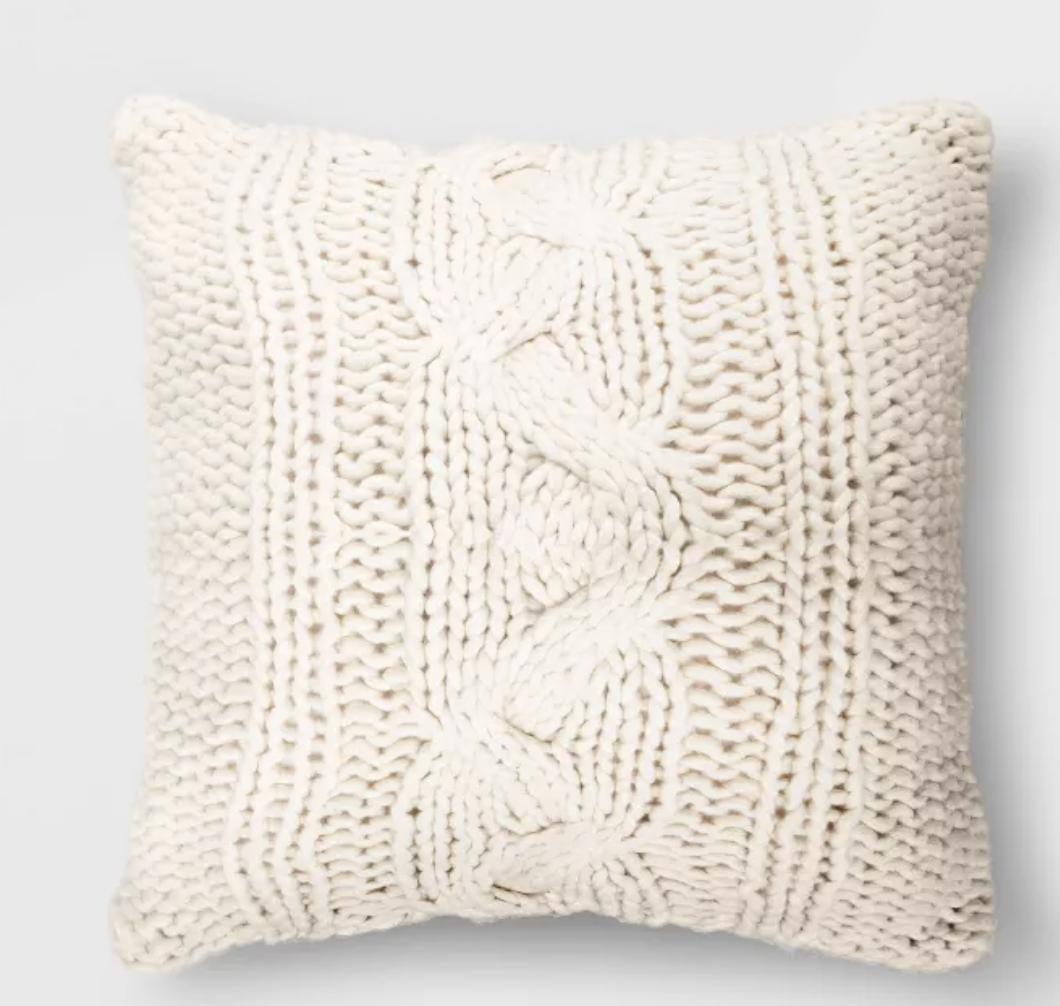
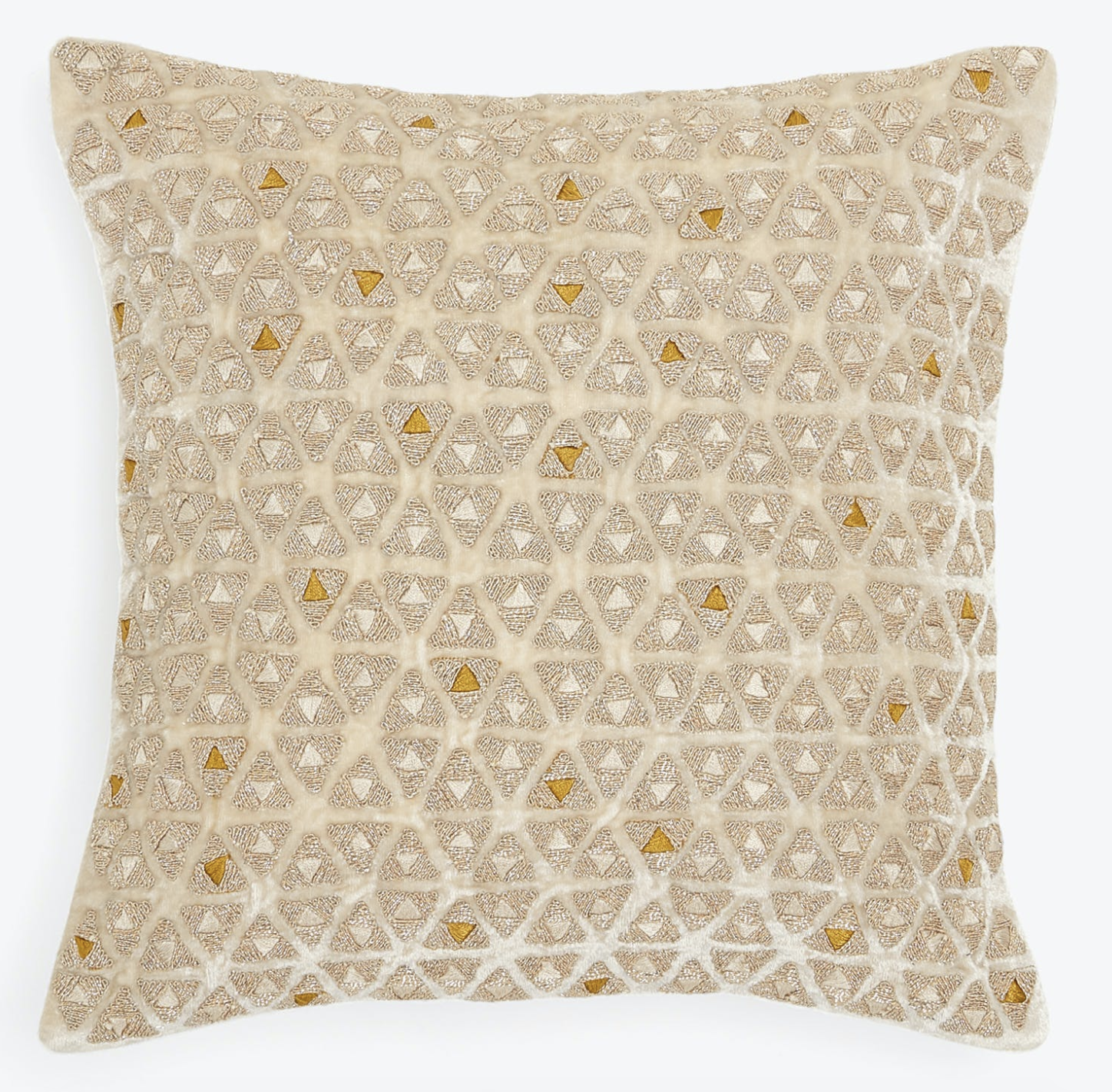
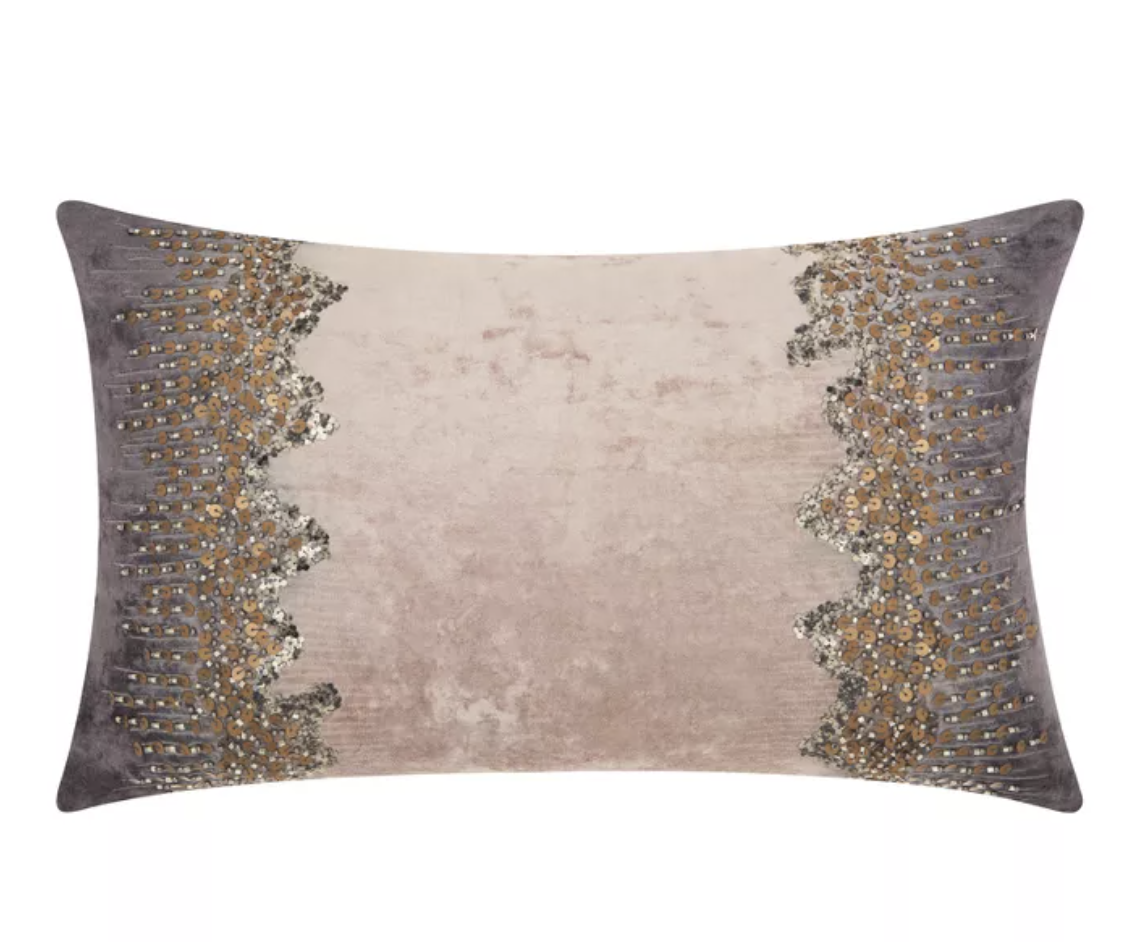
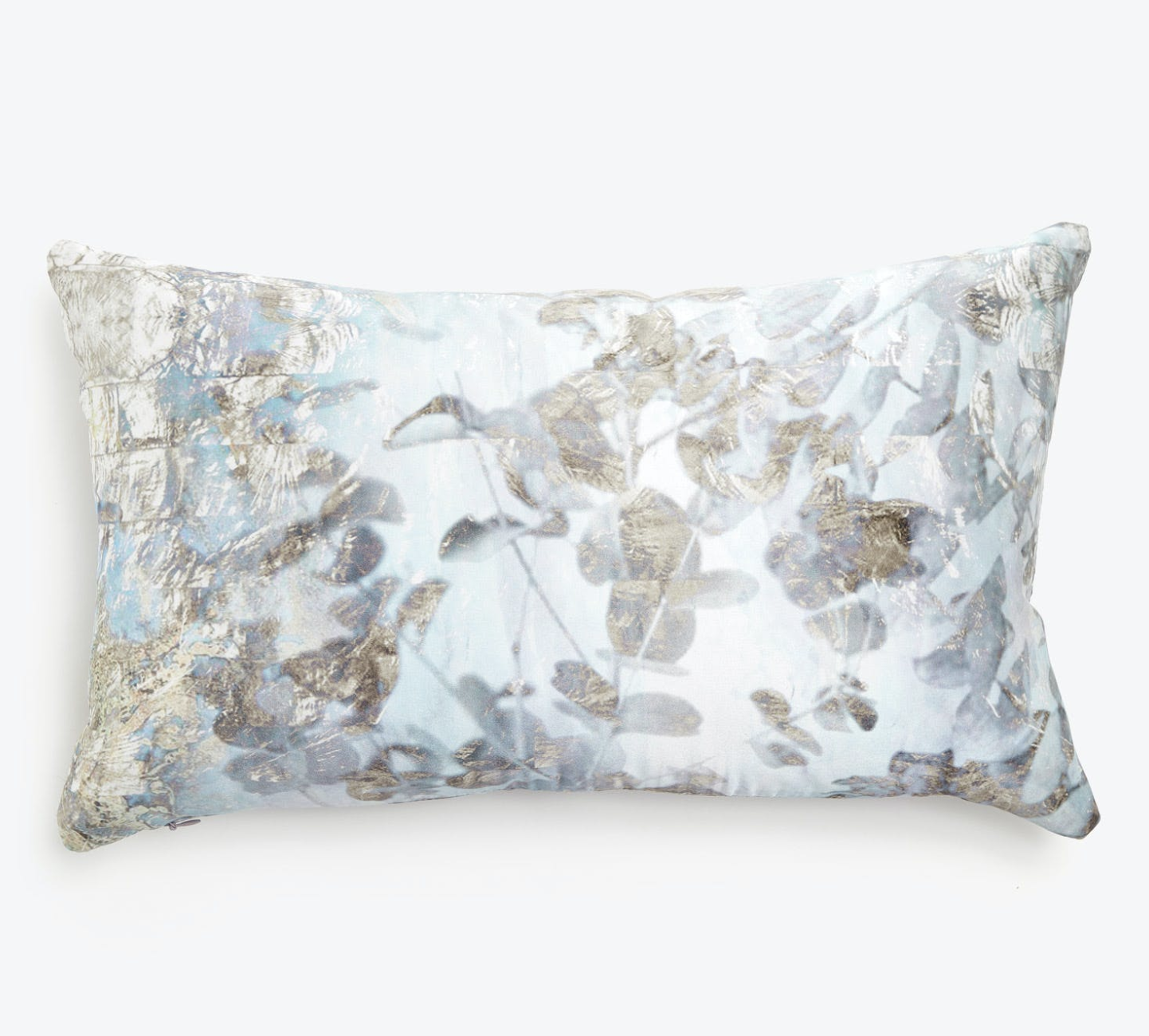
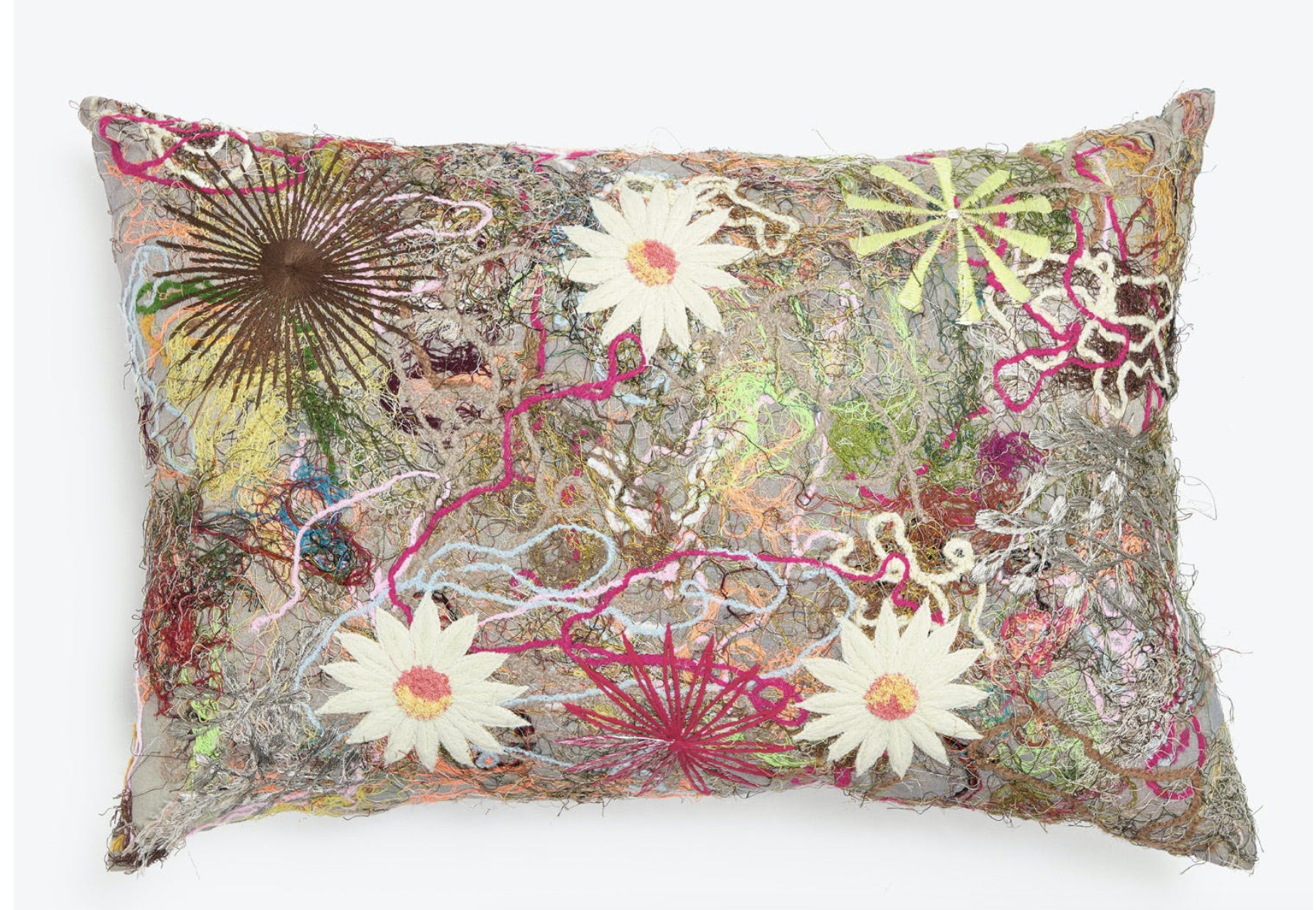
On that note, I’m starting with pillows. And I’m not talking about your standard shams here. I mean those decorative pillows that make you absolutely swoon. The kind you never get tired of looking at, the kind that makes you believe in a higher power, and the kind that makes any piece of furniture it’s on feel special. I know what you’re thinking. “Pillows like that don’t exist!” Or “I’ve never felt that way about a pillow!” Until now. For inexpensive options, Target has a massive selection. They also have seasonally thematic ones (autumnal cable knits, wintry white faux furs, you get the picture) so you can rotate them out with the weather and you’ll never get bored. For high end pillows, there’s nothing like abc Carpet & Home. They are definitely investment pieces, but when you don’t leave home you save a lot of money!

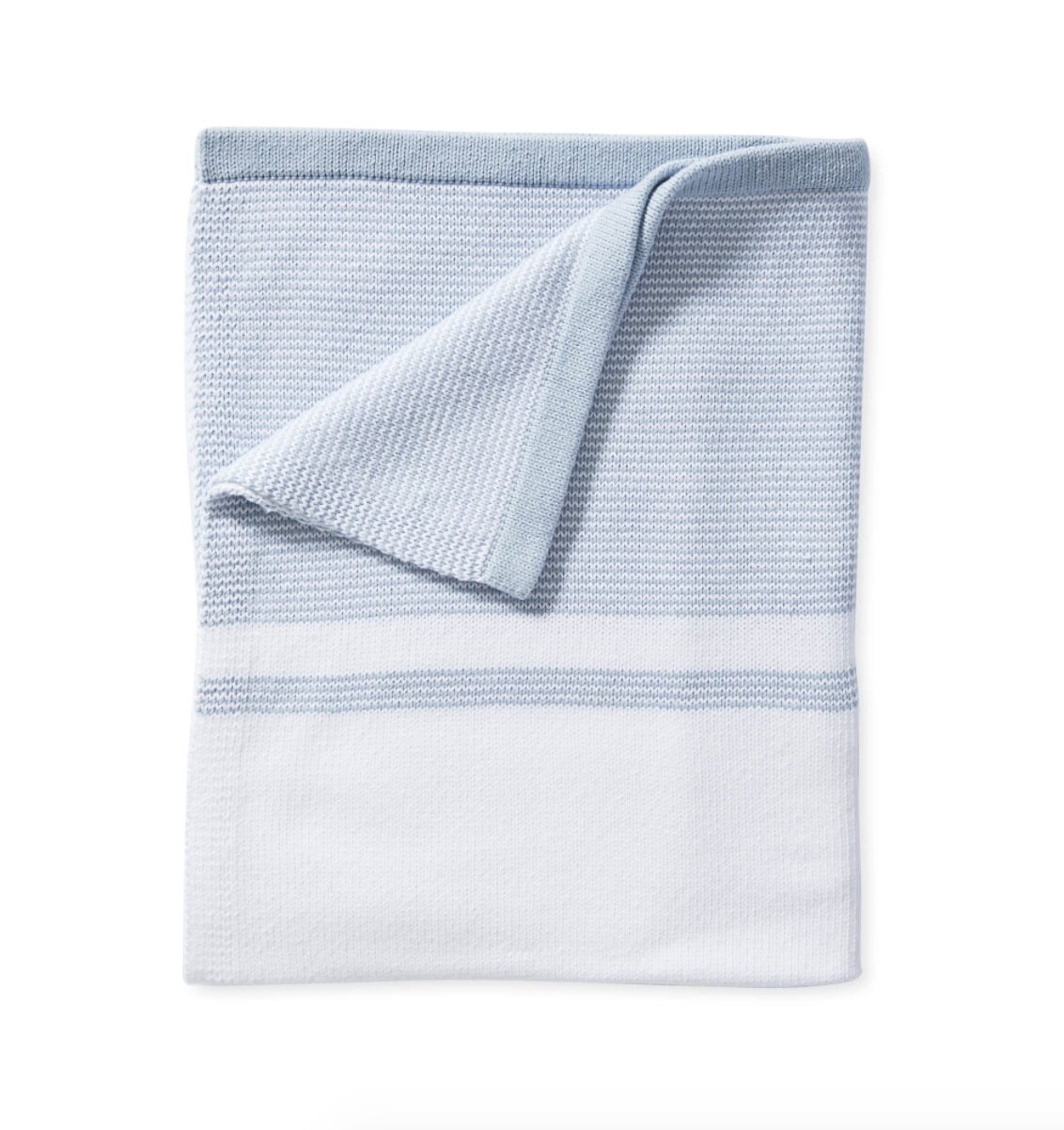
I’ve probably gotten more emotional support from blankets than I have from any actual person. They’re soft, comforting, and warm. And they necessarily imply enjoyable homey activities. Seeing a nice blanket on your couch could change the course of your whole day. All the sudden you’re thinking of you, Netflix, and that blanket on a Friday night. Throw in some snacks and I think I’ve made my point. Here are some super cozy choices: 

When you’re at home a lot, potentially alone, there is something to be said about having another living thing in your space. If you can’t have a pet, I recommend getting some flowers (or some kind of cactus thing if that’s more your speed). These were actually a housewarming gift from my aunt, but you don’t have to wait for someone else to buy you a bouquet. Getting yourself some flowers is an act of ~self care~ and we could all use some more of that. 

Screen Shot 2020-10-06 at 11.55.36 AM.png

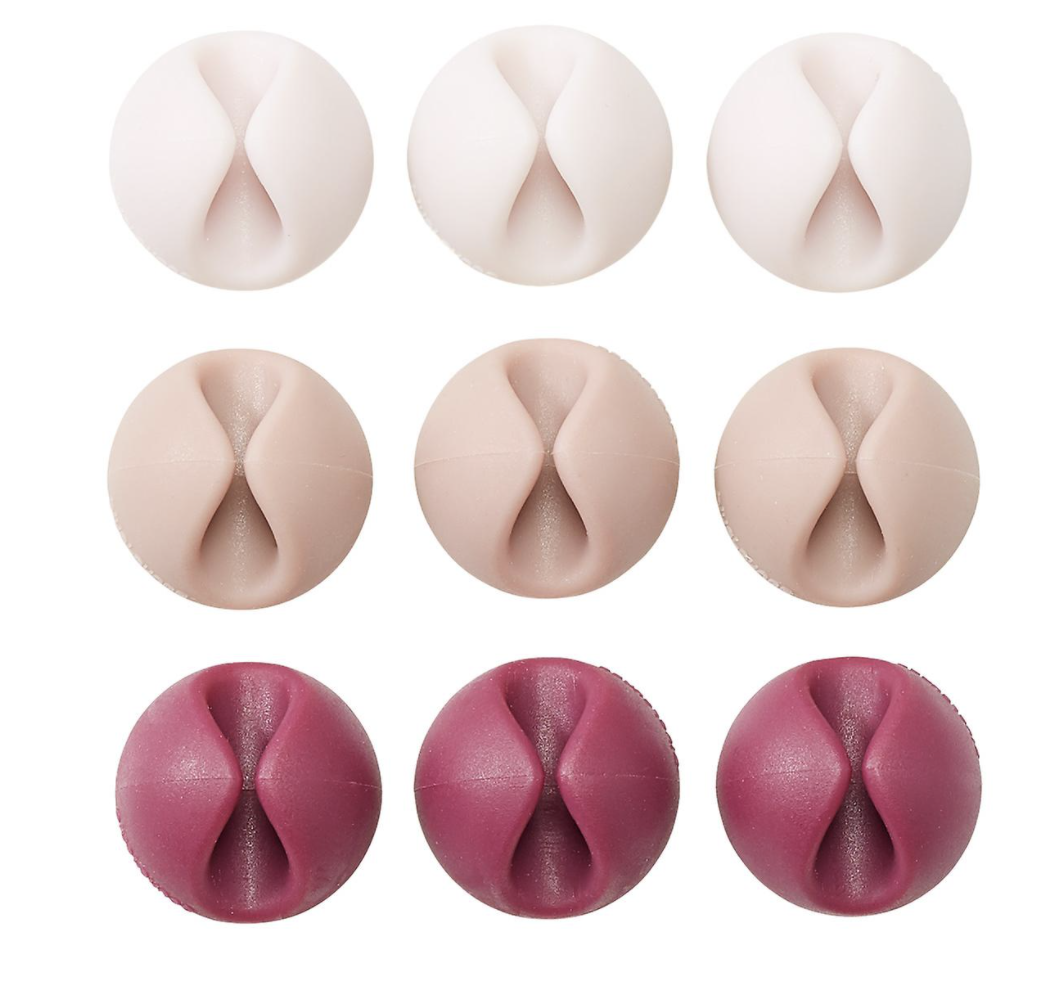
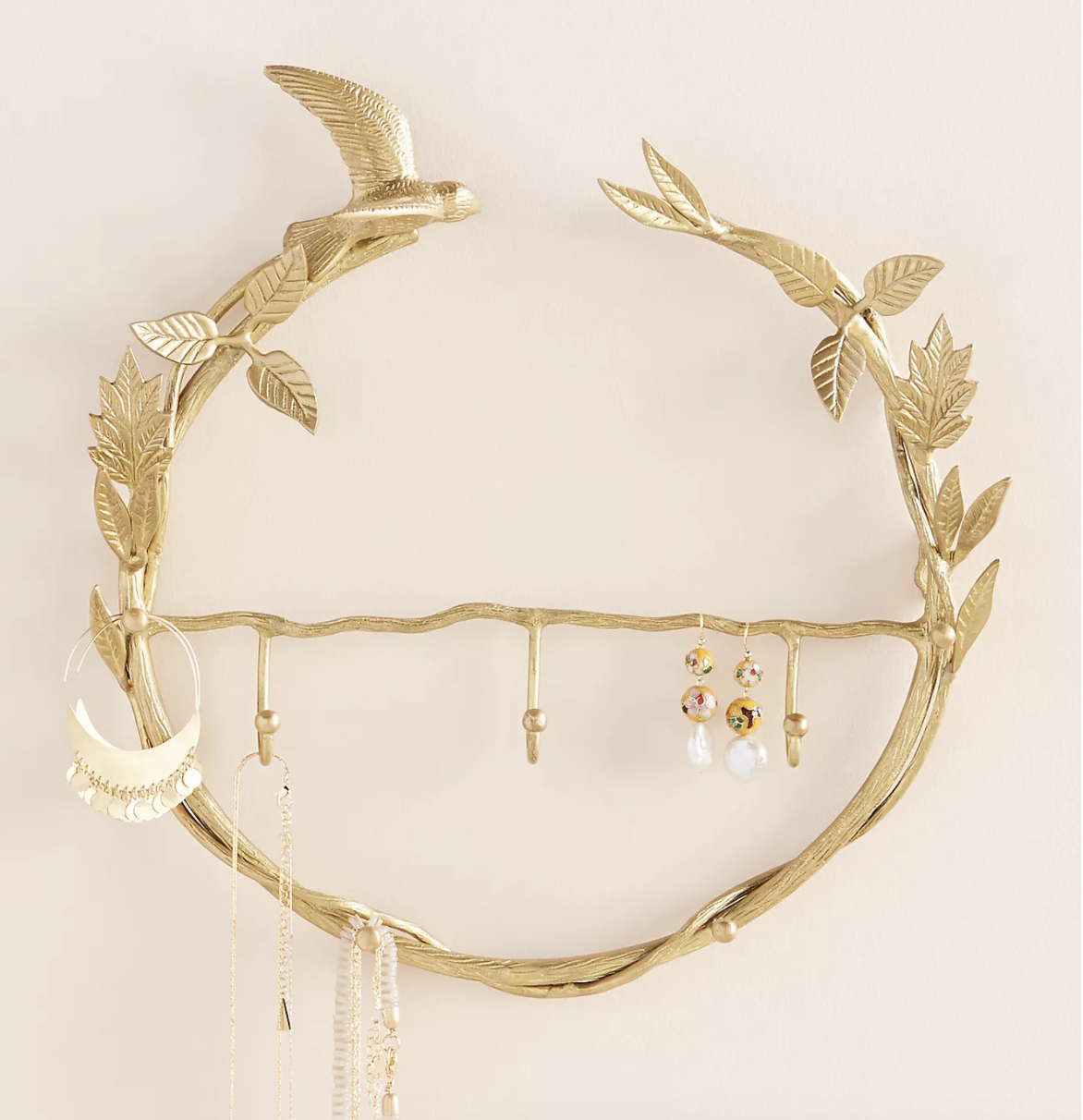
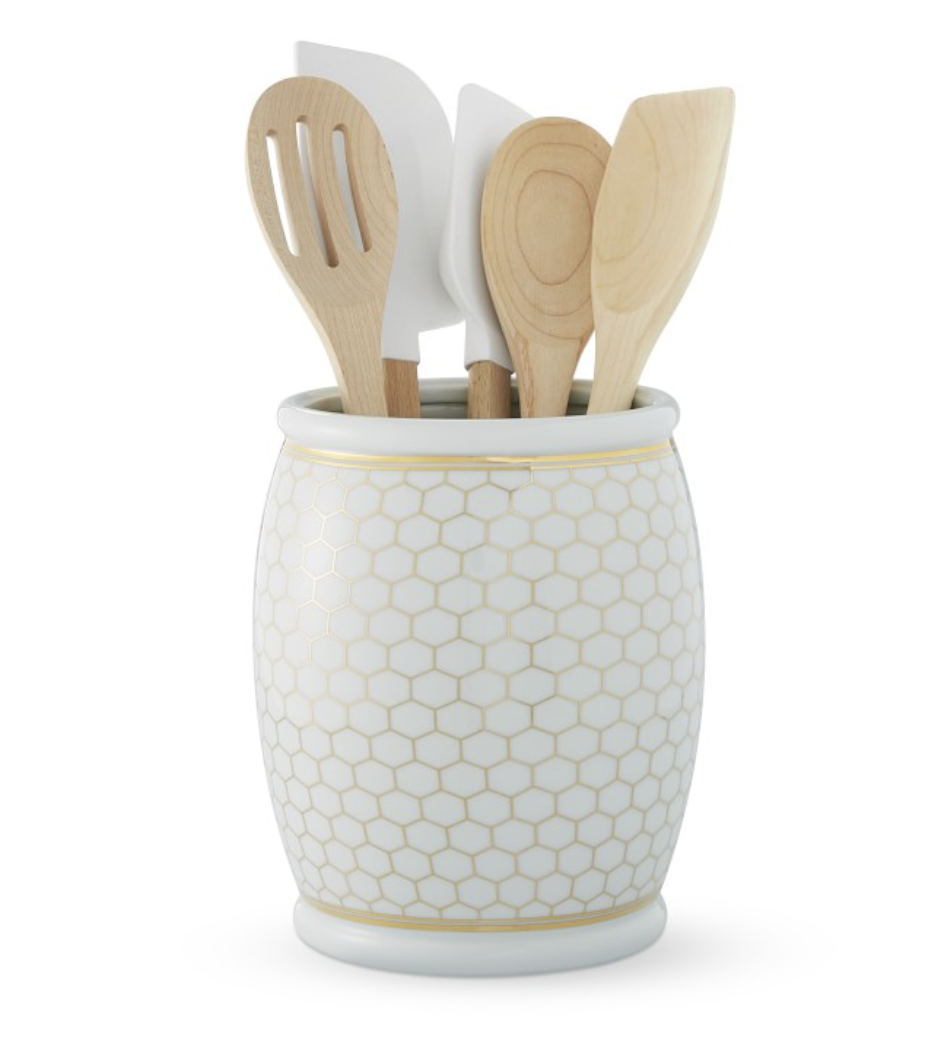
As much as I firmly believe in the universal joy that everything I’ve just mentioned above can bring, I also know that what makes a person happy to have in their home will be different for everyone. We all have different needs and tastes, and the most important part of making your home a place you love being in is customizing it according to your own lifestyle. Here are a few, mostly organizational things in my apartment that I always look forward to seeing or using. Some are really little but make the biggest difference in my everyday life. These cable holders stick to any surface, so I don’t have to waste the minimal energy I have left picking up my charging cords when they fall. The hanging jewelry holder and mail holder are honestly just eye candy for my walls. And maybe because it reminds me of Winnie the Pooh, this honeycomb utensil holder brings a bit of youthfulness and optimism to my space.

I hope some of the things I’ve included here have made staying home seem at least slightly more enjoyable, but if online shopping for home decor doesn’t do it for you, just remember you should feel good about yourself for staying in anyways because you’re doing your part for the health and safety of your community.


Featured image via.

Skincare ABCs

Like all of you, I have found myself with an almost overwhelming amount of free time this year. Also, like many of you, I have been trying to fill that void with passion projects and getting trapped in research rabbit-holes. Over the past several years I have been sitting on a wealth of knowledge about skincare. Through years of trial and error, extensive sampling of cult favorite classics from all corners of the world, at-home DIY alternatives, the expertise of dermatologists, and, finally, hours of research, I have decided to share the precious information I’ve been hoarding.

TL;DR: I did the legwork for you and made an alphabetized list of ingredients commonly found in skincare products so you can make better and more informed choices when it comes to your skin! 

Below you will find a guide to everything from salicylic acid to snail mucus, backed up research from people who actually know what they’re doing. I’ve sorted this into three categories: the stuff you want to use on your face, the stuff you want to avoid at all costs, and the stuff that doesn't do anything at all. Enjoy.


The Good Stuff:

AHAs and BHAs: AHAs and BHAs are Alpha hydroxy acids and Beta hydroxy acids, respectively. AHAs are acids such as lactic or glycolic (mentioned below) while BHAs are stronger acids such as salicylic. The main differences between the two types of acids is that AHAs are water soluble, while BHAs are oil soluble. This essentially means that BHAs can penetrate deeper into the skin and dissolve the oil and sebum produced by your skin. However, this also means that BHAs are far harsher on the skin and should probably be avoided by those who have sensitive skin or are prone to redness. ** AHAs and BHAs should never be mixed or used with Vitamin C or Retinol!

2551153_prod_altimg_2.jpeg


Ceramides: Ceramides are lipids (fats) that are also naturally occurring on the surface of our skin. They form a protective layer over the top of our skin and are over 50% of its chemical composition. Ceramide creams are best for dry or combination skin or as a winter moisturizer as they are stronger and oftentimes cream-based. 

9c5ec30675cd65d405ce0d0799e1480e.png

Cica: Cica is the shortened name for Centella Asiatica. A leafy plant that is also sometimes called Tiger Grass, it is known as the plant that tigers will actually rub on wounds to help them heal faster. Cica is full of antioxidants, amino acids, beta-carotene, and fatty acids which all stimulate the skin’s natural production of collagen. It’s perfect for acne-prone and sensitive skin and can reduce redness.

Collagen: Speaking of collagen, it is the main protein structure in our skin. About a third of the body’s proteins are collagen. It is responsible for the elasticity of our skin and promotes the health of joints and muscles. Collagen can help repair sun damage, reduce the appearance of stretch marks, and restore elasticity. If you’re getting excited, unfortunately, collagen is too large of a molecule to pass through the dermis (the top layer of the skin), so it is mostly useless for topical application. Some rare exceptions are marine micro collagen derivatives, but those are rather hard to find and are often expensive. Collagen is also rather difficult for the body to absorb if you ingest it. Though collagen supplements have become popular over the years, there is no consensus within the scientific community as to whether or not they actually do anything. Some dieticians have also expressed safety concerns about the origins of the collagen sold by some of the most popular brands, specifically as it pertains to the content of trace metals. The bottom line is that if you’re interested in taking collagen as a supplement, do your research carefully and decide for yourself. 

Glycolic Acid: A chemical exfoliator, glycolic acid belongs in the AHA family and is a derivative of sugar cane. It’s one of the most commonly used exfoliation ingredients by dermatologists. It has also been shown to be beneficial for acne prone skin since it dislodges dead skin cells and reduces the chances of clogged pores. It’s also a small enough molecule that it can actually extract oils from the skin and hair follicles. More importantly, it exfoliates evenly, meaning that it functions as a re-texturizer. In other words, it makes your skin smoother by removing uneven layers of dead skin cells, discoloration or pigment buildup, and helps your skin look more luminous. Because of this, it also helps your other skincare products absorb better into your skin and makes for a great priming step before the rest of your skincare regimen. In general, glycolic acid can be found in many concentrations and is safe to use at home, but milder concentrations are gentler on the skin. In any case, glycolic acid should not be used too often because it temporarily increases your skin’s sensitivity to sunlight, which could cause sunburns more easily than normal. Although you should already always be using sunscreen, definitely make sure to protect your face after a chemical peel. **Do not use in combination with salicylic acid.

20181223_152543_polarr2246666214656238411.jpg

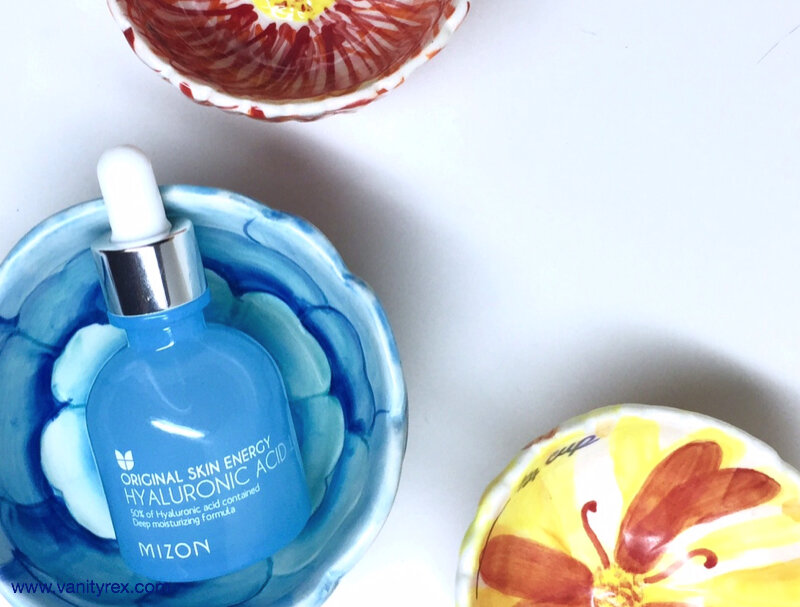
Hyaluronic Acid: Everyone and their mother should have a little thing of this miracle solution. Hyaluronic acid (HA) is a naturally occurring compound that holds up to a thousand times its weight in water. Our bodies naturally produce this to keep our skin hydrated, but the amount produced decreases with age. You’ll find HA in a lot of products marked “anti-aging” but in reality it’s a super lightweight watery formula that can be paired with just about any other form of acid, peel, moisturizer, and serum. Hyaluronic acid is great for all skin types because it will not leave a residue or make your skin oily and is great to use as a nourishing serum. You can find it either in its isolated form or as an ingredient in many moisturizers and facial creams.

mizon-hyaluronic-acid-ampoule-review.jpg

Lactic Acid: Lactic acid is also known as a form of chemical peel. Lactic acid is a gentler version of similar exfoliators such as glycolic acid. This is because it is a larger molecule, therefore it does most of its work on the surface of the skin rather than within it. This is great news for everyone that has sensitive skin or is conscious about the pH levels of their skin. Some of its beneficial properties is that it kills acne-causing bacteria and increases cell-turnover rate. In addition, it provides many of the same resurfacing benefits that its stronger counterparts do. 

Niacinamide: Niacinamide is basically vitamin B3, an essential vitamin that is a true miracle-worker for the skin. Niacinamide protects the skin against environmental stressors as well as minimizes pores and improves the surface of your skin. Niacinamide works by providing skin cells with the necessary chemical building blocks to produce the stuff that actually fixes your skin. It helps create a stronger surface for your skin and has been shown to help with rosacea and irritation, prevent damage that could lead to cancer, and fix uneven pigmentation. Another useful thing about niacinamide is that it is entirely compatible with nearly any other skin treatment, including AHAs, BHAs, Vitamin C, and Hyaluronic acid. 

Retinol/Retinoids: Retinol is a compound that boosts the skin’s collagen production. Retinol is the active ingredient used in many wrinkle-reducing and anti-aging products. Retinoids are the prescription version of retinol. While retinol is used in many skincare products, retinoids are much stronger and can therefore only be prescribed. Retinol is a derivative of Vitamin A and acts by affecting gene expression, smoothing out the skin, and boosting collagen production. It has become the gold standard in the skincare industry. Before you immediately go to purchase a retinol cream though, you should know that it can cause redness and irritation, especially on sensitive skin. Retinol works by introducing Vitamin A to your skin, which initially cases dry skin and irritation. However, after a while the skin becomes accustomed to the ingredient and it starts working its magic. It’s best applied to completely dry skin because its usage on damp skin can increase the potential of irritation. One thing is for sure, if you are interested in using retinol products, you should carefully research which products would work best for you and not be discouraged by what appears to be an initial setback.

1-2.jpg

Salicylic Acid: This ingredient is often key in products especially formulated for acne-prone skin. It’s oil-dissolving properties are great for treating breakouts and exfoliating the skin, which reduces the chances of acne re-forming. However, it should be noted that this ingredient can often be overused, leading to excessive dryness and irritation. You should always follow up a salicylic acid treatment with a hydrating and soothing treatment to ensure that your skin is properly moisturized. If possible, it's better to use salicylic acid as a spot treatment rather than a full-face treatment because it can irritate the skin around your mouth and eyes. **Do not use in combination with glycolic acid.

Squalane: Squalane is a hydrogenated oil that helps moisturize the skin. It is similar to the sebum that our skin naturally produces and is therefore best suited for those with dry skin, as it can be overwhelming for other skin types. It used to be derived from shark liver, but now is more commonly derived from olive oil. Although it is more commonly popping up as an ingredient in many skincare products, the research is still inconclusive as to whether or not it actually helps. While it certainly won’t harm you, there haven’t been any studies that can conclusively claim that squalane is uniquely good for your skin. 

The Bad Stuff: 

Alcohols: Or stripping agents of any kind. Alcohols have a lower boiling point than water, meaning that they evaporate faster. When alcohols evaporate, they strip your skin of moisture, which can cause irritation, dryness, and redness. Alcohols in skincare products demonstrate a carelessness in the development of the product and can often indicate that the company has cut corners in other ways as well. Thus, they are often found in lower quality skincare products. Read ingredients labels carefully. 

IMG_9177_on_light_grey.0.jpg

Aluminum: Some of you may already have heard the spiel about aluminum in deodorants, but you should also be extremely weary about it popping up in your skincare as well. Aluminum is a toxic metal that can disrupt the functioning of our endocrine system. While some companies maintain that aluminum compounds are safe to use and are not linked to health issues, there has been a large amount of studies pointing to confusing or inconclusive results. While aluminum compounds may be safe to use in some minimal percentages, the science still isn’t quite clear on it and I would just try to steer clear of this kind of an unknown. Plus, putting industrial metals on your skin really just doesn’t sound appealing or good for you. 

Formaldehyde and formaldehyde releasers: The name itself should be enough to deter anyone looking at the label of a skincare product (8th grade dissection lab, anyone?) but in case it is not immediately clear why these are a hazard, they have been linked to a series of health issues. Formaldehyde and formaldehyde releasers are known carcinogens and can cause allergies, headaches, and loss of sleep. While the ingredient itself has been, for the most part, excluded from skincare, it can still be found in eyelash glue, nail polish, and hair straightening products. Formaldehyde releasers are ingredients that form formaldehyde over the course of their shelf-life, still a grim prospect. These are often listed as DMDM hydantoin, diazolidinyl urea, imidazolidinyl urea, bronopol, or quaternium-15. 

Mineral Oils: Although this ingredient also has a variety of people on both sides of the aisle, it doesn’t seem especially promising that the World Health Organization has listed this as a category 3 carcinogen (not enough evidence to consider it safe or unsafe). Unrefined versions of this product are properly considered a carcinogen by the WHO. The mineral oils in your skincare products are cosmetic grade, but still can have a variety of other unwanted effects. Other than the fact that mineral oils are a derivative of petroleum (ick!) they can also be somewhat pore-clogging. While mineral oils themselves have been proven to not be especially comedogenic (fancy term for pore-clogging), they have been found to potentially make other products that they are used with comedogenic. Mineral oils work by creating a plastic-like coating on the surface of your skin, this can smooth the way your skin looks, but it also traps any ingredients used with the mineral oil underneath it, potentially leading them to clog pores and cause outbreaks. 

Is-Mineral-oil-bad-for-you_tiny100_1024x1024.jpg

Parabens: Sometimes listed as either methyl, ethyl, propyl, or butyl. They have been traced back to causing disruptions or hormone imbalance. These are preservatives that help extend the shelf-life of many products. While we’re on the topic of shelf-life, a quick refresher on how long you should keep your products; the container should be labeled with a small image of a jar with a number drawn inside of it; this number indicates the total number of months that you can store and use your product for. If there is no such label on your product, most skincare products can be kept for an average of 2 years. However, if you notice that your product has separated or the texture or color has changed, throw it out immediately. 

Polyethylene Glycol (PEGs): PEGs are often used as a chemical thickener in creams and cream-based products. They are often listed as “propylene glycol” or “butylene glycol” and are derivatives of petroleum. They work by altering the melting point of the product and can be irritating on the skin. Additionally, they can lower your skin’s natural moisture levels. These can often be found in cleansers.


The Okay-ish and/or Useless Stuff: 

Fermented Ingredients: This is a trend that originated in South Korea and now fermented ingredients can be found in many skincare products around the world. The science behind fermented ingredients points to the fact that they hold a significantly higher amount of antioxidants than other ingredients (think grape juice vs wine). However, research about the benefits is inconclusive. While it doesn’t seem to be harmful, the jury is still out as to whether or not these ingredients are actually helpful or do anything for your skin. 

korean-fermented-skincare-trend_4.jpg-2.jpg


Fragrance: Fragrances can sometimes be irritants for those with sensitive skin. If the brand is certified natural or organic or whatever FDA-approved blanket term is currently in vogue, you’re probably fine. However, if it is not, you should be cautious because companies may often use the term “fragrance” to hide a bunch of other ingredients. When companies list fragrance as an ingredient they do not need to disclose what went into the fragrance. Specifically, this could be a cover up for phthalates, which is an ingredient commonly left out of ingredient labels on fragrance oils. You should also note that while this is a chemical banned from skincare products in the EU, it is still prevalent in many US products. Some companies that have announced they will no longer use phthalates are L’Oreal, Revlon, Johnson & Johnson, Unilever, and Proctor & Gamble. 


Vitamin C: While many skincare companies are turning to Vitamin C as a trending brightening ingredient in serums, Vitamin C poses its own unique benefits and drawbacks. The benefits are that it prevents oxidation. In other words, it protects the surface of our skin from pollution, environmental stressors, and other free-radicals like smoke and smog. However, Vitamin C is really tricky because it cannot be used in combination with other acids (AHAs or BHAs) and cannot be used with retinol. In serum form, Vitamin C is an acid that can be irritating, especially when used with other skincare products. On top of that, Vitamin C is also incredibly unstable. The formula itself is susceptible to rapid deterioration and spoilage when it comes in contact with sunlight and oxygen, leading many brands to include a ton of additional stabilizers into their formulation. Ultimately, while Vitamin C has been shown to increase the skin’s radiance, it seems to be far more difficult to use than it is worth, especially considering the list of other skincare ingredients that you would need to avoid in order to use it. 

vitamin-c-shot.jpg

Precious/unusual/novelty ingredients: Anything containing pearl dust, 24k gold, CBD oil, snail mucin, bee venom, charcoal (yes, I know the cleansers are popular), fish enzymes, or any similarly strange sounding ingredient is, I’m sorry to break it to you, largely useless. Most often, these ingredients are formed of far too large molecules that cannot effectively pass through the dermis, let alone the lipid layer. Consumers are simply charged a premium on having unusual ingredients in their facial creams and toners with no results. You should stop spending your money on these because they are not only ineffective, but could also be reducing the effectiveness of other products you use by blocking your pores with inactive ingredients. Also while we’re on this topic, spending more on skincare does not necessitate that it will be better or more effective than drugstore or lower-price alternatives. The popularity of a trending product is oftentimes a result of a successful marketing team and colorful packaging. It doesn’t matter how many times a product pops up on your Instagram feed if it doesn’t have the active and nourishing ingredients that our skin actually needs (I’m looking at you Glossier). While higher priced skincare products can sometimes more readily guarantee that their ingredients are natural and are ethically sourced, you should not be paying a premium for jars or bottles of water mixed with perfume, thickening chemicals, and meaningless ingredients. 

ahas-and-bhas.jpg


Cover image via

Images via here, here, here, here, here, here, here, here, here, and here.

Makeup as a Form of Self-Care

When people think of the expression “self-care”, the images that usually come to mind are face-masks, bubble-baths, Netflix, sweatpants, or some variation of all of the above. Of the many different variations of self-care that I have seen or heard of, makeup is almost always absent, save for that euphoric feeling of removing it after a long day. But what if I told you that makeup can be a form of self-care as well?

Image via

Image via

As someone who enjoys putting on makeup, I seldom leave the house with a natural face. I use the term natural very lightly here, though, since as a student who greatly enjoys sleep, my usual look is pretty simple. However, I enjoy that part of my morning routine, and would even go as far as to say it’s my favorite part (unless it’s one of those days I treat myself to breakfast at Medici); I enjoy the process of putting the makeup on my face, seeing how fast I can go and still achieve the same results, seeing what little extra flair I can add with the extra minute or so I have, but most of all, I enjoy that it makes me happy. I feel happy when putting my makeup on, I enjoy putting my makeup on. If there is a day where I don’t feel like putting on makeup, I don’t; I don’t want to make it just another chore in my morning routine. That, is what I believe makes it a form of self-care for myself.

Image via

Image via

Because I enjoy that part of my morning routine so much, its outcome can often vary depending on my mood that day. I tend to set aside more time to apply my makeup on mornings when I need an extra boost, which I feel has a positive impact on my mood for the rest of the day. There are some days when I might feel a bit down or drained, and those are the days when I make sure to take some time in the morning for my makeup routine, which always helps to spark a bit of joy and perk me up. People often advise to look for joy in the little things, and one of my little things I find joy in is my morning makeup routine. I find applying makeup to be relaxing, not unlike how some people find painting or baking to be relaxing.

So whether or not you think makeup should be considered a form of self-care, I think that makeup really is a kind of self-care when used properly. By this, I mean when it is because you enjoy it and for no other reason. Since after all, isn’t what self-care at its core about taking the time to do those little things that bring you joy?

Thumbnail via

Source: https://www.careeraddict.com/work-makeup