Vogue Italia’s Photoless Issue: How Sustainable is Sustainability?

When I open a magazine, or see one displayed in a store, the first thing that comes to mind is usually something like, “Wow, she’s pretty!” or “I think I need those shoes,” and then not much else (sorry). Before recently, I have to admit, I had never considered anything beyond what was shown to me in the photos. I had never thought about the environmental cost of operating the photoshoots: I had never focused on how many hundreds of clothing articles, accessories, and equipment for the shoot are shipped overseas or for that matter how many people are transported to run the whole thing. I had never thought about the lighting which is needed for the entire day of shooting and how it is powered by gasoline generators. None of this had ever crossed my mind until Vogue Italia announced their January 2020 issue– an entirely photoshoot-less edition. 
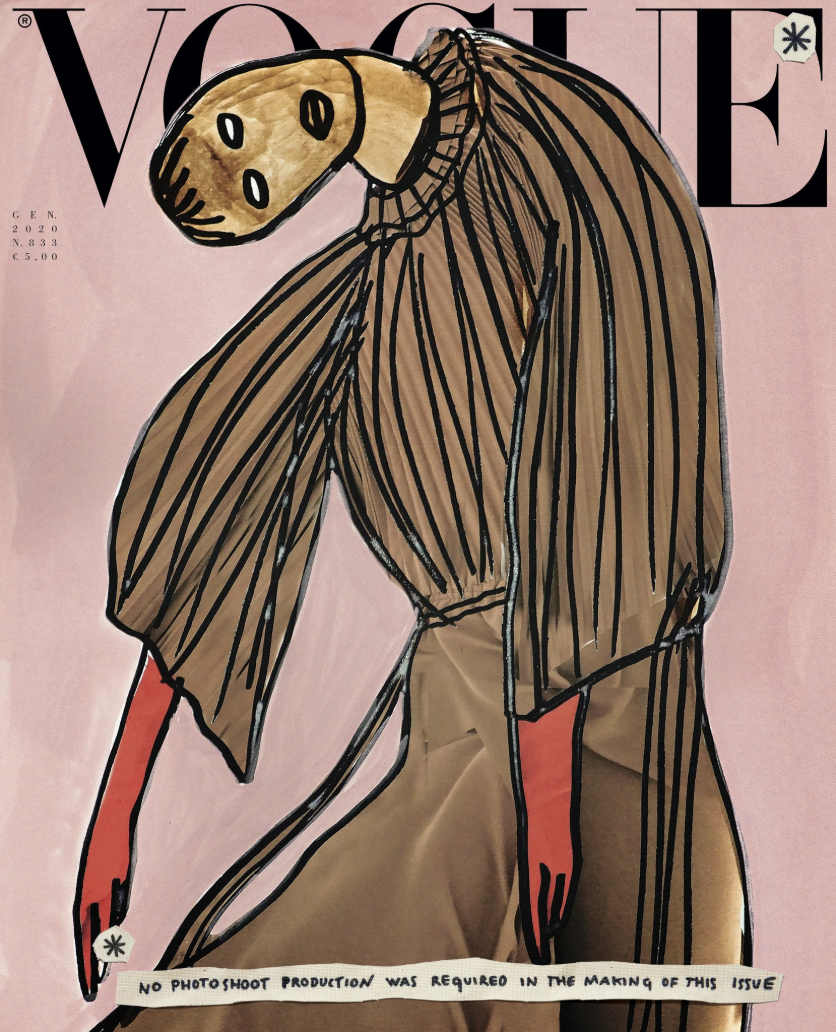
It’s the first of its kind for all sectors of Vogue.The issue features only images which have been hand-illustrated by artists. It has eight unique covers, all displaying vibrant drawings of figures in exclusively Gucci ensembles. The goal, according to editor-in-chief Emanuele Farneti, was to “prove it is possible to show clothes without photographing them” and “without travelling, shipping entire wardrobes of clothes or polluting in any way.”
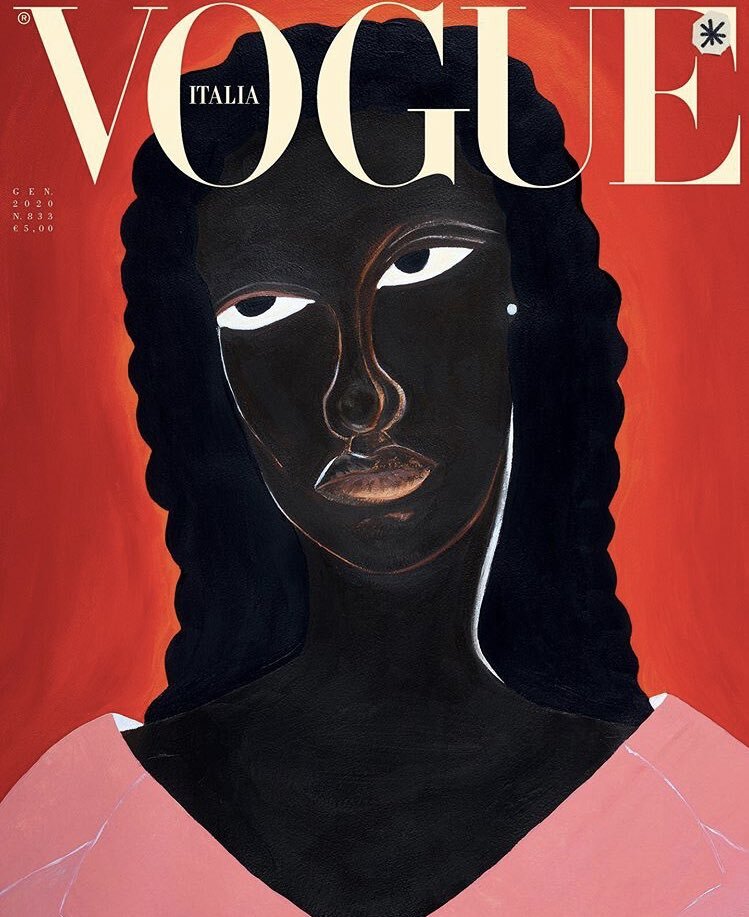
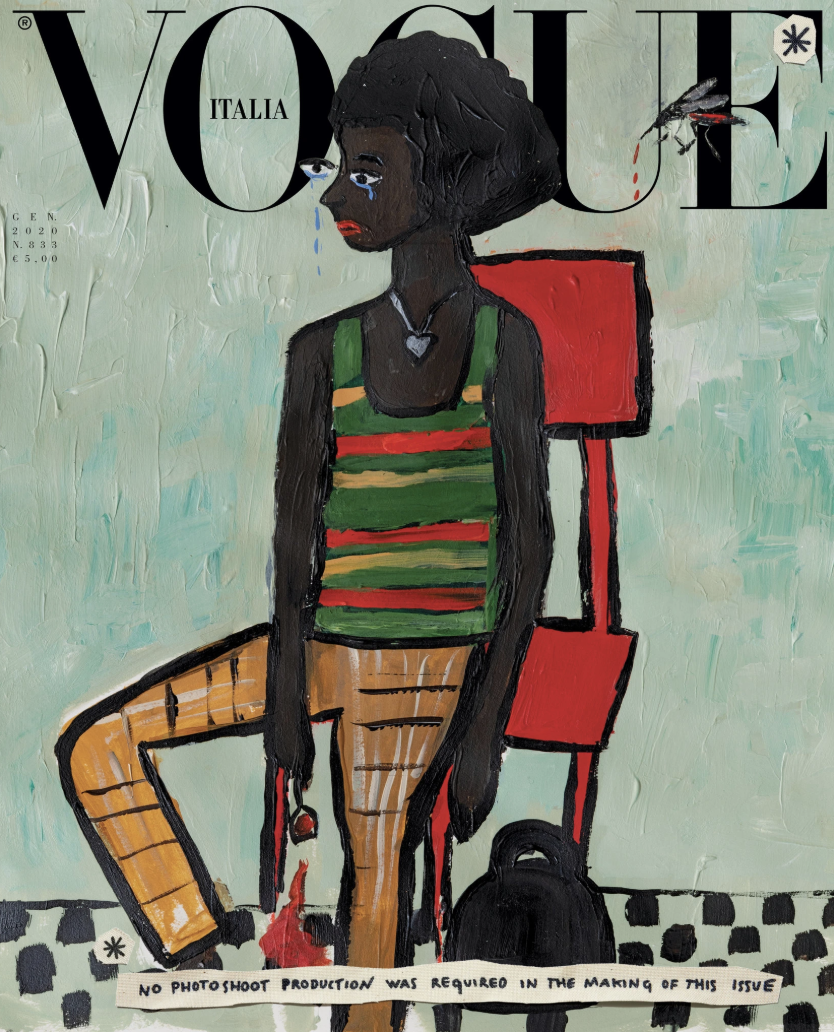
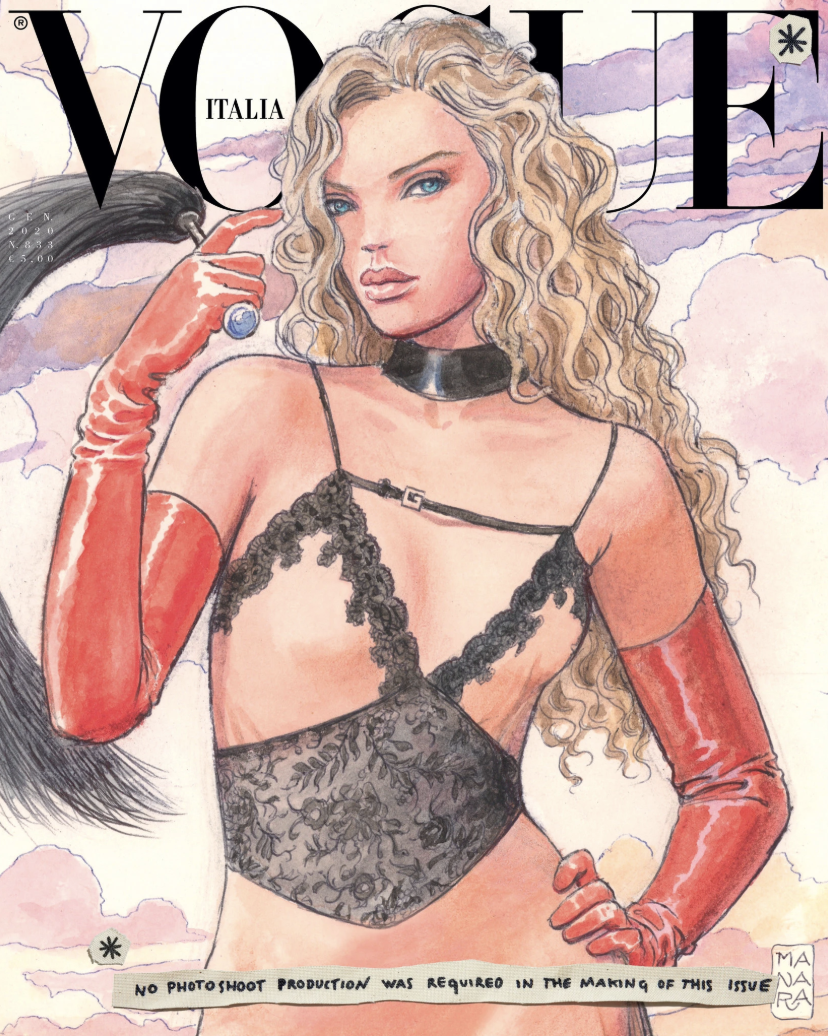
While Farneti certainly achieved his goal of cutting down on resources, the photo-less showcasing of the clothes appeared in a less literal way than I had imagined when I first heard about the issue. In terms of the actual presentation of the clothes for potential buyers, or even people who just want to browse new collections, I’m not sure some of the highly stylized and abstracted illustrations in the issue make sense. Don’t get me wrong, from an artistic perspective the images are great, and I fully support the intention behind the concept. But many of the drawings aren’t detailed enough or realistic enough to serve as a practical means of representing the clothes as they are in person, which, at the end of the day, is a large part of why people buy magazines like Vogue. People like to see the clothes! So, ironically, on the business side, I don’t know if this is really a sustainable option at all. There is also the livelihood of fashion photographers and editorial models to consider. But seeing as there seem not to be any plans by the magazine to continue this no-photo print style, perhaps the January issue is less of a declaration to commit to this particular way of being environmentally aware, and more about making a statement– a nod to the massive expenditure of the industry and an acknowledgement of the rapidly growing sustainability movement in fashion.

Thumbnail image via

Age of the 'Woke' Consumers: 5 Fashion Brands for the Socially and Environmentally-Minded

With knowledge and information being more accessible than ever, it is no wonder that the consumer mindset has shifted drastically into thinking more critically about the various brands they purchase from. A few clicks on the internet can provide a shopper with everything he or she needs to know about a business, and this has in turn encouraged fashion companies to publicize themselves in a more sustainable and philanthropic light. 

According to a 2019 Forbes article, recent protests about climate change have highlighted the need for more ethically-sourced clothing, but most notably, younger consumers’ focus on social and environmental issues has influenced their consumeristic tendencies, revealing their selectivity in only buying from brands that align with their values. Welcome to the age of the ‘woke’ consumers. Below are just a few of the fashion industry’s top brands calling attention to climate change, poor working conditions, mental health, cancer research, and more. 

Madhappy

Image via Straatosphere

Image via Straatosphere

Calling themselves an “Optimistic Lifestyle Label,” the creators at Madhappy are initiating a discourse on mental health and are de-stigmatizing this once-taboo topic. The brand is famous for its colorful, graphic sweatshirts and sweatpants, and it has been featured online in Vogue. This year, they launched the Local Optimist blog, which showcases powerful stories, useful toolkits, and enlightening conversations with real people surrounding mental health. The company also does product launches and special events, donating proceeds to the Jed Foundation, an organization with the mission of protecting the emotional health of teens and young adults.  

Patagonia

Image via Gear Junkie

Image via Gear Junkie

If you did not know, this famous outdoor clothing company has been pledging 1% of their total sales to the preservation of the natural environment ever since 1985. To date, they have awarded over $89 million to grassroots environmental groups, created a non-profit organization, and partnered with over 9 companies to ensure transparency and accountability. Today, they proudly refer to themselves as an “Activist Company” for their massive contributions to improving the relationship between the fashion industry and the environment. 

Warby Parker

Image via The Daily Beast

Image via The Daily Beast

With a mission to deliver “designer eyewear at a revolutionary price,” this trendy, quasi-hipster eyeglass company has quickly sky-rocketed as a customer favorite, opening stores all around the US and Canada. However, their mission does not stop at their paying shoppers—their Buy a Pair, Give a Pair program trains adult men and women to administer affordable eye exams as well as to give vision care and glasses to school-age children. Over 2.5 billion people in the world need glasses but cannot afford them, and Warby Parker’s efforts not only allow them to see for the first time, but they also increase people’s productivity and monthly incomes because of it.  

Girlfriend Collective

Image via Messy Veggies

Image via Messy Veggies

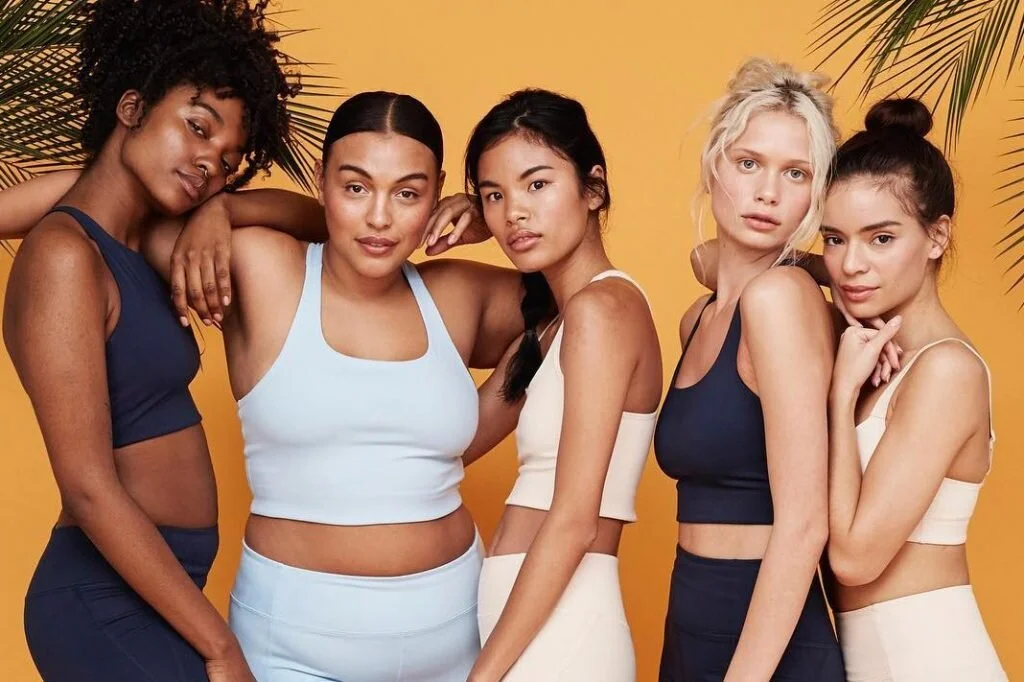
The rise of athleisure culture not only necessitates cute and colorful workout sets but also functional ones, too. Girlfriend Collective delivers this and more—they sell a variety of different sports bras and leggings that all begin with 25 recycled post-consumer water bottles and are made without child or compulsory labor. Additionally, they sell LITE leggings that are composed of a fiber made from recycled fishing nets and other waste that would otherwise be discarded. On top of this, the brand is body shape, size, color, and age inclusive, featuring an array of diverse models on their site. 

Talentless

Image via GQ

Image via GQ

Scott Disick’s latest business venture manifests itself in a luxury loungewear collection featuring an assortment of comfortable, thick (and pricey) sweatpants, sweatshirts, and more. They also partner with F Cancer, a 501(c)(3) organization focusing on preventing, detecting, and supporting those affected by the disease. According to the website, $3 billion was spent on the research and treatment of this illness in 2012, but only 7.7% went towards prevention and control. With 3% of Talentless’s profits going to this charity, the company has the potential to change the way people think and talk about cancer. 

Image via L’Officiel  

A Fight through Fashion: Levi’s Proposes Sustainable Practices

Imagine having a cabinet overflowing with clothes you’ve either grown out of or are too worn out to wear. You want to eliminate this excess without directly tossing them away and consequently contributing to the accumulation of landfill waste and greenhouse gas. Hand-me-downs, secondhand market donations, and DIY crafting make solid options, and the latter is also a portal to creativity. However, all these options are contingent on the clothes meeting a certain quality threshold in order for them to be re-worn or recreated. Ever thought about sending your raggedy old T-shirts to facilities where they can be separated and manufactured back into new T-shirts? Levi’s sustainable practices in clothes production allows you to fulfill that.

Conservation of fabric is indeed an essential but relatively overlooked aspect of sustainability, compared to more ubiquitous methods like heat and gasoline conservation. In fact, almost 10,000 gallons of water in total are typically used to synthesize a pair of regular blue jeans, with around 1,800 gallons used to grow enough cotton for the making process and an additional whopping 8,182 gallons used for dyeing. Each year, Americans toss away an average of 80 pounds of clothing, which amounts to 14 billion tons of clothing across the national population, constituting about 8 percent of landfill waste. 

Image via levi.com

Image via levi.com

To combat this trend, Levi’s Wellthread line launched a capsule collection, which practices a design method that uses just one type of material to make one item of clothing. T-shirts are made solely from cotton, with a quarter of it having been recycled from jeans and clothing scraps. Furthermore, if you’re tight on budget, consider vouching for Levi’s trucker hemp denim jacket, which contains polyester fleece lining on the interior that is feasibly detachable. This renders the jacket suitable for both warmer and colder seasons, as you can alternate between a heavier winter garment and a lighter spring coat with just this one item. 

However, Levi’s is not the only company pushing for sustainability measures. Other startups include the Everlane Sustainability Committee, which strives to eradicate virgin plastic, a newly manufactured rather than recycle plastic that degrades throughout its reprocessing. Another noteworthy company is Allbirds, which designs sneakers made from wool, tree fiber, and other sustainable fibers. 

Image via levi.com

Image via levi.com

As a far-reaching brand that generates about $5.6 billion in yearly revenue, Levi’s would undoubtedly lay a significant impact on the fashion recycling industry, diverting millions of thrown out clothes from the landfill into newly generated ones and sending them off to 110 different countries. The hurdle, however, is the lack of national effort towards fabric recycling, in comparison to practices regarding conserving practical resources like paper, water, and aluminum. Evident in the increasing amount of fabric waste being tossed away yearly, fabric recycling has been much lower of a priority and has gone unaware by many Americans. As Paul Dillinger, Levi’s head of innovation, says, “there hasn’t been an urgency around the collection, recovery, and repurposing of arguments.” On the other hand, the United Kingdom government recently proposed a bill taxing clothing items, in order to fund the development of the fabric recycling culture. Dillinger cites this, as well as other fashion sustainability-related policies in various countries, as an open door that induces change by raising awareness about the accumulation of fabric waste. 

Indeed, our government should follow suit and formulate policies to encourage fabric recycling and make Americans more conscious about the waste they are creating otherwise. Levi’s proposing sustainability practices is an effective beginning, but it’s not enough: more companies should design clothes that are feasibly separated and recreated. While these changes in society as a whole are tedious to impose, we can begin by changing the way we personally think about clothes, from something that degrades and becomes disposable over time to something that may age but remains nonetheless reusable. 

Featured Image via

Are Second-hand Shopping Malls the Secret to Sustainability?

Growing up in suburban America, one of the hallmark rite of passages as a tween was being able to window-shop at the nearest shopping mall with your closest friends. In the late 1900s and early 2000s, malls experienced heavy traffic and served as the sites for shopping, eating, and merely walking.

However, with the rise of the Internet and popularity of online shopping, shopping malls have experienced a drastic decrease in traffic. 2007, a year before the peak of the Great Recession, marked the first year since 1950 in which a new shopping mall was not constructed in the United States1. Despite surviving the recession, malls in the United States have only experienced further dwindling of the number of customers attracted. In 2019, United States retailers have announced plans to shut down 5,994 stores2.

A possible remedy to low numbers at shopping malls could be for mall owners to take advantage of the trend and increased attention to sustainability in fashion. Despite shopping malls being known for their fast-fashion stores, a new mall in Sweden is calling the traditional shopping mall into question. ReTuna, a shopping mall located in Eskiltuna, Stockholm, is the first of its kind3. Comprising of only items that have been donated by the public, ReTuna is the first mall in the world to dedicate all of its stock to second-hand items.

The interior of ReTuna. Source via.

The interior of ReTuna. Source via.

While this concept has not been replicated exactly in the United States, there have been efforts made to encourage shoppers to shop more sustainably. In Ann Arbor, Michigan, a 20,000-square foot Re-Use center specializes in selling second-hand household and gardening items.

To combat the decrease in traffic to shopping malls and simultaneously encourage sustainable shopping practices, Macy’s has also partnered with the popular second-hand online retailer thredUP to sell secondhand clothing at 40 of its stores nationwide4. Macy’s, Inc. CEO Jeff Gennette, in his announcement of the partnership, voiced his hopes that this initiative would attract Millenials and Gen-Z shoppers to their stores.

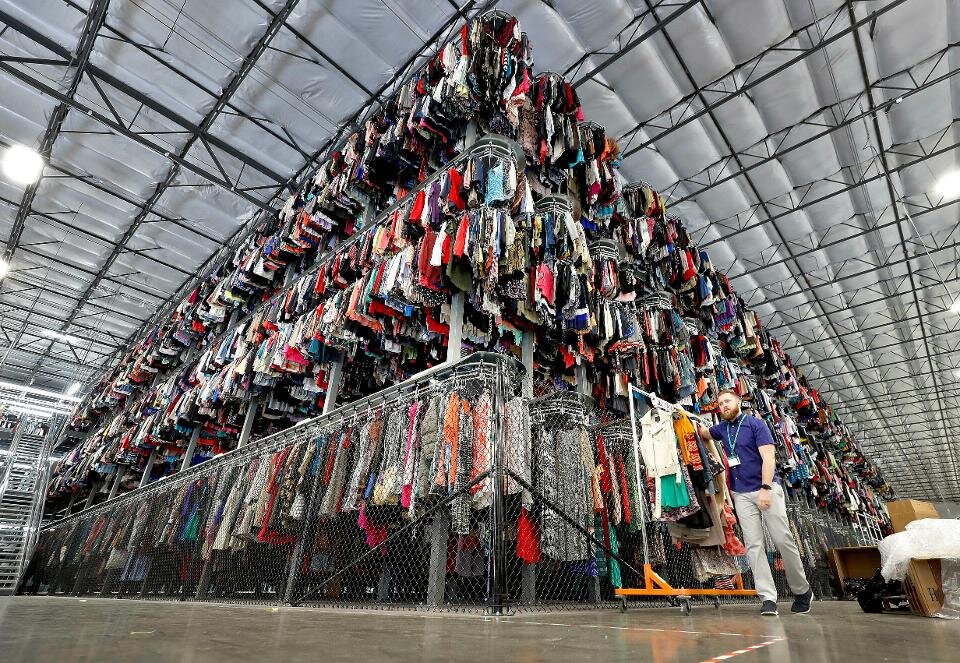
A three-tiered conveyor system to store clothing is employed by a thredUP facility in Phoenix, Arizona. Source via.

A three-tiered conveyor system to store clothing is employed by a thredUP facility in Phoenix, Arizona. Source via.

While this partnership will only be available at 40 Macy’s stores around the nation, it will be interesting to assess whether or not this first step into making sustainability more accessible will be spread to other popular department stores. This partnership highlights the importance that the general public has placed onto sustainability. In the age of online shopping, will this initiative be enough to save shopping malls or will their decline continue?


Feature image found via.

Source: https://www.tate.org.uk/art/artworks/pisto...

2 Stores that Make Earth Day Every Day

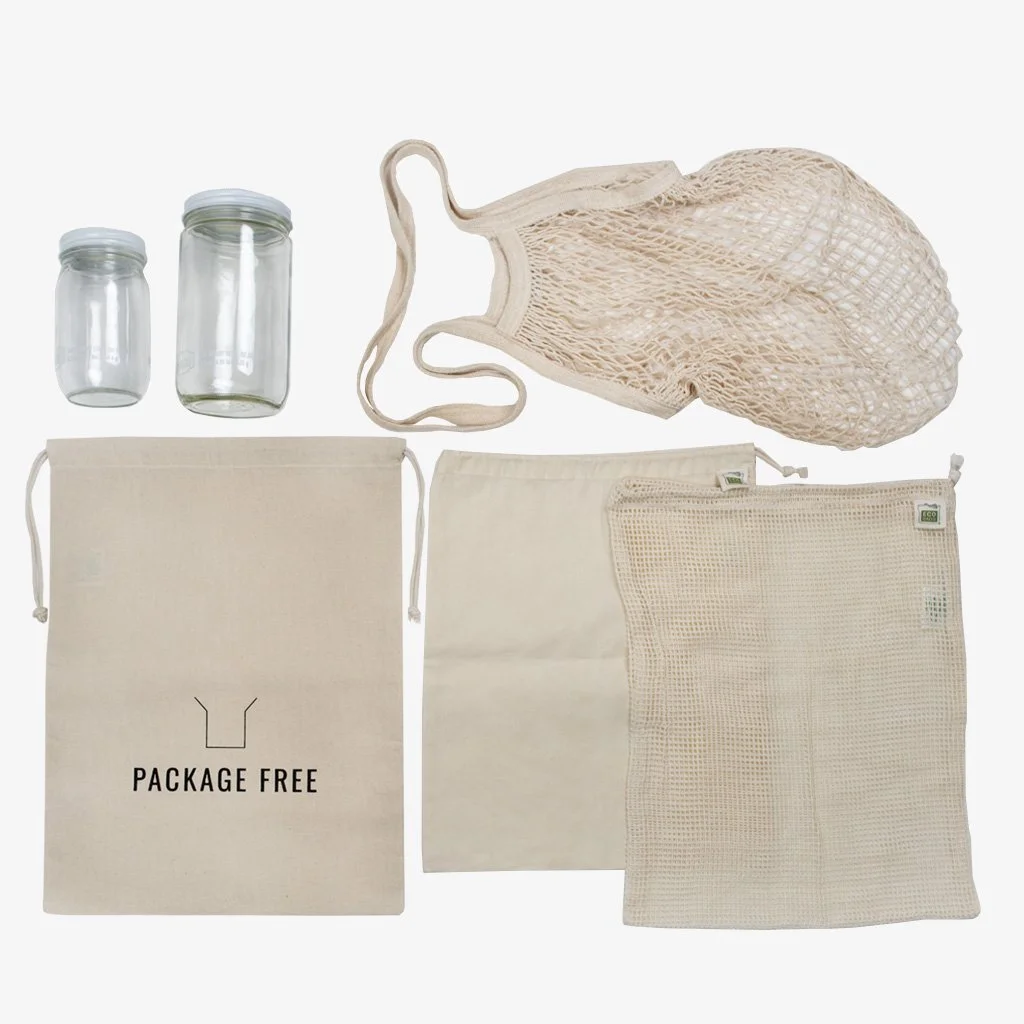
One of the many Zero-waste kits that Package Free Shop offers. Image via

One of the many Zero-waste kits that Package Free Shop offers. Image via

If you’re looking to hop on the zero waste train, are already on board, or just want one of those reusable straws everyone’s been talking about, Package Free Shop is the place to go. ‘Zero waste’ refers to the increasingly trendy phenomenon of minimizing the massive amount of trash that is a byproduct of consumerism. It can involve at-home composting and shopping at bulk stores, but the largest push by the zero waste movement is to eliminate single use items. Think plastic water bottles, take-out containers, paper towels, shampoo bottles, etc. Single use items are everywhere and once you start to see them it’s difficult to stop noticing how much we rely on them in our daily lives. Although it is largely systemic change targeted at large corporations that we need to stop the progression of pollution and climate change, making individual lifestyle swaps can be influential in other ways. Intentionally searching for re-usable items shows companies that the public takes the environment seriously, helps small and local businesses, and can align your day-to-day practices with the values of environmentalism.

An easy place to start is to take a look at Package Free Shop. It is the online marketplace for sustainable and reusable everyday items. From shampoo, to dog toys, to vibrators, Package Free Shop has eco-friendly and reusable versions of all your must-have products sourced from companies that consciously make a positive environmental impact. The items are (usually) reasonably priced and they ship in completely recyclable packaging. Since Package Free Shop’s founding by zero-waste blogger Lauren Singer of Trash is for Tossers, the company estimates they have kept kept 4,025,600 plastic straws, 3,061,240 plastic bags, and 1,419,260 non-recyclable bottles and cups out of landfills. I personally own their string grocery bag, large metal straw, and two silicone sandwich bags I make frequent use of. 10/10 would recommend for those wanting to be more environmentally friendly in their daily lives but are not sure where to start or aren’t able to sacrifice convenience.

If you’re looking to do even more for the environment by cutting out shipping emissions, then Hyde Park residents should stop by Bonne Sante Health Foods on 53rd before placing an order at Package Free Shop. The store has been open for 35 years and sells a huge variety of specialty food items, herbal remedies, and eco-friendly home and beauty products, some even from local businesses! They also have a delicious juice bar and food menu. Basically, a one-stop-shop for vegans/vegetarians/zero wasters. I picked up a loofah and a shampoo bar and was severely tempted by the natural deodorants and makeup before I snapped out of my stupor. Please go get these things and allow me to live vicariously through you. Stop by on your way to Target, CVS, or Whole Foods and who knows, maybe you’ll find your new favorite eco-friendly product and support some local businesses too!


Featured image via.

AG Jeans x Blanda: Celebrating Women, Water, and the Human Experience

In celebration of World Water Day, AG Jeans recently announced a collaboration with Swiss-born artist Blanda Eggenschwiler. The limited-edition capsule collection is a celebration of “women, water, and the human experience.” In order to celebrate those three concepts, AG sought to work on water conservation, clean water access, and plastic waste reduction. The collection with Blanda represents AG’s efforts to become more sustainable as it was produced using AG’s new state-of-the-art water filtration system. The Los Angeles-based denim brand has always showed a commitment to sustainability in fashion, as evidenced by their use of Ozone Technology in reducing water consumption during the process of producing their attire. With the new filtration system, water waste is even more dramatically reduced; water waste has been cut down from the industry standard of 380,000 gallons per day to a mere 1,200 gallons.

This image reflects the large amounts of water pollution and waste that goes into producing clothing. Source via.

This image reflects the large amounts of water pollution and waste that goes into producing clothing. Source via.

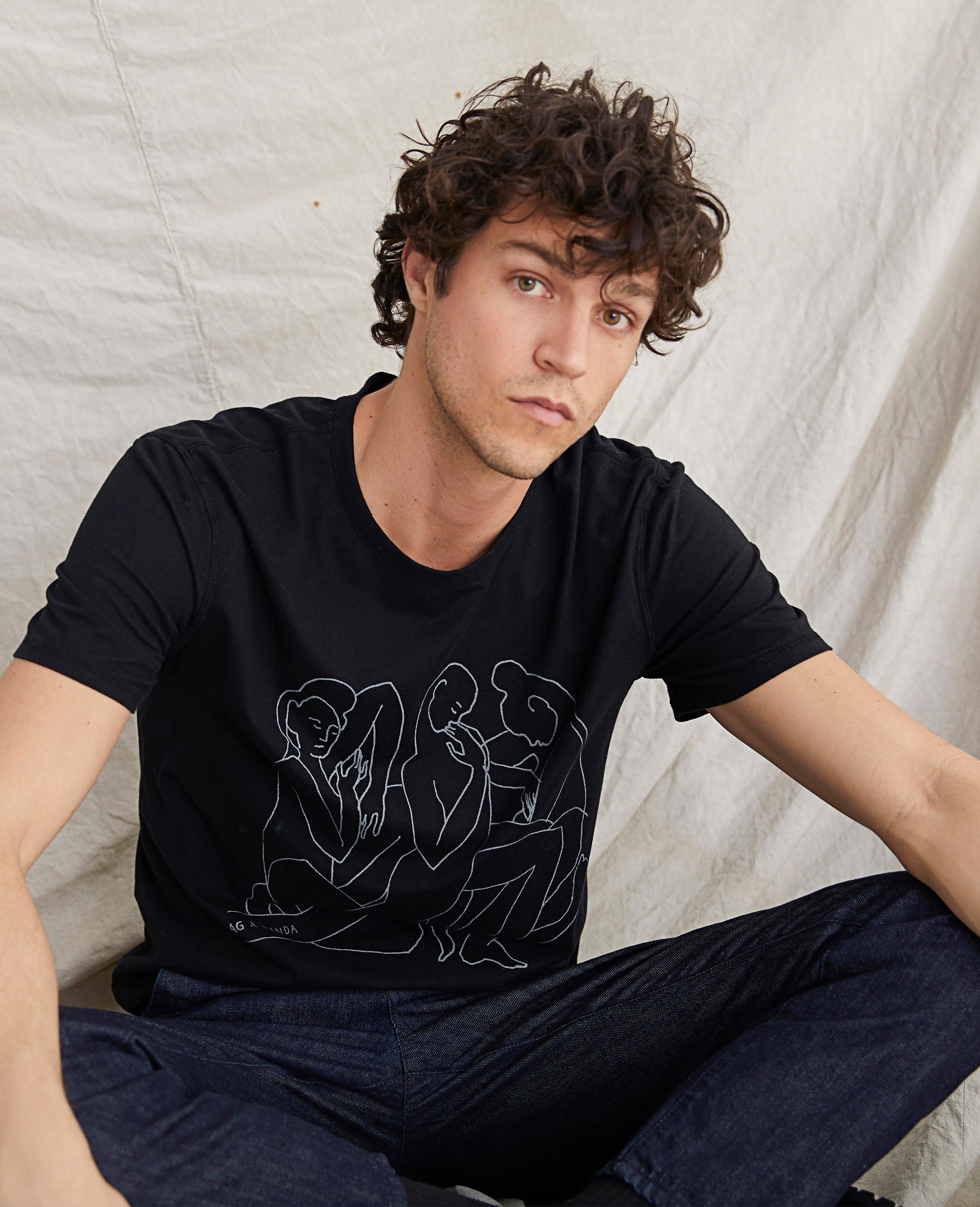
According to Blanda, “Each piece in the collection is filled with complexity and symbolism that speak to the concept of cause and effect noted in Newton’s Third Law.” Two of the designs include the “Third Mind” and “The Totem,” which symbolize women and sustainability, respectively.

As a pioneer in the sustainable fashion world, AG Jeans continually shows their support in conserving the earth’s resources. Most recently, the denim brand partnered with Boxed Water Is Better, which seeks to package all of its water in 100% recyclable materials. Through this partnership, AG estimates that it will be saving 73,000 plastic bottles per year.

In a world dominated by buzzwords such as “sustainability” and “eco-friendly,” it is novel to have a brand that actually puts its money where its mouth is. By investing in a new filtration system and partnering with other companies with the same vision of promoting sustainable practices both inside the fashion world and outside, AG Jeans is showing that initiative must be taken in order to achieve any change.

To check out the rest of the collection, click here! If you need any more motivation to do so, AG Jeans offers free shipping and returns, as well as a 10% off if you sign up for their newsletter.


All featured images can be found on AG’s website here unless specified otherwise.

Turning Paris from Fashion Capital to Sustainability Capital of the World

Image via.

Image via.

A month prior to Paris Fashion Week 2019, the city announced plans to become the sustainability capital of fashion by 2024. In their five-year plan titled “Paris Good Fashion,” the city is seeking to encourage influential leaders in the fashion industry to promote environmentally conscious practices.

The plan was unveiled by Isabelle Lefort (a former fashion journalist), Antoinette Gulh (Deputy Mayor of Paris), and Frédéric Hocquard (elected official in the Paris Council) on January 29, 2019. Paris Good Fashion includes a variety of top-tier designers, but fashion professionals and entrepreneurs will also play a key role in establishing a roadmap that will lead to the five-year goal of making Paris the sustainable capital of fashion.

Although the official details of the plan will be revealed in June, Vogue cites that key points of the plan will be “to create a circular economy, improving sourcing and traceability, and making distribution, energy and communication–including Paris Fashion Week–more sustainable.” Several notable fashion organizations, including the Ellen MacArthur Foundation, Fédération de la Haute Couture et de la Mode, and LMVH, have pledged support the Paris Good Fashion.

Quote via.

Quote via.

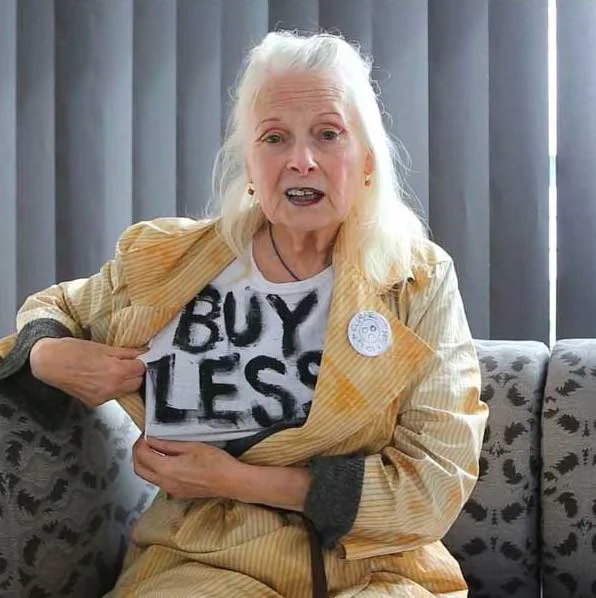
Vivienne Westwood, whose brand has been fur-free since 2017, donning a T-shirt from her collection titled “Climate Revolution.” Source via.

Vivienne Westwood, whose brand has been fur-free since 2017, donning a T-shirt from her collection titled “Climate Revolution.” Source via.

Although we are merely three months into 2019, there have already been important indicators that this will be a historic year for sustainability in fashion due to 2018’s impressive momentum. After the report from the UN Intergovernmental Panel on Climate Change (IPCC) was released, in which it was revealed that there are only twelve years left to improve climate change before a point of no return is reached, there has been an increased call for more sustainable practices in the fashion industry.

In 2018, the value of the ethical clothing market increased by 19.9%, as reported by Ethical Consumer. The fashion industry, in return, has responded. For example, brands like Chanel, Versace, Gucci and Burberry, have announced plans to go fur free and/or exotic skin free.

As Fashion Month comes to a close and fashion houses gear up for their next round of resort, couture and ready-to-wear shows, the practices of influential fashion houses will be under increased scrutiny. Although the specific details of Paris Good Fashion have yet to be revealed, it will be interesting to note whether or not designers feel the need to take initiative and act proactively.


Feature image via.

Eat Well and Support the Community at Inspiration Kitchens

Hungry? Tired of Hyde Park? Head over to Garfield Park's Inspiration Kitchens for a cheap and delicious meal. While you're indulging in dishes from fried green tomatoes to stuffed Chinese bing bread, you'll be supporting a restaurant whose main mission is to uplift struggling Chicago residents.

Inspiration Kitchens' first priority is to provide dignified programming to Chicagoans coming from disadvantaged backgrounds, supporting residents who are homeless, living in poverty, or leaving the criminal justice system. The kitchen runs a free 12-week training program where people can earn their food handler and sanitation manager certificates and receive job placement assistance. Their kitchen is staffed by trainees and graduates of the program.

37846616_2176251022450081_6300953856318636032_o.jpg
Image via

Image via

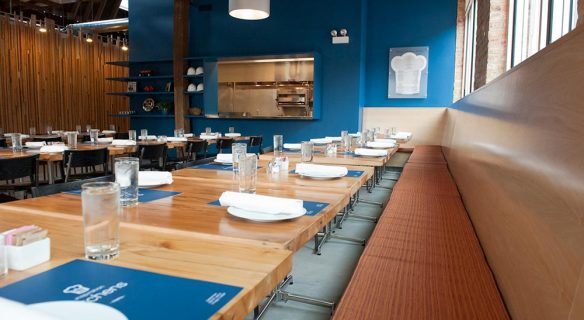
Inspiration Kitchens serves brunch and lunch Wednesday through Sunday and their space is beautiful; wood paneled with exposed brick, sunlit, minimalist and comfortable.

The menu boasts a diverse range of dishes, from American Southern classics like spicy gumbo and shrimp po boys, to house original fusion dishes, like Korean chicken wings on a savory scallion and bean sprout waffle, to classic New American, with fried brussel sprouts and homemade granola with warm chai milk.

Each dish I tried was delicious and presented beautifully. With such a varied menu and affordable prices (dishes range from $2-$14), Inspiration Kitchens is the place to be for an affordable, mouth-watering change of pace from Hyde Park, all while supporting local Chicagoans looking to build a better future!

Chicken & Waffles

Chicken & Waffles

Fried Green Tomatos

Fried Green Tomatos

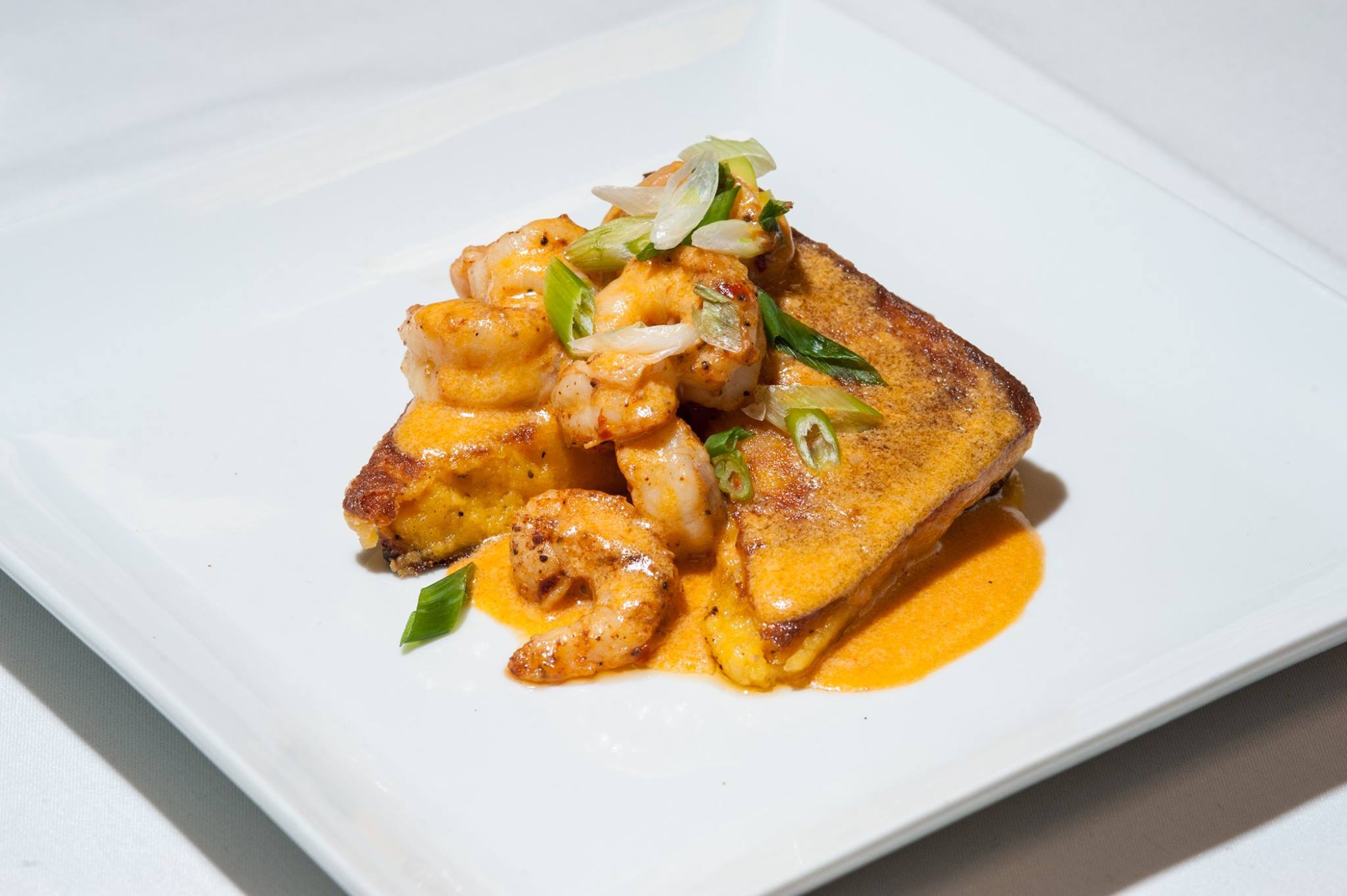
Shrimp & Grits

Shrimp & Grits


Check out their website and menu here

Follow their Instagram (for tasty food pics) here


Unless noted, all images via

L.A. Brings Vegan Fashion to the Masses

Ah Los Angeles… my love, my life, my muse. The land where yoga mats, kombucha, and cannabis lotion are as ubiquitous as cars, coffee, and Juul, has just put on an event so quintessentially L.A. I could cry: Vegan Fashion Week, which ran from February 1-4 at the California Market Center.

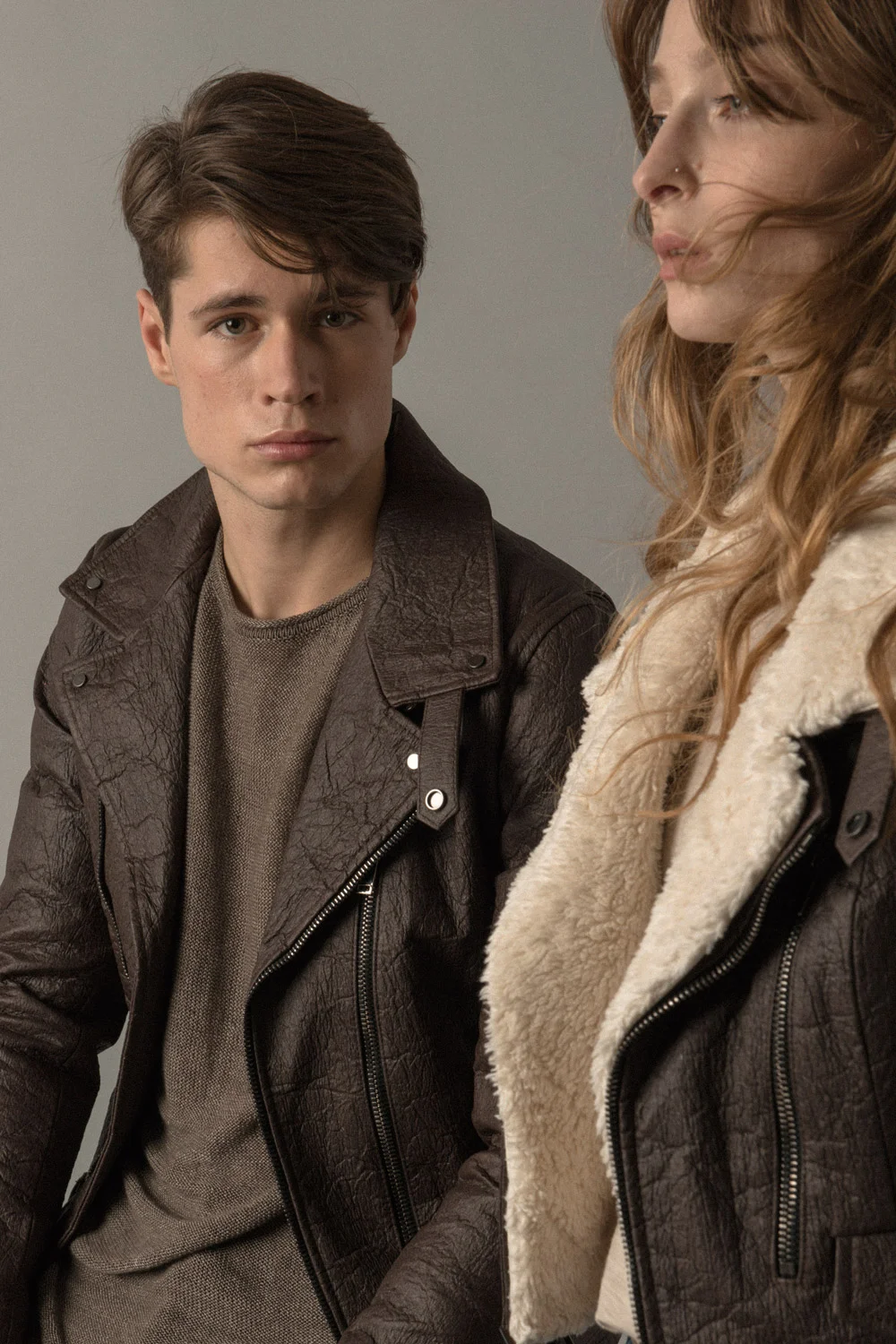
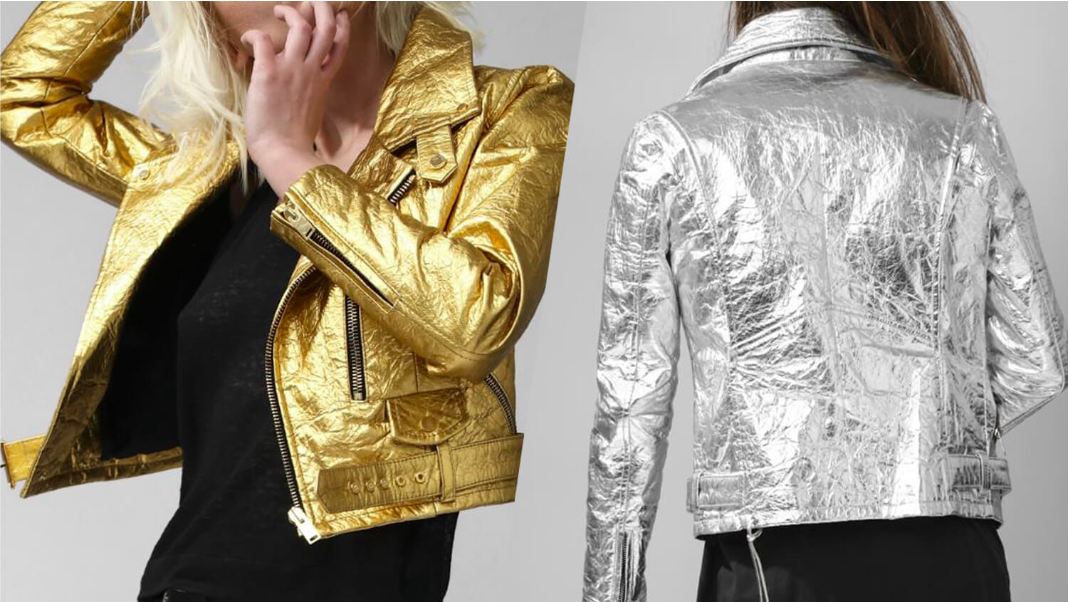
Altiir, a vegan leather brand featured coats made of pineapple leather. Photo via

Altiir, a vegan leather brand featured coats made of pineapple leather. Photo via

Among runway shows and presentations displaying the work of fully vegan brands, those looking to go vegan, and those somewhere along the way, the week featured a “vegan world” containing animal and cruelty free food, fashion, and beauty products. Guests sampled “foie gras” (faux gras?) and “vurgers” and were exposed to multiple new and innovative textiles, such as pineapple leather, apple leather, corn plastic, and cork.

The event’s organizer, fashion industry veteran Emmanuelle Rienda, wanted to welcome “brands at any stage of vegan fashion or sustainability” so that they “can come together for discussion and extend the idea to come up with solutions that are good for people, the environment, and animals.”

This is a refreshing attitude coming from a community that so often intimidates potential members by vigorously policing the ideal vegan lifestyle. Instead of scaring people away, the event was open to everyone and anyone considering the process of, as Rienda puts it, “creating a lifestyle” of veganism.

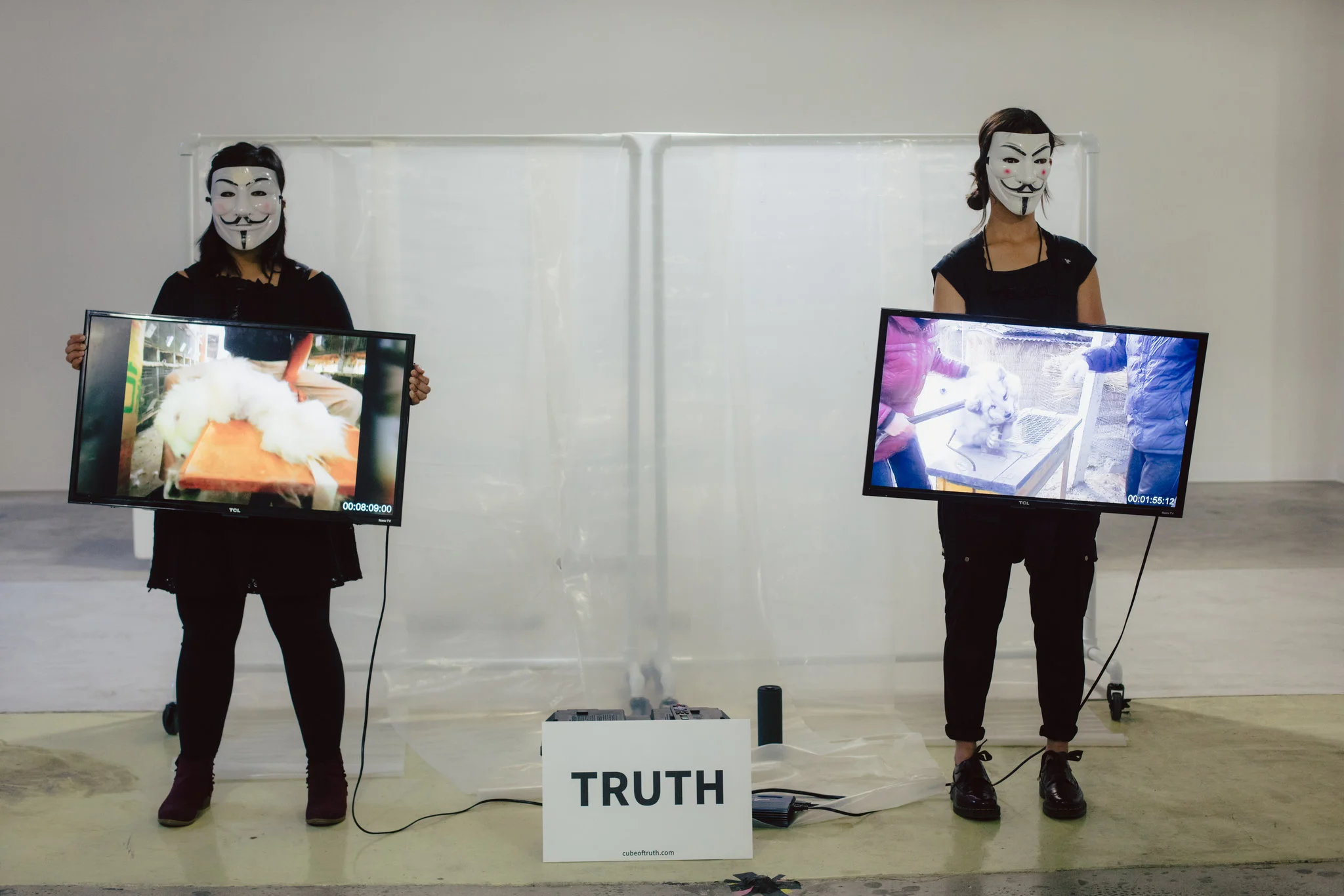
Despite the novelty of its conception, Vegan Fashion Week lived up to its stereotypical reputation in a few ways. What can only really be described as vegan ideology often came ahead of environmental concerns about sustainability in fashion, with women in Guy Fawkes masks holding up graphic videos of animals being torn apart. And despite the focus on innovation in textiles, the conversation concerning the ethics of vegan materials is still as active as ever.

Image via

Image via

Vegan clothing, aside from omitting leather and fur from its production, can more rigorously exclude fabrics such as silk, wool, and cashmere as well. The problem with all of these exclusions is that the substitute is commonly polyester, which takes an enormous amount of energy to produce, never decomposes, and sheds microplastics when washed.

Vegan clothing can also come at the expense of style, a critical variable to many outside the diehard vegan scene. Although Rienda claims “it’s not a matter of style anymore, it’s a matter of choice,” it’s unrealistic to expect a population obsessed with fast fashion to sacrifice their habits in favor of less current, more expensive vegan products. It can be difficult to navigate the industry while also being mindful of animals, the environment, your wallet, and your personal style, which can get left out of the equation by sustainable or vegan brands.

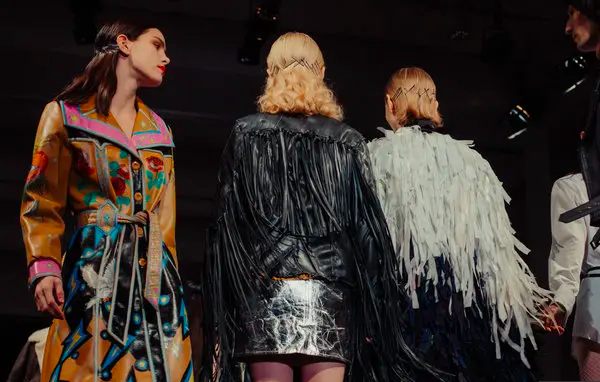
Mistohn featured vegan capes made of pinatex, a recycled pineapple fibre. Image via

Mistohn featured vegan capes made of pinatex, a recycled pineapple fibre. Image via

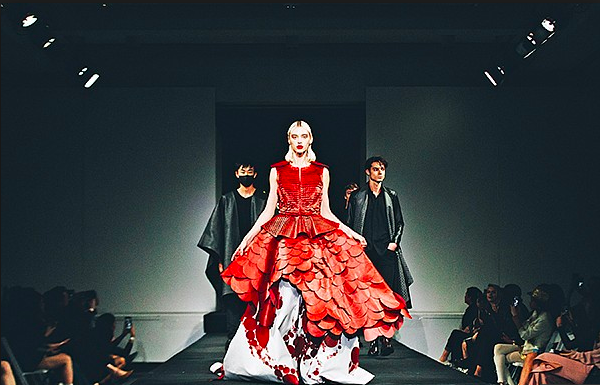
That being said, many designers featured products that were stylish and eco-friendly as well as vegan. Mink, a vegan celeb favorite, featured shoes with corn plastic soles and the vegan shoe label New Rock is beginning to make sneakers with pineapple leather and are looking at trying out coconut fiber soles. And even with cork and pineapple flying about, it was a Fashion Week after all, and there were several show-stopping as well as wearable looks.

Price continues to be a recurrent problem, however; the lowest priced top from the eco-friendly brand Enda was $295, for instance. As technology improves and more companies respond to growing consumer demand, we can only hope that will change.

Rienda describes vegan fashion as, “such a grassroots movement,” but the most effective movements are bottom up as well as top down. With brands like Chanel, Burberry, Versace, and Gucci, as well as the entirety of Los Angeles, pledging to stop the production of fur and exotic skins, the vegan movement is trickling from the top too. The music artist and vegan icon Moby is confident in the change that Vegan Fashion week can spark in the fashion industry and around the world, pointing out “if you look at the last hundred years, how many world-changing movements have come from Los Angeles? This is the incubator for trends that spread into and change the rest of the world.”

With my beloved L.A. leading the way, it’s time for pineapple, cork, and corn to become as ubiquitous in the fashion industry as polyester, fur, and leather are now.

Featured photo via Enda USA.

In Search of the Perfect Toothbrush

I’ve been searching for the right toothbrush since I started attempting zero waste living in August. The blogs I’d read recommended switching to bamboo toothbrushes, so I logged onto my Amazon Prime Student account and 1-Step ordered a package of highly recommended compostable, bamboo toothbrushes and threw in a matching bamboo bath scrub brush to match.

I was sorely disappointed when, after a week of use, toothpaste began to build up on the bristles and after another few weeks, the wood on both the toothbrush and body brush began to crack and the toothbrush began smelling…funky?? I thought that I would just have to deal with this as a part of the zero-waste process, but I was unhappy with it to say the least.

The toothbrush comes in four colors; black, pink, red, and blue. Image via

The toothbrush comes in four colors; black, pink, red, and blue. Image via

Then I came across a New York startup called Boie (pronounced boo-ee). They sell two things: toothbrushes and body scrubbers. Both are made from BPA and latex free recyclable thermoplastic elastomer and include silver in the bristles which gives the products antimicrobial properties through ~chemistry~. A body brush costs $8 and a single toothbrush is $10, with subscription plans for their replaceable heads at $20, $15, and $10, making them affordable, but definitely pricier than a $1 Colgate brush.

I decided on the most frequent replacement plan for my toothbrush (4 heads a year) and added on a bright yellow body scrubber as well. A week later I said goodbye to my crusty, cracked, bamboo toothbrush and hello to a sleek, minimal, eco-plastic one with four detachable heads. And lemme tell you, the search is over.

The brush is skinny, effective, and stays clean with little more than a short rinse. It takes some getting used to because the bristles feel a bit different from your average toothbrush, but after one or two brushes, you won’t notice a difference at all.

I’m still getting the hang of the body brush, though. Because it looks like this:

The body brush comes in five colors; yellow, pink, mint, red, and blue. Image via

The body brush comes in five colors; yellow, pink, mint, red, and blue. Image via

It takes some experimenting to figure out how to hold. It also doesn’t retain suds as well as my bamboo scrubber did, but the upside is that it also doesn’t retain hair as well as my bamboo scrubber did. You win some, you lose some.

Besides being recyclable, Boie’s products are cruelty-free and made in America to reduce the emissions caused by international shipping. They also donate a portion of their profit to charity and strive to reduce emissions in every step of production process. The only thing I noticed was that they ship in cardboard and plastic rather than environmentally friendly packaging. I can only hope this is something they will change in the future.

Overall, I highly recommend Boie’s products. They’re environmentally friendly, durable, and functional. My search for the right toothbrush is over!


Feature gif via.

Source: https://boieusa.com/

Brands to Know: Eugene Taylor Brand

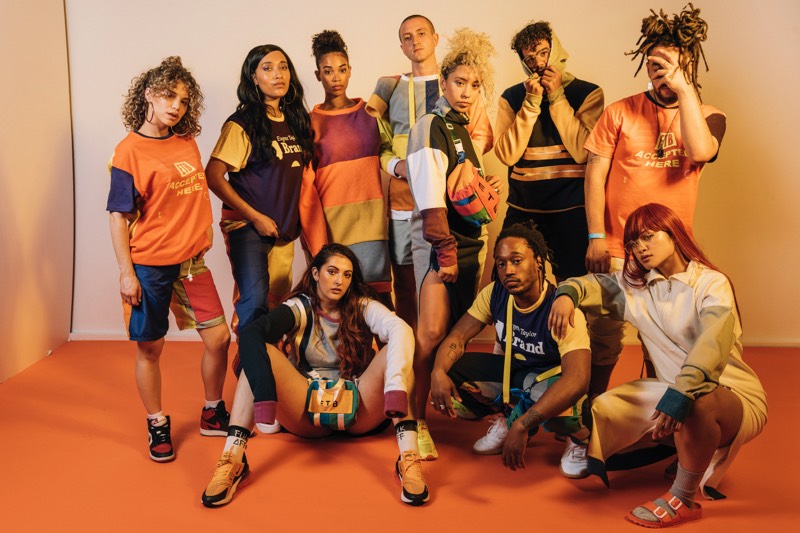
Eugene Taylor Brand is based right here in Chicago, and apart from selling sick contemporary streetwear at an affordable price, the brand is driven by values of inclusion and diversity that are refreshingly unique in the fashion world and necessary in our current political climate.

IMG_2482.jpeg

Created by Letesha Renee, a young Chicago designer, Eugene Taylor Brand lies at the intersection of fashion and activism. Unlike any other fashion brand I have encountered, the Eugene Taylor Brand promotes distinct values beyond that of sustainability and ethical production, promoting a bold worldview rather than supporting one or two political causes or radical practices.

Eugene Taylor Brand's mission is to "create a profitable, honest, global fashion community" and  "promote equality and create harmony through collaboration and love while providing quality products that reflect these values." Through the seven collections that the brand has released, these values remain the common thread.

Eugene Taylor Brand's most recent collection is called "4All," designed with the intention of "bringing different ideas, colors, fabric, and people together to create harmony." The athleisure-ish collection features track pants, hoodies, t shirts, and more, all with bright color blocking (and some velour. What more could you want?). The pieces are relatively affordable, with prices ranging from $10 to $165.

NOLX8041-Edit.jpg
NOLX8262.jpg
NOLX8063-Edit.jpg

Check out the Eugene Taylor Brand here and peruse their Instagram here.

All images via Eugene Taylor Brand.

Interview Series: Tiffany Lee from Lilt Clothing

Welcome to MODA Interview Series, where we feature influencers and leaders in the fashion industry in the Chicago area and beyond to discuss their design inspirations, their creative backgrounds and what it means to be a self-starter in the fashion world today.


Launched in 2017, Lilt Clothing emerged onto the fashion scene as a sustainable womenswear company focused on using deadstock fabrics and made-to-order practices for their pieces. We had the pleasure of chatting with Tiffany Lee, the designer behind Lilt Clothing.

How would you describe Lilt's overall design aesthetic? Who is your ideal customer?

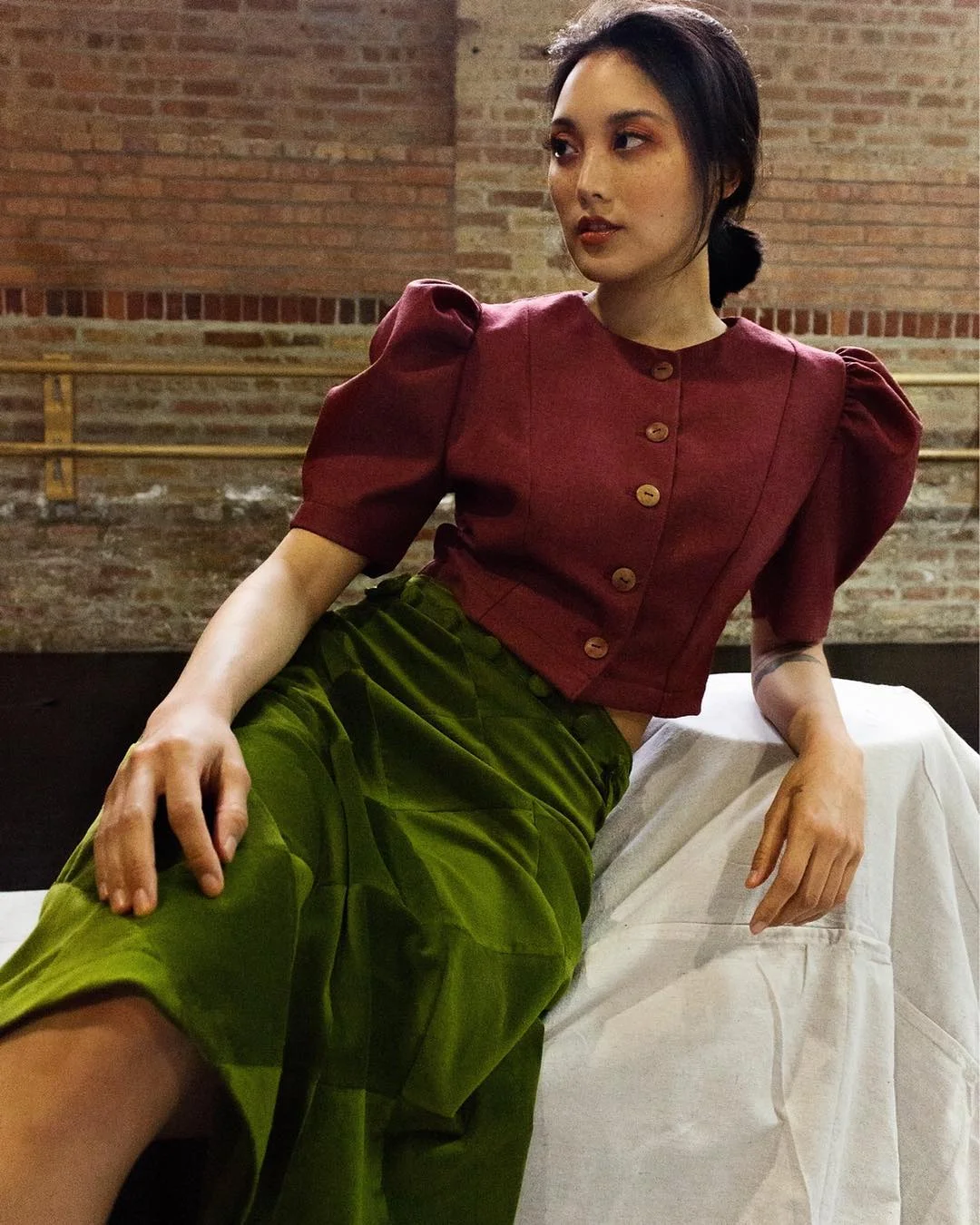
Lilt is feminine, clean and unexpected. I love playing with colors and draw inspiration from the simplicity and femininity of the 70s. My pieces are usually designed first by the fabric choice rather than a design deciding the fabric because of the way I source. I use deadstock textiles, usually faulty bolts with minor cosmetic issues and bolts with low yardage that don’t meet the minimums of larger brands so I can’t be married to an idea if I can’t find the right fabric. My ideal customer isn’t afraid to dress boldly feminine in today’s fashion climate that’s obsessed with streetwear trends. They understand slow fashion and have a desire to stay current but in a way that feels unique and special to their personal style and aesthetics.

My ideal customer isn’t afraid to dress boldly feminine in today’s fashion climate that’s obsessed with streetwear trends.

What got you into the fashion industry? 

I’ve always been drawn to creative careers and fashion is the one that really attracted me. I was very shy growing up, so clothing was a way to self express. Fashion design for me felt like a natural path of my personal trajectory, but deciding to run a business from it was a whole other obstacle I was completely unprepared for. Starting any kind of business is tough, for the most part I identify with the artistic right brain but have very strong left brain characteristics that really made me want to pursue operating my own brand.

What informs your design philosophy? Specifically, what interested you in starting a brand that focuses on sustainability?

I started Lilt after noticing the effects of my own consumerism and desiring an alternative way to stay on trend yet still feel unique while being conscious of my environmental and global impact. Many brands choose to manufacture with newly produced materials yet there’s literally warehouses stocked to the ceiling of deadstock textiles destined to go to waste. I knew that if I were going to start my own business it had to be one I could holistically be proud of, not just on a superficial level. Design-wise, I like to focus on longevity in both the design and construction.

Designer Tiffany Lee sourcing deadstock fabrics for Lilt Clothing.

Designer Tiffany Lee sourcing deadstock fabrics for Lilt Clothing.

I knew that if I were going to start my own business it had to be one I could holistically be proud of, not just on a superficial level.

As a brand that is based in Chicago, what parts of the city do you take inspiration from?

The weather! I’m a true Midwest girl and love the seasons.

How do you think being based in Chicago differentiates your brand from ones based in other major cities like Los Angeles or New York City?

I love the Midwest, there’s a sincere, hard-working energy here that isn’t palpable in the coast cities. I don’t have to care much about the fashion scene or politics, I can really focus on the personal satisfaction I get from designing. What’s great about the era we live in right now is the accessibility to start and source your own business anywhere whereas decades ago you had to be grounded near New York or LA to properly source materials and manufacture.

Can you describe Lilt's mission statement in a sentence?

Designing contemporary womenswear for the creative and bold that won’t drastically impact Mother Earth.

Close-up of the complimentary tote bags provided with each purchase.

Close-up of the complimentary tote bags provided with each purchase.

What is a milestone for Lilt that you are particularly proud of? 

In general, I’m really proud of the awareness Lilt is providing about slower, more sustainable fashion. There’s been this great emergence of independent and conscious fashion brands and I’m proud to say Lilt is a part of that.

Do you have any advice for young people interested in pursuing fashion, design or retail as a career? 

Always be learning and diversify your skillsets. It’s a constantly competitive field, so being on your toes and growing creatively and personally is essential.

Follow Lilt Clothing on their Instagram page here. Also, check out their pieces here. Pro-tip: use the code FIRST10 for 10% off your first purchase!


Feature image via. All other images via.

Ladies, It's Time to Bid Farewell to Uncomfortable Underwear

Long gone are the days of uncomfortable underwire digging into your ribs or shiny sequins that make your skin itch like crazy. Despite a dramatic drop in prices as part of their semi-annual sale, a 10% decline in sales at Victoria’s Secret’s parent company L Brands is indicative of only one thing: people are tired of uncomfortable bras and underwear.

Victoria’s Secret has enjoyed a relative monopoly in the lingerie industry for years, flooding the market with images of thin models, especially with their yearly Victoria’s Secret Fashion Show. The decline in sales and popular appeal of brands like Victoria’s Secret, however, is indicative of a burgeoning movement towards comfort and inclusivity of all shapes and sizes in the lingerie world. Women are starting to leave padded, push-up bras behind and picking up comfortable bralettes instead.

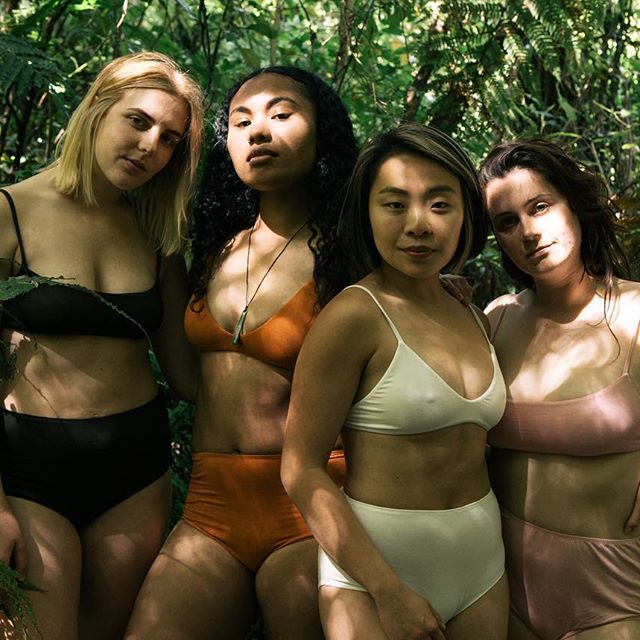
Thankfully, a handful of new brands are producing sustainable, ethically-produced, and most importantly, CUTE underwear that defy conventional standards about undergarments and lingeries. Below, check out three brands that are killing it with their production process, design mentality and general approach to underwear. Better yet? They’re all women-owned businesses!


PANSY CO.

The brainchild of Rachel Corry and Laura Schoorl, Pansy Co. originated as a vision for what underwear could be and what it was not at the time: produced from organic cotton and in sunny California without a sweatshop in sight.

This vision was realized in the form of locally-made underwear sewn in a factory located fifteen minutes away from Schoorl’s apartment. The organic cotton is sourced in Texas and the natural rubber/elastic used to give the underwear its famous fit is made in South Carolina. Not only are the materials grown in the United States, the underwear is also dyed in Novato, California. Pansy Co. seeks to incorporate transparency at all levels in its supply chain and encourages customers to email them with questions.

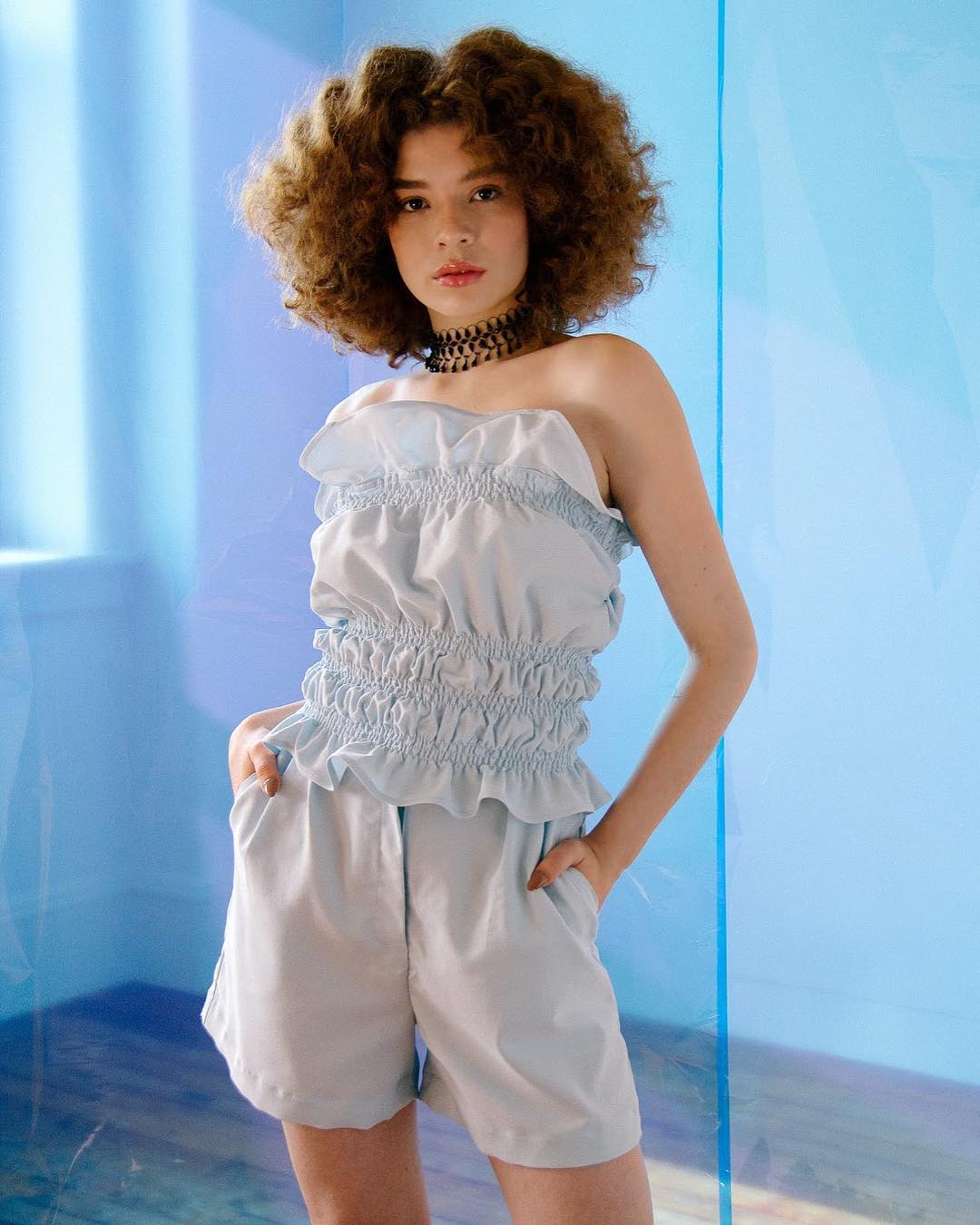
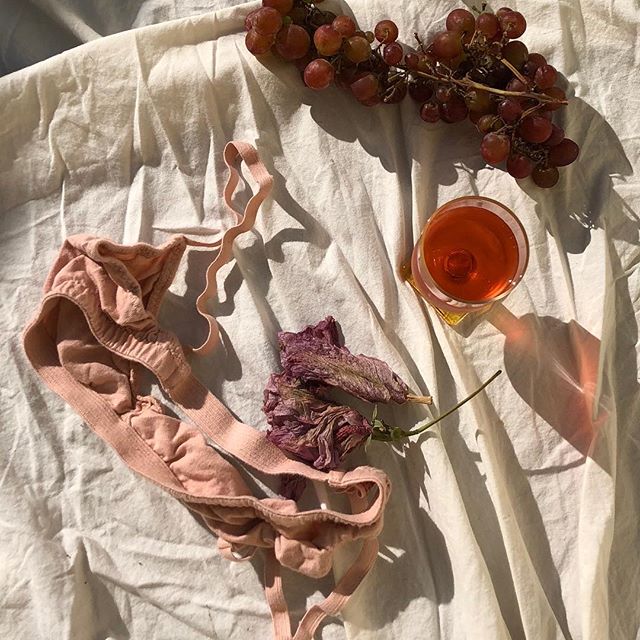
Pansy Co. offers a simple catalogue of underwear that, unlike many mass-produced companies, does not overwhelm customers. The company offers bras (full and regular) underwear (low-rise and high-rise) in a wide range of sizes from XS to XXL. In addition to its undergarments, Pansy Co. offers apparel and accessories such as T-shirts and socks.

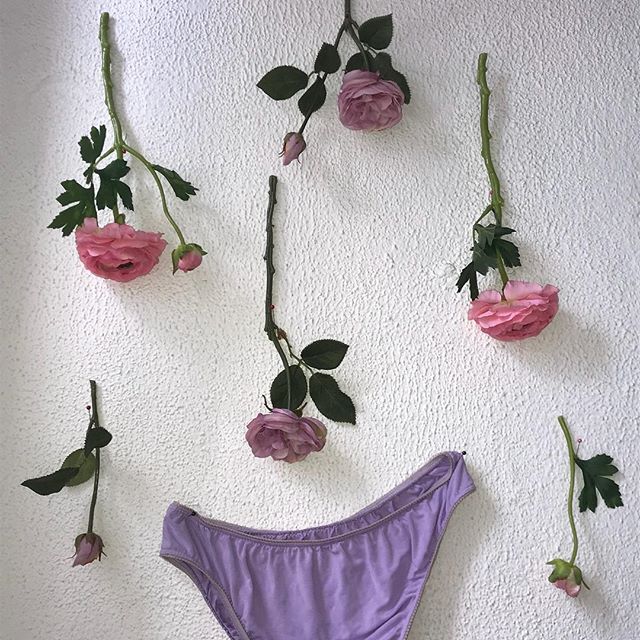
Images are taken from Pansy Co.’s Instagram.


HARA THE LABEL

Based in Australia, founder Allie Cameron created Hara the Label in response to the lack of brands that considered the importance of both design and sustainability. Having had experience selling vintage clothing online, Cameron became intrigued with the environmental impacts of clothing and was confronted with even more evidence of the detrimental effects of mass-producing clothes while traveling in India.

As a result, Cameron founded Hara the Label in 2016, offering undergarments made from organic bamboo and natural dyes. To ensure full transparency and control of the brand, all Hara the Label products are produced, packaged, and shipped in Melbourne, Australia. The brand has also teamed up with the Environmental Justice Foundation, which promotes projects that seek to secure international protection for climate change refugees and to protect ocean life as well as other important environmental issues. The brand also has a blog that speaks on issues such as climate change and de-stigmatizing menstruation.

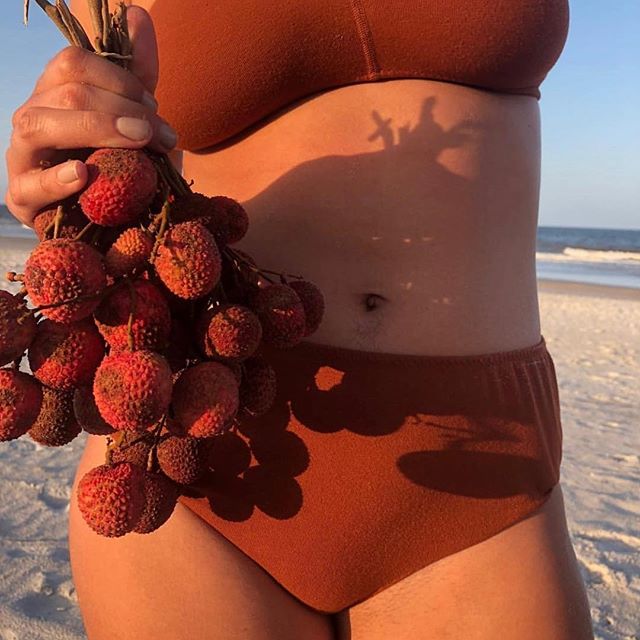
As of now, Hara the Label carries bralettes, underwear, bandeaus, and bottoms in various sizes and colors. They also sell scrunchies and donate all of the profits from the scrunchies to The Malala Fund, which is a non-profit that invests in girls’ educations.

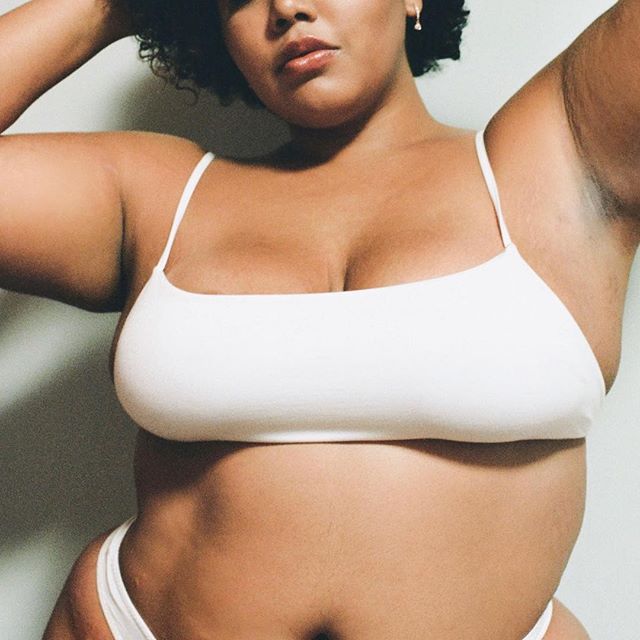
Images are taken from Hara the Label’s Instagram.


JONESY

Founded in 2015, Rachel Jones created Jonesy after recognizing a lack of stylish bralette options for smaller-chested girls in the underwear market. Jonesy seeks to stray away from definitive labels such as “sexy” and “cutesy.” Instead, it focuses on molding its products so that they are a reflection of each Jonesy customer. As stated on their about page, Jonesy’s mission statement is to “marry style and comfort in the best way possible.”

As with the previous brands mentioned, Jonesy incorporates sustainable and ethically sourced materials into their products. For example, 90% of their triangle bra is comprised of micro modal, which is a plant-based alternative to cotton that is biodegradable and environmentally-friendly.

As of now, Jonesy offers bralettes (crop, sporty, triangle) and underwear (high-cut and high-waisted)! Jonesy offers a wide range of size; they offer A-DD cups for their bralettes and S-XL for their underwear.

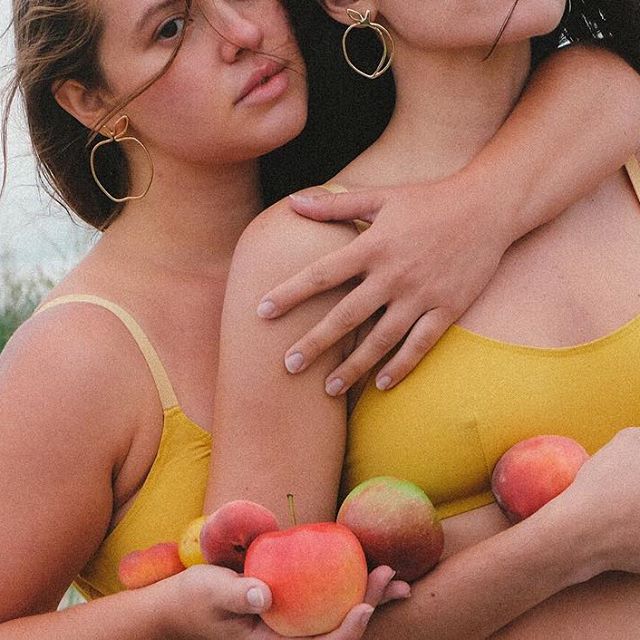
Images are taken from Jonesy’s Instagram.


Feature image via Jonesy.

Everlane: Reshaping Sustainable Fashion

Founded in 2010, Everlane presented a powerful slogan: “Modern basics. Radical transparency.” The last two words might seem like an empty promise to some consumers in an age of greenwashing fashion marketing, where brands boast labels of “ethically made” and “Made in the USA” while still paying their employees below minimum wage and refusing to reveal their supply chain or fabric sources. For example, H&M produces clothes under their “Conscious” label while still being a major buyer of clothes in Bangladesh, where the minimum wage is one of the lowest in the world.

Unlike companies that say one thing and do another, Everlane has always been consistent with their motto. In order to fulfill their slogan, the company strives to ensure ethical practices in their factories and always focuses on being as transparent as possible. Their commitment to transparency is evidenced by the explanation of prices on their website; this includes a breakdown of how much an item costs the company to produce and how much they charge for it. This price is dramatically low compared to traditional prices offered by other fashion companies.

An example of the stark price difference between Everlane and traditional retailers.

An example of the stark price difference between Everlane and traditional retailers.

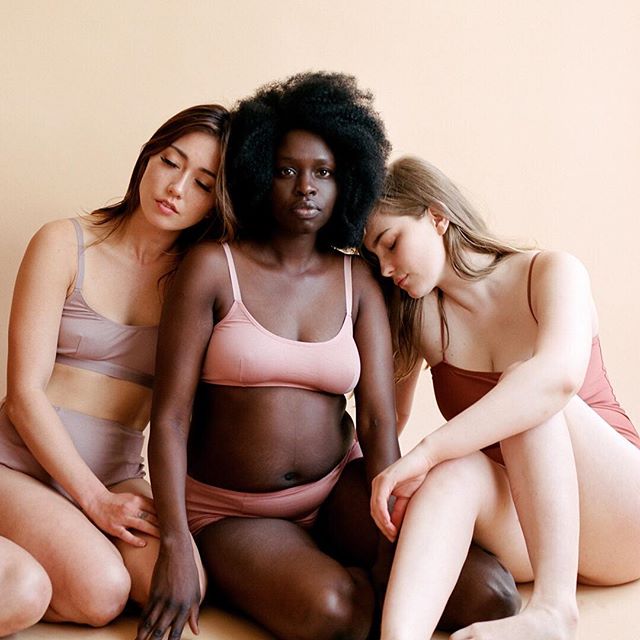
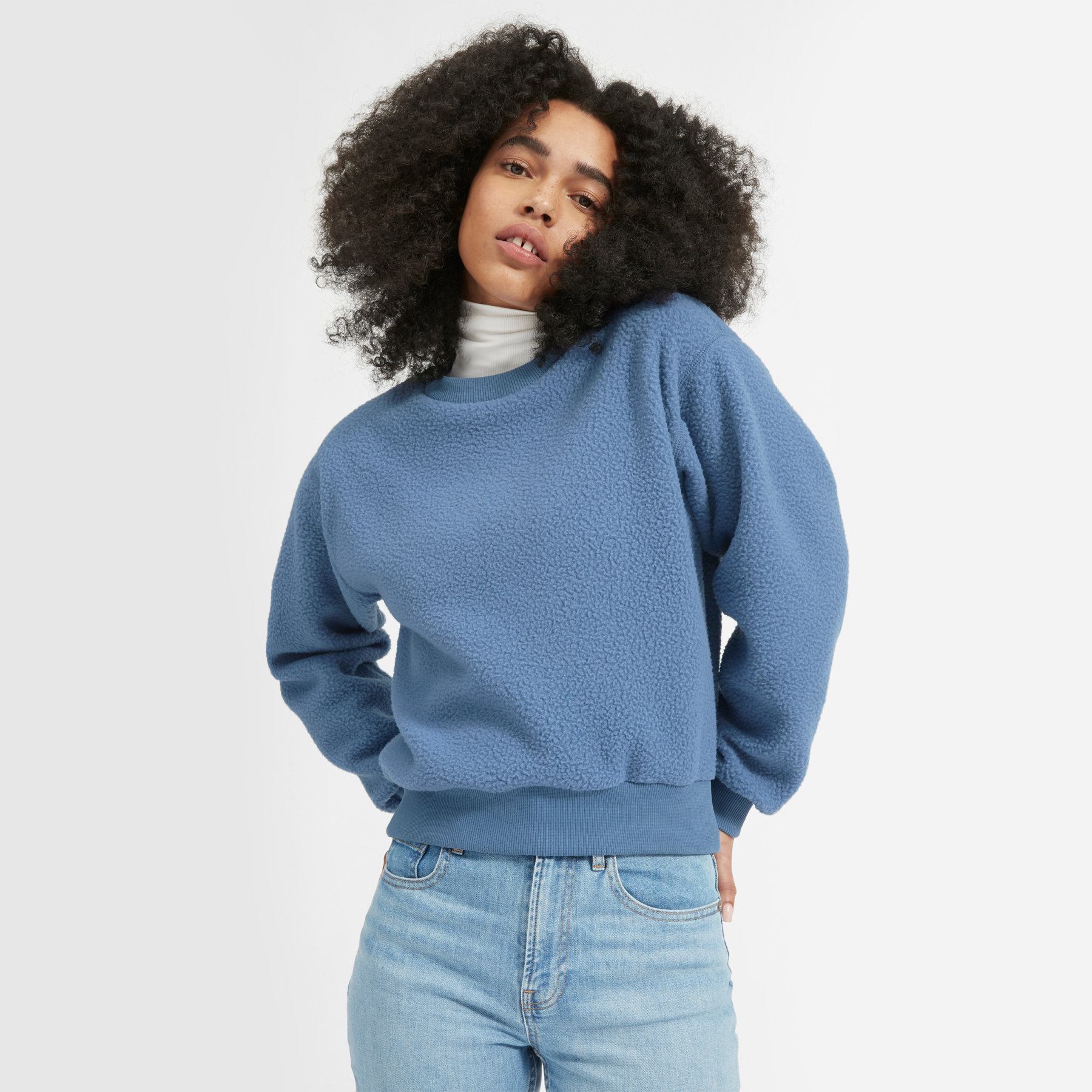
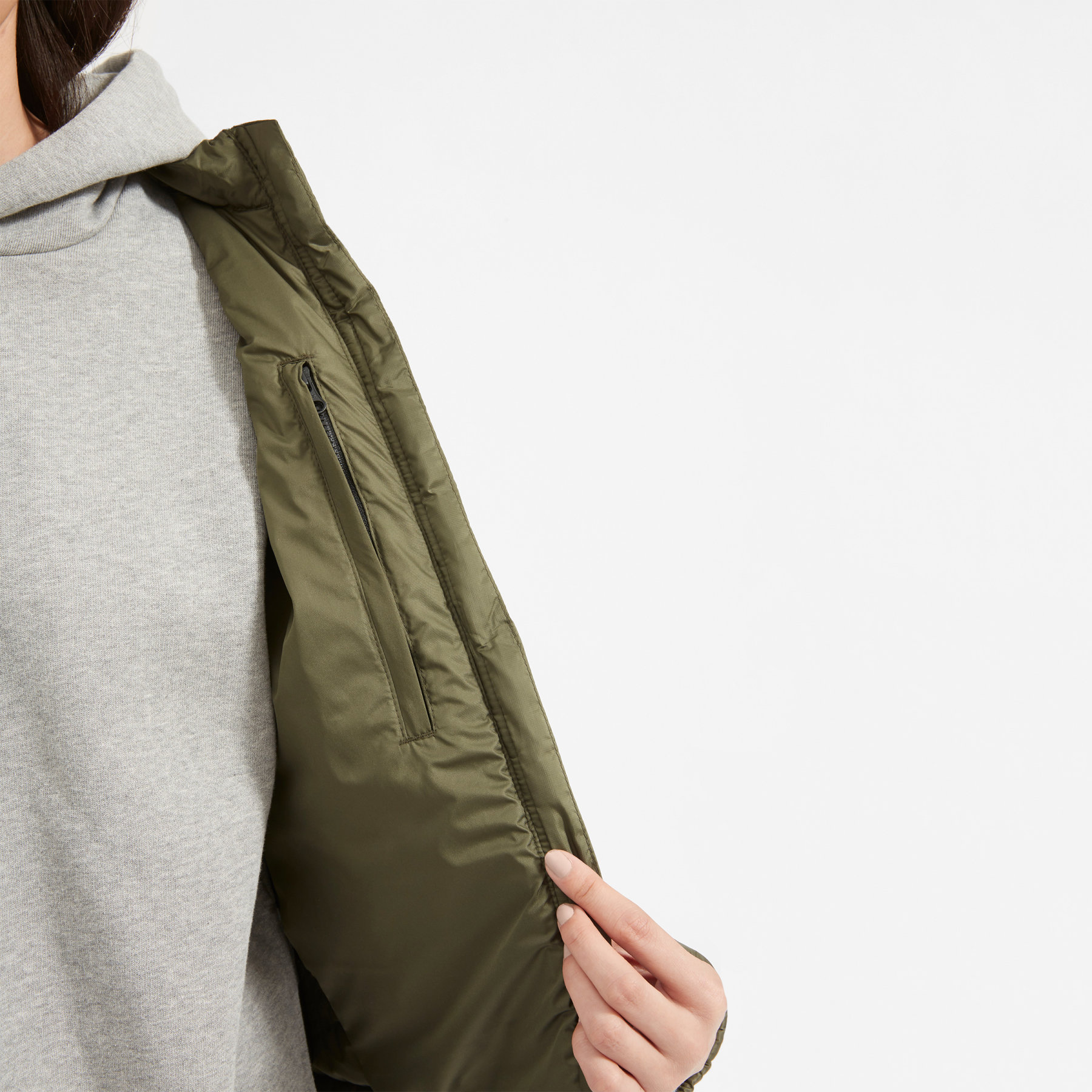
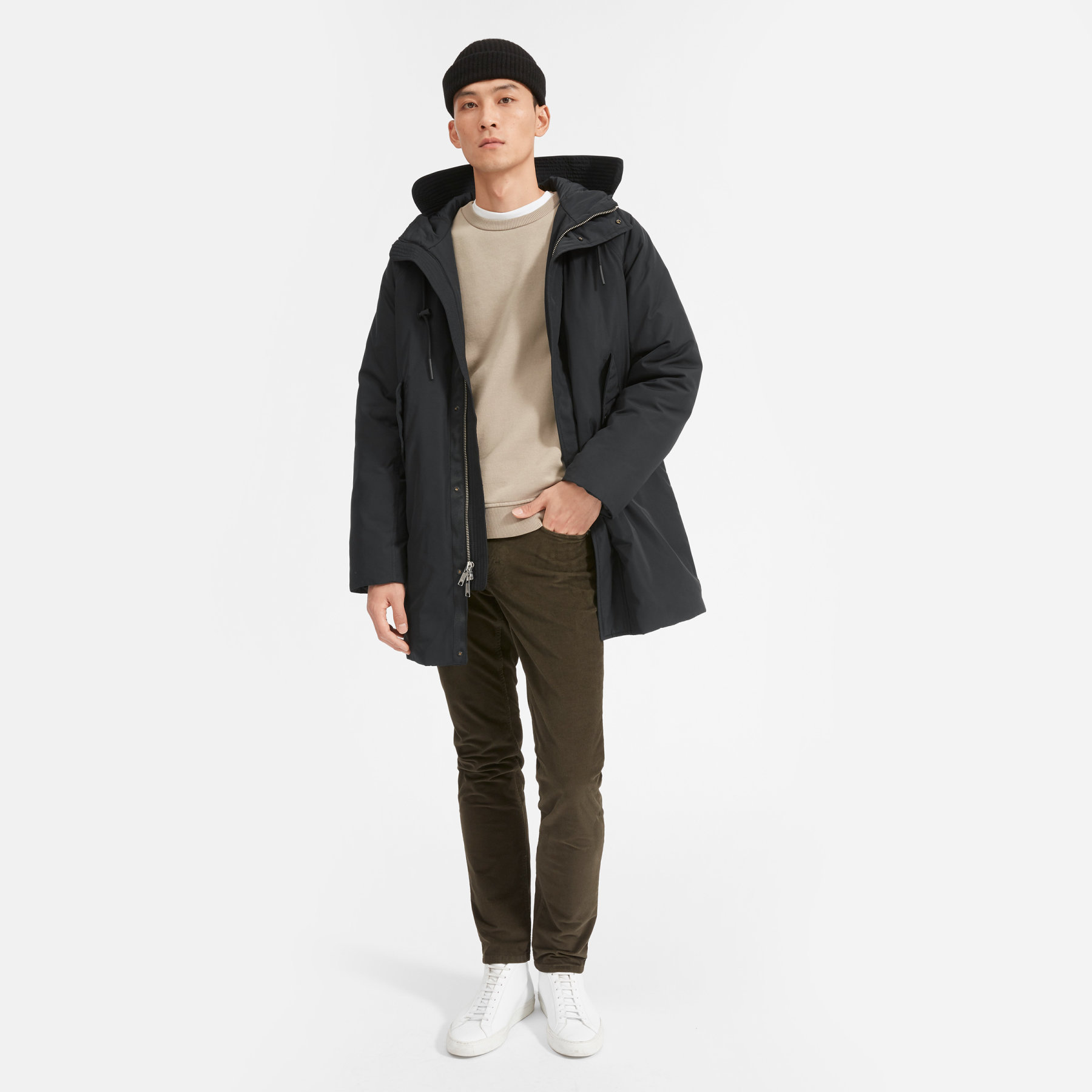
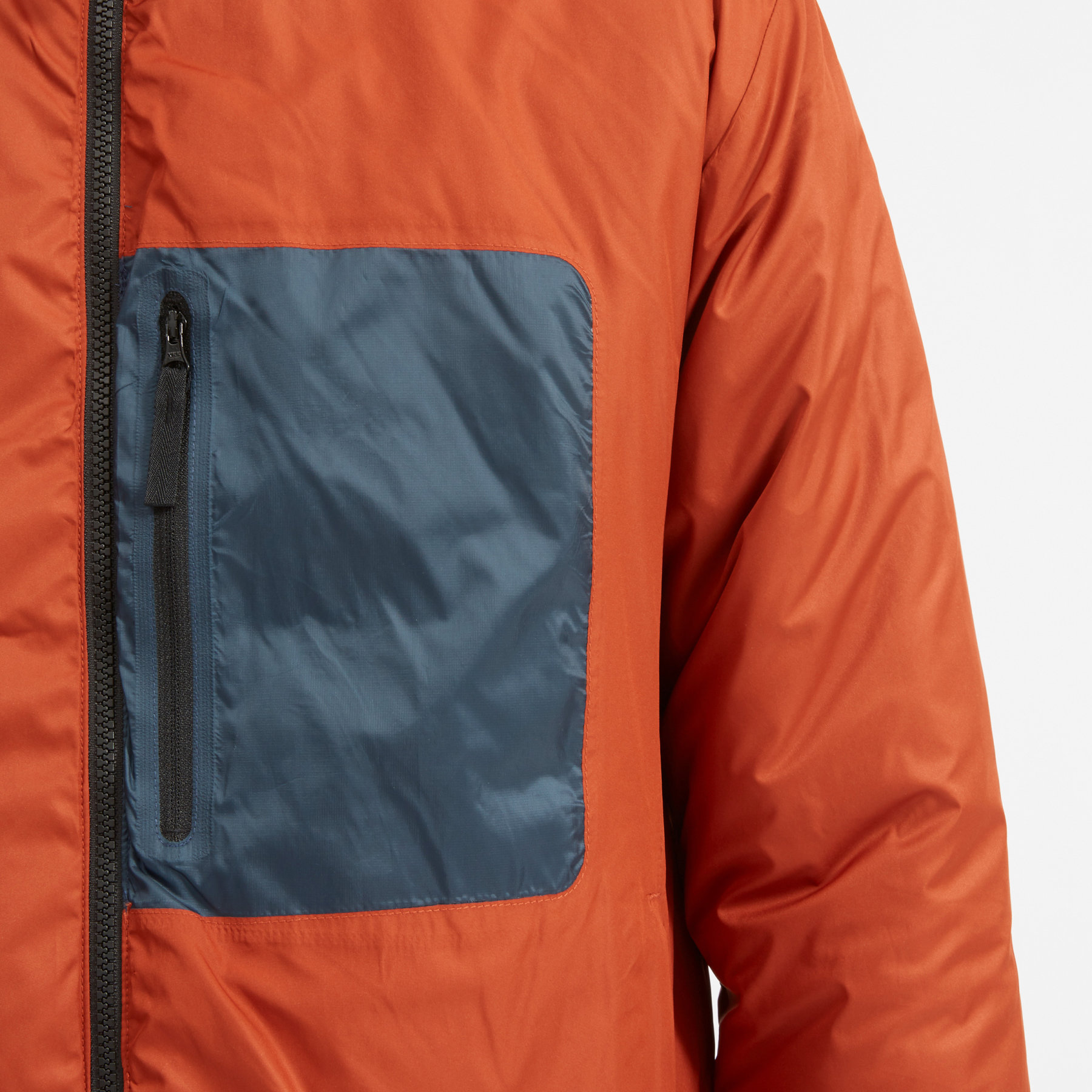
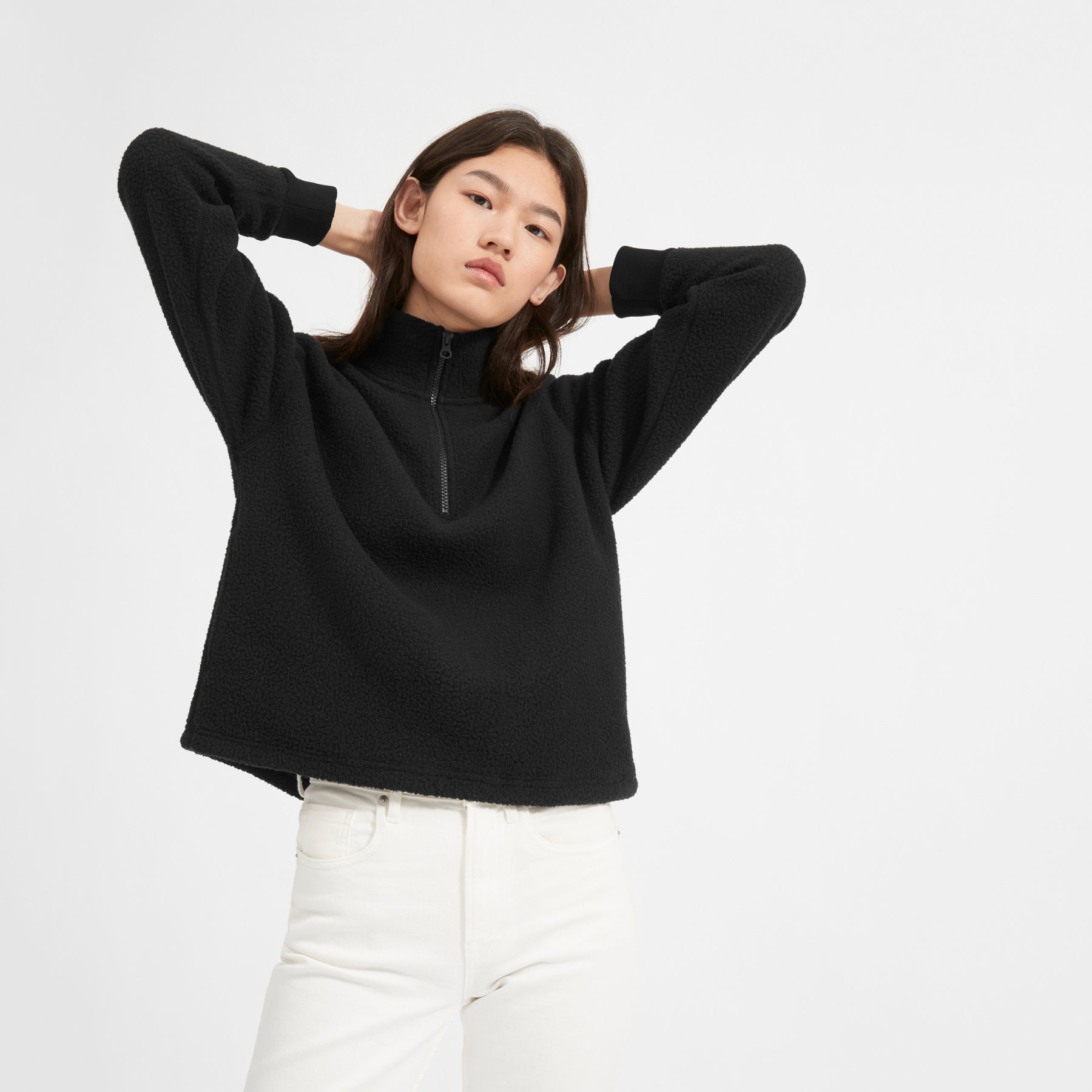
Once again, Everlane stays true to the ethos of their company with their new ReNew Collection, consisting of stylish and affordable fleece sweaters and puffer coats made with 3 million recycled water bottles. Not only did Everlane create a collection dedicated to reusing plastic, but the company saw a serious issue in the amount of plastic sitting around, waiting to be biodegraded. In addition to their ReNew collection, they made a promise to stop introducing new plastic into their supply chain by 2021. How’s that for sustainability and transparency?

An art group called Luzinterruptus filled fountains in Madrid with plastic bottles to show the severity of disposable plastic bottles in the environment. Click image for the source.

An art group called Luzinterruptus filled fountains in Madrid with plastic bottles to show the severity of disposable plastic bottles in the environment. Click image for the source.

This collection, as well as their genuine devotion to doing their part in reducing waste, is admirable and could quite possibly (and hopefully) be a catalyst for other fashion companies to do the same. In an age where the clothing and textile industry is responsible for being the second largest polluter in the world, it is important that we as consumers support businesses devoted to sustainability not only of their items, but of the planet as well.

Be sure to check out this collection and the process of manufacturing it here! Oh, and pro-tip: your first order ships for free if you sign up for email updates.

Feature image source via. Other images taken from Everlane’s website unless otherwise specified.