With knowledge and information being more accessible than ever, it is no wonder that the consumer mindset has shifted drastically into thinking more critically about the various brands they purchase from. A few clicks on the internet can provide a shopper with everything he or she needs to know about a business, and this has in turn encouraged fashion companies to publicize themselves in a more sustainable and philanthropic light.
According to a 2019 Forbes article, recent protests about climate change have highlighted the need for more ethically-sourced clothing, but most notably, younger consumers’ focus on social and environmental issues has influenced their consumeristic tendencies, revealing their selectivity in only buying from brands that align with their values. Welcome to the age of the ‘woke’ consumers. Below are just a few of the fashion industry’s top brands calling attention to climate change, poor working conditions, mental health, cancer research, and more.
Madhappy

Image via Straatosphere
Calling themselves an “Optimistic Lifestyle Label,” the creators at Madhappy are initiating a discourse on mental health and are de-stigmatizing this once-taboo topic. The brand is famous for its colorful, graphic sweatshirts and sweatpants, and it has been featured online in Vogue. This year, they launched the Local Optimist blog, which showcases powerful stories, useful toolkits, and enlightening conversations with real people surrounding mental health. The company also does product launches and special events, donating proceeds to the Jed Foundation, an organization with the mission of protecting the emotional health of teens and young adults.
Patagonia

Image via Gear Junkie
If you did not know, this famous outdoor clothing company has been pledging 1% of their total sales to the preservation of the natural environment ever since 1985. To date, they have awarded over $89 million to grassroots environmental groups, created a non-profit organization, and partnered with over 9 companies to ensure transparency and accountability. Today, they proudly refer to themselves as an “Activist Company” for their massive contributions to improving the relationship between the fashion industry and the environment.
Warby Parker

Image via The Daily Beast
With a mission to deliver “designer eyewear at a revolutionary price,” this trendy, quasi-hipster eyeglass company has quickly sky-rocketed as a customer favorite, opening stores all around the US and Canada. However, their mission does not stop at their paying shoppers—their Buy a Pair, Give a Pair program trains adult men and women to administer affordable eye exams as well as to give vision care and glasses to school-age children. Over 2.5 billion people in the world need glasses but cannot afford them, and Warby Parker’s efforts not only allow them to see for the first time, but they also increase people’s productivity and monthly incomes because of it.
Girlfriend Collective
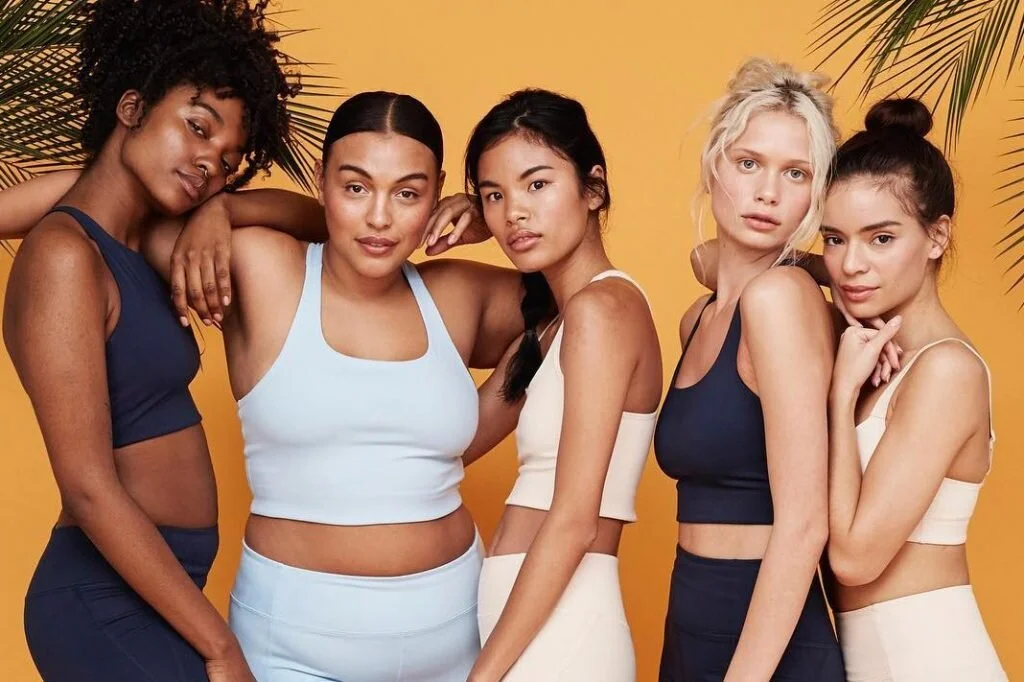
Image via Messy Veggies
The rise of athleisure culture not only necessitates cute and colorful workout sets but also functional ones, too. Girlfriend Collective delivers this and more—they sell a variety of different sports bras and leggings that all begin with 25 recycled post-consumer water bottles and are made without child or compulsory labor. Additionally, they sell LITE leggings that are composed of a fiber made from recycled fishing nets and other waste that would otherwise be discarded. On top of this, the brand is body shape, size, color, and age inclusive, featuring an array of diverse models on their site.
Talentless

Image via GQ
Scott Disick’s latest business venture manifests itself in a luxury loungewear collection featuring an assortment of comfortable, thick (and pricey) sweatpants, sweatshirts, and more. They also partner with F Cancer, a 501(c)(3) organization focusing on preventing, detecting, and supporting those affected by the disease. According to the website, $3 billion was spent on the research and treatment of this illness in 2012, but only 7.7% went towards prevention and control. With 3% of Talentless’s profits going to this charity, the company has the potential to change the way people think and talk about cancer.
Image via L’Officiel