"In This Together" : Vogue Announces Entirely Self-Photographed June/July Issue

It’s almost noon, and I’m finishing my black eyeliner - having only just woken up. And I realize that this might be a little silly. I’m getting ready for an online Russian grammar test. And I have no plans to interact with anyone other than my parents and little brother today. I’m still social-distancing, after all.

However, despite my realization that this might be a little silly, I still finish my makeup. And everyday since I began my quarantine, I have done so. I find it calming. The routine makes me feel productive. Even though I’m only preparing to sit in front of my laptop at my bedroom desk, I still want to feel prepared. I want to exercise some control over my life - no matter how small. And this helps me with that.

A few hours later, I read Anna Wintour’s April 23rd announcement, and I find myself equally calm. In her article, Anna shares the early launch of Vogue’s June/July Special Issue. (The official release is still scheduled for next month.) And even in a climate of utter uncertainty, it seems that Vogue has found a way to highlight what matters: community. As Anna writes herself, “we are all in this together.”

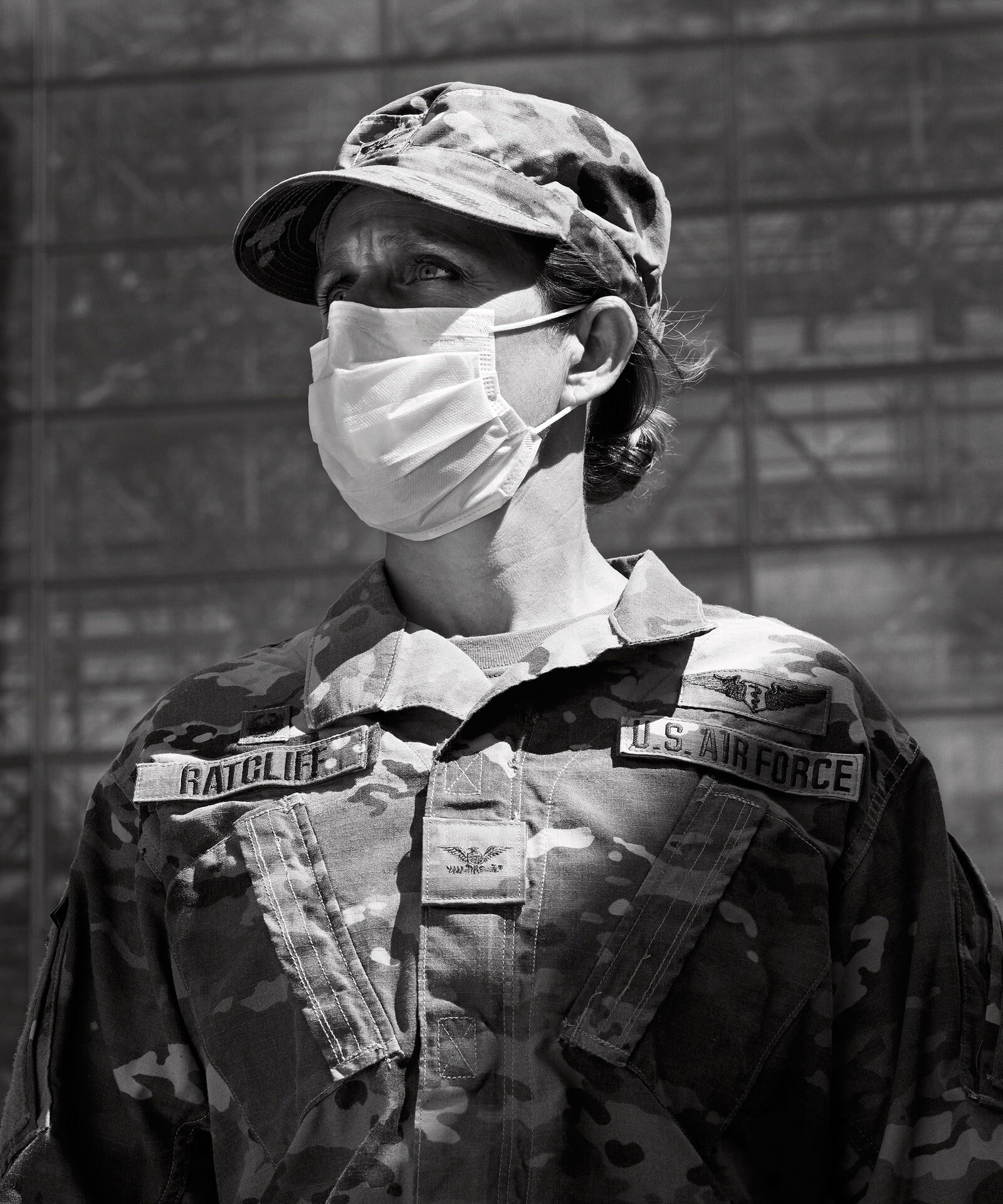
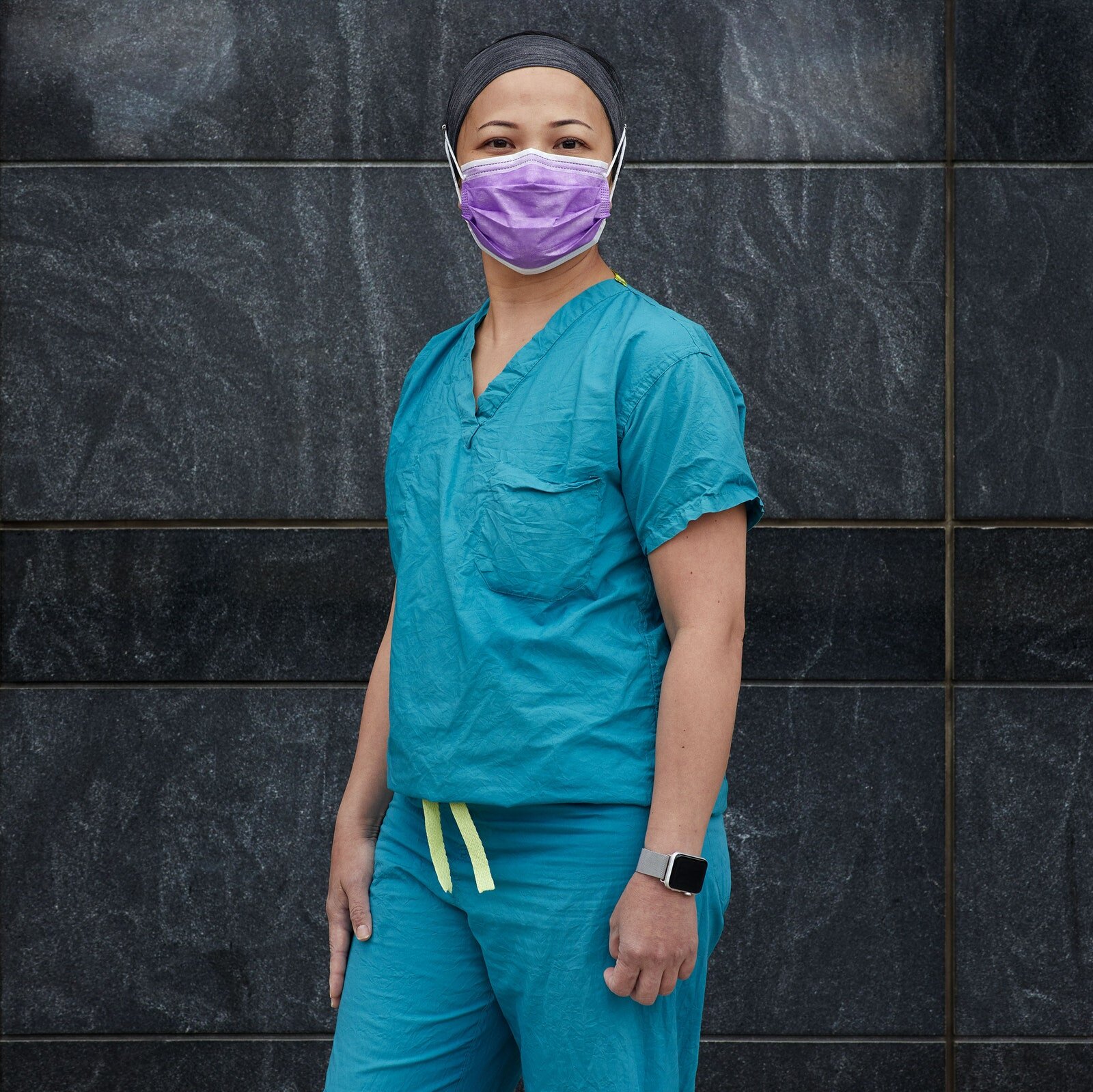
Anna begins her article by sending well wishes to her readers, before expressing her deep gratitude to the many first responders, who continue to bravely protect our communities. And she shares photographs from Ethan Green’s recent series, in which he provides an homage to these first-responders. Green’s photographs feature just a handful of health-care professionals, many of whom came from across the country, in order to help NY’s overwhelmed local healthcare system. The photographs were taken near the Javits Center’s temporary field hospital.
Furthermore, Anna also announces that Vogue’s June/July Issue will be special, in that it’ll be entirely self-photographed. And a portfolio of such self-photographs has already been released online. This is new territory for Vogue. Everything in the issue will be commissioned, designed, and produced remotely. And Anna hopes that the issue will serve as a historic and “poignant reminder of how we are all acutely missing the miracles of everyday life and the joy that they can bring.”

The cover of Vogue’s Special Issue features Irvine Penn’s formerly unpublished photograph, Rose ‘Colour Wonder’ (1970). It’s Vogue’s very first still-life cover in over 50 years.

The cover of Vogue’s Special Issue features Irvine Penn’s formerly unpublished photograph, Rose ‘Colour Wonder’ (1970). It’s Vogue’s very first still-life cover in over 50 years.

And as I flip through Vogue’s portfolio of self-portraits, I immediately connect with the words of Daniel Arnold, a nomadic photographer from NY: “I feel like I’ve been on an airplane for six weeks. I cry without being sad or moved, all of my emotions are mutedly haywire; I snack psychotically and I stare out a window, unable to digest how high up I am, or how dangerous it would be to go outside.” While Arnold’s quotation is dramatic, he has a point. I do feel a little bit like I’ve been on an airplane for weeks.

However, the more I study Vogue’s portfolio, the more I realize that Anna might have overlooked something. After all, while I do acutely miss my life “pre-coronavirus,” I also know that the joys of everyday life do not end under quarantine. These are tough times. They are bleak. But they do not have to be wholly hopeless - and there are many ways in which we can still notice, and enjoy, the many small moments that compose our lives.

This is exemplified by Vogue’s own work. In Vogue’s portfolio of self-photography, Sienna Miller discusses baking, swinging, and doing makeup with her little girl. British photojournalist, David Hurd, discusses his morning coffee - and how much he enjoys watching the birds outside his cottage window. Florence Pugh discusses gardening and cooking. And Steven Klein shares an awesome photo of his four-year-old son, surrounded by his stuffed animals.

Steven Klein’s contribution to Vogue’s Issue features his son, Ace, as he plays with his toys in Long Island, NY.

Steven Klein’s contribution to Vogue’s Issue features his son, Ace, as he plays with his toys in Long Island, NY.

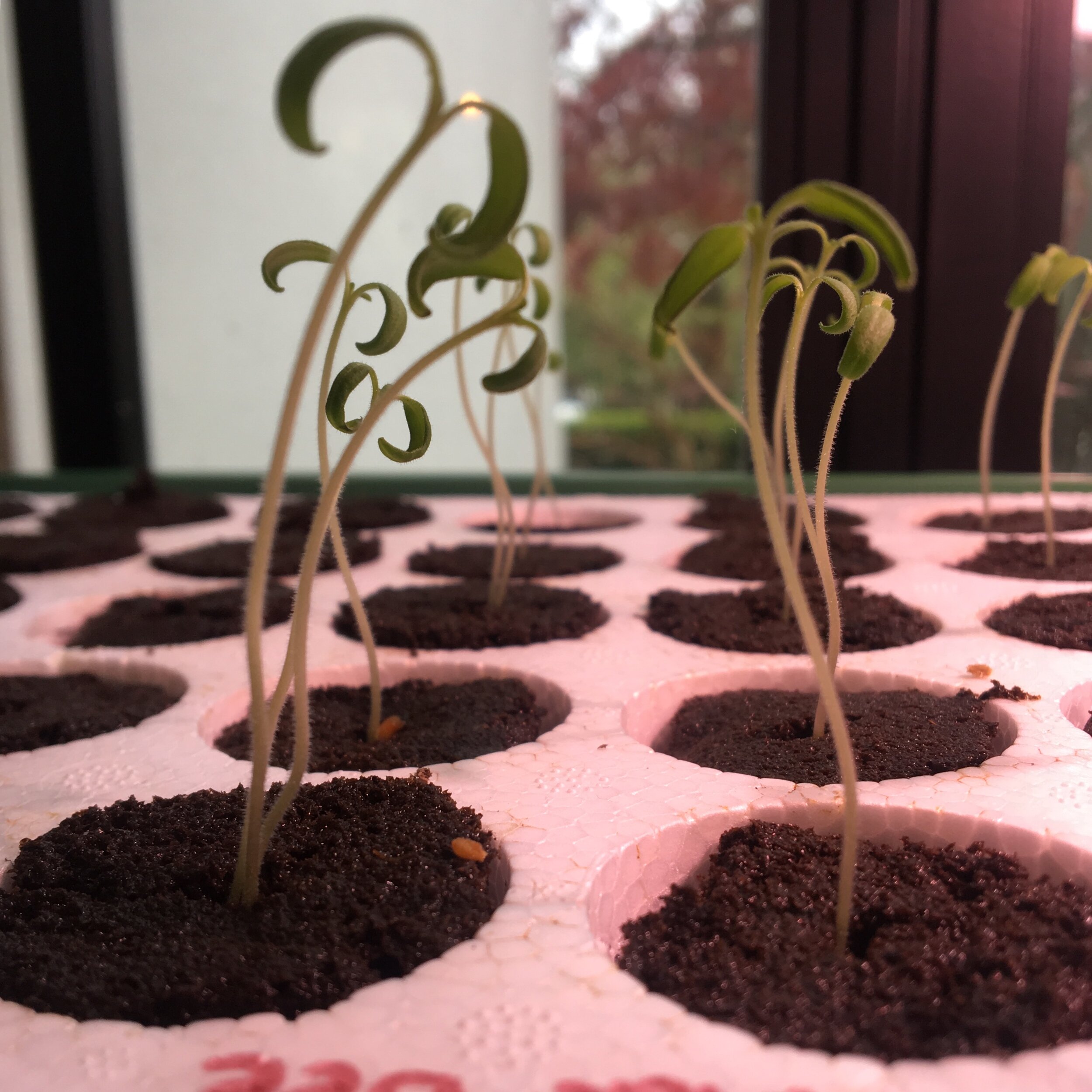
For the first time in my life, my dad is home when I go to the kitchen for lunch. He helps me understand my biology homework. My mom brings me iced tea in the mornings, and we often sit on the patio together. She reads drafts of my writings - and we talk about them in person, rather than over the phone. In the evenings, I make salads while she cooks. And my parents have even started a garden - and my mom was excited this week, when the first plants began to sprout. Meanwhile, I converse with my brother between classes. And I realize just how much less time I’ve spent with them since I began college - and just how much time I suddenly have, to try to make up for what I’ve lost.
As Anna concludes her article, she writes that “[i]t’s a brave act to optimistically consider the future.” And she’s right. But, even more than that, it’s a brave act to optimistically consider the present. And if doing my makeup in the mornings (or afternoons) helps me do so, then so be it. In his contribution to Vogue’s Issue, Marc Jacobs may say it best:

I never thought a dress was a solution to a problem, but I do believe that as long as people are human, they’ll want to dance and they’ll want to get dressed and they’ll want to eat good food and they’ll want to engage in things that give them pleasure. I guess we just have to find a balance, or maybe rethink what all those things mean. But we all should be thinking about how we can change—or what we learned from this experience.
— Marc Jacobs

Click here, for thumbnail image source; Ethan Green’s photograph features Tanzania Johnson, a Navy hospital corpsman and respiratory-therapy technician, who actively works to address the coronavirus.
Vogue Italia’s Photoless Issue: How Sustainable is Sustainability?

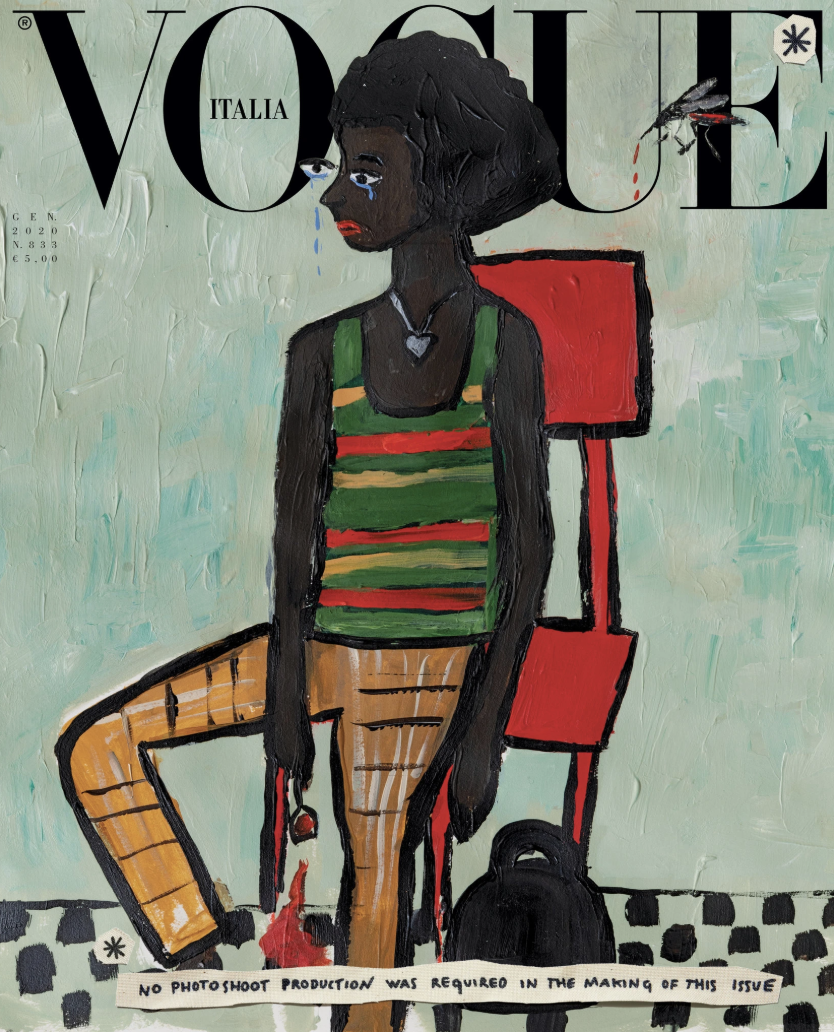
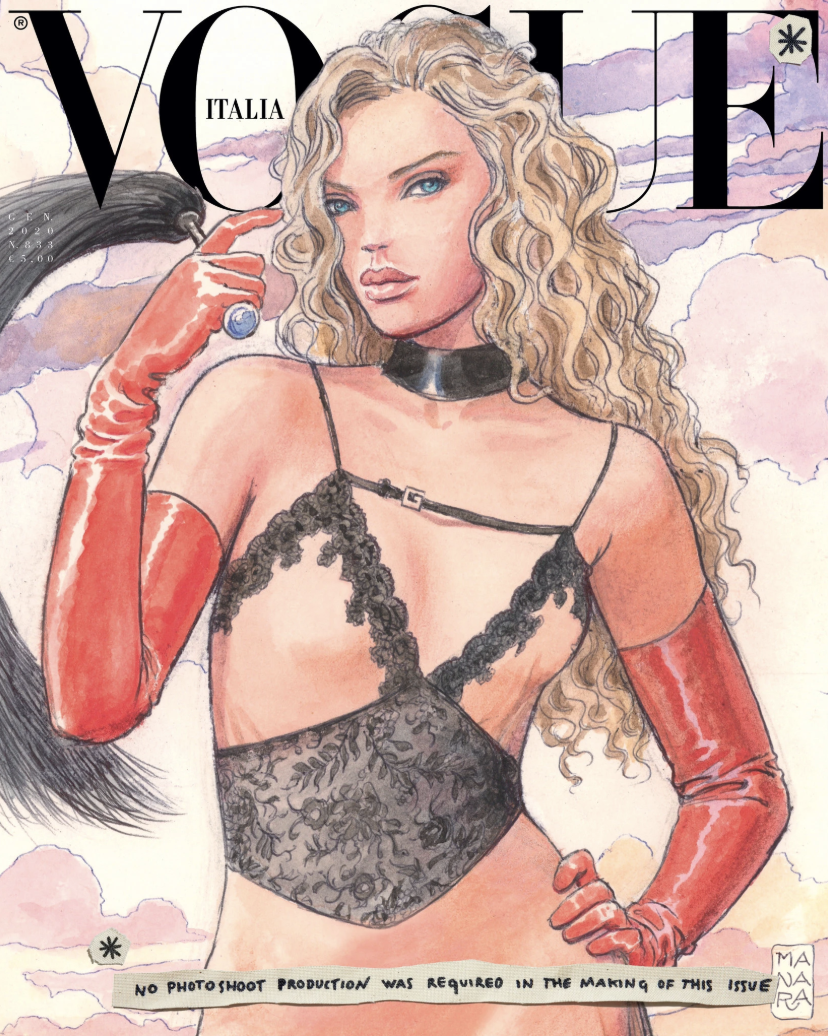
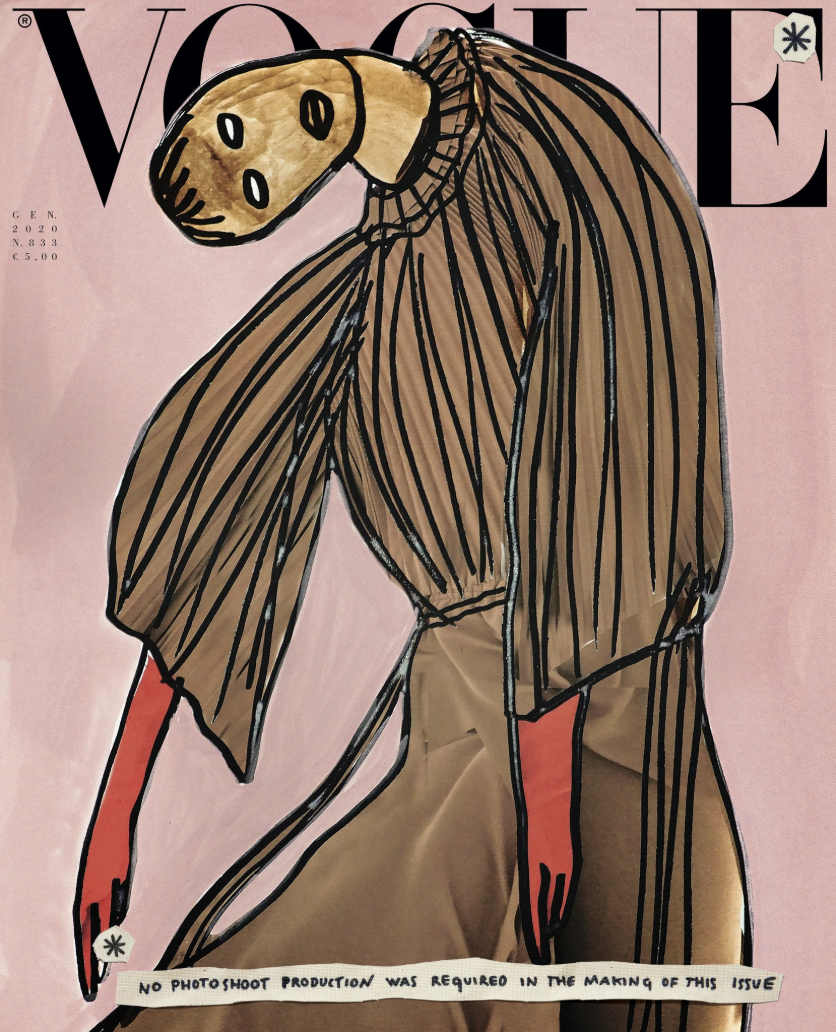
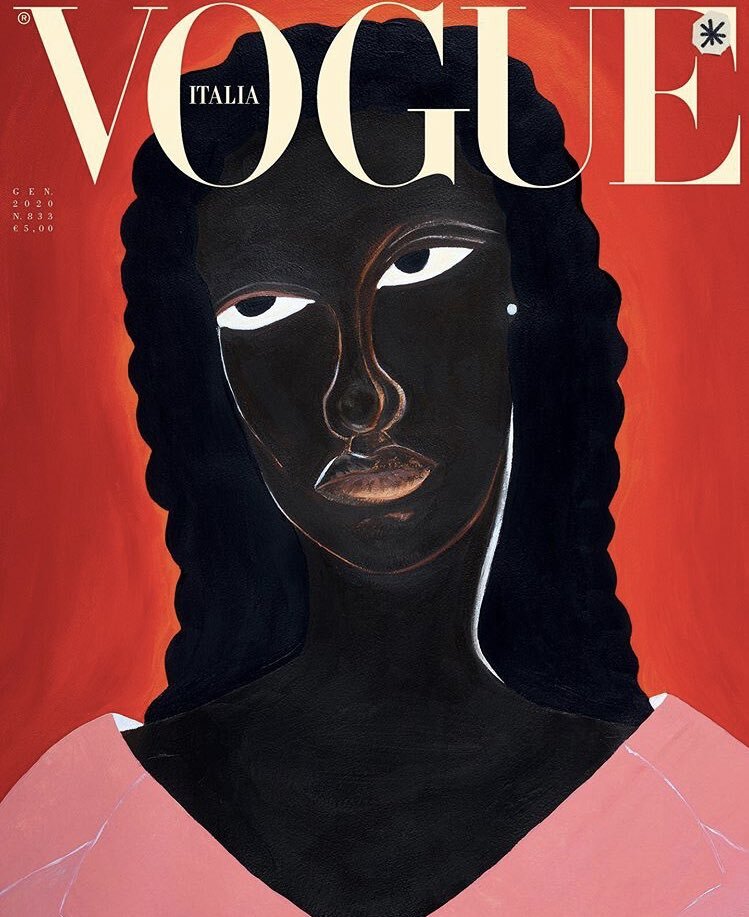
When I open a magazine, or see one displayed in a store, the first thing that comes to mind is usually something like, “Wow, she’s pretty!” or “I think I need those shoes,” and then not much else (sorry). Before recently, I have to admit, I had never considered anything beyond what was shown to me in the photos. I had never thought about the environmental cost of operating the photoshoots: I had never focused on how many hundreds of clothing articles, accessories, and equipment for the shoot are shipped overseas or for that matter how many people are transported to run the whole thing. I had never thought about the lighting which is needed for the entire day of shooting and how it is powered by gasoline generators. None of this had ever crossed my mind until Vogue Italia announced their January 2020 issue– an entirely photoshoot-less edition. 

It’s the first of its kind for all sectors of Vogue.The issue features only images which have been hand-illustrated by artists. It has eight unique covers, all displaying vibrant drawings of figures in exclusively Gucci ensembles. The goal, according to editor-in-chief Emanuele Farneti, was to “prove it is possible to show clothes without photographing them” and “without travelling, shipping entire wardrobes of clothes or polluting in any way.”


While Farneti certainly achieved his goal of cutting down on resources, the photo-less showcasing of the clothes appeared in a less literal way than I had imagined when I first heard about the issue. In terms of the actual presentation of the clothes for potential buyers, or even people who just want to browse new collections, I’m not sure some of the highly stylized and abstracted illustrations in the issue make sense. Don’t get me wrong, from an artistic perspective the images are great, and I fully support the intention behind the concept. But many of the drawings aren’t detailed enough or realistic enough to serve as a practical means of representing the clothes as they are in person, which, at the end of the day, is a large part of why people buy magazines like Vogue. People like to see the clothes! So, ironically, on the business side, I don’t know if this is really a sustainable option at all. There is also the livelihood of fashion photographers and editorial models to consider. But seeing as there seem not to be any plans by the magazine to continue this no-photo print style, perhaps the January issue is less of a declaration to commit to this particular way of being environmentally aware, and more about making a statement– a nod to the massive expenditure of the industry and an acknowledgement of the rapidly growing sustainability movement in fashion.

Thumbnail image via

Make Way Fashion World, Pyer Moss is Coming

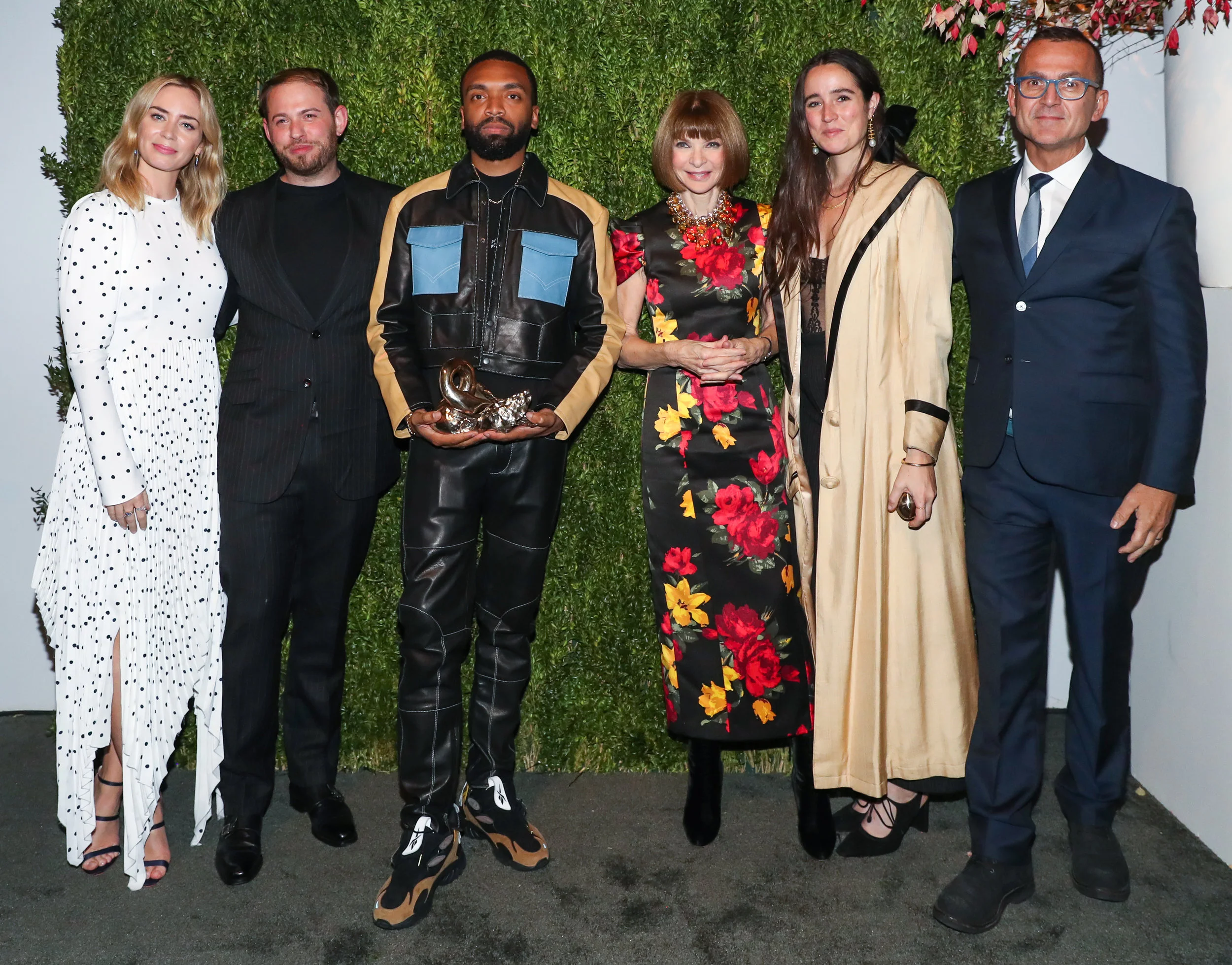
Pictured from left to right: Emily Blunt (presenter of award), runner-up Jonathan Cohen, winner Kerby Jean-Raymond, U.S. Vogue EIC Anna Wintour, runner-up Emily Adams Bode, and CFDA chief executive Steven Kolb. Image via.

Pictured from left to right: Emily Blunt (presenter of award), runner-up Jonathan Cohen, winner Kerby Jean-Raymond, U.S. Vogue EIC Anna Wintour, runner-up Emily Adams Bode, and CFDA chief executive Steven Kolb. Image via.

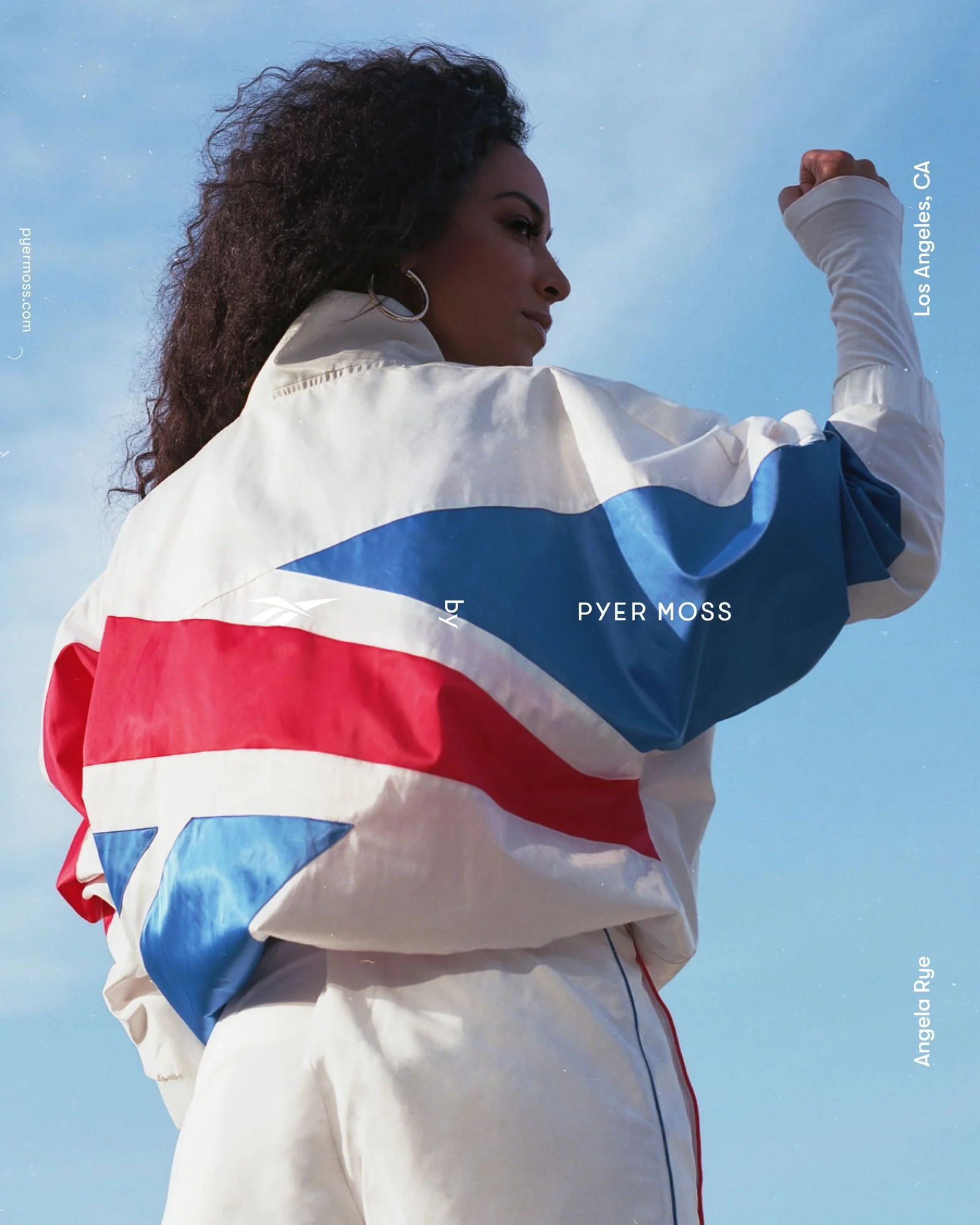
Kerby Jean-Raymond, the mastermind behind the luxury sportswear brand Pyer Moss, was recognized by the Council of Fashion Designers of America (CFDA) as the winner of the coveted $400,000 CFDA-Vogue Fashion Fund this year.

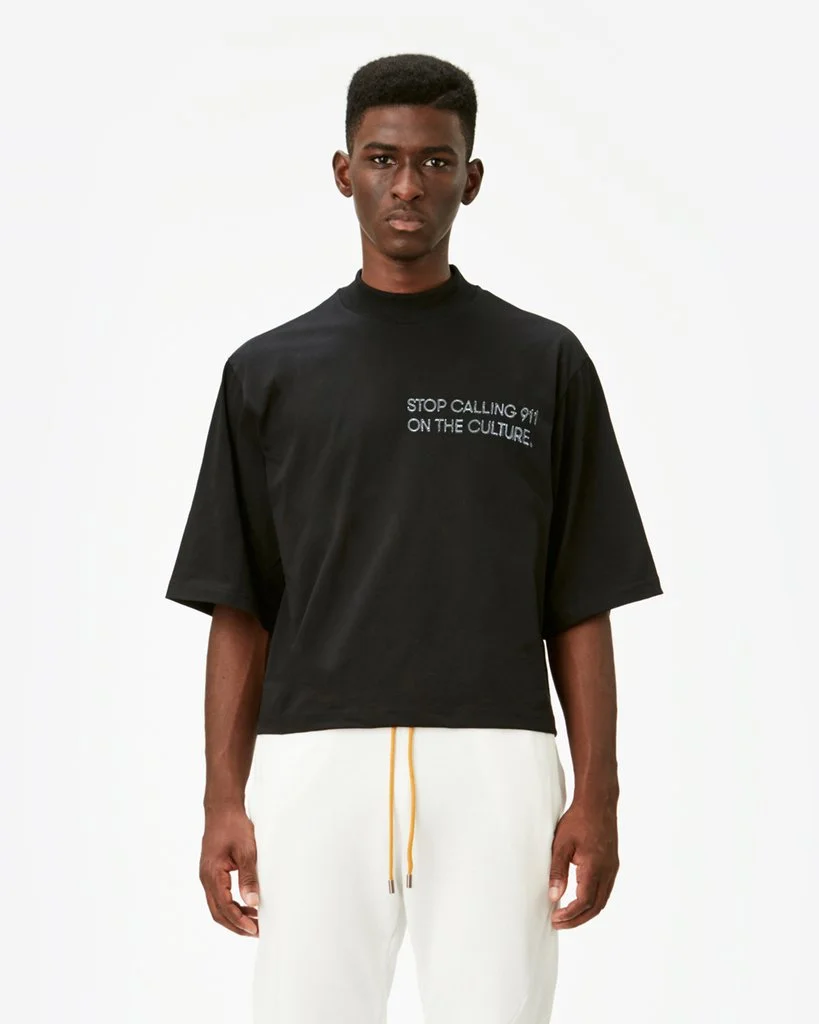
Jean-Raymond, the son of a Haitian immigrant, has not shied away from injecting political messages into his brand. Founded in 2013, Pyer Moss attracted public attention with its release of a T-shirt that listed the names of people of color who had been victims of police brutality. In recent years, Jean-Raymond has opened conversations about gun violence and racism in his runway shows. For example, in his Spring/Summer 2016 show, he presented the audience with a documentary on racially motivated police brutality in America. Not only is Jean-Raymond unafraid to have a voice in this contentious political climate, but his pride in his culture and race is also reflected in all of his collections, which celebrate Black culture.

Titled the “911” Tee, this T-shirt is just one example of the many ways in which Pyer Moss speaks about policy brutality against people of color, namely African Americans. Image via.

Titled the “911” Tee, this T-shirt is just one example of the many ways in which Pyer Moss speaks about policy brutality against people of color, namely African Americans. Image via.

The CFDA-Vogue Fashion Fund was launched in 2003 in response to financial struggles and controversies surrounding the fashion world. Seeking to combat the homogeneity in the type of models featured on the cover of magazines and parading down runways, the Fashion Fund emerged with the purpose of highlighting new fashion designers. In addition to the cash prize, the Fashion Fund also sought to provide new generations of designers with a network that would foster success in a competitive industry. Specifically, the Fashion Fund has awarded and recognized designers who are advocates of inclusivity of all body shapes and skin colors. Past winners have included Alexander Wang, Prabal Gurung, Proenza Schouler, as well as a multitude of other notable designers.

“At a time when our world faces so many challenges, I’m impressed by this year’s winners.”

- Anna Wintour

Quote via. Image via.

In addition to the Fashion Fund, Pyer Moss was awarded the 2014 Fashion Group International Rising Star Award in the category of menswear and Jean-Raymond was also featured on the Forbes 30 Under 30 List in 2015. While the Fashion Fund has been critiqued in the past for casting light on brands prematurely and having those brands become unsuccessful in the long run, we can rest assured that Jean-Raymond’s Pyer Moss is here for the long-haul.

Feature image via.