My Summer Working at Buffalo Exchange

I suspect Buffalo Exchange is like any retail job: draining, underpaid, and mismanaged. Though I did enjoy my time there overall, learning the ins and outs of running a secondhand store, I can acknowledge that as a former employee, my coworkers and I were deserving of more than the company was willing to give. It was us, the workers, who held the place together. We would frequently provide free advertising with our well-curated outfits and a fruitful experience for the customers. The joy of the place did not come from the work itself or from the clothes but from the people. Queer and POC transplants whose first stop in the city was a nearby Buffalo Exchange. Though I hate being wax poetic about my own home and going on about how gentrifiers warp it into something it is not, these were people who had big dreams and personalities so indicative of New York that they made me want to see my city with fresh, innocent eyes, and love it all over again.

On the topic of the store itself while I’m glad I worked there for the summer because of the good company and the items I was able to procure, you would much sooner find used, dirty Shein than anything noteworthy. But perhaps that's what makes the hunt thrilling and a great find that much more rewarding. Buffalo Exchange is not a true thrift shop. When I would find an item that was cute but not the most original, my coworkers would say “that’s thriftable” to indicate that it would be more worth it to find at Goodwill bins for $2 instead of $20. It would be fairer to see it as a resale shop. They price items not for what they are worth but for what people are willing to pay. The location I worked at was situated in a gentrified New York neighborhood so people were willing to pay quite a bit, making the most basic items worth a pretty penny. As we would have to say over the phone: “Buffalo Exchange takes the best of all seasons, current trends, and styles.” Therefore, you are likely to find the store over-saturated with micro trends and new merch they get from independent sellers. Surprisingly though, those sell the most.

I would recommend shopping there if you need something quick and on-trend. For instance, Buffalo Exchange is perfect for anything Zara, Jaded London, Supreme, H&M, and other fast fashion brands that you are willing to pay marginally less than you would by buying retail. With no guarantee, however, that you are paying less than retail for an item. Even though it may be difficult to find a masterpiece or not drop $70 for three items, it's not impossible. My first tip would be to spend as little money as possible. I often say I became an extreme couponer during my time there, and though I did have an employee discount, it was slim and hardly useful. So, to keep the cost of procuring a new wardrobe down, I sold a lot of old clothes, shoes, and accessories to get a trade that I could use for new clothes. Not every Buffalo Exchange is going to like your stuff. Some of their buying practices still perplex me, which is why it’s useful to bring in a lot of items and go to multiple stores (sometimes they see if you sold at a different location that day, so it might be helpful to spread selling over a few days). Shopping-wise, the store is a hit or miss. Some days you’ll find the most breathtaking vintage handmade blazer, and the next you’ll find five shirts that say “Tacocat” in comic sans font with a Pusheen graphic, priced at $32 a piece. But, if you want to find something good, you’re going to have to dig but also look at the mannequins. Employees will put some of the store's best items, those they don’t want to buy at least, up there. You might even find some of the items they do want, I hid a dress up on the mannequins for a month until my employee discount kicked in. Overall, my entire summer there, I spent about $50-100 of my own money on a closet's worth of clothes, rebuilding my wardrobe for little to nothing.

Here are a few of the things I got and how much I paid:

ITEM #1: Frank Ocean T-Shirt

This Frank Ocean t-shirt is so incredibly cool! Every single hype beast who came into the store wanted it. It says “Blond Boys Don’t Cry” on the back and looks like it’s made from a knitted material but it’s polyester. It was priced at $36 but I got it for $0.

ITEM #2: Fake Coogi

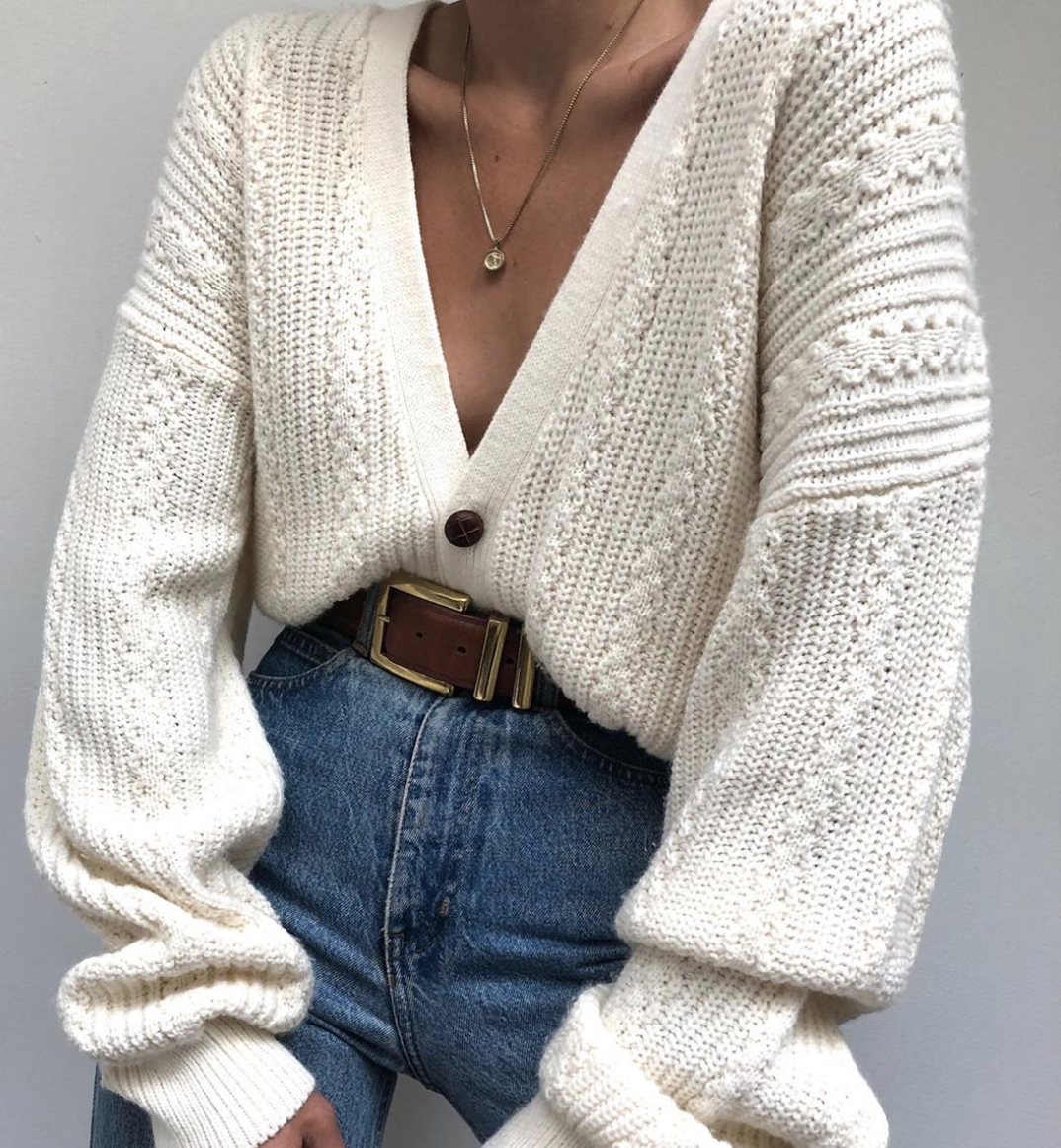
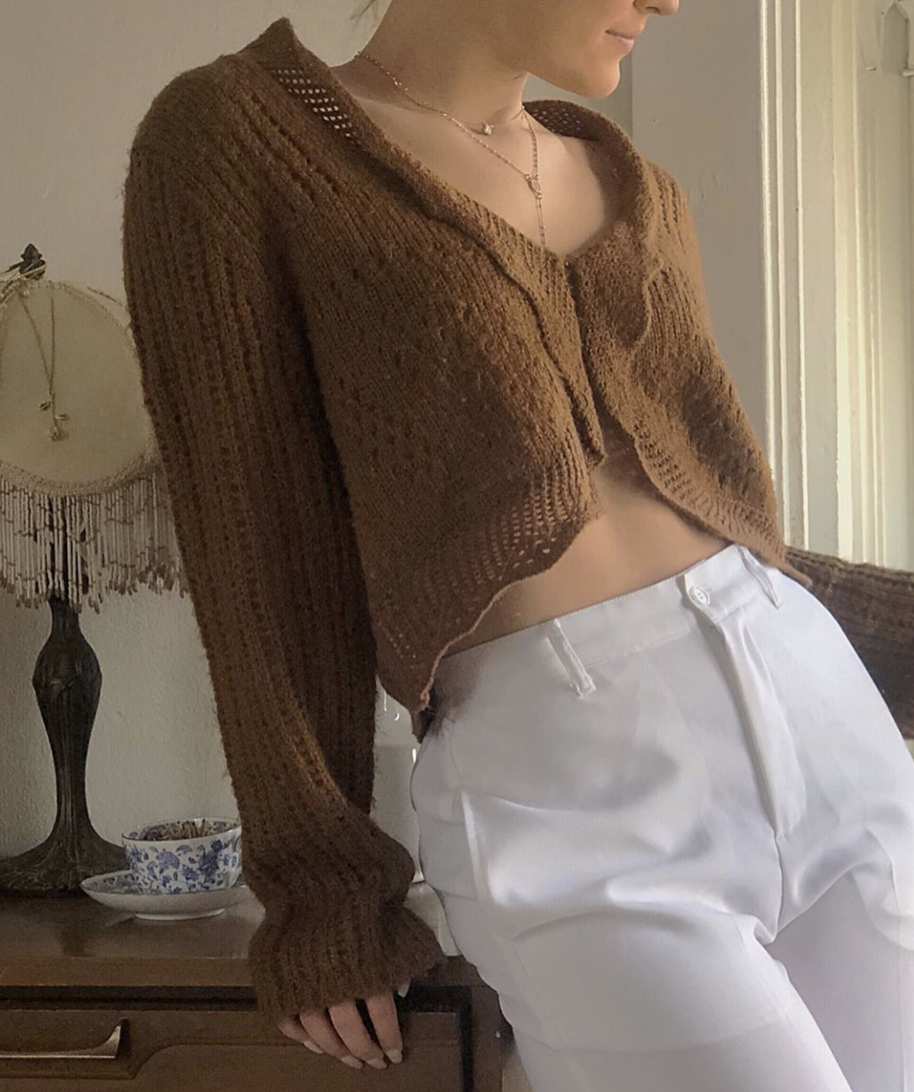
            The fake coogi sweater, cowboy boots, and brown sunglasses are all Buffalo Exchange purchases. The sweater was priced at $45 and I got it for $8, the boots were priced at $55 and I got them for $0, and the glasses were priced at $10 and I got them for $4.

ITEM #3: Grandmas Dress

            The woman that sold this in said her grandmother made it by hand. I don’t know why she sold it, but it is absolutely gorgeous and was priced at $26 but I got it for $0.

ITEM #4: 24ans Skirt

            This is one of my favorite skirts. The shape, fabric, and color make it visually engaging and fun to style. It was priced at $26 and I got it for $0.

ITEM #5: Face Jacket

            Once I saw this jacket I knew I had to have it. It’s an absolute showstopper and one of the best items I got during my summer. It was priced at $90 and I got it for $0.

ITEM #6: Vintage Versace Blazer

            The gods blessed me the day I found this real vintage Versace blazer. I did have to work two fill in shifts to get enough extra trade to get it but it was worth it. It was priced at $90 but I got it for $20.

ITEM #7: Tie Dye Dress

            Before I bought this Newport New dress, I found it on Depop for $150. But it’s Depop so their prices are just as untrustworthy as Buffalo Exchanges. This dress was priced at $16 and I got it for $0.


Capsule Wardrobes: Death to Tragic Impulse Buys!

As we continue to bury ourselves deeper into the deep dark depths of fast fashion, greenwashing, and microtrends, the importance of consumer accountability when it comes to sustainable fashion, unfortunately, continues to grow. Not that large corporations and companies shouldn’t be held primarily responsible– they should. But that doesn’t mean that we as consumers can’t play a role in sustainable consumption too. 

There are many ways to go about this, of course. But my favorite? CAPSULE WARDROBES!

You’ve probably heard this term before – or maybe you haven’t. Regardless, capsule wardrobes are truly an essential, not only for those looking to shop more sustainably, but also for those who are trying to cultivate their own sense of style or simply build a closet that is more financially sustainable. 

I, for one, am a shameful victim of microtrends (and trendiness in general). Currently, I have multiple very loud sweaters and many pairs of ill-patterned pants that have all been worn once, or not at all, sitting in my closet: a melancholy reminder of the impulsivity of my quarantine days. Looking back, there are so many pieces that I bought simply for the sake of trendiness, fleeting taste, or even simply because I wanted to “fit in” (enter that one Brandy Mellville dress that was extremely unflattering and extremely expensive for no reason). I would like to think that I have experienced some growth since then, but the truth is I am still learning what exactly my style is, and what pieces classify as justified purchases. For now, though, I will share what I have learned, and what the rest of the world has to say about capsule wardrobes.

So, what is a capsule wardrobe?

A capsule wardrobe is a set of simple, hopefully high-quality, pieces that can be mixed and matched in many ways to create a plethora of looks; think white T-shirts, your favorite pair of jeans, etc. Basics, but with a bit of spice to elevate simple outfits. Essentials. The term, although technically in existence beforehand, was first truly brought to collective consciousness by Susie Faux, a London boutique owner, to describe basics used for mixing and matching in the 1970s. And that’s exactly what it is; a collection of pieces that are able to be mixed-and-matched into oblivion. While the exact items contained within a capsule wardrobe are open to dispute, here are the 6 pieces I believe constitute one (as a college student very much on a budget and very little time to shop):

  1. A pair of jeans. I feel like this one is pretty self-explanatory; everyone deserves a good pair of jeans that feel good and fit well. This is coming from the girl that spent two years in high school wearing exclusively leggings and sweatpants, and now owns denim that fits.

  2. Neutral T-Shirts and/or tank tops. These are essential items for layering, and pairing with more unique pieces that may not be akin to pattern mixing.

  3. A staple jacket(s). Excluding your Canada Goose puffer, a good staple jacket is so so important; for me it's black leather, but it can be anything really.

  4. A couple of crewnecks. Realistically, this is what you’ll be wearing more often than not. I have a vast collection of hoodies and crewnecks that can be dressed up or down. I get made fun of for the quantity of them in my closet sometimes, but I literally wear them everyday.

  5. Something fancy-ish. For me, it's a black dress, for my sister it's a striped jumpsuit. Just a little something in case you need to get dressed up for some reason.

  6. A staple pair of sneakers, a staple pair of boots. Again, I feel like this is self-explanatory. Sneakers for conventionality, boots for fashion and wet weather.

And that’s it. Obviously, all of this should be taken with a grain of salt; I’m just sharing what I have come to appreciate as my own capsule wardrobe, as someone who wants to be more mindful of her purchases.

So, the next time you’re pondering your potential purchase of animal-printed pants, learn from my mistakes and really consider the impulsivity of your actions. Here’s to the gradual demise of microtrends and fast fashion!

Source: https://www.pinterest.co.uk/pin/5507058606...

Could Biotechnology Make Fashion a Sustainability Solution?

When it comes to discussions regarding sustainability in the fashion industry, I find myself saying the same things over and over again. “It’s a supply chain issue”, “we need to reduce fashion’s footprint on our environment”, “We need to make and buy garments that last longer and sustain themselves for generations rather than feeding into Fast Fashion”, all valid, but all viewing fashion as the main problem in this struggle for sustainability.

After I thought I heard all the possible talks on making fashion a more eco-friendly industry, I came across one LVMH Prize semi-finalist who brought something completely new to the table, which planted seeds of curiosity across the globe.

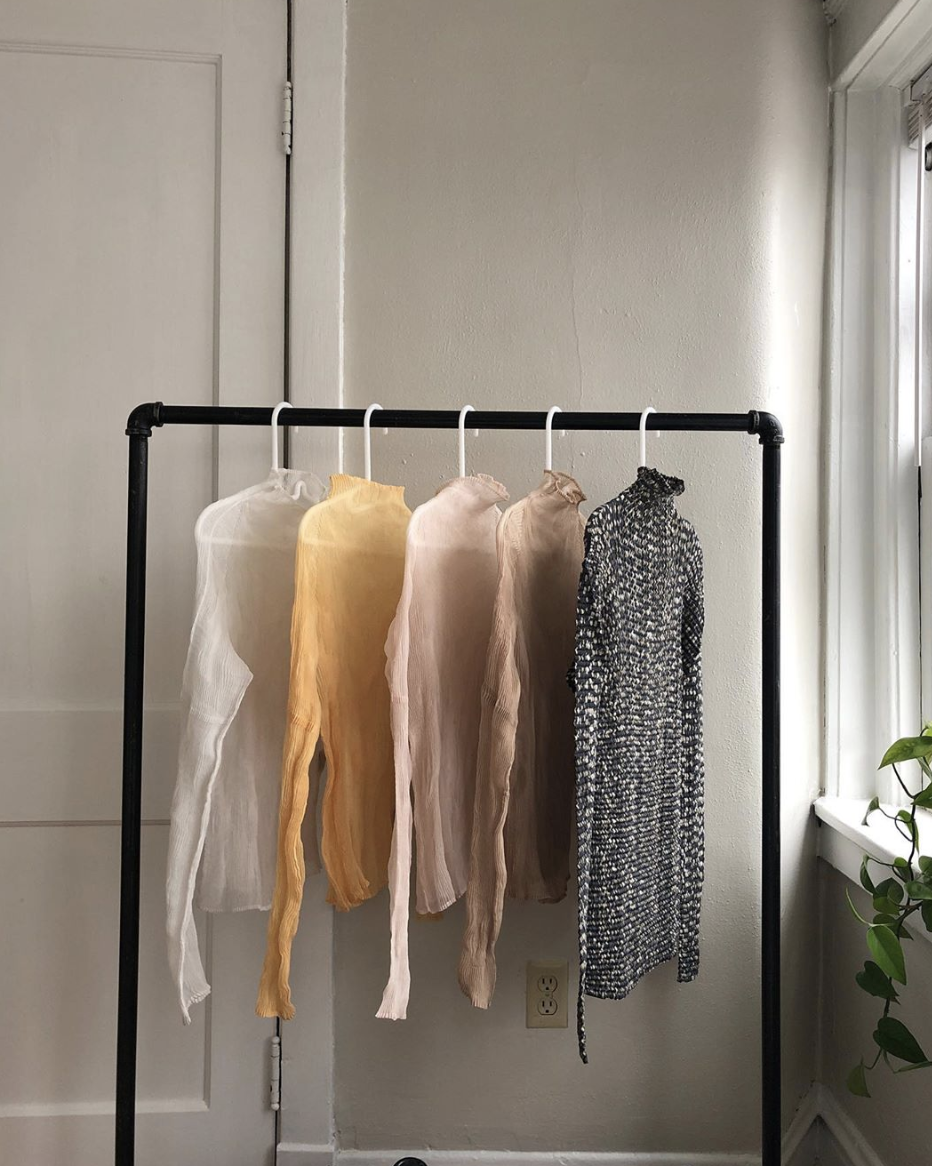
Some of Piero D’Angelo’s living garments, grown out of lichens. Images via

Piero D’Angelo, Graduate of Textile Design at Central Saint Martins and Womenswear at The Royal College of Art, proposes a new type of couture that centres on one bold concept: growing your own garments to live beyond your wardrobe.

Like something straight out of science fiction, D’Angelo focuses on how biotechnology can be applied to fashion and textile development. He works with BioTech Lab Open Cell to produce garments that are entirely composed of living organisms, which depending on the biotechnology involved, can be manipulated to produce one-of-a-kind couture ensembles.

One of D’Angelo’s Bioscent generated garments. Image via

One of D’Angelo’s Bioscent generated garments. Image via

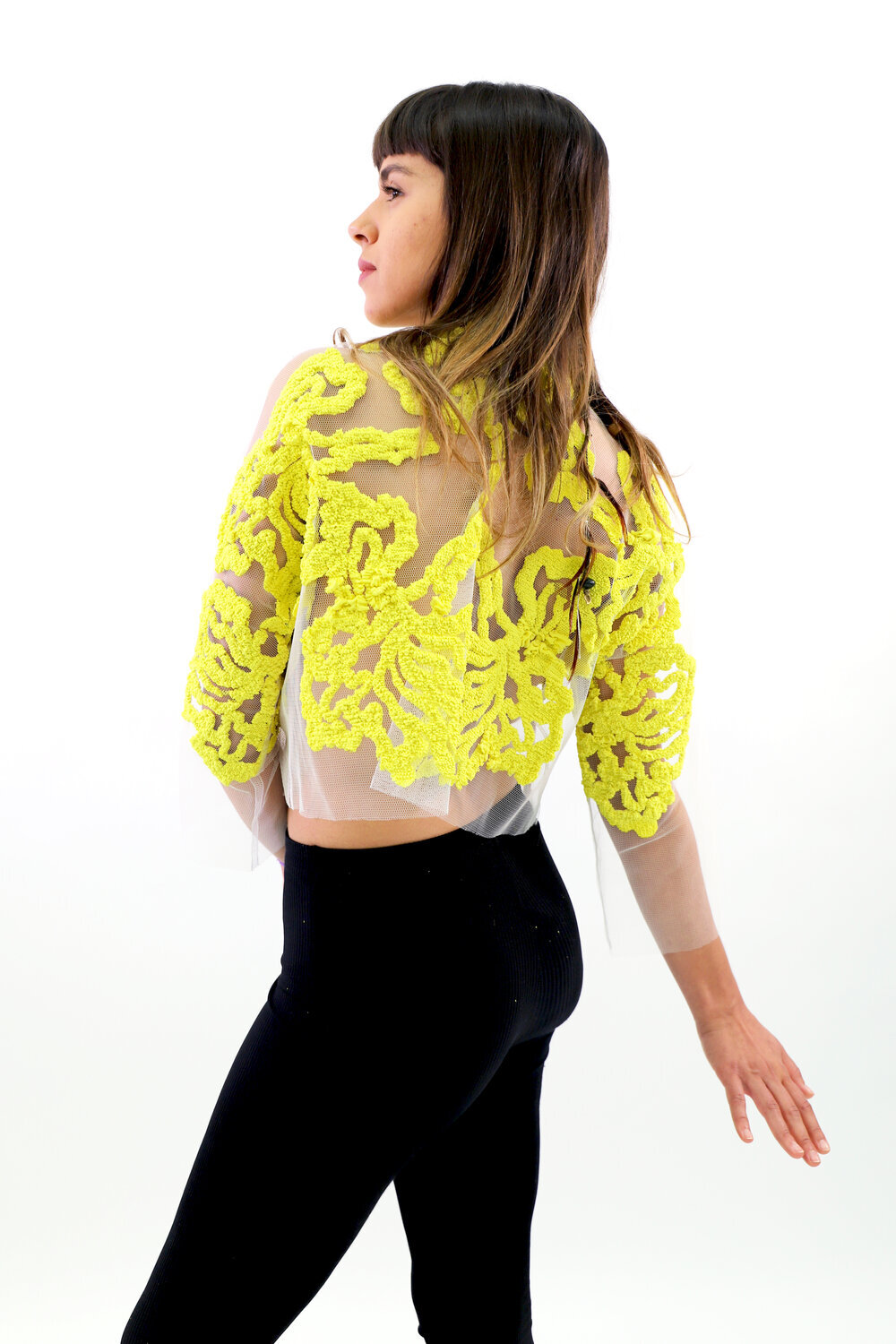
For example, one of Piero’s collections focuses on the living organism Physarum Polycephalum and its behavioural aversion and attraction to certain bioscents. Piero proposed that by taking advantage of what the organism is attracted to and repelled by, a couturier could manipulate a blank dress model with certain bioscents to grow this organism around intricate patterns, forming a living textile that resembles lace brocade. In this way, not only would you get a completely unique garment aesthetically, but you would be creating a garment that generates little to no fabric waste and mostly organic production waste. Furthermore, with the right care, the garment would continue to live on as long as the wearer does, as it is technically alive and resists decay, which is both super creepy and super cool, it’s living couture that you grow in your own home.

Though this particular proposal addresses the issues that fashion perpetuates regarding sustainability, D’Angelo is also very adamant in making fashion a solution to sustainability.

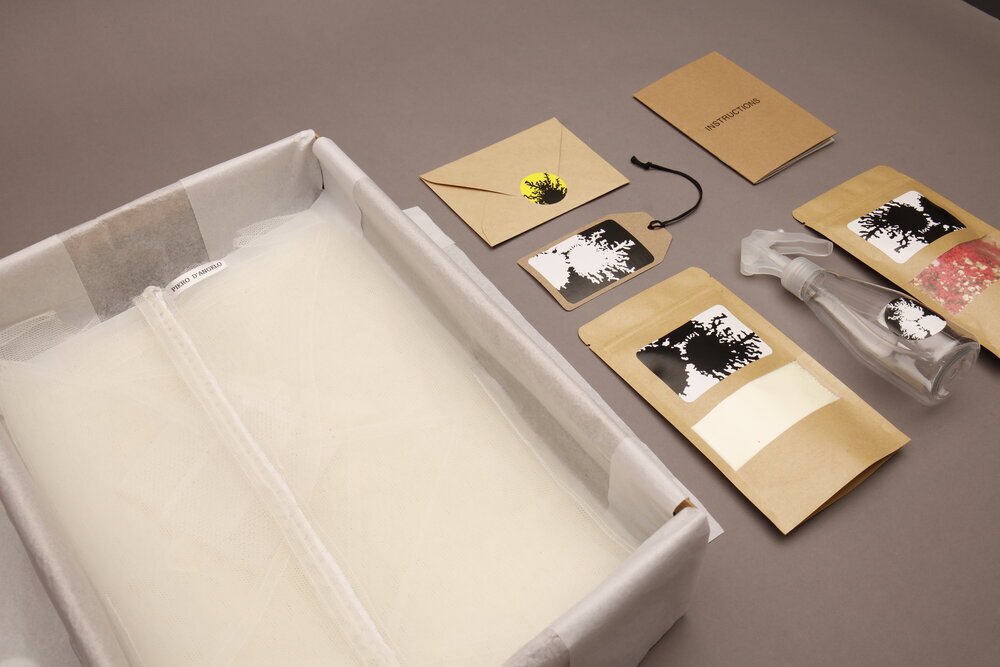
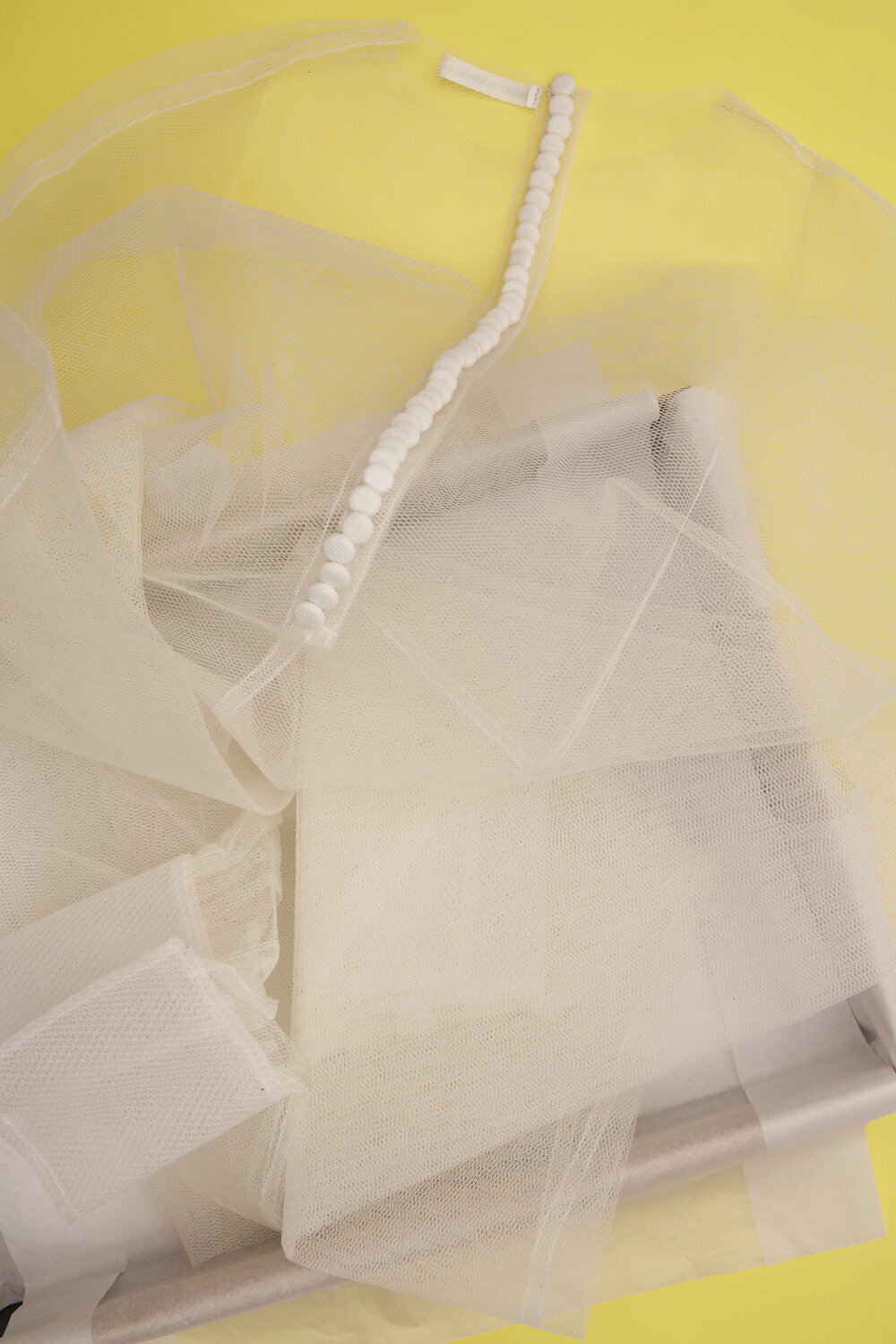
In his most recent project, which propelled him to LVMH semi-finalist status, D’Angelo once again proposed growing your own garment - but with an anti-pollution twist. Focusing on the pollutant absorbing properties of lichens, Piero D’Angelo suggests a groundbreaking wardrobe of the future in which garments we wear purify the air around us. He imagines a system in which the buyer receives a blank mesh dress form, which is then submerged in a bath of nutrients, seeds and water, and then grown into a completely individual dress of Red Lichens. And like of course we can look at this and say that it sounds weird to have something growing on your clothes, but I’m not going to lie, the dresses look incredible (peep the dress in the featured image at the top of the page). They look completely unique and very sophisticated, but futuristic and organic all at the same time, giving us more than what we’ve seen from fashion in a long time.

D’Angelo’s vision starts with a DIY kit with a mesh pattern that is submerged and grown into custom living couture. Images via

What inspires me the most about D’Angelo’s work is that he is revisioning fashion in a way that hasn’t been seen before, and in doing so, provides a completely different approach to fashion. D’Angelo’s creations bring us a fashion that returns the wearer to nature, reconnecting us to the origins of many of today’s garments, but without mass production and rapid consumption. I find his whole vision of biotechnology-fuelled garments to be incredibly romantic and incredibly fascinating, and I hope to see him cross paths with some wonderful couturiers in his career (cough Sarah Burton, cough Iris Van Herpen, hit this guy up!). I have only faith in D’Angelo’s work and hopefully we can watch his contributions to the fashion industry grow into something beautiful and sustainable.


featured image via

Nike: Looking Past What Could Have Been To Focus On What Is Now

It shouldn’t come as a shock to anyone when I say that Nike needs no introduction. The sportswear empire, which made its first public appearance in 1980, has set the standard for the entire industry one sneaker at a time. To no one’s surprise, it doesn’t seem to be slowing down anytime soon.

Tennis powerhouse Serena Williams, three time NBA Championship winner King James (that is, LeBron James), and the entire United States Women’s National Soccer Team are just a few names in the Nike family. No matter who they decide to take on, Nike always seems to be attached to victory. Even Roger Federer, one of the greatest tennis players of all time (with Anna Wintour as his number one fan, how could he not be?), couldn’t seem to let go of his Nikes after signing onto a partnership with Uniqlo.

Whether you’re a sports fanatic or not, the increasing popularity of athleisure has made it almost impossible to go about your day without laying your eyes on the famed “swoosh.” And although Nike, just like the athletes it represents, moves fast—releasing new collections and campaigns almost every month—it never gets too comfortable at the top.

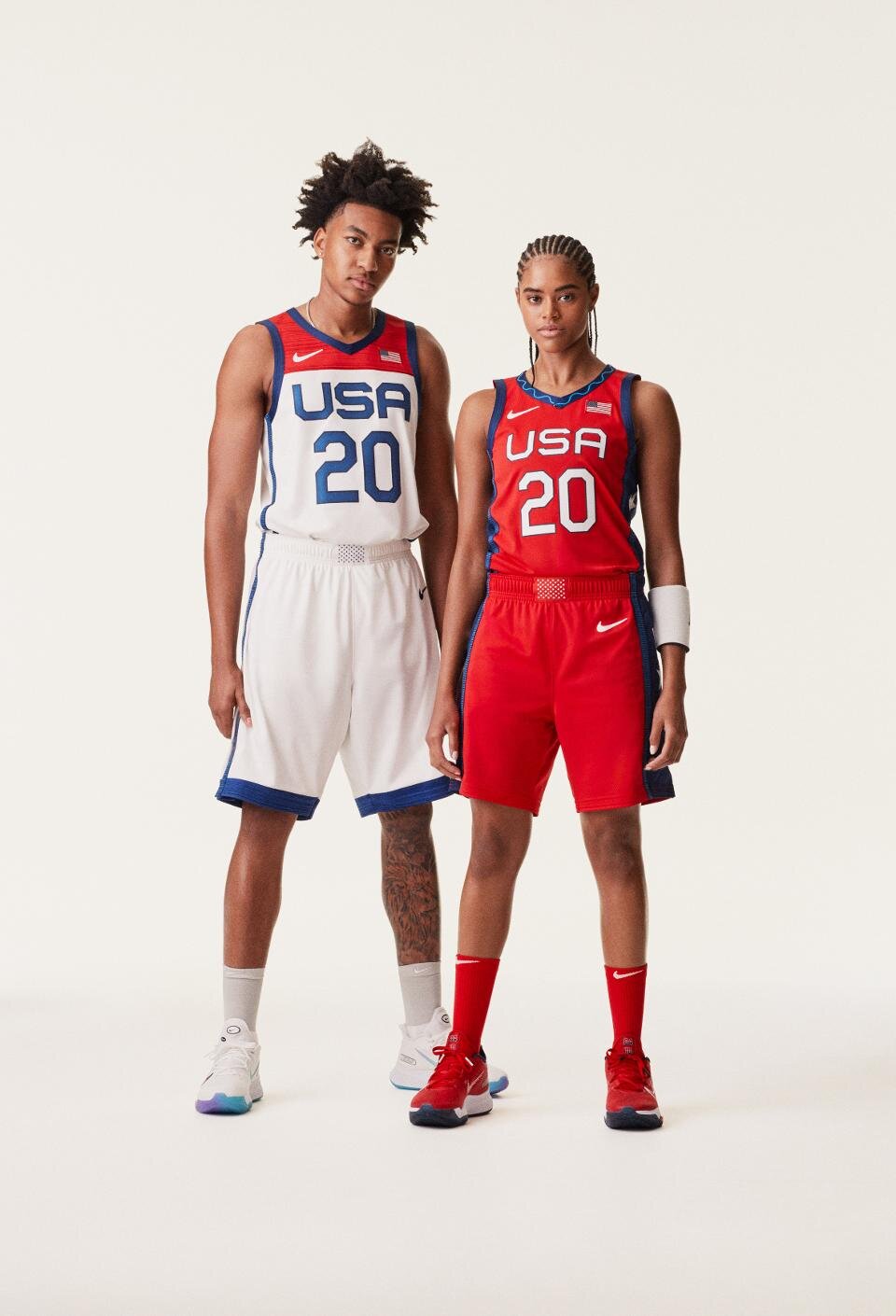
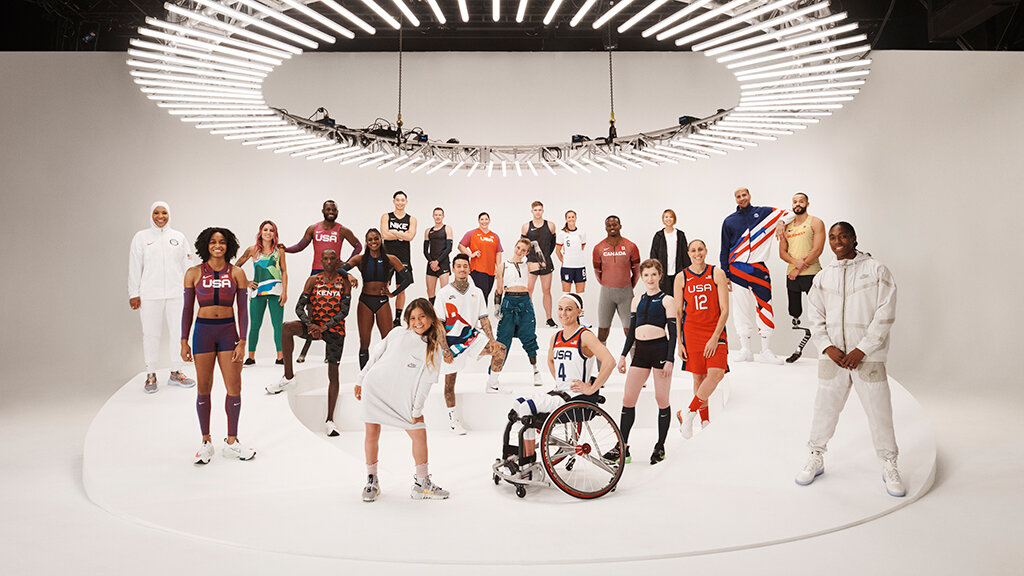
Nike models show off the Team USA medal stand attire designed for the 2020 Tokyo Olympics. Image via

Nike models show off the Team USA medal stand attire designed for the 2020 Tokyo Olympics. Image via

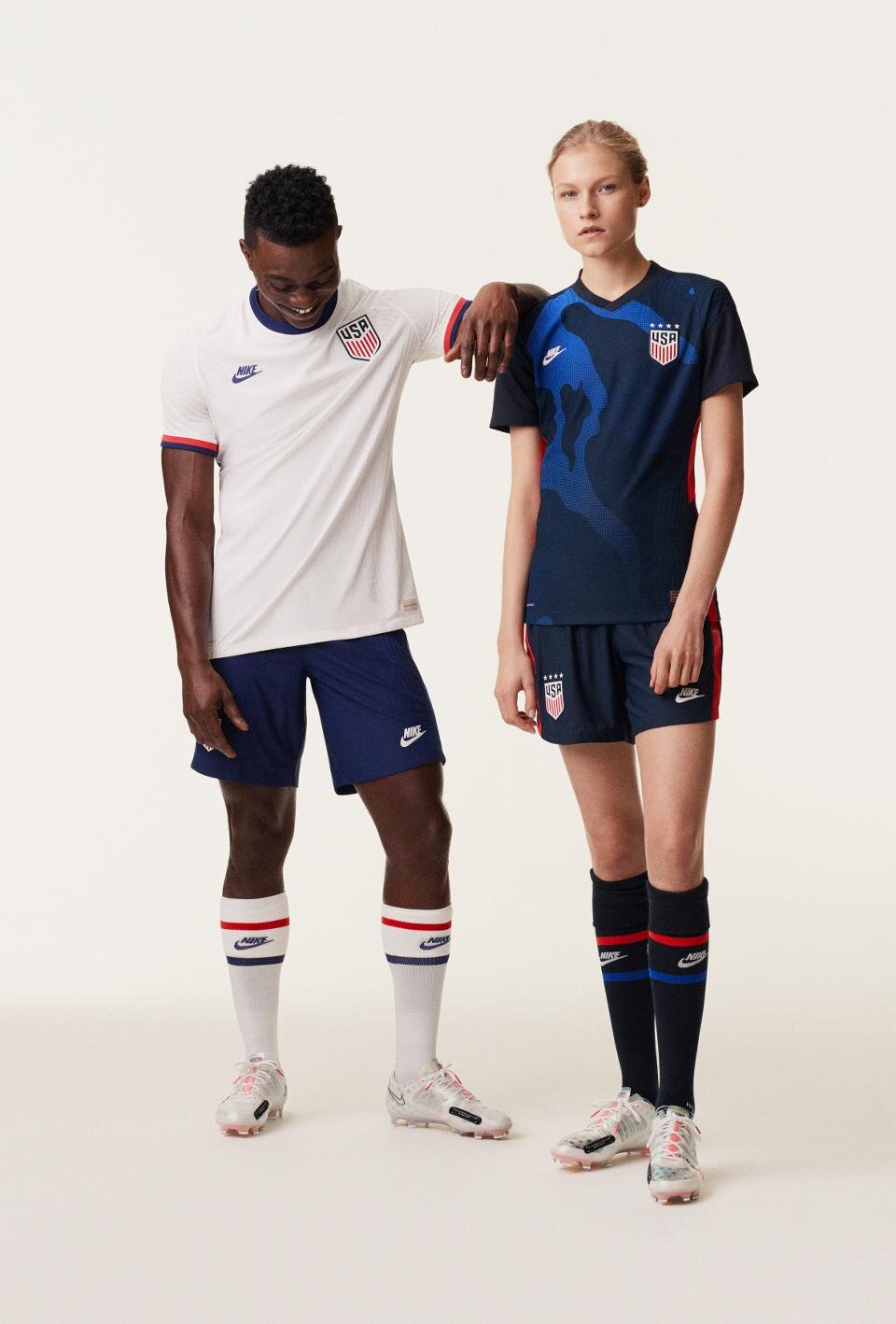
The simple, yet elegant, chevron front design creates a flattering frame for men and women alike. Image via

The simple, yet elegant, chevron front design creates a flattering frame for men and women alike. Image via

The 2020 Olympic Games were the perfect opportunity for Nike to remind the world just how monumental they can be. With the push for sustainability spreading quickly, every member of the garment industry is working to find ways to do their part to save the environment. Nike decided to take a stab at this challenge with their recent release of uniforms for the US men’s and women’s basketball teams as well as soccer jerseys for the US, Korean, and Nigerian teams. Paired with an all-inclusive medal stand and training apparel, it seems to me like these teams couldn’t have gotten a better deal.

In Nike’s newly invented polyester you can find anything from recycled plastic bottles to rubber and yarn waste from their own factories. Even the design of the new VaporMax sneakers, made with 75 percent manufactured waste, was said to have been influenced by waste piles. That’s right, waste piles. And if that’s not good enough news for you, the company reported that as a result of their active waste reduction they have managed to cut down their carbon emissions by about 30 percent.

Let’s just say Leo would approve.

Nike’s newly released VaporMax designed for gold medals only. Image via

Nike’s newly released VaporMax designed for gold medals only. Image via

The innovation, however, does not stop there. Since Nike is all about finding the balance between fashion and function, they also took the athlete’s “on-the-go” schedule into consideration. The footwear’s Flyease technology not only allows the shoes to become one with the wearer, but also allows wearers to slip on their shoes without the hassle. Additionally, in preparation for the Tokyo summer heat, all of the clothing was designed to be as lightweight and breathable as possible. How thoughtful (she wrote in the most non-sarcastic way possible).

Nike has been so deliberate that they applied their new eco-friendly techniques to even the smallest of details. Recycled waste rubber, dubbed Nike Grind, makes up the clothing’s zipper pulls, Olympic emblem, and logo. The power of Nike Grind was also applied to the drawstring cords, zipper pulls, and iconic swoosh that adorns the uniforms. They really thought of everything. At this rate, it wouldn’t be totally unreasonable to say they’re starting to reach levels of detail comparable to haute couture.

Nike prepares incoming skateboarders for victory as they take on the Olympic Games for the first time. Image via

Nike prepares incoming skateboarders for victory as they take on the Olympic Games for the first time. Image via

Team France Skateboarding uniforms. Image via

Team France Skateboarding uniforms. Image via

Team Brazil Skateboarding uniforms. Image via

Team Brazil Skateboarding uniforms. Image via

Still, my award for Most Exciting Piece in the Release probably has to go to the brand’s, for lack of a better word, cool skateboarding design, which is sure to stun viewers at the sport’s debut in the Olympics. Dutch visual artist Piet Parra worked alongside Nike’s Chief Design Officer John Hoke and team to create colorful and unique abstract designs, which are intended to celebrate some aspect of each country’s sport history. Once again, the attention to detail blows my mind.

Before you read any further, I give full disclosure that the world of skateboarding is almost completely foreign to me. The most I know about the sport is Tony Hawk’s significance to it and hearing people use the phrase “popping an ollie.” It doesn’t take a diehard fan, however, to notice that most skateboarders don’t tend to be in favor of uniforms when they’re getting in the zone to, forgive me if I’m wrong, “pop an ollie.” Therefore, much like how the collection’s medal stand shoes were designed to accommodate the athletes, the Bruin React sneakers are designed to allow skaters to feel one with the board underneath them. This way, even with the unfamiliarity of uniforms, skaters can feel one with the board. And of course, Nike’s sustainable designs also apply to their fancy new get-up. Compared to the other uniforms Nike has put out, those of skateboarding seem to have the most variations.

The women of Team France will fashion gorgeously red fitted jumpsuits, popular to American youth in the ‘60s, while Brazilians take on comfortable leggings, shorts, and jerseys, an obvious ode to the significance of football in the country’s culture. You’ll never catch me rooting for anyone other than team USA, but I’ll admit, Parra’s playful designs for both France and Brazil come close to making me question my loyalty.

But what happens if this glorious collection never gets to see the light of day?

Nike-News-PPE-Face-Shield_native_1600.jpg

COVID-19

Turning Nike Air Into Safe Air

Although certainly unfortunate, the postponement of the Olympic Games came as no surprise to anyone when Japan’s Prime Minister Shinzo Abe made the announcement in March. 

Don’t get me wrong, I love talking about fashion as much as the next person, but it would be irresponsible of me not to address the severity of what is happening in the world right now—COVID-19. Since 1896, when the first modern Olympic Games were held, there have only been three cancellations, all due to war, which goes to show that the Games’ cancellation was not taken lightly. Athletes, who have spent a lifetime training for this once-every-four year event, will have to take a step back. Japan, which according to Japan Times has already invested $12.6 billion in preparation for the games, will face a devastating blow to its economy. Even so, what has happened over the course of the past few months has, hopefully, given the whole world a new perspective on what really matters—taking care of others. 

NIKE, Inc., will provide an additional $1.6 million to help local organizations meet immediate needs…Our people and our communities have always been at the core of who we are and what we do. Nike’s leaders, the Nike Foundation and Nike have committed more than $17 million to COVID-19 response efforts around the world. —Nike Community Response, via.

Nike Air technology. Image via

Nike Air technology. Image via

There is no doubt that Nike has dominated in its work from the start, and they’ve shown how much thought and care goes into what they do through their endless collection of clothing and shoe designs. But now they’re stepping into uncharted territory. Their skilled teams have joined forces to build Personal Protective Equipment (PPE). Furthermore, the company has discovered a way to engineer full-face shields and powered air-purifying respirator (PAPR) lenses for protection using Nike-owned materials.

As Nike works hard with health professionals to take care of the doctors, nurses, and other honorable members on the frontlines, please take care of yourselves. Reach out to loved ones. Listen to stay-at-home orders, practice social distancing, and wash your hands.

Just do it.


Featured image/gallery images via. Mask image via.

Copenhagen: Making Its (Den)mark on Fashion Week As We Know It

Fashion weeks are notorious for being wasteful. Garments that are not part of ready-to-wear collections are often never worn again after they are strutted down the runway. Seeking to change the wasteful nature of fashion shows, Copenhagen Fashion Week hoped to not only provide a platform for talented designers, but to call for more advocacy efforts in sustainability. Copenhagen Fashion Week, headed by Chief Executive Cecilie Thorsmark, launched a sustainability action plan that listed requirements needed to be met by designers in order to showcase their collection. The action plan grants designers three years to accomplish the seventeen sustainability standards. Some of these standards include having zero-waste set designs, pledging not to destroy unsold clothes, and using at least 50% organic or recycled textiles in their collection. By 2021, plastic coat hangers will be banned and digital streaming will be utilized in order to reduce emissions from people flying in for the shows. By 2022, the sustainability action plan hopes to achieve a 50% reduction in emissions and have all shows be fully zero-waste.


Behind the scenes of Cecilie Bahnsen F/W 2020. Source via.

Behind the scenes of Cecilie Bahnsen F/W 2020. Source via.

I think that to be able to make a collection that builds on the collections before is part of a sustainable approach [to making clothes]. Of course, we’re also looking at our sourcing, our fabrics and our manufacturing.
— Cecilie Bahnsen
Ganni F/W 2020. Source via.

Ganni F/W 2020. Source via.

While the sustainability action plan is still working within the wasteful framework of traditional fashion shows, Copenhagen is taking the first step in revolutionizing the event. Other larger fashion week cities - Paris, New York City, Milan - can take a page from Copenhagen’s book. If designers are making individual efforts to cut out the use of animal fur and incorporate more sustainable textiles in their collections, it is a no-brainer that this change should also be applied to the platform that showcases their collections.


Feature image and featured quote via.

The Award for Least Sustainable Goes To: Awards Shows

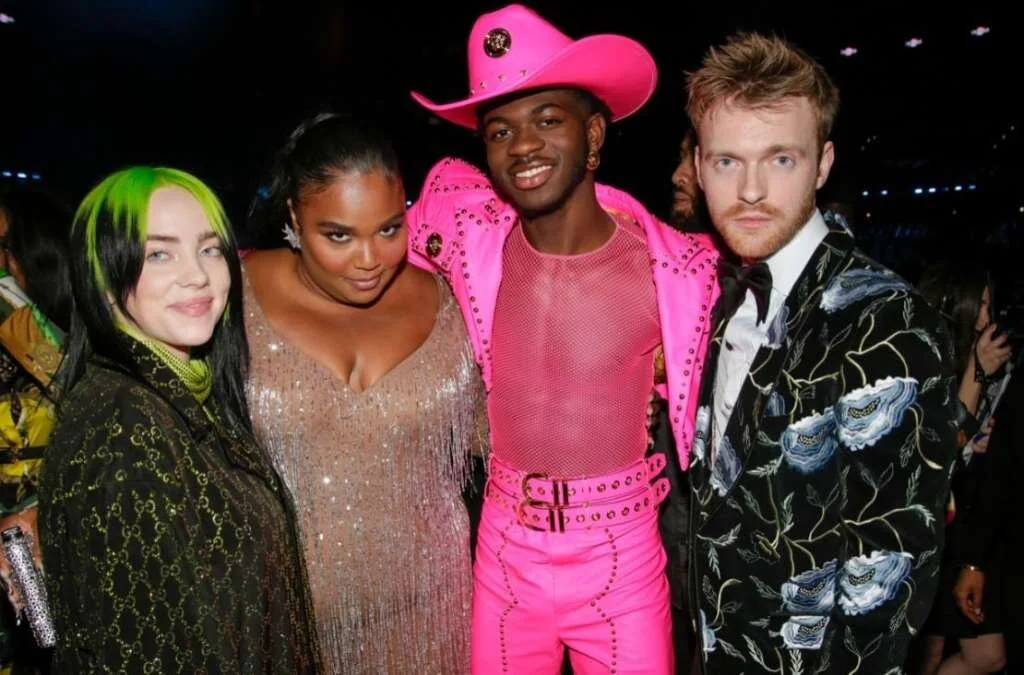
Grammy’s 2020

Grammy’s 2020

Award show season is well underway with plenty of commentary to be made about outfits, snubs, and drama, but the one thing that seems to have evaded the spotlight for the nth year in a row is the wastefulness and lack of sustainability behind the lavish yearly Hollywood ordeals.

Hear me out: I’m not coming after the practice of celebrating individuals for their contributions to music, theater, art, and pop culture in general. Instead, my point is to highlight the excessiveness of the culture surrounding awards shows. Every year, celebrities gather in events that produce massive amounts of paper and plastic waste, not to mention the environmental impact of all the one-time outfits, fossil fuels exhausted on the private jets, and limousines used for transport. 

Golden Globes 2020

Golden Globes 2020

Arguably, the private transportation—especially on the ground—is somewhat of a necessity given security concerns for some A-listers, and the non-reusable award show outfits are advertisements for the celebrities, the projects they are involved in, and the designers that create red carpet looks. It could even be argued that American consumerism and obsession with demonstrated wealth is what drives the cycle and curiosity surrounding Hollywood’s showy lifestyles. But lately it seems like those that we idolize (or those that we are conditioned to idolize by tabloids, if you want to think about it that way) reflect public and global concerns increasingly less. It is undeniable that celebrity voices have lent spotlights to foundations doing good work, and that in recent years many have been more outspoken on issues with the entertainment industry and greater injustices in the world. However, this all becomes a little sour when the hypocrisy of the institutions that they participate in is considered…

How many private jets are flown into awards shows? How about the idling lines of limos that each celebrity takes? The napkins used at every table? How much food from the on and off-set dining menus is tossed out into landfill without being touched? If we’re going to talk about the unsustainability of fast fashion, why should we keep to a double standard that wags its finger at companies that offer clothing for affordable prices to the general public rather than the amount of resources used to create single use suits and dresses for red carpets?

SAG Awards 2020

SAG Awards 2020

The fact of the matter is that celebrities have a unique platform to elevate important causes, but advocacy seems to only infiltrate Hollywood selectively. If celebrities and awards shows really wanted to set an example and take a stand for the issues that so many in Hollywood claim to be invested in, they should find ways to reduce the environmental impact of and the waste produced by these events that are attended by a relatively small circle of people. 

Re-evaluating the orders put in for supplies and food for awards shows is a place to start. Few celebrities actually eat at awards shows—instead choosing to eat before arriving—and the leftovers get put in landfill, contributing to the 3rd largest cause of methane emissions in the US. On the celebrity side, reconsidering transportation options to red carpet events and repeating outfits (quelle horreur!) are ways to reduce individual impact and start to change the wasteful culture surrounding awards shows. 

This season has already demonstrated attempts to be conscious of these concerns. The Golden Globes changed the menu to entirely vegan dishes in an effort to control for the agricultural impact of serving filet mignon for hundreds of people that likely won’t eat it anyway. Joaquin Phoenix has announced that he is partnering with Stella McCartney to wear the same suit to every award show he attends this season in an effort to reduce waste. But these are only two specific cases of change.

In a time when awards show viewership has hit the lowest point in 8 years, we need to ask whether it is enough, whether the entertainment industry is keeping up with global concerns, and whether they’ll demonstrates a willingness to walk the walk instead of just talking the sustainability talk.


Images via here, here, here, here, here.

Scroll & Shop: Best Instagram Shops to Score Vintage Pieces

In its heyday, Tumblr showed me how valuable thrifting could be. However, as a teenager growing up in suburban Arizona, I found it difficult to relate to other teenagers thrifting the most unique items at Goodwill when I seemed to always run into tattered flannels and dusty cowboy boots. As thrifting has become even trendier, I am eternally grateful for all of the online thrifting options that have popped up over the years. While everyone knows about apps such as Depop and Poshmark, there are some vintage gems on Instagram too. Here is a guide to shops that I love to browse for amazing pieces or inspiration!

Screen Shot 2020-01-27 at 1.33.38 AM.png

Following: 185k followers

Price: $$$

This shop always has the most amazing vintage pieces, especially outerwear and accessories! As this shop is quite pricey, I tend to only use their dreamy feed for inspiration.

Screen Shot 2020-01-27 at 2.10.46 AM.png

Following: 13.1k followers

Price: $$-$$$

This shop is a godsend for those seeking out vintage designer goods, with brands ranging from Issey Miyake to Jeal Paul Gaultier. Since they always feature items on their stories, make sure you’re in the loop by giving them a follow!

Screen Shot 2020-01-27 at 1.45.37 AM.png

Following: 360k followers

Price: $$

This vintage shop always features the coziest, high-quality sweaters at an affordable price point! They always seem to have sales as well, so what more could you ask for?

Screen Shot 2020-01-27 at 2.04.40 AM.png

Following: 36.7k followers

Price: $

With two physical stores in New York City, this vintage shop also sells clothes online! Awoke Vintage always stocks an eclectic mix of graphics and shoes that are definitely worth checking out.

Following: 416 followers

Price: $

While the shop is currently on a hiatus, make sure you don’t miss the next drop of vintage goodies! This shop is curated and affordable, with cardigans being about $25. What a steal!


The next time you find yourself browsing through Instagram instead of working on that p-set or finishing that reading, you might feel better about procrastinating if it’s spent shopping sustainably. Make sure to check out these vintage Instagram shops in order to find a gem that’s sure to stay in your closet for years to come!

Feature image via. All other images featured are from the stores’ respective Instagram pages, which are linked in the title.

Fitness Fashion: Keeping Us, Laborers, and the Earth Healthy

As we well know, the holiday season is in full swing. It’s a time of joy and gathering. But what happens when all the festivities are done? New Year’s resolutions. Ah, the time in which we all vow to get back in shape, eat healthily, and shed that layer of fat we gained. But how are we to stay motivated once we’ve hit the plateau of working out? One medium that always helps me: Retail therapy. What we wear when we workout is more than “flexing” on others in the gym; wearing the right workout gear can also protect you. Wearing your old college t-shirts may get the job done, but is it really keeping your skin safe? Choose clothing that lets your skin breathe, while wicking away moisture and potentially harmful bacteria. You want to feel good physically and mentally. 

Wearing the right gear can keep us motivated, but at what expense? If we wear gear that makes us feel and look good, but hurts others and the environment at the same time, have we really gained anything? In short, no, but luckily, there are more clothing companies in the world beside Nike, and here are the ethical companies to keep an eye out for in 2020:


Outdoor Voices

Image via

Image via

From their clothing, to their packaging, to their retail store locations, Outdoor Voices has both people and the environment at heart. They strive to build clothes that are made to last, while also making sure the environment lasts as well. They incorporate recycled materials into their products, package using reusable totes, and implement reused materials into their physical stores as well. They also have a goal to increase the percentage of traceable fibers from recycled sources seasonally to 80% by 2022.

Adidas

Image via

Image via

Adidas has made some real progress in the past few years in regard to their sustainability efforts. They have an entire site dedicated to outlining their visions when it comes to sustainability. Among their priorities for products in 2020 are valuing water, innovating materials and processes, and conserving energy. For employees and the like, it’s empowering people, improving health, and inspiring action. Not only is Adidas a global company, it appears that they have made great strides in becoming a global company as well.

Patagonia

Image via

Image via

We all know Patagonia cares about the environment. That’s practically what their entire brand is built on. They promote environmentalism and fair labor practice with safe working conditions. But what’s best of all is that they make more than just puffer hoodies; they have a wide range of workout gear.


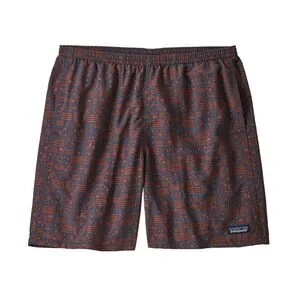
I’m really digging these shorts, right now, via

I’m really digging these shorts, right now, via

Ladies, they make workout pants, too!

Alternative Apparel

Image via

Image via

Alternative Apparel has been around since the 90s, but their mission has always been the same. They strive maintain fair and safe workplace conditions around the world. They believe that clothes shouldn’t come “at the expense of our plant or people.” Their clothes are made with organic cotton, post-consumer recycled polyester, low-impact dyes, and eco-friendly packaging. It seems clear that this company places products with faces. 

Vyayama

Image via

Image via

Meaning, “to tame the inner breath” in Sanskrit, Vyayama believes in a mindfulness that “inspires quality, beauty, and joy.” While vyayama only makes women’s clothing for now, they fight to find only the best partners for fabric and production. They ensure that all parts to their products are ethically sourced. I really like that their products have been third-party tested, so their not just boasting about this on their own behalf.

Yes, Nike makes some fly kicks and Lululemon gives some really nice reusable bags (lunchboxes?), but I urge you to know the company from which you buy. Consider supporting environmental efforts and human rights. Because in reality there’s a symbiotic relationship in the clothes we wear. Our wardrobe can make us look good, but it can hurt the earth and people who make it.

Where does your favorite sustainable workout gear come from?

Feature image via