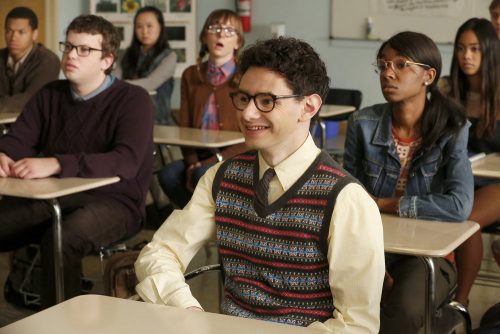
Netflix Shows for Culinary Enthusiasts

Spending time at home has inspired me to experiment with new recipes and enjoy more meals with family. On social media, food trends have surged in popularity. Some examples are the trendy Dalgona whipped coffee or more classic favourites such as banana bread or sourdough. I have always enjoyed food (who doesn’t). But, besides being consumed, food is created and shared. For some, food is a craft. For others, food means connecting with friends and family. Most importantly, though, food is fuel for all of us. These three shows on Netflix highlight the behind the scenes of food from the creation of food as art and culture to enjoyment of a dish.

1. Ugly Delicious

Ugly Delicious starring celebrity chef David Chang has become one of the most popular shows on Netflix. The title struck me at first because of its seeming oxymoron. How can delicious food be labelled as “ugly”? However, as I progressed through the episodes, it became apparent that “ugly” was meant to draw our attention to the taste of food rather than how it is prepared and where it is served. David Chang is notably known for his restaurants under the “Momofuku” restaurant groups and his collaboration with Christina Tossi on “Milk Bar.”

Each episode features a particular type of staple dish but with an examination of the meaning that people ascribe to it. In one of the episodes, he enters a conversation over whether “Domino’s Pizza” can be considered good pizza or if "tuna sashimi” can be an acceptable pizza topping. The episodes are intriguing as they prompt us to question basic assumptions about food in terms of authenticity, enjoyment, and innovation. Chang even travels to destinations such as Italy and China to taste local foods and interview chefs. Chang shows us that food doesn’t have to be 3-star Michelin to be delicious, but rather it is the fond memories and experiences that we associate with foods that make it satisfying.

Image via

Image via

2. Street Food

Spending a part of my childhood in Southeast Asia, I developed a love for street food. Bowls of laksa, hainan chicken rice, and curry could be easily obtained at unpretentious venues known as Hawker venues. Understandably, my dad had a weak spot for street food, claiming that it was comforting in a way that high-end restaurants could not compare with. The Netflix series made me extremely nostalgic, and I would say that this is a testament its ability to incorporate storytelling with food. street food is enjoyed because it is so accessible, convenient, affordable, and tasty (of course).

Each episode is set in a different region and showcases some of the signature dishes while also showing a glimpse of daily lives on both sides of the interaction (those who make the food and those who consume the food). This series manages to draw out a major cultural element that is associated with food.

Image via

Image via

3. Chef’s Table

This third show on the list is more focused on both the personal and professional lives of some of the most renowned chefs in the world. The route to a successful culinary career is paved with sacrifices and challenges from pressures from family life to the criticism faced by chefs who innovate and defy tradition. Watching this show revealed to me how chefs think about food. For some, art is expressed musically through sound. For chefs, art is expressed through a dish. Each dish is a work of art that they want to perfect and personalize to create a distinct flavour profile.

Image via
Image via

My Top Five Favorite Designers From The Next In Fashion

Netflix has definitely been on the trend of recreating versions of hit TV shows, whether they’re worth your time to watch them is up for debate (especially Love is Blind). However, I will stand behind Next in Fashion. Netflix has curated some of the best young designers in the world that are budding with talent and are waiting to be seen throughout the world. So, for the love of fashion I have complied a list of my top five favorite designers from the show (this list will be very skewed to designers who made actual progress in the show. not sorry about it).

Image via

Image via
1. Daniel Fletcher

By far the closest designer to my particular style, so maybe I’m a bit partial. However, what really stole the show for me when it came to Daniel was the way he implement vision and story so cohesively into his collections (even though I hated his glacier/global warming inspired moment). His collections were never confused on what they intended to be. In the end, what solidified Daniel as one of my tops was he show stopping silver dress he designed for the finale!

Image via
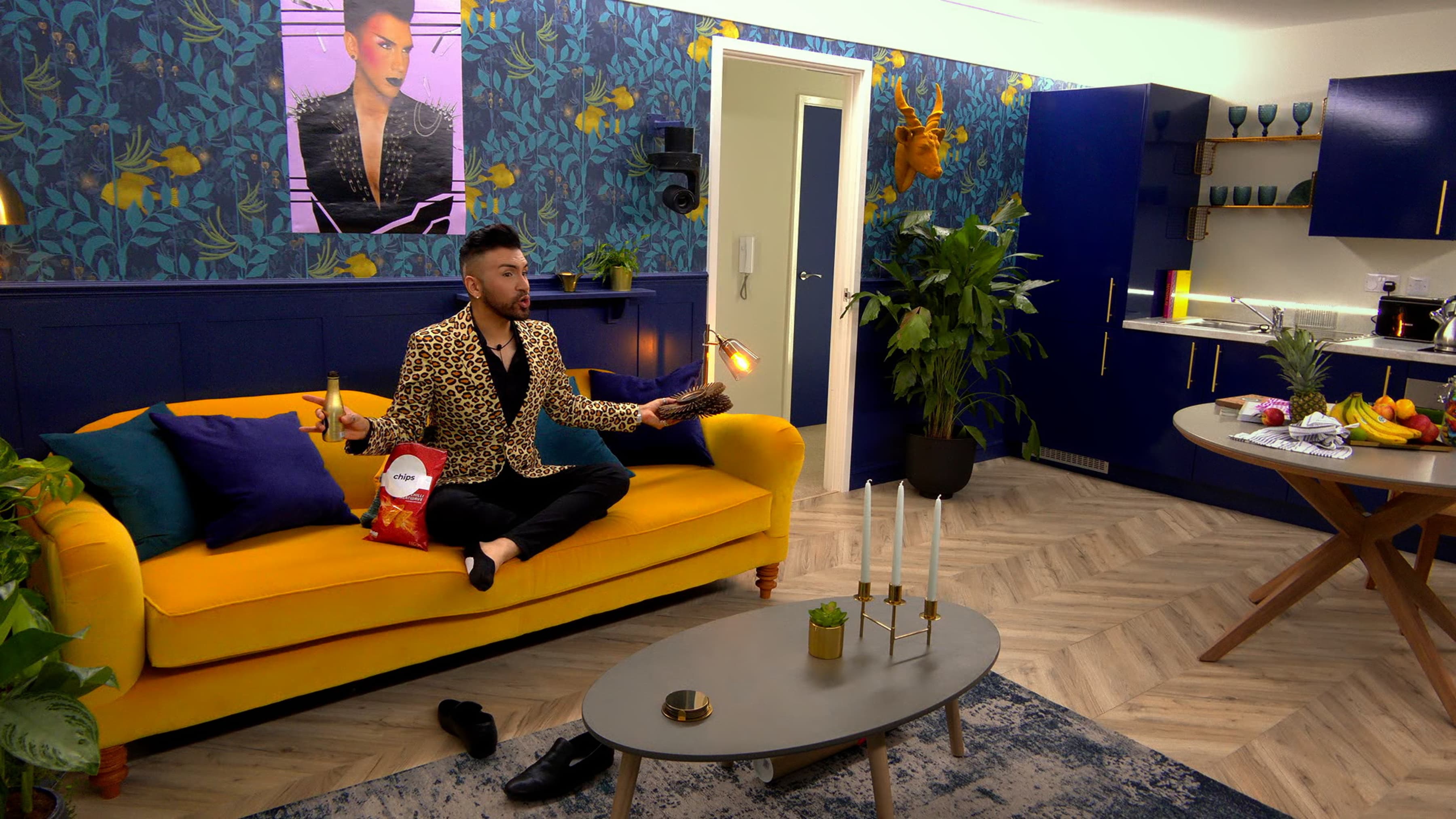
Image via

2. Carli Pearson

Carli stole the number two spot for one reason and one reason only: these pants. When thinking on her designs I tend to forget which ones were actual hers; I only tend to remember when I think of Daniel. However, I will let the fact that she designed a sick pair of pants put her in the number two spot and there isn’t much more to say on that (but like actual check her stuff out).

Image via

Image via

3. Minju Kim

By far one of the nicest people on the show, Minju literally stole the hearts of the audience. Besides her joyful demeanor, what really gives Ms. Kim an edge is her silhouettes and pattern/color mixing (re: her final collection). On initial appearance, Minju didn’t really get me excited, but she left me curious. I didn’t know what to expect from her. Yet, after the first challenge, I knew she was one of the ones to watch. When she (& angel lol) came out with this vibrant fuchsia dress on the first episode, I knew she was definitely a potential candidate for the winner of the show.

Image via

Image via

4. Claire Davis

A vibe is a vibe, and I like Claire Davis’ vibe more than anyone else (okay maybe not Minju) on the show. She is cool, edgy, and she couldn’t care less. It becomes something that is really evident her designs. I remember when she was once asked if she was worried if one of her designs was “work suitable,” and her instinctual response was: ‘not really’, reiterating her natural affinity for not caring about the rules. It was then in there that she became the one designer I knew I could be friends with.

Image via

Image via

5. Angel Chen

When it came to the team aspect of the show, it was easy for the lines to blur between which style choices were from which designer. This happened in the case of Minju and Angel’s partnership. While it did enable them to make beautiful pieces, it left me wondering how it would look if it was just one of them. Well, I finally got my answer when the designers were left on their own. It was then I found the beauty in Angel’s designs. Especially evident, the military themed episode, where the audience finally got to see the nuances in her own choice of beauty silhouette and craftsman choices (the military look for phenomenal). But like #dragonprincessforever.

With that being said, if you haven’t watched the show, but continue to watch Love is Blind, shame on you.


Featured Image via

"Miss Americana" : A Changed (& Very Political) Taylor Swift

It was spring when I landed in Midway Airport by myself, for the first time.

“Welcome to New York” blasted from my earbuds. Of course, Chicago isn’t New York. But, for the first time in my life, I was living alone in a big city. And Taylor Swift’s lyrics exemplified the pride and happiness that accompanied such a realization.

And while walking through the airport listening to 1989 is one of my most vivid memories of listening to her music, Taylor Swift has provided an important soundtrack to many events in my life. Whenever I came home from a difficult day of eighth grade or freshman year, I listened to “Mean,” to remind myself that someday I was going to be “living in a big’ol city.” Throughout high school, I listened to “Bad Blood” and “Look What you Made me Do” and “Mine.” I laughed with Taylor Swift as I listened to “This is Why We Can’t Have Nice Things.” And when I graduated from high school, I wrote my mom a thank you letter. I wanted to thank my mom for always treating me as both an equal and a friend; she always listened to me, from discussing my school day on the drive home, to reading every draft of my writing. And yet, the “right” phrasing of gratitude eluded me. And so, I turned to Taylor Swift’s lyrics, as I had done so many times before - because the lyrics of “The Best Day” just got it right. And I knew that, as I searched for the right words, Taylor Swift had them. And to this day, my Taylor Swift playlist is titled “Words,” because they have always been my favorite part of her music.

Taylor Swift performing, during her 1989 World Tour.

Taylor Swift performing, during her 1989 World Tour.

I have never been the type of person who follows the lives of celebrities closely. I don’t read People Magazine. I don’t follow the Kardashians on Instagram. I know absolutely nothing about the latest celebrity breakup. But, I always listen when the news is about Taylor Swift. I stay up until midnight for her album and music video releases. I celebrated my 16th birthday at her 1989 concert and I rushed to Target, to purchase both versions of her Reputation magazine. And I was always proud that I could support her work, even in my own small way. In short, Taylor Swift has been one of my strongest role models. She and her lyrics have been there, throughout my life - as an example of what it means to be strong without apology, of what it means to be eloquent and poised but also compassionate.

And so, when she shared her political beliefs for the first time, I supported her. I didn't agree with everything she said. I didn’t support the same candidates as her or vote for the same political party, but I respected and admired her voice. And I would never want to silence that voice.

She and her lyrics have been there, throughout my life - as an example of what it means to be strong without apology, of what it means to be eloquent and poised but also compassionate. And so, when she shared her political beliefs for the first time, I supported her.

However, I have become increasingly saddened by her failure to facilitate civility. I hoped that she would act as a much-needed voice of compassion in the political realm. And yet, there is nothing compassionate about Taylor Swift liking a Tumblr meme of herself kicking Republicans. And while Democratic fans will argue that it was one like, that single like is nonetheless significant. The Taylor Swift who I thought I knew - the one who sued for only $1, who stood with poise when Kanye took the microphone from her, and who always made time for her family and friends - was not the type of person who would ever, even jokingly, contribute to the vitriol and hatred of current American politics.

And Taylor Swift’s first political comments are especially timely and impactful, given the tension of the current American political system. No doubt, this is her point: as she discusses politics in Miss Americana, she clearly cares deeply about the beliefs she professes. She means what she says. And her efforts to support the gay community, to encourage strong women, and to spread inclusivity should be applauded. America needs more voices of unity and encouragement, right now. However, the problem is that the new, politically vocal Taylor Swift is inclusive and supportive, only insofar as her fans agree with her politics - i.e., only insofar as they too are card-carrying Democrats. 

However, the problem is that the new, politically vocal Taylor Swift is inclusive and supportive, only insofar as her fans agree with her politics - i.e., only insofar as they too are card-carrying Democrats. 

And by dismissing and critiquing all Republicans, Taylor Swift not only fails to recognize the many strong Republicans actively working to improve America, but she also encourages the current climate of hateful political rhetoric. After all, as politics become increasingly emotional for Americans, there’s a frightening tendency for individuals to view their political opponents, not just as people with different policy solutions, but as immoral, despicable enemies. We now live in a country where liberals are wrongly mocked as “pampered, latte-drinking snowflakes” and conservatives are erroneously dismissed and silenced as “uninformed, deplorable, bigots and racists.” And the problem is that both sides talk past one another. And there is no room for progress in a country so divided. If Americans can’t unite over their similarities and shared interests, then they have no hope of reaching solutions that work for the entire country. 

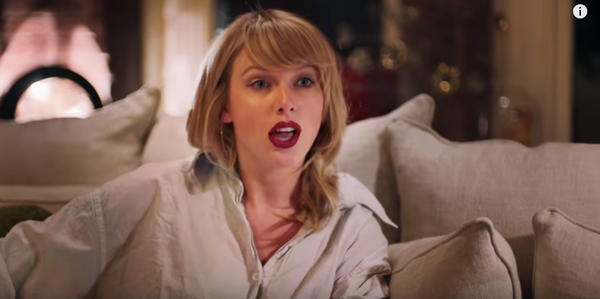
Taylor Swift speaks in the Miss Americana trailer.

Taylor Swift speaks in the Miss Americana trailer.

And angry political lamentations or spur-of-the-moment political tweets by celebrities don’t inspire thoughtful bills in Congress, nor do they facilitate introspection or encourage civility. On the contrary, American politics have become extraordinarily uncivil, while pop culture has increasingly become an echo chamber. 

As such, when Taylor Swift entered the world of politics, she possessed - and still possesses - an extraordinary opportunity to act as a voice of reason and nuance.  I hoped that she would acknowledge the complexities of modern American politics. And more than that, I hoped that she would learn from her own experiences, suffering from the critiques and whims of the masses. Her Reputation album, and her “Blank Space” music video, were both highly intelligent, humorous responses to the critiques of her naysayers. Rather than descend to hatred when she was mocked and dismissed, Taylor Swift has built a record-shattering career by rising above the animosity. And she of all people should know how painful it is to be dismissed beneath a label. 

I therefore hoped that she would work hard, not to dismiss all Republicans or all Trump Supporters, but to carefully highlight the policies she cares about, and to conscientiously advocate for the reforms she supports. In other words, I hoped and expected that she would be careful not to malign or dismiss an entire political party - especially when that population contains many of her most avid fans (just as the Democratic Party also contains many of her biggest supporters).

The point here is that people enjoy Taylor Swift’s music, regardless of their political beliefs. And she built a platform, undefined by political affiliations. By singing about mean girls and awful breakups and new beginnings, Taylor Swift has always appealed to the most vulnerable, human characteristics of her fans. Democrats and Republicans alike have shouted the lyrics to “You Belong with Me” in their cars. Fans from across the country have cried listening to “I Almost Do.” And during an election year when America is sure to be even more divided than during the midterms, we don’t need more anger. And so I found myself disappointed by her Miss Americana documentary. There are many positive aspects of the film; Taylor Swift bravely discusses her eating disorder, her family, and her need to escape the limelight. And she still speaks with her characteristic eloquence. The difference is that her enemies, and her inspiration for her latest song, “Only the Young,” are no longer ex-boyfriends. They are Republicans. And her critiques of Republicans are less rooted in policy analysis than they are in emotion. 

By singing about mean girls and awful breakups and new beginnings, Taylor Swift has always appealed to the most vulnerable, human characteristics of her fans. Democrats and Republicans alike have shouted the lyrics to “You Belong with Me”...

And I find this new, political rhetoric saddening. Taylor Swift absolutely has the right to speak freely, and she should. But, she should also remember that her words matter; they matter to fans like me, who have looked up to her, throughout their lives. Her words matter to Republicans and Democrats alike. And, she is right to acknowledge her platform; she possesses the ability to change things. But, as she continues to fight for what she believes, I hope that she remembers her Republican fans. I hope that she remembers that we too cheered for her, during her 1989 tour. I hope she remembers that we rushed to Target to buy her new releases, that we got in arguments defending her transition from country to pop, and that we too shout the lyrics to her Lover album.

And I hope she knows that we don’t need more anger from celebrities who possess the power to unite America. 

Click here, for thumbnail image source.

Netflix Original: Cheer

Full disclosure. The purpose of this piece is to get everyone to watch the new Netflix docuseries Cheer because take it from me: this show is truly the most wholesome, exciting, nerve-racking, and emotional production of television I have seen in a while. The show is a six episode series that follows the journey of a community college cheer team towards winning a national title in Daytona, Florida. The school, Navarro College, is literally in the middle of nowhere-Texas in a town called Corsicana, yet the cheer team is known across the country, attracting students from across the country. The town truly has no other products other than an award winning junior college cheer team, so they’re kind of a big deal as you can imagine. 

gif via

While the show is focused on cheerleading, and you will see girls get thrown in the air, people flipping across the stage, and a ton of injuries, what separates Cheer from another similar reality TV counterpart like Dance Moms is the team coach, Monica Aldama. For many of the kids on the team she is the mother figure they never had; she isn’t mean but she’s strict, you won’t catch her screaming or making kids sob, but you’ll see her push their bodies to endure unimaginable pain. This show has undeniably become an instant hit and that is largely due to revealing what some of the members have gone through in their pasts and how its led them to being on the team at Navarro. You will learn of the members dealing with homelessness, suicide, losing parents, sexual and domestic abuse, and despite it all, they still choose to go to college and pursue their goal of winning a national title. 

Prior to watching this show I knew absolutely nothing about cheer, and truthfully I only started watching it because I had nothing else to do. I did not expect to laugh or cry or feel so nervous at their performance in Daytona, but I really became invested in the members. This docuseries isn’t like classic reality TV where we watch for the drama or to see grown women scream at 12 year old’s to point their toes; it was refreshing to see that people with different values and backgrounds were able to support each other towards one common goal.

The show highlights how cheer is different from other sports in that it basically ends with college–there is no professional competitive cheer, so for many of the members of the team they spend their whole lives working towards winning with Navarro College, and then are forced into retirement. If it isn’t obvious enough already I loved this show, and my only complaint is that I wish there were more episodes. And while a season 2 hasn’t been formally announced yet, I think if Netflix knows what’s good for it, they will continue the show. 

featured image via

The Crown Season 3: A Review

Now that the long-anticipated 3rd season of one of Netflix’s most popular T.V. shows is back, fans of the series might be wondering how Netflix has handled both the cast and storyline transition in season 3. Luckily for you, I binge watched the entire season and can sum it up for you. 

Image via

Image via

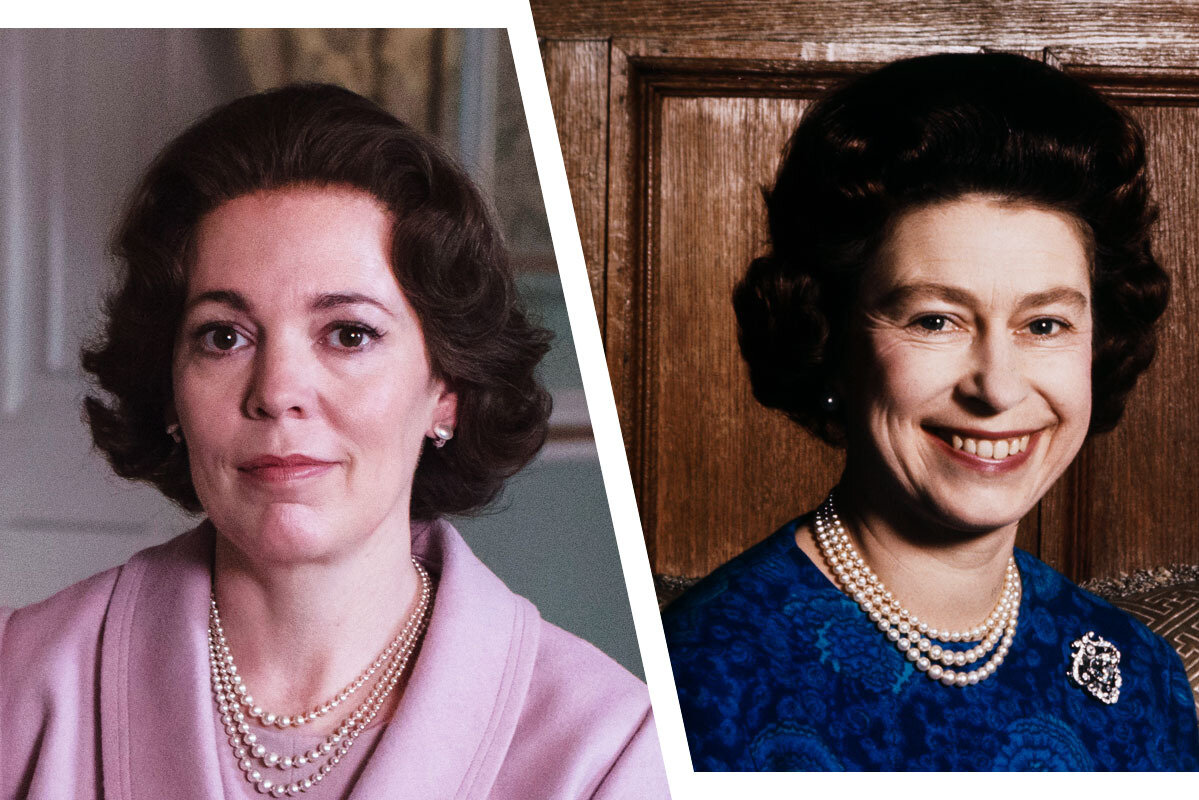
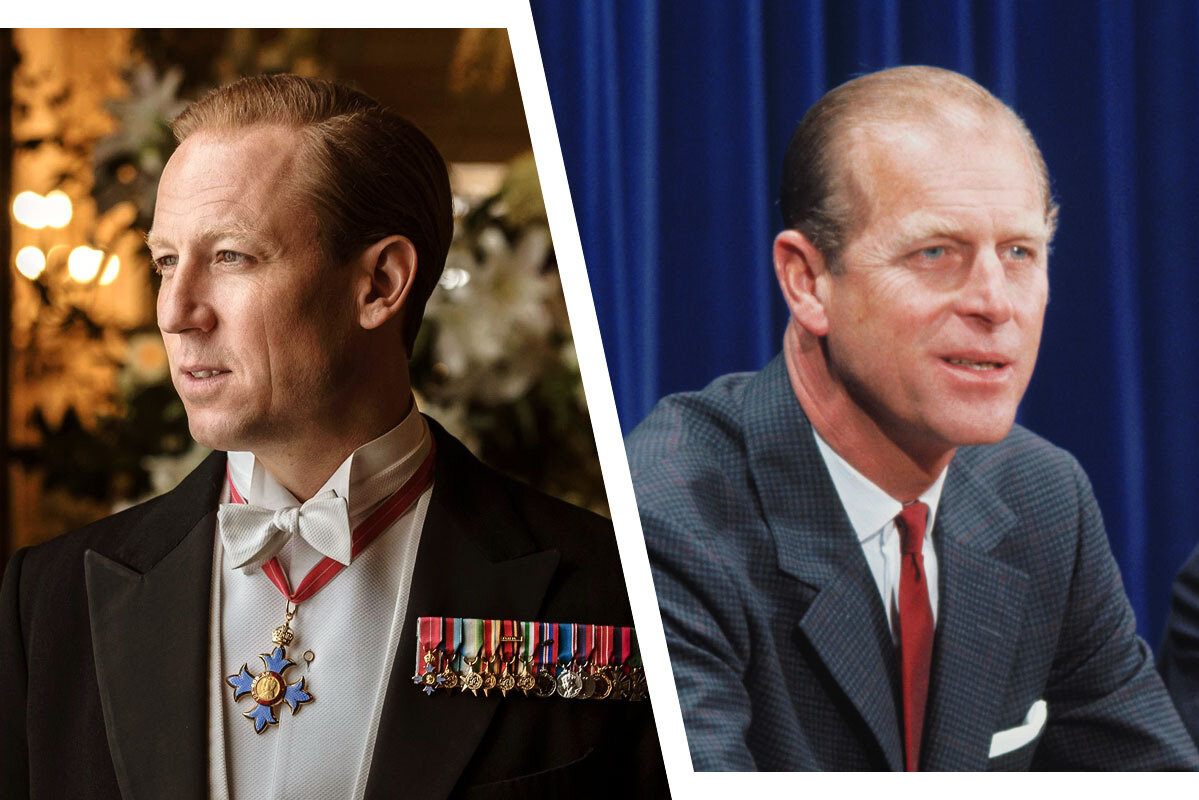
The change in The Crown’s cast had been announced a while back and Netflix certainly took care in searching for actors to fill the shoes of Queen Elizabeth and the royal family. Once again, the casting directors have delivered and found incredible talents that have some uncanny likenesses. 

Firstly, about the cast: 

Image via

Image via

Taking over the helm as Queen of England this season is Olivia Colman. Starting out her acting career in comedy, Colman has proven since then that her acting extends beyond comedy in range. Notably, she is the recipient of an Academy award, three Golden Globe awards (one of them recently for her acting in The Crown), and four BAFTA awards. She is no stranger to portraying British royals and powerful women on screen either; in 2012 she portrayed Queen Elizabeth in Hyde Park on Hudson, she portrayed Carol Thatcher in The Iron Lady (2011), and took on the role of Anne, Queen of Great Britain in The Favourite (2018). 

Image via

Image via

Tobias Menzies takes on Matt Smith’s role as the Duke of Edinburgh. Previously, he has portrayed Brutus in HBO’s Rome and Edmure Tully in Game of Thrones. Season 3 of The Crown sees his character develop further, with several episodes specifically following his struggles with religion, a midlife crisis, the perception of the royal family in the press, and a fraught relationship with his mother. 

Image via

Image via

Helena Bonham Carter steps into season 3 as an incredibly powerful choice for Margaret. You may recognize this powerhouse actress as Bellatrix Lestrange from Harry Potter or maybe the Queen of Hearts from Alice in Wonderland. She is no stranger to the big screen and, interestingly enough, has also portrayed Queen Elizabeth before in The King’s Speech (2010). Bonham Carter has worked closely with Tim Burton as well, lending her talents to Charlie and the Chocolate Factory and the Corpse Bride among other films. Her work in the arts has been recognized, including by the Queen herself: Bonham Carter is a Commander of the British Empire for her acting contributions. 

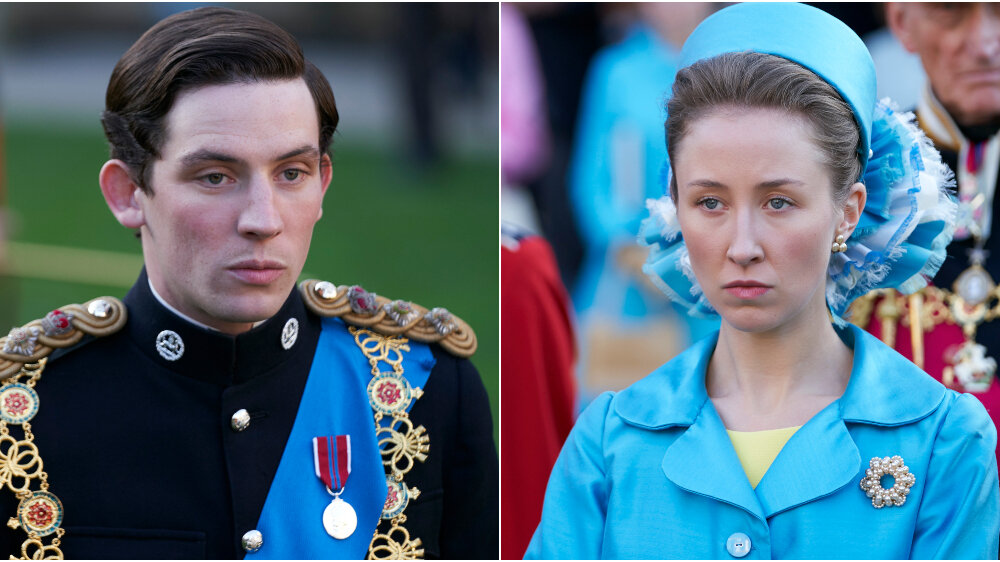
Season 3 also sees the introduction of some new faces. Prince Charles and Princess Anne, now all grown up, are portrayed by Josh O’Connor and Erin Doherty, respectively. Both young actors are active in theater, but their casting in The Crown marks a big step for them in their acting careers. Jason Watkins is also a notable addition to the cast of Season 3 for his portrayal of Prime Minister Harold Wilson. 

Image via

Image via

Finally, a review of season 3:

The first episode of the season, “Olding,” confronts the change in cast head on by incorporating it skillfully into the plot. Much of season 3 focuses on times changing and royal family members aging or growing up. Unlike seasons 1 and 2 where it seemed like each episode dealt with the royal family covering up another one of a seemingly infinite supply of scandals, season 3 follows the members of the royal family closer on a more personal level. Queen Elizabeth’s survey of her changed profile and her somewhat dissatisfied comment on the passage of time is what initially sets up this theme for the season. The dissatisfaction with aging is not limited to the Queen, however, but also manifests itself in Prince Philip’s sudden interest in athletics and cars and Margaret’s struggle to determine whether or not she has actually grown up from her unhappy habits of drinking and smoking herself into unconsciousness in previous seasons. But this is not to say that season 3 only follows the midlife crises of the central family members (although there is plenty of that), but it also gives us a glimpse into what’s coming in the future in the form of introducing Prince Charles and Princess Anne into the family dynamic. The stories and episodes authored specifically for them show a new glimpse into their strong characters and create an undercurrent of something that appears more fresh than the onslaught of press scandals caused by younger family members in past seasons. 

Image via

Image via

Keeping to the spirit of modernity and changing times in this season, the creators of season 3 don’t fail to include the adjustment the world is undergoing to new technologies and new times. While the radio was included as a supporting detail in previous seasons, the television, aviation, the advancement of visual media, and even man’s first trip to the Moon is documented now as passing detail, but is at the forefront of demonstrating the way the world is changing. The setting of the 1960s-1970s also introduces 70s fashion and patterns, which are best sported by Anne and the ever-fashionable Margaret in this season. Margaret and Anthony make a splash in America in this season, on a trip that sees many headlines and many 70s outfit choices by Margaret. Margaret’s spotlight culminates in a rowdy quasi-diplomatic dinner with Lyndon B. Johnson, a huge departure from the way the Kennedy’s were received by the royal family in previous seasons. 

Image via

Image via

All in all, season 3, despite how different it is in its approach to the dramatized series on the royal family, has managed to pull off the casting overhaul and the shift in plot scope very well. Looking forward, the cast is locked in for season 4 of The Crown, the release date of which has not been announced yet. The biggest questions left for fans of this binge-worthy series are: Where is Princess Diana??? And how much more of the timeline of the British royal family will this show plan to cover?

Thumbnail image via

What Will You Choose? How 'Bandersnatch' Is Transforming TV

When you hear the iconic dun-dun opening of Netflix, you’re usually prepared to sit back, relax and watch a television show or movie with no contribution. However, with the advancement of technology and the public’s increasing demand for something new and fresh, who but Netflix would devise an new way to consume entertainment?

Instead of the traditional way of watching films, Netflix took one of their most popular shows, Black Mirror– known for its incredible storytelling and foreshadowing of the dangers of technological advancement in society–in for a brand new direction.

Screen+Shot+2019-01-27+at+11.13.58+PM.jpg

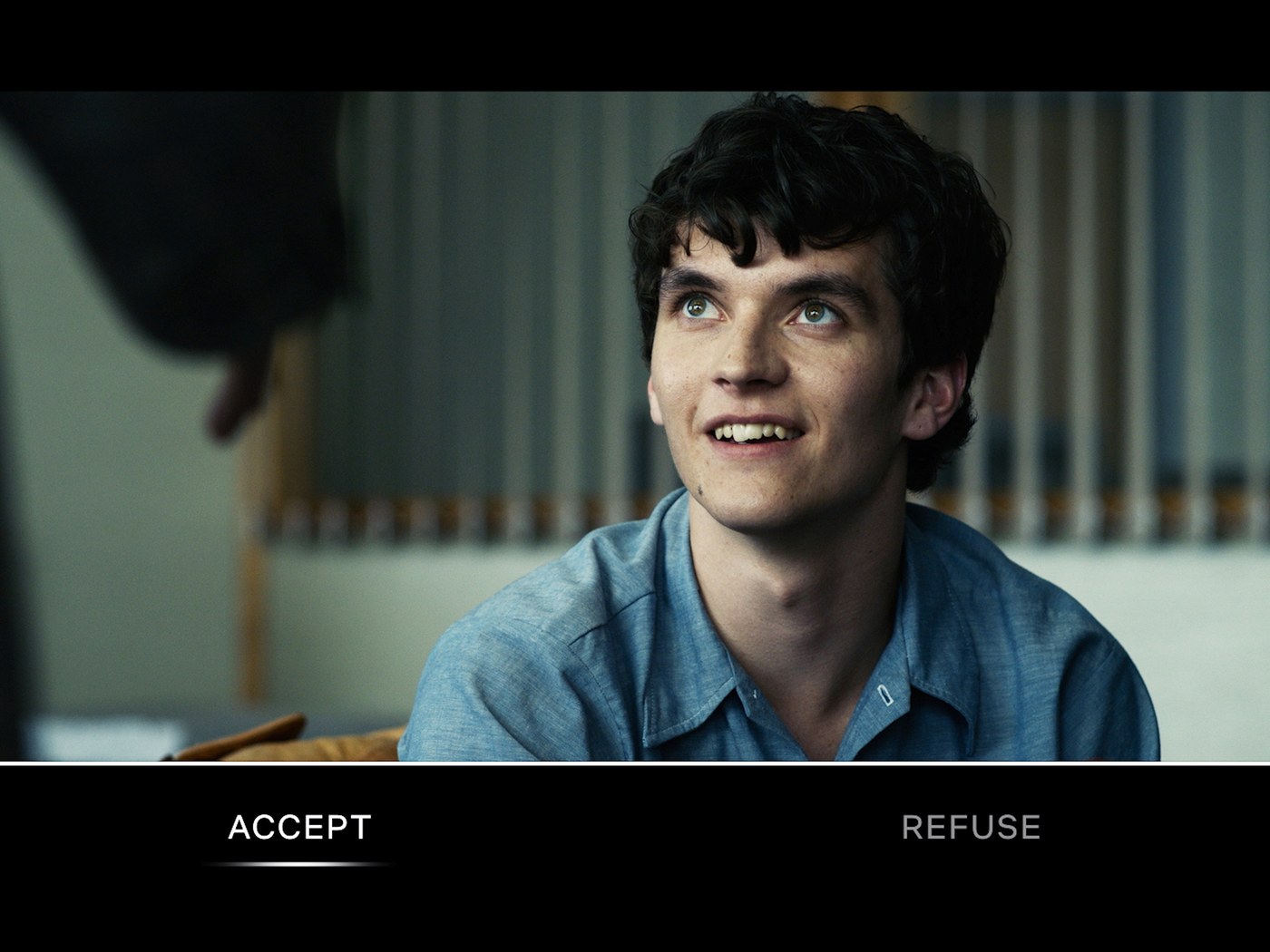
The psychological thriller Black Mirror: Bandersnatch centers around the idea of choice. The viewer is given a role in determining the narrative of Stefan (played by Dunkirk’s Fionn Whitehead) as he designs a meta, choose-your-own-adventure video game called Bandersnatch in 1984 (I allotted myself five hours to explore this project).

Although Bandersnatch fits squarely into a dystopian world seeped with horror, science fiction and ‘80s nostalgia that Black Mirror is known and beloved for (including references to past episodes such as “White Bear” and “Metalhead”), this movie stands alone from the television series.

The film took over 18 months of planning and production, beginning with Netflix working with show-runners from animated children’s’ programs, such as Puss and Boots, to create a form of media with branching narratives. Once the children’s’ programs went through, adult programming was fully fleshed out in this new medium of explorational and interactive entertainment.

BlackMirror-Culture-Inline3.jpg

When Netflix approached Black Mirror creators Charlie Booker and Annabel Jones, there was initial pushback. Concerns over “gimmicky” prior examples of interactive storytelling soon dissipated after ideas for future episodes that only worked with an interactive narrative came to the fore.

The viewer has 10 seconds to make decisions for Stefan, ranging from choosing what type of cereal he eats for breakfast to whether or not he should murder his father (I won’t give too much away). Once a play-through ends, the viewer is given the option of going back and making a different choice. The average viewing is 90 minutes, though the quickest path ends after 40 minutes.

According to IGN, there are five "main" endings, with variants within each ending; such endings may be intercut with credits, similar to other Black Mirror episodes. The interactive material is innovative in exploring the fact that not only does Stefan lack agency over his actions (and at times is aware of this), but the viewer also finds themselves constrained by the writers’ options.

Twitter user @Storni_Ale is one of many fans who have mapped out the endless possibilities with the choose-your-own-adventure film. Some of the diagrams show that when you draw the branch off of an option, you get the same symbol referred to first i…

Twitter user @Storni_Ale is one of many fans who have mapped out the endless possibilities with the choose-your-own-adventure film. Some of the diagrams show that when you draw the branch off of an option, you get the same symbol referred to first in Black Mirror’s “White Bear” episode, which is also referenced in this episode; a slight nod to the viewer who lacks almost as much freedom as Stefan.

The narrative branching storytelling method Bandersnatch utilizes has caused a massive social media frenzy. #Bandersnatch started trending on Twitter, with thousands of tweets, posts and memes created from the new storytelling phenomenon. Many fans loved the film, while come critiquing the gimmicky nature of the choose your own adventure component.

With all this hype around the film, one question emerges: will Netflix expand upon creating interactive media similar to Bandersnatch? Rumors began to circulate that they would begin working on video games after the company’s partnership with the now-defunct gaming studio Telltale. However, Netflix executives claim the intent was to advance storytelling and offer new innovative mediums to think of entertainment. As one Netflix exec claims, “we think we are onto something that could be really exciting.”

Black Mirror: Bandersnatch is now streaming on Netflix.


Are You a Fan of 'You'?

Netflix has been a little disappointing in the latter weeks of 2018 (with the grand exception of Bandersnatch), with movies that were lesser knockoffs of classic Disney movies or memeable movies that had a better meme following than the movie itself. Almost entirely converted to Hulu at this point, I took a leap of faith when I decided to try out this show that I kept seeing trailers for on Instagram: You.

Image Via

Image Via

Starring Penn Badgley, probably much better known as Lonely Boy or Dan Humphrey, You is about a stalker who pursues someone who he believes he has experienced “love at first sight” with. Without giving any plot spoilers, the majority of this show focuses on the skin-crawling, at times deadly chase of bookstore manager Joe Goldberg (Badgley) into tricking troubled English student Guinevere Beck (played by Elizabeth Lail) into falling for him. The show is currently at one season with ten episodes, though there are already rumors spreading about its second season, as the show has been received with intense popularity.

It was interesting enough that Badgley took another role in which he portrays an obsessive creep, but this show goes far past the absurdity of Gossip Girl and takes it to the next level of intrusiveness and shock value. Badgley’s character should be easily condemned by societal standards of dating etiquette, but the public reception to his character is more than unsettling. In the Twitterverse, the actor has had to shut down many romanticizations of his character, blocking any fan appreciation of Joe Goldberg’s attachment and twisted views on “romance.”

Here’s just an example of such tweets:

Fans seem unable to grasp the reality and gravity of the situations that play out in You. Perhaps it is the internal dialogue that Joe uses to rationalize his behavior in the show that allows him to easily share his vulnerability and desires with the audience. However, this certainly should not welcome empathy for such a demented character. What are your thoughts?

Feature Image Via

'Bird Box': Blind to Our Fears

Horror films have collectively monopolized the technique of the jump scare. Those peak scary moments all seem to feature elongated bouts of silence and blur followed by the unexpected, albeit very expected, appearance of some villainous entity or character. It’s this element of inevitable ambush that sparks our fears, but simultaneously comforts us knowing that what is feared has finally been seen. But what happens when we are unable to see at all?

In Bird Box, Sandra Bullock stars as Malorie, a woman who lives in an apocalyptic world suffering from global mass suicides called “The Problem.” The film takes place in three different timelines: five years prior to “The Problem,” the time period shortly before the birth of Malorie’s child, and the present day, in which Malorie carries her child and another woman’s child through the wild in seek of refuge.

A majority of the film comprises of transitioning between the past, where Bullock’s character initially finds shelter in someone’s home and is accompanied by other survivors, to her traveling with the children in the wild, all while blindfolded. In the present day, while the group is rowing through the river rapids, they carry a box of birds that can signal when danger is near.

The suicides in the film are caused by looking at mysterious “creatures,” which never explicitly appear in the film. Only soft after-effects, such as leaves whirling in the wind to signal their presence, are visible. To survive is to not see, and so Malorie and the children wear blindfolds throughout the entirety of the film. Bird Box’s perspective is rooted in blindness: the survivors are unable to see the root of their fears, and so the movie never shows it.

Arguably the most despairing element of Bird Box is that fear will never be truly conquered; it can only be internalized as some non-confrontational afterthought.

I applaud the skillful manipulation of time in this film, which requires precise forethought to coherently connect each time period. The themes presented in the movie are harrowing, and I sometimes wish Bird Box could have been directed as a silent film; the script wasn’t horrible, but I feel as if the silence could have exacerbated the artistic, apocalyptic mood in conjunction with the recurring aspect of blindness.

For me, what remains most memorable about the film is be the blindfold, and despite whatever humor the general public might strike up with it (such as the Bird Box challenge), it touches on the horrible consequences of an inability to act upon our fears.

Featured image via

Is AP Bio a Worthy Comedy Successor?

Ever since Netflix started purging my favorite shows (here we are, pouring one out to How I Met Your Mother, It's Always Sunny in Philadelphia, and LOST), I've joined the dark side: Hulu. Yeah, it sort of seems like using Bing over Google and doesn't have any cool taglines like Hulu and Chill, but it's okay, because Hulu has provided me a new show that I can't yet binge but still enjoy: AP Bio.

Image Via

Image Via

The show is based in Toledo, Ohio, where Jack Griffin is somehow teaching AP Bio to a group of quite strange but endearing high schoolers after losing his dream job to his arch-nemesis. Part of the appeal of the show for me is casting Glenn Howerton. After his run on It's Always Sunny in Philadelphia as a mastermind/borderline-sociopath that somehow still finds his way into viewers' hearts, Howerton plays the similar role of a bitter man with an undying superiority complex, but shows a different side in his sweet acclimation to the lack of city glitz and glam. The show so far has touched briefly on topics of bullying, student achievement stress, and single-motherhood, that I feel could have definitely been fleshed out more, but don't get enough credit for capturing the nuances of these topics.

Image Via

Image Via

I was partly shocked, consequently, after reading a rather scathing review of the show in The New York Times that criticized it as being tasteless. The critique focuses mainly on the low-caliber humor characterizing the show. But there's always some strange relatability to watching the antics of overachieving high school students, but when you mix that with caustic humor and misanthropy, you get the even better and incredibly amusing result that is AP Bio. It's not like the topic of rude teachers is foreign to any generation, nor is bullying. Being able to watch the realities unfold in the show presents us with realities we don't necessarily want to admit, especially to lay viewers.

But there are reasons besides the fact that I feel like I'm watching Dennis Reynolds gone Harvard that I like AP Bio so much. This show definitely takes a thoughtful and subtle critique on the egos of those in higher education and ever-prevent urban elitism. Parents simply don't care about Jack's lack of course material, the principal seeks to appease all the desires of this man who seems to really only have his credentials going for him. Why is this okay? Because he's from Harvard, as if that actually means anything at all. AP Bio gives a pretty grave reality check to those in Jack's shoes, unwilling to recognize the merits of the less educated or less privileged.

At the beginning of the show, Jack's behavior is undoubtedly problematic, but it's also changing as Jack begins to appreciate the colleagues he once saw as purely inferior and as he starts to inspire his students with his philosophical musings. The Times review seems to miss the point of the show; or maybe coming to terms with the shortcomings of urban elitism is a hard pill to swallow.

And I feel like it's definitely too soon to conclude what the show's actual content will be. Maybe you won't, NYT, but I'll keep watching.

Feature Image Via