What I learned from Superman

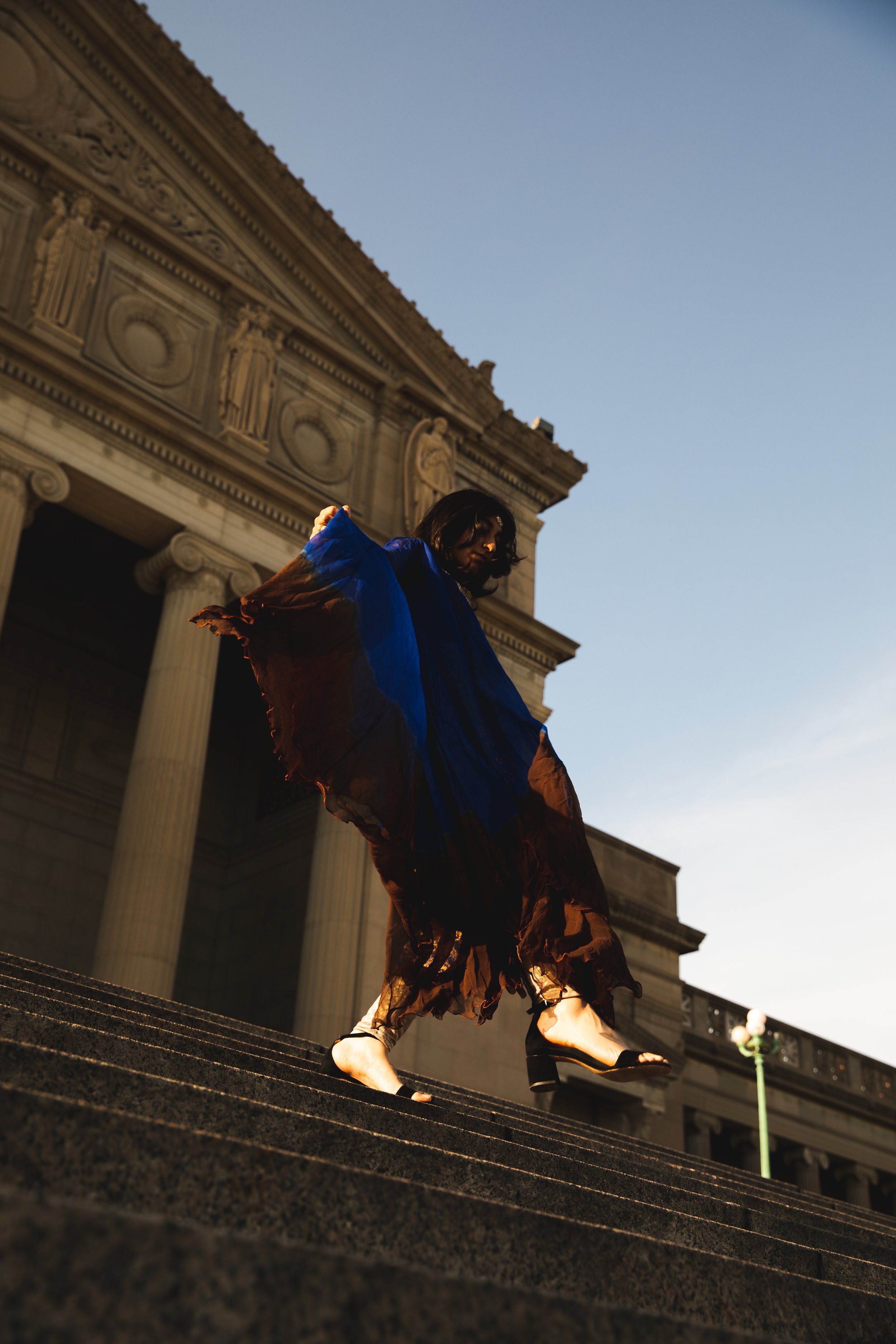
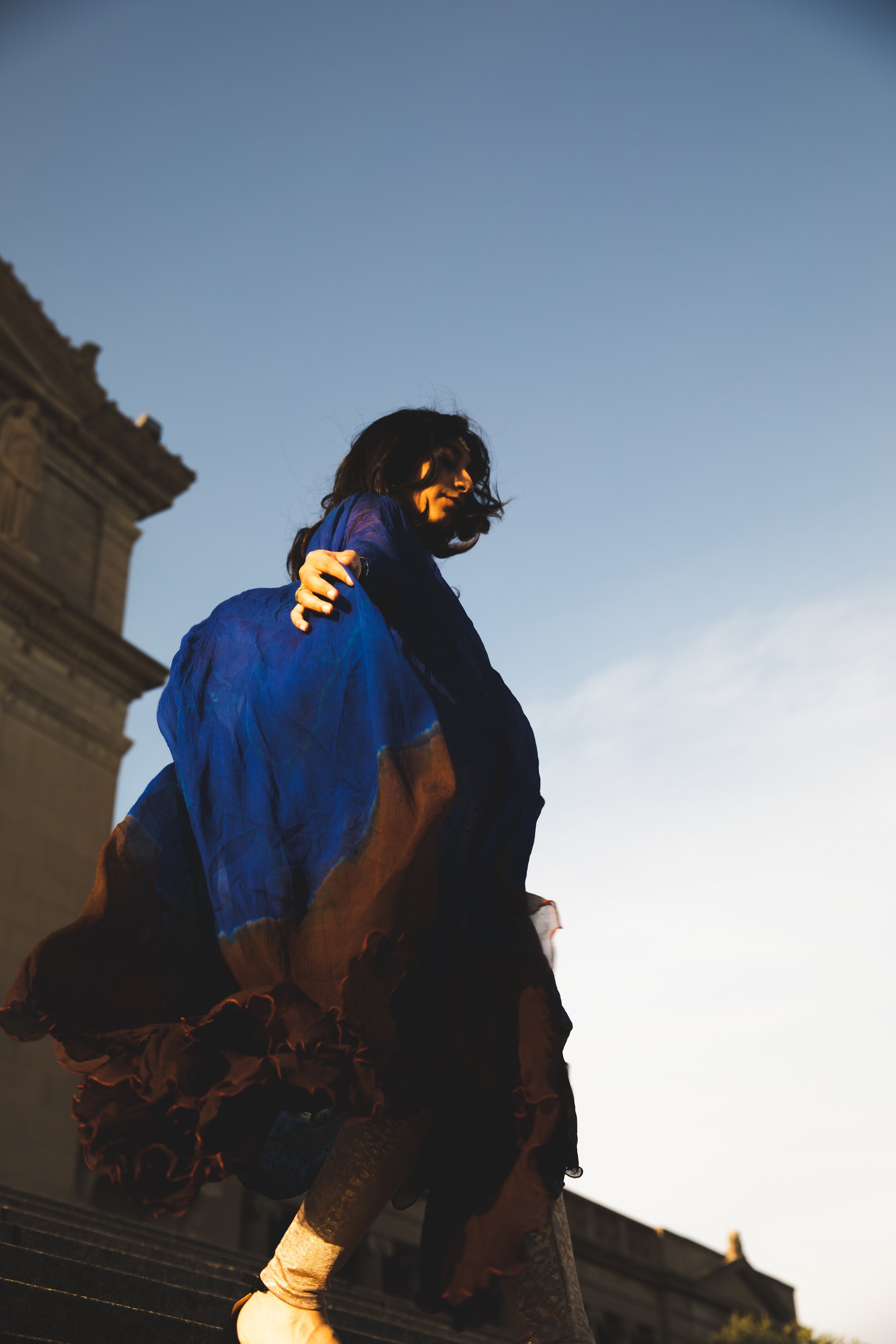
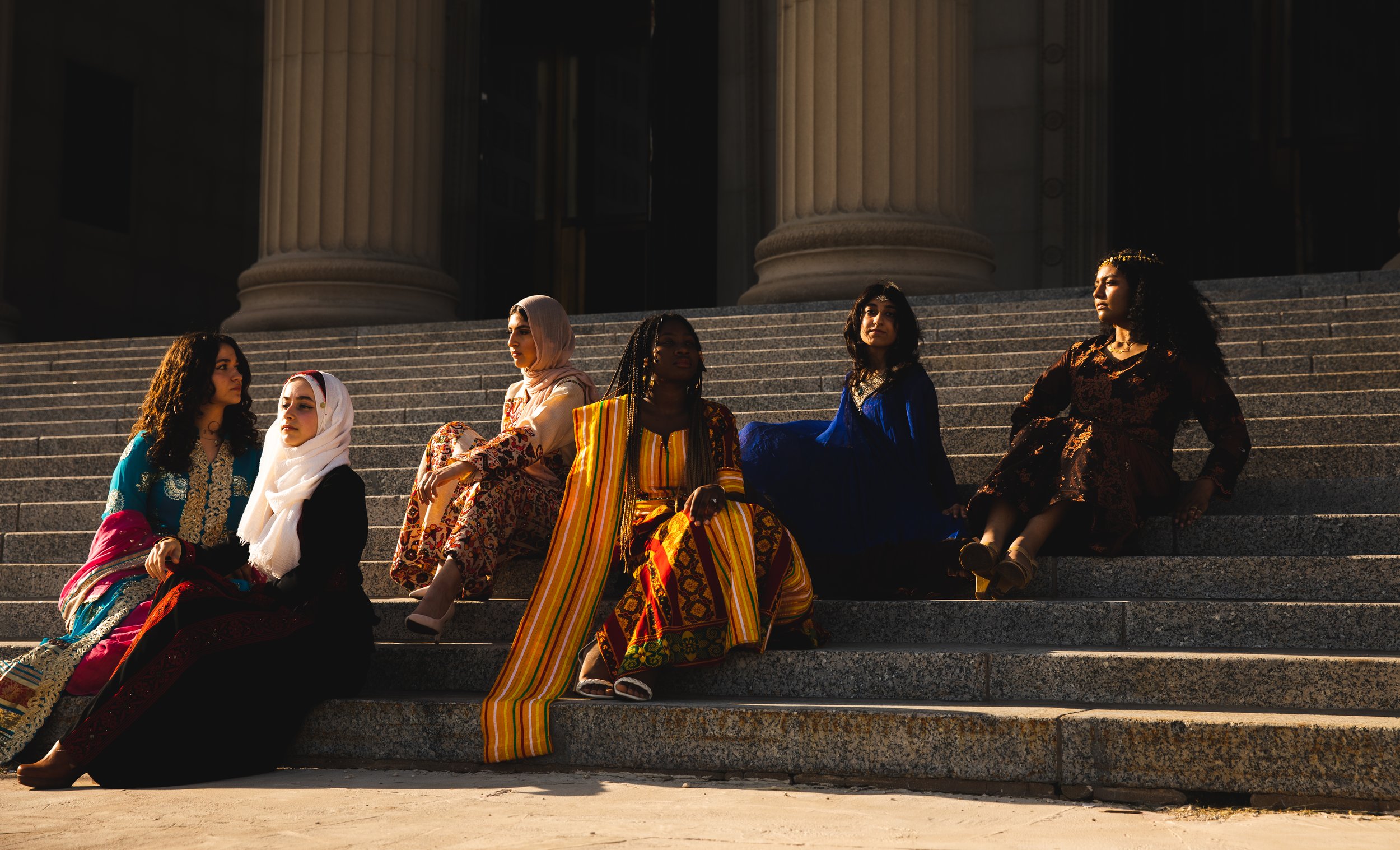
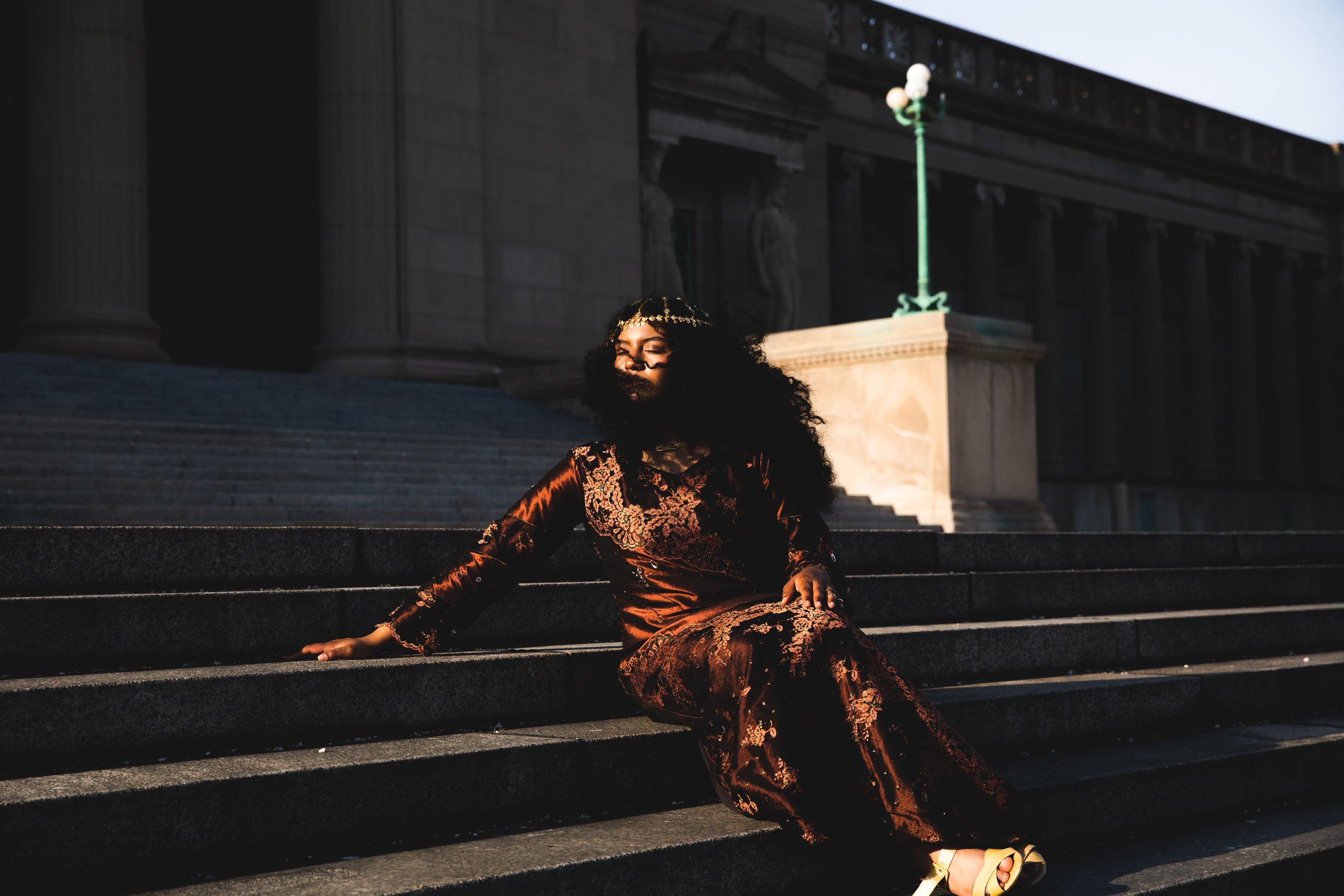
Originally, I directed this piece to be an ode to Eid Al-Fitr of the Spring Quarter, to be published as a celebration of Muslim identity and beauty. 

Today, instead, I want to write about Superman.


Originally from the planet Krypton, Clark Kent spent most of his life hiding his alien origin and superpowers. Clark Kent fabricated his identity obscuring his true background.

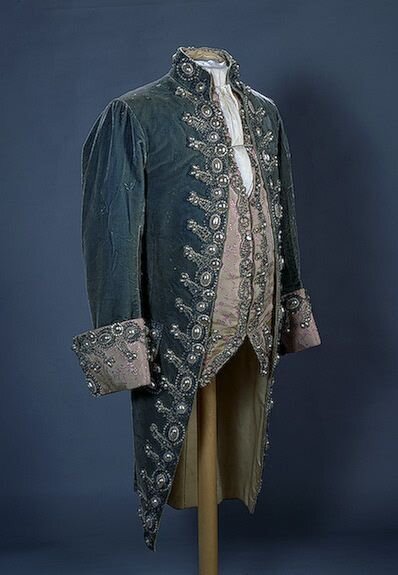
Like Superman, for years I adopted the name “Mary”, pretended my parents were born in South Carolina, and ironed my curly hair to black strings. Growing up in the South, immigrants from Middle Eastern and Muslim cultures are openly ostracized from mass media and shamed for being villains and aliens to the US. I traded traditional clothing for Simply Southern t-shirts, ignored my mother’s attempts to teach me Arabic, and morphed into the identity of “Mary” I created.
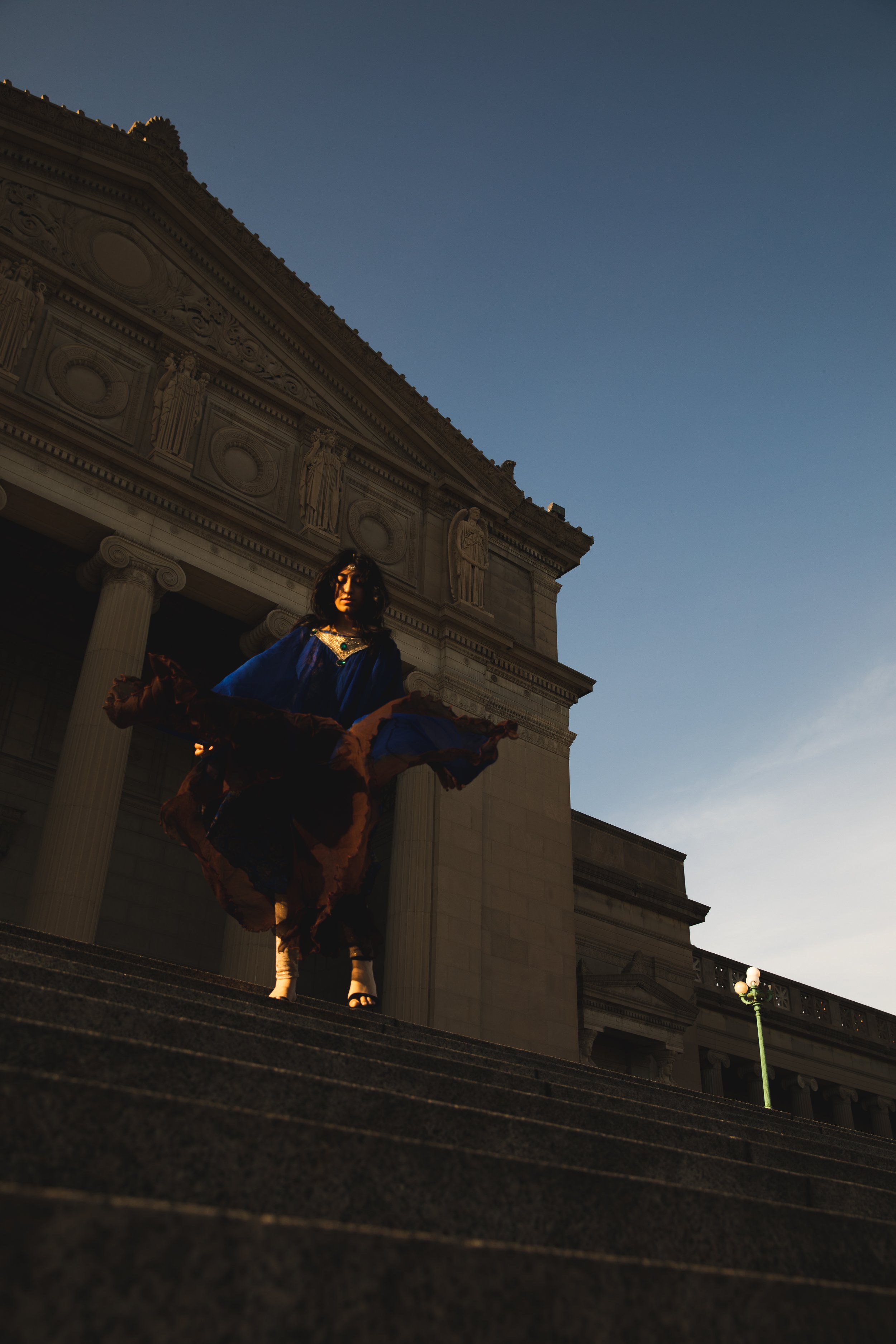
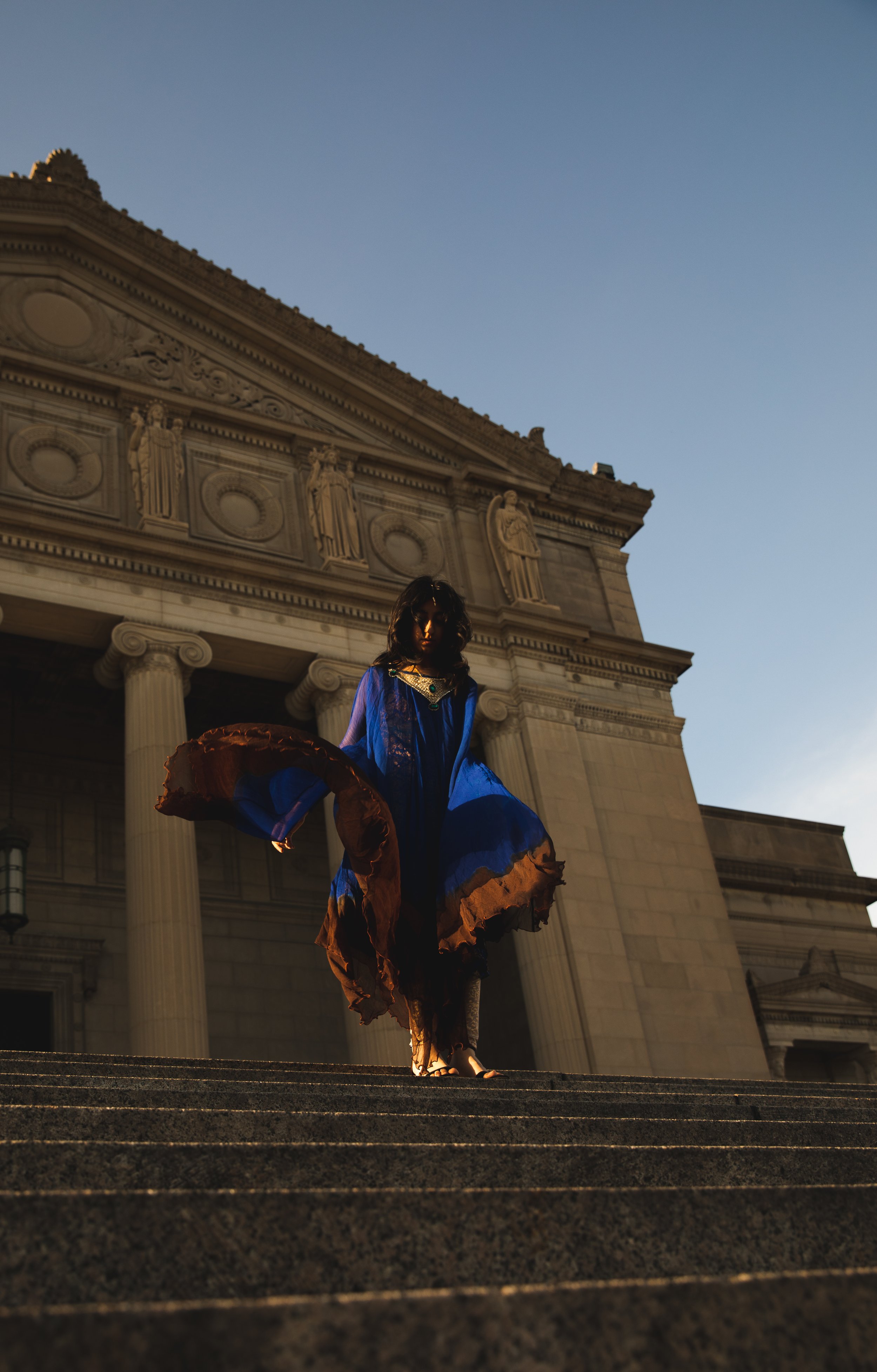
 
All I wanted was to be Mary from Greenville, South Carolina.

Yet, no matter how much money wasted, how many tears shed, how much time lost, I was never truly “Mary”. 

And in reality, I can never be “Mary”.

And honestly, I never needed to be “Mary”.
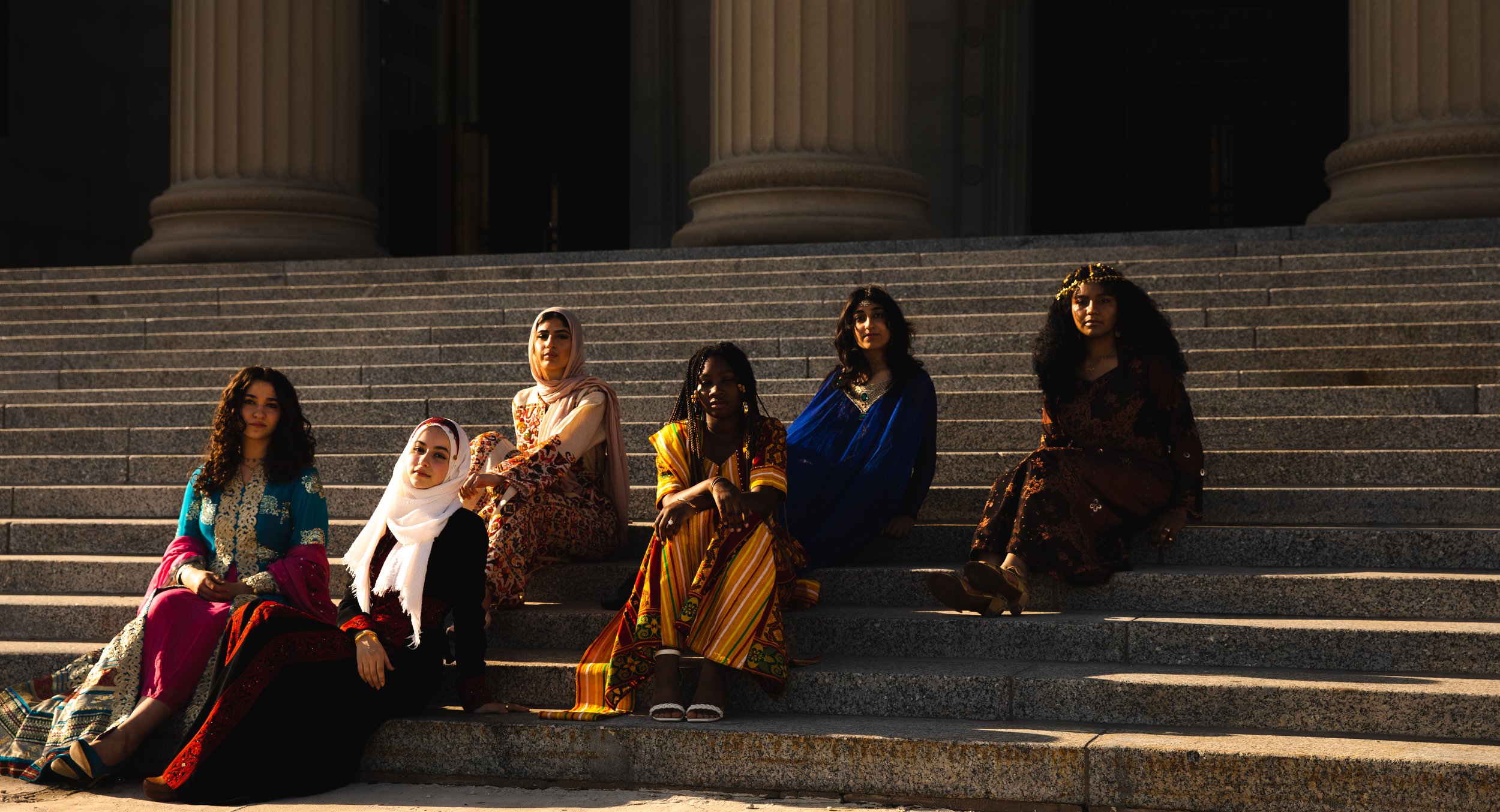
 

As my love for the idea of “Mary” grew stronger, my resentment for “Maryam” followed. There was no escape, every small detail resurrected the remnants of Maryam I learned to hate.

Substitute teachers still called me Maryam on the roll, and the strangers in grocery stores still asked me, “Where are you really from?”, but
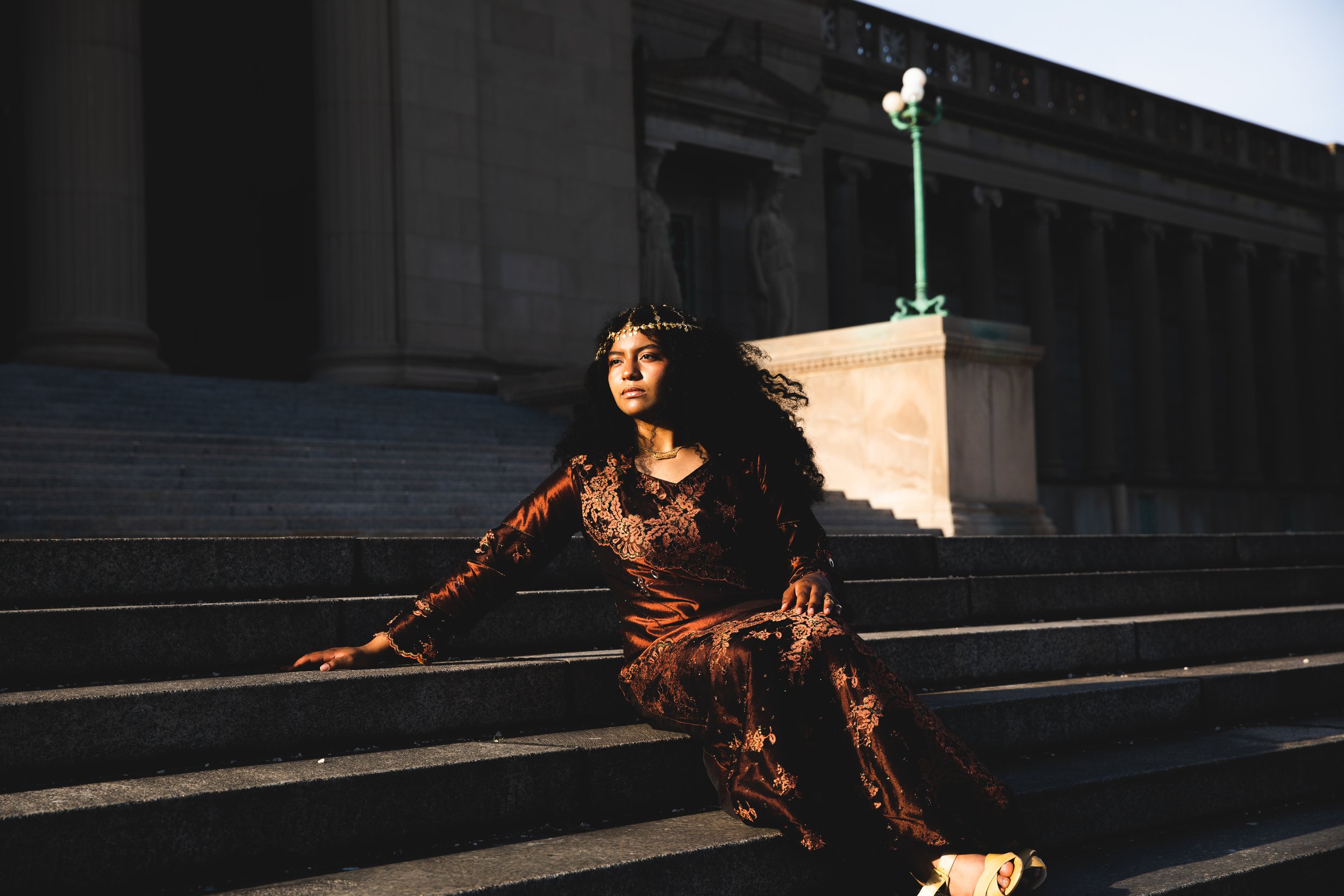
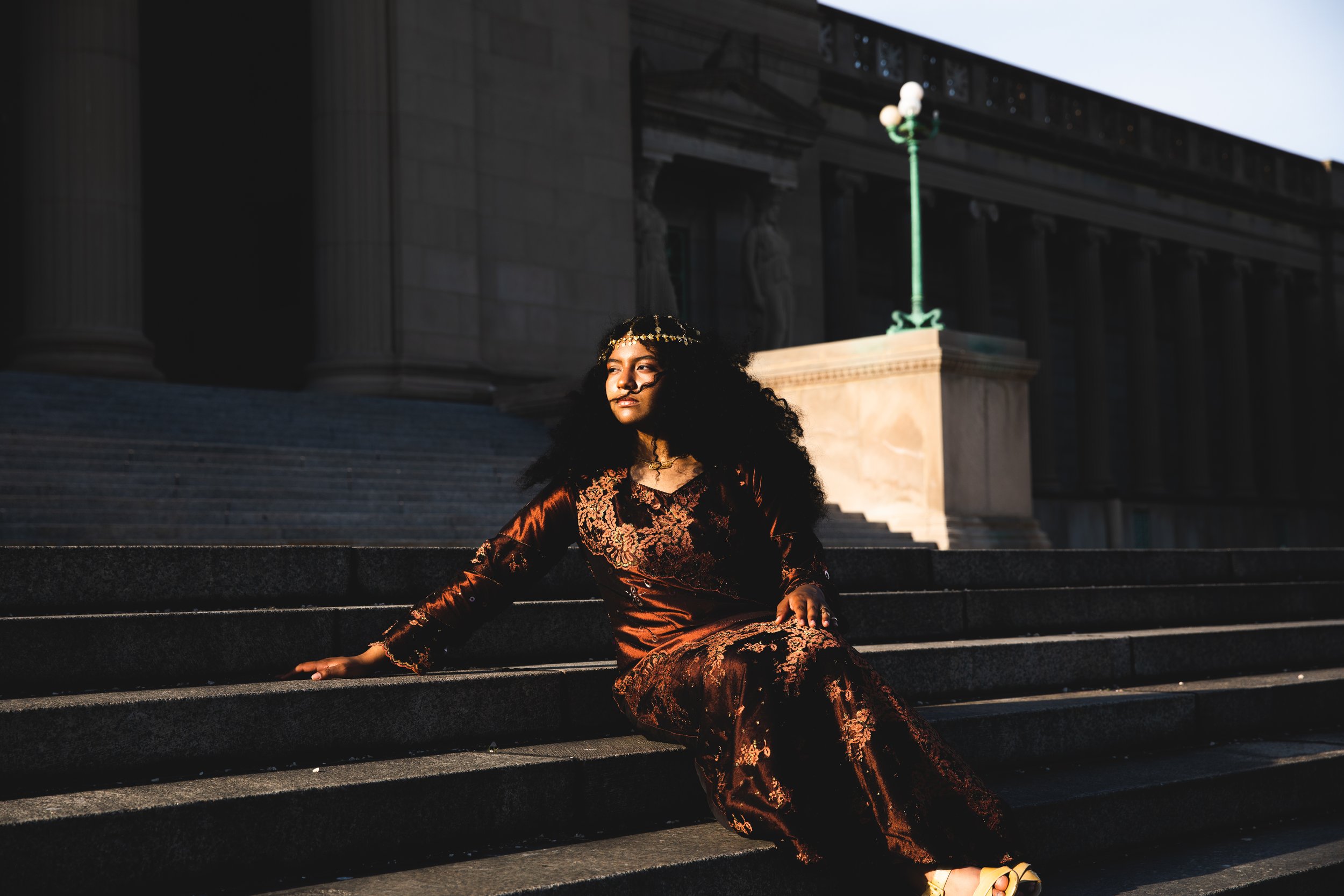
 

I believe Clark Kent teaches us all a lesson.

At his core, Clark Kent wants to reconnect with his roots, the same dilemma children of Muslim and Middle Eastern immigrants can relate to. With time, Superman and I grew to love our identity; he showcased his family crest worn at his old home, I learned to honor who I am and where I come from.

My name is Maryam Abdallah Shariff Al-Alawiy (مريم عبدالله شريف العلوي) and I will never be “Mary” again.

Photographer and Editor - AJ Gleason (link to her Instagram!)

Creative Director/Writer - Maryam Shariff

Modeled by Ameera Abu-Khalil, Aminah Ghanem, Noor Mryan, Maimouna Abdulmumin, Shaherzad Chawdree, Maryam Shariff

All clothing provided by the models themselves.
Fernweh~4: Russia

fernweh

/ˈfɛʁnveː/

farsickness or longing for far-off places

The last couple of weeks passed by as I listened to my friends in Chicago talking about how cold the weather is in the city. To be honest, and definitely not to say this out of spite, I cannot relate to any of the cold weather comments as I am currently living in a town neighboring the Aegean Sea. Of course, that comes with the region’s own flaws, such as being taken aback by the slightest of a snowfall. So, for today’s fernweh visit, I decided to accustom my warm-climate being, maybe not physically but at least mentally, to a much colder geographical place. Without leading to an exaggerated expectation, this entry’s destination is Russia. 

Traditional

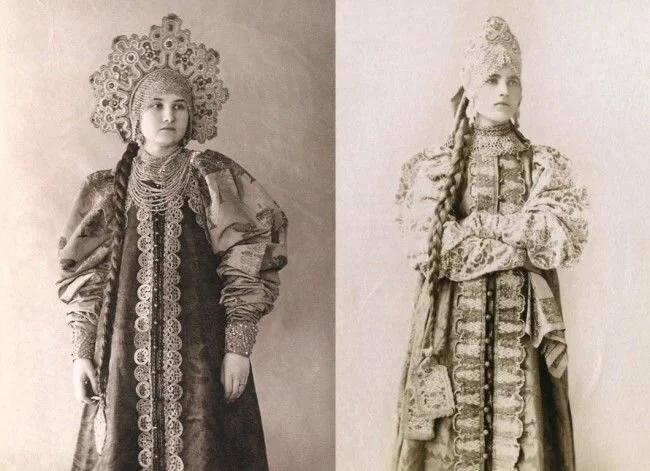
The first thing that caught my attention about traditional Russian clothing is that, in the early stages, certain garments were not exclusive to gender or class. A clothing piece called “rubakha” was worn by both women and men, rich and poor. Rubakha is a loose-fit shirt decorated with embroidery on its hem. The detailing was a very rudimentary component that disappeared slowly with time. 

Another common clothing element was, or is, as it is still used today, the “shuba.” Shuba is a coat that is covered by a layer of fur on the inside. Both men and women wore and still wear shuba to stay safe from the territory's harsh weather. 

The slight differences in clothing started to appear in the later years of Russia. Russians began showing their social status by the textiles woven into their “Sarafan,” a long, silk, velvet, or linen dress that was first used by men and then by women. Women could be further differentiated by their “kokoshnik,” a headwear that indicated their marital status. While the unmarried women used to let their hair get braided and flowered, the married women hid it below their kokoshnik. 

14th-18th Century

Like the rest of the world, Russia's clothing was highly intertwined with the politics of the time. In the 14th century, the French and Italian traders imported different clothing materials that varied in color and pattern. This, of course, affected the way Russians dressed. However, to avoid the European impact on the Russian culture, the tsars punished the people, both the natives and the foreigners, who used European clothing items or accessories. 

As you may remember from the previous section, clothing was once similar for all the citizens of the country. With the increase in wealth, the government banned the higher social classes from wearing traditional garments, such as the sarafan, as they reminded the peasants that they were “obviously” lower in status. However, starting from the top (the Russian palaces), European clothing began to be embraced by the upper-class people. The once avoided European impact was now inevitable. 

19th-20th Century

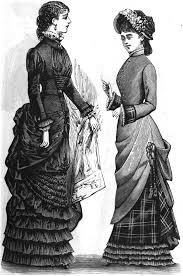
With the influence of European clothing, the French movement entered the geography. With its narrow waists, flat skirts, and high heels, the rococo style was accepted by saloon ladies and became the go-to clothing for a night out. The European touch was even incorporated into the traditional sarafan. 

Later in the 20th century, with the rise of the military-political Bolshevik movement, a more masculine, easy-to-work uniform-like clothing replaced the French style for both women and men. Comfort, homogeneity, and conformity were above everything.

With the dissolution of the USSR, as travel began to be accessible to all, designers and entrepreneurial business owners began to travel the world. This extended the vision of Russian fashion globally and led to today’s contemporary style, which is intertwined with Europe's.

Contemporary Times

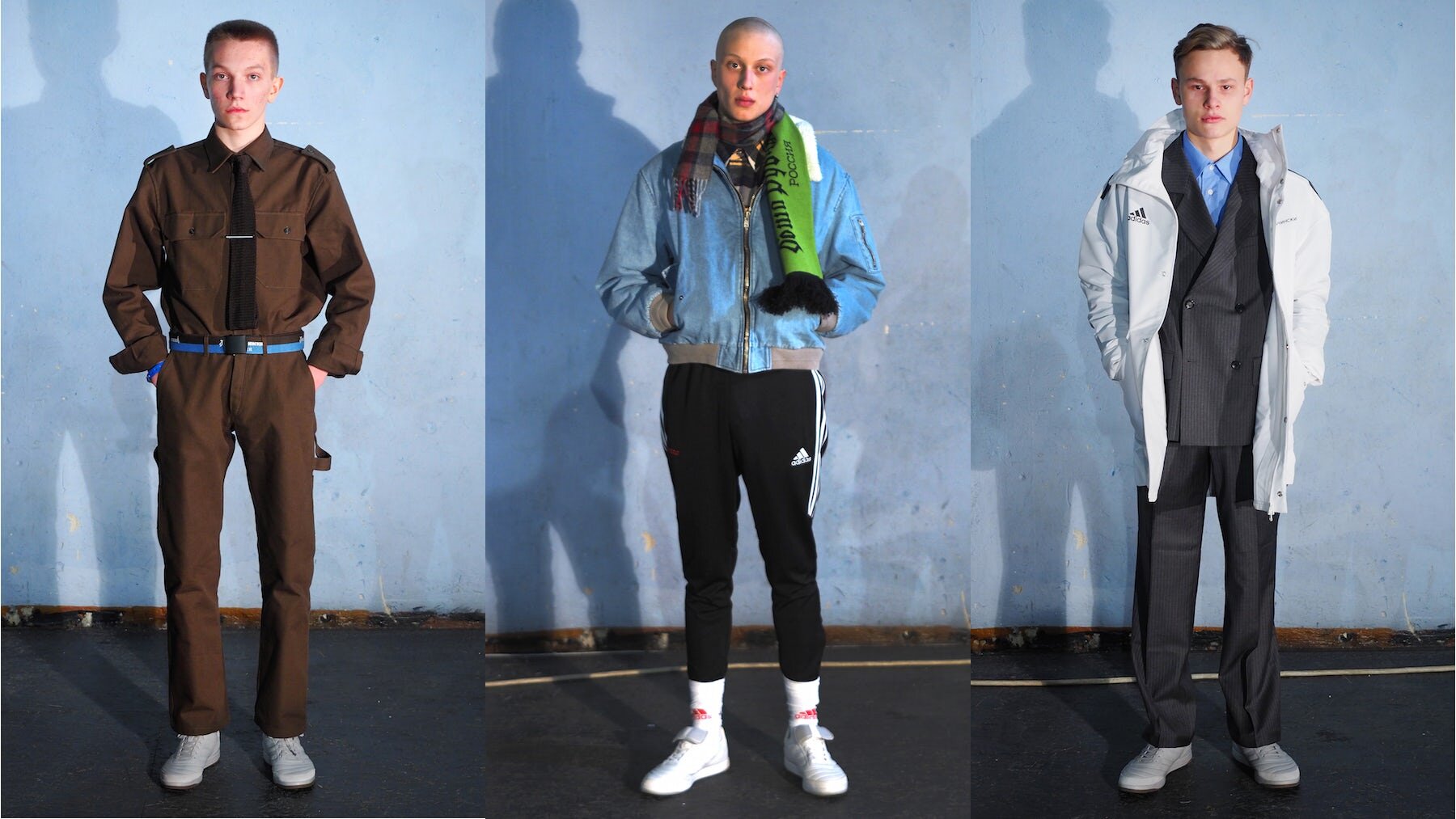
The post-Soviet era was the golden time for newborn artists. One of them, Rubchinskiy, incorporated his love for photography and film into his customized t-shirts. Later, getting discovered by famous brands such as Adidas and Fila, Rubchinskiy became a household name characteristic of the streetwear trend. 

Another designer, Yudashkin, is famous for his efforts to bring Russian clothing into the international market. He is known to be one of Russia's most prestigious designers, with his clothing exhibited in museums all around the world. 

Rubchinskiy

Yudashkin

Even though Russia looks like a huge country with borders made out of ice, with the rise of globalization, its clothing industry has melted into the perception of “global fashion.” Behind all the snow, as seen by the other fernweh articles, there lays a manifestation of a state-of-mind that is highly influenced by culture, politics, and social interactions. 

More information at

https://www.russiancourses.com/blog/evolution-of-russian-clothing/

https://fashion-history.lovetoknow.com/clothing-around-world/russia-history-dress

http://www.eurochannel.com/en/3-Important-Russian-Fashion-Designers.html 

https://theculturetrip.com/europe/russia/articles/10-russian-fashion-designers-you-should-know/


Thumbnail image

Fenty's Slip Up and Tokenism in the Beauty Industry

If you follow Instagram accounts along the likes of Diet Prada and Estée Laundry, you have most likely seen that what seemed like a “do-no-wrong” brand has made a major mistake in product naming. Ever since its launch, Fenty Beauty has been praised for its shade ranges and its inclusivity in marketing promotions. Rihanna has certainly made diversity a priority in her brand. Unfortunately, her latest product was inconsistent with her established brand.

Image Via

Image Via

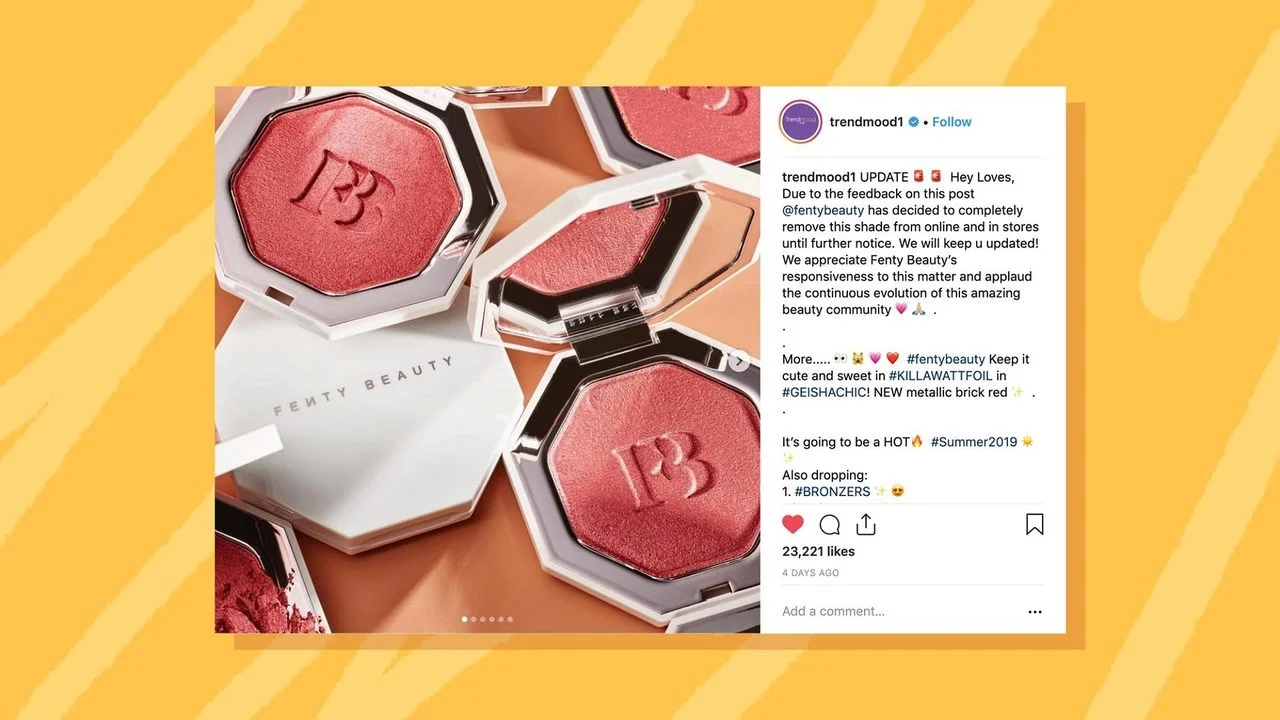
An addition to the Killawatt Highlighter line, a product with the shade name “Geisha Chic” hit Instagram, being teased by various influencers who had received PR packages to promote a future launch.

Pages such as Esteé Laundry were quick to call out this racial insensitivity and lack of cultural understanding or appreciation relating to the term geisha. Those of Asian background took to their Instagram question log, describing the ever-present exoticization and misunderstanding of what geisha and geisha culture represent.

Fenty fans questioned the intent of the brand as well as whether this product would be renamed or entirely pulled from its launch. Considering that influencers already had their hands on the product, manufacturing was likely nearly complete and the product ready for sale.

After this major backlash, Fenty announced that it has decided to “completely remove this shade from online and in stores until further notice.” It was definitely a faster response to beauty community scrutiny than other brands have shown in the past.

Image Via

Image Via

Unfortunately, this is just one of the more recognized cases of racial insensitivity toward Asians in the beauty industry. Brands like Tatcha have indulged in a similar exoticization and almost fetishization of geisha culture, while in reality, white-washing the brand to appeal to wealthy, non-POC populations. The marketing scheme behind Tatcha certainly requires more revision, as seen below, the brand has committed some heavily insensitive collaborations in the past.

It is only with hope that callout culture will adjust brand behavior in the future and create a more accountable and racially-appropriate environment in an industry that profits off of tokenization and ignorance.

Feature image via

Are Binary Clothing Stores a Thing of the Past?

Vaquera, one of the brands featured at L’Insane, debuted a collection inspired by The Handmaid’s Tale. Image via.

Vaquera, one of the brands featured at L’Insane, debuted a collection inspired by The Handmaid’s Tale. Image via.

There is no doubt that the fashion industry is changing at a rapid rate. A dramatic 16% decrease in shows held at New York Fashion Week last February is evidence that the traditional gateway into fashion is undergoing an unprecedented transformation.

With the rise in popularity of fashion Instagram accounts such as Business of Fashion (@bof) and Diet Prada (@diet_prada), anyone with even a slight interest in fashion can now tune into fashion show highlights and seasonal trends with just a few taps on their phone. As the number of people granted access into the fashion world rises, a call for greater inclusivity in all respects is becoming increasingly resonant.

Image via

Image via

This call for inclusivity is being met by L’Insane, a Parisian concept store opened by Lyne Zein, that caters to those who do not identify with a specific gender. Zein’s background in fashion and business management as well as her experience at Vetements provided her with the tools to open up L’Insane, which she prefers to call a social space rather than a store. In an interview with Business of Fashion, Zein shared that it is difficult for non-binary individuals to feel like themselves except in fashion-dominant cities such as New York or London.

L’Insane stocks a motley crew of brands that create genderless pieces, including Eckhaus Latta, Cottweiler, Vaquera and Dilara Findikogluand, among many more rising stars in the fashion industry. When asked about her intended consumer, Zein stated, “We want to dress anything and everything, human or not.”

The concept of L’Insane is radical relative to how stores typically market their clothing, but it is not entirely unexpected. As Gen Z consumers are entering the fashion market, they are calling for more representation and inclusivity. A study conducted by Innovation Group revealed that 56% of American Gen Z-ers know someone who identifies as being non-binary. As the demand for inclusivity rises, it will be interesting to see if clothing stores’ marketing strategies will change to adopt L’Insane’s method or if they will continue to target binary genders.

“Inclusivity, gender neutrality, comfort, casualness—these are all things that are here to stay.”

— Lazaro Hernandez, codesigner of Proenza Schouler

Image via. Quote via.


Feature image via.

Dear 'Vogue': Contrary to Popular Belief, We're Not All the Same Person

ed·i·tor: /ˈed·ət̬·ər/ a person who corrects and make changes to texts or films before they are printed or shown.

Vogue is an undeniable authority in the fashion and journalism industries and is arguably the most iconic and revered publication of its kind. Interestingly, the magazine seems to have neglected to include editors in their publication process in two recent instances, as they’ve misidentified six high profile women of color.

Vogue made headlines several days ago when an article reviewing the SAG Awards red carpet misidentified Asian actresses Gemma Chan and Tan Kheng Hua as Liv Lo and Michelle Yeoh, respectively. The blunder came no less than three weeks after a similar incident in which Muslim activist Noor Tagouri was misidentified as Pakistani actress Noor Bukhari in the February issue.

Liv Lo, not Gemma Chan. Image via

Liv Lo, not Gemma Chan. Image via

Gemma Chan, not Liv Lo. Image via

Gemma Chan, not Liv Lo. Image via

Tagouri spoke out about her disappointment, stating “I have been misrepresented and misidentified MULTIPLE times in media publications – to the point of putting my life in danger. I never, EVER expected this from a publication I respect SO much and have read since I was a child” (via).

This issue reveals more than just Vogue’s apparent lack of editorial scrutiny. People of color in any industry are often treated as interchangeable, with remarks such as “you look so much like [insert other person of color]” or “I thought you were the other one” or “you all look the same to me” becoming a part of everyday life.

Just ask any student of color at a PWI (predominantly white institution) and you’ll get an earful of similar stories. Sure, some famous people really do look like each other, but major publications aren’t confusing them left and right because of the color of their skin or their foreign-sounding names. The people of color being mistaken for one another often look nothing alike; a reporter thought Samuel L. Jackson was Lawrence Fishburne, with the former famously calling him out. You cannot tell me they’re doppelgängers.

These latest blunders are simply tiring. This is another deep rooted issue that is supposedly resolved through “diversity” or “sensitivity” trainings, yet we’ll undoubtedly see it again next month. I don’t have the answers on how to change this problem beyond simply paying closer attention and being more diligent with how we look at others, especially those we deem different. Maybe start by sending the aforementioned Vogue editors back to journalism school?


Feature image via.

Cool, Cultural & On Campus Fall Events

Having referred to myself as a “washed up fourth year” on five, no wait six, separate occasions this past week, I have officially committed myself to three new goals: 1. getting over the flu, 2. making and following through with plans to hang out with people, and 3. taking advantage of my first ever three-course quarter and exploring all the neat things going on on campus. To aid with that anti-UChicago “good in theory, but bad in practice” third goal, I’ve rounded up some on (or near) campus upcoming events that peaked my interest for the quarter.

Be sure to check out the UChicago Arts Calendar of Events to see if anything else catches your own eye!

Read More