Support the Seminary Co-op (Plus 3 Book Recs for Troubling Times)

I visited UChicago for the first time in June—it was the summer before my senior year of high school and I was nervous. I had no idea where I would be spending my college years.

However, when I entered the Seminary Co-op, I knew that I needed to attend UChicago—if given the opportunity. I’d been strongly considering the school for a long time, but the bookstore was a physical representation of all that I wanted from my university experience. I wanted to inhabit a community that truly cared about books; more importantly, I wanted to join a community that loved, respected, and defended the free exchange of ideas. And I wanted a place to converse about those ideas frequently.
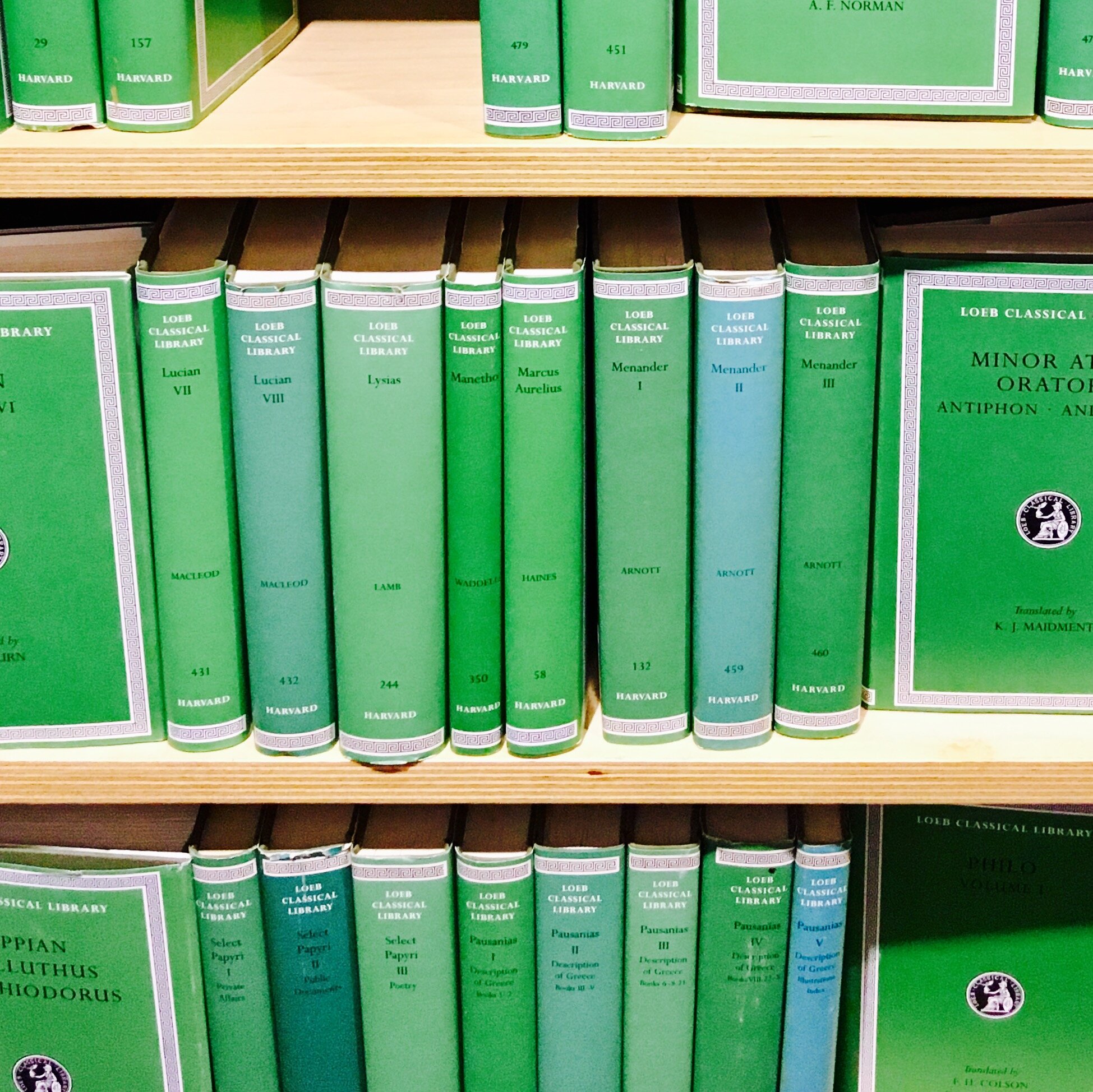
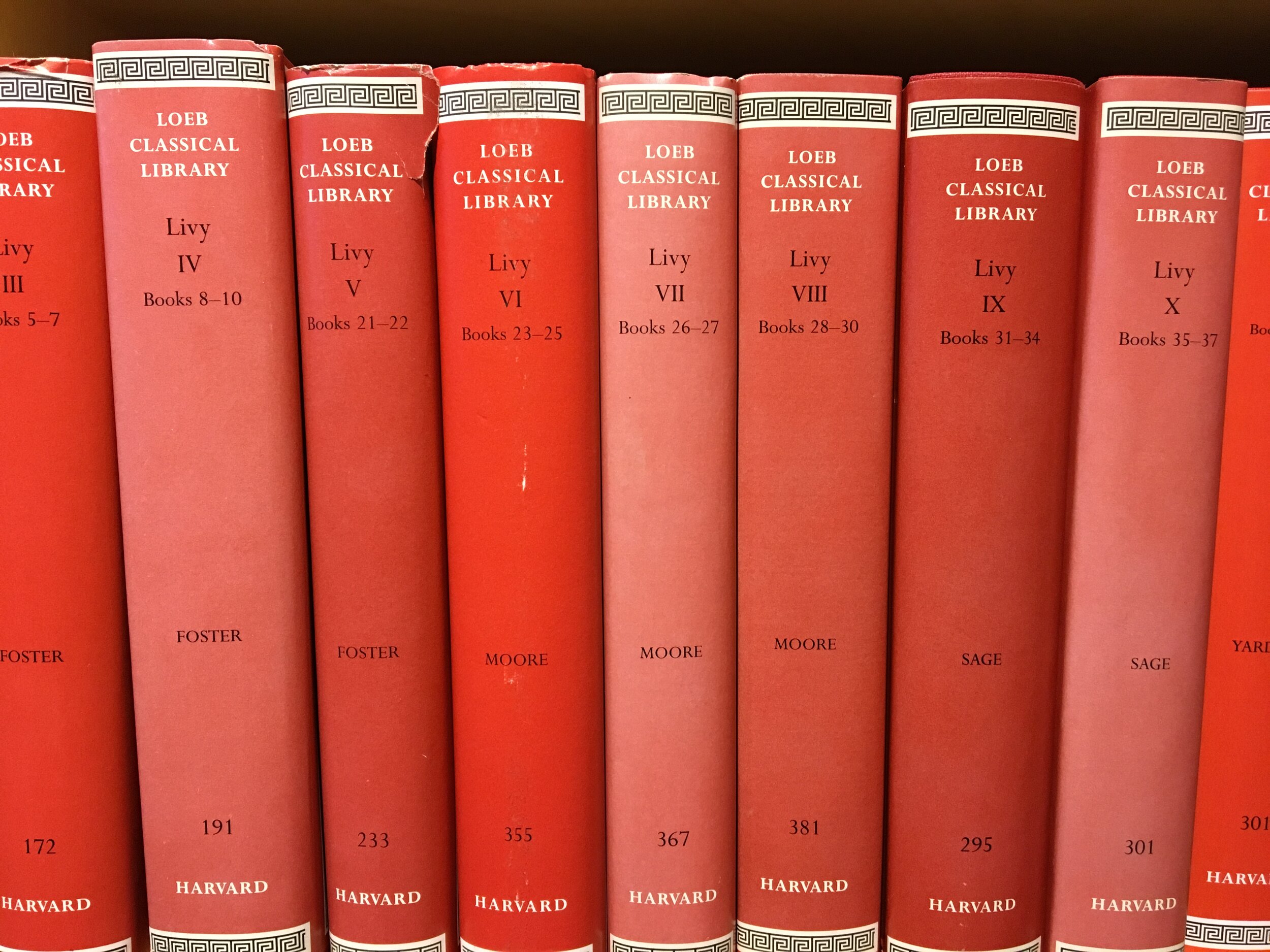
Almost three years later, the Seminary Co-op has become just that. It’s the place I go to meet friends, to study, and to wander through the book stacks after completing particularly stressful physical science exams. I often find myself sitting in one of the store’s many chairs, with music blasting through my earbuds as I skim the titles. And I frequently find myself struggling to limit my purchases (as I discovered when I confronted the imposing task of boxing all of my recent Sem-Co acquisitions in order to move off campus).

As such, when I think of the university, I also think of the Seminary Co-op; while the bookstore is independent of the university, it is a critical component of our community. And I want to support the store as much as possible—especially during these difficult times. The Seminary Co-op bookstores are not-for-profit and independent. But in order to stay independent, and in order to continue providing a work space and invaluable resource to Hyde Park, these stores need the support of our community.

For this reason, there is a current campaign to provide Covid-19 relief to the Seminary Co-op Bookstores. The goal of the campaign is to reach $250,000 and the fundraiser is already halfway past its goal. Any donation—no matter the size—will be invaluable to the continued work of the bookstores.


And even in these difficult times, the bookstores continue to provide support to the university community. Individuals may still order books from the Seminary Co-op. The bookstores continue to publish new Open Stacks Podcast Episodes. And the stores just launched a Children’s book recommendation series (simply contact kidsbooks@semcoop.com for recommendations!). The stores themselves have also physically transformed, as their workers fulfill web orders safely. And it is my hope that we, as a community, can continue to support the Seminary Co-op during the Covid-19 pandemic, and beyond.

And in case one is in need of book recommendations, included below is a list of three of my favorite books, whose subjects are particularly relevant to these troubling times.

#3: Gabriel Garcia Marquez’s One Hundred Years of Solitude

“Many years later, as he faced the firing squad, Colonel Aureliano Buendía was to remember that distant afternoon when his father took him to discover ice.” And so begins the story of Macondo: a small, magical town in the jungle, where the Buendía family resides for generations. I read this book while camping, last summer, and many of its descriptions have resided with me, ever since. Marquez’s magic realism is beautiful and this novel is his magnum opus.

One Hundred Years of Solitude is the type of book that sucks you in and doesn’t let go, as Marquez depicts everything from ghosts to levitating priests and seemingly endless rain. And the novel offers a much-needed escape into a magical world, though it is nonetheless shockingly like our own.


#2: Viktor E. Frankl’s Man’s Search for Meaning

The New York Times classifies this book as “survival literature,” and the classification is apt. After surviving Nazi concentration camps, psychiatrist Viktor E. Frankl carefully chronicled his experience. More than that, he depicted how he survived. And while this book’s narrative is hauntingly somber, it is also hopeful. By describing his own life story and the stories of his patients, Frankl argues that man can survive—even when confronted with atrocities. Thus, while Frankl writes that man cannot avoid his suffering, Frankl also writes that man’s existence is not a lost cause. Instead, Frankl encourages his readers to find meaning in their suffering, so that they may move forward and ultimately thrive.


#1: Amor Towles’ A Gentleman in Moscow

‘“Who would have imagined,’ he said, ‘when you were sentenced to life in the Metropol all those years ago, that you had just become the luckiest man in all of Russia.’” (Towles 292).

When Mishka remarks upon the Count’s luck, he’s right. Despite being placed under house arrest in the grande Metropol Hotel, Count Alexander Rostov builds a full life for himself. He is confined to a hotel during one of the most chaotic periods of Russian history, and yet he finds a way to make the best of his circumstances. He makes great friends, falls in love, and raises a young girl. And through it all, the Count never loses his composure or his sense of wonder. This is one of my favorite books of all time. And it a testament to the way in which a single individual can choose to be happy—even while living in a hotel attic, in Soviet Russia.


Click here, for thumbnail image.

3 Books to Read This Spring Break

Whether you're escaping the dreary Chicago weather and spending spring break on some faraway beach, or returning home to an equally cold and disgusting climate (me), books that you can actually read for enjoyment (what a novelty!) are so important for your upcoming week off.

Personally, my ideal book to read for pleasure is one that I cannot put down, but also find substantive and meaningful. Here are some of my top recommendations!

Image via

Image via

The Power , Naomi Alderman

Science fiction with a female empowerment twist. The Power is a novel set in a world where gender roles are reversed, and women hold all the authority. Women's power rests on their ability to release electrical jolts from their fingertips.

The book has two intertwining narratives: one is a historical account of the time when women across the world developed the power to release electricity and the other is an account of the experiences of five young women, 5,000 years later, who are navigating a rapidly changing matriarchal society. This may sound strange, but trust me, this book is so, so good.


Image via

Image via

Americanah, Chimamanda Ngozi Adichie

Americanah is the perfect blend of love story and an important conversation about race and immigration. Ifemelu and Obinze fall in love as high schoolers in Lagos, Nigeria, but go their separate ways in college; Ifemelu to study at Princeton, Obinze as an undocumented immigrant in London. Americanah tells both of their stories (which, spoiler alert, do overlap in the end).


Image via

Image via

The Girls, Emma Cline

I could not put this book down. Literally, I read this cover to cover in one long sitting, it was that good. The Girls follows the story of Evie, who is persuaded into joining a cult similar to that of the Manson family. Inevitable drama and danger ensue.

Emma Cline is a beautiful writer and somehow perfectly captures the anxieties of being an adolescent girl, and in the process, sheds light on the ways in which cults capitalize on those anxieties for their own means and ends. Few other books are both bone-chillingly suspenseful and comfortingly relatable.


Feature image via

Feminist Memoirs to Read this Winter

Sometimes it can be easy to forget that reading is not just the act of last-minute cramming 400 pages of Hobbes or Marx. This winter break, find some time in your schedule to read books that will inspire you, make you laugh, teach you about life and politics in the present day (and not 300 years ago), and most importantly, give you something to be happy about! For me, this takes shape through memoirs written by some of my favorite feminists. Here are my suggestions:


Image via

Image via

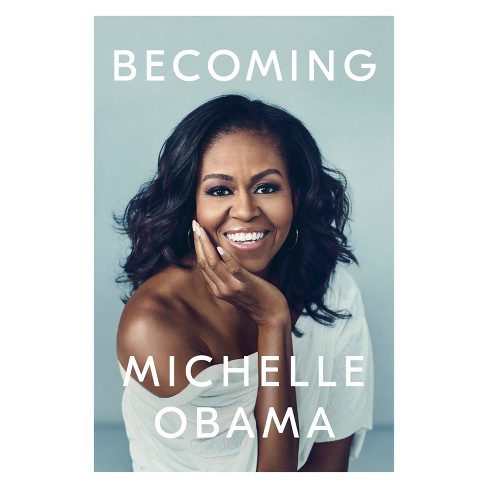
Michelle Obama's Becoming

Obviously. Becoming is one of the best books I have ever read. Michelle Obama's memoir follows her life from childhood in the South Side all the way through her life post-White House. Each sentence is filled with meaning and is beautifully composed, providing insight on growth and transformation, the state of American politics and community, race in Chicago, and what it means to be a woman. I cannot recommend this book more.


Image via

Image via

Mindy Kaling's Is Everyone Hanging Out Without Me?

Simultaneously hilarious and so relatable, reading Mindy Kaling's memoir feels like you're talking to your best friend or wise-but-funny sister. With chapters ranging from unfortunate anecdotes in middle school to discussions on developing her career, I re-read this book whenever I want to laugh, lift my mood, and remind myself that everything will be ok–given that Mindy was a self-proclaimed "terrible intern," endured countless, relatable, embarrassing moments, and still ended up as a successful writer and actor. All things considered, I feel like I can have hope for my future!


Image via

Image via

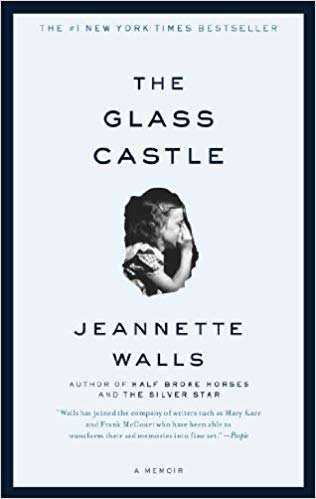
Jeannette Walls' The Glass Castle

The Glass Castle reads more like a novel, with incredibly beautiful, detailed descriptions of Jeannette moving through childhood and into adulthood. Growing up, she and her siblings learned to take care of themselves as they moved from state to state with their free-spirited, often unemployed parents. Jeanette goes on to receive an elite education and work as a journalist, while her parents remain homeless. A story filled with trauma, but also many moments of beauty, nostalgia, and resilience.


Image via

Image via

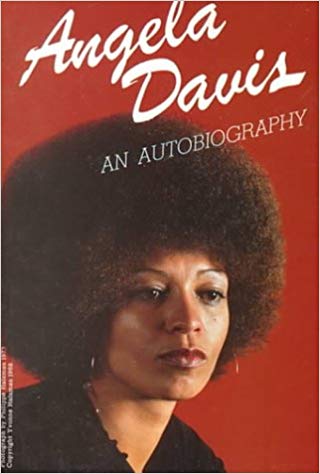
Angela Davis' An Autobiography

A funny and wise account of Davis' life, experiences and the important people that influenced her future as a political activist. In her autobiography, Davis shares an important account of race and politics in 1972, which stills feels necessary and relevant to read in today’s turbulent times.


Get reading! Whether you want to feel politically charged, inspired to overcome personal obstacles, or just want to laugh and relate with a badass woman, these are all great options to distract you from your post-finals lull.

Feature image via.

Cool, Cultural & On Campus Fall Events

Having referred to myself as a “washed up fourth year” on five, no wait six, separate occasions this past week, I have officially committed myself to three new goals: 1. getting over the flu, 2. making and following through with plans to hang out with people, and 3. taking advantage of my first ever three-course quarter and exploring all the neat things going on on campus. To aid with that anti-UChicago “good in theory, but bad in practice” third goal, I’ve rounded up some on (or near) campus upcoming events that peaked my interest for the quarter.

Be sure to check out the UChicago Arts Calendar of Events to see if anything else catches your own eye!

Read More

Summer Reads for Sunny Days

With summer in full swing, there's more time for books, books and more books. Whether you like to do your reading on sandy beaches or nestled underneath cozy blankets, here are some titles worth checking out while you still have adequate time to read for pleasure! Happy reading!

image via

image via

All the Bright Places by Jennifer Niven

Is my go-to tear jerker. It has never let me down in the crying department, and I’m currently rereading it for the third time (yes, I’m one of those people)! It’s not your usual teen love story. It centers around two teenagers and their struggles with depression and thoughts of suicide.

Mother Love by Rita Dove

Written by a black, female poet, this work explores the mother-daughter dynamic and presents alternating perspectives between Persephone and Demeter through nontraditional sonnets. 

image via

image via

Take Me With You by Andrea Gibson

A quick read that I recommend for fans of Rupi Kaur. It’s an assortment of poems dealing with love, the world, and self-discovery.  

Dark Places by Gillian Flynn

Penned by the same author behind the critically acclaimed novel Gone Girl, this novel follows a sinister murder story and is currently the basis for an upcoming picture featuring Charlize Theron!

Speak by Laurie Halse Anderson

This YA novel explores a high-schooler's efforts to reclaim her identity through her art after she is ostracized by her peers.


Feature gif via

Is There Life After Hanya Yanagihara's A Little Life?

Shortlisted for the Man Booker Prize, A finalist for the National Book Award, and winner of the Kirkus Prize, A Little Life was one of the most awarded and talked about novels of 2015. Simultaneously difficult to endure and difficult to put down, A Little Life deserves all of its praise. Though getting through this novel was shocking and painful (highly recommending you this book would be similar to pummeling you with a ton of bricks), its beautiful storytelling makes the pain of reading it worth it. Sometimes the saddest stories affect us in the best ways.  

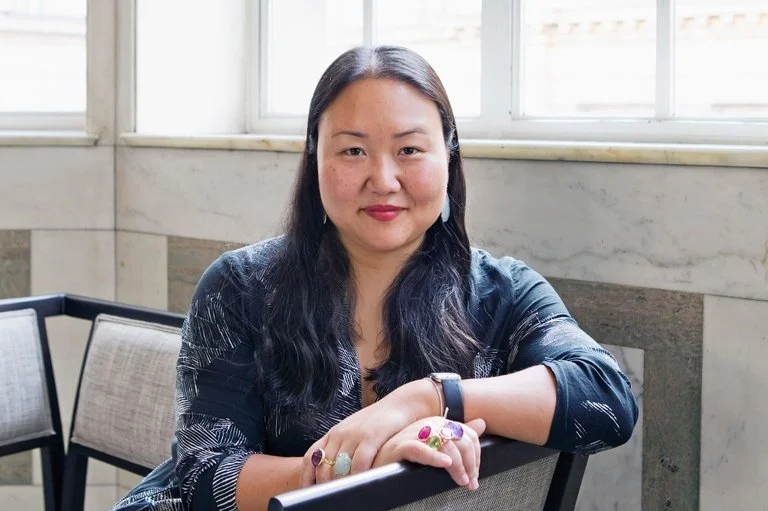
Hanya Yanagihara; image from here 

Hanya Yanagihara; image from here 

A Little Life follows the lives of four college friends: Malcolm, an architect, JB the artist, Willem the actor, and Jude, a disabled and enigmatic lawyer who refuses to share anything about his troubled past. The novel's 720 pages (not so little after all) span decades, following the quartet from their twenties to their fifties. We see them move to New York in search of success, start relationships, and develop their individual careers. More importantly, we see their friendships grow and drift apart. Despite their differences, however, the group's adoration and curiosity towards Jude anchors their friendship, and together, the characters grapple with the inconvenient truths of life and how to deal with them. 

This is not your quintessential "New York novel" about opportunity and the American dream. Instead of writing about hope, Yanagihara explores themes of abuse and exploitation. At times the story became so unbearably sad that I had to put it down, step away, and remind myself that the tragedies in this novel are separate from reality.  Other times, the sadness of the novel kept me reading well into the night, waiting for the few moments when the character's lives looked bright.  

image via

image via

Despite being a heavy book (both in subject matter and in physical weight), Yanagihara writes with honesty and clarity. Through A Little Life, Yanagihara emerges as a master of human emotion, both in the way she moves her readers and in how she portrays the emotions of her characters. Reading this book feels like living a life truly separate from your own.  Words blur into images and suddenly you find yourself sitting in the corner of a tiny, ugly New York apartment, listening in on the conversation of four unlikely friends.  

And the friendships are what truly make A Little Life so memorable. With very few female character's, Yanagihara delves into the world of male identity and psyche. Even within platonic relationships, the four friends share tender and sweet moments throughout the novel, the types of moments that popular media rarely depicts between male friends. Yanagihara's exploration of male friendship challenges the stigmas surrounding men and how they express emotion.

"Wasn't friendship its own miracle, the finding of another person who made the entire lonely world seem somehow less lonely?"
-Hanya Yanagihara 
 

My only qualm with this novel is that at times, the abuse depicted in the novel became copious and overwhelming. Thus, if you are at all interested in picking up this novel, I would first consider whether or not you can stomach a large amound of graphic physical, verbal, and sexual abuse. That being said, the majority of the novel handles trauma and abuse carefully and realistically. 

Some books have the power to stay with you, whether it be because of their timeless messages or because of their beloved characters. A Little Life has both. Its vibrant, self realized characters and themes about friendship will keep me, and others, coming back to this story over and over again. Only a week after finishing the novel, I re-read the final chapter and allowed myself to cry again at the beauty and sadness that is Jude, and his little life. 

Feautred image from here.

What We can Learn From Roxane Gay's Bad Feminist

In her novel Bad Feminist, author Roxane Gay breaks down the many complicated, nuanced and honest sides of feminism, as well as her own experiences and life lessons on what being a feminist has meant to her. She takes on many voices— vulnerable, assertive, powerful, etc and through them, she delivers fresh, insightful ideas on gender, sexuality, race and more. One of my favorite chapters Gay writes on is titled "How we All Lose," which comments on sexual violence, an especially relevant and crucial topic we must talk about.

The chapter, "How We All Lose," interested me for its thorough analysis of several other texts and novels that attempt to highlight the meaning and future of feminism but neglect to address the issue at heart. In one part, Gay speaks on the subject of sexual violence in response to Hanna Rosin’s novel The End of Men. Rosin writes that “women today are far less likely to get murdered, raped, assaulted, or robbed than at any time in recent history” and a “2010 White House report on women and girls laid out the latest statistics straightforwardly, to the great irritation of many feminists.” To this, Gay comments that it is “hard to accept at face value that feminists would be irritated that there’s a decline in violence against women,” and notes the number of abuse and sexual violence cases that go unreported. Gay also writes that “Rosin is not wrong that life has improved in measurable ways for women, but she is wrong in suggesting that better is good enough. Better is not good enough… I cannot think of clearer evidence of how alive and well the patriarchy remains."

Especially today, it is important to consider Gay’s responses. With recent events concerning sexual abuse allegations against influential, powerful figures like Harvey Weinstein and Kevin Spacey and movements like #metoo, sparked by online protests, Gay’s argument against that of Rosin’s is significant in actually addressing sexual violence. With some news outlets finally detailing the abuse females in the entertainment and STEM industries face, it is important we leverage this information to show the change that needs to be done— to restore justice against higher ups like Weinstein and Spacey and shift the narrative about what women can or can’t do. 

It is important for men and women to understand the issue of sexual violence; to understand how its salience negatively affects our culture and society; to understand how by just ignoring this issue we feed into its toxicity and continuity. 

Book Recommendations for Break

One thing I look forward every time a school break rolls around is getting to read lots and lots of books.  For me, there's nothing more relaxing then curling up in my bed with my dog, a steaming mug of hot chocolate, and a good book.  Whether, you're like me and need to catch up on your yearly reading goal (Note: 52 books seemed much more attainable in January), or you just want something to do with all of your free time, here are some books to pick up over break.  

Read More