Love & Other Drugs

I’m not sure why there’s such a thing as being unlucky in love. I think I've sought after it, cried— taken hiatus after hiatus to “cleanse my palette,” if you will (*eye roll*, I know), and then come back ready each time to face the dating pool head-on. A routine that has, ironically enough, always proven unfortunate to my dismay.

As a teenager, I think you often get the brunt of insults accusing you of being too “naive,” too “fast,” too “immature” blah blah blah… when it comes to love. As if your age strips you of all credibility. 

Although, I don't expect to know all the answers at nineteen. I'm not bell hooks— I can't even pretend to know, All About Love.

However, I have seen other people my age get it right. Be on the same page, reading from the same book. Hence why, upon this realization, I ask myself: Why can’t I? It’s not like I haven’t given it my best. The next statement may come across as a bit bitter or maybe even a little desperate; but, GODDAMN have I tried! And the more I do, the more I hate how it makes me feel. It seems that the only source of clarity I've earned while going down this dark, long, miserable tunnel has been that:

Love is in fact NOT like other drugs.

Close-Up (1990) dir. Abbas Kiarostami

For one, I don’t get that dopamine rush every time I'm pursued. On the rare occasion I do, it’s too fleeting to really put me at a high. Whenever a new romantic interest presents itself, I can’t help but think, “here we go again.” Making sure to hold my breath during the dive, and lord knows I can’t swim. I do all the things you are supposed to do. I talk, text, go on these little dates— we kiss, and if we even make it that far… maybe even…

Then what? 

Well, usually they’ll go, “I don't think it's gonna work out…,” followed by a list of reasons. I listen diligently, taking in what they have to say, and for the sake of ending it on a good note, willfully agree, and that's that. It's over. I can breathe again. 

The bad part comes next. I’m aware I have an attachment problem. I cling to people like a baby grips. Just like the palmar’s grasp, my clinging too, is an involuntary neurological reflex. If you believe in that sort of thing, attachment theory has suggested that I have a “disorganized fearful-avoidant” attachment style. A manifestation of both anxious and avoidant attachment habits. So, I guess it makes sense that my post-ending-it ritual consists of an overwhelming wave of self-doubt, self-pity, and self-loathing — essentially a shedding of all the things I may have once liked about myself.

Don’t worry I usually get them all back.

But, during this stage, I’m suddenly whining about God knows what, measuring myself up, questioning whether I’m deserving or even worth someone’s time and commitment. To some extent, I do that too during the pursuit. But, it’s somehow far worse during the after. I adopt this unhealthy practice of placating my feelings, hoping that if I do so long enough I’ll eventually forget them (it's not very full-proof, I never do). Then, I spend a period (the length fluctuates based on how much I liked them) strongly disliking myself for allowing them to have had even just a sliver of me. And the minute I think that it’s over and I’m all recovered, there I am once more, stuck—disliking myself more for wanting to do the entire thing over again with someone new.

 But why? 

Why would someone sane want to torture themselves in this way? And contrary to prior implications, I’m no masochist.

I’m sure with everything I just told you, you probably read that back and thought: well, then maybe it’s because… you’re not all that sane? But stay with me, I promise I have a point to make here. 

Here’s what I think: people like me, though yes, we struggle to keep ourselves afloat, knowing we’ll have to laborously put ourselves back together after we let others in and it doesn’t pan out; still, all share the small faith that one of these days, it will ring true that love is the superior drug. The supreme if you will (yes this was an AHS reference).

Better than any substance I could take in. I do not care how potent.

Better than anything that could provide me with any semblance of real joy.

Maybe, love is NOT like other drugs because love is perpetual; in all its formats. It might just be the hopeless romantic in me talking, but whereas Like is ephemeral, with feelings fading as quickly as they came, Love lasts. And sure, though I think the memory that you once loved someone may vanish. After all, “It’ll pass,” was the Priest’s response to Fleabag shortly after she confessed her Love for him. When it comes to the feeling, Love as an emotion— I’m not sure you ever stop loving someone you truly Loved, in that sense. Romantically or otherwise. No matter the circumstances. And as to why we accept the torture. To that, I'll say: love may take a lot out, but strangely enough I think it also helps us feel less empty. It’s why we crave it. Even though that desire may seem somewhat greedy and selfish, I think it’s only human to want a little bit for myself. Not to mention, as an added bonus, my romances have helped me meet a lot of pretty dope people along the way.

So, no matter how hard it may be to find or how grueling the aftermath-ritual, as of now, I’m committed to the craft. Now, whether that is subject to change in the future is a different story.

‘Cause, when it comes to “love & other drugs.” Love is by far my drug of choice.
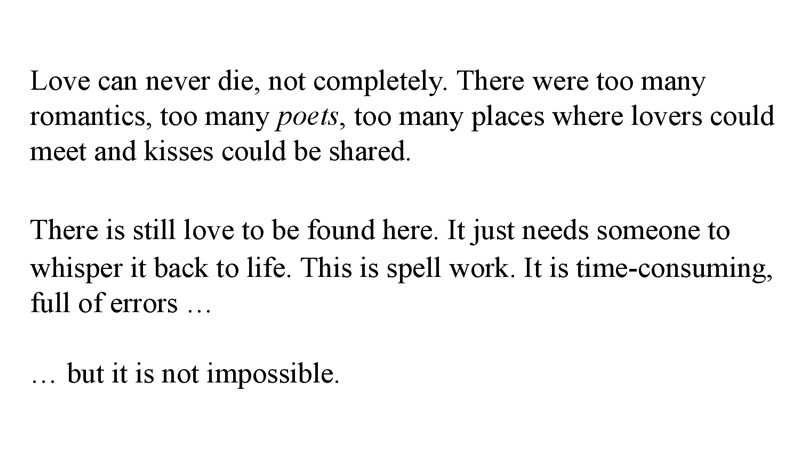
Nikita Gill, from Great Goddesses: Life Lessons from Myths and Monsters.

With that I wish you a very happy and love filled Valentine’s Day — Liz

A Love Letter to Love Letters

My family impressed upon me the importance of letters. Once I could read, my grandparents would mail me cards for every holiday, writing updates on the weather in Wisconsin, what card games they had been playing, and how they looked forward to the next time we would see each other. I certainly took these for granted until I was well into my teens. I would oftentimes recruit the help of my mom to translate their loopy cursive handwriting, so she would read their messages aloud to me.

Every Christmas was also naturally full of letter writing and receiving. When I was still young, I would write a letter to Santa to list off what I wanted for Christmas. After Christmas had passed and my sisters and I returned home, my mom would sit us down and we would write thank-you notes to each person that gave us a gift. At the time, licking the envelopes, writing the address, and applying the stamps was mere drudgery.  

Image via Pinterest.

Once I was in middle school, I began collecting the numerous letters and notes I received every year. From the heartfelt holiday cards of my grandparents to funny letters from my friends on my birthday to notes with handmade drawings from my dad, it seemed unjust to throw them away. So, I stored them. As I aged, my shelf that contained the letters filled up, the envelopes sliding as the stacks of cards toppled over.

I caught on to the sentimentality of writing letters. For parents and friends, I began to make my own cards, drawing little images on the front, leading to a pun on the inside of the card. I became very partial to love letters, writing pages and pages for special occasions during my high school relationship. The giving and receiving of letters garnered a special place in my expression of care for those around me.

Image via Pinterest.

This year, I realized I had no pictures of friends or family as decorations in my room. Looking through my bedroom at home for pictures to take back to school, I stumbled upon my shelf of letters. This is better than pictures, I thought. I slid a thick stack of cards into my bag and brought them to school. Now spanning the wall in my room is an assortment of cards from various people in my life, addressing various occasions and milestones that I have experienced. The assortment of letters is expanding, growing in all directions as I still receive letters in the mail and the holidays go by every year.

A heartfelt letter is perhaps the greatest gift of all. No other gift will be as unique to you and the person giving or receiving the letter. Having the handwriting of a loved one is having a piece of them, their voice, their personality. With Valentine’s Day coming up, I encourage you to write an old-fashioned, hand-written letter for a loved one, friends, or family. Not only will it let them know how you care about them, but it may inspire them to do the same.

Image via Pinterest.

P.S., save the postal service!

Featured image via author.

Poetrybounding: How to Dress Like William Morris’ ‘Love is Enough’

Poetry is art from the realm of words. From melodic rhyme schemes and iambic meters to emotional unpacking found in freestyle, the power of this literary genre arguably springs from its ability to transform words into visceral feelings. Any poetry should transcend its textual domain to move into a non-verbal space, be it of the mind or the heart. But outside the internal human experience, poetic literature stays stagnant in limited mediums of translation inside physical and digital books and recitals. So, why not translate words into a new visual experience, one known to combine an inner sense of beauty into an external personal aesthetic composition?

Fashion has the power to inform people of someone’s personality and perception of image while also impacting the onlooker with distinct combinations of form and color. Because of its aesthetic power, it fits perfectly as a mode of adaptation to poetry’s emotional influence. One core emotion that most poems try to replicate is love, so for the first rendition of this amalgamation of poetry and fashion, I chose to look into Love is Enough Song I by William Morris.

Love is enough: though the World be a-waning
And the woods have no voice but the voice of complaining,
Though the sky be too dark for dim eyes to discover
The gold-cups and daisies fair blooming thereunder,
Though the hills be held shadows, and the sea a dark wonder,
And this day draw a veil over all deeds passed over,
Yet their hands shall not tremble, their feet shall not falter;
The void shall not weary, the fear shall not alter
These lips and these eyes of the loved and the lover.

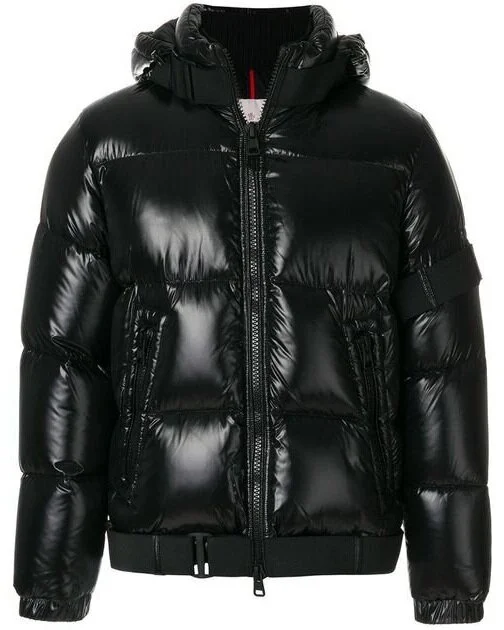
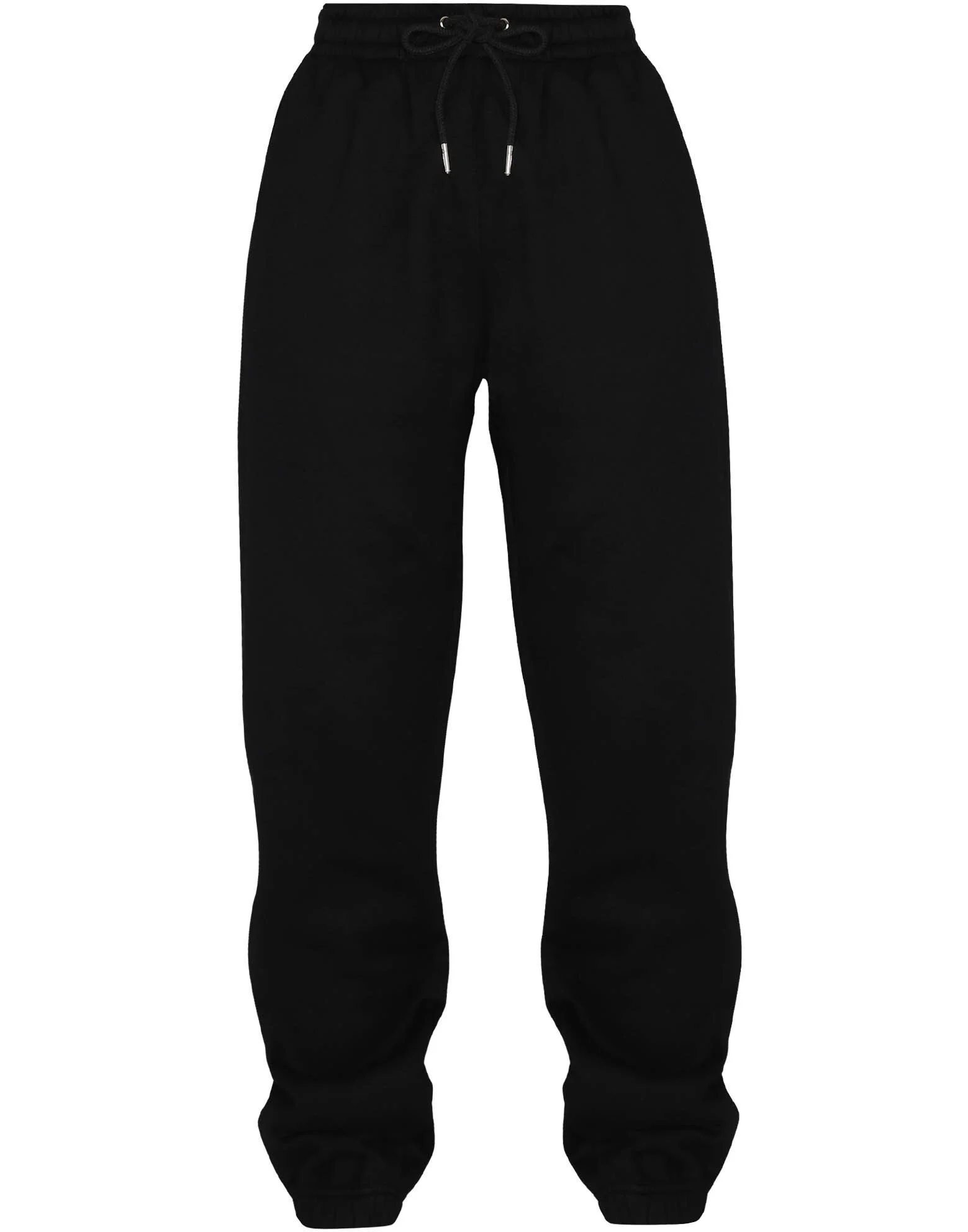
The poem’s central message resides in the idea that true heartfelt love does not falter when faced with overbearing challenges. Love is enough to banish this fear and exhaustion that comes from the challenges of life, illustrated through the imagery of dark skies and seas, diminishing surroundings, shadowy and hazy mountains, and moaning trees, all represented by the invisible antithesis of a heavy veil. Three words can sum up the imagery of fear trying to weigh down and suffocate the lovers by overwhelming them into an isolated world of distress: dark, enclosing, and heavy. So, garments that can portray these ideas cannot become the center of the look; they need to surround the body. Since dark often relates to the absence of light and heat, a black coat or jacket is a very on-point piece that can represent the cold the environment is trying to use to oppress the lovers, especially if it is a heavy jacket. To match it, black or dark grey sweatpants mimic the same weight, color, and form the jackets can suggest, but they also serve as more of a coadjutant and low-key garment for the look.

Image (Via)

Image (Via)

Image (Via)

Image (Via)

However, Love is the word that should primarily define the poem. It is not for nothing that the lovers need only their company to survive through the opposing forces around them; not for nothing that their lips and eyes, arguably the parts of a person’s body that drive the most attention, define their bond and do not falter to the darkness. That is why it should become a significant part of the look. 

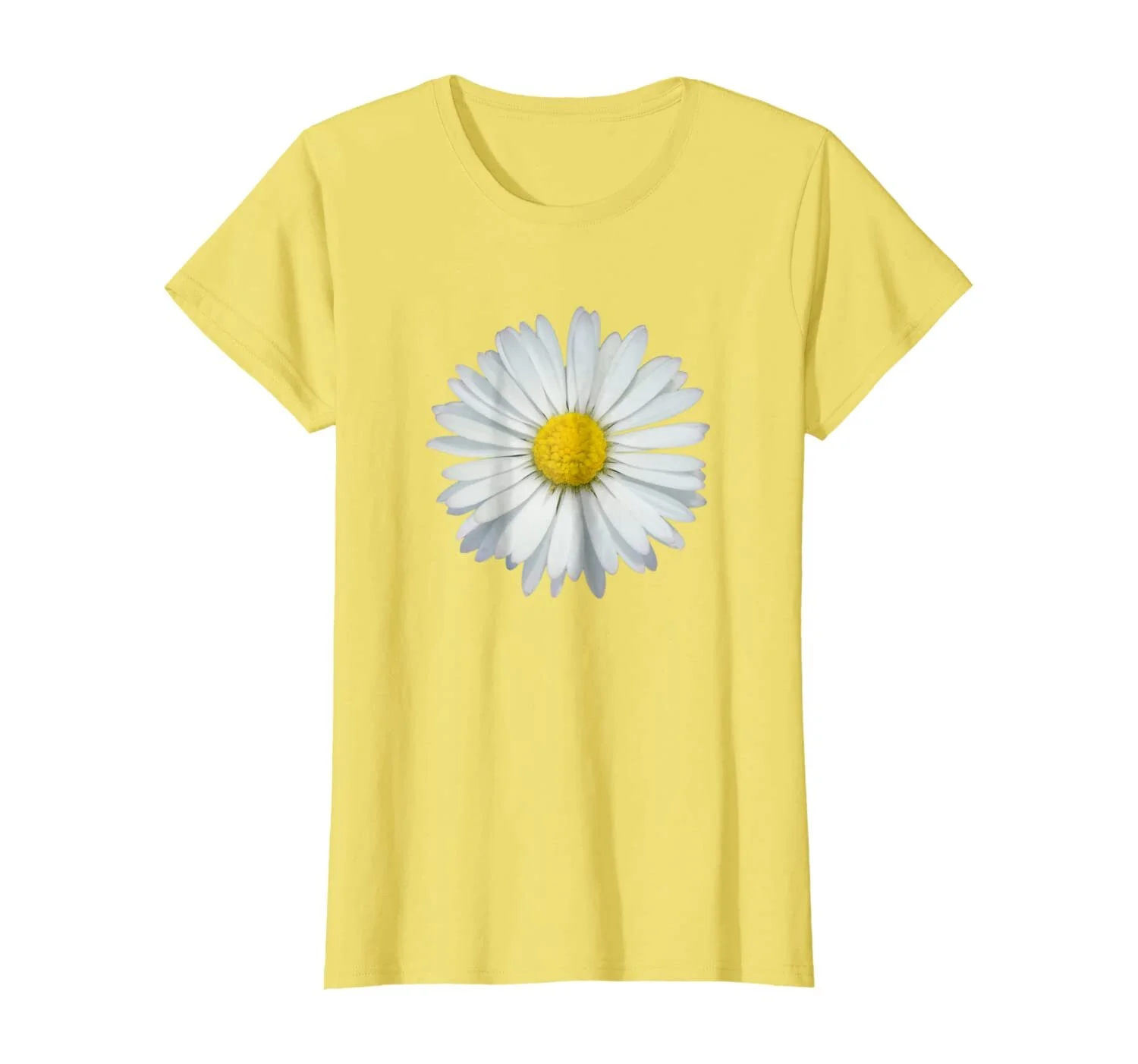
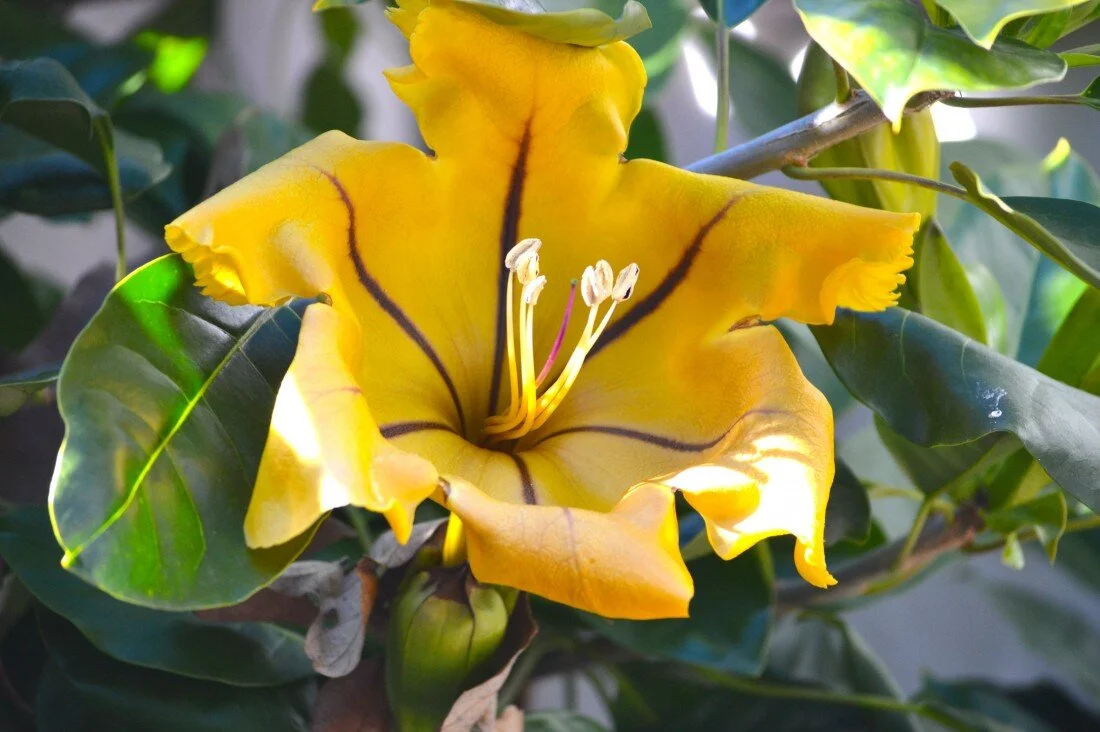
In the poem, two lines create a direct opposition to the oppressive forces of life. One of them mentions two flowers, daisies and gold-cups, or cups of gold, which still bloom under the darkness. Love Enough does not concretely state what they mean, but under my interpretation, these flowers represent the lovers surviving and thriving under the oppression. Because of this, the piece of garment that fits the best with the image of being surrounded by a heavy black jacket is a yellow/white floral shirt. I find that a daisy picture covered by yellow/white/cream cloth creates a beautiful contrast between death and life, mainly because the flower’s petals are white, giving color to the mournful black look.

Image (Via)

Image (Via)

Image (Via)

Image (Via)

The second line that directly opposes the surrounding menace’s vigor mentions that the lover’s hand would not tremble, and their feet would not falter. The only idea that comes to my mind is embalming the hands and feet with colorful garments to depict the warm strength of love. Since I already chose the daisy as a shirt motif, I will pick the cups of gold as the accessory color, the color that represents Love in the poem. Therefore, any shoe, glove, scarf, belt, bag, and hat should be colored like the flower. And in the case makeup is considered a significant aspect of the look, adding subtle yellow and white tones to the eyeshadows and blushes could be sufficient, as well as dabbing on the black lipstick (well, maybe?), but they are not a needed feature.

All things considered, the look I concocted feels directed towards a more winter scene with the black shades dominating the warm yellow-orange tones but can be modified by anyone to become spring/summer-like, removing the coat and some accessories, and changing the pants from sweatpants to trousers. In the end, a poem can be, and many times should be interpreted differently by each reader, so my guide is only a glimpse into the realm that connects both fashion and poetry.


Cover Image Via