David Schalop is a 3rd-year undergraduate, double majoring in Business Economics and Art History. He is one of two Design Directors for the MODA fashion show this year--in charge of the logistics for the show which ranges from recruiting new designers and making sure they are show-ready, as well as mentoring returning designers. David has also worked on building the Design Bootcamp’s curriculum and is designing his own collection for the show.
Read MoreMODA Designer Profile: Carolyn Johansen
Carolyn Johansen is a First-Year undergraduate, who considers majoring in Economics or Chemistry - or both. In addition to designing outfits for this year’s MODA Fashion Show, Carolyn also enjoys playing flute in the wind ensemble.
In order to discuss Carolyn’s work for the upcoming MODA Fashion Show, we met over coffee to discuss her artistic style and inspiration.
What are some sources of inspiration for your collection?
A lot of my inspiration comes from things being comfortable and practical, which I know isn’t very exciting, but I really thought about things that were missing from my own wardrobe, that I wanted, and had just never gotten around to making. So for this show, I’ve been focusing on designs that people could wear to class or around Chicago - just because that’s where my head has been lately.

This @beautyspock image was another inspiration for Carolyn’s collection: “I really loved this image because of the bold print of the jacket. The silhouette is very classic, but the print makes it look modern and trendy, which is something I am trying to capture in my collection.”
“So for this show, I’ve been focusing on designs that people could wear to class or around Chicago - just because that’s where my head has been lately. ”
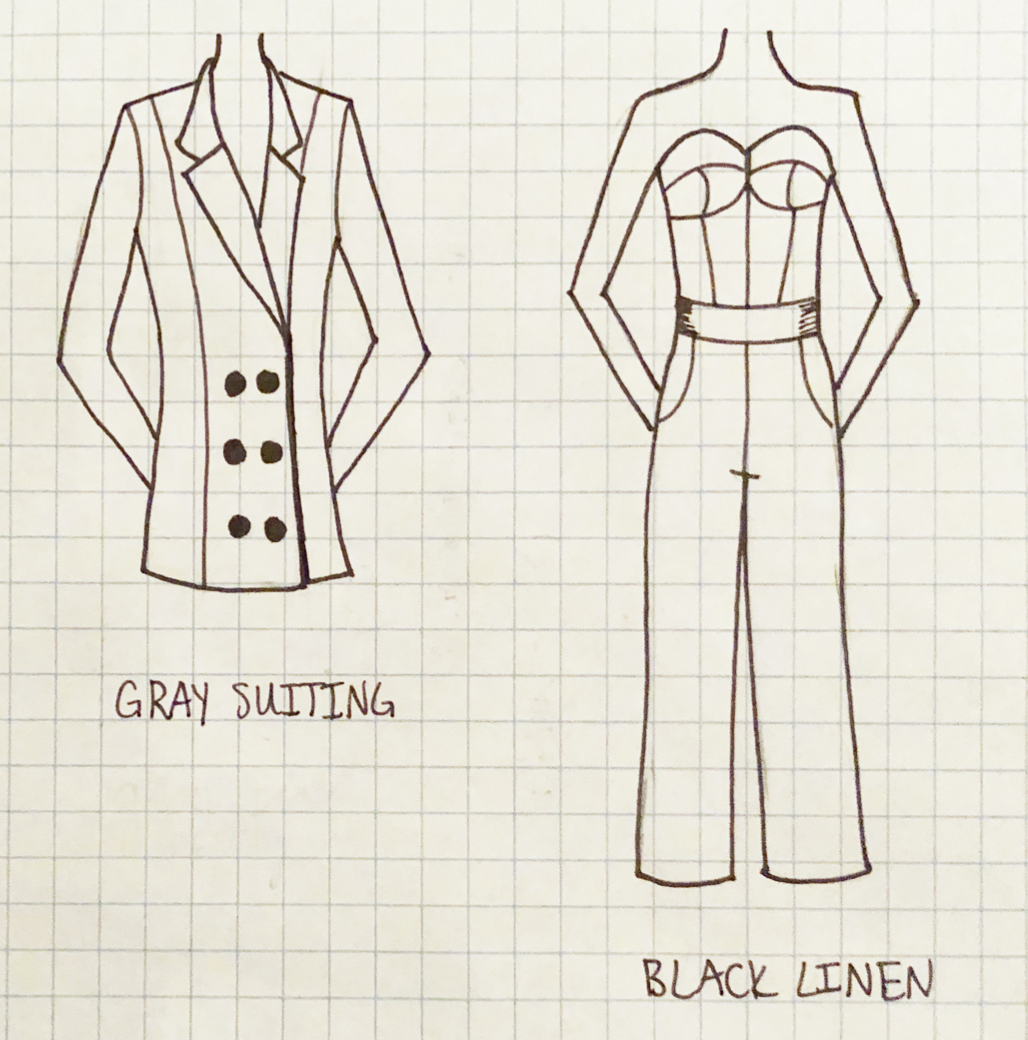
Original sketches of Carolyn’s collection.
Have you ever done fashion design work before?
I’ve loved to sew for years. I was seven when I first started (I was in second grade). And since then, I have sewn many projects, from my prom dress to my high school graduation dress.
I have also taken some courses at the Fashion Institute of Technology in New York. That was my introduction to formal fashion design. Before that, I just thought of items I wanted to make and I made them. So those courses taught me to make more mature fashion designs, as opposed to home sewing projects.

Carolyn (left) stands next to her friend Grace at their Senior Prom. Carolyn wears the dress she created for the occasion.
What are some of the most challenging and rewarding aspects of the process?
I have to say that the most challenging aspect has been designing things for me that aren’t actually for me. I’m used to making clothing adjustments for myself. But I can’t call my models up and have them try my outfits on within 20 minutes. It’s more of a process. But that has been a great learning experience, for me to better understand how the fashion industry really works.
“It’s more of a process. But that has been a great learning experience, for me to better understand how the fashion industry really works. ”
Something that I’ve really enjoyed so far is being able to connect with people across campus through MODA. I have a friend who is a model, and it’s been really fun to talk to her throughout the process and to get her opinion. She’ll be modeling one of my designs. I’m going to make her a jumpsuit, which will be trendy and cool. She can also put a jacket on with the jumpsuit, and wear it to dinner with her parents, so the look will be versatile. And just having that open communication with MODA participants isn’t something I’ve had in the past, because it was always just me.
What are you looking forward to most about the show?
I don’t know. I think I’m just excited for the whole thing. It’s going to be very different from anything I’ve ever done or experienced before, so it’s going to be really cool to see how it all comes together.
Who do you have in mind when you’re designing?
I’ll admit it’s usually me, because I focus on my experiences. I also think about my sister. We have always sewn together, and I reach out to her for guidance and advice. We once made First Communion dresses out of wedding dresses, for some family friends. It was a really fun project - and working together also alleviated the stress of cutting up people’s old wedding dresses. My sister and I have also made curtains for my mom. So we work together and give each other feedback. And she’s excited and curious to watch me go through this design process on campus.
“We once made First Communion dresses out of wedding dresses, for some family friends. It was a really fun project - and working together also alleviated the stress of cutting up people’s old wedding dresses. ”

In this high school graduation photo, Carolyn (left) stands next to her sister. Carolyn wears the dress that she made for graduation.
If you could give yourself any advice on the design process, what would you say to your younger self?
Advice I would give to myself in general is to challenge myself. There are things that I sometimes brush off as too challenging, but I’m trying to approach those challenges for MODA - which makes things more interesting.
What’s your favorite aspect of the design process?
I like it because it’s so custom and I have so much freedom to do what I want. When I was younger, I couldn’t always find the clothing I wanted. So, by creating pieces for myself, I can plan and actually make my ideas happen.
“So, by creating pieces for myself, I can plan and actually make my ideas happen. ”
MODA Designer Profile: David Schalop
David Schalop is a 2nd-Year undergraduate, double majoring in Business Economics and Art History. He is a film photographer, whose work influences his fashion designs and how how he sees the world. David is also part of the Smart Student Advisory Committee.
In order to discuss David’s work for the upcoming MODA Fashion Show, we met over coffee to discuss his artistic style and inspiration.
What are some sources of inspiration for your collection?
My first inspiration is definitely the weather and the seasons. That was my jumping off point for my fashion designs. I drew inspiration from how people’s dress changes, over the course of the year. In warmer seasons, people wear lighter colors and materials. And then, in colder seasons, people wear darker colors and heavier layers. Spring and summer are somewhere in between these two extremes. And these seasonal changes in attire are more defined at UChicago than at other schools, which is something I wanted to highlight in my designs.
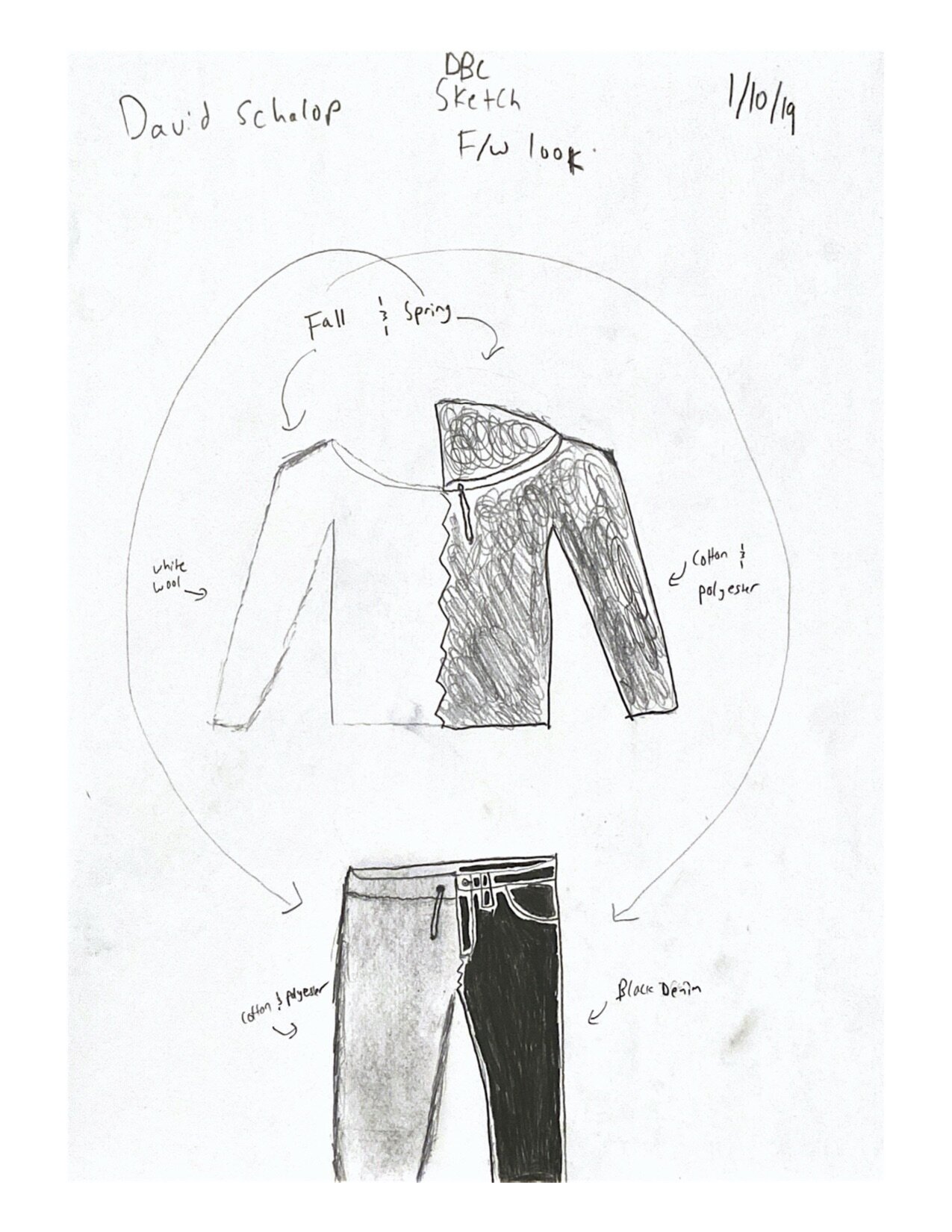
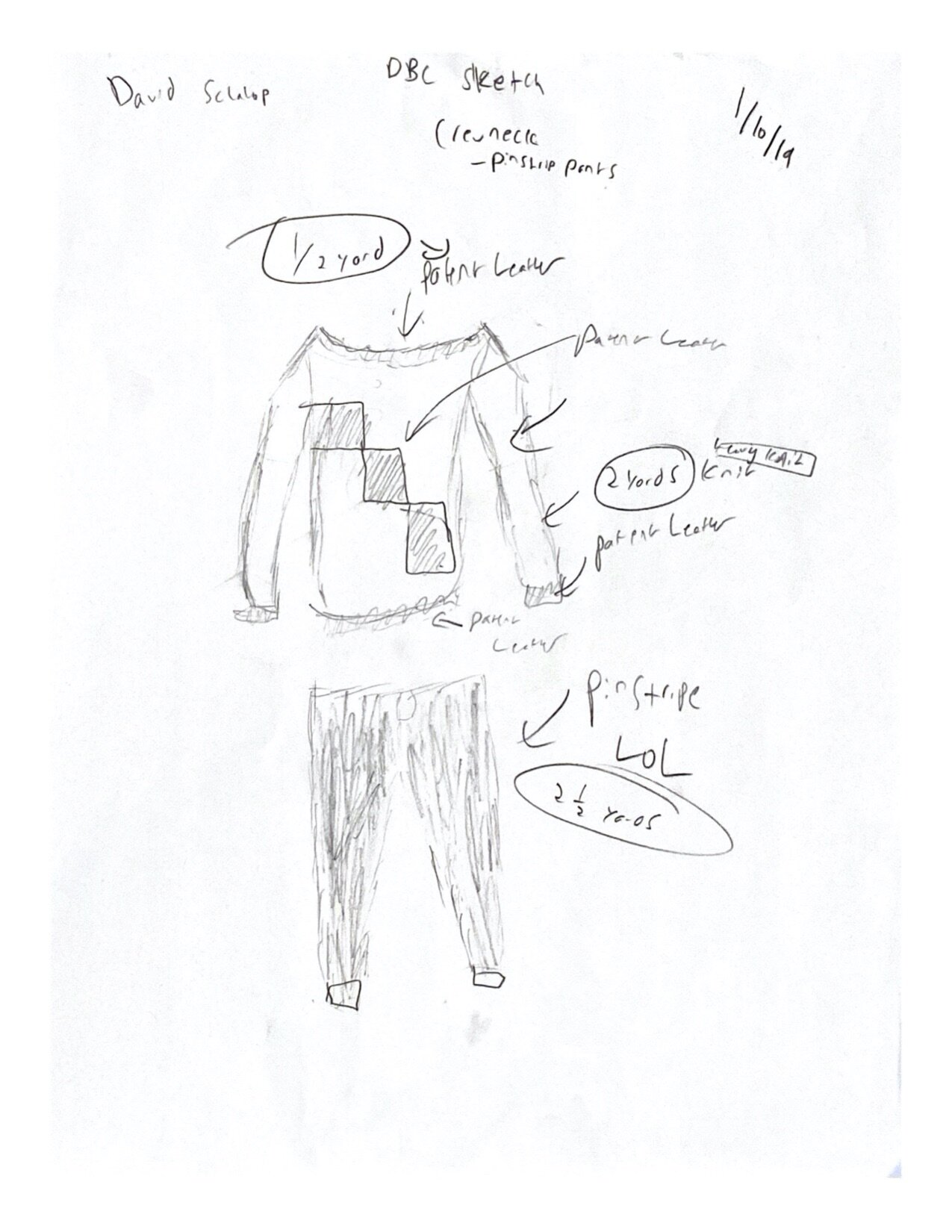
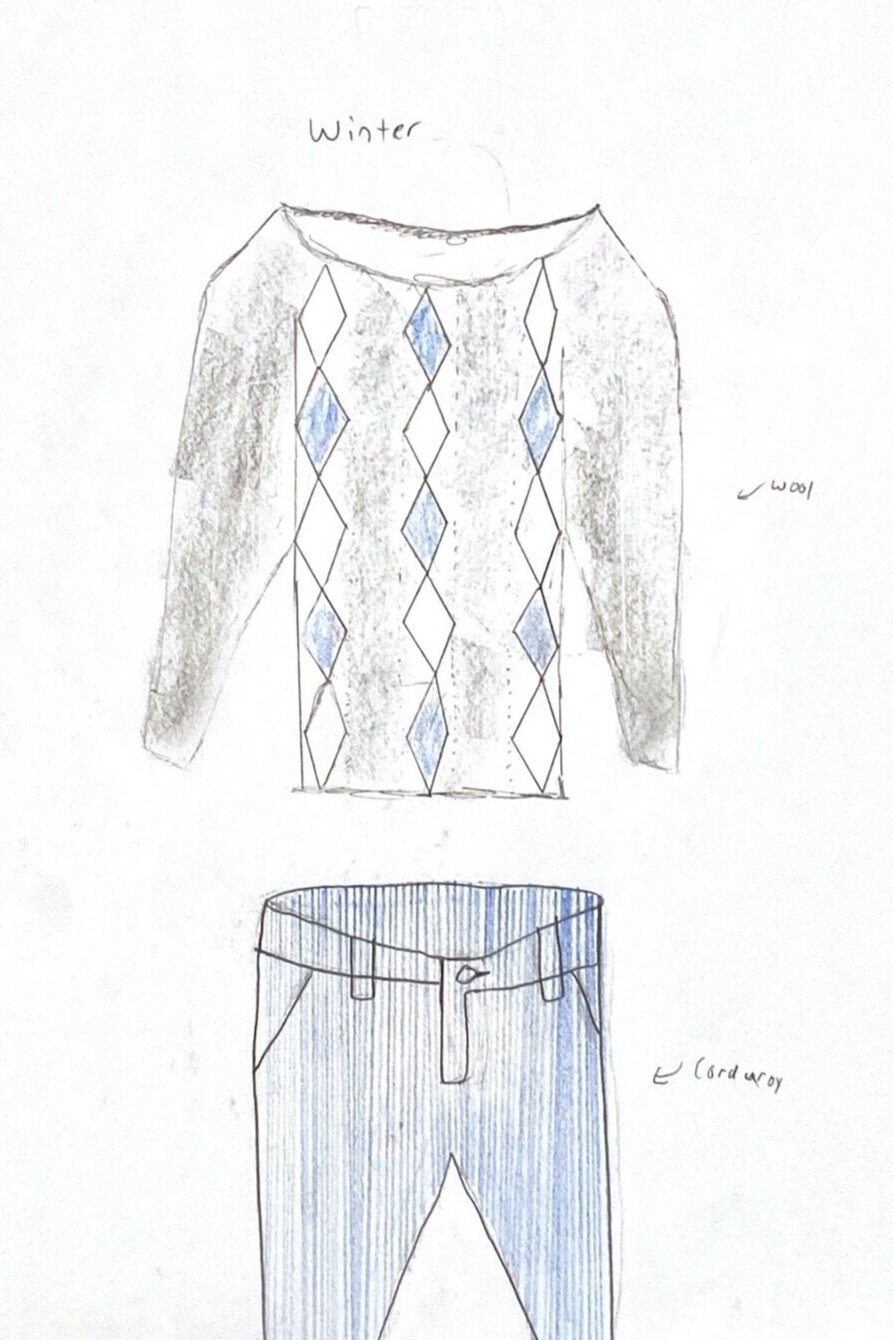
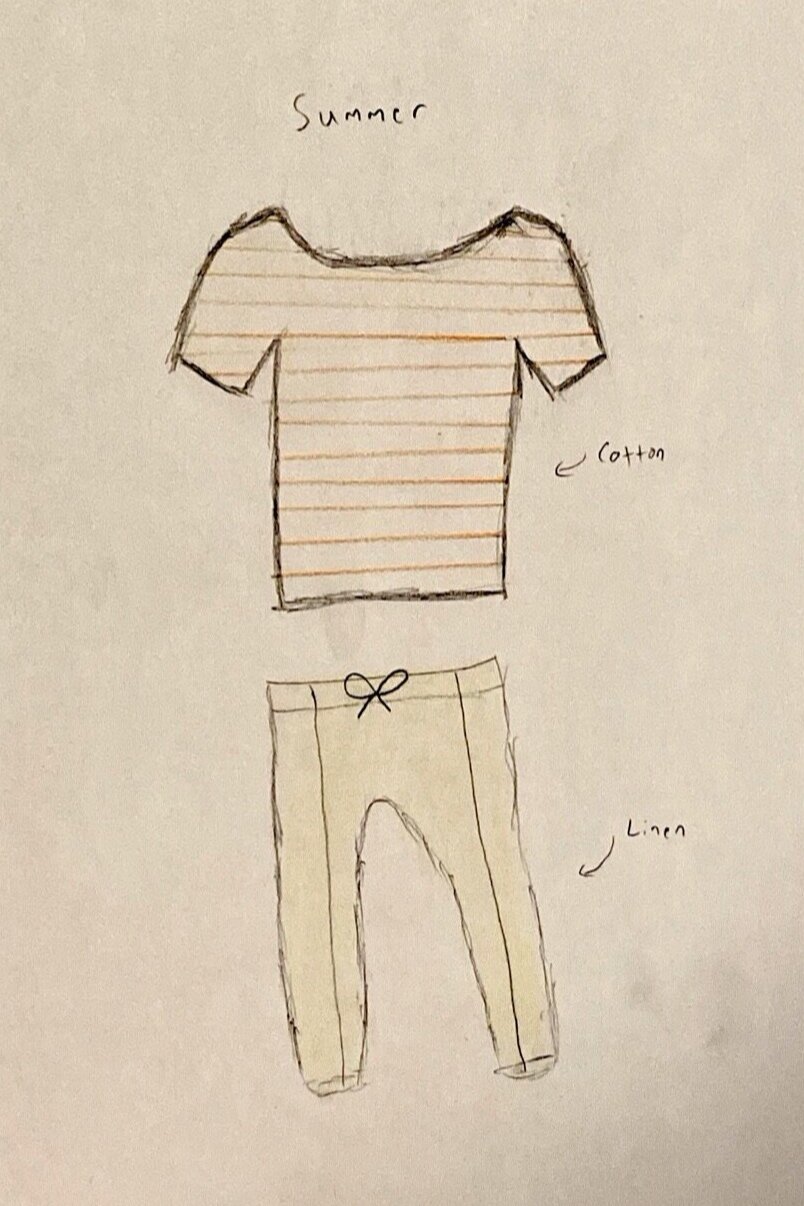
I’ve also been inspired by some of my favorite artists. Hiroshi Sugimoto is a photographer who I really like. He shoots black and white photography. And, like him, I shoot mainly black and white film, but I’m also really interested in color. So while my designs tend to be monochromatic, one of my designs has a pop of color. Geometric shapes and patterns are also important to me, and Josef Albers is an inspiration for that.
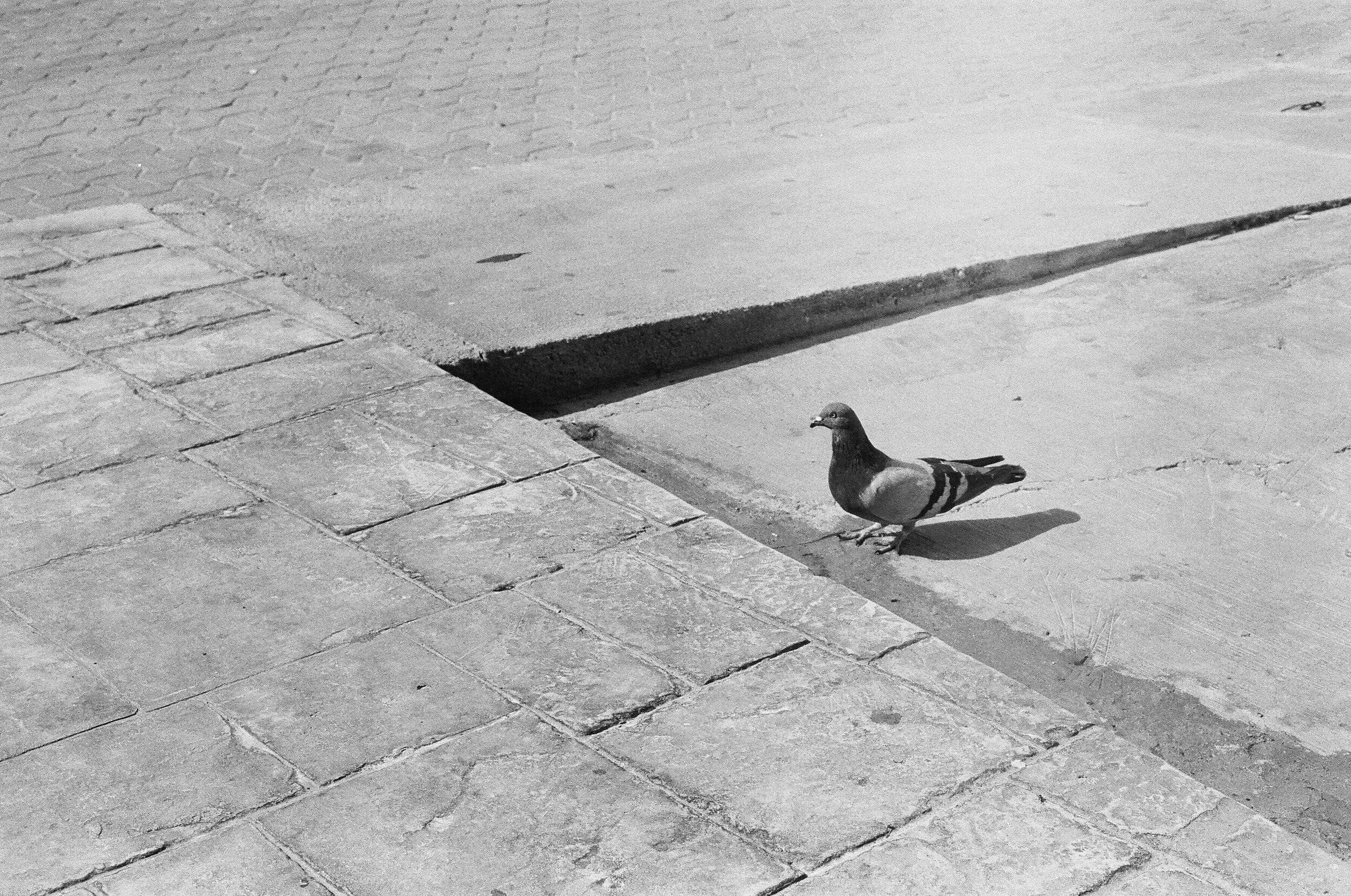
“Uneven Terrain.” An Original Photograph by David.
Have you ever done fashion design work before?
Never. Before participating in the MODA Fashion Show, I’d never made anything. So this is really the beginning. Before this experience, I’d only seen sewing machines as old decorations, which weren’t being used. So this is a new experience for me.
What are some of the most challenging and rewarding aspects of the process?
I think the most challenging thing about making clothing is that you have to visualize something in 3D, but when you’re putting fabric through the sewing machine, it’s 2D. And the space that you leave between the fabric is where the body goes. So it’s often difficult to imagine how to transition from 2D to 3D pieces. And while this process has been an interesting challenge, no mistake is unfixable. Sometimes you sew something and realize afterwards that the pieces don’t fit - but you can always take the stitches out.
“...no mistake is unfixable. Sometimes you sew something and realize afterwards that the pieces don’t fit - but you can always take the stitches out.”
I think we live in a world where people are very removed from the production of things. I’m in this art history class right now where people had to bring in objects of value to them. No one out of 25 people brought an item that they had personally created. We live in a disposable world. And so I want to create something with my own hands. And hopefully it will last for a long time. That’s an inspiration for my work.
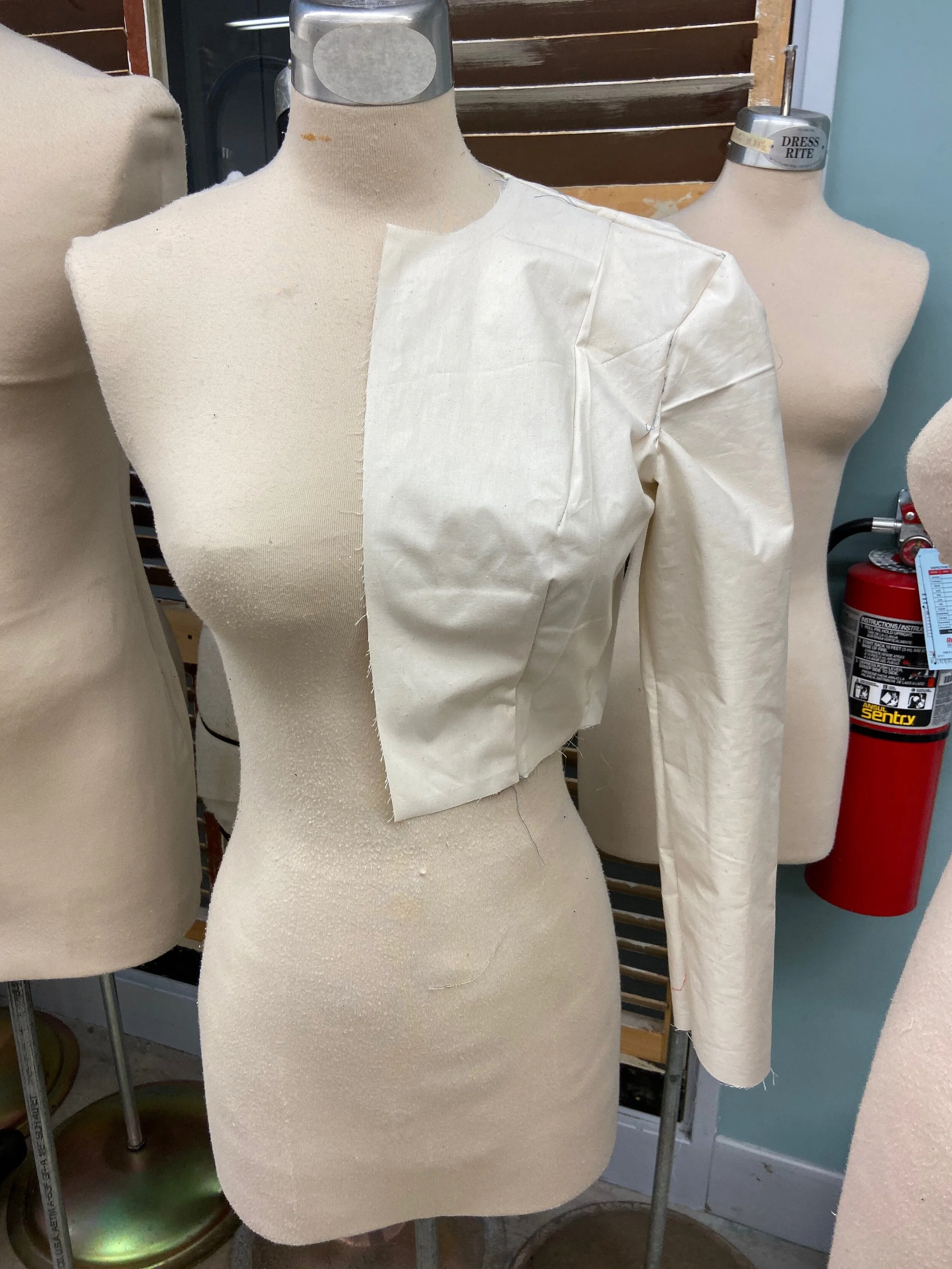
A Sneak Peek of one of David’s Creations for this year’s MODA Fashion Show…
“We live in a disposable world. And so I want to create something with my own hands. And hopefully it will last for a long time.”
What are you looking forward to most about the show?
Seeing my friends walk. The models that I picked are three of my good friends. I’m excited because none of them have ever walked before, and so I think it’ll be really exciting to see them walk down the runway, with so many people watching. And to see my friends’ reactions to that will be really cool.
I’m also really excited to see them wear my designs. I’m designing three complete outfits. So each of my friends will be wearing a complete design. Two of the designs will probably have the same basic forms (a sweater and a pair of pants), but these designs will have different accents to make each outfit unique.
Who do you have in mind when you’re designing?
I don’t have any single person in mind. I make minimalist menswear with vintage accents and elements, because that’s my personal style right now. And I call my style menswear, even though a woman will be modeling one of my designs. I don’t really care about the shape of the body wearing my pieces - just about the style of the clothing.
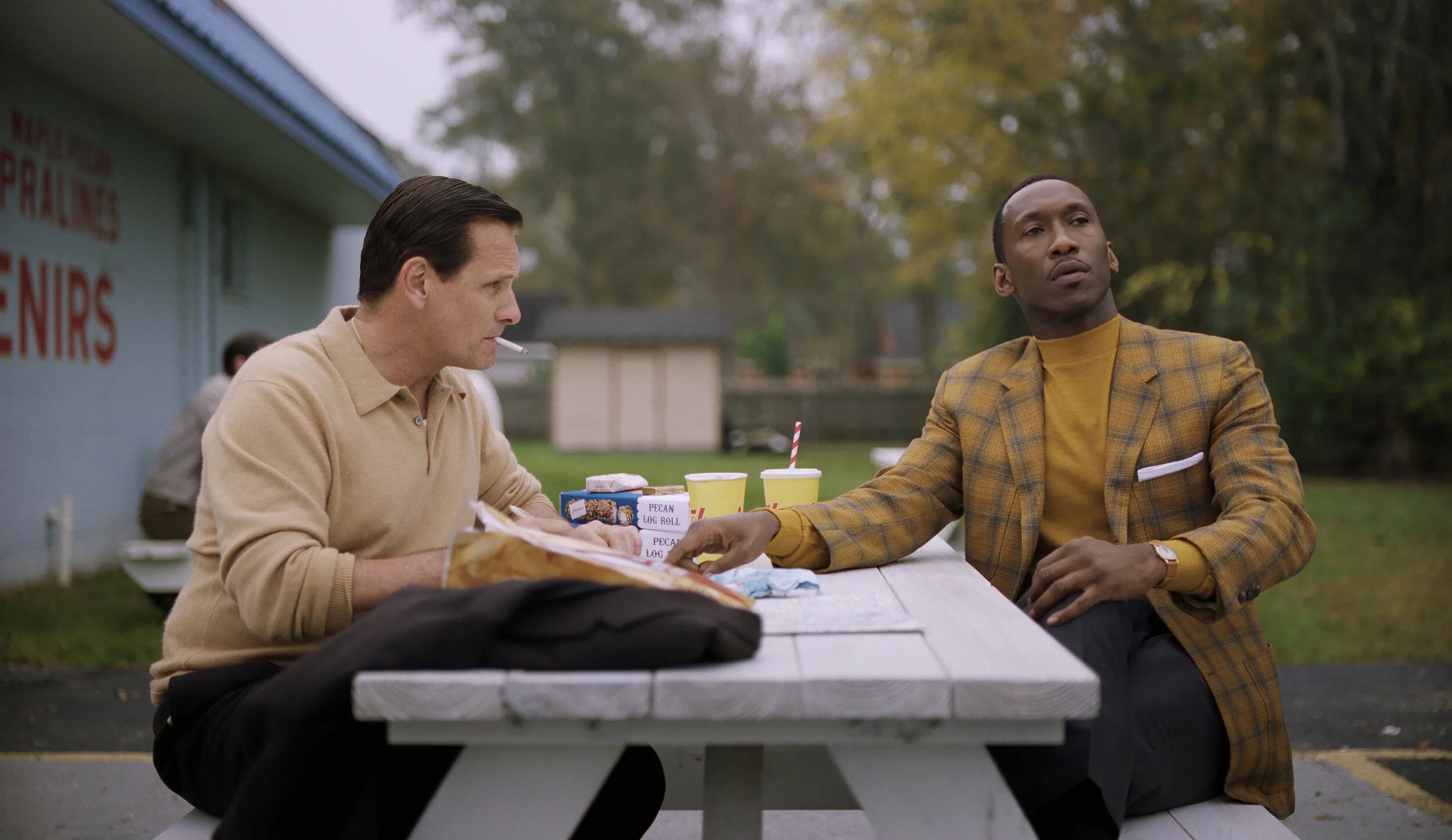
In The Green Book, Dr. Shirley’s outfit (right) serves as inspiration for David.
I’m also really interested in historical fashion. One of my favorite things in the world is watching movies with great outfits, and seeing how timeless many of these pieces are in the world today. One of my favorite movies is “The Green Book.” The Musician, Don Shirley, has really great style. His outfits are incredible. I also watch “The Marvelous Mrs. Maisel,” which is set in New York (where I’m from). And the show has great fashion looks.

In The Marvelous Mrs. Maisel, Midge’s outfits also inspire David.
If you could give yourself any advice on the design process, what would you say to your younger self?
I think in general I can be a perfectionist, so I’d remind myself that this is my first time doing this, that things are going to go wrong, and that what I envisioned in the beginning is not going to be exactly what I get. As a photographer, often times you imagine the perfect shot, and you go to the dark room and print that shot and it never looks as you imagine. And sometimes it’s not what you want it to be, but other times it’s even more incredible than you could have envisioned. So when you design something, it doesn’t always turn out exactly as intended, but sometimes you end up with something even better. And even if things don’t go according to plan, I need to be okay with things changing along the way.
“As a photographer, often times you imagine the perfect shot, and you go to the dark room and print that shot and it never looks as you imagine. And sometimes it’s not what you want it to be, but other times it’s even more incredible than you could have envisioned.”

“Color Warp.” An Original Photograph by David.
What’s your favorite aspect of the design process?
There are two things. The other people in my fashion design program are really cool, and I’m really interested in getting to know them. I also just love creating designs with my own hands. I haven’t created many things in the past. And, especially at UChicago, we spend a lot of time writing papers and thinking abstractly, but it’s really nice to actively create something tangible.
“And, especially at UChicago, we spend a lot of time writing papers and thinking abstractly, but it’s really nice to actively create something tangible.”

Designer Profile 2023: Parth Wokhlu
Introduction:
Hi, I’m Parth! I’m in MODA as part of the Designer Bootcamp program.
I’m still finding my personal sense of style, and haven’t been into fashion for that long, but I do like mixing from different genres, like wearing formalwear with streetwear. I don’t necessarily fit within the same genre every day. Sometimes I wear something I don’t feel like myself wearing, so it’s a process of discovery still.
I have no background in fashion design specifically, but I have played music since I was very young and consider that to be a prominent part of my life, but I don’t really think of myself as someone who is artistically inclined. I have always enjoyed consuming art but haven’t done much art-creating.
My experience with music translates pretty heavily into my experience with art. The artists that I listen to are extremely involved in the fashion scene, so a lot of my interest in them and how they build their works translates to my interest in fashion— to the point that it directly inspired my concept for the upcoming show.
The Concept:
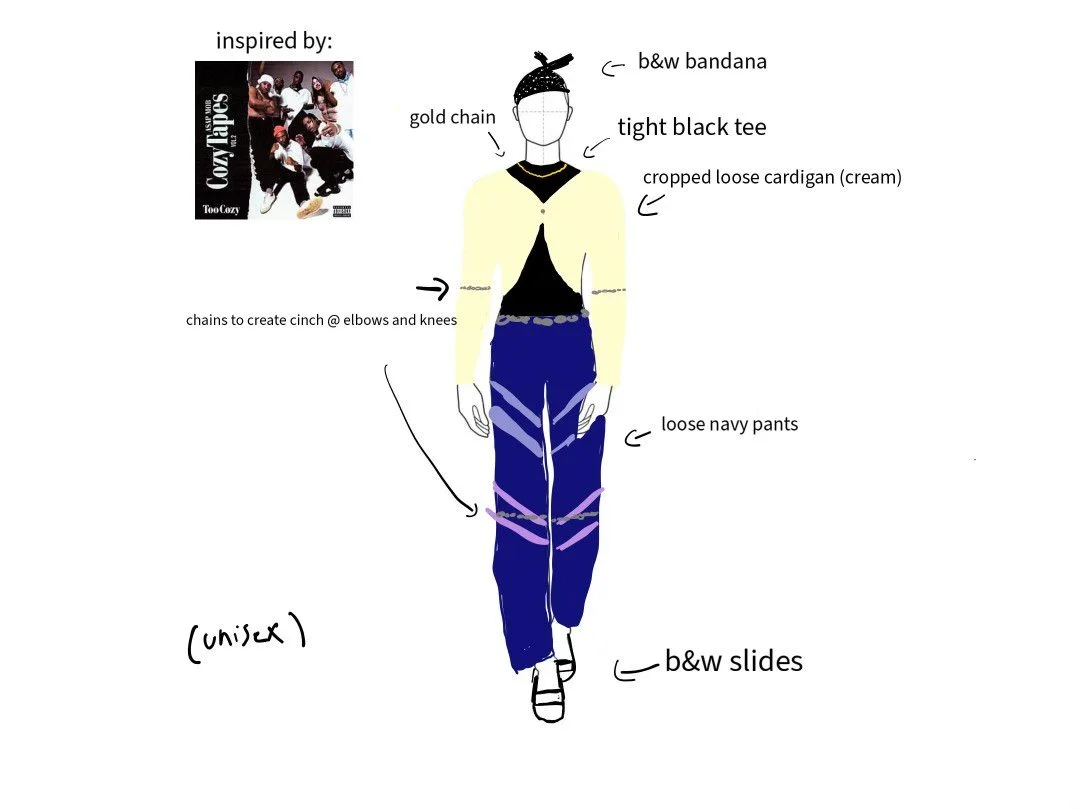
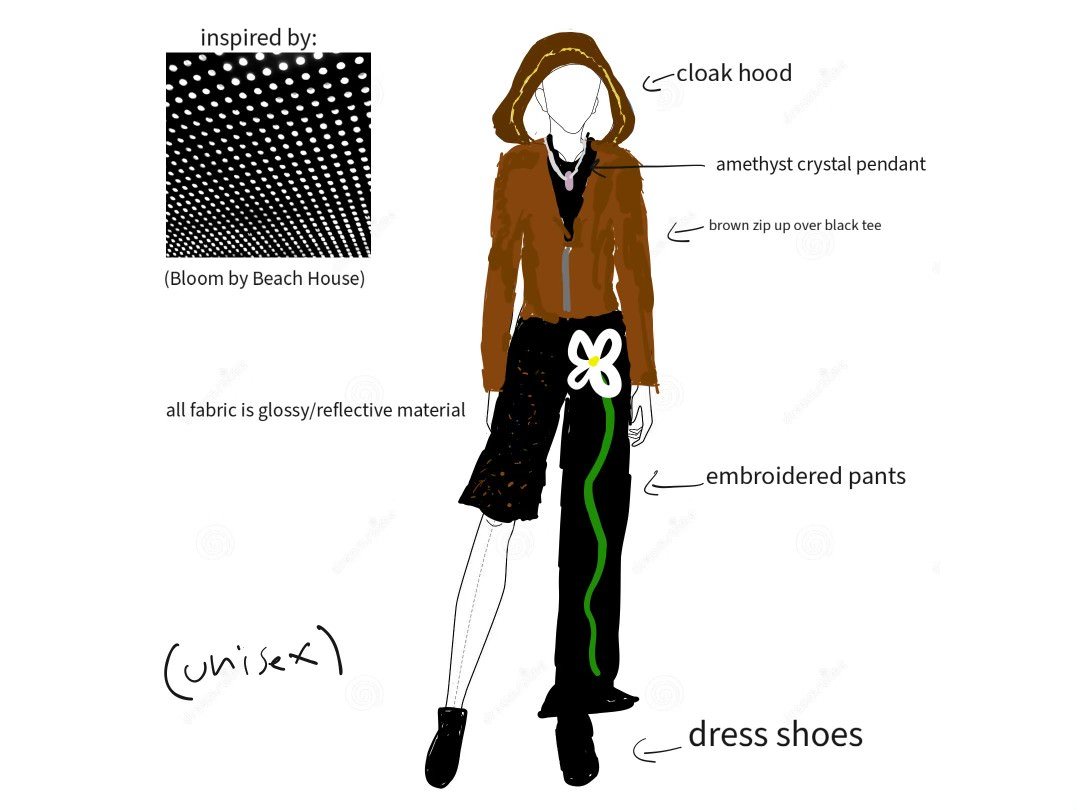
All of my pieces are inspired by a musical album—not necessarily the cover of the album, but the sound and the values that emerge in it. The first look is Cosy Tapes by Asap Mob, a very chill and laidback trap album. That is the vibe I wanted to go with for my first piece, a mix of streetwear and casual— cozy-wear, I guess. The second album was Bloom by Beachhouse. That album sounds very dreamy and very glossy. It is a dream pop album. The entire thing is about growth, self-reflection, and growing out of adolescence. That piece is probably the most out there. One of the pant legs is cut short and then "grows" into another pant leg with a flower blooming for that dreamy look. Finally, there's Stevie Wonder’s Key of Life, an album about family and loving the people around you. The design I did, is based on my family, which is from India. I did a spin on traditional Indian menswear and combined it with traditional-western wear to create the final look.
Visually, it is not a very coherent capsule. The designs are very different, but at their heart, they are all based on albums about humanity and how we live. So, at their core, they are pretty similar but expressed in very different ways. I thought about whether this was the right idea multiple times. But since this is my first time designing, I might as well give it a shot and do it the way I want.
I would summarise my collection with the word "freestyle."
I think that is the core of the commonality between each look. I also don’t think I could pick a favorite; I love different aspects of each one. The Cosytapes is the most wearable, but I love how out there the Bloom piece is. I don’t know if anyone would wear it on the street, but I think it's cool. The third one is the most sentimental because it's based on my culture.
In terms of designer inspiration, I think every designer looks up to creators like Margiela, McQueen, and Rick Owens. But, none of them have resonated with me enough to the point of inspiration. Most of my inspiration comes from non-fashion artists, for sure.
The Process:
I wanted to join MODA for a relaxing creative endeavor, but sewing is not relaxing! It is very tedious, and I am also a perfectionist in my approach, so it’s a whole process. I do like exercising my mind in a different way than I do at school and I’m enjoying it a lot. It is very cool to make clothes on my own. It reqired more focus than I expected and more mathematical than I originally thought. It's not exactly the same math I am doing in school, but it's nice to create something with mathematical and aesthetic beauty.
DBC has given me the foundation I need for this endeavor, and Janelle, the wonderful lady teaching us, has been so awesome. As I mentioned, I had no previous knowledge of fashion or design, so being able to get behind the construction of different garments was great. The way she taught us was insightful, and I would recommend applying to anyone who wants to get into design. If you are interested in fashion design this is something you should try! It doesn’t hurt to spend some time learning something you think is worth doing. If you don’t like it now, you'll at least know how to sew and alter your pants. If you do like it, though, you can alter your pants and also make cool pants!
Through the design process, I have been exploring the relationship between the model and the design. For example, the Cosytapes-inspired look features some jeans that will be painted on by the model, Yasmin Baldo, who is an artist herself, so I’m letting her paint whatever she wants on the jeans. I think that model-designer interaction will make walking in it, will be pretty cool and demonstrate the role a model plays in both the creation and display of fashion.
The Models:
All of my models are artists and awesome people in their own right. Yasmin (Baldo) is very chill, and everything about her fits the garments' aesthetic, and she will be painting and putting down her interpretations and thoughts onto the piece. I am the designer, but I don't think that takes away the fact that whoever is wearing it is, in a way, also contributing to the design in how they want to style or wear it.
Another one of my models, her name is also Yasmin— Yasmin Ali, is also super cool. She has a great sense of fashion and is wearing the Bloom piece. She is a good friend of mine, and we have had conversations about growth and who we are as people. So, I know she fits the entire idea of that design very well. I also think she is the most likely to have the confidence to wear the piece off the runway.
Keshav (Narendra-Babu) is a fourth year. I know him a little less than the others, but from our conversations, I know he is also in touch with South-Asian culture and other South Asian people at UChicago. I met him around the time he walked for MODA. I got a general vibe that he was a dope person and, he was also good-looking, so I felt like he fit my vision.
Designer Profile 2023: Kate Shchukina
In conversation with first-time MODA fashion show designer Kate Shchukina:
Tell me a little about yourself.
Hi, I’m kate, I’m a second-year CS and psychology major, and this is my first time designing. I'm pretty excited!
What has your experience been like with the DBC program?
It’s been awesome! I came in with a big interest in fashion, and reading about and studying fashion history are some things that I have been interested in forever. But, I had no experience with practical creation—okay, my grandma taught me how to sew a button when I was six, but that doesn't count.
Janelle, our lovely sewing instructor, was very productive and helpful, and I feel like she gave us a lot of foundation to work stuff out by ourselves—we only had six or seven four-hour sessions and that left me feeling prepared to do stuff on my own, she was great!
How would you say you grew to be a designer?
I have a checklist sort of —like a very vague one of things I wanna do that I’ll basically only have the opportunity to do in college. There’s sewing, 3D printing, and soldering in the MAAD center (I don't know why I would need it, but it’s there and you can learn it for free). I'm actually incorporating 3D printing in my design!
But, yeah, I’ve always wanted to design stuff. I’m not a particularly artsy person. I think in Math and CS there’s a certain aesthetic but beyond that, sewing felt very hobby-like to me. Presentation is just very interesting, you know? It’s creative what you choose to spend your life wearing.

Kate’s Mood Board
In what ways would you say that your surroundings contribute to your work inspirationally, creatively, and innovatively?
I think a large part of the content I consume and the things I'm interested in are pretty much directly responsible for the things I associate with fashion and inspiration. So, something I’m really interested in is mycology, the study of mushrooms. I don't know that much about it, to be honest, but I’ve been learning a lot, and a big part of that is kind of the decay as well as the interconnectedness of systems and the idea of unity—which I guess steers a bit further than just science. I think there is this sense that everything is associated with everything or linked in a way. Then there’s another part to that, which is that decay, and the idea that leaving stuff alone sometimes can be very beautiful—that's something I wanted to emulate in my designs.
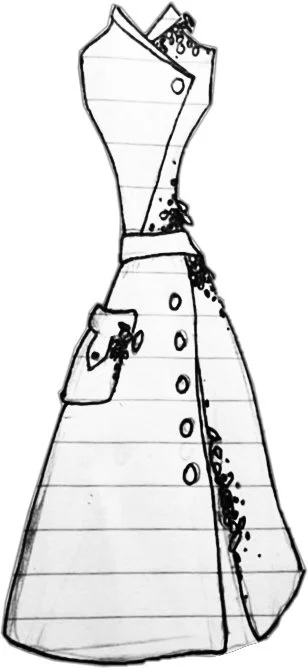
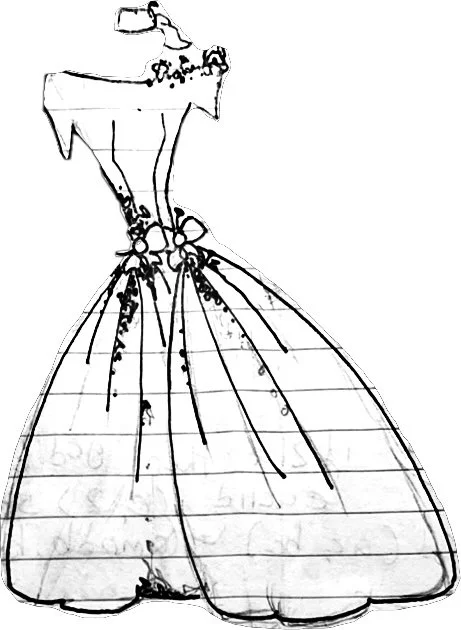
Honestly, the base was just the kind of design I like, and I personally enjoy the 50s silhouette. I have a great book on the history of fashion, which really goes through the history of fashion as a concept. So, from that, I got a good sense of the general rules of fashion used during that decade.
What is the process like for you to move your creations off paper/sketch to make them tangible?
The initial sketches that I gave to MODA directors when I was applying were very vague and based on the vibe—like I wanted the audience to feel a certain way, more so than I had a vision.
I think a big part of my creative development was picking my models and seeing them. Honestly, the night they told me I could have them, I redesigned all three of my looks because I felt like the people that were going to be wearing them all had these distinct personalities. It was interesting because not only their physical appearances but, the way they walked and carried themselves felt like it gave personality to the looks. Then I had a lot of fancy ideas about my looks, and those got simpler when I learned to sew. The other tough thing was finding patterns, you know? You're coming up with your own stuff, so it's hard to find things that are similar to alter, and I’ve been sewing for a little bit over a month so it’s still scary to alter stuff. But it's really fun and I find sewing to be very meditative. I just really enjoyed the process, and I think a lot of stuff comes up as I'm sewing, like I think, “Oh, this would be cool”, and then I show my models.
So you talked a bit about how your models influence your looks. But how would you say you want your clothes to make your models and audience feel?
With the models, I firmly believe that if a person (this isn’t even about the runway) doesn't like the clothes that they are wearing, the clothes will look terrible on them. Even if they're the most beautiful thing in the world, it just won't work out! I think it’s very sad in the Haute Couture fashion scene how models are seen as hangers, and I think that's part of why people are so disillusioned with modern high fashion. So, I think the key thing I wanted when I reached out to my models was that they liked what they were wearing. From the start, I said “if you hate it completely, I totally understand,” but also, I was open to reworking. I asked them what body parts they wanted to accentuate and what it was they wanted to highlight.
That’s very sweet of you.
Well... I don't even think it's like a sweet nice person thing. I think it’s important to–
Listen to your models.
Yeah! So, I got some feedback which was really nice. They asked about color choices, and I was like “I was thinking this, but what do you think would look good on you?” Another thing is that I feel like you know yourself better and the models have different skin tones and different hair than me, so I think they know what works for them better than I do. Even though I'm the one with the “vision.” If you don't listen to that I think it can feel kind of inauthentic.
Then in terms of the audience, that's a lot more intimidating to me because my experience is mostly with personal fashion, in which case I don't really care what people think. Within reason. But, for this, I think I want a sense of confusion. I think there is a contrast between things that are conventionally beautiful and things that are somewhat gross, which I think is quite hard to illicit, and I'm honestly still not sure if I'm doing it right. But, that's ideally what I would want. You know beauty, not just in terms of the body, but aesthetics are so subjective and I think it's very cool when people confront that. Like “is this beautiful?” even though it's something I've never seen before.
Besides your models, who do you envision wearing your pieces?
I don't think they're very wearable outside of the runway *laughs* if I'm honest. I feel like you could possibly integrate them into daily life. I know that when there's an economic recession, fashion goes kind of crazy. So, maybe in five years, these we’ll be the most average looks ever. But, fashion is shifting so fast that I can't really say. As of today, though, I don't know if I would convince someone to wear them out and about.
If you were to choose some words to summarize your collection, what would they be?
Decrepit—
Ooh, that’s a good word.
How many words am I allowed to choose?
Let’s cap it at three.
Okay, so we’ve got decrepit, we’ve got… circular? And I don’t know if it's too big-headed to say... confrontational?
No, not at all.
That's what I would aim for. I'm not going to lie, I’m like halfway done, so I don't even know what it’s gonna turn out like yet. But that's how I imagine it.
What exactly do you want to confront?
The idea of solid beauty 'cause, I think most people, at this point, understand that there are cycles in terms of what is attractive—like in terms of bodies, fashion silhouettes, and all that jazz. But I think there’s more to it. It's looser than a lot of people think. As I said with the recession comment, a lot of the things we're seeing are confrontational. I think a really good example is people shaving off their eyebrows, especially after coming from the thick full-brows trend—not going for something that is subtle or trying to break apart from the norms— to me, that is confrontational.
What will be the most fulfilling part of seeing your clothes move down the hallway?
I want to see the models feel comfortable and enjoy what they are wearing; I think that’s honestly the thing I'm most nervous about. I went to the fashion show last year, and I don't think I saw anything I disliked, but I think the most impactful and important experience is that of the models; so, I hope people like how they look.
Do you have any ending lines or anything?
I would like to say that if people are curious about fashion and design and are interested in applying to DBC, I really want to encourage it! It’s very gradual; they really walk you through it. Also, if you're just interested in fashion in general, there’s a whole MODA ecosystem to find something. It's pretty awesome!
Model for the MODA Fashion Show!
Interested in modeling an original, student created and styled ensemble? Audition to model for this year's annual MODA Winter Fashion Show!
This year we are looking for approximately 70 models. No measurements will be taken. We're looking for all body types, gender identities, and personalities. Please do not wear baggy or loose-fitting clothing. Bring heels if you feel comfortable walking in them.
This model call is open to current UChicago undergraduate students only.
For more information about the model call, please refer to the official Facebook event here.
Hutchinson Commons
11 / 15 / 18
8:30 PM - 10 PM
Feature images courtesy of Angela Liu.
Applications to Design for the MODA Show Are Live
Interested in designing and sewing your own collection for the annual MODA fashion show? Applications for the regular designer cycle are now open–apply here by October 29th at midnight!
Please note applications for Designer Boot Camp are now closed.
Feature image via.
Applications for Designer Boot Camp Are Live!
Have you always been interested in learning how to design and construct your own garments? Beginning in the middle of fall quarter and culminating in the annual MODA fashion show at the end of winter quarter, MODA’s Designer Boot Camp (DBC) program is designed for UChicago students who are passionate about design but who lack sewing and construction skills. These skills are taught in weekly workshops led by an associate professor of fashion design at SAIC. At the end of the program participants will have created three complete looks for the show, and learned the basics needed to continue to make great work!
Applications for the 2018-19 DBC cycle are now open. Apply here by October 13th!
Relevant dates for the 2018-19 application cycle:
September 28 (Friday of O-week): DBC application is released
October 12 (Friday of 2nd week) regular designer application is released
October 13 (Saturday of 2nd week) DBC app is due
October 25 (Thursday of 4th week) regular designer app is due
Contact our Design Director Kira Leadholm at keleadholm@uchicago.edu with any inquiries regarding the DBC program and application process.
Feature image via Angela Fung.