Biophilia, Buildings, and Beings

At its core, Biophilic design is a concept that embraces humans’ instinctive desire to connect with nature. It reflects nature and its elements, incorporating natural materials, natural finishes, and nature-inspired shapes from seashells, flowers, wings, and so on. This type of style is commonly employed within architecture and interior design. In these spaces, we often see indoor waterfalls and other water features, green ceilings with hanging plants, and large glass windows that allow for natural light to fill our rooms. 

Biophilic works have become increasingly popular due to COVID-19, which has caused individuals to stay indoors for increased periods of time and experience the outdoors less often.
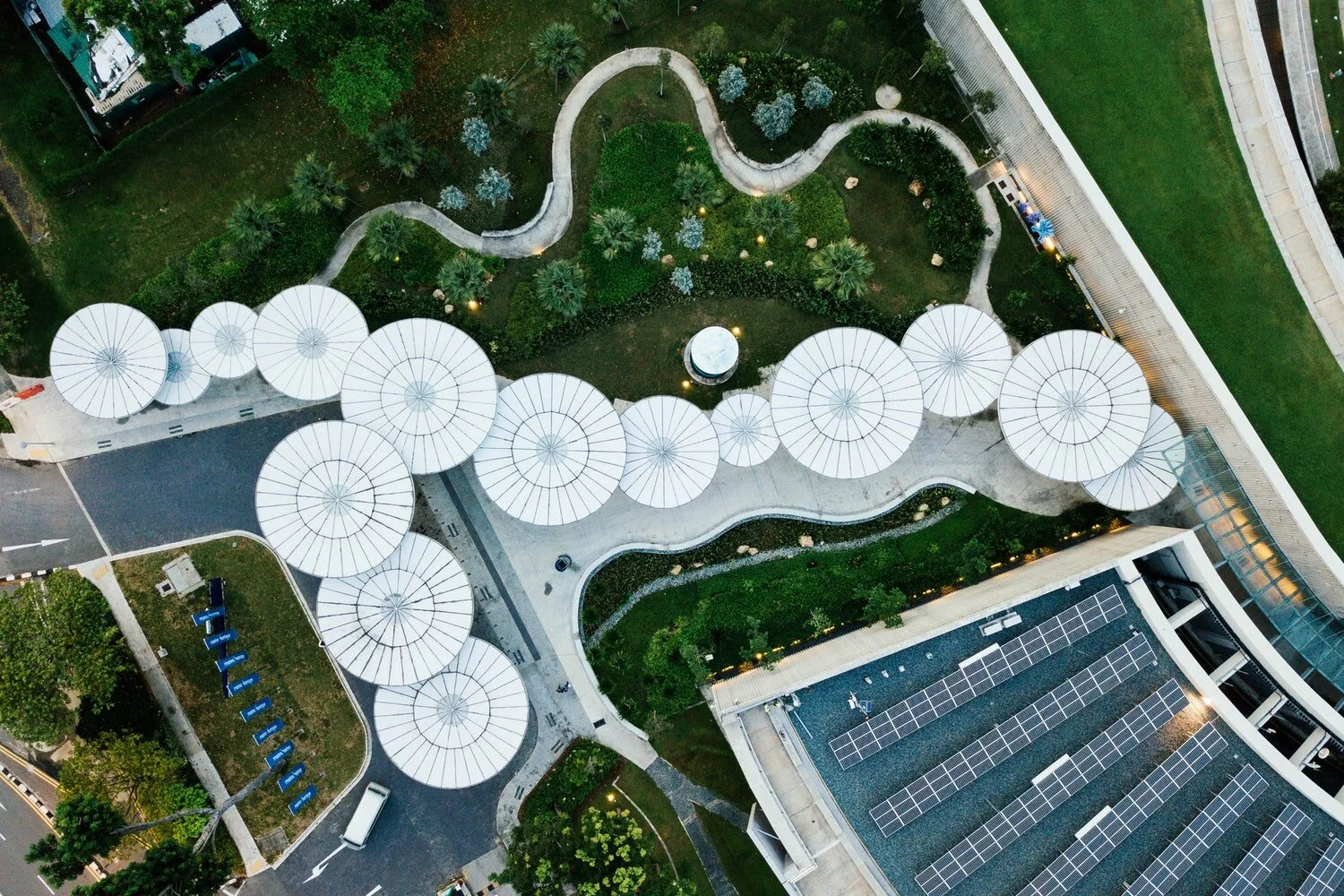
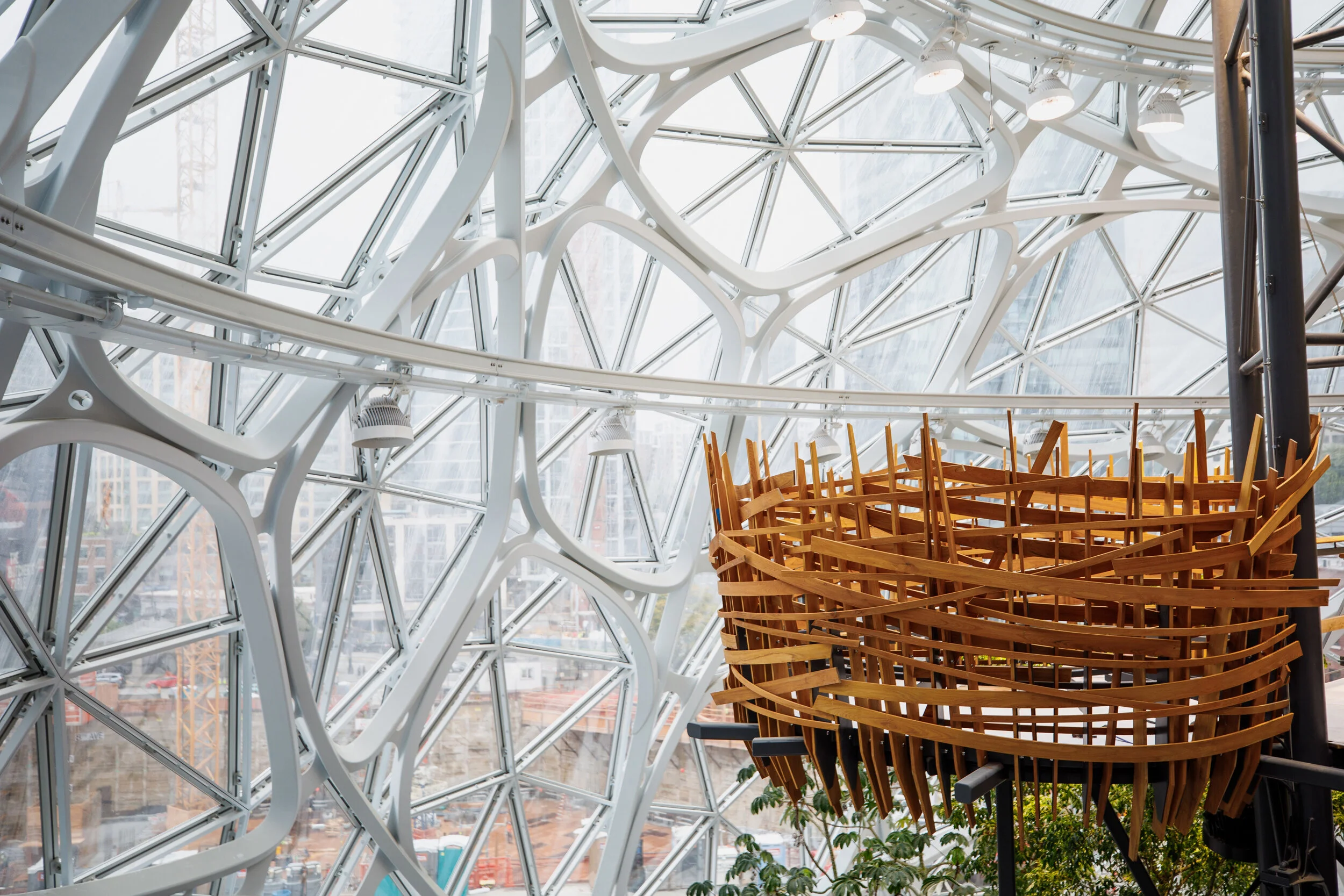
Biophilic design is an aesthetic choice, but also one that is favorable to the environment. The design’s incorporation of plants in urban environments reduces carbon emissions, increases natural biodiversity, and improves air quality. 

This architectural style benefits the well-being of those it surrounds, too. Nature’s biopsychological ability to mitigate stress is likely an evolutionary adaptation. For early humans, vegetation was a critical source of food, so the presence of greenery indicated that they no longer had to worry as much about food scarcity. 

As a result, interaction with vegetative elements is said to improve creativity, relaxation, and sleep quality. A study conducted in 1984 by Professor of Architecture at Texas A&M University, Roger Ulrich, found that patients who viewed green nature were able to recover much faster than those who looked at a brick wall instead. For us, nature has healing effects.

As Biophilic design progresses, more research has been conducted on the types of greenery that people prefer. A significant concept in the field is the “Savanna Hypothesis”, which claims that we have retained our evolutionary preference for savannas. These biomes were the habitats of our early ancestors and are where humans evolved to what we are like today. Savannas offered early humans plenty of biomass for consumption; they also had easy access to low-lying vegetation for food, ameliorating humans’ survival prospects. 

A study conducted by Virginia Lohr and Caroline Pearson-Mims in 2006 discovered that individuals find the shape of trees that flourish in the savanna biome more appealing than the shapes that characterize trees from other biomes. Another study by Balling and Falk in 2010 found that eight-year-old children prefer savannas over other types of biomes. These hypotheses could revolutionize the specific types of greenery that our designs include in the future, as we may turn to savanna-inspired elements in the years to come. 

In the meantime, the world of Biophilic design offers insight into the ways we can improve our workspaces during the pandemic. It’s healthy to care for more plants in our offices, to open our windows, and to go for a walk outdoors once in a while. Embracing greenery is ultimately not just an aesthetic choice, but also one essential for self-care.


Featured image via 

Javier Senosiain & The Organic House

Understanding organic architecture is about feeling the world around you. Think back to the last time you took your bike, scooter, even your Big Wheel out to play around your neighborhood. As the wind lightly glossed your face and tousled your hair, you gained speed. Faster and faster until –– a sharp connection to the asphalt, bits of green grass stuck to the blood on your knee. By that time, you would relegate yourself to the indoors, dabbing Neosporin on the cut and cleaning the soil off your fingertips. 

Organic architecture takes the synthetic, manmade forms of building and integrates them with the surrounding world. The architects pay attention to the use of the natural within the artificial. Yes, humans created the showerhead and the sink spout, but the water? That is nature, which must be acknowledged. Louis Sullivan, the “father of skyscrapers,” pioneered the term under the belief that “if the work is to be organic, the function of the parts must have the same quality as the function of the whole.” While Frank Lloyd Wright is often highlighted during the discussion, the organic style has been found in traditional Eastern styles of buildings, most especially Japanese architecture. The dominance of nature within the space of the building is most notable, as architects must bend ideas such as form, shapes, and color to the will of the nature in front of them. 

The different tools for organic architecture are as follows: geometric shapes, curvilinear lines, unaltered materials, and authentic form. 

Surprisingly enough, for some architects, math guides their conception of organic architecture. Math, specifically geometry, define the world around us. While many things in the world are not as easily explained, our description and understanding of nature’s proportions are dependent on math. Basic geometric shapes govern both the artificial and natural world, acting as a bridge for the two to connect. 

For example, Antoni Gaudi, a Catalan architect, adopted “geometrical structures present in nature,” specifically “hyperbolic hyperboloids that are in fact inspired by tree trunks.” By harmonizing the shapes within nature and the mathematical constructions within architecture, Gaudi was able to cohere the two within the Sagrada Familia. Furthermore, Louis Sullivan also denoted various principles based on lines, discussing the balance between geometric shapes and curvilinear forms. 

Many architects, most notably within the Eastern building tradition, use materials derived naturally for their structures. By utilizing the same forms that repeat in the landscape, the construction seems less artificial, thereby raw and unprocessed by humans. The use of raw materials and various shapes leads to the idea of the aggregate form representing and flowing along with the assemblage of nature itself. 

Another leader in the organic style is Javier Senosiain, a Mexican architect who combines his heritage with the form and function of his work. Senosiain has researched bio-architecture and freeform design, leading him to create the “Organic House” in 1984. While this piece was developed and constructed over 20 years ago, it still remains relevant to this day. 

Image via

Image via

The “Organic House” is covered in a lush green landscape, the building itself almost completely hidden by the environment around it. Senosiain constructed it in this way because, to him, “to take a walk in the garden is to walk over the roof of the house itself without even realizing it.” A key piece of the “organic” part of organic architecture is the viewer’s interaction with space itself. When the interaction between the human and the building resembles that of a creation point, space itself becomes primal.

Screen Shot 2020-10-30 at 1.33.34 AM.png

The “elemental functions required by man: a place to live and fellowship with others.”

Where Frank Lloyd Wright built atop a waterfall, Senosiain burrowed beneath it.

Image via

Instead of taking an external approach with the rolling green hills of Mexico, Senosiain worked inwardly. The architecture feeds off the energy of the hills through the interior, working within nature rather than around it.

Senosian discusses what the house maintains as “the elemental functions required by man: a place to live, and fellowship with others.” I think this is what I love so much about the piece itself. While emphasizing all of the traditional forms of organic architecture, Senosiain brings something new to the table. He emphasizes a kind of primitivism in his work, where so many others display elegance. From the gritty terro-cement interior to the hidden exterior, Senosiain doesn’t just juxtapose Naucalpan de Juarez and the habitual form. He does not settle for connection between the artificial and the natural. He turns the artificial into the natural.

Screen Shot 2020-10-30 at 1.40.41 AM.png

The very essence of building broaches the unnatural.

The world at our fingertips is the untamed, touched only by the cosmos. When we build atop that world, we turn the natural into the artificial. In the Bay Area, every plot of usable land has transformed from golden grass to apartment complexes in the 10-mile radius surrounding my home. So-called “scenic routes” cut through the rolling hills and deep valleys, trying to make as little of a human impact as possible. But when nature hands us rock slides, we don’t back down. We put up signs, nets, and bridges until the industrial has usurped the organic. The Organic House stands at the boundary of this ever-changing phenomenon. We won’t stop reconstructing the Earth: designing, creating, and building is who we are and how we have chosen to leave our mark as humans.  

Image via

Image via

What does the Organic House have to do with our current state of affairs? What does organic architecture provide us in the time of Covid-19? At the very least, the pandemic has drastically changed and sped up production of transportation and habitual architecture to maintain policies of social distancing. Rigid, urban life –– moving shoulder to shoulder on cramped streets in cramped cities –– has all but disappeared in the last couple months, leaving us to reconcile our ephemerality with the permanence of nature. In the next few months, architects may be emboldened to repurpose our connection with nature, and as a byproduct, our connection to ourselves. After the virus, when we depart from online modules of existence and back into the natural world, maybe the architecture, along with us, will become more organic.


Featured image via
Quarantine, Memphis-Style

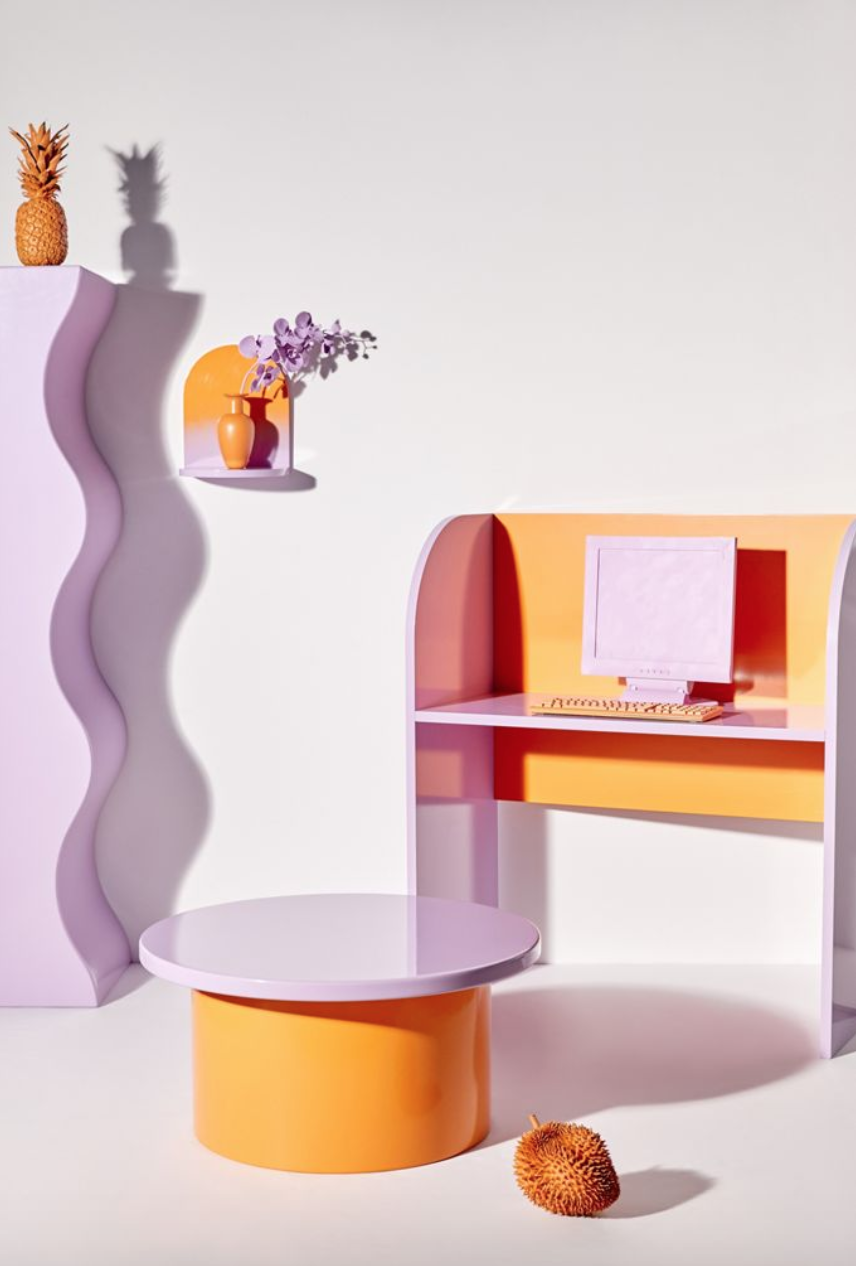
We all have days when we need some fun, colorful inspiration to keep us looking on the sunny side of life. My suggestion? Memphis-style design.

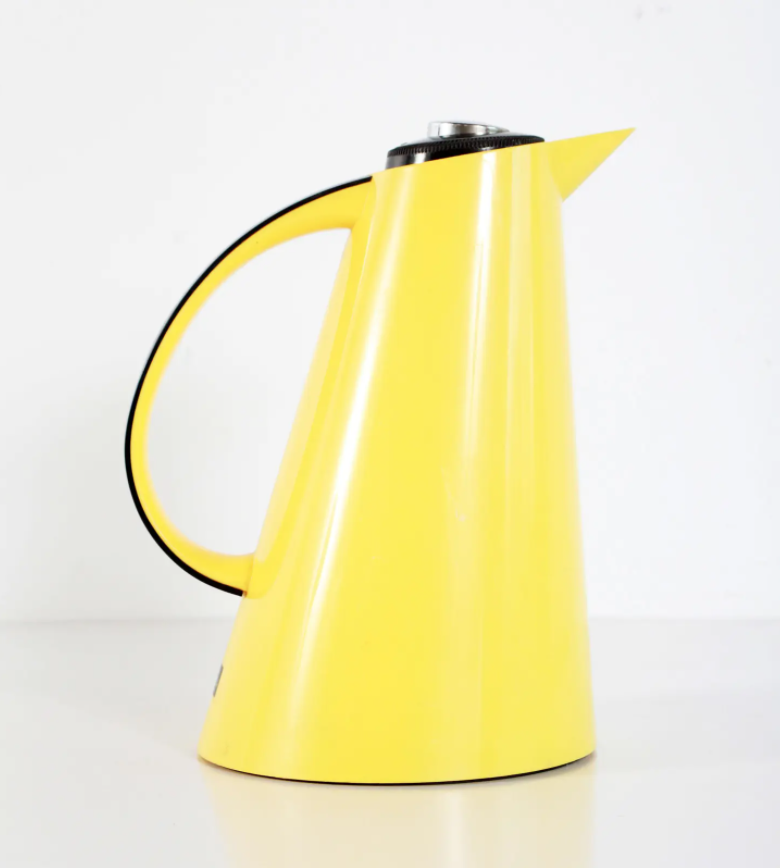
If you don’t know what this means, you’re not alone. I found this tea pot, listed as “Memphis Style Tea Pot,” on Other Times Vintage’s website, and I had no idea what “Memphis style” was. So, vintage enthusiast and curious human that I am, I went on a deep internet dive. And, reader, I fell in love.

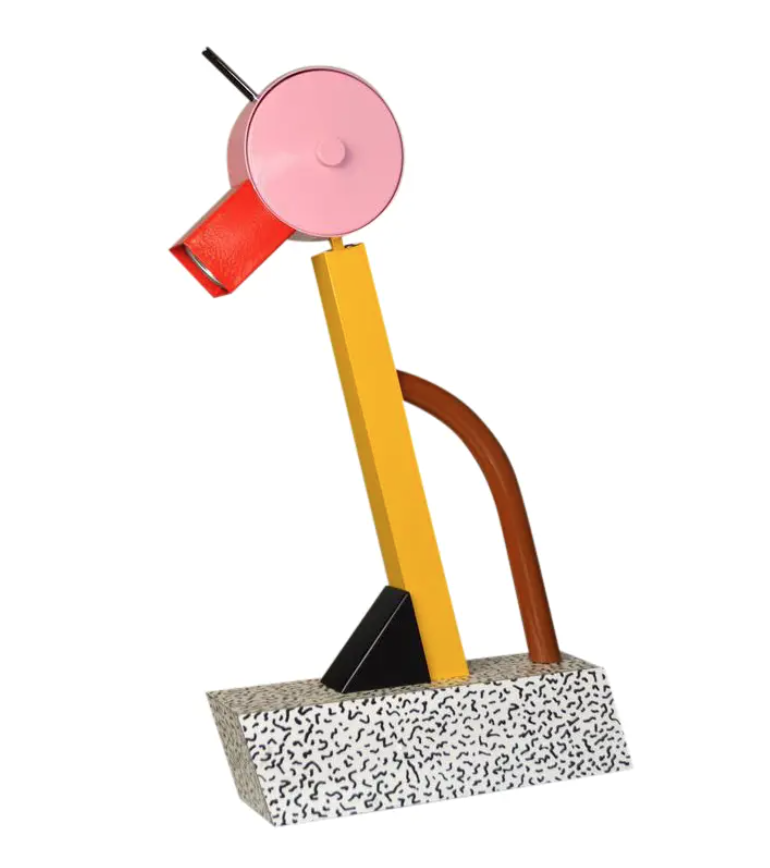
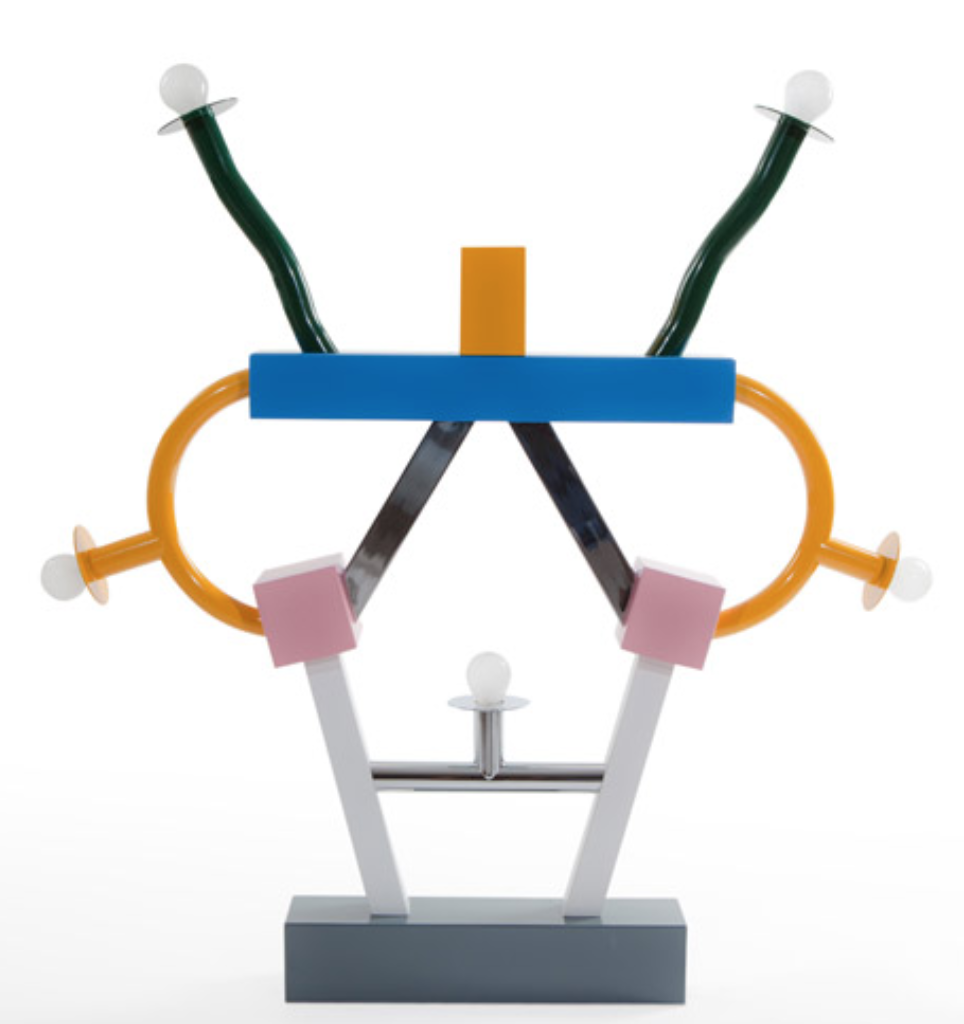
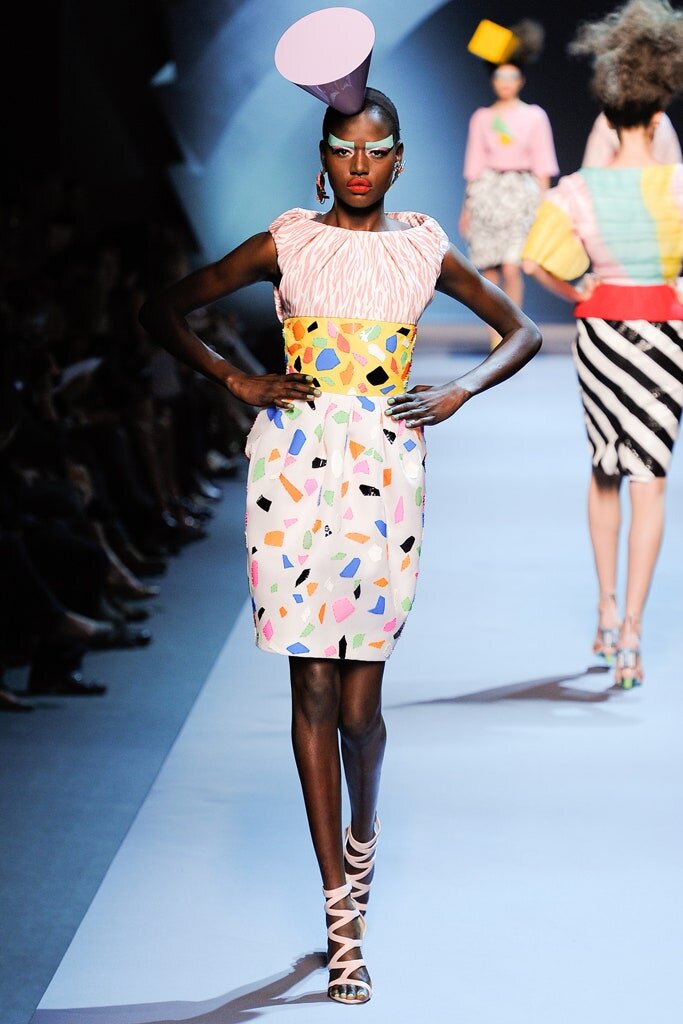
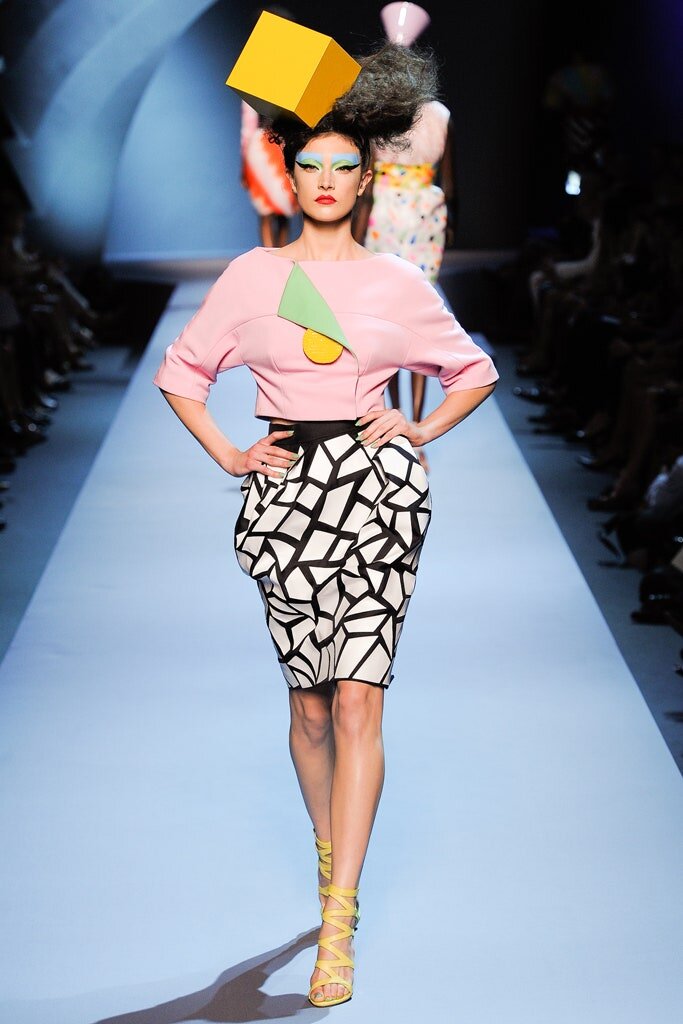
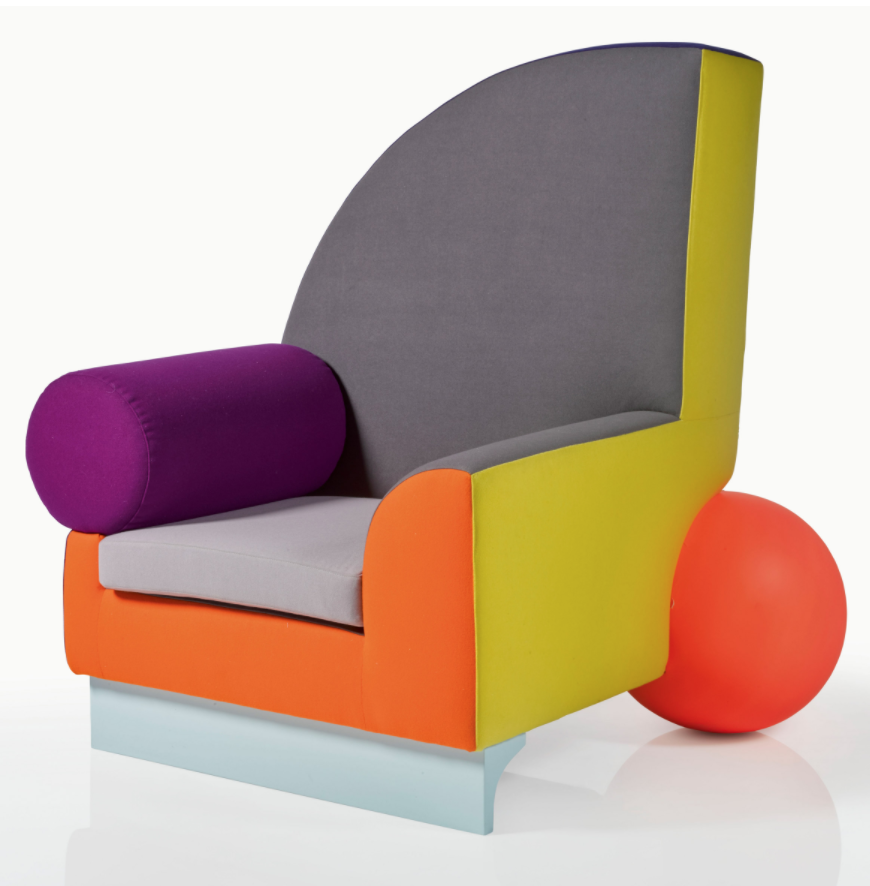
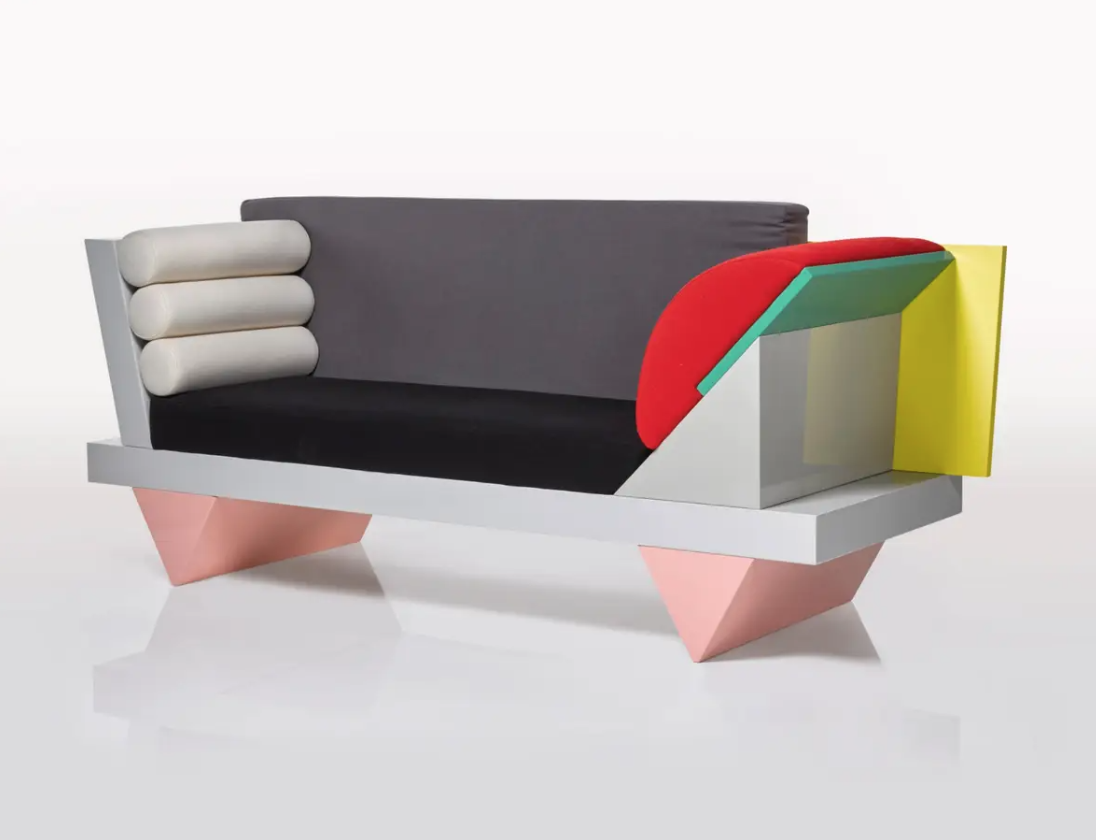
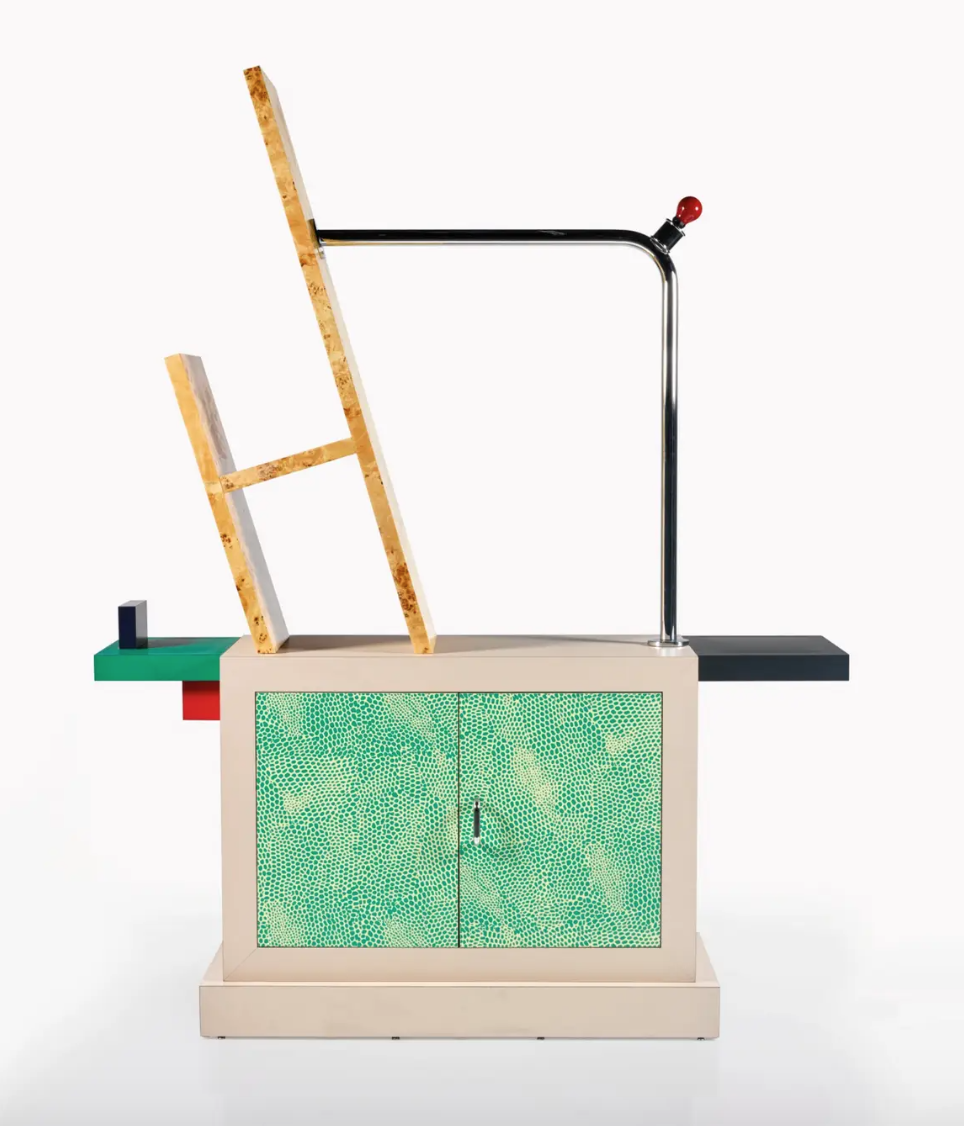
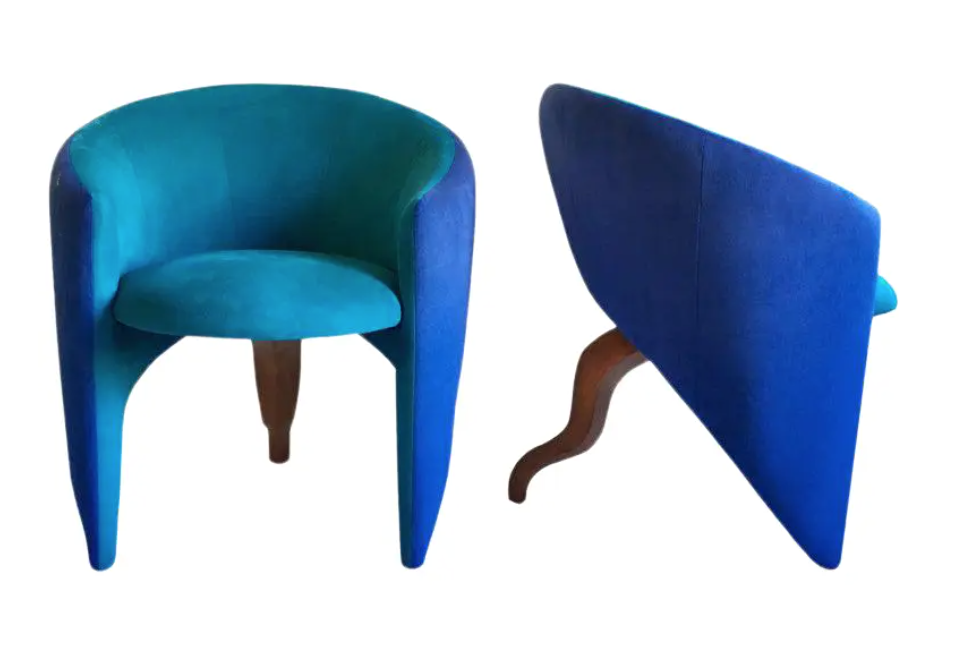
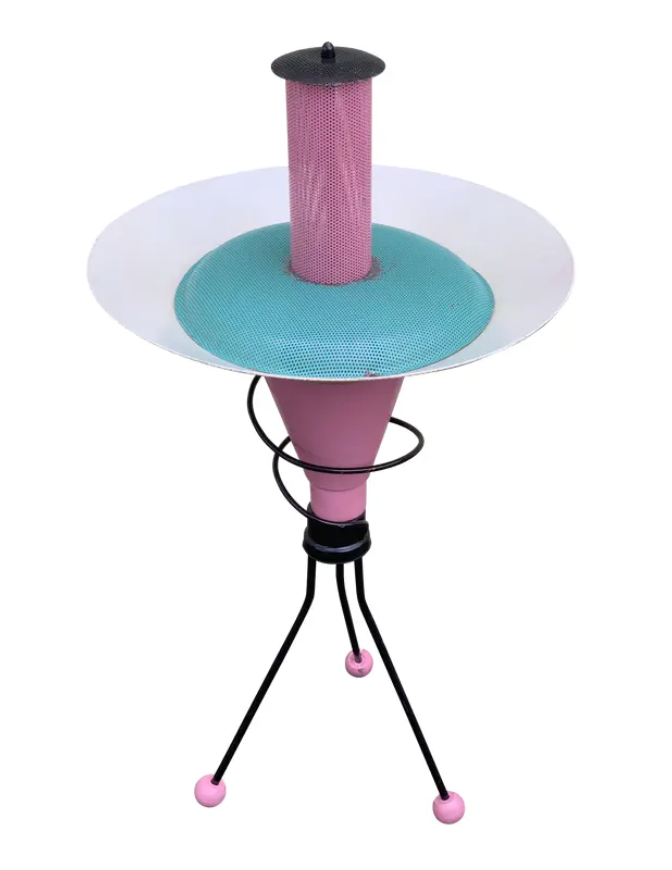
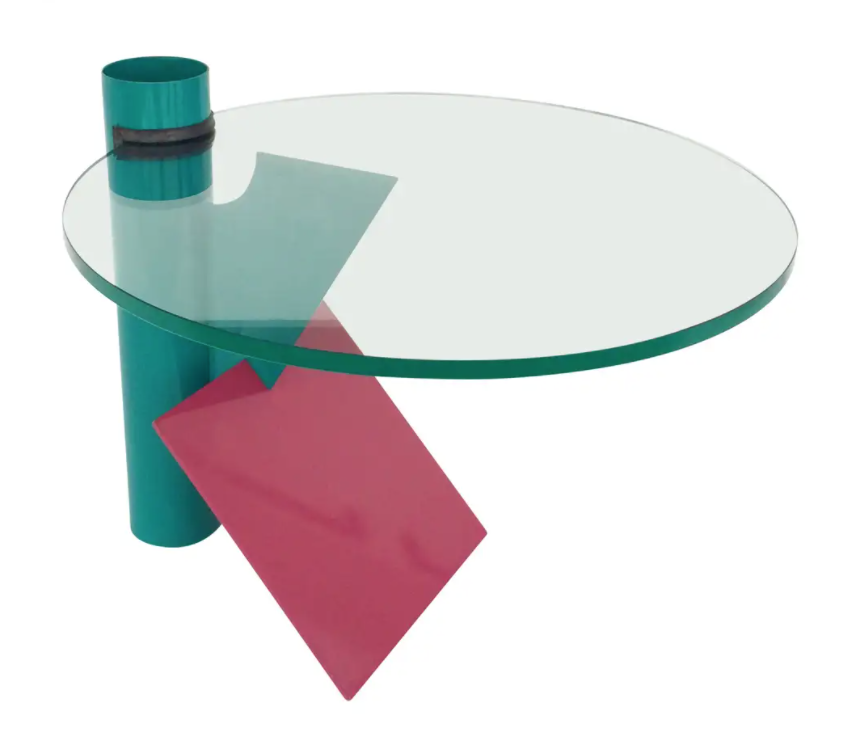
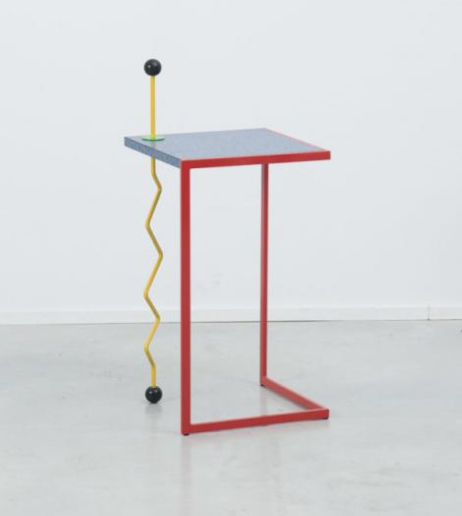
Memphis style originated in the 1980s with Ettore Sottsass’s Memphis Group. Active for just seven years, this Italian design and architecture collective was instrumental in the early days of postmodernism, and their influence still resonates in art, interior design, and even fashion—Dior’s Fall 2011 collection was deeply inspired by their style.

Dior fall 2011 images via

If the bright colors and abstract patterns make you wince, if the acrylic and ceramic makes you want to dig yourself a hole to hide in, if the asymmetry makes you throw up your hands and turn away, you are definitely not alone. The group’s designs were widely criticized at the time, especially coming as they did on the heels of the midcentury’s streamlined silhouettes, and the style is still incredibly polarizing. Basically, if you don’t like it, you hate it, but if you like it, you love it.

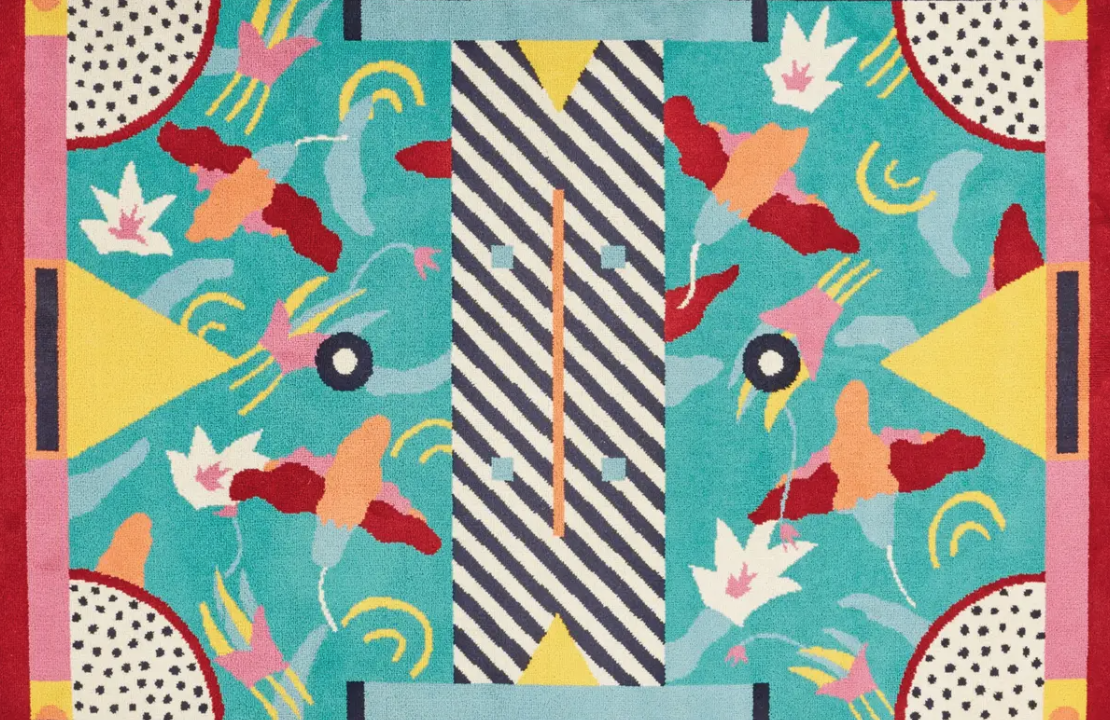
The style speaks to rebellion, to a fight against “good taste” and tradition, David Bowie was a fan, and, honestly, it just makes me happy. We all need a little more color in our lives. Case in point, I just bought this rug for my room. Loud colors? Yes. Very patterned? Yes. Incredibly smile-inducing? Very much yes.

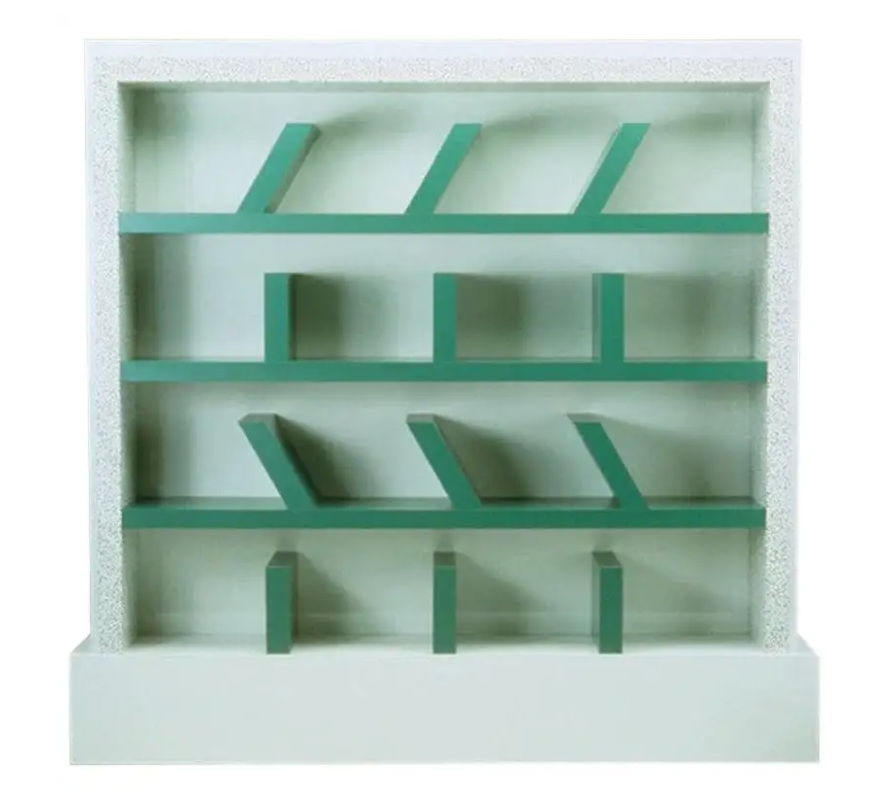
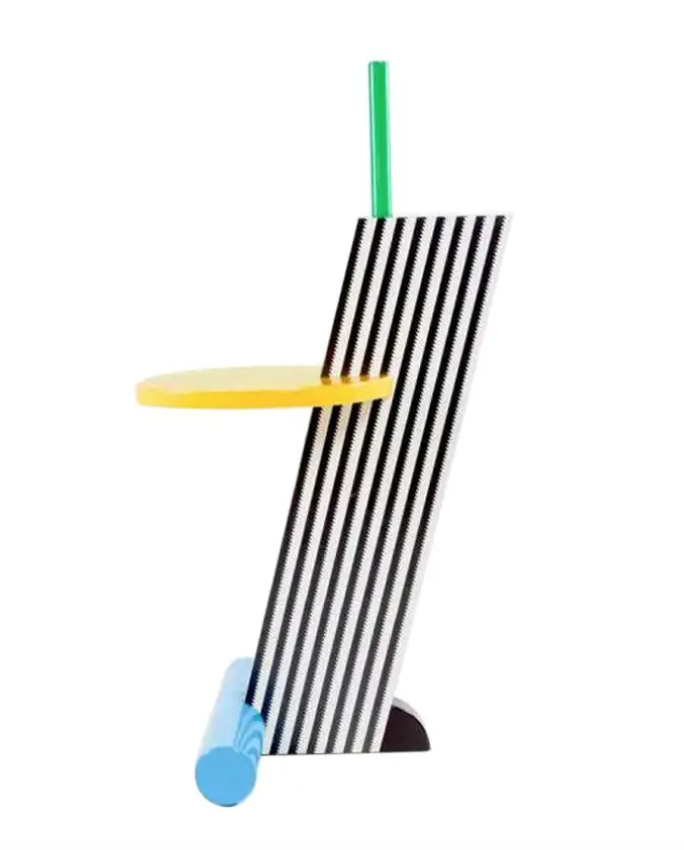
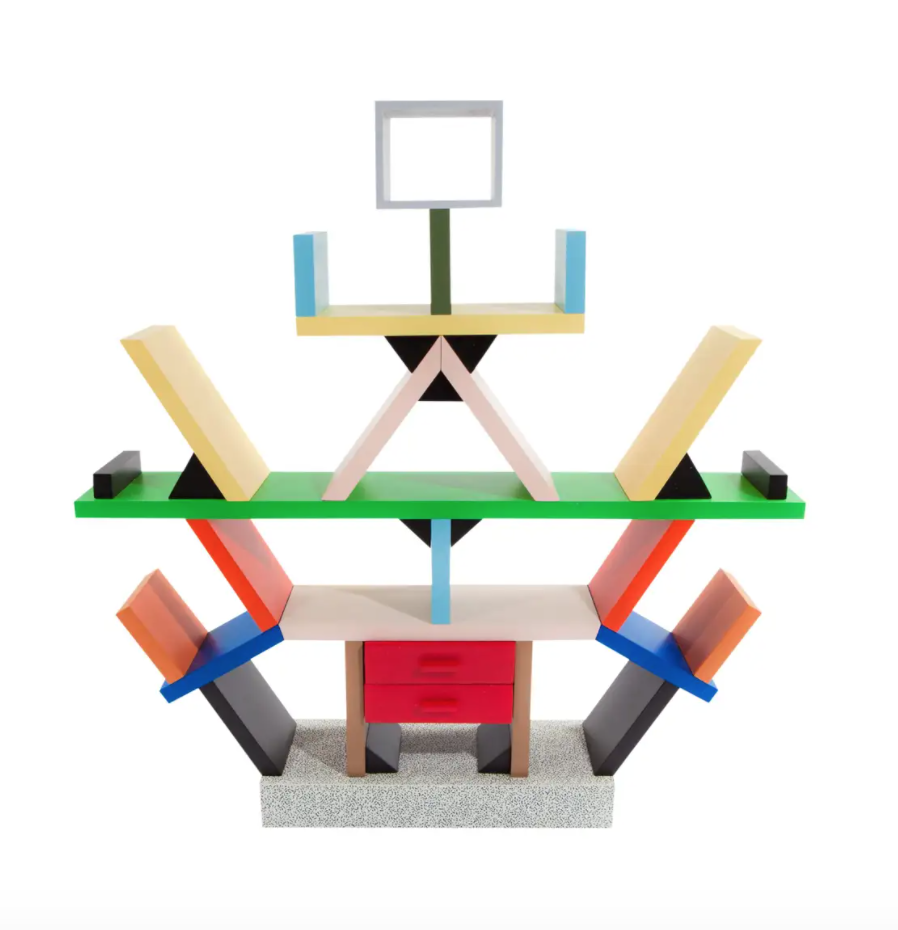
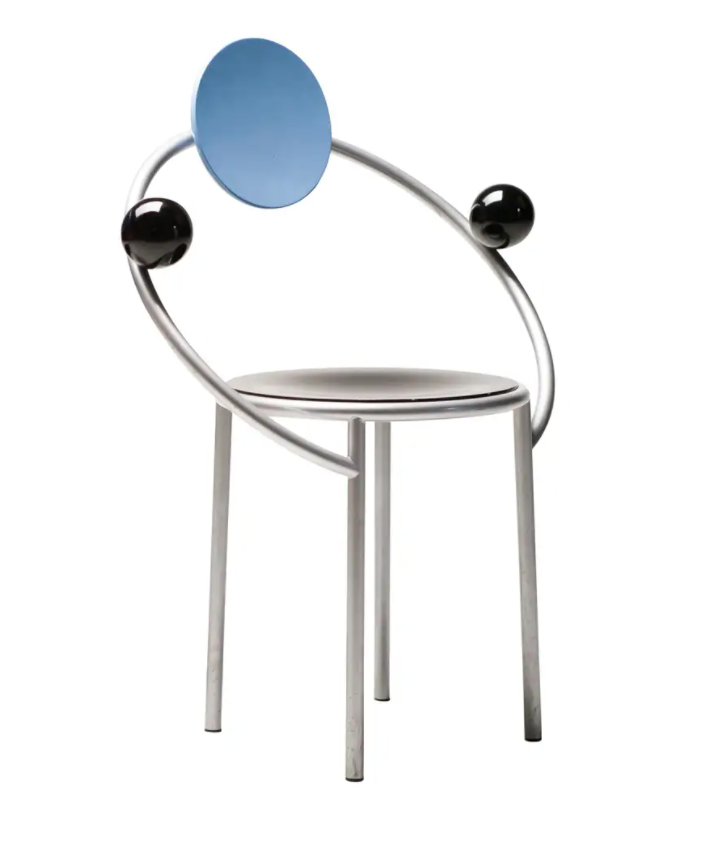
I’ll stop fangirling at you now and leave you with a collection of pieces I love to help with your procrastination. (Fair warning: don’t get too attached—most of them are wildly expensive) Have fun!

Featured image via

Source: https://www.instagram.com/p/BUupqA2gSQi/