Fernweh~7: China

fernweh

/ˈfɛʁnveː/

farsickness or longing for far-off places

In the last fernweh visits, I tried to write about cultures that can be considered relatively “local.” I did not want to touch upon wide geographies or histories that go so far back. It was obvious for me that I would not be able to talk about every important aspect of their traditions. Now, I understand that I basically avoided them because I was daunted. However, with the recent interviews I conducted with my friends who are from various corners of the world, I have gained a privileged access into those cultures, as my friends not only provided me with such wonderful conversations but also with their insider perspectives to their cultures. 

In this fernweh, my friend Ally and I talked about Chinese clothing and traditions. A small disclaimer, we had a very hard time finding the right photos. Even though there is a great number of Chinese clothing representations, my friend told me that almost none of them represents the clothes that the commoner people wore. They are mostly the depictions of the loyal class. So, let’s say we did our best to find the photos we thought represents the Chinese clothing.

Enjoy!

SK: What does it mean to you when I say “Chinese clothing”?

Ally: There are fifty six ethnic groups in China, and each ethnic group has its own traditional clothing. The Han group is considered the biggest. Let’s not say the biggest but the dominant one. Because of this separation, the remaining fifty five groups are considered as the minority groups. To my knowledge, these days, most of the groups, including the Han group, do not wear their traditional clothes that come to mind first. Even in the holiday seasons. There is a great mainstream influence by the Western media. So, I believe that people... avoid wearing those clothes? I am not sure. However, as far as I know, there has been, and is, an advocacy of resurrecting the Chinese clothing. 
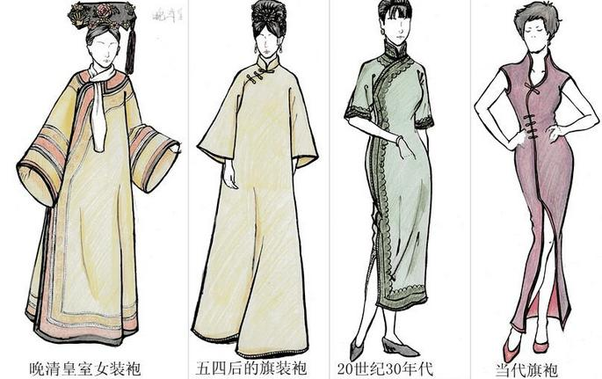
Image via

Image via

SK: So, for you, Chinese clothing has a relationship to the traditions and ethnicities then. How would you describe the traditional clothing in China?

A: The clothing depends on the ruling class. Therefore, it was Han clothing most of the time. However, there were times when other ethnic groups took the lead. As I said, whoever ruled the territory of China, they had a say in the clothing. At the end of the Qing dynasty, the last ruling dynasty, the clothing turned into something very conservative. People started to pay special attention to covering their bodies. Especially women. So, in terms of design, I cannot tell something very specific, as China has a very long history. However, the final point of the “traditional” clothes was probably around that time. Therefore, it can be a good description of the last design, I guess.

SK: I see. So, there is a positive correlation between the history and the clothing. Are there any specific historical challenges that the clothing was exposed to? 

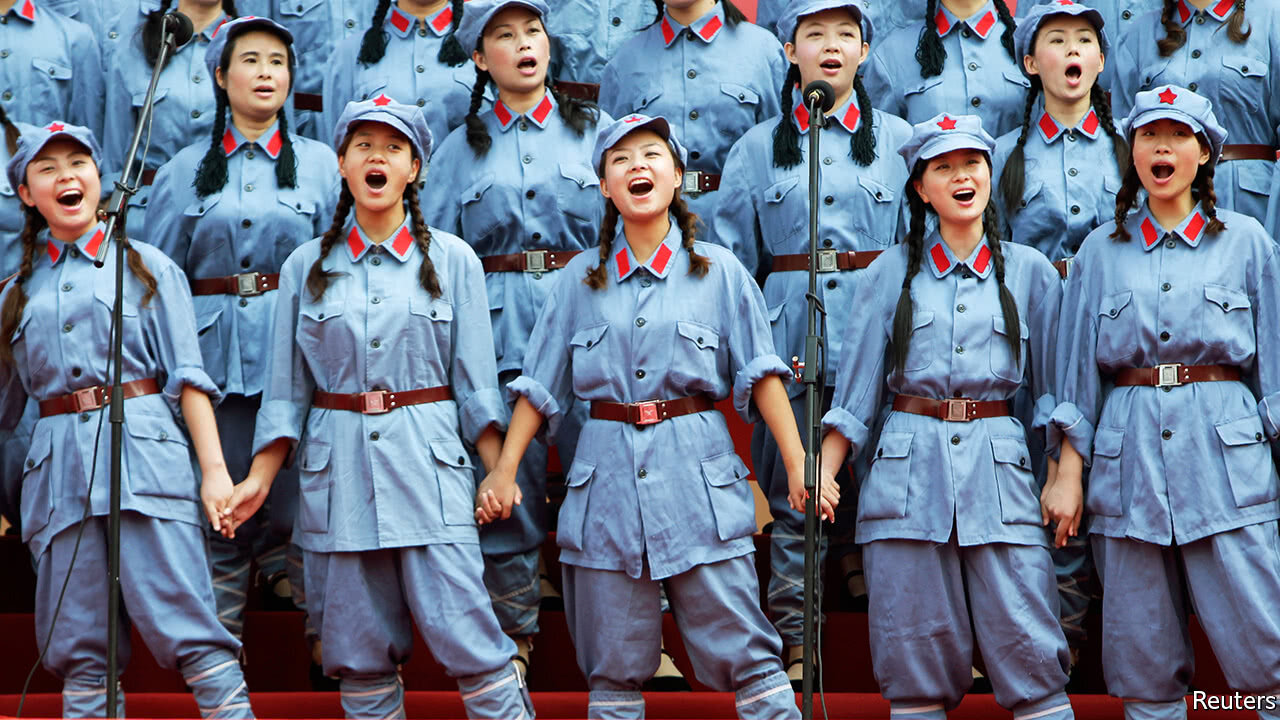
A: Chinese history is so long, so complex! I guess I can take off from the Qing period. After that, there was a period that was less conservative. Around that time, for example, people--women--started to wear a dress called Qipao. It is a very tight dress produced “for” women. It was meant to show female body curves. But then, PRC is established. As a result of communism/socialism, those clothes like Qipao became luxurious. People were expected to dress the same way to secure homogeneity. The other types of clothing were not banned. However, the social norms pressured people to act that way. There were blue and green overalls and trousers everywhere. Clothes like Qipao were considered offensive. After the cultural revolution, there was a movement initiated by the president. I don’t know the exact details, but it was mainly about the cultural exchange with the West. And… And Western clothing was introduced. However, even now, not every aspect of the Western culture was tolerated. It turned out to be a partial exchange. For example, tank tops and shorts are still not welcomed. Young people do criticize, but still… The general consensus is that. 

SK: How would you describe today’s clothing? Are there any major contributions to fashion, such as designers, trends, labels, weeks…?

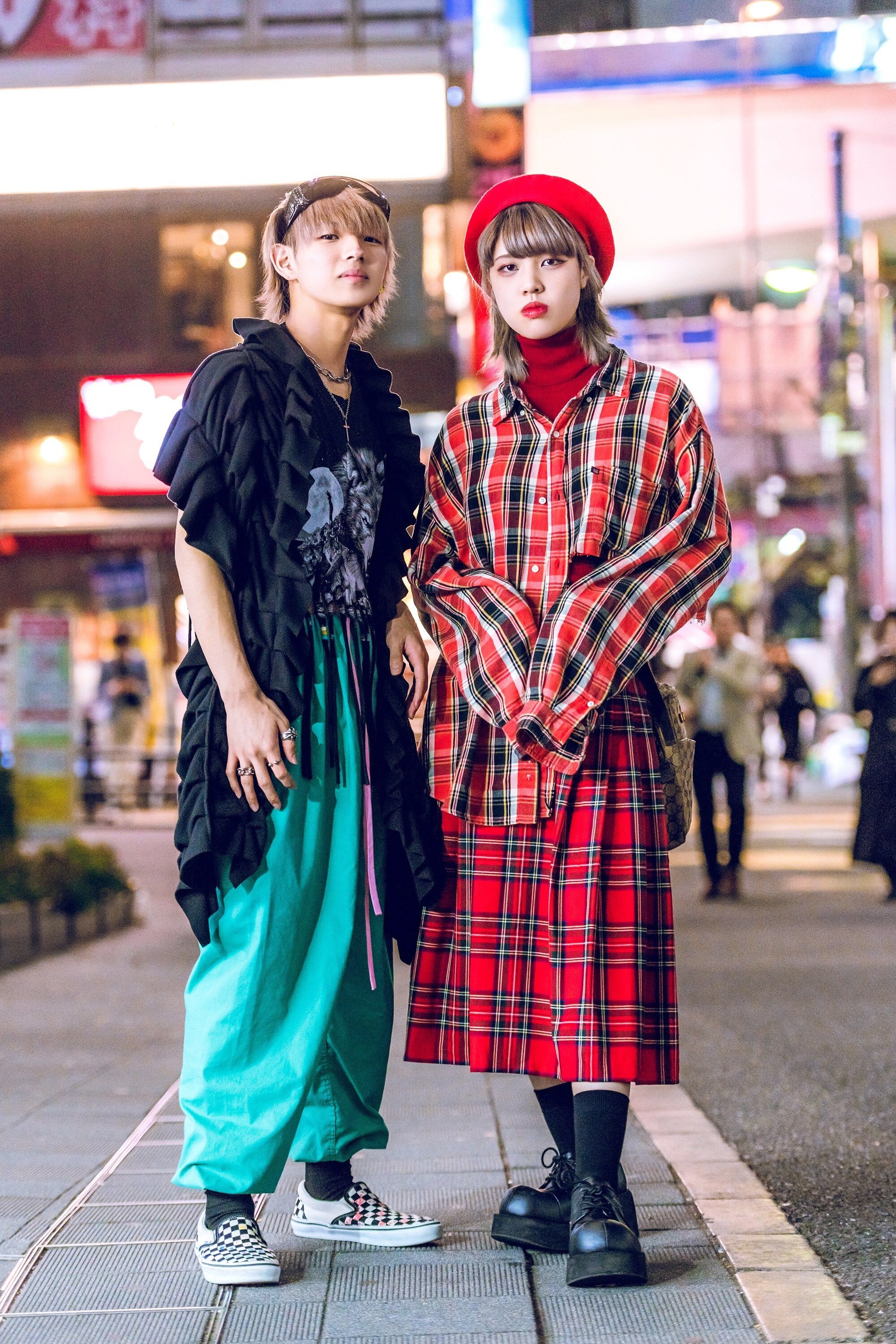
A: I am really not very knowledgeable about that *laughs* However, The clothing I see on the streets of China is not very different from what I see here, in Woodlawn. And, I believe, there is a Chinese street trend. But I am not sure.

Image via

Image via

SK: Yes, this did not surprise me at all. Actually, I have one more question for you. Last  week, while talking with a Turkish friend of mine, my friend mentioned that here some of the people have preconceived notions about her nation’s clothing. Have you experienced anything similar? 

A: I haven’t had the chance to meet with people here. However, a couple of years ago, when I was in high school, I came to a summer camp in the States. My roommate was a local, and I remember that she was joking about the way I dressed. She told me that I wear boy-ish clothes. To be honest, that surprised me. Because in China, the way I dressed was very normal. There is this perception of Chinese students that they don’t care about their appearances. They wear nerdy and comfy clothes. They don’t show off or wear make up. I am not sure if this is a common thought among people, but I have a memory like that. 

Thumbnail image via
Fernweh~1: Japan

fernweh

/ˈfɛʁnveː/

farsickness or longing for far-off places


The world is getting, if not smaller, closer. I used to wonder why so few people were able to experience unique places on Earth, even though we are all born to the same world and not to a specific country that we are destined to live in forever. Unfortunately, for various reasons, there are people who still cannot experience the beauty of being foreign to a culture. Yet, thanks to our century’s development, there are more and more people who are eager to and capable of satisfying their curiosity surrounding the question “What are they doing in that part of the world?” I am lucky enough to have been in more than one country across Europe, to have been a part of an international community, and to have met precious people from all around the world who gave me the wonderful possibility of calling them my friends. As a member of an intellectual body, I found myself asking whys, hows, and whats about the beautiful diversity that surrounds me. Intertwining MODA’s values with my questions’, this thrilling series called “fernweh” has been born. Out of all the possible words in the known languages, fernweh is the most appropriate one to describe how I long to learn more about every single corner of the world we live in. 

This new series, in which the clothing backgrounds of various cultures will be discussed, is called, proudly, fernweh, and Japan is the first station that will be crossed off my list. ようこそ日本へ!

image via

Japan has a vivid clothing scenery in today’s world. From the kawaii culture that once swept the mid-2000s to the lyric philosophies that probably allured the minds of the quick tempo lives, Japan has always been visible in our era. 

While discussing Japanese clothing, I will follow a chronological order of Periods, starting with the Nara Period, for the sake of our ease. 

Nara

Before the Heian period, as probably happened with most of the world, Japanese clothing had a highly practical and simple form for hunting, made of materials like animal fur and skin. In the Nara Period, the capital relocated to its namesake city, and that event kickstarted the beginning of what we consider traditional Japanese clothing. Nara Period clothes mirrored society’s social classes, as it was then divided into lower and upper classes. For women, their clothing represented the idea that "the higher their status, fewer were the people that could see them" (Rybalko). The new style of clothing was a direct consequence of Japan’s increased trade with China as well as the Shinto religion, which influenced the perception of clothing as a method of hiding from the speculative looks of others and evil spirits. These beliefs also reflected on the class division of the society, suggesting that the lower classes who worked in more inconvenient jobs were open to all the judgments of the people and the bad luck of the devils.

image via

Edo

During this period, the military regime of Tokugawa came to power. Trades with foreign countries and the Western influence that was spreading across Japan came to a stop. This also resulted in the disappearance of class division from daily life. When people were free of the hierarchical representation of status denoted by their clothing (as well as enjoying the increased wealth across the nation), they became much more free, creative, and artistic when weaving their fabrics.

Image via

Meiji Restoration

This period coincides with Japan’s acknowledgment of the outside world and desire to catch up with the rest of the planet. Yet, they didn’t want to look like an Eastern colony of America and decided to develop themselves in terms of trade and technology independently. Both their economy and philosophical inquiry were inspired by the Western revolutions of the time. Therefore, in the clothing scene, a Western approach was established. The communal citizens were still wearing traditional kimono style, yet uniforms took the stage in the public institutions (like military and schools). 

Image via

Post World War II

Following the Meiji Restoration, the previous global wars led to the incorporation of Western clothing attires to the traditional Japanese costumes, influencing the look of hairstyles, bags, purses, and accessories. Even though it is not unusual to see a person wearing traditional clothing in the streets of Japan, the traditional costumes are still mostly worn in ceremonies and important celebrations. 

Image via

Present Representations

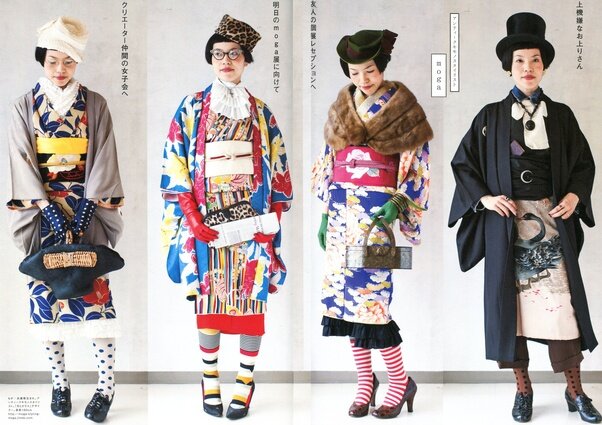
Today, Japan has a very colorful streetwear culture. From traditional clothes and business attires that represent respect, coinciding with a work environment that has deep societal roots, to more intensive kawaii and Harajuku wears, which comes from the intertwined cultural developments of anime, music, and media, it is definitely not a lie that your eyes would have a festive time in Japan.

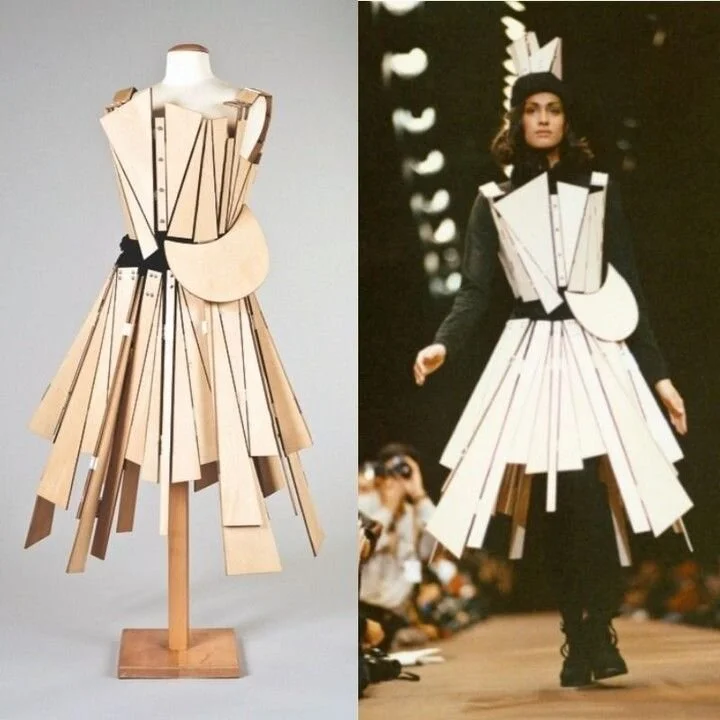
However, if I didn’t mention Issey Miyake, Yohji Yamamato, and Yumi Katsura, it would be a huge disrespect towards modern Japanese clothing, in my opinion. These new trendsetting fashion designers are known for their mixture of traditional and modern designs. Japan is known for its traditional art, which has patterns from nature, animals, herbal, and oceanic sceneries. Via stitches, fabrics, or the simplest addition of a costume silhouette, these designers established a highly regarded reputation in the fashion industry. As Yohji Yamamoto’s designs reflect a more avant-garde approach towards clothing, Yumi Katsura and Issey Miyake’s attitudes towards design blend the modernity and the traditionalism of the Japanese culture. Katsura directly embeds the famous patterns into her work, while Miyake draws on the subtle shadows of the traditional patterns and designs of the kimonos as his foundation.

Yumi Katsura

Issey Miyake

Yohji Yamamoto

In this blog, we have visited Japan, a country hosting vibrant fashion streets mixed with history, tradition, and innovation. We learned that the clothes we may consider as fabric patches of “luxury” and “personal aesthetic” are actually the mirrors of its historical collective memory. They reflect the social, political, and ideological structures of the eras, as well as the emotions of people. I am still fernweh to Japan. However, hopefully, this will ease the desire. See you on the next trip...

Sites that may interest you:

https://www.tokyoweekender.com/2019/05/japanese-fashion-eras-heian-heisei/

https://www.britannica.com/place/Japan/History 

https://en.wikipedia.org/wiki/Japanese_clothing#cite_note-:4-6

https://fashion-history.lovetoknow.com/clothing-around-world/japanese-fashion

Thumbnail image via

The Art of Recreating The Art

It is hard to recall the first time I saw a photograph that recreates a famous painting. Yet, I definitely remember that when Google Arts launched their “selfie” application, which allowed users to find their painting-twins, the number of attempts drastically increased. Now, in the midst of a pandemic, museums all around the world are challenging their longed visitors to engage with their paintings via calls for recreation.

Everything started when the Instagram account Tussen Kunst & Quarantaine trended its users’ creative quarantine shoots, in which people were challenged to depict an arts scene with only three objects they had chosen at home. The attempts were not only creative in a funny way but also pleasing to the eye with the obvious effort put into them. Following the trend, other museums and art institutions worldwide invited their old visitors to perform the same activity. The Getty Museum in LA, Rijksmuseum in Amsterdam, and National Museum in London were all on the bandwagon.

In the world of hashtag clashes and click wars, this aesthetic and humorous challenge not only recollected the old visitors of the museums but also advertised the host institutions to the other art lovers who are not aware of them. However, the only ones that get the marketing are not the institutions themselves but the paintings that are promoted within the posts. The unknown, unsung paintings are now traveling on the extensive rails of the network, introducing various artists and styles to the twenty-first century. The underrepresented works are now at least getting familiarized to the eyes of the web, if not taught to them. Either by scrolling down the whole museum catalog to find a doable painting to recreate or by getting exposed to the before/after photographs on the recommended sections, people have started to recognize a larger range of paintings.

This challenge has also stimulated the creativity of our home-stuck, bored minds. Long known high-budgeted costume production is now in the hands of a paper roll, a blanket, and an eye to capture the scene in the right way; The result is a perfectly combined Renaissance outfit, a Victorian pose, or a modern frame. Even though most of the recreations ridicule the measures taken due to the pandemic and the limits of our houses, a countable minority of the photographs remind us that the only thing we need to create is just a little motivation and imagination.

Thumbnail Image Via

Where's Your Park?

“INSPIRED BY INNER BEAUTY, STRENGTH, AND RESILIENCE” - Ivy Park x Adidas 2020

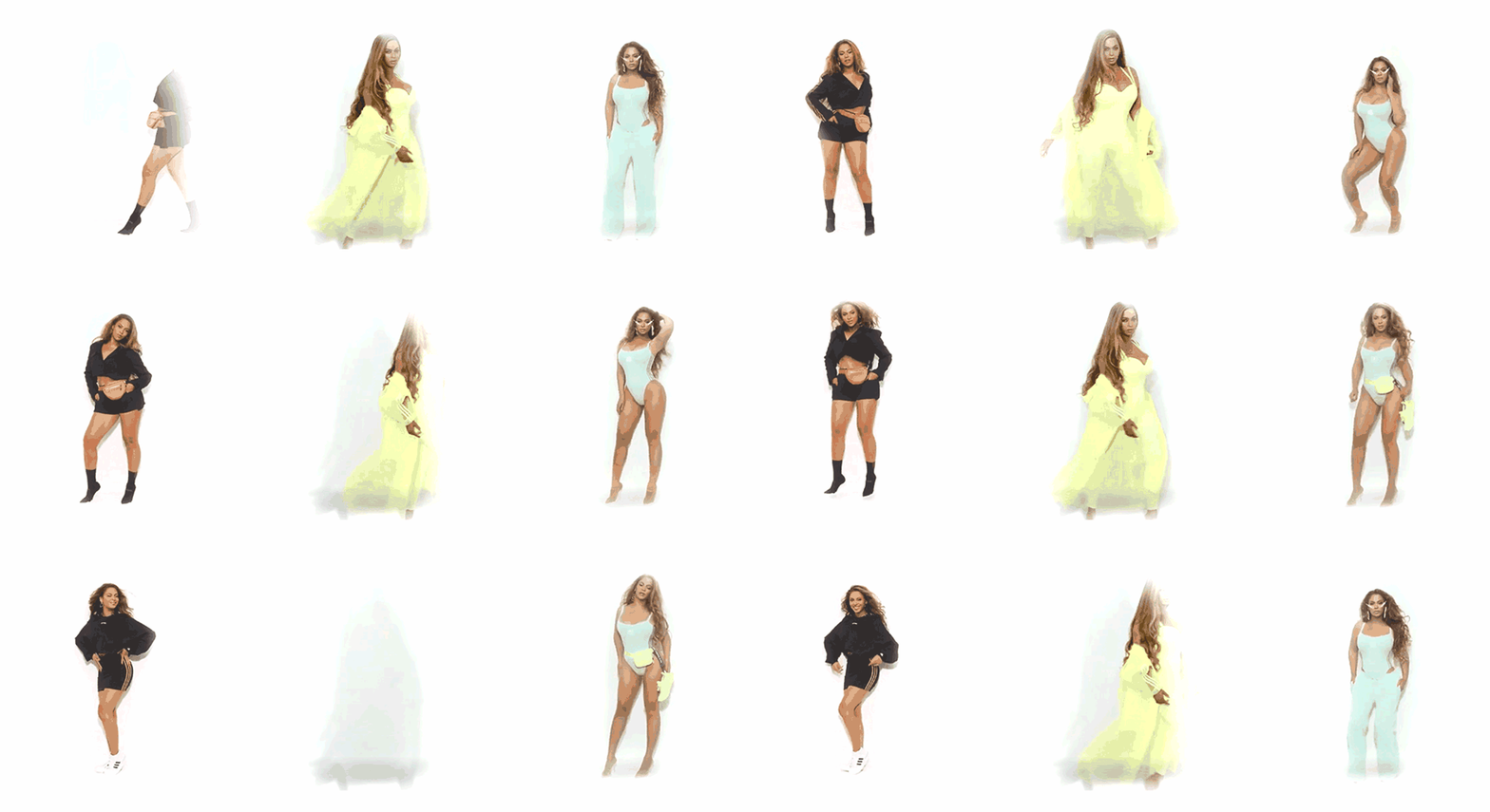
row1-ed.gif

One of my most prized possessions is a hoodie I got at Beyoncé’s Formation World Tour autumn 2016 stop in Nashville. Not only does it remind me of one of the most electrifying concerts I have attended, but the hoodie also has a one-of-a-kind branding of both the tour name and Beyoncé’s athleisure line Ivy Park. At the time, its first launch of leggings, hoodies, accessories, and other athleisure wear had come out in the spring. It was a successful first launch, no doubt due to its status as a Beyoncé-product, but also it benefitted greatly from Ivy Park’s mid-range prices and distinct branding. While I was never necessarily blown away by any of the additions to the line throughout the years—content with my tour hoodie being the only Ivy Park merchandise I owned—it was clear that with each new launch, Beyoncé was expanding the brand and its vision. 

Four years since she first asked, “Where is your park?” Beyoncé’s Ivy Park has expanded and matured into one of the most impressive ventures in Bey’s incomparable career. The new direction for the brand came earlier this year with its first launch in collaboration with Adidas. The drop was a wide line-up colored in stunning maroon, orange, and cream shades. A few months later and Beyoncé is stepping it up once more with two new drops in six new unique shades. The silhouettes for the latest “drips” (as Beyoncé calls them, and we shall now also) are similar to those of the winter—leotards, freeform jackets, structured tops, and hoodies, and smaller branding. Notably, the colors are the line’s most vibrant to date, contrasted by a black-drip that dropped mid-November. 

While I was not able to snag any items (plus, they all sold out nearly instantly), here are some of my favorite looks from the newest Ivy Park additions: 

blccpac.png

The “Black Pack” drip might be my absolute favorite, but I am also guilty of wearing all-black outfits now and then. What strikes me the most about the black drip is how much more striking it is than Ivy Park’s original 2016 drops that also relied on black. The dark honey accents and smaller logos make these pieces far more sophisticated. The Adidas stripes also help give more structure and character.

Throughout all the different drips, there is a new focus on business casual attire which also looks particularly stunning in black. The more rigid tops and pant-suits, both of which still manage to look comfortable and gym-ready, bring a refreshing new style to the line.

azul1.png

The “Azure” drip includes a beautiful pantsuit, but it is this leotard combo with the other drips that really showcases how distinct Ivy Park has become. It also demonstrates that Beyoncé clearly wanted the colors of the line to be mixed-and-matched (although, let’s be real, she is probably the only one who can do this given that few of us could afford to buy all of the shades). The “de-grassy” green is a rich complement to the lightness of both the neon yellow/“Canari” and mint/Azure pieces.

greenye.png

Ivy Park has a history of producing flamboyant jackets (some treading more towards the runway than any running track), but the ones included in this collection toe the line between athletics and dramatics a lot more elegantly than other Ivy Park attempts. Their length mixed with the eye-catching shades of the drips maintain the flair, but there is a fluidity to them that makes them appear both light and sturdy. These seem perfect for stormy outdoor runs, and I suspect the wind + these jackets make you feel like Beyoncé with her dozens of stage fans.

cor.png

I’m not sure if I have ever seen coral look this vibrant, but “Coral Lake” is without a doubt a dazzling range of pieces. These pieces pair perfectly with the tan “Honey” drip, which bares a similar shading to Beyoncé’s own complexion. I can’t help but notice that all of these shades are geared to complement darker skin tones. Although included in a fall release, all of these pieces seem summer-tan ready.

row-2-edi.gif

From the beginning, Beyoncé’s vision was clear—create an athleisure line that is both striking and inviting. The first attempts at this were noteworthy, but Ivy Park in 2020 is the true culmination of Beyoncé’s creative drive. Ambitious, bold, and inclusive is the space Ivy Park is building, encouraging all of us (even those with only a single hoodie in their closet) to wonder where our Parks lie.

Unedited featured images and videos via here and here.


The Beauty of Fabrics

I didn’t really start examining the different types of fabric my closet encompassed until quarantine. For six months I just stared at my clothes in fascination instead of wearing them, so it really started to stimulate my desire to explore fabrics and how designers choose certain types in order to tell a story. Throughout this ~exploration~, I have discovered it takes a unique person to be able to mix patterns; I have not only envy but admiration for their talent.

Fabric choices are now even more prevalent in my life now than it was in quarantine. A few weeks ago, I started designing my apartment with my roommates, so fabric selection has been the key in making progress towards an apartment that actually pleases all of us (mainly me because I am picky). A fabric’s texture paired with the right color can change a space drastically, but it is also so easy to make the wrong choice in the selection process.

With my apartment being oh so cold (due to the cool tones in the flooring and fixture choices and high ceilings), I needed to bring in some warmth to the common area. The perfect fabric for that is velvet (this was just my excuse to get a velvet couch). Collectively, we settled on a bright, navy, velvet couch. The color brings a depth and richness to room that helps bring some life back to the cold empty space.

Just like with the furniture, the choice of fabric elevates a piece of clothing. It can be used from toning down to giving an edge. Now here are some prime examples of my favorite fabrics, modeled and photographed by my roommates and myself, and how you should use them:

IMG_0007.JPG

Faux Fur

I think faux fur is one of the most polarizing fabric choices. It can add texture and camp, and, be warned, it can very easily go from edgy and glamorous to tacky. This variation is very much based upon the person who wears it. To a certain extent, the fabric will naturally make your outfit look gaudy, so one is forced to find balance or tone down their other garments. However, even if I find it tacky, I love a faux fur coat. I just don’t love it on a soroity girl on formal night.

IMG_0006.JPG
IMG_0003.JPG

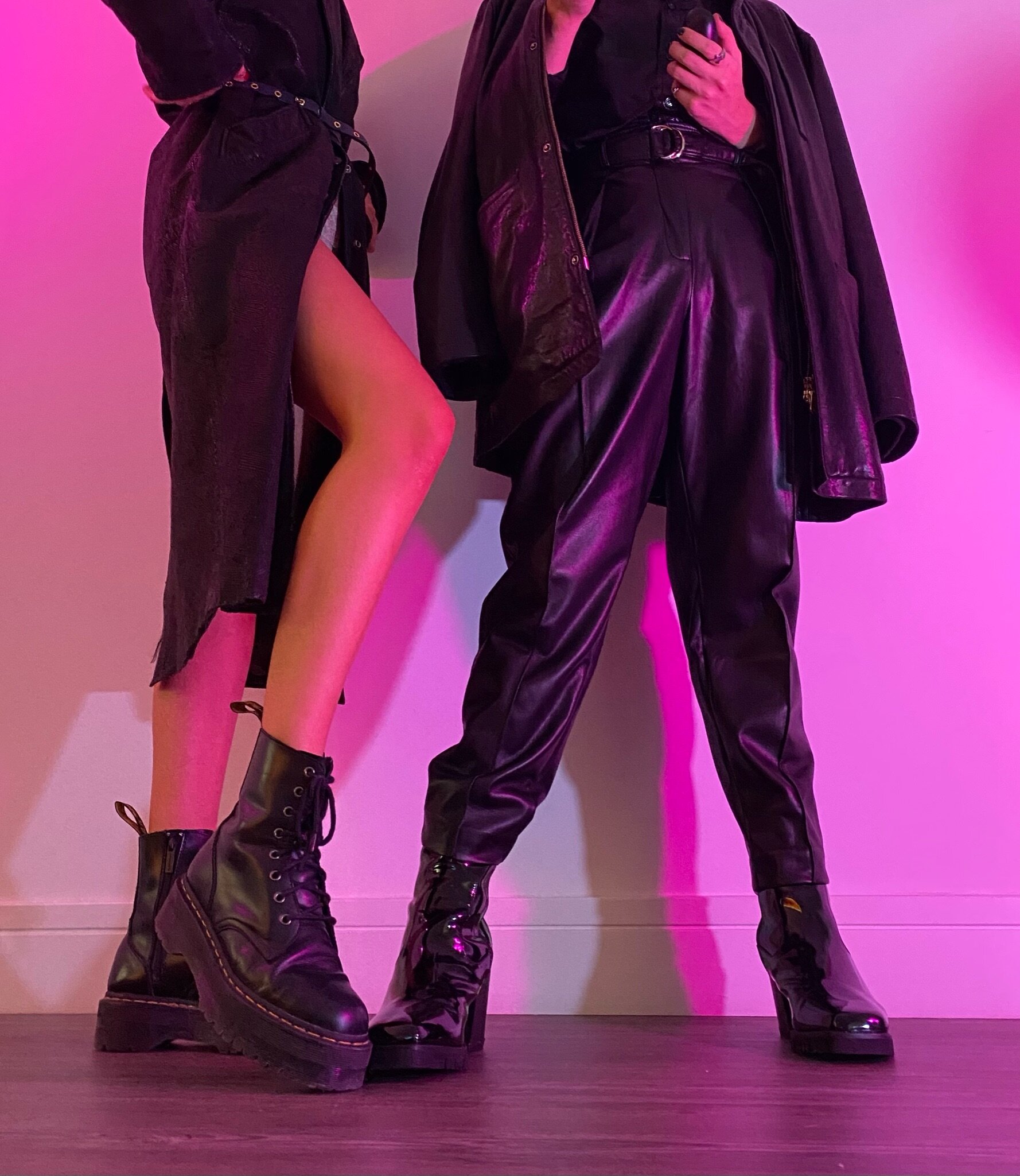
Faux Leather

There is nothing more badass than leather (or I as i prefer faux leather). Imagine walking into a room, and all the heads turn towards you. That is what wearing leather feels like. It adds some coldness to the tone of the fit, while also allowing one to seem more collected (it is literally magic). It is problematic though. Leather is terrible (but that changes if its recycled, up-cycled, etc), but faux leather then also has negative effects on the environment. While I’ll never be able to pull them off as much as I want to, my favorite way to see this fabric is in the form of pants (preferably a looser fit).

20-463-ONY_SS_20__WIDE_WALE_CORDUROY_CHILL_SHORTS_ROSE_0069_1024x-2.jpg

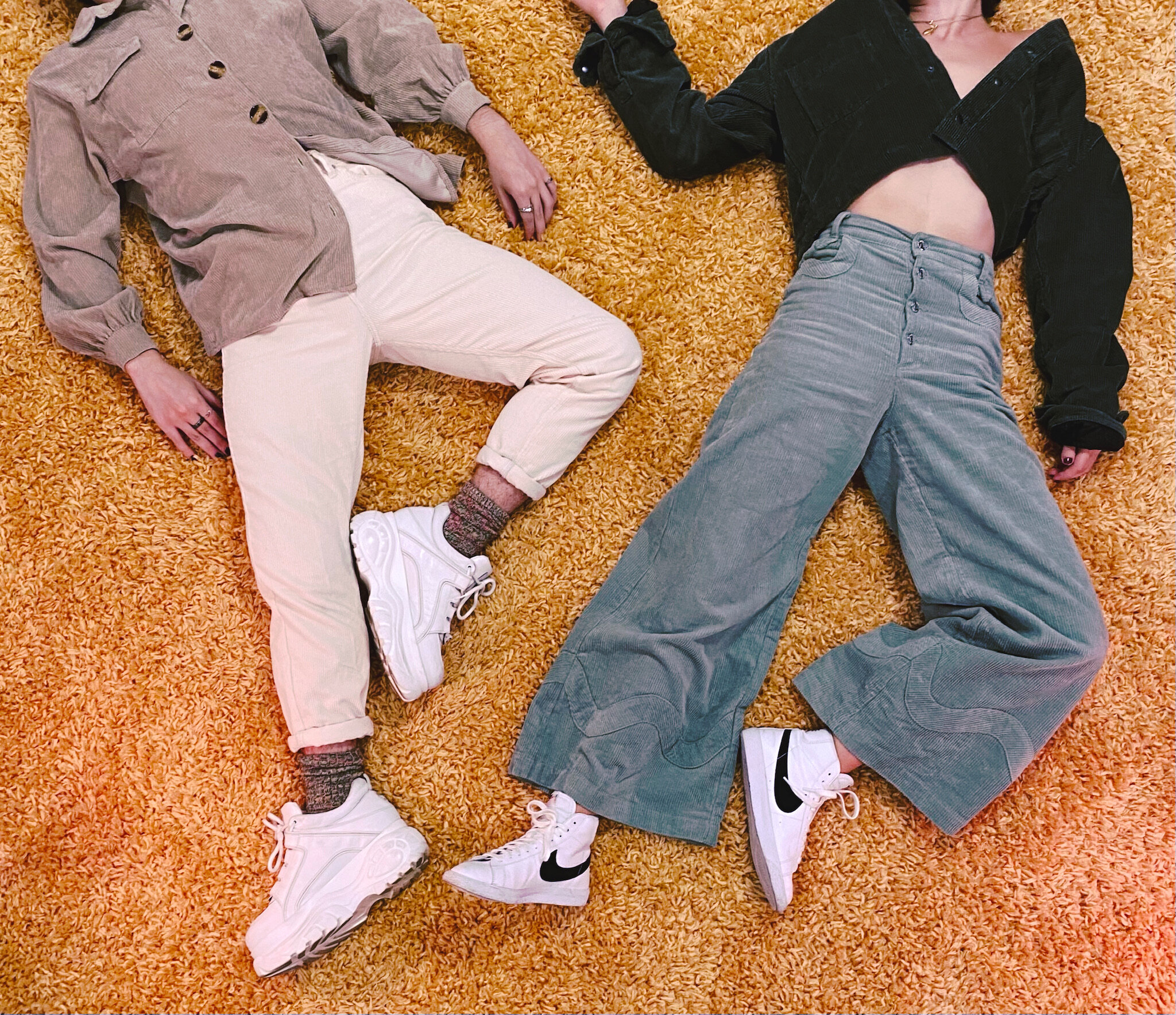
Cord

The warmth. The texture. The dimension. It is one of my favorite fabric choices for the winter. I don’t think there is a way to go wrong with cord either. It works in so many forms from jackets to pants, especially two cord pieces together. Particularly, my favorite form would be pants (I love a good pant). However, the most intriguing thing about cord is the effect one can make by choosing a cool toned color to contrast the warmth and stiffness of fabric, creating beautifully shocking outfit.

Tulle

The fabric, itself, is airy and voluminous. It screams fairytale; it screams ‘I am a princess’. Honestly, what more can you ask for from a fabric? Imagine walking around town in tulle pants, so fun. It is literally always a party when wearing tulle, but for everyday usage, for the toned down individual, try incorporating tulle in subtle accents (i.e. socks). It also has the potential to make one look puffy (but like a fairytale puffy), so one should tread with caution.

IMG_0004.JPG
IMG_0009.JPG
IMG_0010.JPG

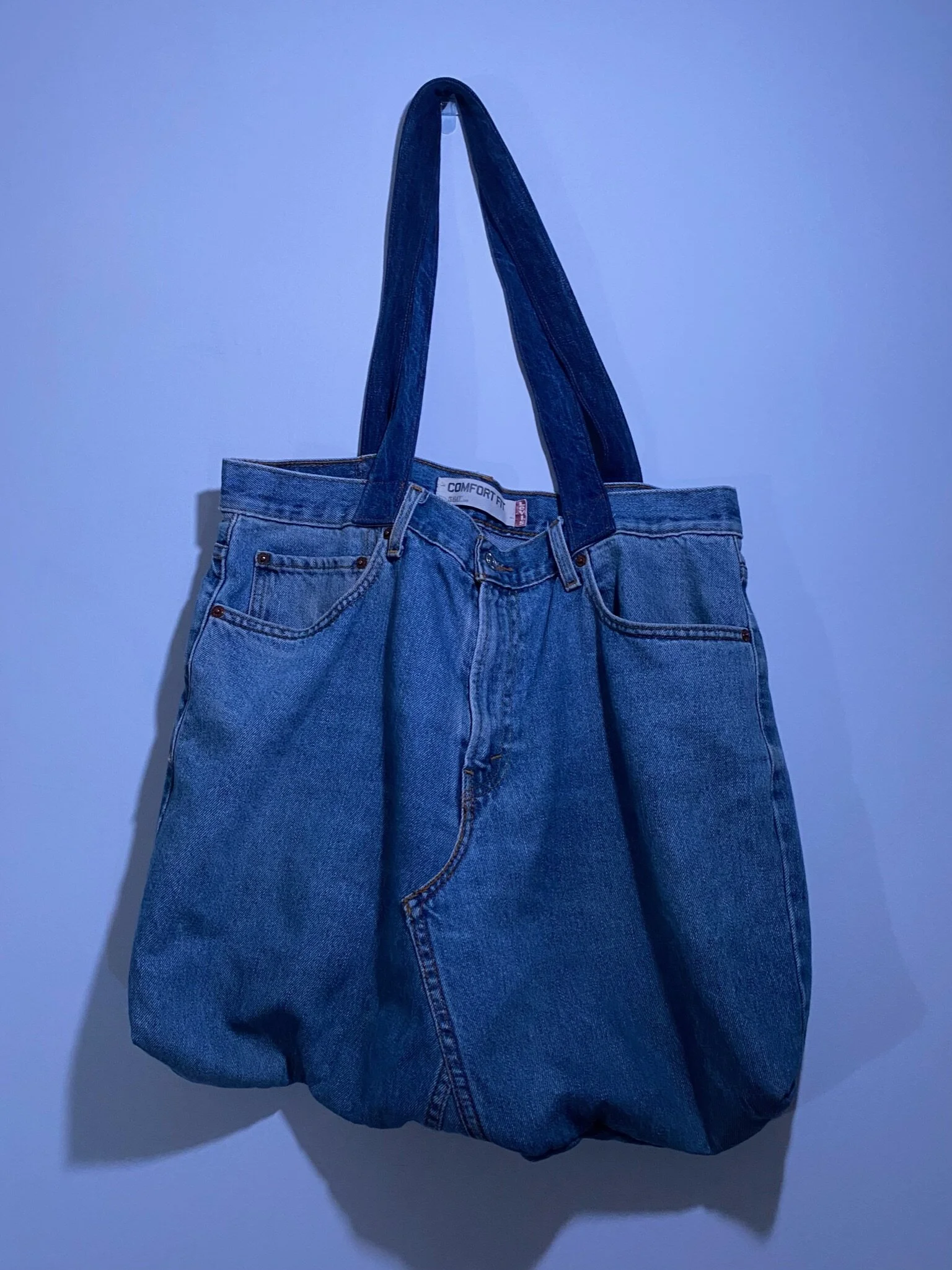
Denim

Denim always gives me cowboy vibes no matter the outfit (most of the time). There’s nothing you can do really wrong with denim if you keep it casual, but that is also the issue. It is so easy to wear denim boringly, but it so easily can be interesting if styled right. My favorite denim piece will always be a black denim jacket (a boring staple piece that is easily elevated), but you could always pair a boring piece with patchwork jeans (I have been so into them recently, but like a maximalist version of the one people keep buying from UO) When it comes to denim more is better; it is already such a casual fabric. Get patterned jeans. Get sequin jeans. Get fun pockets on your jackets. Get a denim bag. Diversify your denim usage !

IMG_0002.JPG

Satin

Satin literally glows in the light. It calls the gaze in every room you walk in. I will always be obsessed with a satin suit (I constantly keep buying them). However, I think for any satin pieces it is the color that makes it. Boring colors just wash out the beauty of the fabric; there needs to be color! Let the bold color and the beauty of the fabric make the air around you come alive.


Special Thanks to Nicole Helou and Vivian Li for helping me make my vision come to life with the help of their creative eye.