Four 1920s Trends I Want to See in the Roaring 2020s

One hundred years after the era of flappers, speakeasies, and jazz, I think it’s time to awaken our inner Gatsby as we begin to spend more and more nights out on the town as the pandemic calms down. Exiting a couple of years spent in sweatpants behind my computer screen, I’ve been diving headfirst into creating more thoughtful, dramatic outfits embellished with accessories now that school is in person and I will be actually seen out in public. Though I tend to draw on more recent vintage styles (80s, 90s, etc.), I’m ready to be inspired by the drama and delicacy of the Roaring Twenties.

Trend 1: Drop-waist dresses

Image via Pinterest.

We’re busy, we’re on the go, we no longer have time to fuss with skinny jeans! May I propose: the drop waist dress. I can easily imagine myself zipping around campus or the city in a more formless piece like the drop waist dress. As vintage is the future of fashion, the drop waist silhouette adds a nostalgic element to a modern outfit. Dress it up with knee-high boots, or dress it down with a pair of white sneakers.

Trend 2: Headbands

Image via Pinterest.

After seeing resurgence of Blair Waldorf-esque headbands over the past few years, I loved the concept of reintroducing hair/headpieces into my accessory arsenal. While the puffed, argyle headbands of Gossip Girl are not my style, embellished and elegant 1920s hairpieces offer a great, vintage-inspired alternative. Here is a beaded example from the 20s that I love. Though they’re more decorative than practical in terms of keeping hair out of your face, a 20s headband will add a touch of delicacy and class to your look.

Trend 3: Long, beaded necklaces

Image via Pinterest.

Move over chokers (or not). Long beaded necklaces, often made of pearls, were very popular among women in the 1920s. They often wrapped twice around the neck, with the tighter part almost acting as a choker and the longer part draping down the chest. More is more with accessories, and I would love to see these types of necklaces layered with other jewelry. The pearls could compliment both silver or gold, or even multi-metal chains. If you—understandably—don’t want to buy a real pearl necklace, a chunky, acetate bead necklace would be a great modern alternative.

Trend 4: Fur-collared coats

Note: if you decide to buy a fur/fur-lined coat, please buy vintage or faux fur!!! Now that I have that out of the way, I am obsessed with the drama of big, fluffy, fur-collared coats seen on fashionable women in the 20s, like Josephine Baker pictured here. Not only are these coats timeless, but they’re also easily thriftable if you hunt for them. If you’re lucky enough to find one for this fall and winter, you will find yourself pulling it out again every year after.

Bonus: Suits

Image via ED Times.

With the popularization of workwear as everyday wear, including blazers, trousers, and button downs being mixed and matched with casual pieces, a 20s silhouetted suit would take this trend to the next level. As opposed to a wide leg trouser, opt for one that tapers to the ankle (or even culottes that taper at the knee). Similarly, a double-breasted blazer or suit jacket is very 20s. If you choose not to adopt those vintage silhouettes into your workwear collection, go for earthy tones and check patterns to draw inspiration from 20s suits.

Featured image via Pinterest.
Fendi Reclaims the "It Bag" Throne

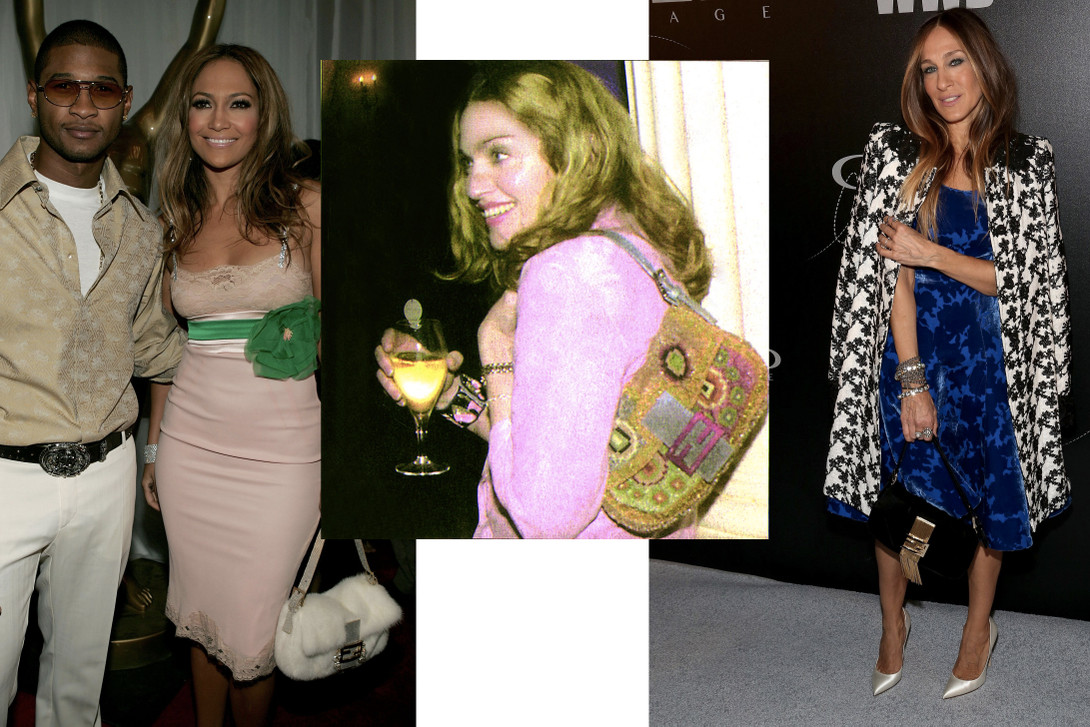
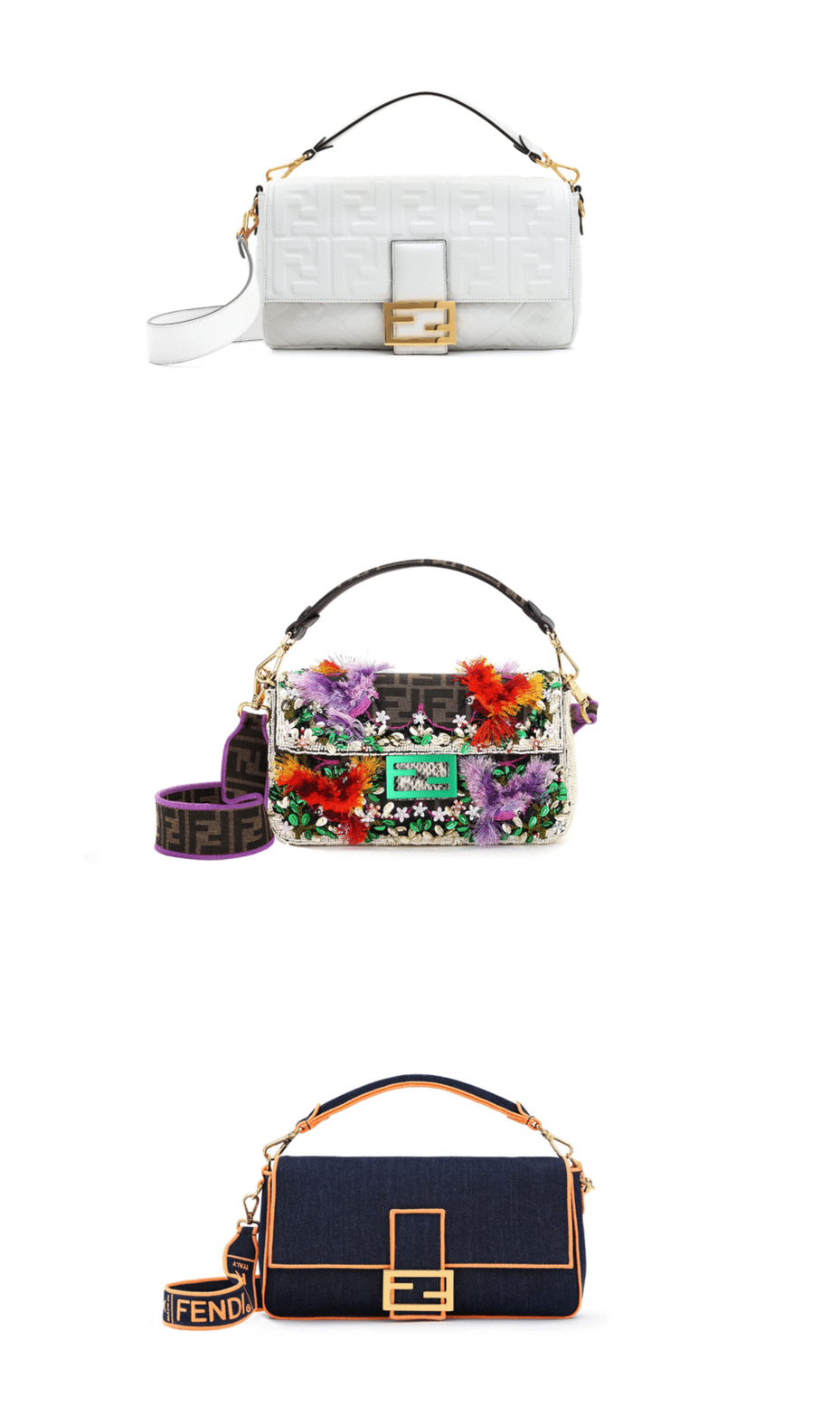
This Spring, Fendi is riding the nostalgia wave by bringing back one of its most iconic creations: the Baguette. The purse debuted in 1997, was notably the first bag to be given its own stylistic name and quickly dominated the cultural zeitgeist, becoming synonymous with status and glamour. The Baguette jumpstarted the “personality” purse phenomenon, becoming one of the first “it bags” that every self proclaimed fashionista had to have. Fendi’s move follows in the footsteps of Dior, who brought back their equally legendary Saddle Bag last year.

Image via

Image via

Image via

Image via

The dynamic and often ostentatious designs were a novelty on the minimalistic 90s purse market; “the diametric opposite of the wildly popular and utilitarian nylon backpacks from Prada that predated it,” as Vogue puts it. The Baguette’s slender form came in 1,000 style variations, from denim to bead encrusted to leather, and graced the shoulders of glitterati such as Elizabeth Taylor, who owned at least eighteen.

The last decade has seen a fast paced social media culture dominate the fashion industry, with brands falling out of public acclaim with the click of a button. It’s easy to see why fashion houses are leaning back on their decades-old cultural capital in order to stay on top and remind younger consumers why they’re so legendary.

And Fendi’s cultural capital is quite extensive–it exploded into the pop culture scene when taste making show Sex and the City featured the bag as an essential fashion statement. In one episode, style icon Carrie Bradshaw was mugged and proceeded to school her robber–and the world–when she declared that her purse is not just a bag, “its a Baguette!” Sarah Jessica Parker herself reprised the legendary line in a recent ad for the bag, reclaiming and reviving that loaf of a purse the world fell in love with all those years ago. #BaguetteFriendsForever.


Feature image via.

Balenciaga Is Back at It

It was a pretty normal and uneventful morning for me, waking up with the expectation of heading to work. On my walk across the Quad, I scrolled through my Newsfeed, attempting to crack the mysterious building memes that flooded Facebook when I came across a heinously large foot yet tiny ankle, with unspeakably amateur photoshopping. I looked up to the account, the owner of this laughable image that attempts to meld gauche with Parisian aesthetic. And of course, who else would it be, besides Balenciaga.

Image Via

Image Via

Above, you'll see the disaster art that for some reason, no one is talking about. Some speculate that the account was hacked, others blame it on the ever-degrading quality of the brand's new releases.

I, for one, think an explanation would be nice. Is this the future of fashion? A distortion of reality so obvious we can't take it seriously, added onto the inherent laugh factor of Crocs?

At least it directed my attention to the Fall Winter 18 Collection that was conveniently located right under that picture.

Neon, velvet ski-trip inspired by Macklemore's Thrift Shop is essentially what I pulled from the video. Do I like it? Barring the outfit the man in the pink turtleneck was donning (by the way, who looks sadder than the Econ-Statistics double majors at this school), I think Balenciaga is taking over this niche of absurdity and vibrance to the next level. For that as well as taking the Crocs away, I can applaud them. As for the photoshop and Facebook posts, do better.


Feature image via

Stick with the Classics: How to Style Your Docs

Image via Pinterest

Image via Pinterest

I started my punk phase when I was thirteen and have never quite grown out of it. Picture, if you will, a thirteen year old with way too much eyeliner and a birthday gift pleather jacket... and a pair of classic Dr. Martens boots. I've lost the eyeliner and the jacket, but in the years since, my collection of Docs has grown to five pairs. They are the one part of my style that has remained remarkably constant, from my early-teen rebellion phase to traversing the halls of high school to braving Chicago's slush. Beyond the tried and true ripped jeans combination, style a classic pair of 1460's with fishnets for a more statement-making look.

Image via Chambray and Curls.

Image via Chambray and Curls.

Or give the low-tops a spin to add some edge to a more classic and refined look. Pictured here, these black low-top Docs are just as fitting strolling through the streets as they are in the classroom or even a professional setting. By balancing your look with a more neutral or even pastel color palette, you can rock low-tops or even Doc boots (although the color range is arguably less flexible here and I would recommend sticking to black) at your workplace.

This look is very Euro-chic and a staple of London street fashion, so if you're looking to switch up your winter wardrobe with some new style references, merely look across the pond for some stellar Doc-centered looks. 

Image via Style Rookie.

Image via Style Rookie.

Or go wild! Take your cue from one of my enduring style obsessions, the inimitable Tavi Gevinson — photographed here at age twelve rocking her Docs with mismatched tights and a plethora of patterns.

Fashion is really what you make of it. A staple piece as timeless and durable as Dr. Martens can easily be transformed into a variety of exciting new looks with simple pattern mixing, playing with proportions or combining your go-to pair with some of the ensembles in your closet that you turn to for formal or business-casual occasions. 


Thumbnail image via the Dr. Martens blog.

Canada Goose: Fashion or Fad?

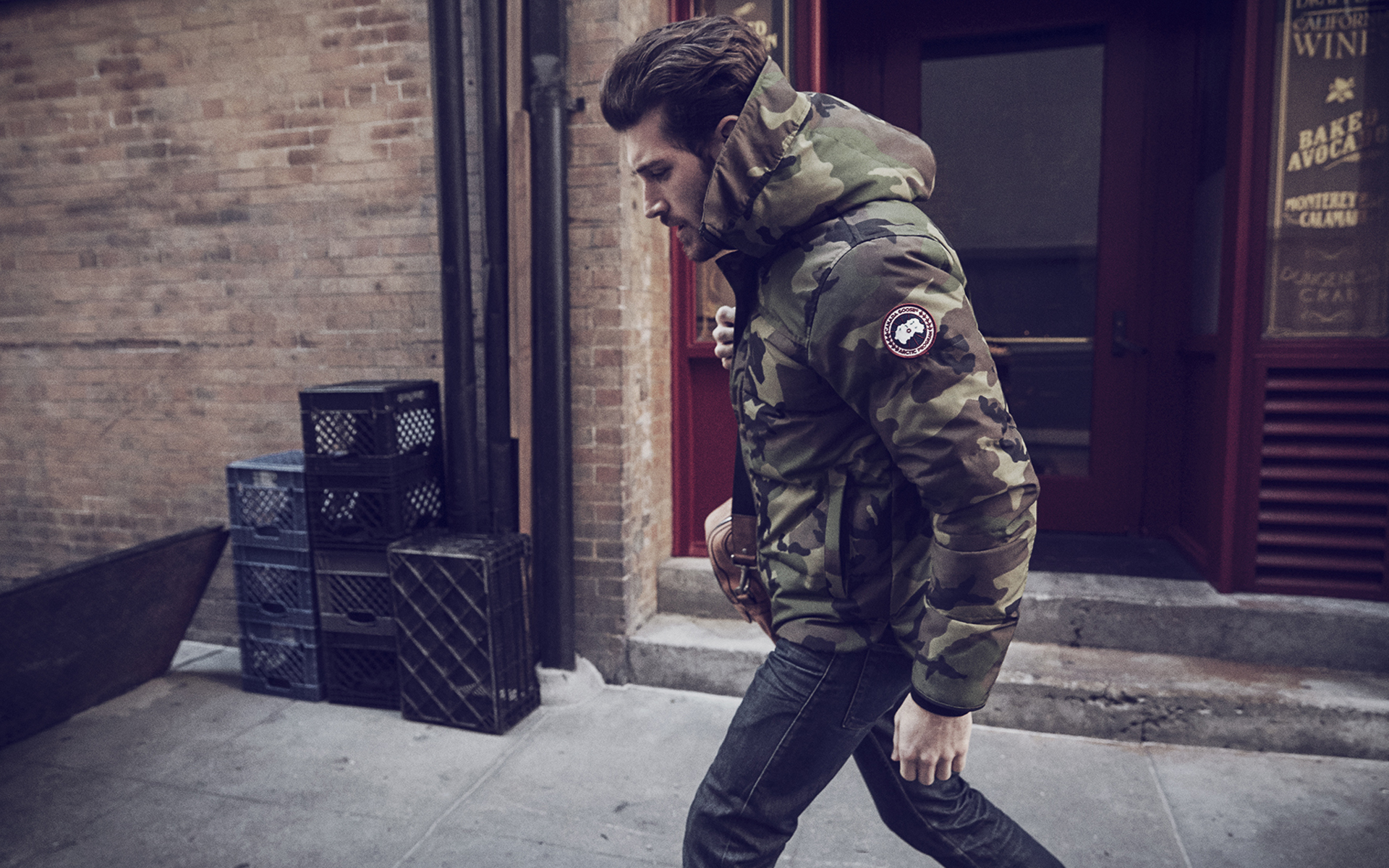
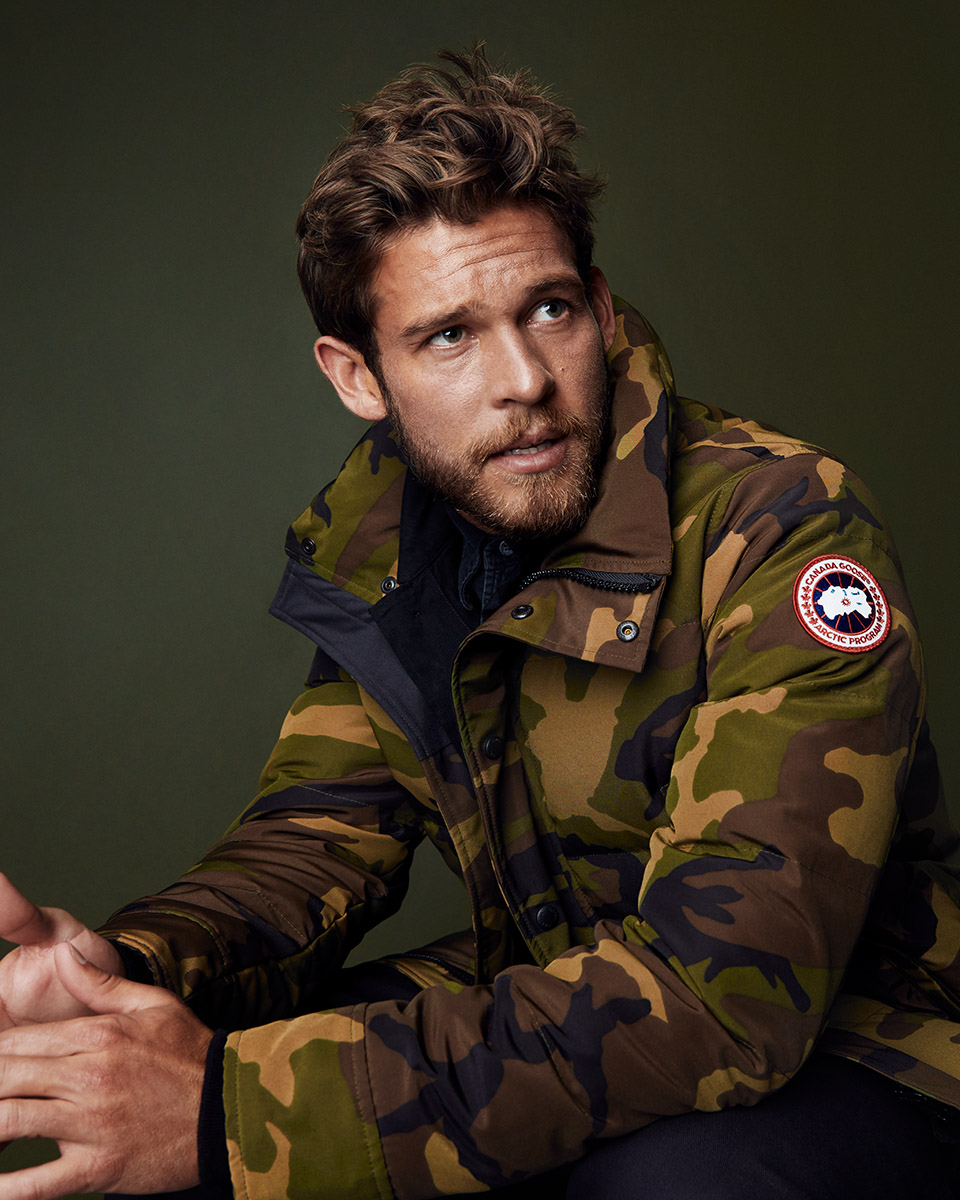
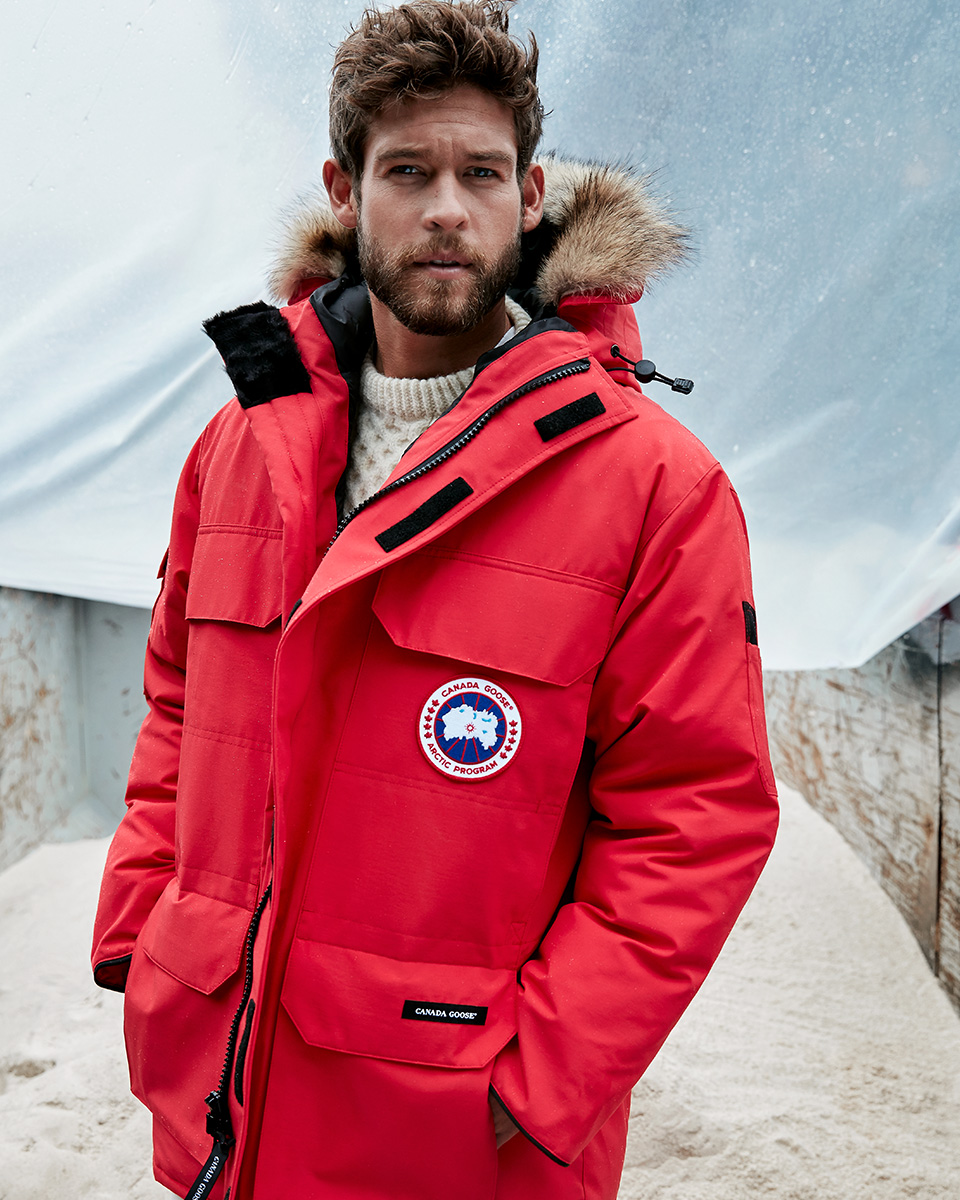
Winter ushers in one of my favorite times of year: Parka Season. Unfortunately, here in Chicago the temperatures have only briefly dipped below 35℉, which in my opinion does not make it cold enough to finally break out the parka. My fellow UChicago students appear to feel very differently about this matter as parkas appeared all across campus the first day below 50℉. Upon the beginning of Parka Season here in Chicago, I could not help but notice the disproportionate amount of Canada Goose parkas on the quad. Now, I understand that the University of Chicago as a whole has a relatively affluent student body—to put it modestly—but I am continually shocked by the amount of students casually wearing $800-$1400 jackets. And to be clear, I am theoretically guilty of this very offense; if I could afford a Canada Goose jacket, you bet I would wear it the first day I feel a cool breeze. But why are students (or their parents/benefactors) willing to indulge in such a luxurious jacket? Are these jackets being worn for fashion, practicality, or to publicly demonstrate affluence? Let’s consider the case for Canada Goose.

The History of Canada Goose

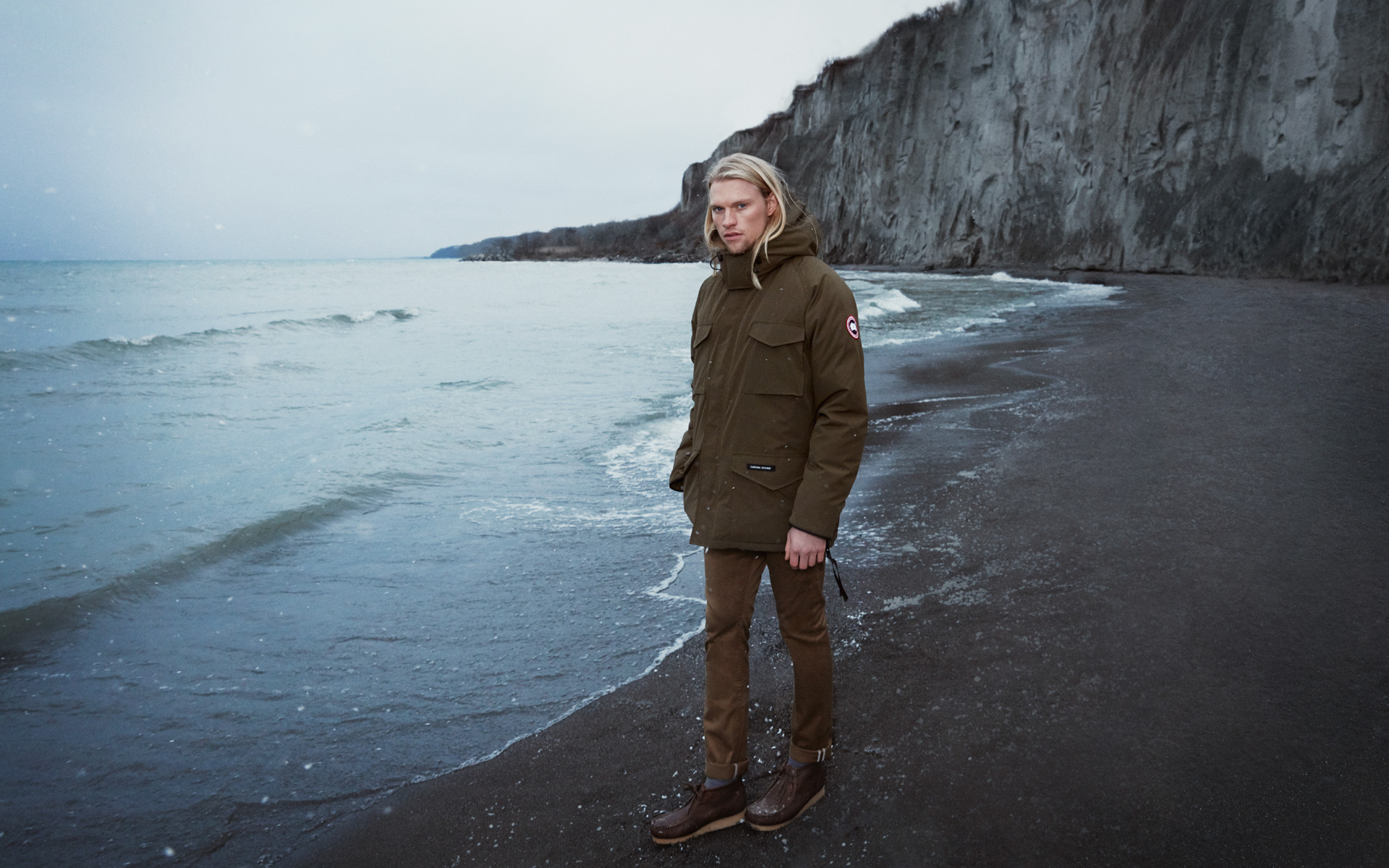
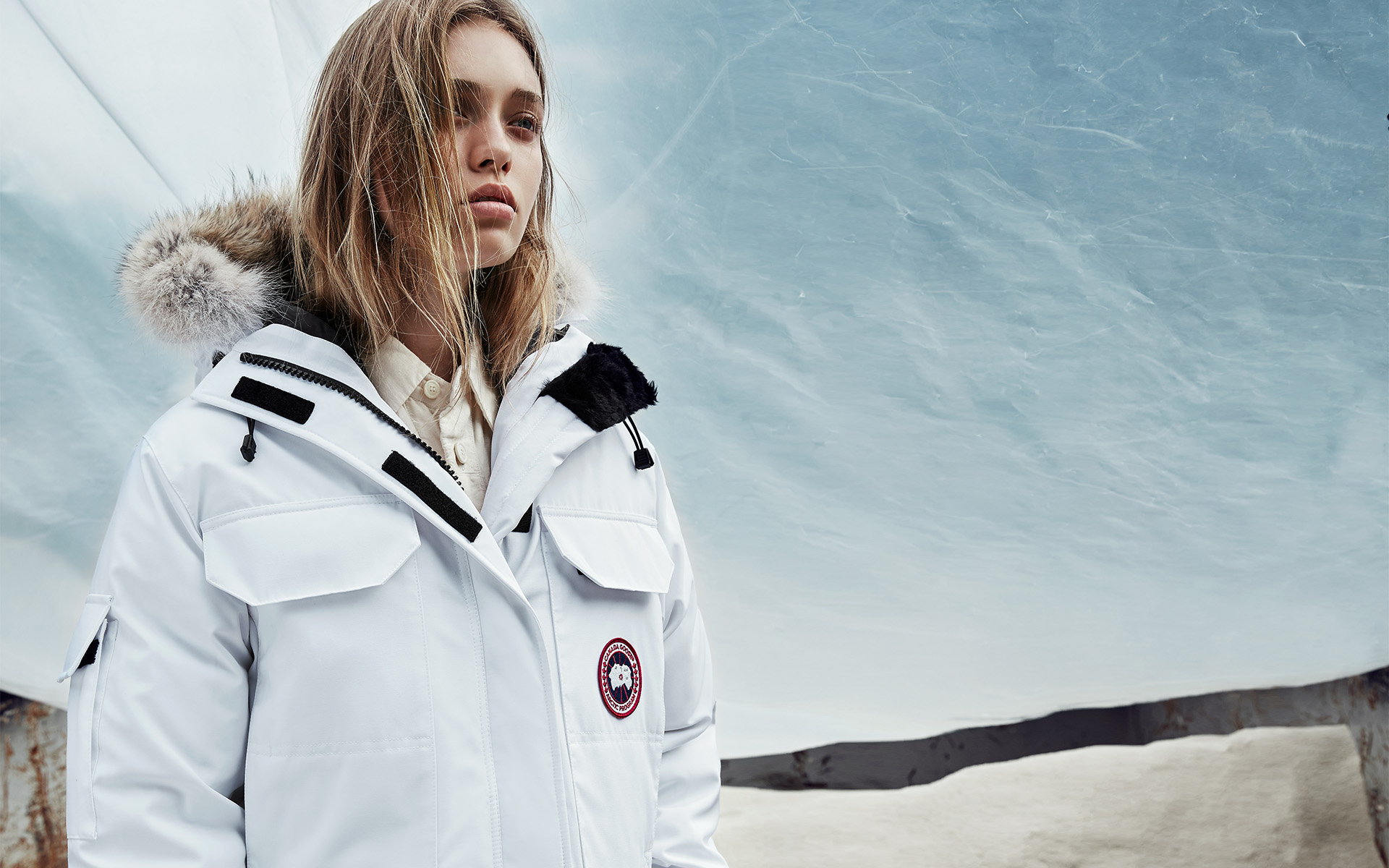
In one sentence, Canada Goose characterizes their history as, “Founded in a small warehouse in Toronto almost sixty years ago, Canada Goose has grown into one of the world’s leading makers of luxury apparel.” Despite this description as a “luxury apparel” brand, they began as a company focused on performance rather than luxury. They developed the signature Expedition Parka for scientists in Antarctica, which soon became standard issue for researchers and those spending extended time in Antarctica. In the early 2000s Canada Goose continued their mindset of “embracing Arctic adventure” by partnering with professional dogsledder Lance Mackey.

Actor Daniel Craig sports a Canada Goose jacket in Spectre. Image via here

Actor Daniel Craig sports a Canada Goose jacket in Spectre. Image via here

Today, they partner with Goose People, Canadians they see as “everyday heroes who strive for excellence. Their journeys, achievements and ‘can do’ attitudes inspire us.” Among these Goose People are extreme adventure athletes, polar explorers, basketball players, climbers, movie directors, soccer players, and tennis players, to name a few.

Given their success as a performance jacket company, a little over 20 years ago Canada Goose began partnering with the film industry to outfit cast and crew in their jackets during production in extreme climates. This decision single handedly changed the direction of Canada Goose forever. It was only a matter of time before the jackets went from being off the screen to on the screen in films such as The Day After Tomorrow, National Treasure, the James Bond series’ Spectre, and most recently Manchester by the Sea. Now entering into the realm of celebrities, the jackets started spreading among the rich and famous, eventually spreading to upper-class North Americans.

Practicality

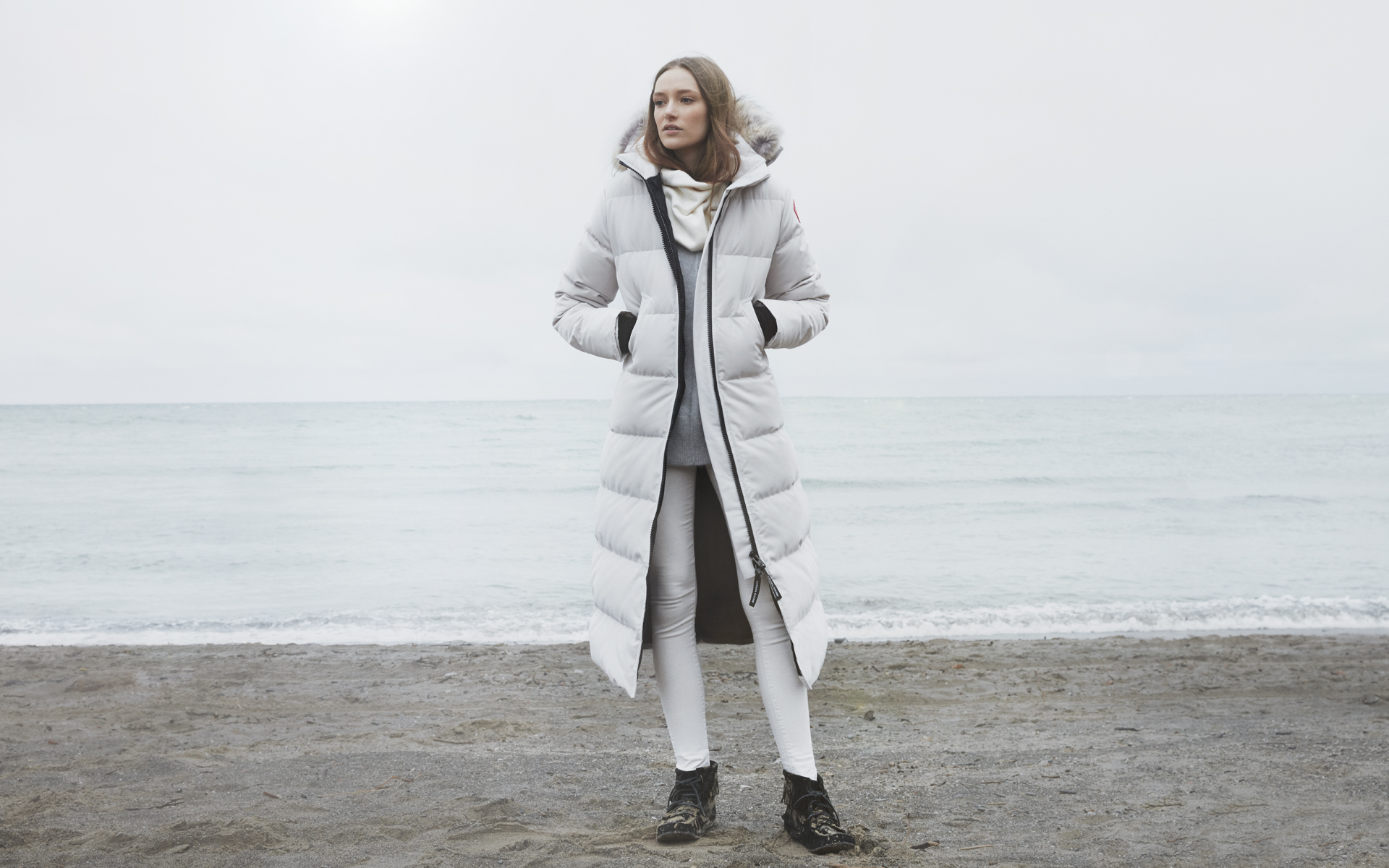
Canada Goose jackets remain the gold standard for Arctic jackets, but as a jacket for urban or suburban use, it has limited practicality. Even city dwellers will rarely face the intense levels of cold these jackets were designed for, however, when used by a city commuter finding themselves walking through snow and low temperatures, the comfort and warmth provided by the jackets may give a legitimate reason to warrant their purchase. But still, even if one justifies the practicality of a Canada Goose jacket, other companies make products that will function in the same capacity for half the price.

Image via here

Image via here

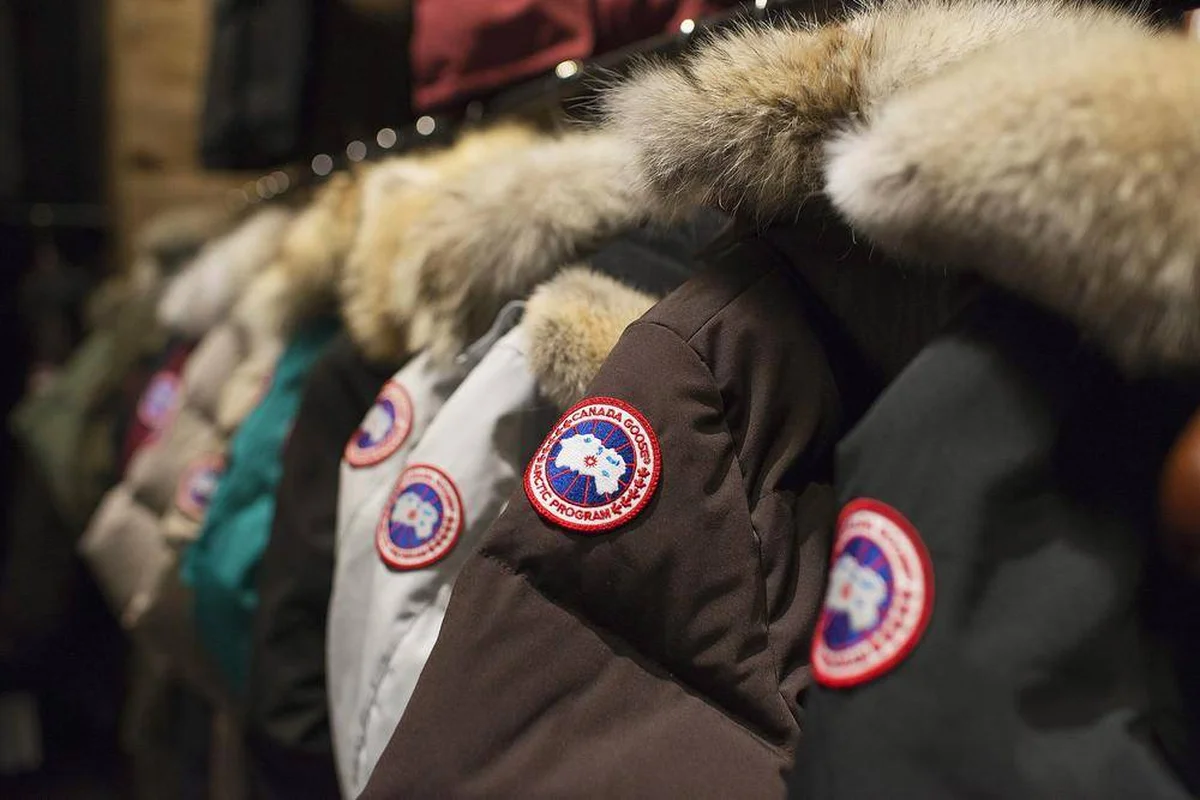
Other big name outdoor brands such as North Face, Eddie Bauer, Patagonia, Columbia, Marmot, and Rab all offer parkas in the relatively less expensive $300 range. Considering these options, Canada Goose jackets decisively did not become popular solely due to function. It’s that patch on the side of the left arm—an indicator of status, luxury, and possibly superiority. Maybe those who can afford these jackets without thinking about it (a girl in my apartment owns three) would be appalled by my conclusions about what wearing a Canada Goose jacket means, but if it does not mean these things, why not just cut off the patch? I challenge you, Canada Goose jacket owner, cut off the patch or at least purchase from the Black Label line with the smaller, black/white patches.

Fashion?

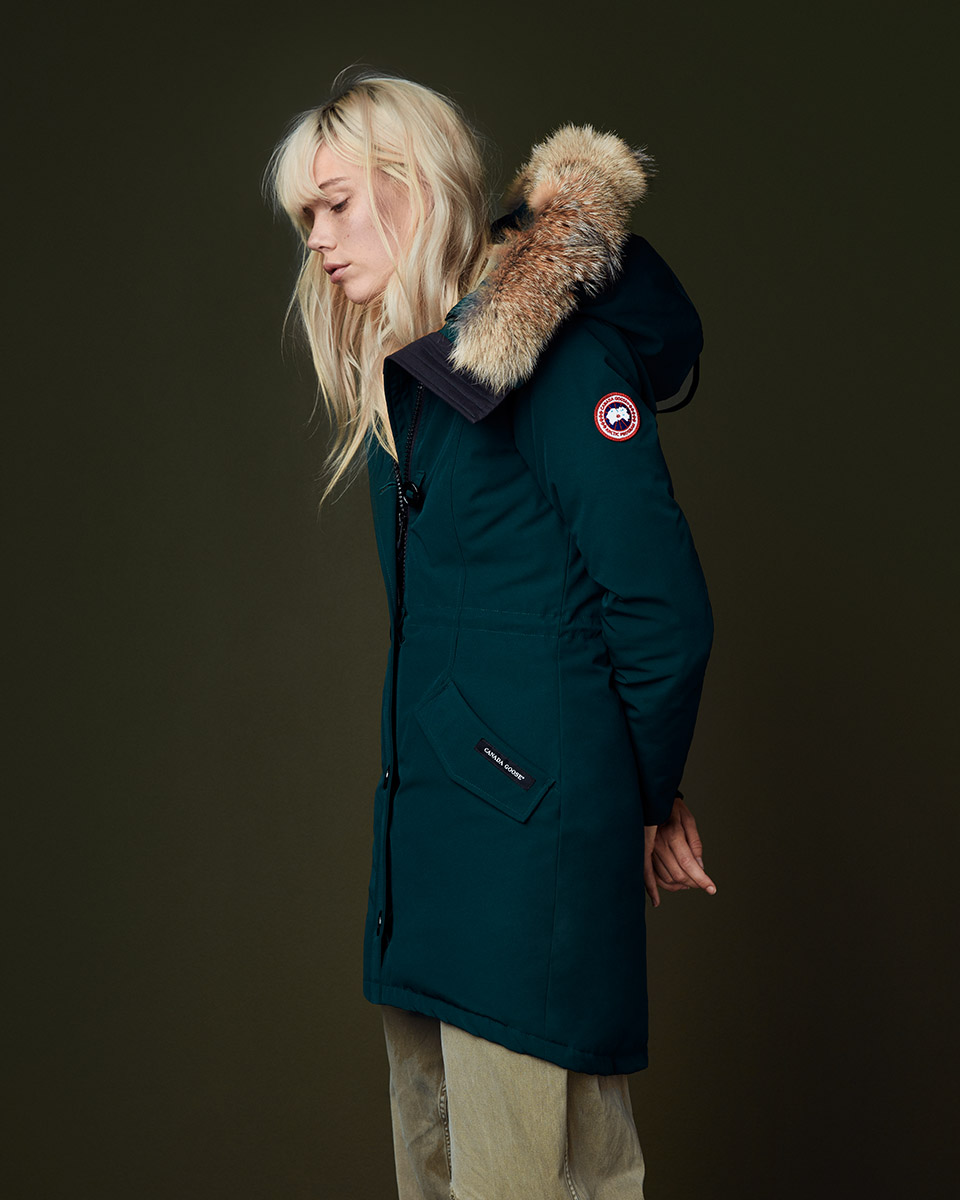
When considering these jackets as fashion, the price should have little to no bearing. After taking away this factor, Canada Goose jackets make a beautiful addition to the winter wardrobe. Made with white duck down and coyote fur ruffs, the quality undeniably sets them apart from other outdoor brands. Their parkas bear the proud “Made in Canada” stamp and hold history of design with attention to detail for performance and style. As much as people like to talk down the fashion of the rich and famous, Canada Goose jackets caught on not because of a name—they became a name.

Their designs set the industry standard for parkas; other outdoor brands clearly try to replicate Canada Goose designs to keep up with their growing popularity. The company’s continued growth does present risks, namely becoming a sellout to mediocrity in some of its products in order to lower prices. This phenomena occurred with North Face, a brand originally known for making extreme climate gear for climbers that has since developed many levels to their brand. For example, American department stores across the country sell North Face jackets, which diminishes their exclusivity. North Face sells parkas ranging from $100-$800, creating a wide variance in the quality of their products. If Canada Goose wants to retain their reputation as an Arctic adventure outfitter, they must be careful in their expansion.

With United States flagship stores already in New York, Chicago, and Boston, the company plans to open 15-20 more stores in North America by 2020. This year they released a new line of knitwear, which they characterize as “bringing purpose-driven design and prowess in crafting function-first apparel to luxurious Merino wool garments.” The launch of the new knitwear line signals a shift in the brand’s focus from functionality to fashion.

6924L_698_a.jpg

The knitwear line also suggests the company’s willingness to sacrifice company mission for growth. Made in Italy and Romania, their knitwear does not have the “Made in Canada” assurance that defines part of the company’s appeal and mission. When asked about this decision by the Chicago Tribune, Canada Goose CEO Dani Reiss said, “If we could have made it in the same level in Canada, we would have, but we’re not able to… It’s not about price; it’s not about going to a low-cost environment; it’s about making it in the right place for the product to be made.”

Reiss also used to position himself against brands with distinct logos until the recent explosion in his own brand’s popularity. “I used to cut alligators off my shirts. Now I understand a brand is a reputation,” Reiss said.

Fashion, Fad, or Both?

  • Fad- def. (n) an intense and widely shared enthusiasm for something, especially one that is short-lived and without basis in the object’s qualities
  • Fashion- def. (n) a popular trend, especially in styles of dress and ornament or manners of behavior

Canada Goose products are fashionable, point blank. Any item that sets the industry standard deserves to be recognized as such. But well off college students wearing these jackets on 50 degree days indicate their status as a fad among this demographic. In this situation, these jackets have no real function other than to “look cool.” Come on, we live in Chicago during the midst of rather severe climate change (i.e. mild winters) and only have to walk a few hundred feet between the Reg and the quad. I have yet to meet a University of Chicago student who spends extensive time in the cold or goes on Arctic adventures necessitating the level of warmth and function provided by a Canada Goose jacket.

While still too early to tell if Canada Goose jackets will remain popular, current enthusiasm for the jackets stem from their association with luxury and reputation as a social statement, not their “objective qualities” as Antarctica-grade coldgear. Therefore, as students purchase these jackets based on this reasoning, I consider them a fad at the University of Chicago. This is not to say the company lacks a consumer base who uses these jackets for situations closer to functional intent. In those cases, the jackets should not be considered a fad, but among most college students—definitely a fad.

But what about fashion? Yes, across all boards these jackets (and anything with Canada Goose on it) constitutes fashion by definition. The desire and trend to wear Canada Goose only continues to grow in North America and adds a wonderful piece of clothing to anyone’s winter essentials.

Images via here